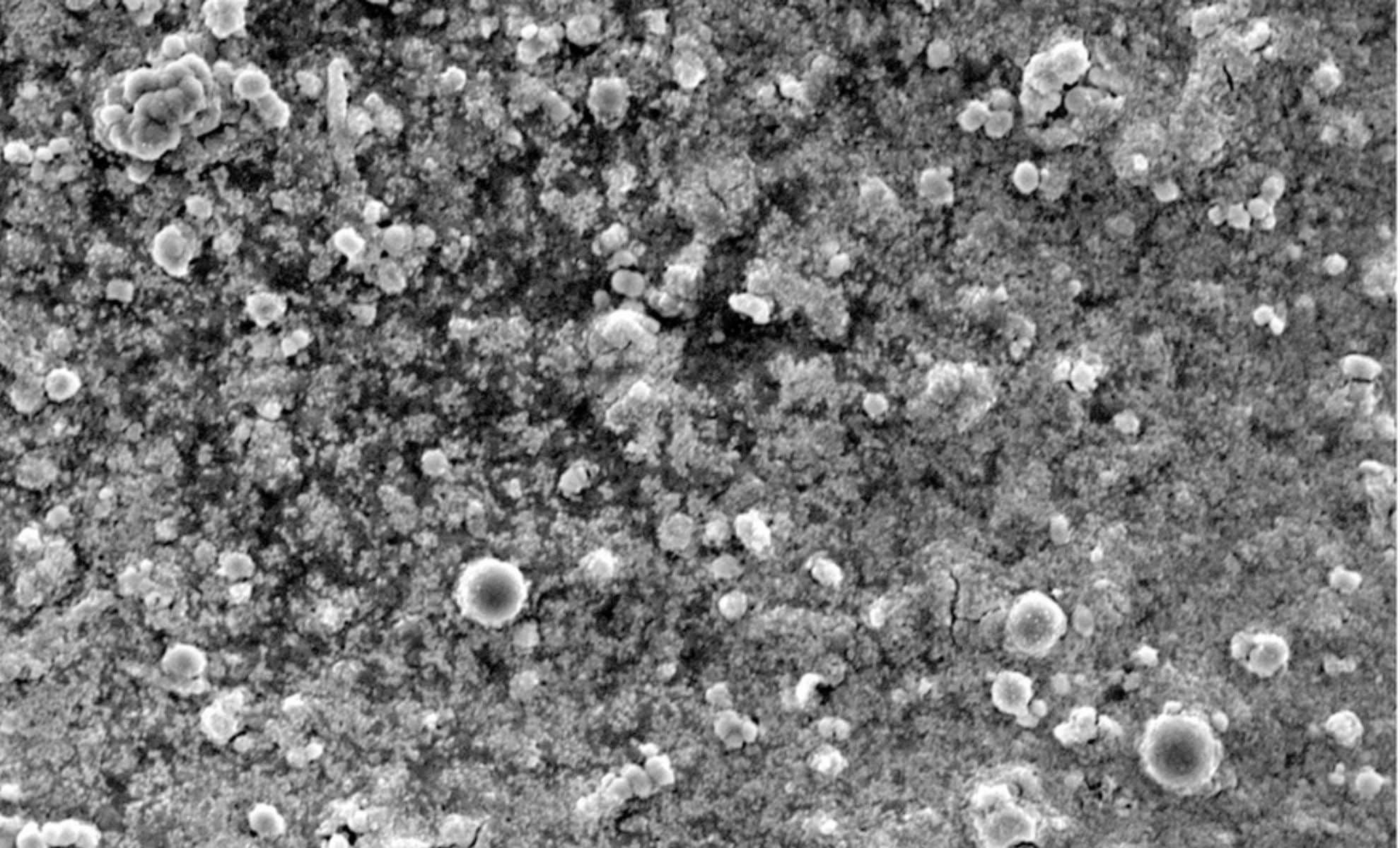
Researchers at Ohio State University have developed a method to use fungi, specifically shiitake and button mushroom mycelium, as organic memristors, which could lead to environmentally friendly and sustainable components for future computing devices, leveraging the natural properties of fungi to store electrical states.
Emerald AI, a startup founded to address the massive energy demands of AI data centers, proposes a flexible approach to managing power consumption by shifting workloads during peak demand times, potentially enabling AI companies to meet their ambitious energy goals without overloading the grid.
Toyota is leading automotive innovation with a focus on sustainability, developing a powerful 400-horsepower hydrogen engine and advancing electric and hydrogen fuel cell technologies to revolutionize the industry and address environmental challenges.
Scientists from the University of Nottingham and partners have developed a novel method using argon plasma to efficiently extract and utilize tiny amounts of precious metals, creating ultra-thin 2D structures that enhance sustainability and reduce pollution, with potential applications in clean energy and industrial processes.
Scientists have discovered that the soil microbe Bacillus megaterium can efficiently convert CO₂ into solid calcium carbonate, turning it into rock within hours, offering a promising, sustainable alternative for reducing industrial carbon emissions and potentially transforming cement production.
Researchers at the University of Cambridge have developed eco-friendly, adaptive sensors inspired by spider silk that can be imperceptibly printed onto various biological surfaces, including human skin and flower petals. These lightweight, high-performance bioelectronic fibers can be used for continuous health monitoring, virtual reality, and environmental monitoring, offering a sustainable and low-waste alternative to traditional sensor technologies.
Garner has introduced the DiskMantler, a device designed to disassemble decommissioned hard drives and separate valuable internal components from the casing by vigorously shaking it for as little as 8 seconds. This aims to reduce e-waste and provide a safer alternative to traditional shredding and melting methods. The company also plans to release the DeMag, a super degausser that demagnetizes HDD disk platters and magnets, making data forensically unrecoverable. These innovations address both environmental and security concerns related to hard drive disposal.
Researchers at ETH Zurich have developed a groundbreaking method to extract gold from old motherboards using food waste byproduct, specifically whey from the cheesemaking industry. The process involves creating a sponge from whey to collect gold from e-waste in an acid bath, followed by high heat to form nuggets. The value of the extracted gold is 50 times more than the cost of the process, making it commercially viable and environmentally sustainable. This innovative technique offers a more sustainable and profitable alternative to current methods, contributing to e-waste recycling and potentially making electronic devices more affordable for consumers.
Researchers have developed a sustainable 3D-printing technique inspired by chameleons, allowing for the creation of multiple dynamic colors from a single ink by modulating structural color during the printing process. This approach utilizes specially designed crosslinking polymers and UV light to achieve color gradients in the visible spectrum, offering a more vibrant and potentially more sustainable alternative to traditional chemical pigments or dyes. The study, published in the journal PNAS, demonstrates the power of collaboration in designing this molecular-level system.
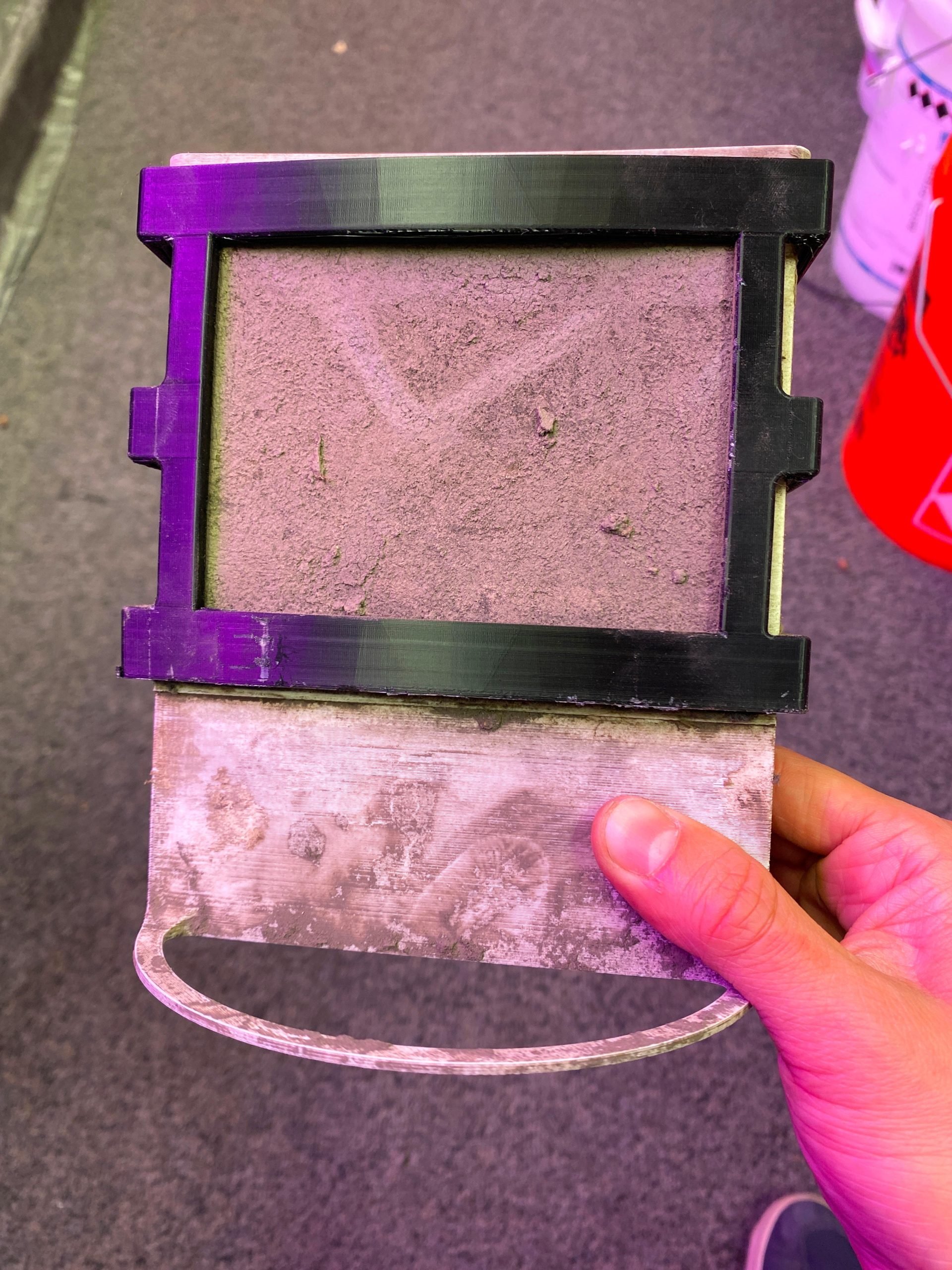
Northwestern University researchers have developed a soil-microbe-powered fuel cell that outperforms similar technologies, providing a sustainable solution for powering low-energy devices. The fuel cell, about the size of a paperback book, can fuel underground sensors used in precision agriculture and green infrastructure, offering a renewable alternative to batteries. The technology harnesses energy from microbes living in soil and has been shown to work in both wet and dry conditions, outlasting similar technologies by 120%. The researchers have made all designs and tools public for widespread application.
Researchers at Tata Institute of Fundamental Research (TIFR) in Mumbai have developed an innovative plasmonic reduction catalyst stable in air, merging platinum-doped ruthenium clusters with "plasmonic black gold" to efficiently harvest visible light and achieve remarkable performance in the semi-hydrogenation of acetylene. This catalyst exhibits unprecedented stability for at least 100 hours and offers significant contributions to the understanding of plasmonic catalysis, paving the way for developing sustainable and energy-efficient catalytic systems with potential applications in various reduction reactions.
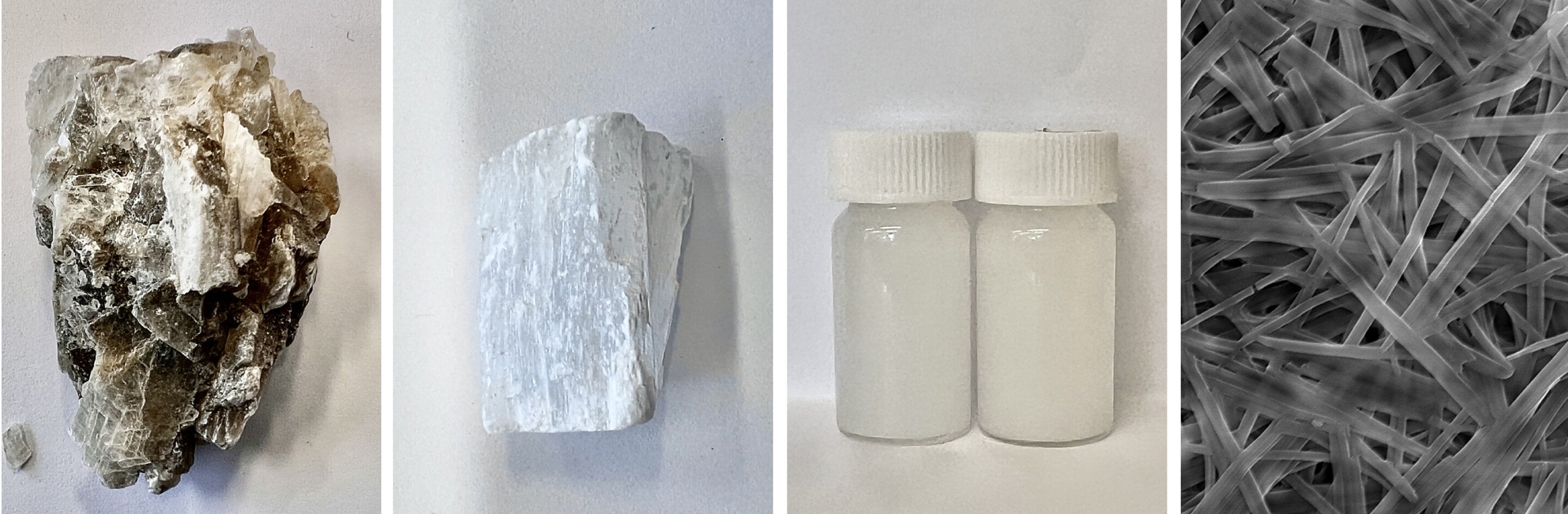
Scientists at the University of Sussex have repurposed a waste product from NASA research to create transformative nanomaterials with potential applications in clean energy production and building materials on Mars. By using sustainable production methods and water-based chemistry, the researchers identified electrical properties within gypsum nanomaterials, opening avenues for sustainable technology and habitation on the red planet. The nanobelts, produced from the waste material anhydrite, could also have implications for clean energy production on Earth.
Gartner has identified the top 10 strategic technology trends for 2024, which will impact business and technology decisions over the next three years. The trends include AI Trust, Risk and Security Management, Continuous Threat Exposure Management, Sustainable Technology, Platform Engineering, AI-Augmented Development, Industry Cloud Platforms, Intelligent Applications, Democratized Generative AI, Augmented Connected Workforce, and Machine Customers. These trends align with three key themes: protecting investments, empowering builders, and delivering value. Organizations are advised to evaluate the impacts and benefits of these trends and combine them strategically to achieve their goals.
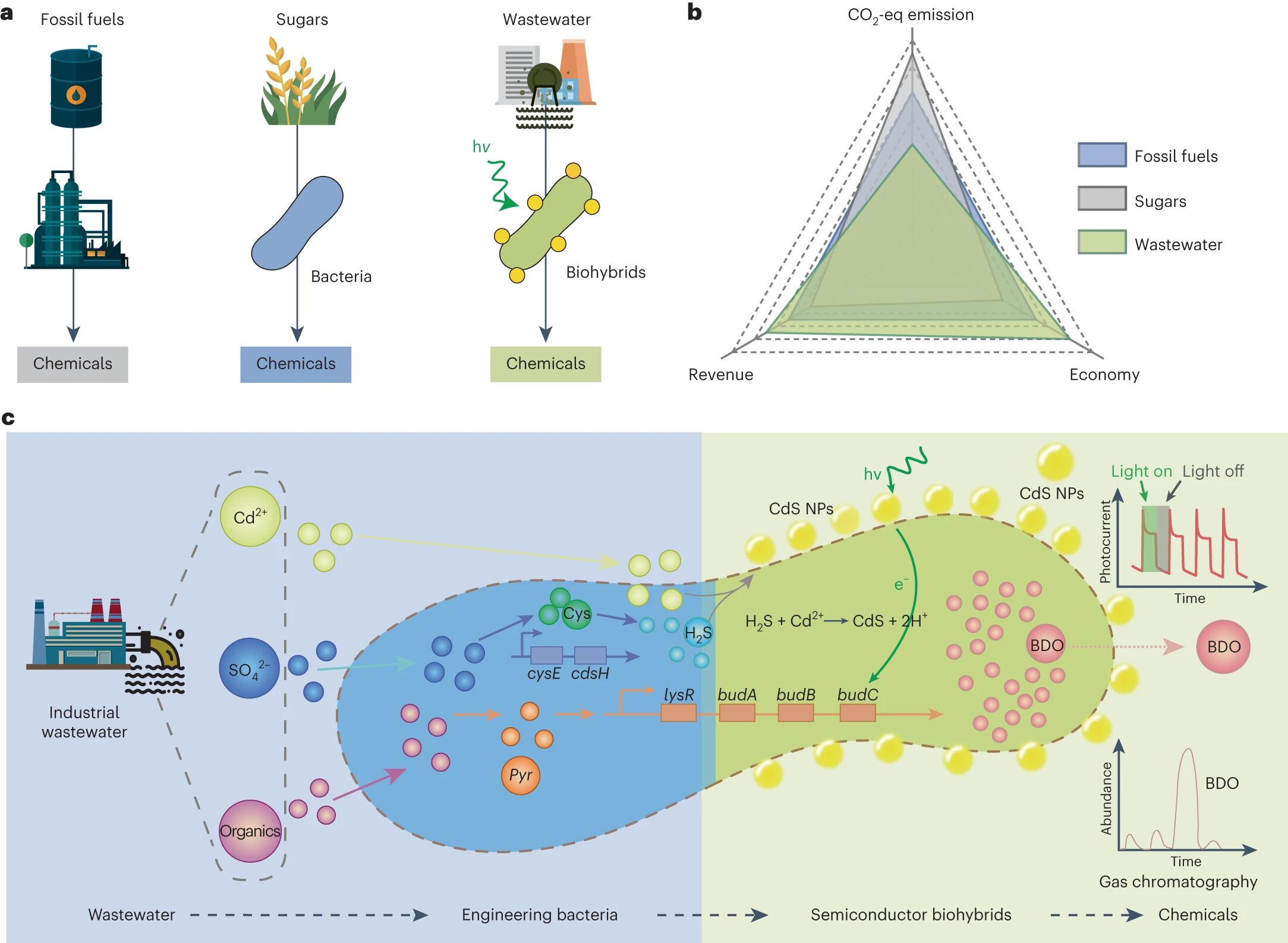
Researchers have developed a method to convert wastewater contaminants into valuable chemicals using sunlight. By utilizing organic carbon, heavy metals, and sulfate compounds present in wastewater, semiconductor biohybrids can be constructed and converted into valuable chemicals. The study used a fast-growing marine bacterium, Vibrio natriegens, which was engineered to produce hydrogen sulfide and facilitate the production of CdS nanoparticles. These nanoparticles enabled the bacteria to utilize light and significantly enhance the production of 2,3-butanediol (BDO), a valuable commodity chemical. The process demonstrated scalability and achieved solar-driven BDO production on a substantial scale using actual wastewater, offering a sustainable and eco-friendly approach to chemical manufacturing.