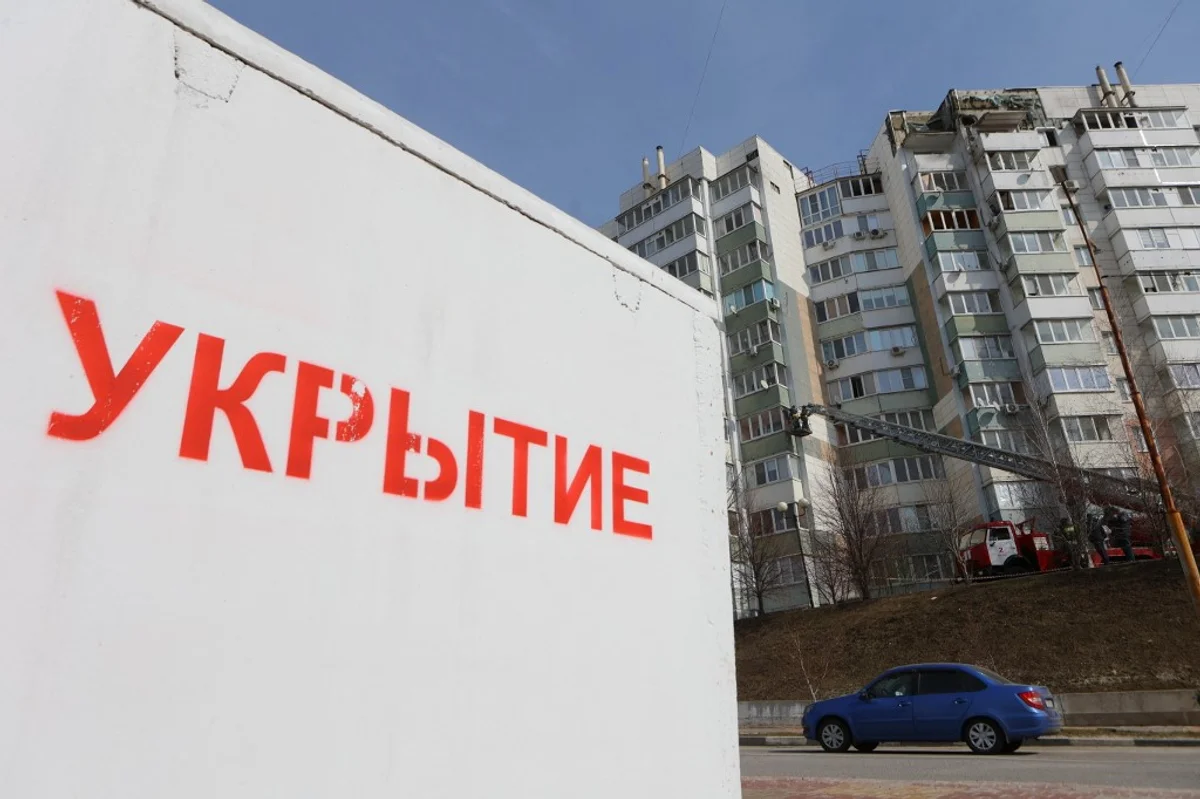
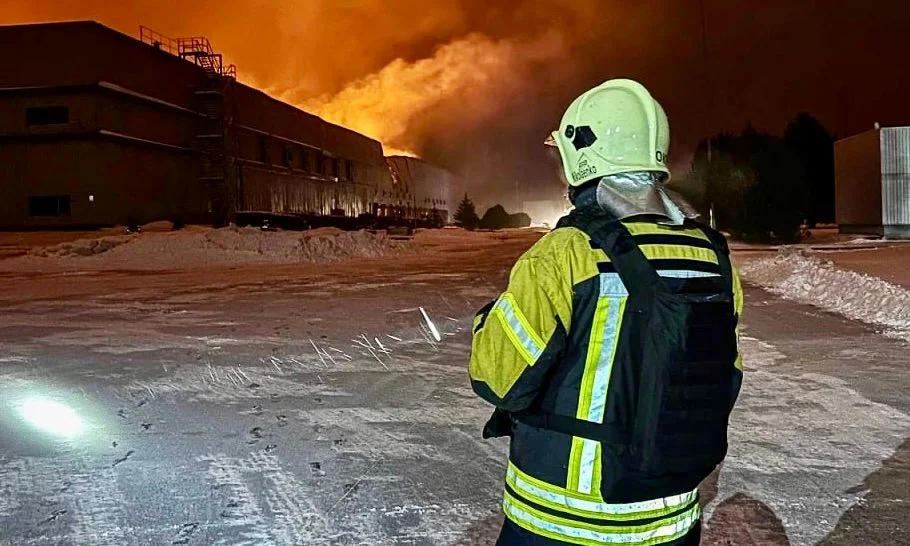
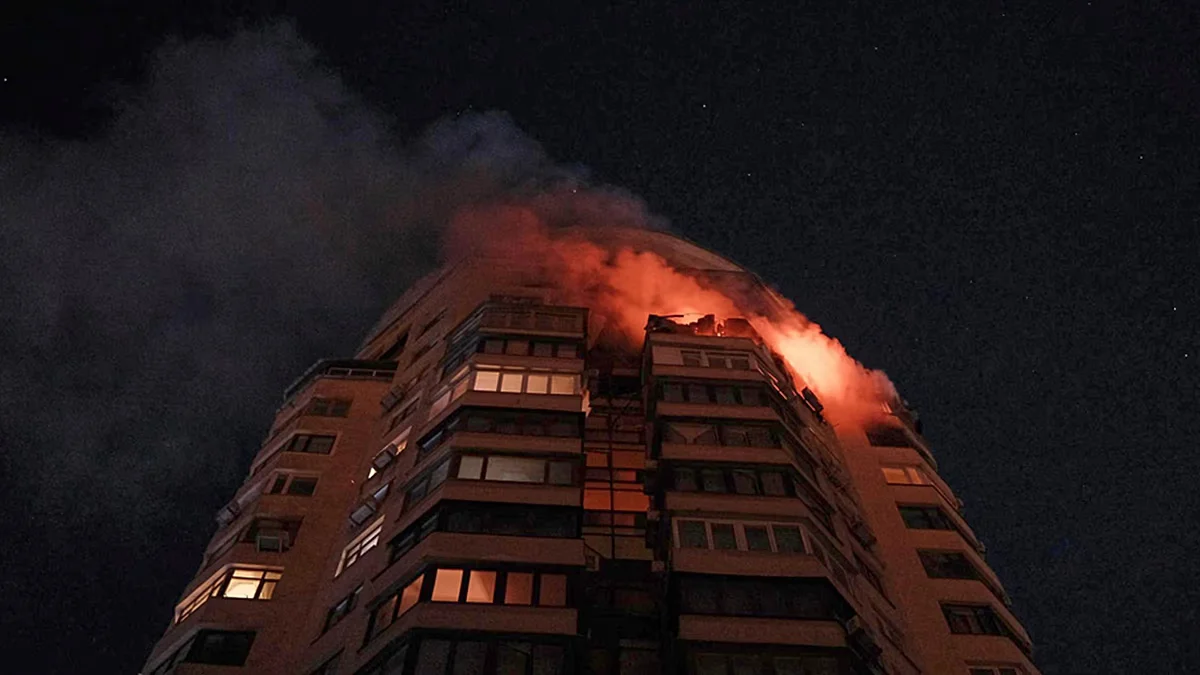
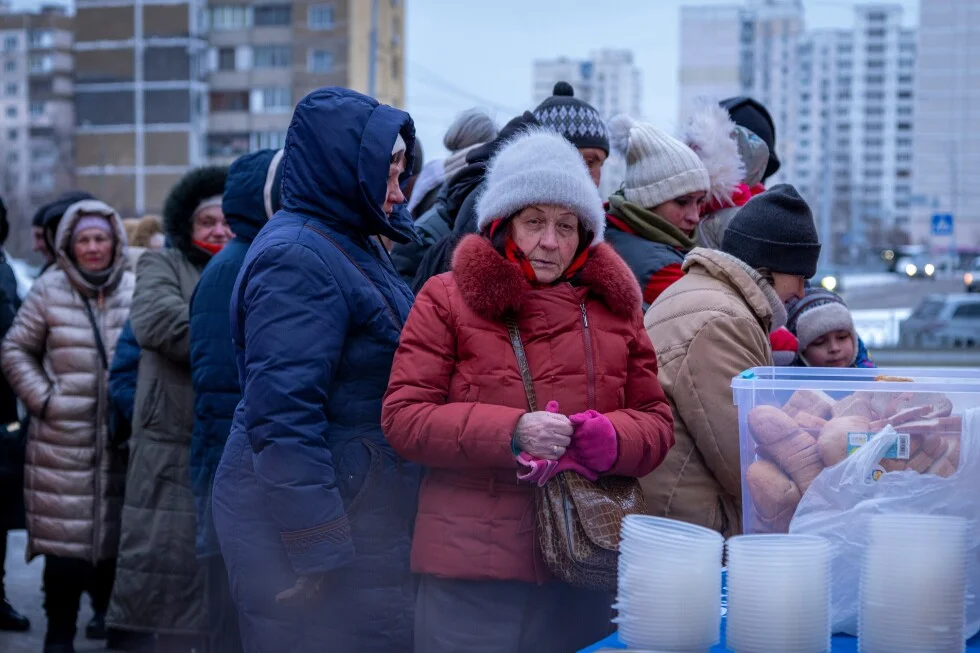
Ukrainian drone and missile strikes knocked out large parts of Belgorod’s power and heating infrastructure, leaving hundreds of thousands cold and prompting evacuations of about a quarter of the city’s buildings, while Russian state media largely downplayed the damage and emphasized drone interceptions.
Russia renewed its attack on Ukraine with hundreds of drones and dozens of missiles, killing a man in Kyiv and a police officer in Lviv as negotiators prepared for new talks ahead of the invasion's fourth anniversary, while Ukraine’s air force said it shot down many missiles and drones and crews rushed to repair a battered power grid.
IAEA Director General Grossi says renewed military activity disrupted Ukraine’s power grid, impacting nuclear power plant operations including a temporary loss of off-site power at Chornobyl and reduced output at other NPPs. Three IAEA teams are inspecting 10 substations over two weeks to assess damage, coordinate repairs, and strengthen resilience, marking the second such mission in months; the agency reiterates calls for restraint and adherence to safety pillars.
Russia launched a mass strike against Ukraine’s energy infrastructure, damaging high‑voltage substations and thermal plants and triggering emergency power outages across most regions just as freezing temperatures deepen the strain on the grid; restoration efforts are underway and international help may be sought.
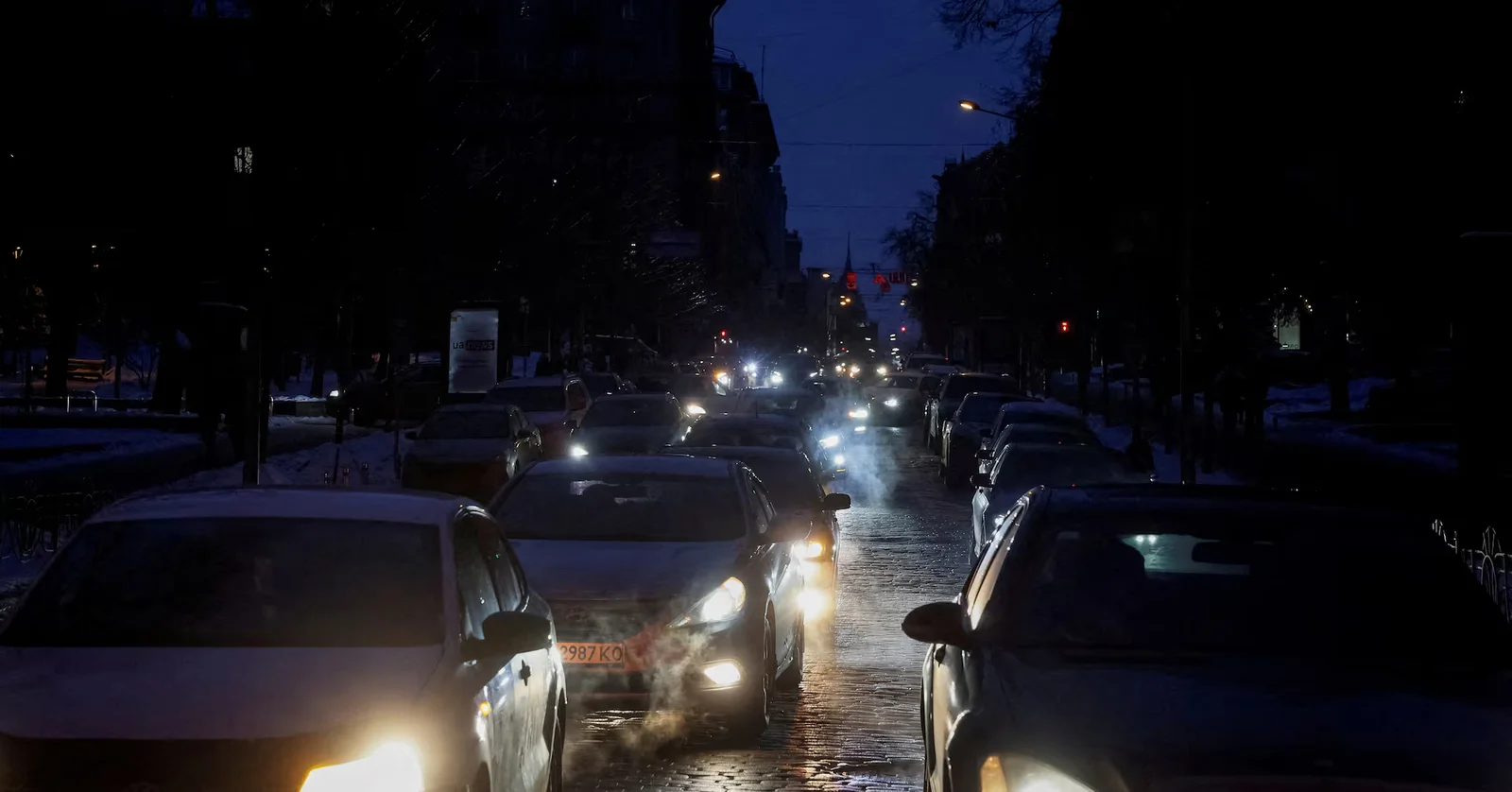
Russia’s latest mass attack on Ukraine’s energy infrastructure on Feb. 3–4 caused extensive damage to generation and transmission networks, triggering emergency power cuts and leaving Kyiv and several oblasts without heating as officials warned of some of the war’s worst damage; DTEK and Ukrenergo reported severe hits to power stations, with thousands in Kyiv still without heat even as about 100,000 Kyiv families had power restored, while drone and missile strikes continued and international talks to end the war proceed.
Russia unleashed one of its largest aerial assaults on Ukraine, firing roughly 450 drones and 70 missiles at energy infrastructure and civilian sites across several regions, causing widespread heating outages in Kyiv and injuring at least 10 people as Zelenskyy urged more air defence ahead of US-brokered peace talks in Abu Dhabi.
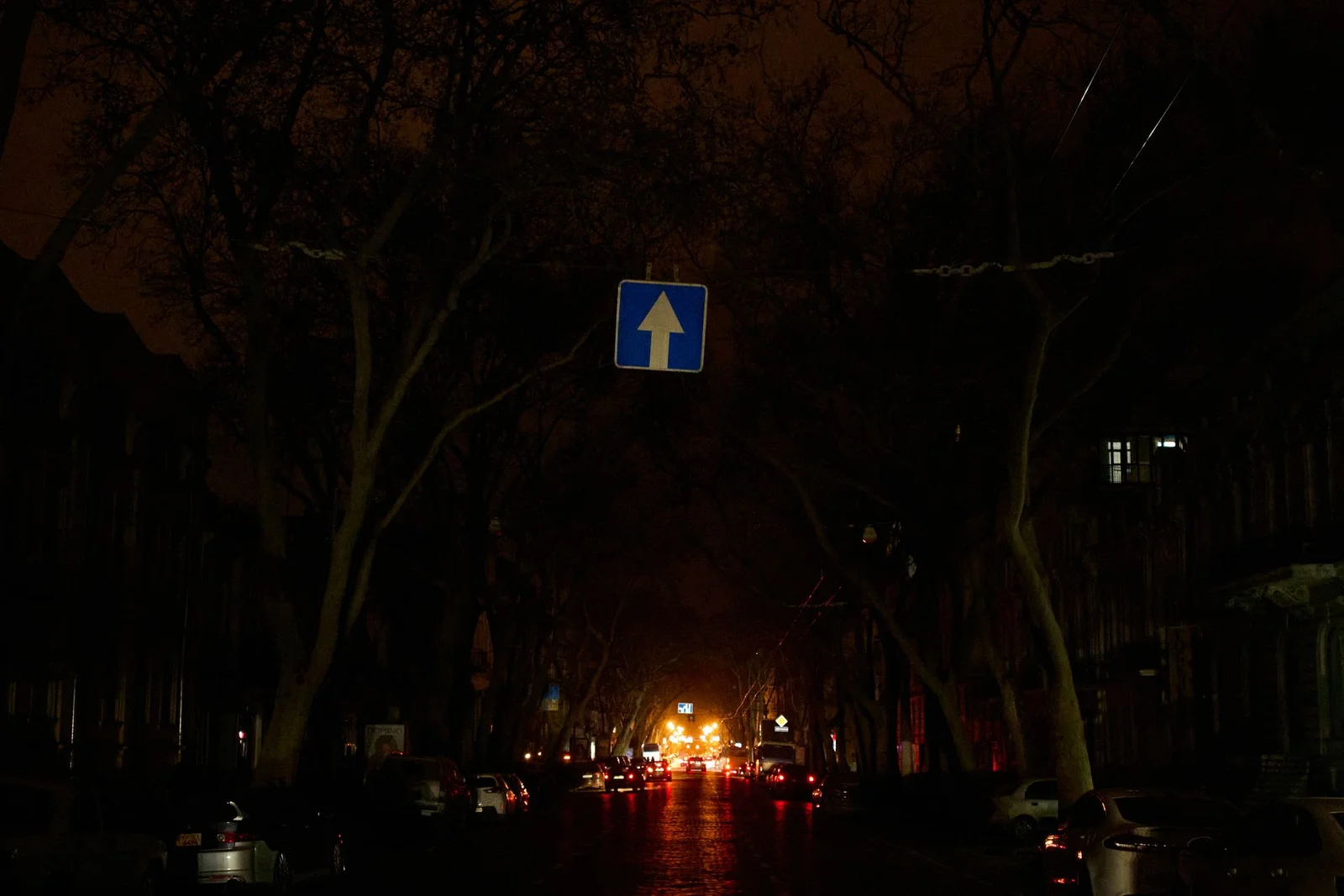
With temperatures expected to dive to -20C amid ongoing Russian strikes on Ukraine’s power grid, millions endure no central heating while repair crews race to defrost pipes and patch outages; a fragile energy pause is in doubt as civilians flee front lines and the winter siege tests resilience.
A technical malfunction on high-voltage lines linking Ukraine, Moldova and Romania caused cascading power outages across seven Ukrainian regions and Moldova, with power restored later the same day. Kyiv’s metro paused and heating was limited for thousands amid freezing temperatures. Officials said there was no cyberattack or direct war damage, and investigators are probing the cause while imports are being increased to meet demand.
Emergency power cuts hit Kyiv and multiple Ukrainian regions plus Moldova after a technical fault in cross-border lines triggered cascading outages, halting water supply and the Kyiv subway. The outages follow weeks of Russian strikes on Ukraine’s energy grid amid an unusually harsh winter, with regional officials warning of further cold and ongoing talks about a limited pause in strikes and diplomacy.
A cascade shutdown in Ukraine’s power grid triggered emergency blackouts across Kyiv and several regions after transmission-line disruptions, cutting heating and water in freezing conditions as officials and energy workers race to restore power to critical infrastructure; Moldova experienced outages and Kyiv metro services were interrupted as the system stabilizes.
Ukraine faces a three-week stretch of hardship as temperatures plunge and Russia steps up attacks on the energy system, leaving millions without heat or electricity, with some relief expected as warmer weather and more solar capacity come online.
PJM Interconnection issued extra alerts to transmission and generation firms as winter electricity demand is forecast to exceed 147 GW, an all-time high for the season, signaling potential grid stress across its 13-state service area.
KHOU highlights ERCOT’s real-time dashboard that shows current and forecasted Texas power supply and demand, grid health, and operating reserves, plus monitors like solar output and prices; it notes Entergy Texas isn’t on ERCOT and points readers to MISO for grid checks outside Texas.
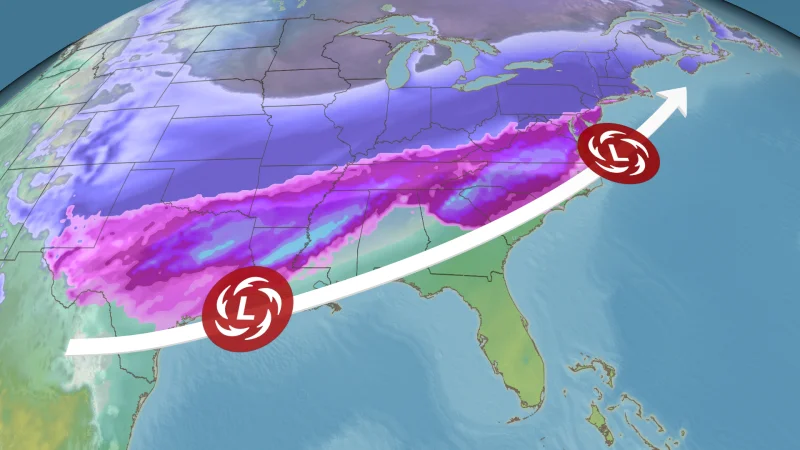
A sprawling winter storm is forecast to bring heavy snow and potentially crippling ice from the South to the Northeast, prompting emergency declarations in at least 12 states, widespread flight cancellations, and major city mobilizations of snow crews and salting efforts. Rain at the storm’s onset could wash away de-icing materials, complicating road conditions as icy patches emerge. Cities like New York, Washington, D.C., and Philadelphia are preparing for significant snowfall (NYC 10–14 inches discussed) and risky travel, while power outages and infrastructure strain are expected in some areas. The storm’s reach and intensity—combined with climate-change-linked variability in winter weather—could lead to multi-day outages and major disruption across the region.
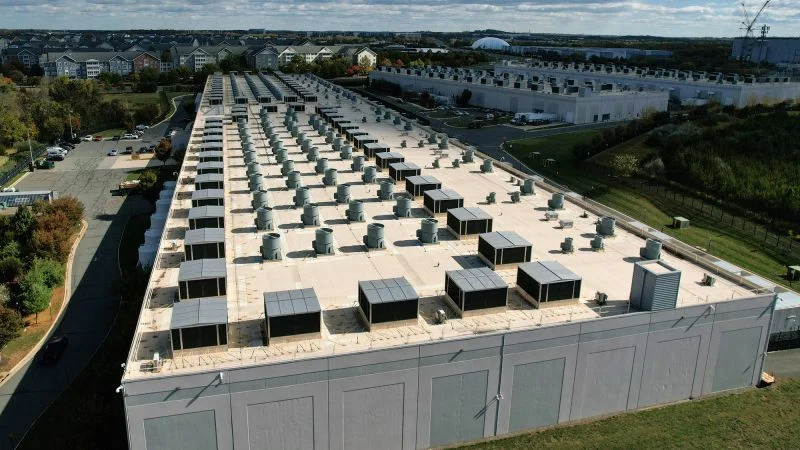
AI data centers are expanding rapidly, with Virginia hosting the world’s largest cluster and major investments from Meta, Microsoft, and Amazon, but the U.S. electrical grid is aging and may struggle to meet rising energy demand. Officials have floated an emergency electricity auction through PJM to cover growing costs from these centers, while residential rates have climbed and utilities are exploring higher charges for large customers. Projections suggest data centers could consume about 6.7%–12% of US electricity by 2028, and cooling needs could push water use up by about 170% by 2030, highlighting the challenge of coexisting data centers and households.