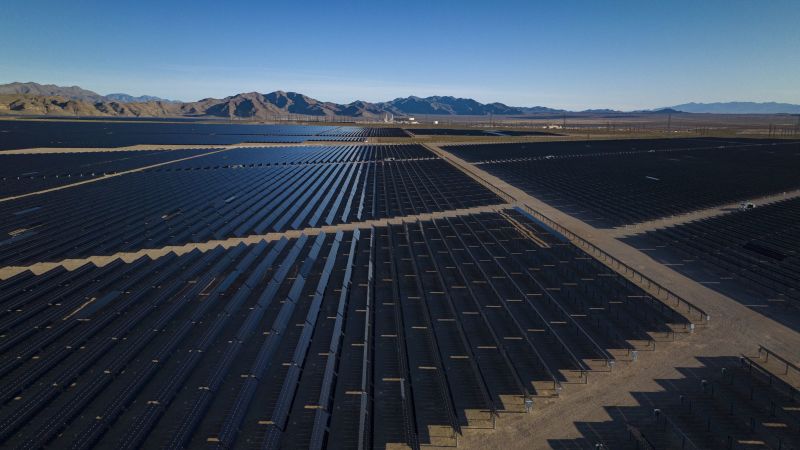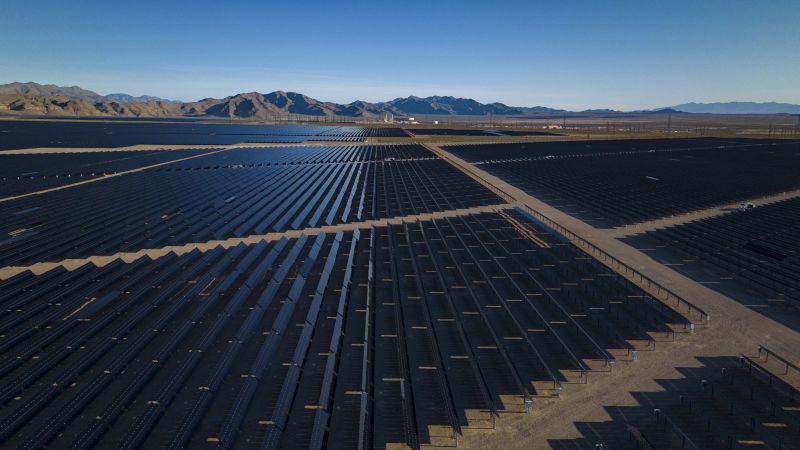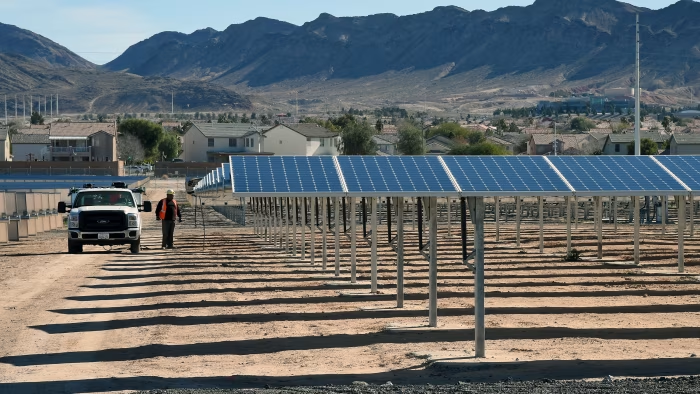
On December 29, 2025, the President signed H.R. 1043 into law, which authorizes the transfer of about 3,400 acres of federal land in La Paz County, Arizona, to the county for solar energy development and job creation.
Due to recent safety recalls and Elon Musk's political controversies, consumers are encouraged to consider alternative home battery solutions such as Bluetti EP800, Briggs & Stratton SimpliPHI, EcoFlow DELTA Pro Ultra X, EG4 PowerPro, Enphase IQ Battery, Franklin aPower 2, GM Energy Home System, Sigenergy V2X, StorEn vanadium flow, and Villara VillaGrid+ for more reliable and diverse energy storage options.
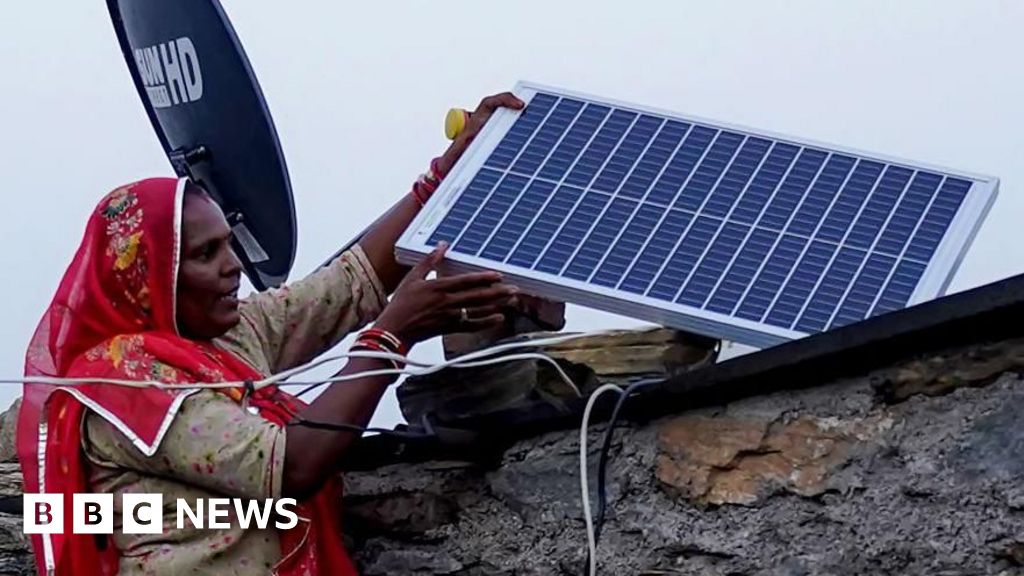
India's rapid solar energy expansion has significantly reduced reliance on coal, but the lack of a comprehensive plan for managing solar panel waste poses environmental risks, with projections indicating a substantial increase in waste over the next decades. Developing dedicated recycling infrastructure and regulations is crucial to prevent environmental harm and sustain the country's renewable energy progress.
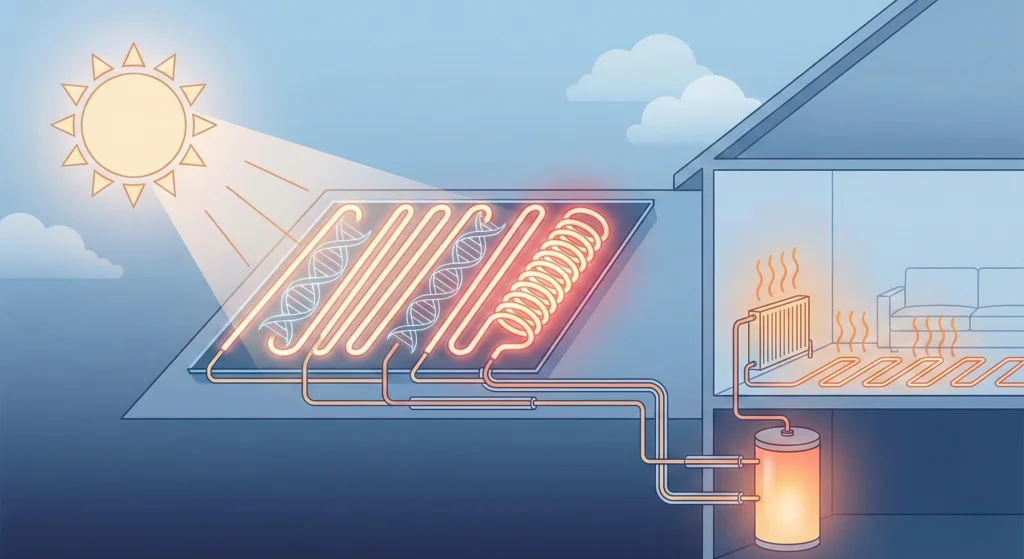
A Chinese team has developed a revolutionary heat pump that exceeds the traditional 200°C limit, reaching 270°C with a 145°C heat source, enabling more efficient industrial heating using modest energy sources like solar power, potentially transforming sectors such as metallurgy and chemical manufacturing.
A California startup, Reflect Orbital, plans to launch 4,000 mirrors into orbit to redirect sunlight to Earth-based solar farms, aiming for continuous energy supply, but scientists warn this could cause significant light pollution, disrupt astronomy, and harm wildlife, raising environmental and ecological concerns.
A Tesla owner revealed that after a year of using solar panels and a Powerwall, their electricity bill was only $2.37, demonstrating how solar energy can significantly reduce charging costs for electric vehicles, though the initial setup costs are high.
The Trump administration quietly canceled the Esmerelda 7 solar project in Nevada, which was set to generate 6.2 GW of power, citing routine changes in approach. The project faced controversy over environmental concerns and was initially supported under Biden, but its cancellation has sparked bipartisan criticism and concerns about the future of renewable energy development in the US.
The Trump administration quietly canceled the Esmeralda 7 solar project in Nevada, which was set to generate 6.2 GW of power, citing routine changes in approach, amid controversy over environmental impacts and political criticism. The project, supported under Biden, faced opposition from conservation groups and some politicians, highlighting ongoing debates over renewable energy development and land use in the US.
Reflect Orbital proposes to use large mirrors on satellites to beam sunlight onto Earth for solar energy after sunset, but the plan raises significant concerns about light pollution and practicality, especially with potential thousands of satellites creating bright flashes and obstructing astronomical observations.
The US has moved to cancel the Esmeralda 7 solar project in Nevada, which would have been the largest in North America, as part of the Trump administration's broader crackdown on renewable energy projects, despite increasing power demand and the industry's potential to support the grid.
The Esmeralda 7 solar project in Nevada, which would have been one of the largest in the U.S. capable of powering nearly 2 million homes, has been officially canceled by the Bureau of Land Management under the Trump administration, amid increased scrutiny and bureaucratic hurdles for renewable energy projects on public lands.
The Trump administration has canceled a major proposed solar project in Nevada, which was set to be one of the largest in the world, signaling a broader move against renewable energy projects on federal land. The project, involving multiple companies and capable of powering nearly 2 million homes, has been halted amid policy shifts and executive orders aimed at restricting renewable energy development on public lands.
The Esmeralda 7 solar project in Nevada, once planned to be the largest in the state with 6.2 GW capacity, has been canceled by the Bureau of Land Management, primarily due to federal permitting freezes enacted during the Trump administration, despite earlier progress under the Biden administration.
A US startup, Reflect Orbital, plans to deploy thousands of satellites with mirrors to reflect sunlight onto Earth for solar power after dark, but this approach faces significant technical challenges and could cause severe light pollution, impacting astronomy and the natural night environment.
A coalition of groups sued the EPA over its illegal revocation of $7 billion in grants intended for low- and moderate-income solar installations, expanding legal battles over climate funding under the Biden administration.