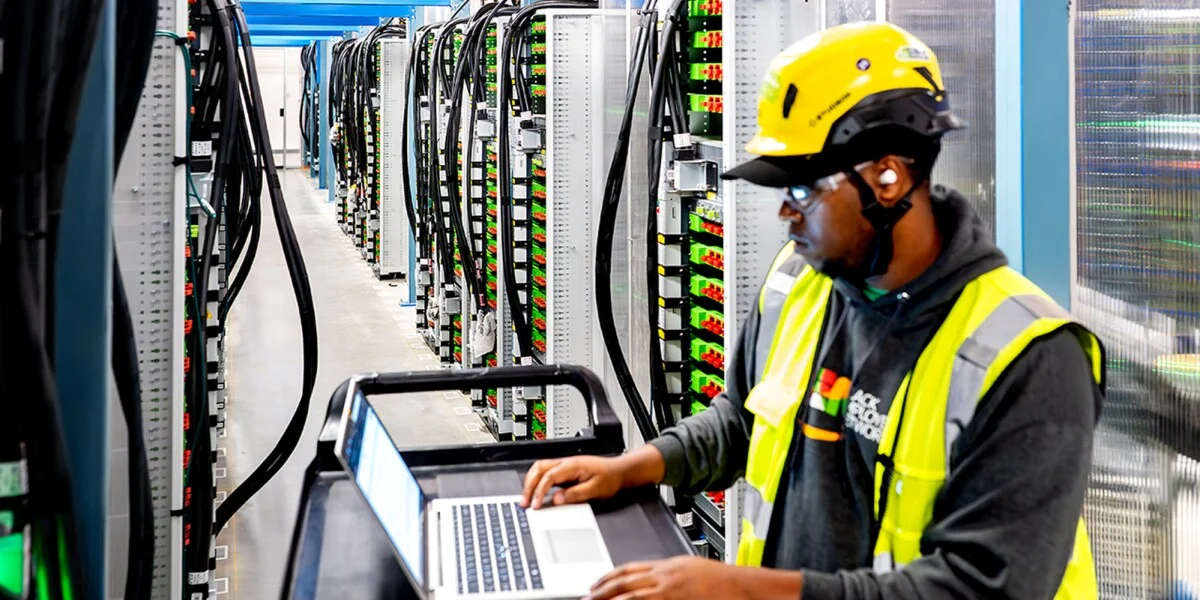
Meta has signed nuclear power agreements with TerraPower, Oklo, and Vistra to support its AI data centers, including the upcoming Prometheus project in Ohio, aiming to add up to 6.6 gigawatts of clean energy by 2035, reinforcing its commitment to sustainable and reliable energy sources.
Vistra and Meta have announced 20-year power purchase agreements supporting three Vistra nuclear plants in PJM, including capacity increases and license extensions, to provide over 2,600 MW of clean energy, bolster local economies, and ensure long-term operation of these carbon-free assets.
Vistra and Meta have signed 20-year power purchase agreements supporting three Vistra nuclear plants in PJM, including capacity upgrades and license extensions, to provide over 2,600 MW of clean energy, bolster local economies, and ensure long-term reliable, carbon-free power for Meta's operations and the regional grid.
The article discusses the ongoing global debate over transitioning from fossil fuels to renewable energy, highlighting efforts like the proposed road maps for a just and orderly energy transition, the geopolitical tensions between petro-states and electro-states, and the key developments expected in 2026, including negotiations at COP31 and initiatives by countries like Brazil, Norway, and the EU.
The article humorously outlines nine scientific breakthroughs hoped for in 2026, including new animal discoveries, advancements in translation software, innovative energy sources like finger scrolling, and solutions for human habits like bedtime procrastination, all amid a backdrop of global concerns and scientific marvels from 2025.
Southeast Asian countries like Vietnam, the Philippines, and Indonesia are gradually shifting from fossil fuels to renewable energy sources, supported by policy reforms and significant investments, including a $4.6 billion influx in 2024, aiming to reduce emissions and meet ambitious renewable energy targets by 2030 and 2040.
The article argues that the transition to electric vehicles can significantly reduce global oil demand, which in turn could decrease conflicts driven by oil resources, such as the US invasion of Venezuela. It highlights how EVs and renewable energy sources can help diminish the geopolitical and social harms caused by oil dependency, and notes that oil consumption is already declining in many parts of the world due to increased adoption of EVs and energy efficiency measures.
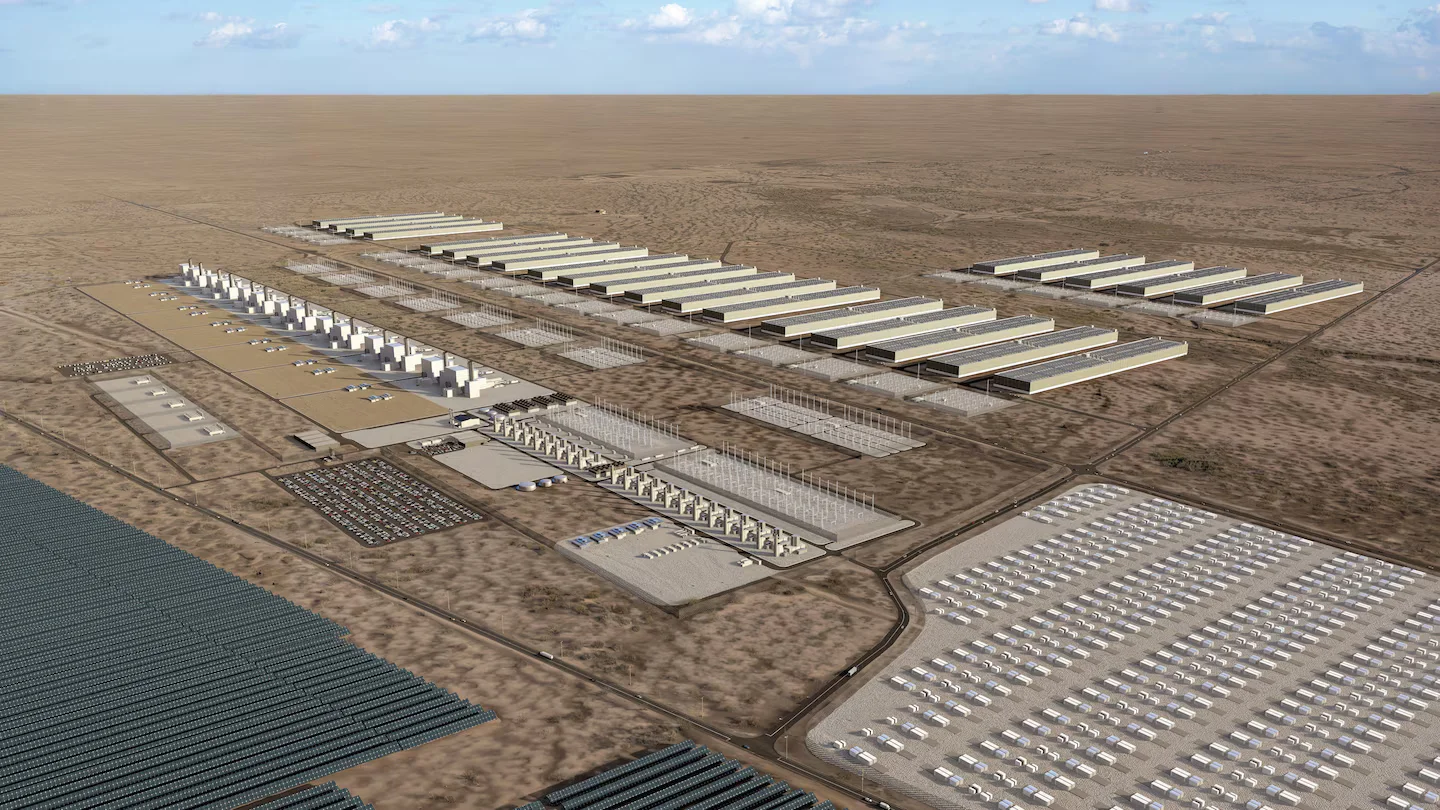
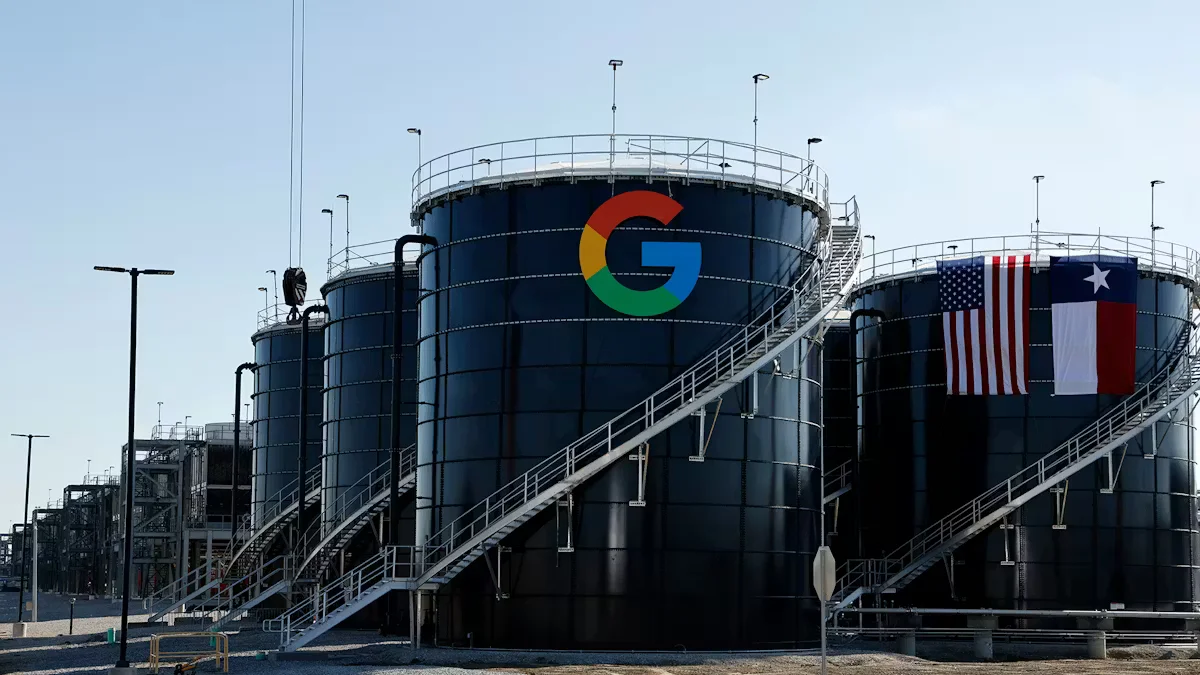
Former Google CEO Eric Schmidt has launched Bolt Data & Energy, a startup focused on building AI data centers in West Texas by leveraging land, water, and energy resources from Texas Pacific Land, aiming to support the global AI race with a focus on renewable and clean energy.
In 2025, Great Britain set a record for renewable electricity generation, with wind and solar leading the way, though reliance on fossil gas remains a challenge to achieving the government's 2030 clean power target, amid ongoing grid and storage upgrades.
Britain wasted over €1.6 billion last year by turning off wind turbines due to grid limitations, highlighting the need for significant investment in grid infrastructure to better utilize renewable energy and reduce costs. Europe faces similar challenges with insufficient grid capacity hindering renewable integration, requiring urgent expansion and modernization.
The article discusses the Trump administration's repeated attempts to halt offshore wind projects citing national security concerns, which have largely been challenged and dismissed in court, revealing that the supposed emergency is unfounded and that offshore wind development continues despite political and legal obstacles.
Dominion Energy has sued the Trump administration after a federal order halted work on five offshore wind projects, including the US's largest offshore wind farm in Virginia, citing concerns over national security risks from radar interference. The projects, already under construction, face delays and increased costs, with legal proceedings underway to challenge the order, which is believed to be politically motivated to hinder offshore wind development.
Despite global challenges in 2025 such as conflicts and climate issues, significant progress was made in areas like reducing China's carbon emissions, surging EV sales, renewable energy adoption, conservation efforts, and medical advancements including regenerative heart treatments and AI-driven healthcare, offering a more hopeful outlook for 2026.
Despite a global boom in clean energy investments, 2025 saw significant setbacks in climate policies, led by the US and influenced by political shifts, which threaten to overshoot the Paris Agreement's temperature targets and exacerbate climate change impacts.
Copper prices are on track for their largest annual increase in over 15 years, driven by fears of global shortages, increased demand from renewable energy sectors, and supply disruptions due to mining accidents, with prices surpassing $12,000 a tonne.