Tag

Eth Zurich

All articles tagged with #eth zurich

technology4 months ago

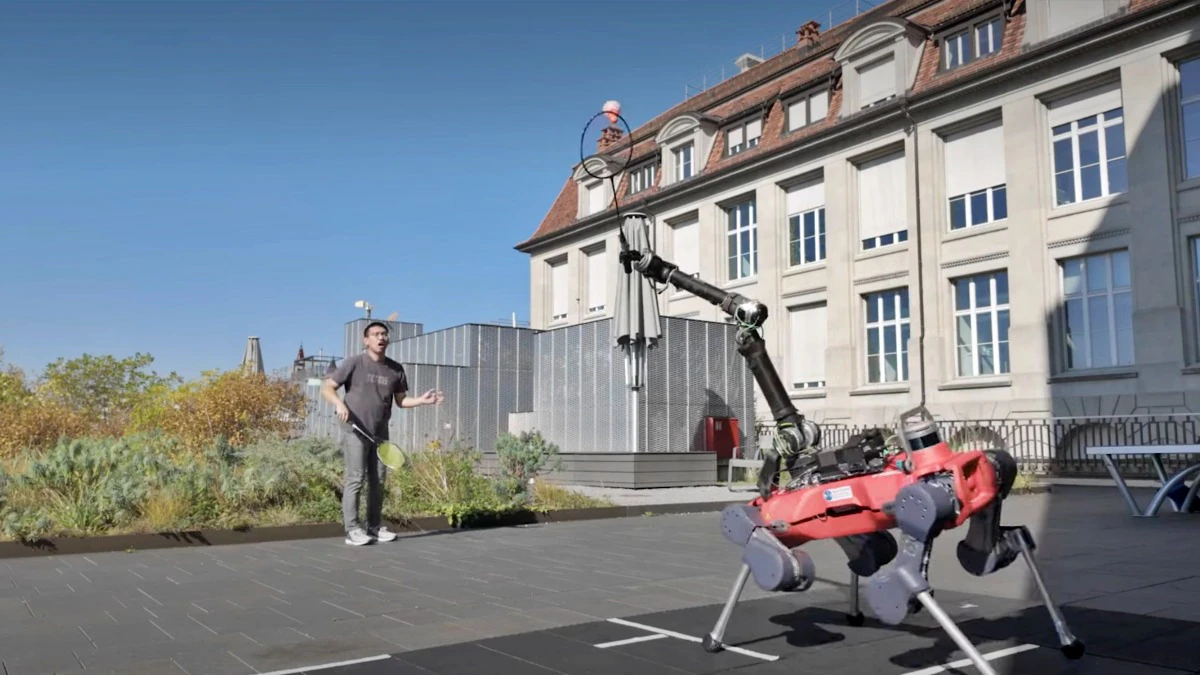
AI Robot Dog Excels in Badminton Matches

Researchers at ETH Zurich have trained the four-legged robot dog ANYmal to play badminton using AI-driven prediction models and advanced control systems, demonstrating significant progress in robotic agility and real-time physical skills with potential applications in disaster response and industrial assistance.

science1 year ago

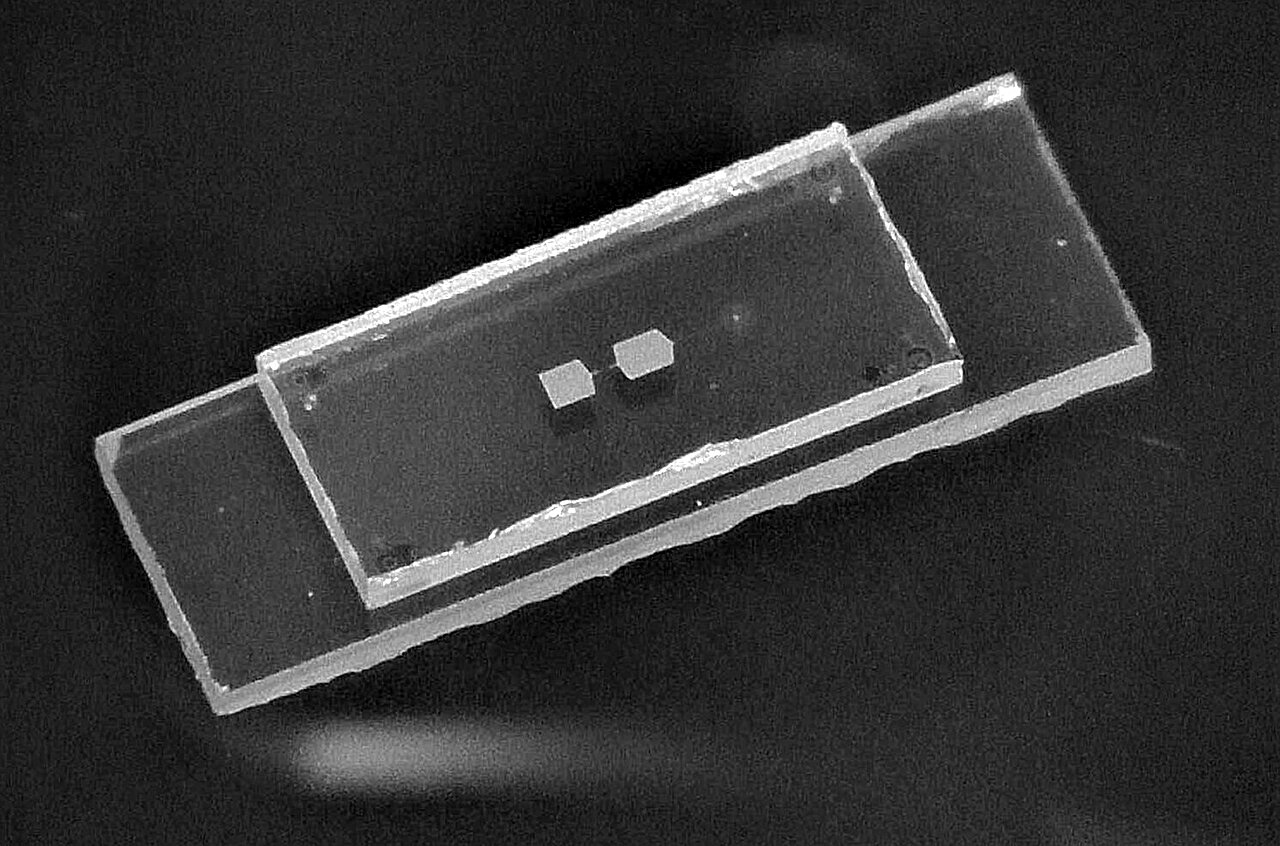
Breakthrough: First Mechanical Qubit Revolutionizes Quantum Computing

Researchers at ETH Zurich have developed the first-ever mechanical qubit, a significant advancement in quantum computing. This mechanical qubit, created using a mechanical oscillator and a superconducting qubit, boasts a coherence time of 200 microseconds, double that of traditional superconducting qubits. Unlike virtual qubits, mechanical qubits are physical systems that do not require complex error-correcting codes, making them simpler and more durable. This innovation could help overcome major challenges in quantum computing and sensing applications.

science1 year ago

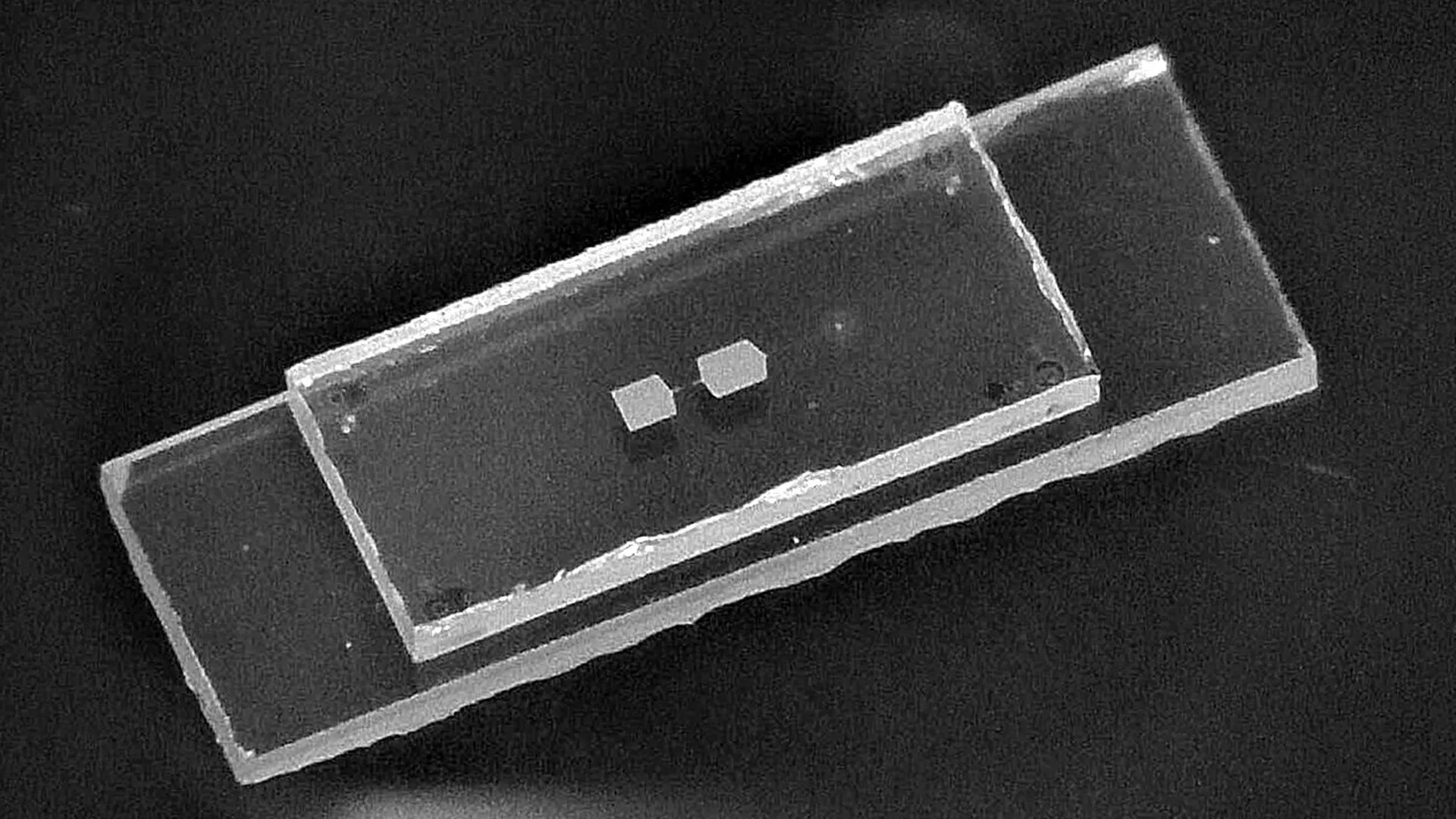
Quantum Computing Enters Steampunk Era with First Mechanical Qubit

Physicists at ETH Zürich have developed the first fully mechanical qubit, using a piezoelectric disk on a sapphire base as a mechanical resonator, coupled with a superconducting qubit. This innovation addresses the short-lived nature of virtual qubits by providing longer coherence times, potentially improving quantum computing capabilities. The team plans to enhance these times further and test the qubits with quantum gates.

science1 year ago

Climate Change Slows Earth's Spin, Lengthens Days

Climate change is causing the melting of Greenland and Antarctic ice, redistributing Earth's mass and slowing its rotation, which lengthens days by a few milliseconds. Supported by NASA, ETH Zurich researchers found that this impact could surpass the moon's influence on Earth's rotational speed and is also shifting the Earth's axis of rotation. This highlights a greater human influence on Earth's rotational dynamics than previously recognized.

technology1 year ago

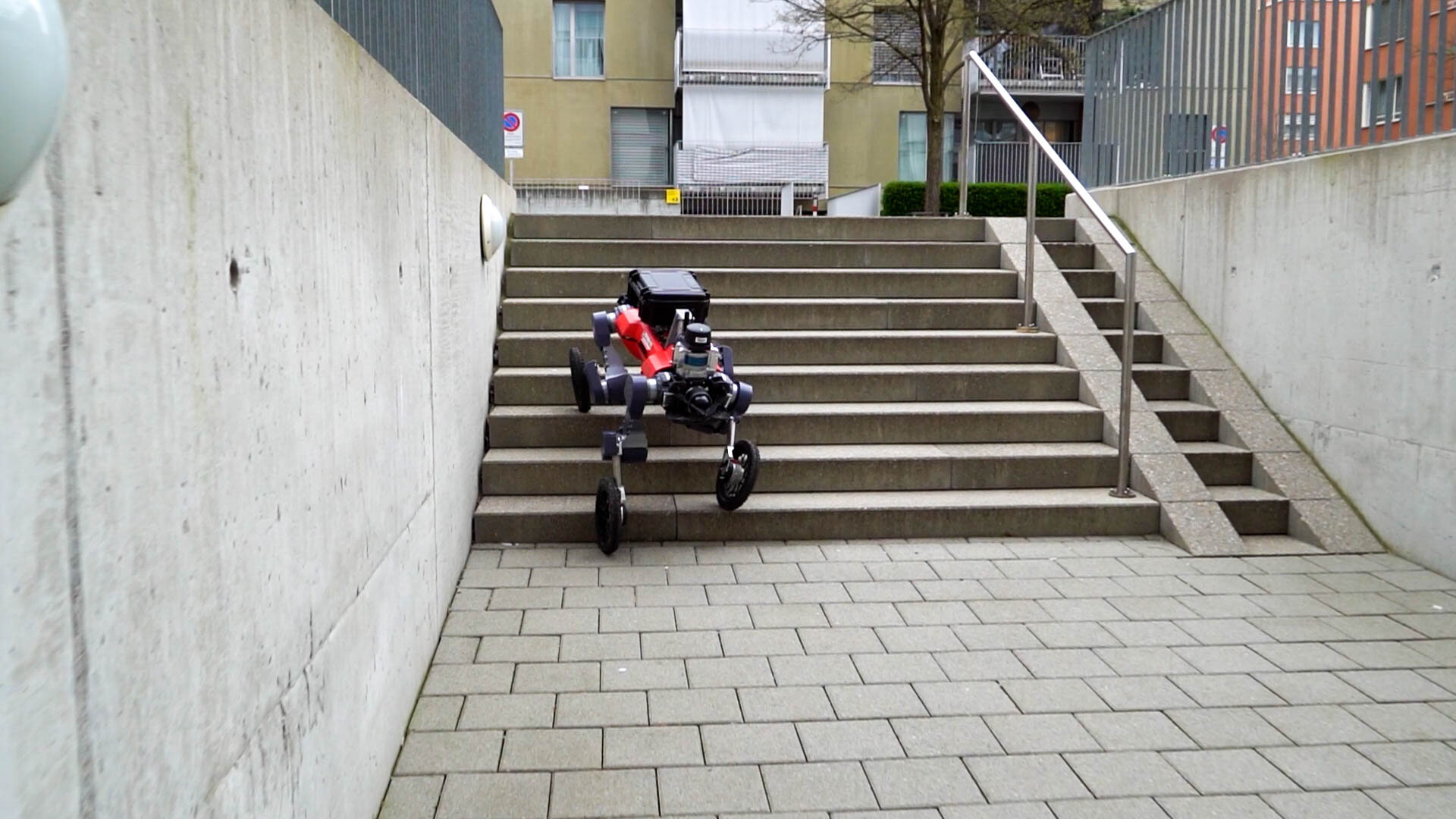
Autonomous Wheeled-Legged Robot Developed by Researchers

Researchers at ETH Zurich's Robotic Systems Lab have developed a wheeled-legged robot that uses advanced reinforcement learning techniques to autonomously navigate various terrains. This hybrid robot can switch between driving and walking modes, optimizing efficiency and adaptability. The system, which builds on previous research, features a neural network-based controller that processes sensory data to create real-time navigation plans, making it suitable for applications like autonomous delivery across diverse environments.

science1 year ago

"Quantum Systems Display Unexpected Topological Reversal, Study Finds"

Researchers at ETH Zurich have detected topological effects in an artificial solid using cold atoms, demonstrating a surprising reversal in quantum systems. By creating an artificial solid with controllable interactions, the team observed topological pumping, where particles were transported in a specific direction, and a reversal occurred when encountering an obstacle. The researchers also found that repulsive interactions between atoms created an invisible barrier, leading to further unexpected behavior. These findings could contribute to a better understanding of interacting topological systems and potentially be applied in quantum technologies, such as creating a qubit highway for quantum computers.

spacetech1 year ago

"3-Legged Hopping Robot: Future Asteroid Exploration"

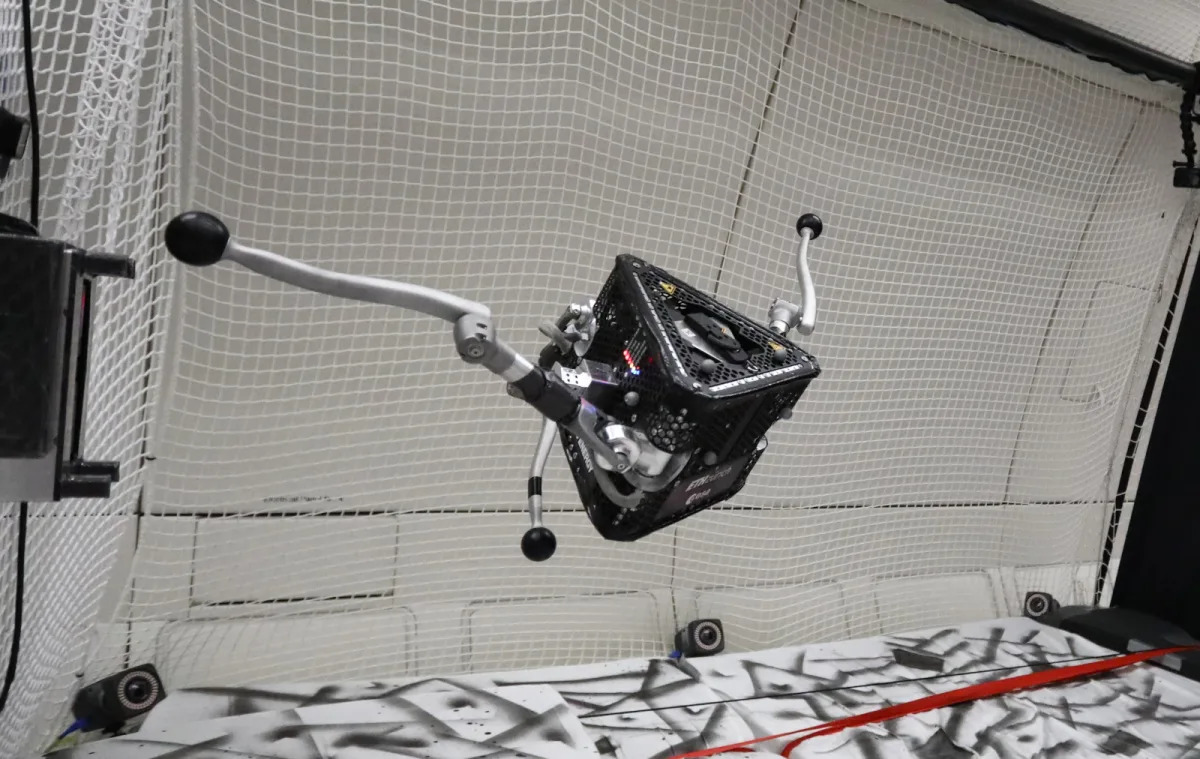
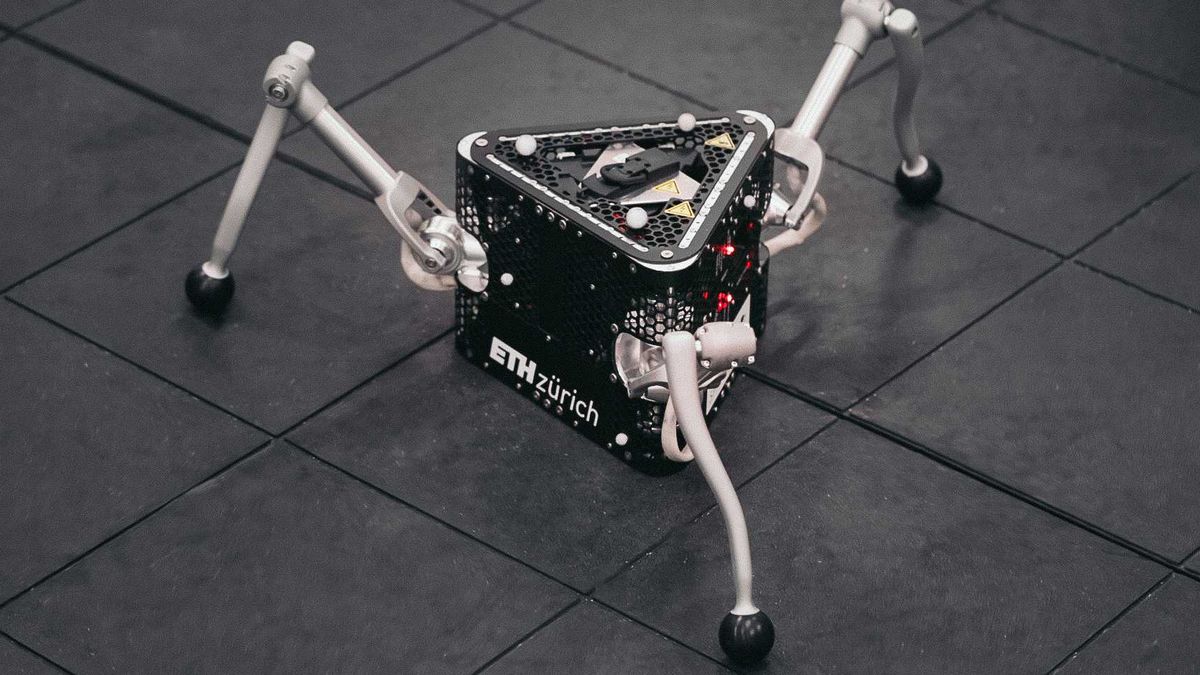
A group of students from ETH Zurich have developed a hopping robot called SpaceHopper, designed for space exploration of asteroids and moons. With three spindly legs and nine motors, it can jump long distances in low-gravity environments and self-right after landing. Tested in a zero gravity environment during a parabolic flight, the robot successfully demonstrated its capabilities, providing potential for advancing our understanding of life's origin, water sources, and asteroid resources.

science-and-technology1 year ago

"Revolutionary Method Uses Food Waste Byproduct to Extract Gold Sustainably"

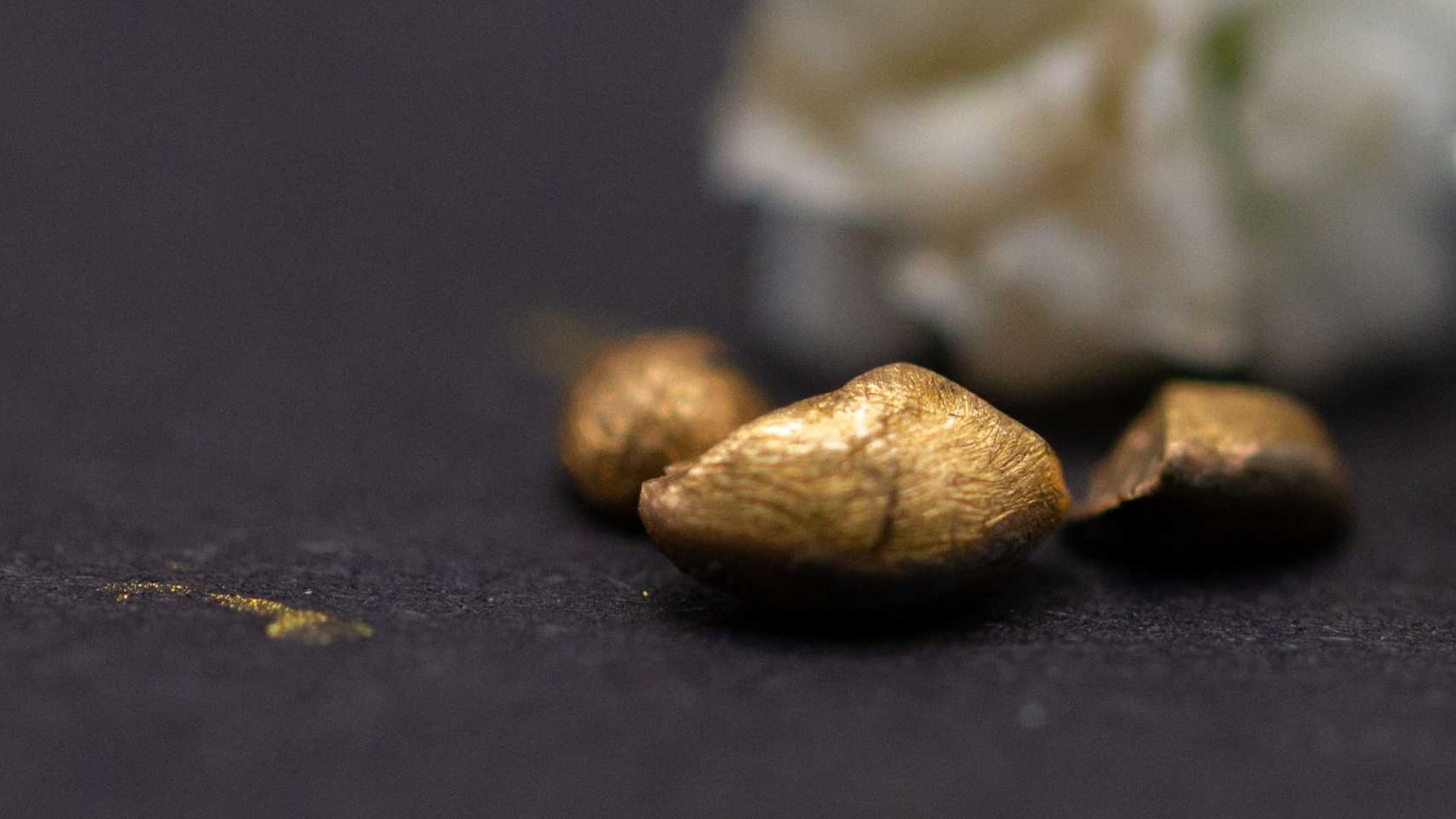
Researchers at ETH Zurich have developed a groundbreaking method to extract gold from old motherboards using food waste byproduct, specifically whey from the cheesemaking industry. The process involves creating a sponge from whey to collect gold from e-waste in an acid bath, followed by high heat to form nuggets. The value of the extracted gold is 50 times more than the cost of the process, making it commercially viable and environmentally sustainable. This innovative technique offers a more sustainable and profitable alternative to current methods, contributing to e-waste recycling and potentially making electronic devices more affordable for consumers.

spacetech1 year ago

"Zero-Gravity Testing: Hopping Robot Explores Asteroids in Space"

SpaceHopper, a three-legged robot developed at ETH Zurich, has been tested in a simulated zero-gravity environment during a European Space Agency parabolic flight. Designed to explore asteroids and moons, the robot's hopping movements combat low-gravity environments, allowing it to reposition and jump in a specific direction. The successful experiments demonstrate its potential for future deployment in space exploration missions.

technology1 year ago

"Parkour-Proficient Quadruped Robot Masters Obstacle Navigation"

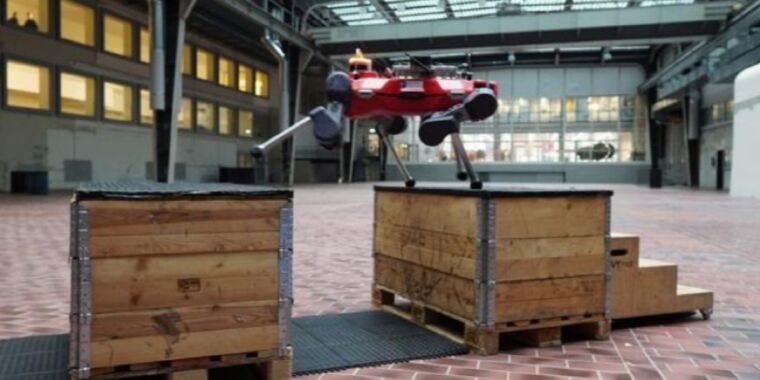
Researchers at ETH Zurich have enhanced the capabilities of the quadrupedal robot ANYmal, enabling it to perform rudimentary parkour moves and navigate rubble and tricky terrain. The robot's upgrades include improved proprioception, reinforcement learning, and model-based control, allowing it to jump across gaps, climb obstacles, and maneuver under obstacles. While ANYmal's advancements are impressive, challenges remain in scaling its capabilities to diverse and unstructured scenarios. Nonetheless, the research aims to increase the agility and capabilities of legged robots for applications such as search-and-rescue missions in challenging environments.

space-science1 year ago

"Space Telescope Tests Detect Signs of Life on Earth"

Researchers tested the potential space telescope LIFE, designed to detect biosignatures on exoplanets, by using Earth's atmosphere as a test case. The telescope, which is still in the concept stage, successfully detected Earth's biosignatures, including CO2, water, ozone, and methane, from a distance of about 30 light years. The study also determined the observation times needed for detecting relevant abundances on different exoplanets, showing that LIFE could be a promising tool for identifying potentially habitable worlds.

astronomy1 year ago

"Earth's Biosignatures Detected by LIFE Telescope: Implications for Alien Life Search"

The Large Interferometer for Exoplanets (LIFE) telescope, developed by ETH Zurich, has passed its first test by successfully detecting Earth's biosignatures, including CO2, water, ozone, and methane, from about 30 light years away. The telescope, which is still in the concept stage, aims to observe exoplanets in hopes of finding signs of life. Researchers used Earth's atmosphere as a test case and found that LIFE could detect relevant chemical compounds, with observation times ranging from a few days to up to 100 days depending on the target. The results suggest that LIFE could be the best-suited future mission for systematically searching for biosignatures on exoplanets.