The article discusses how the AI boom is driving demand for infrastructure and energy solutions, highlighting stocks like Modine Manufacturing, bitcoin-mining companies, Williams, ProPetro, and utilities like Constellation Energy, which are positioned to benefit from the increasing power needs of advanced chips and data centers.
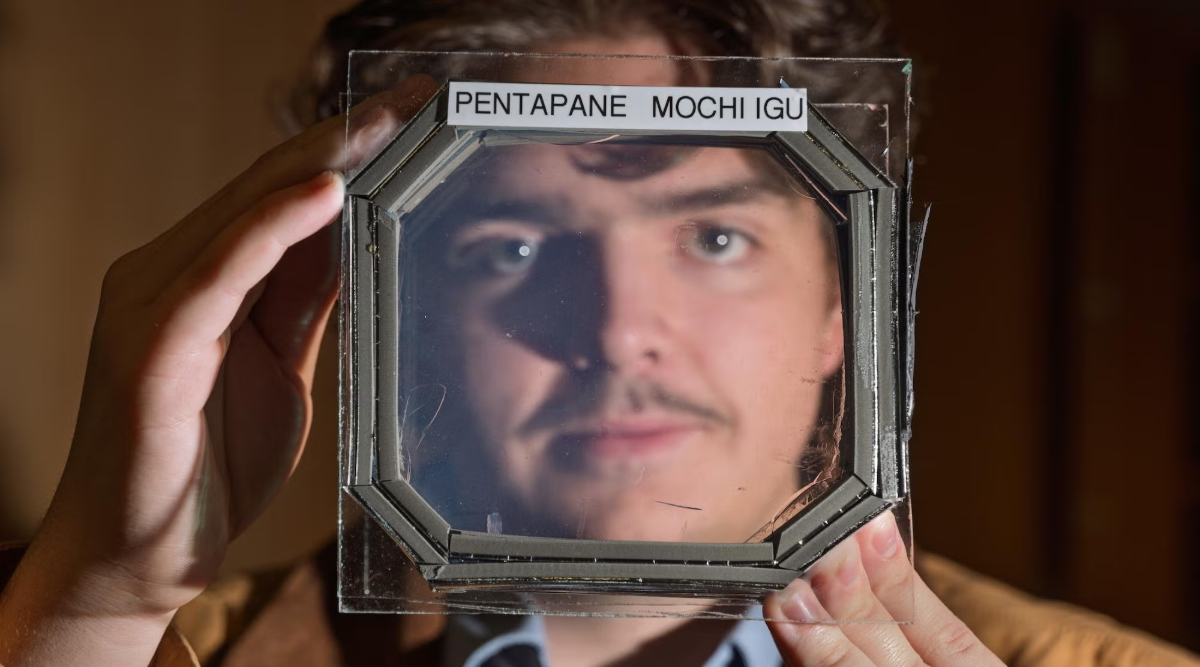
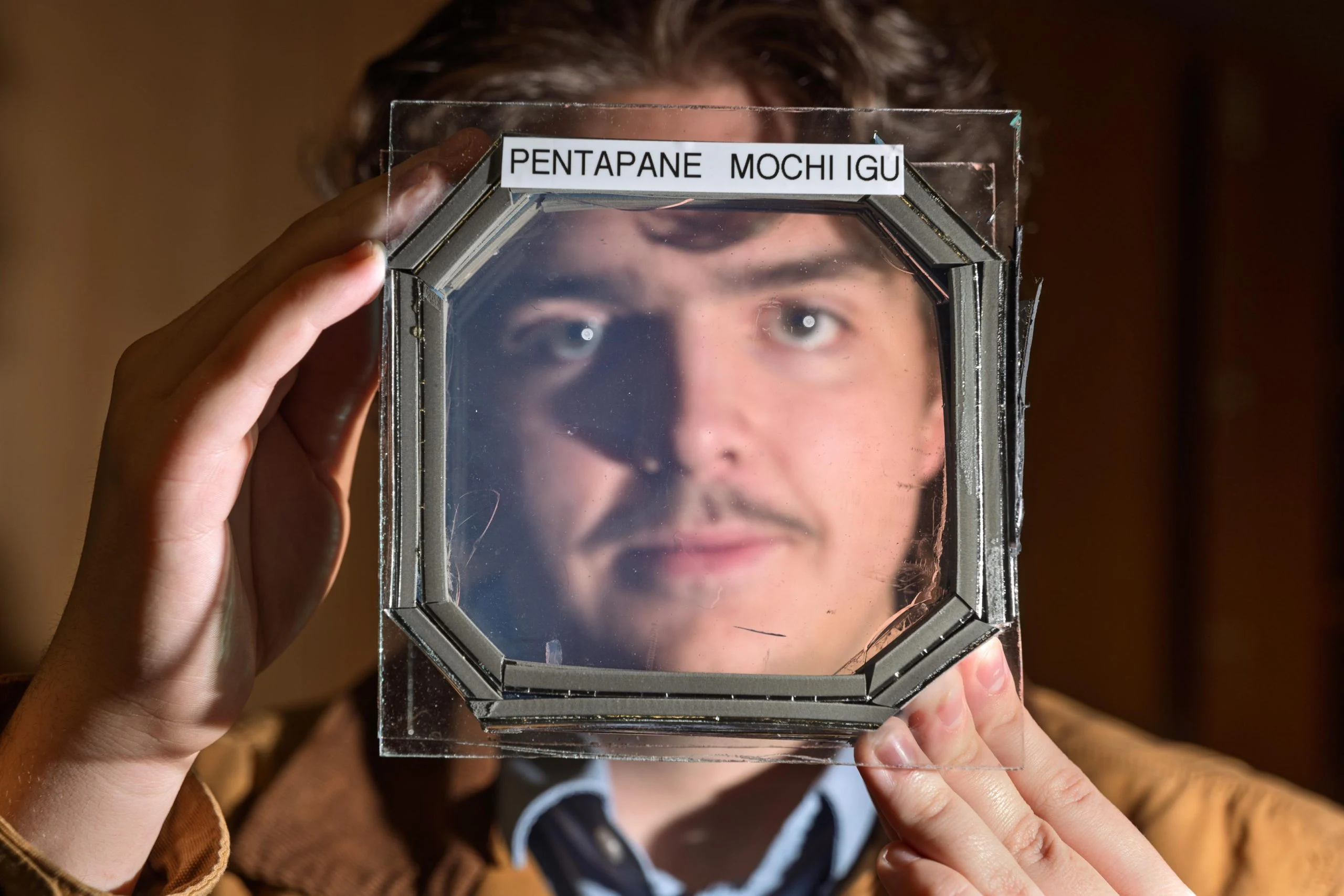
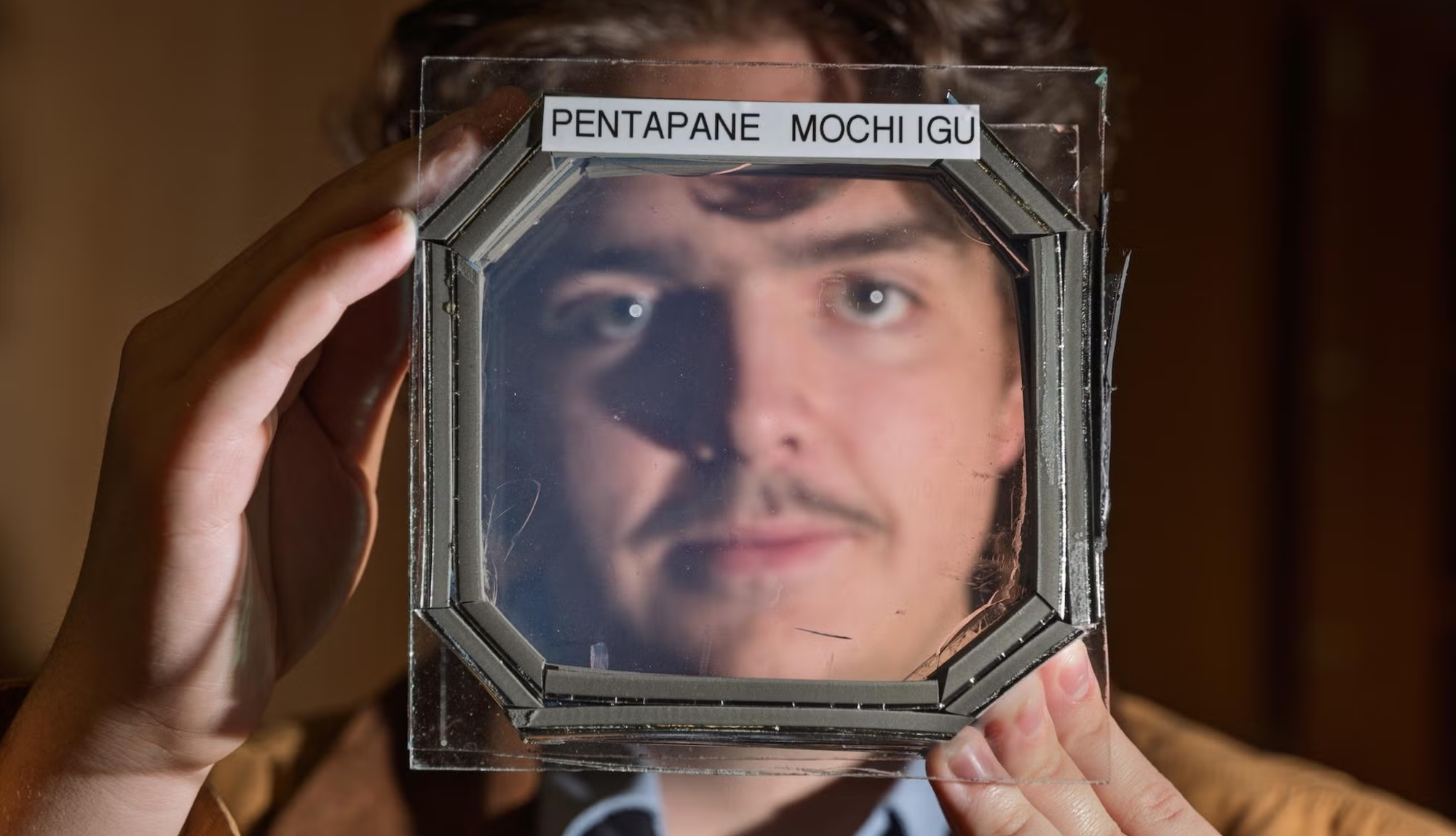
Researchers at the University of Colorado Boulder have developed MOCHI, a transparent, durable coating containing tiny air bubbles that blocks 90% of heat transfer through windows while allowing 99% of light to pass, potentially revolutionizing energy efficiency in buildings. However, commercial production remains uncertain due to current manufacturing challenges.
The Electra Induction Stove features a built-in 5kWh battery that allows it to operate during power outages and can be plugged into a standard 120V outlet, making it a convenient and potentially sustainable kitchen appliance. It offers high performance with four burners and a sizable oven, and could serve as a future model for integrated home backup systems, though it comes at a high price of $4,000.
Scientists have developed a new, more efficient method of splitting water to produce hydrogen by adding an organic molecule and a modified catalyst, reducing energy costs by up to 40% and doubling hydrogen output, potentially advancing scalable and greener hydrogen production.
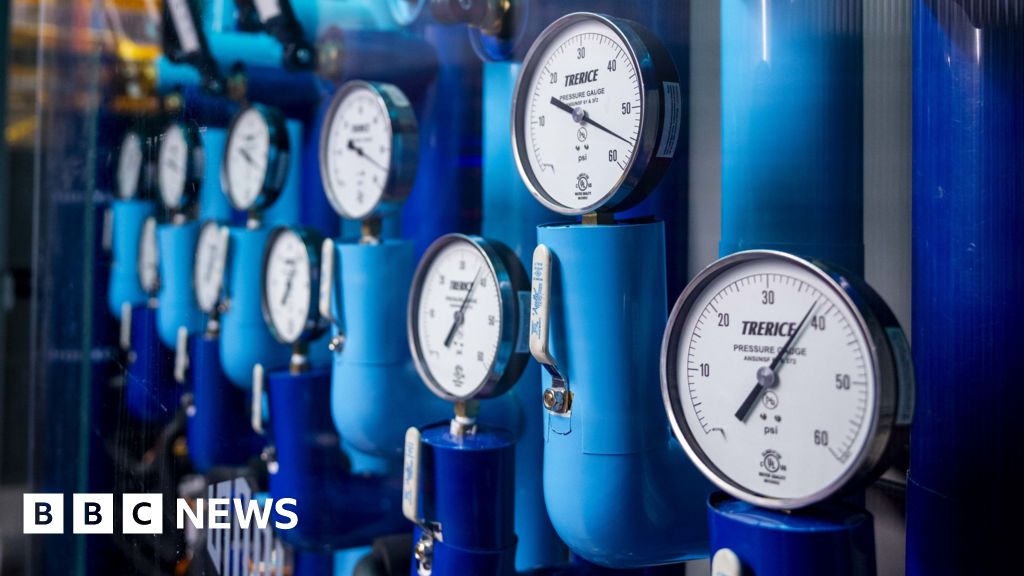
Innovative cooling technologies like liquid cooling and microfluidics are transforming data centres by reducing energy consumption and addressing overheating issues, especially as AI and high-performance chips demand more efficient solutions amid environmental concerns.
Scientists at CU Boulder have developed a nearly transparent, air-based insulation material called MOCHI that can significantly reduce heat transfer through windows, potentially revolutionizing energy efficiency in buildings, though it is still in the laboratory stage.
Scientists at the University of Colorado Boulder have developed MOCHI, a transparent, fireproof silicon gel that insulates heat effectively, potentially revolutionizing building insulation and other applications by reducing energy loss and allowing for new functionalities in windows and clothing.
Researchers at the University of Colorado Boulder have developed MOCHI, a transparent insulating material that can significantly reduce heat loss through windows by trapping heat while remaining nearly invisible, potentially transforming building energy efficiency and enabling more glass use in construction.
An MIT doctoral candidate, Miranda Schwacke, is developing neuromorphic devices that mimic brain operations to make AI more energy-efficient, addressing the massive power consumption of large AI models and aiming to reduce environmental impact.
Researchers at USC have developed a new type of artificial neuron using diffusive memristors that closely mimic biological brain processes, significantly reducing chip size and energy consumption, and advancing the pursuit of artificial general intelligence.
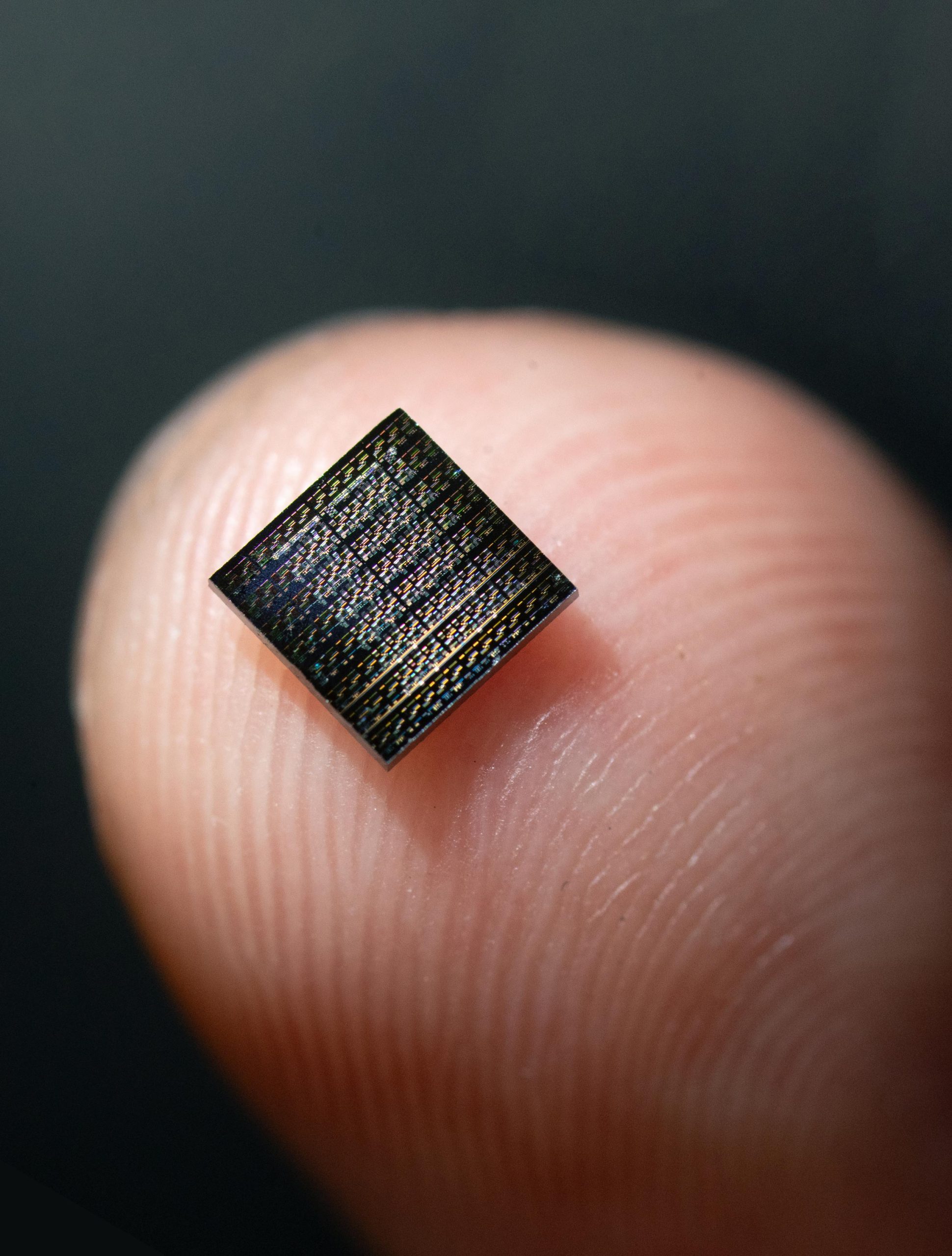
Chinese scientists have developed an innovative analog chip that outperforms high-end Nvidia and AMD GPUs by up to 1,000 times in speed and energy efficiency, using resistive memory technology to process data continuously rather than digitally, potentially revolutionizing AI and communication systems.
Scientists in China have developed a groundbreaking analog chip that outperforms top Nvidia and AMD GPUs by up to 1,000 times in speed and energy efficiency, using resistive memory technology to process data continuously rather than digitally, potentially revolutionizing AI and 6G communications.
Miranda Schwacke, a materials science PhD student at MIT, is researching brain-inspired, energy-efficient AI hardware using novel electrochemical devices, driven by her curiosity about materials properties and her passion for using science to improve the world.
AI is both a significant energy consumer and a tool for improving energy efficiency and reducing pollution, with applications in building management, EV charging, methane reduction, geothermal exploration, and traffic optimization, potentially offsetting its own energy use and aiding climate efforts.
Sony has released a slightly improved PS5 Pro model featuring reduced weight, increased energy efficiency, and quieter operation, but the upgrades are minor and the price remains higher than the original.