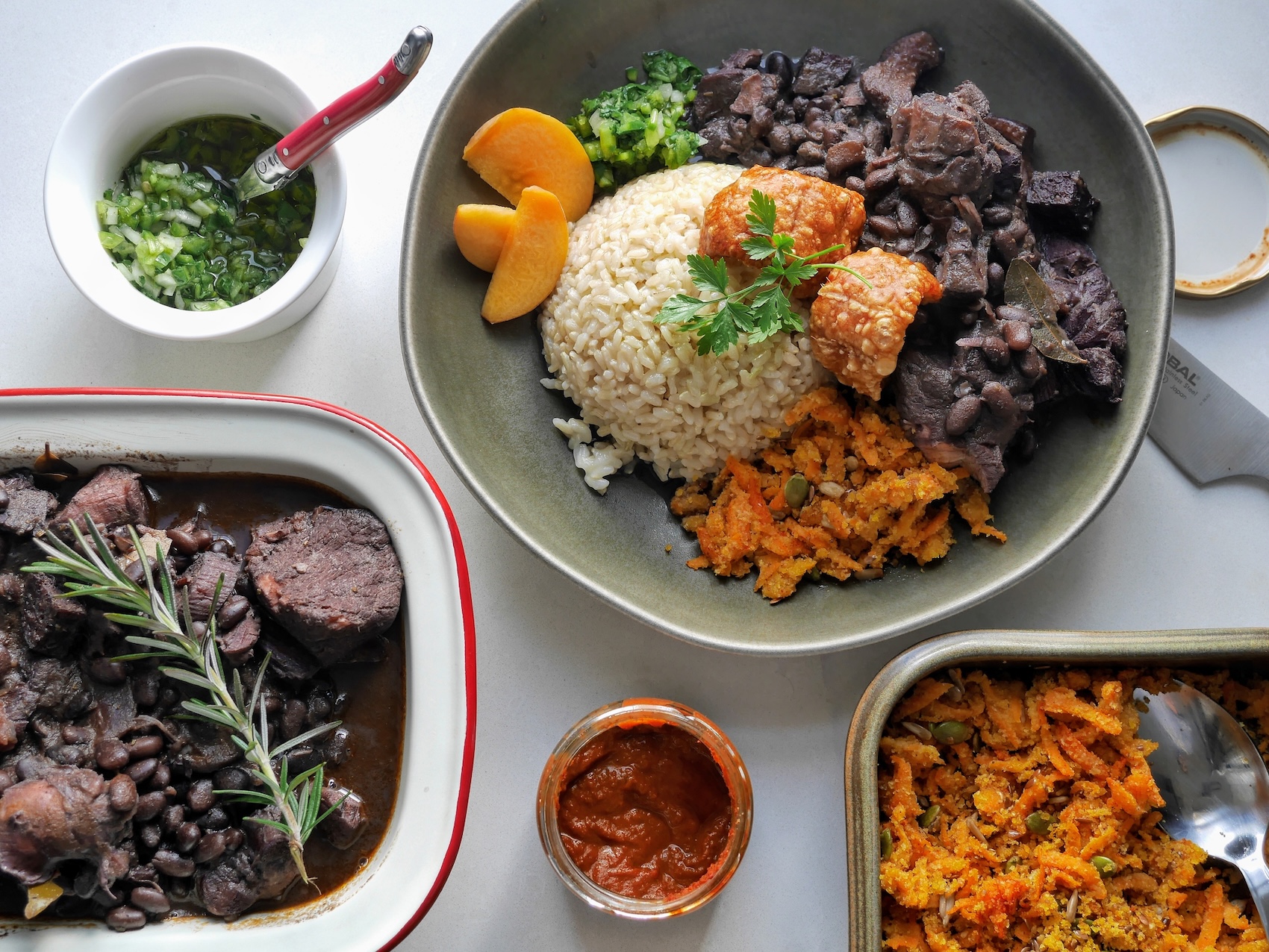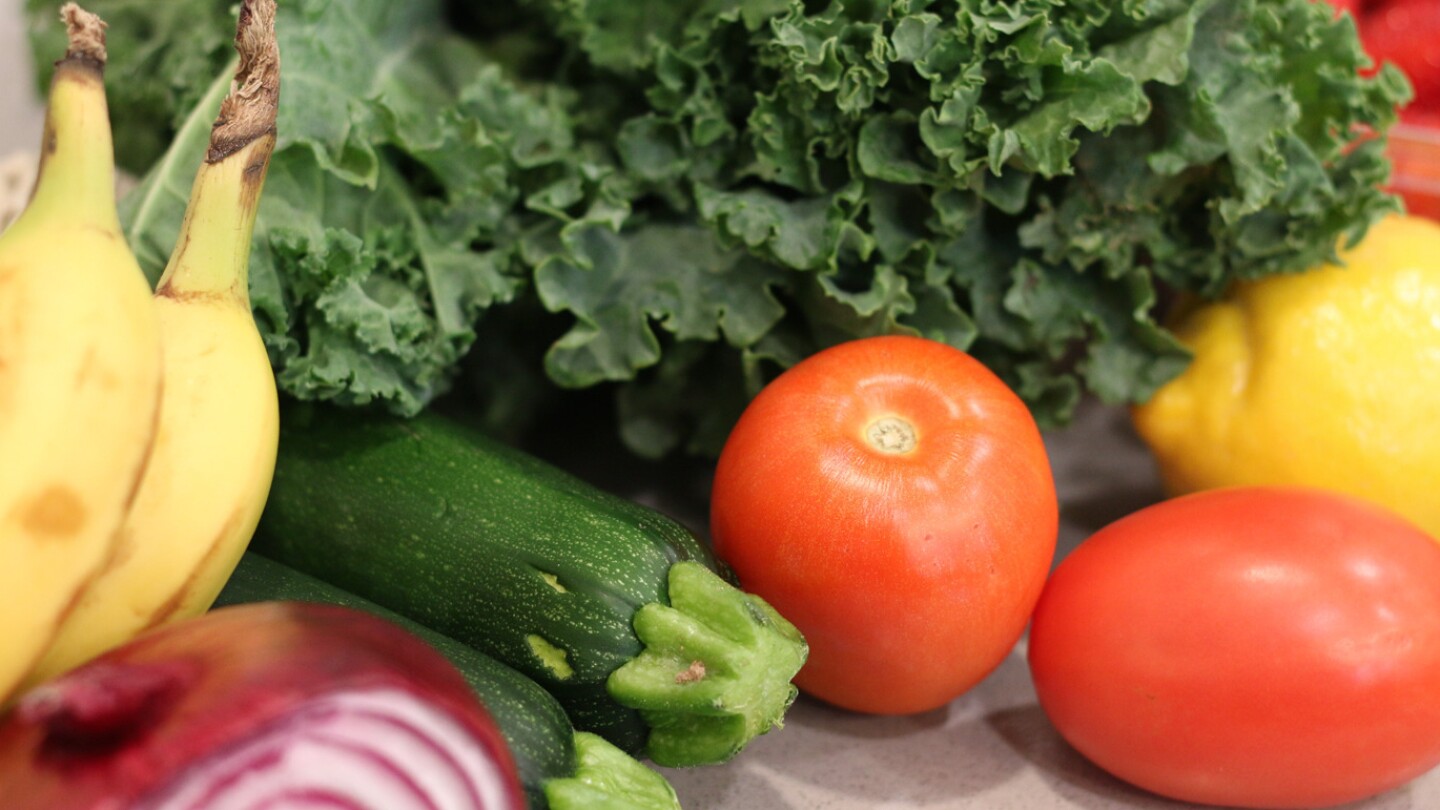
The article offers practical strategies for eating well on a budget in 2026, emphasizing meal planning, understanding grocery store rhythms, repurposing ingredients, building a pantry gradually, and staying flexible with meal choices to enjoy nourishing, flavorful food without overspending.
A Florida farm and an online grocery startup, Misfits Market, are addressing the issue of food waste caused by grocery stores rejecting imperfect produce, with the latter buying and selling such produce at a discount, helping reduce waste and improve access to affordable, healthy food.
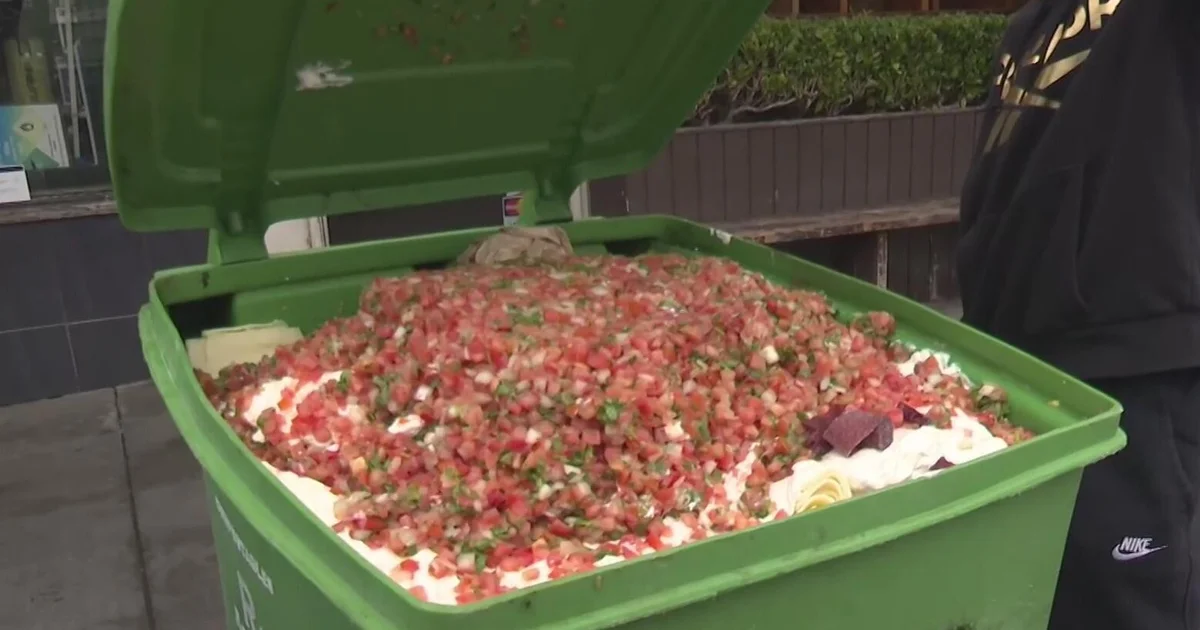
A major PG&E power outage in San Francisco caused by a fire at the Mission Substation left about one-third of the city without electricity, leading to food spoilage, business losses, and disruptions, with power gradually being restored and residents and officials assessing the damage.
Proper food storage during the holiday season involves timely refrigeration, understanding the specific needs of different food types, and planning to reduce waste and prevent foodborne illnesses, with tips on handling produce, meats, dairy, and leftovers to maximize freshness and safety.
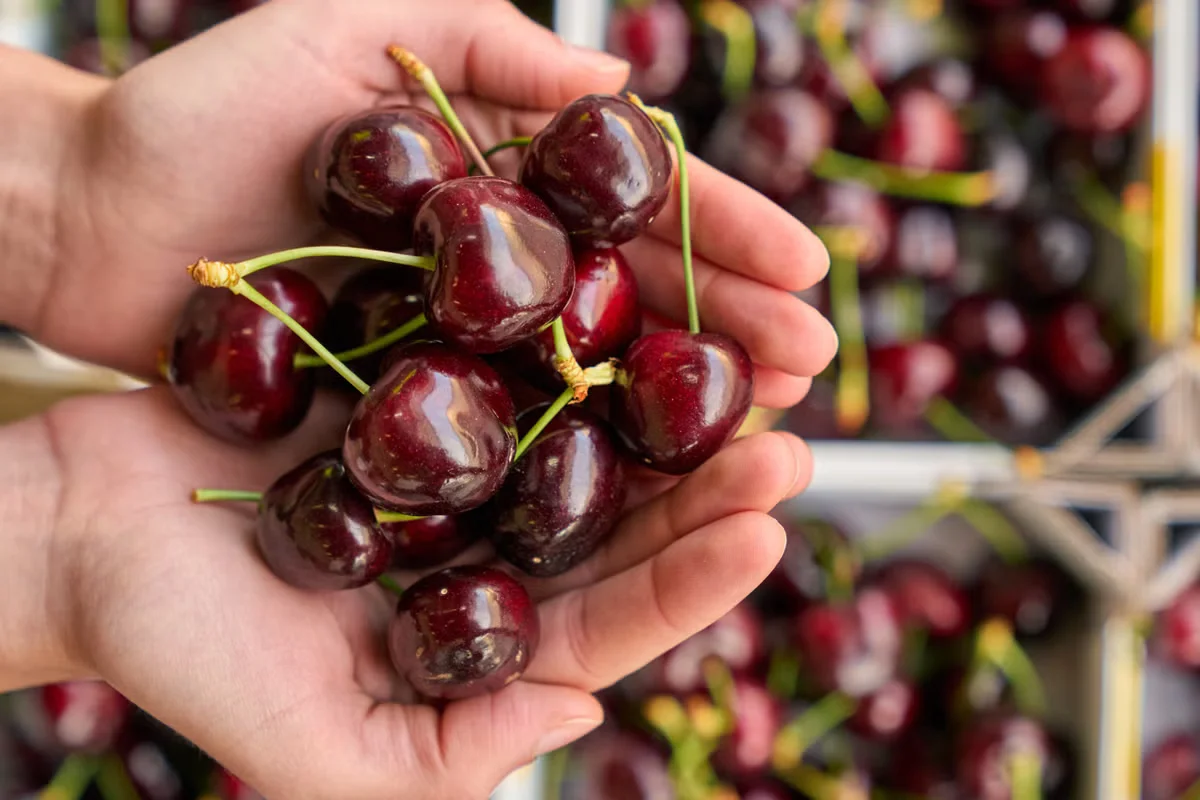
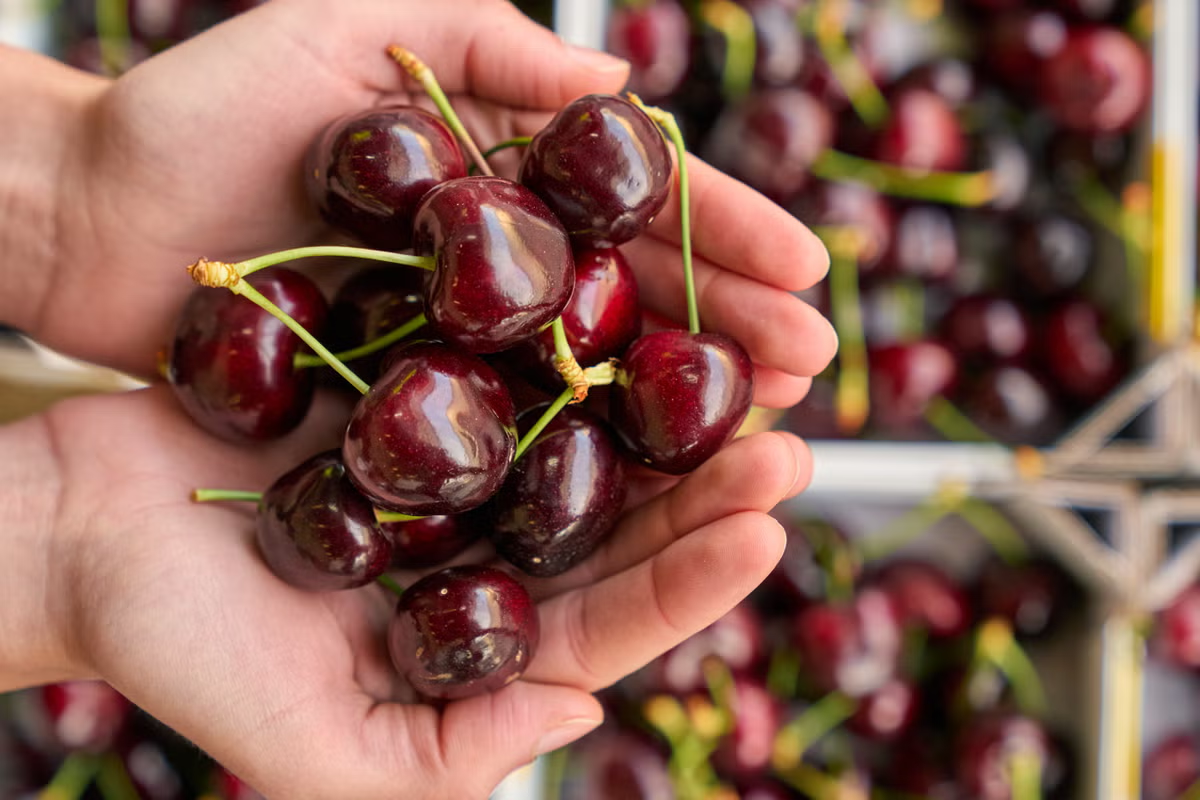
Research suggests that turning discarded cherries into powder enhances their health benefits, particularly their anthocyanin content, which may help prevent Alzheimer's disease. This innovative approach not only promotes sustainable use of food waste but also offers a potential natural strategy to combat dementia, with implications for dietary habits and food industry practices.
Research suggests that turning discarded cherries into powder enhances their health benefits, particularly their anthocyanin content, which may help prevent Alzheimer's disease. This innovative approach not only promotes sustainable use of food waste but also offers a potential natural strategy to combat dementia, with flavonoid-rich foods like cherries showing promise in reducing risk.
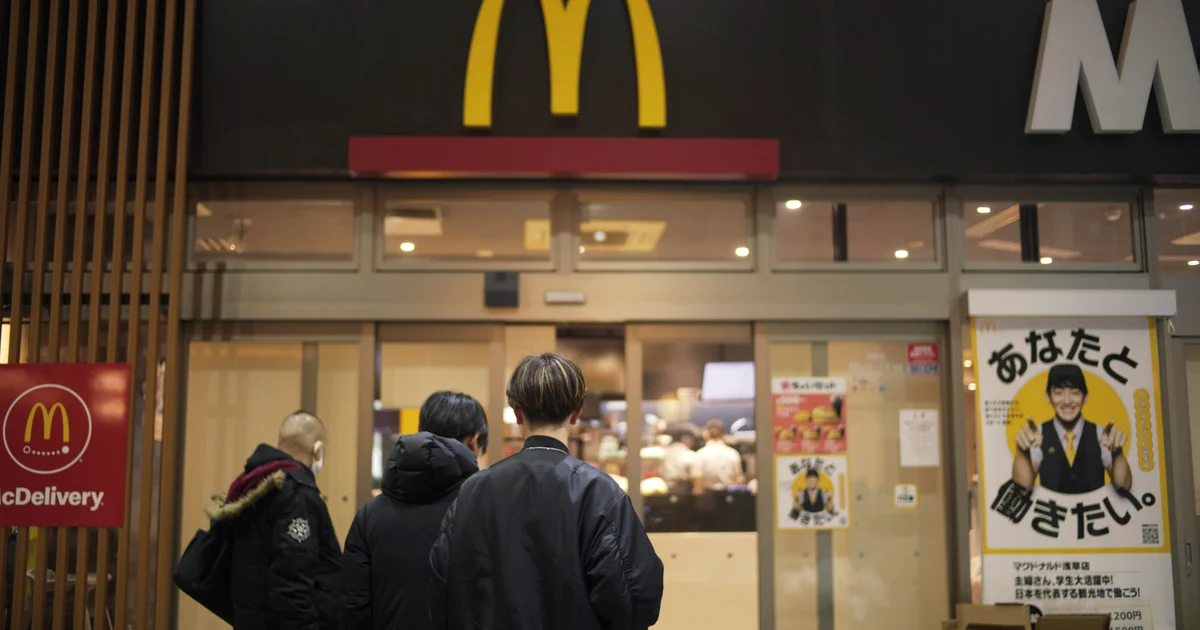
McDonald's Japan has postponed its Pokémon-themed toy promotion after complaints about food wastage and resale of the cards, which led to store congestion and environmental concerns, prompting the company to review its promotional strategies and switch to previous toy offerings.
McDonald's Japan canceled a Happy Meal campaign featuring Pokemon cards after resellers caused chaos, leading to discarded food and long lines, as the company aims to restore its family-friendly image and prevent future issues.
Originally Published 6 months ago — by Rolling Stone
The Trump administration plans to spend $130,000 to burn 500 tons of emergency food meant for children in need, instead of distributing it, amid ongoing issues with aid logistics and staffing at USAID.
The US government, under the Trump administration's cost-cutting measures, is planning to destroy $800,000 worth of food aid meant for children in Pakistan and Afghanistan, due to agency shutdowns and expiration, risking increased global hunger and death. The aid, procured under the Biden administration, is being incinerated instead of distributed, highlighting significant waste and potential humanitarian crises.
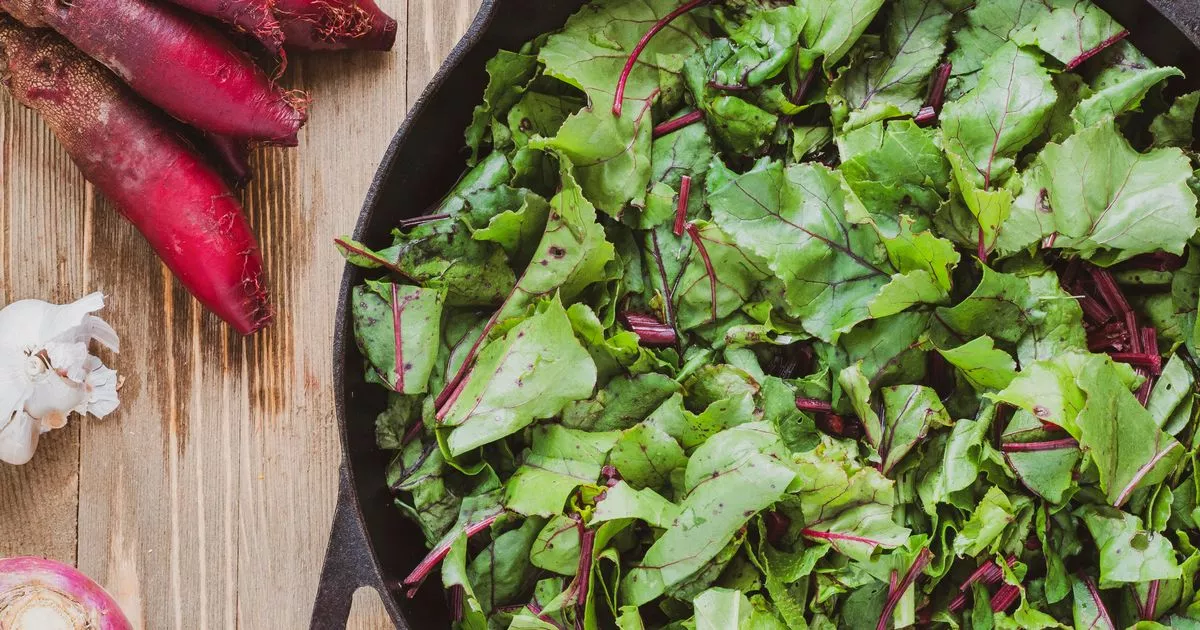
Beet greens have been highlighted as the second healthiest vegetable, scoring 70 out of 100 on a BBC list, due to their high content of calcium, iron, vitamin K, and B vitamins. Despite often being discarded, these greens are nutrient-dense and can be a valuable addition to diets, offering more antioxidants and phytonutrients than the beetroot itself. Experts emphasize the importance of consuming a variety of plant parts to maximize nutritional benefits and reduce food waste.
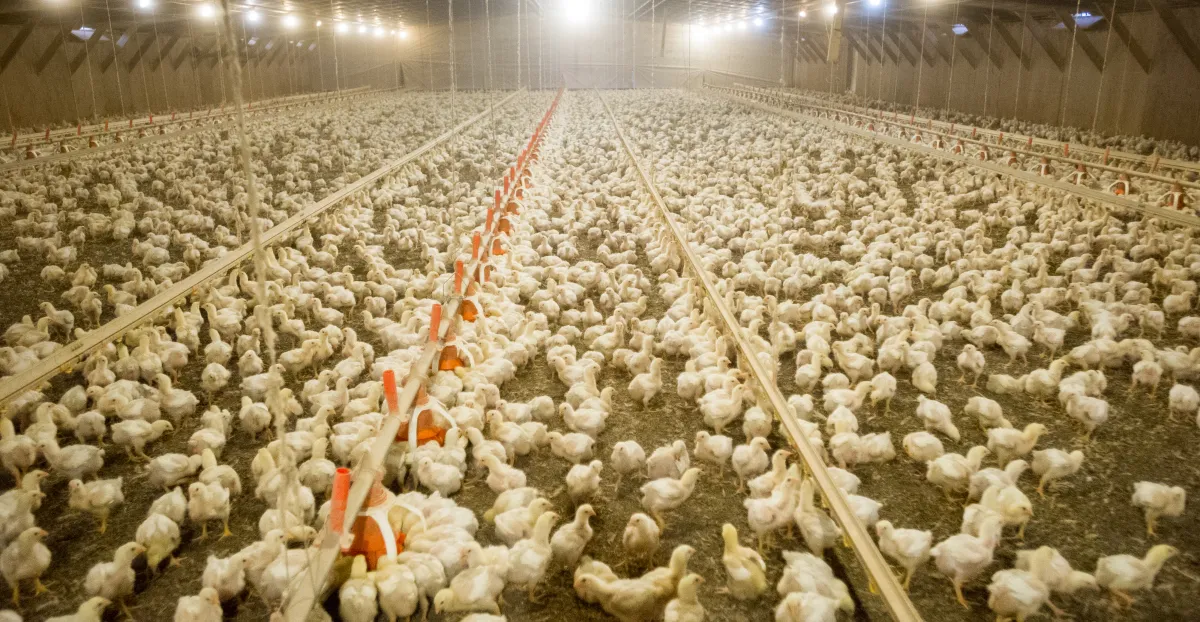
A report by Animal Equality reveals that 597 million chickens in the US die before reaching the food supply annually, highlighting significant food waste and animal welfare issues. These deaths occur due to diseases, rough handling, and breeding practices that prioritize rapid growth, leading to health problems. The reduction in antibiotic use, aimed at combating antibiotic resistance, has also contributed to rising mortality rates. The poultry industry faces challenges in balancing animal welfare, public health, and production efficiency, with some companies like Perdue Farms adopting measures to reduce mortality without antibiotics.
Thanksgiving is a time when food waste in the U.S. significantly increases, with an estimated 316 million pounds of food being discarded, according to ReFed. This amount, valued at over $550 million, could feed every food-insecure person in the country five times, highlighting the need for more sustainable practices during the holiday.
Thanksgiving is a major contributor to food waste in the U.S., with an estimated 316 million pounds of food discarded, equivalent to $550 million. This waste contributes significantly to greenhouse gas emissions. To combat this, experts suggest using smaller plates to reduce initial food servings, which can help decrease waste without leaving guests hungry. This approach leverages the optical illusion of fullness on smaller plates, encouraging more realistic portion sizes and reducing the amount of food thrown away.
This Thanksgiving, around 8 million turkeys will be wasted, highlighting the environmental and ethical issues surrounding the holiday's traditional meal. Despite turkey's unpopularity, social conformity and ritual keep it central to the celebration. The article argues for a shift towards plant-based dishes, emphasizing the cruelty and unsustainability of factory-farmed turkeys. It suggests that Thanksgiving can be an opportunity to reshape food customs, promoting more sustainable and compassionate practices.