Tag

University Of Cambridge

All articles tagged with #university of cambridge

health2 days ago

Cambridge blood test could spark UK prostate cancer screening

Researchers at the University of Cambridge are developing a DNA methylation–based blood test that could not only detect prostate cancer but also indicate its aggressiveness and need for treatment, potentially underpinning a UK national screening programme. PSA tests currently used for screening are unreliable and UK advisers have urged targeted screening rather than broad population testing; a more accurate blood test could broaden screening, reduce unnecessary biopsies, and guide treatment decisions. The team plans UK clinical trials within 18–24 months and states the new test would complement, not replace, existing PSA testing. Prostate cancer is the UK’s most common cancer with about 12,000 deaths annually.

science-and-technology1 year ago

Biorobots Mimic Earth's First Land Walkers

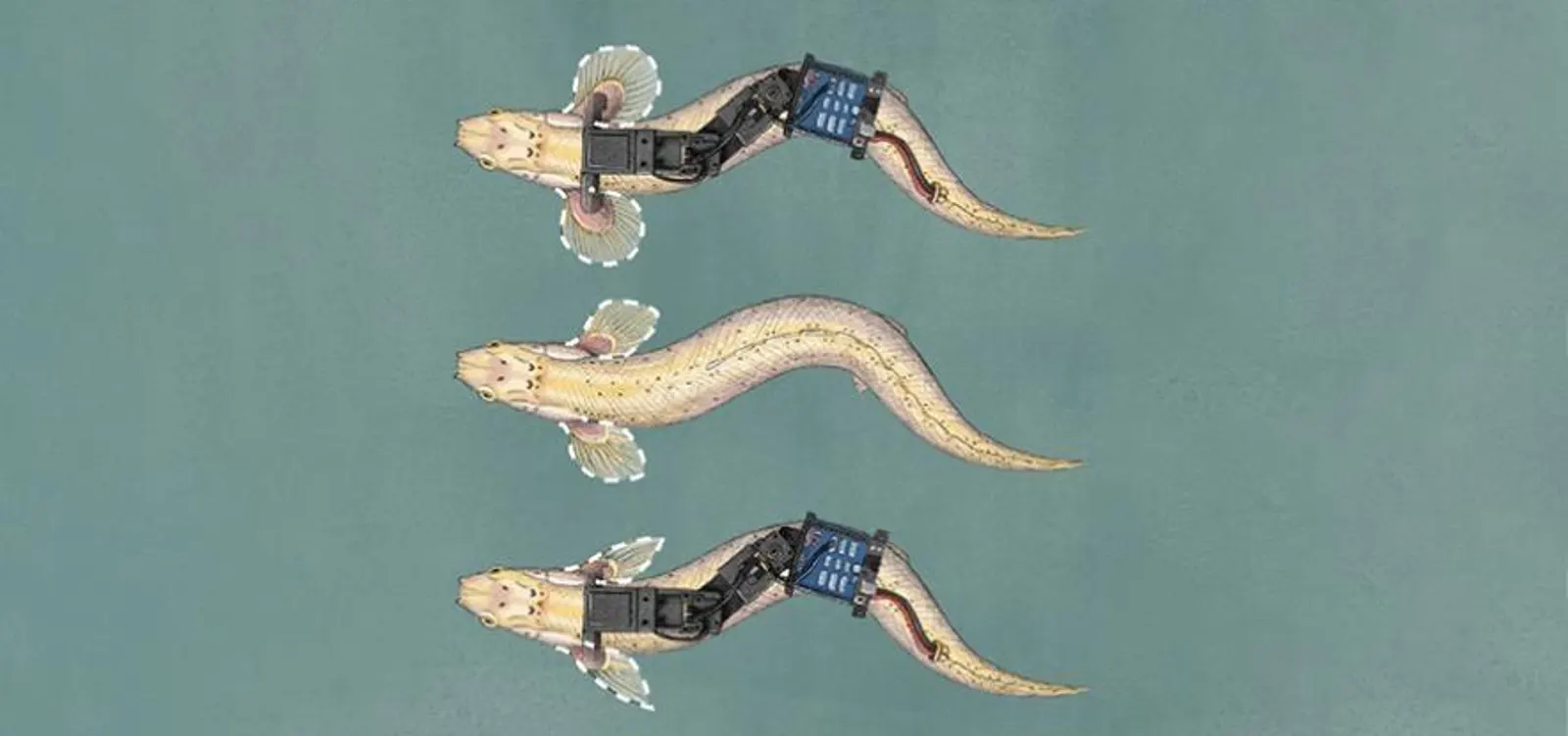
Researchers at the University of Cambridge are developing "paleo-inspired" robots to mimic the movements of Earth's first land animals, aiming to understand the evolutionary transition from aquatic to terrestrial life. These robots, inspired by ancient fish and modern "walking fish" like mudskippers, are designed to simulate early vertebrate locomotion, providing insights into how fin structures evolved for land movement. This project, part of the university's Bio-Inspired Robotics Laboratory, represents a novel approach to studying evolutionary biology beyond traditional fossil analysis and computer simulations.

science-and-technology1 year ago

"Robotic Third Thumb Enhances Single-Handed Abilities"

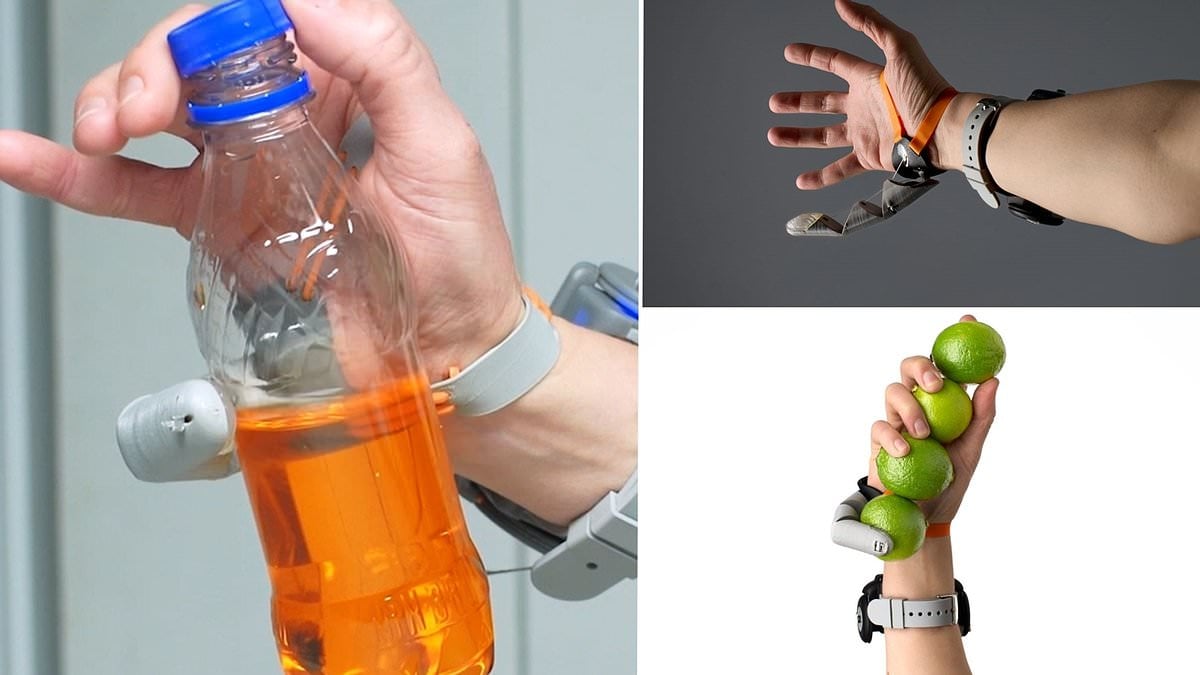
Scientists at the University of Cambridge have developed a controllable prosthetic 'Third Thumb' that attaches to the right hand, allowing users to perform tasks like picking up objects and peeling bananas with one hand. The device, controlled by pressure sensors under the big toes, was successfully used by 99.3% of study participants, demonstrating its potential to enhance human motor capabilities and assist amputees.

technology1 year ago

"Invisible 'Spider Silk' Sensors Printed Directly on Skin"

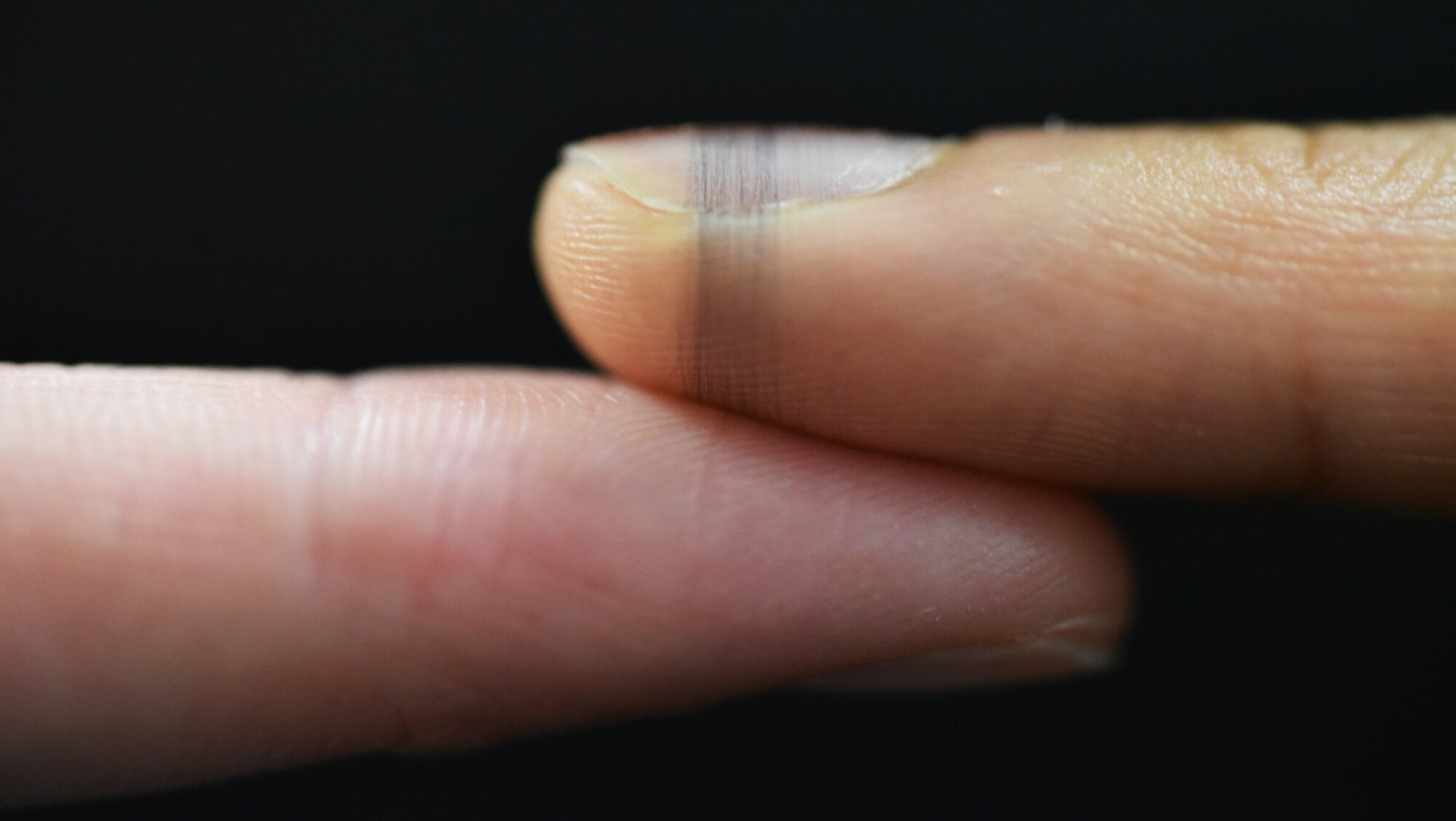
Researchers at the University of Cambridge have developed eco-friendly, adaptive sensors inspired by spider silk that can be imperceptibly printed onto various biological surfaces, including human skin and flower petals. These lightweight, high-performance bioelectronic fibers can be used for continuous health monitoring, virtual reality, and environmental monitoring, offering a sustainable and low-waste alternative to traditional sensor technologies.

science1 year ago

Unconventional Evolution: How Interspecies Competition Shaped Human Ancestry

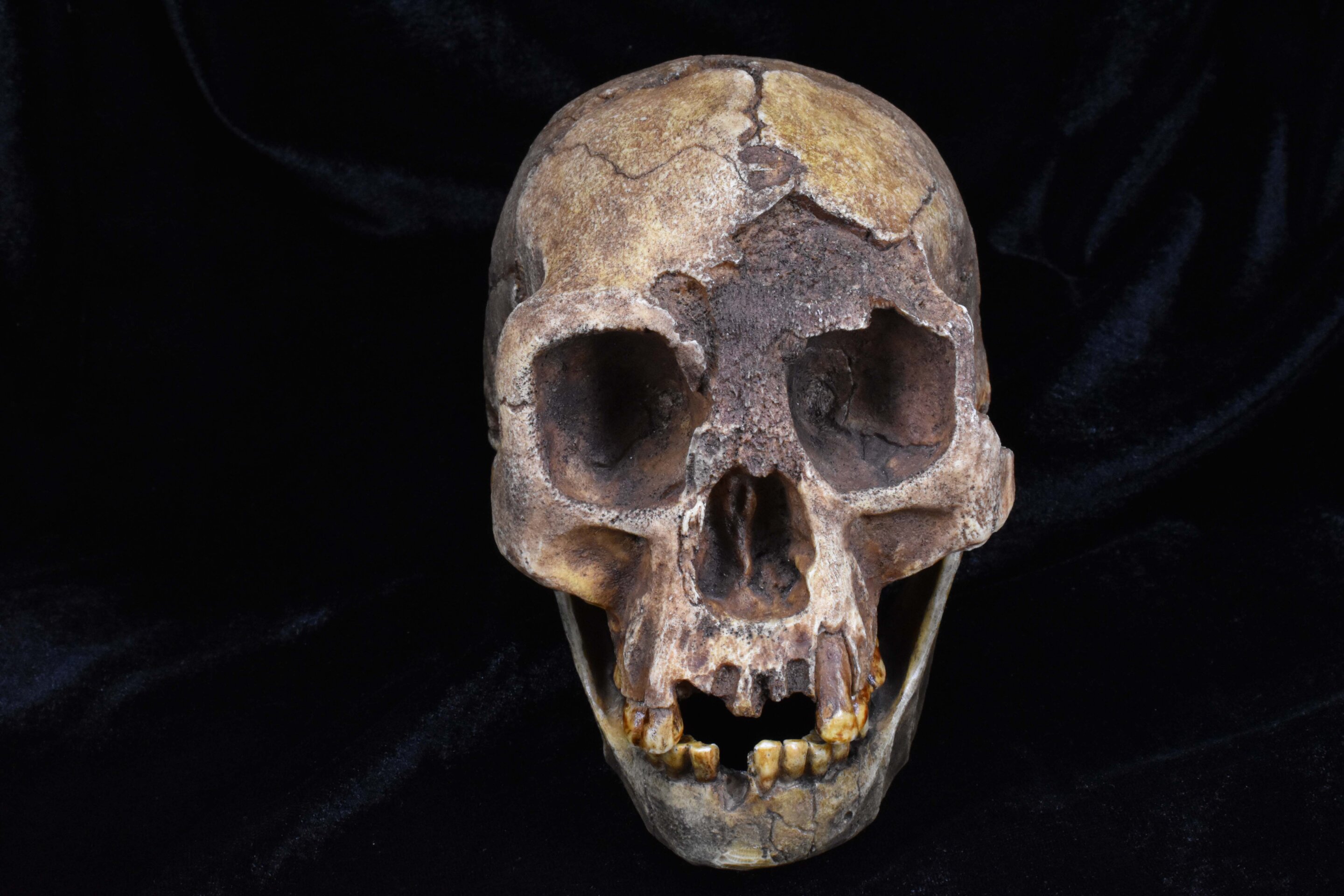
A new University of Cambridge study suggests that interspecies competition played a major role in the rise and fall of hominins, leading to a "bizarre" evolutionary pattern for the Homo lineage. Unlike conventional beliefs that climate was solely responsible for the emergence and extinction of hominin species, this research shows that competition was fundamental to speciation across five million years of hominin evolution. The study also reveals that the Homo lineage, which led to modern humans, experienced a reversal of the typical evolutionary trend, with competition between species resulting in the appearance of even more new species. This unusual pattern is attributed to the adoption of technology, such as stone tools and fire, allowing Homo species to rapidly carve out new niches and ultimately leading to the emergence of Homo sapiens.

health1 year ago

"AI Accelerates Parkinson's Drug Discovery and Diagnosis"

Researchers from the University of Cambridge have used artificial intelligence techniques to accelerate the search for Parkinson's disease treatments by ten-fold. By employing machine learning, they were able to quickly screen a chemical library containing millions of entries and identify five highly potent compounds for further investigation, significantly reducing time and cost. This breakthrough could lead to faster development of potential treatments for Parkinson's, a condition projected to triple in prevalence by 2040, with no disease-modifying treatments currently available.

health1 year ago

"Uncovering the Link Between Low Iron Levels and Long COVID Symptoms"

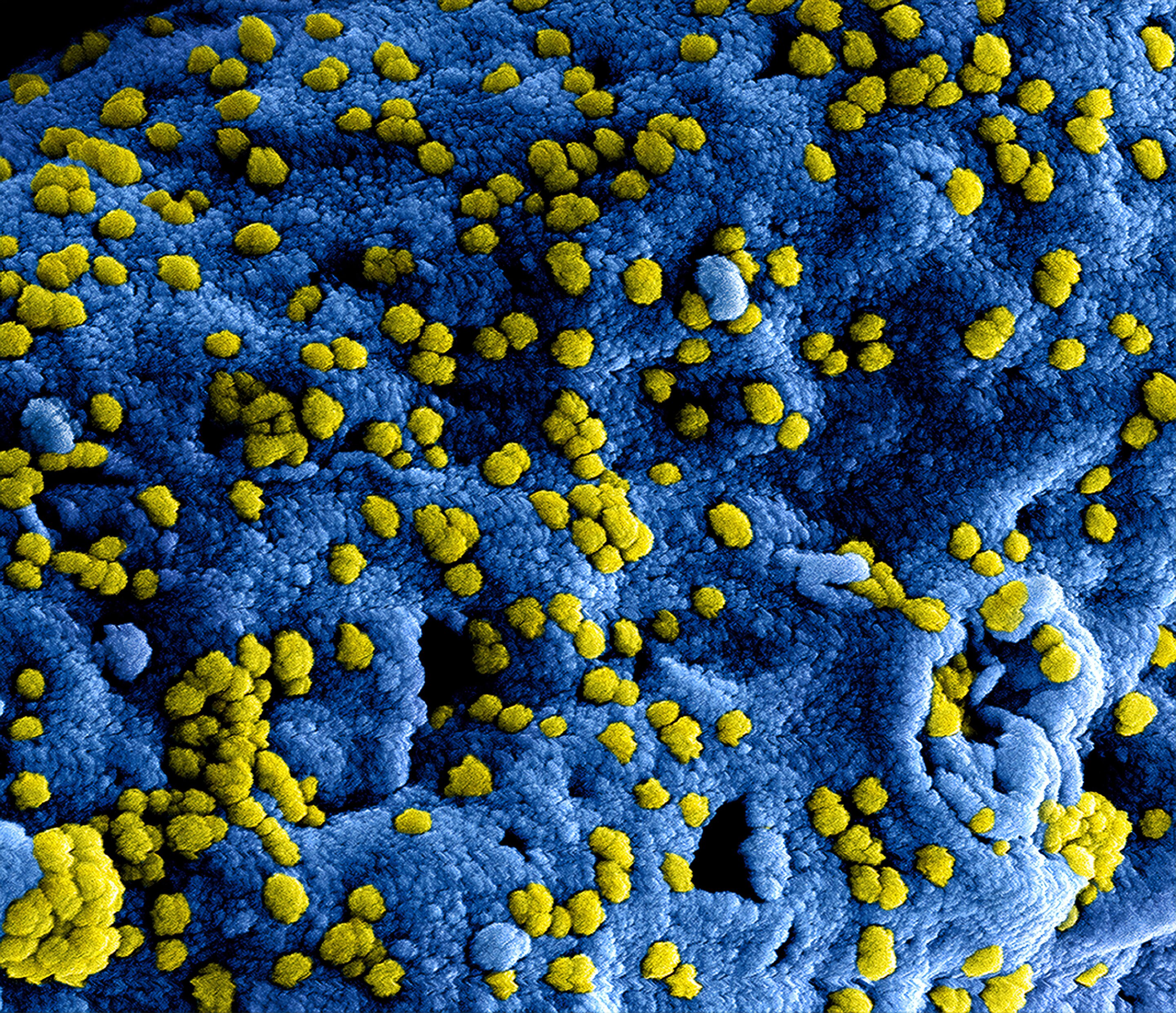
Researchers from the University of Cambridge have discovered that low iron levels may be the cause of long COVID, with COVID-19 disrupting the body's iron management. Individuals with long COVID showed abnormal iron levels and changes in genes that control iron, leading to ongoing inflammation and signs of anemia. The study suggests a potential role for iron supplementation during the acute phase of COVID-19 infection and as a treatment for long COVID. Symptoms of long COVID include extreme fatigue, difficulty concentrating, shortness of breath, heart problems, pain, and various other health issues. Recovery strategies include seeking medical evaluation, managing symptoms, rehabilitation, maintaining a balanced diet, seeking mental health support, pacing activities, and staying informed about new developments in long COVID research.

health1 year ago

"Link Between Low Iron Levels and Long COVID Uncovered by Scientists"

New research from the University of Cambridge suggests that low iron levels in the blood may be a major factor in triggering long COVID, with iron deficiencies contributing to inflammation and anemia in patients. The study found that the body's response to infection, including COVID-19, leads to a redistribution of iron in the body, impacting oxygen transport and energy production. The findings may lead to a reevaluation of long COVID treatment, with a focus on controlling inflammation and remobilizing iron in the body.

health-medicine1 year ago

"Persistent Inflammatory Protein Levels in Long COVID: A Potential Treatment Target"

A University of Cambridge-led study has identified the protein interferon gamma (IFN-γ) as a potential biomarker for Long COVID fatigue, shedding light on an immunological mechanism underlying the disease and paving the way for potential therapies. The study followed Long COVID patients for over 2.5 years and found persistently high levels of IFN-γ, suggesting a potential mechanism for the condition. The research also suggests that vaccination may help clear IFN-γ in Long COVID patients, and argues for classifying Long COVID into subtypes to personalize treatment.

health1 year ago

"The Link Between Fasting and Inflammation: Unraveling the Science"

Researchers from the University of Cambridge have discovered a potential explanation for how fasting protects the body from inflammation, particularly the damaging form associated with a high-calorie Western diet. Their study found that fasting led to a rise in arachidonic acid, which in turn turned down the activity of the NLRP3 inflammasome, a key trigger of inflammation. This finding suggests a potential link between fasting, inflammation, and diseases like Alzheimer's and Parkinson's, although further research is needed to confirm this connection.

science-and-technology1 year ago

"Breakthrough Device Accelerates Progress Toward Quantum Internet"

Researchers at MIT and the University of Cambridge have developed a tiny device made of diamond and tin that could facilitate the efficient transfer of quantum information over long distances, a crucial step towards the development of a quantum internet. The device integrates electronic and nuclear qubits, allowing for the preservation of quantum information while maintaining strong interaction with photons. This breakthrough could pave the way for large-scale quantum networks, with the potential for significant advancements in quantum computing and communication.

health2 years ago

Ancient DNA Reveals Link Between Nerve Disease and Ancestral Herding Practices

Researchers at the University of Cambridge have found a link between ancient DNA and the higher risk of multiple sclerosis in northern Europeans. The study suggests that genes from horse-riding cattle herders who entered northern Europe about 5,000 years ago may contribute to this increased risk. The findings were made possible by comparing modern DNA with ancient genetic material and were published in the journal Nature. The research raises questions about the role of gene variants in immunity and autoimmune diseases, prompting the need for further investigation.

technology2 years ago

Revolutionary Laser Technology Makes Steel 3D-Printing More Affordable

Researchers at the University of Cambridge have developed a new method for 3D printing metal that allows for structural alterations to be made during the printing process, reducing costs and increasing resource efficiency. The technique combines the benefits of 3D printing's ability to create complex forms with the traditional methods of engineering metal characteristics. The details of the method were published in the journal Nature Communications.

science2 years ago

"Time Travel Achieved through Quantum Entanglement: Scientists Make Breakthrough"

Scientists at the University of Cambridge have used quantum entanglement, a concept in quantum mechanics, to simulate the effects of time travel. Quantum entanglement occurs when particles become correlated, meaning the properties of one particle depend on the properties of another, even when separated by large distances. This research demonstrates the potential for manipulating entanglement to explore the concept of time travel.