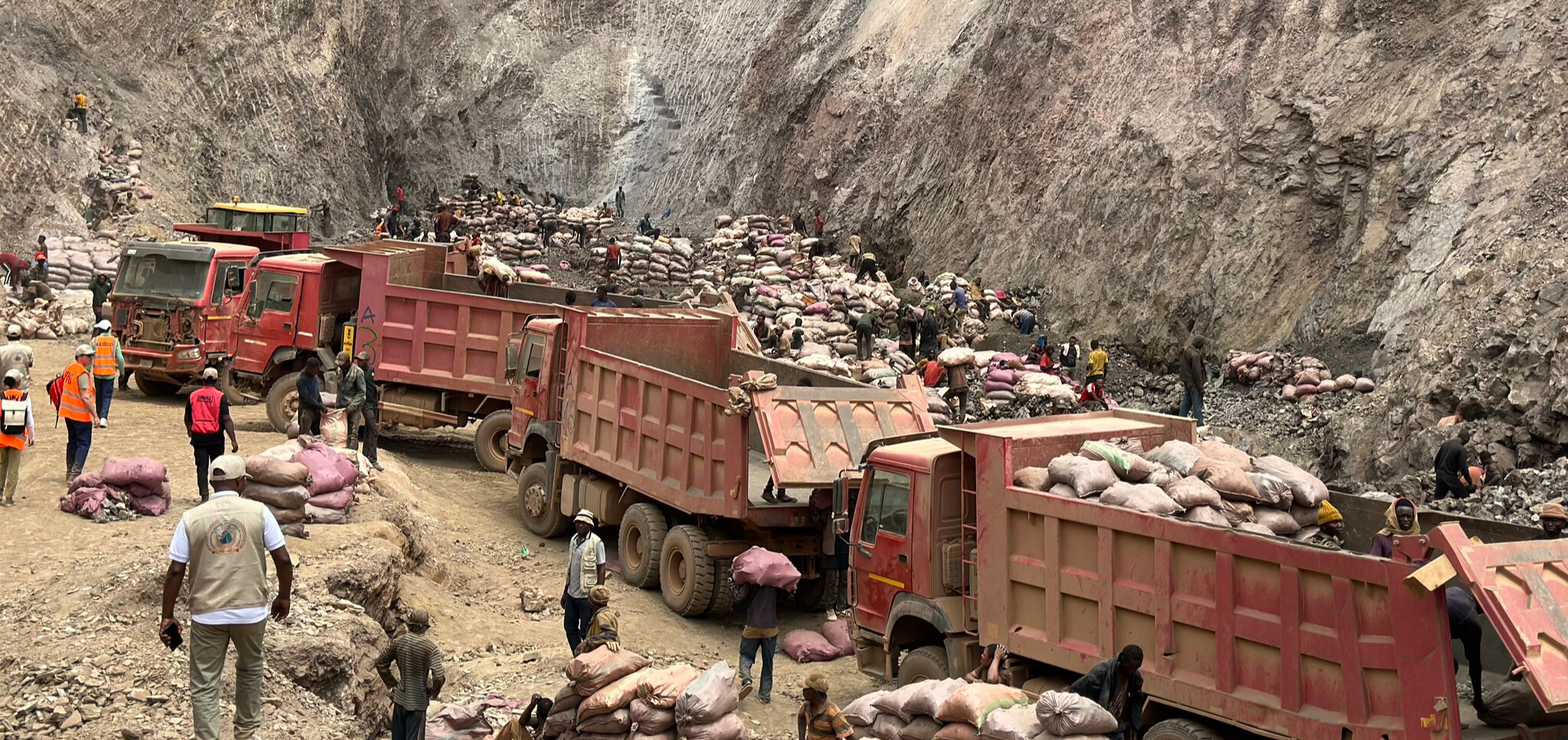
Mining for minerals essential to the green energy transition significantly impacts ecosystems, communities, and biodiversity, with increased demand risking social injustice and environmental degradation; solutions include better regulation, community involvement, and promoting recycling and circular economies.

The article argues that the global warming crisis is overblown and losing credibility, citing the collapse of climate initiatives, over-exaggerated predictions, and shifting public and political attitudes, suggesting that the focus should now shift to practical energy solutions and addressing real environmental issues.
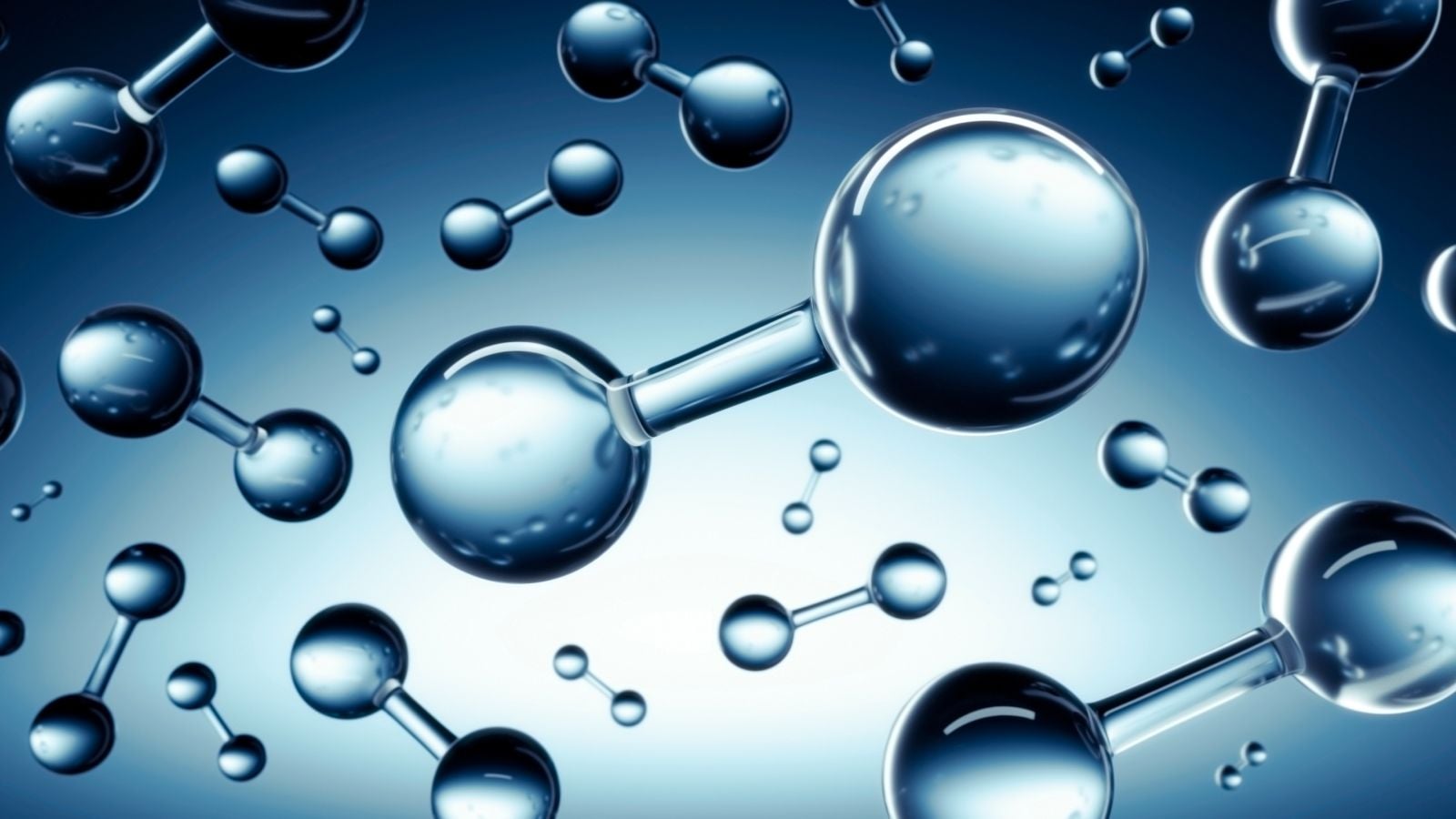
Researchers in Tokyo have developed a new hydrogen battery using magnesium hydride and a solid-state electrolyte that operates at much lower temperatures than previous models, potentially enabling denser, longer-lasting batteries for electric vehicles and advancing green energy storage solutions.
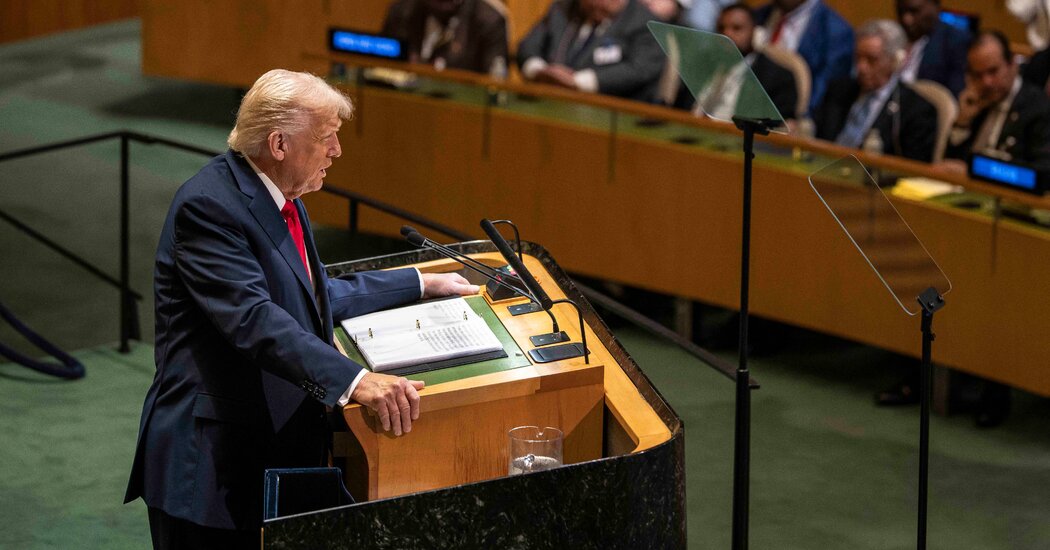
During a UN address, President Trump dismissed climate science as a scam, criticized renewable energy, and linked immigration and green policies to Europe's problems, while ignoring the global impact of fossil fuels and renewable energy expansion.
Norway is pioneering electric aviation with its first test flight of the electric Alia CX 300, aiming to connect remote islands and reduce emissions, as part of its broader shift towards green energy and electrification of transport.
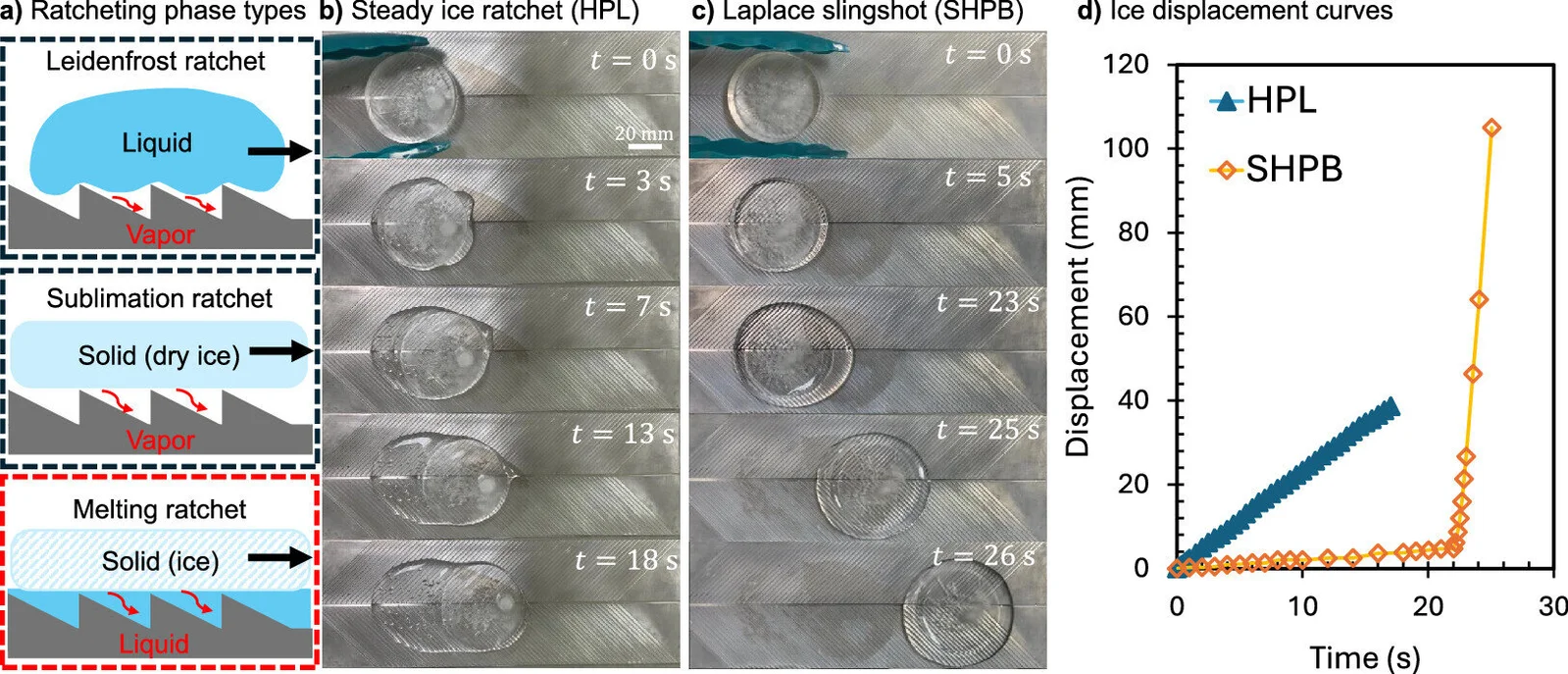
Virginia Tech scientists have developed a surface that allows ice disks to move autonomously by harnessing melting and surface-guided motion, inspired by desert sailing stones, with potential applications in energy harvesting and anti-icing systems.
Swiss pilot Raphael Domjan set a new altitude record for solar-powered planes by reaching 9,521 meters, surpassing the previous 15-year-old record, and briefly crossed paths with a commercial airliner, symbolizing the future of decarbonized aviation.
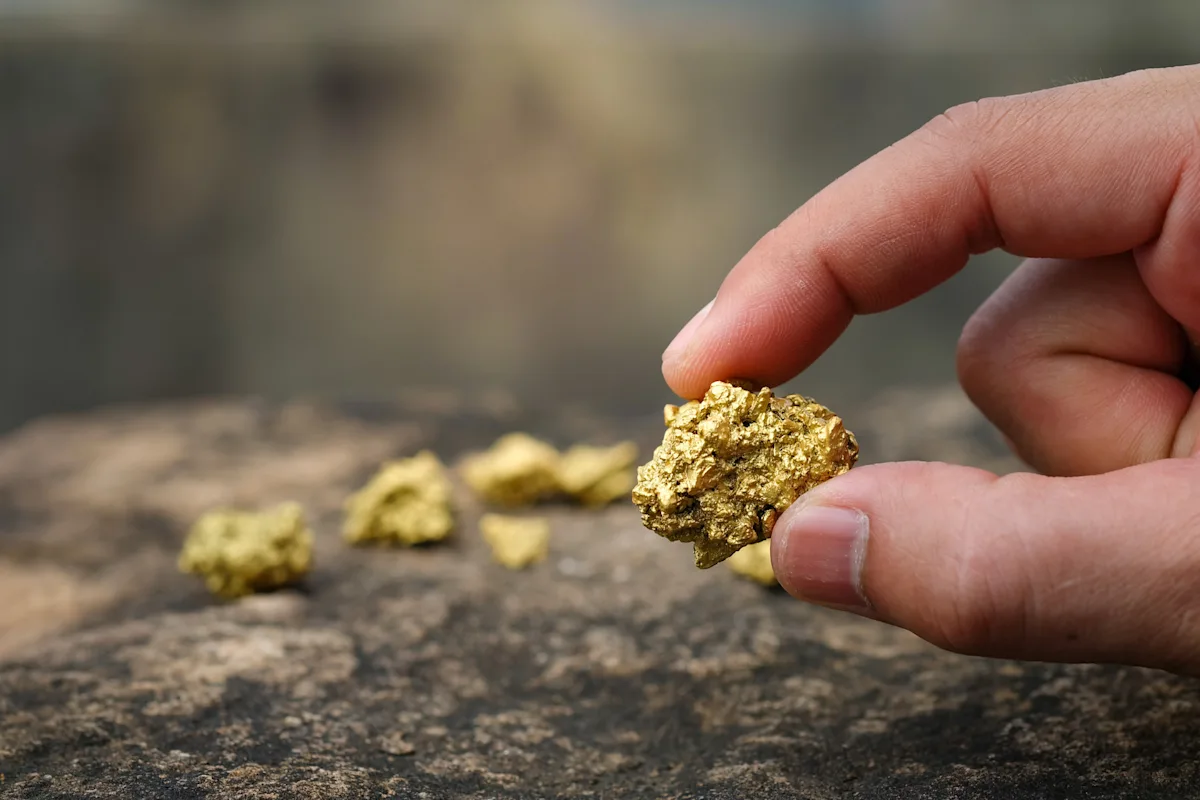
Scientists from the University of Nottingham and partners have developed a novel method using argon plasma to efficiently extract and utilize tiny amounts of precious metals, creating ultra-thin 2D structures that enhance sustainability and reduce pollution, with potential applications in clean energy and industrial processes.
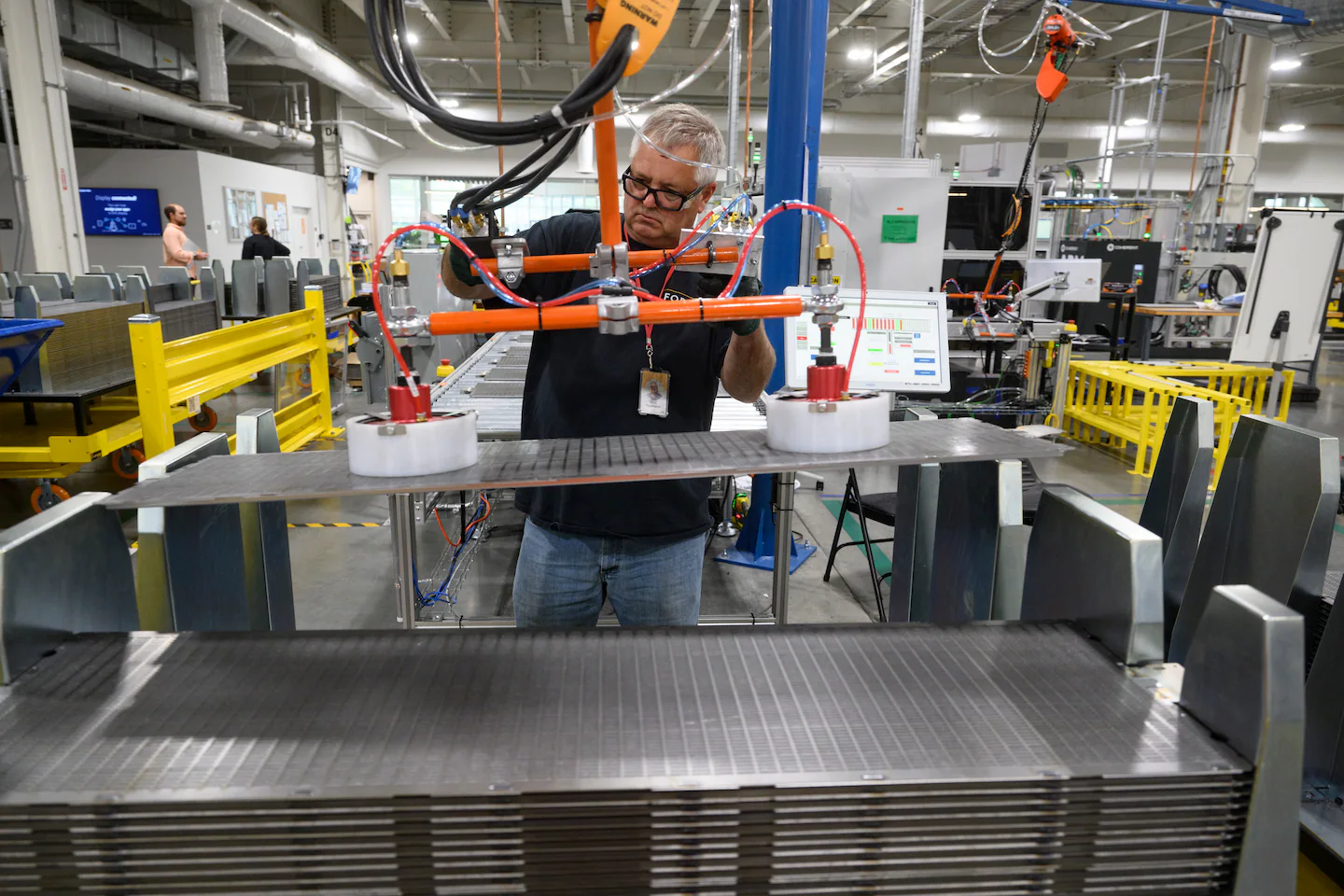
In Weirton, West Virginia, a former steel town, Ray Larkey transitions from working in a steel mill to a job at Form Energy, a company focusing on energy solutions that are not labeled as 'green,' highlighting a shift in the town's industrial landscape.
President Donald Trump signed an executive order to end subsidies for unreliable green energy sources like wind and solar, aiming to promote energy independence, reduce reliance on foreign-controlled supply chains, and support reliable, dispatchable energy sources such as nuclear and fossil fuels to strengthen national security and economic growth.
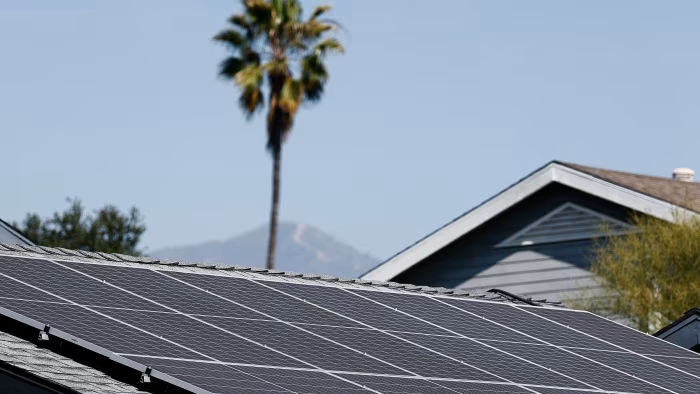
The US clean energy sector faces a surge in bankruptcies, including Sunnova and Mosaic, due to potential cuts in renewable energy tax credits by Congress, which has led to declining solar stocks and increased industry uncertainty, threatening thousands of jobs and small businesses.
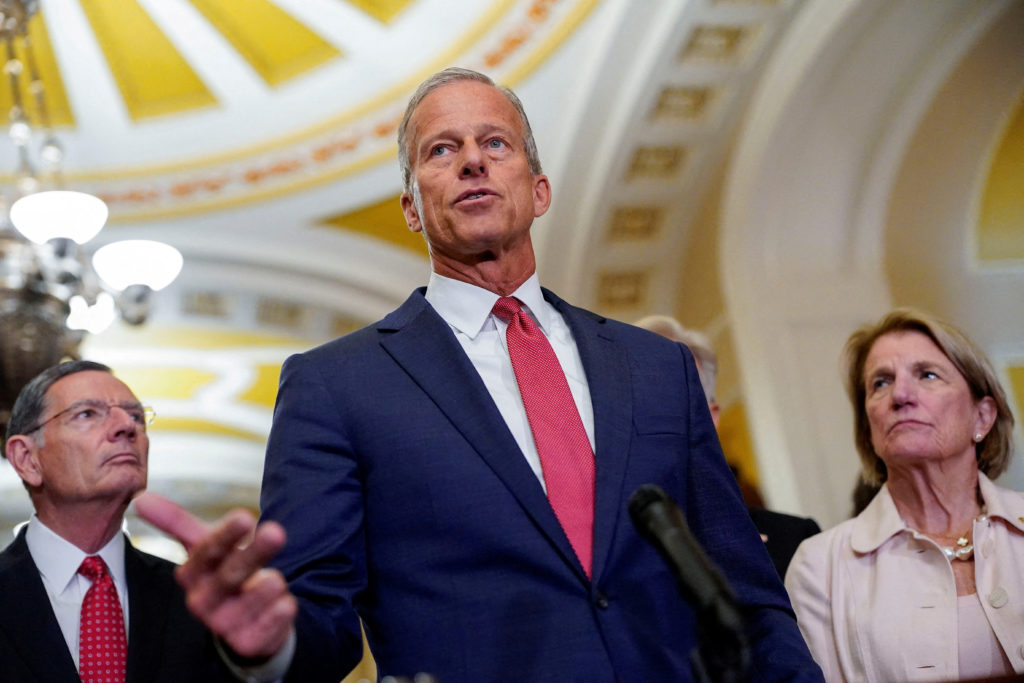
The Senate's version of President Trump's 'big bill' includes expanded and extended tax cuts for individuals and businesses, delayed green energy tax credits, and increased Medicaid cuts, particularly targeting provider taxes, with ongoing debates among Republicans about the specifics of Medicaid reforms.
Senate Republicans face criticism from House GOP members over their green energy tax credit reforms, with some arguing they fail to meet current needs and cut off early for businesses. Meanwhile, congressional hearings on President Biden's mental fitness are boycotted by Democrats, and lawmakers debate security funding amid rising political violence. The GOP is also working to pass a major domestic policy bill, with negotiations ongoing.
The US House's recent bill aims to eliminate a tax credit for critical minerals, which could hinder American mining companies' ability to compete with China, especially amid China's export restrictions and market flooding, risking job losses and industry decline without government support.
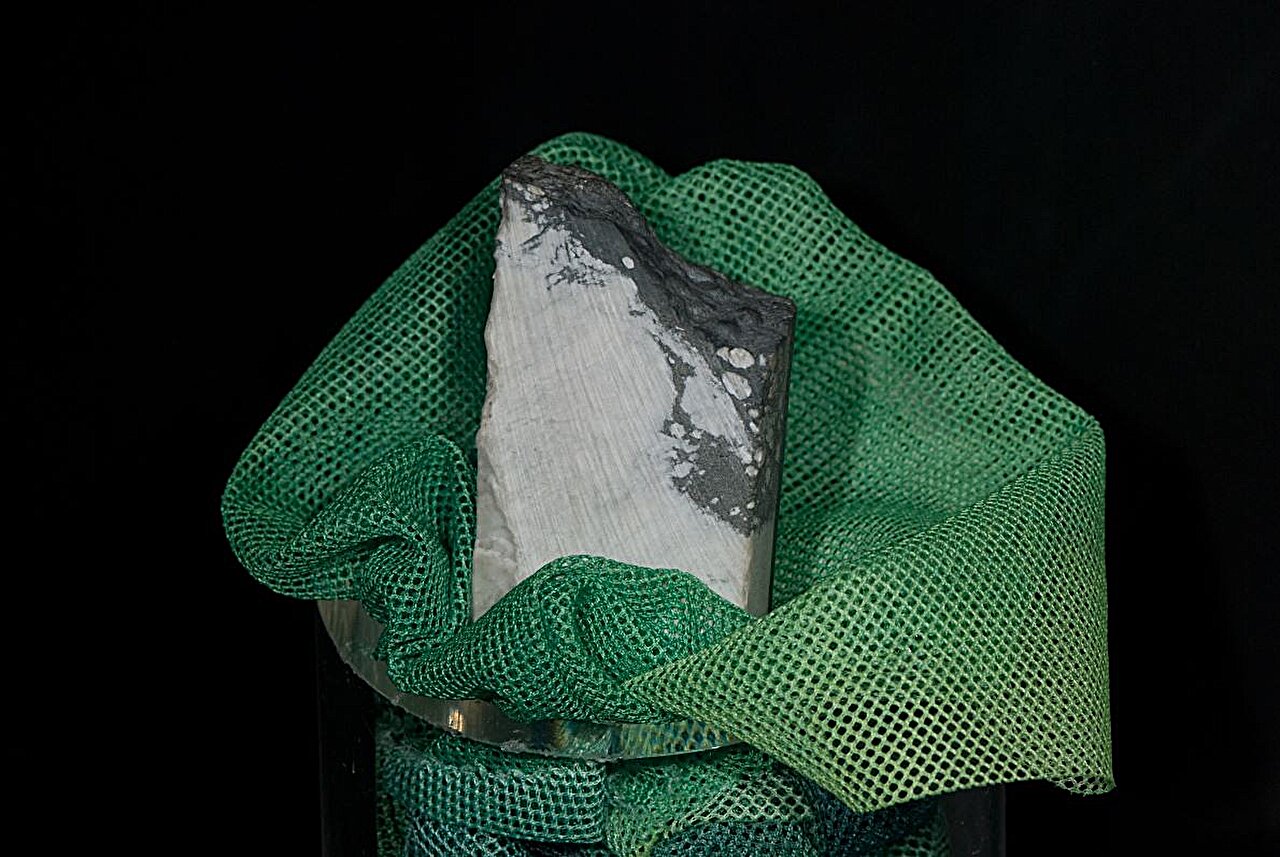
Scientists from the Natural History Museum have uncovered the precise geological conditions needed to form jadarite, a rare lithium-rich mineral with potential to support Europe's green energy transition due to its high lithium content and environmentally friendly extraction process.