

Tag

E Waste Recycling

All articles tagged with #e waste recycling

VC Fund Aims to Turn Science Fiction into Reality

Originally Published 3 months ago — by theregister.com

Featured image for VC Fund Aims to Turn Science Fiction into Reality
Source: theregister.com

A venture capital fund called Deep Future is investing in out-of-the-box, long-term technological ideas, including innovative nuclear reactors, e-waste recycling methods, and theoretical concepts like warp drives, aiming to fund projects that may take decades to realize but could revolutionize various industries.
"Revolutionary Method Uses Food Waste Byproduct to Extract Gold Sustainably"

Originally Published 1 year ago — by The Cool Down

Featured image for "Revolutionary Method Uses Food Waste Byproduct to Extract Gold Sustainably"
Source: The Cool Down

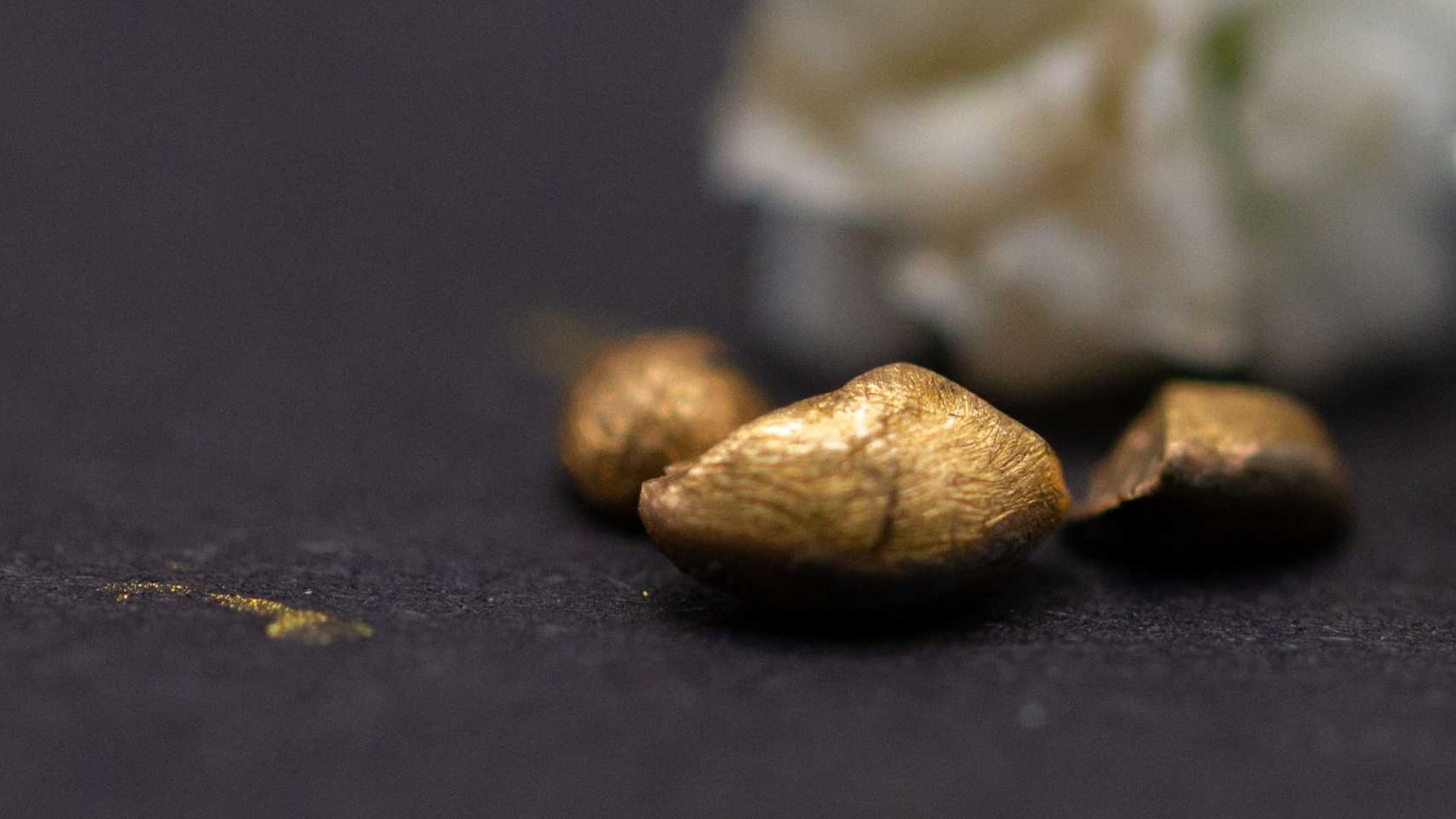
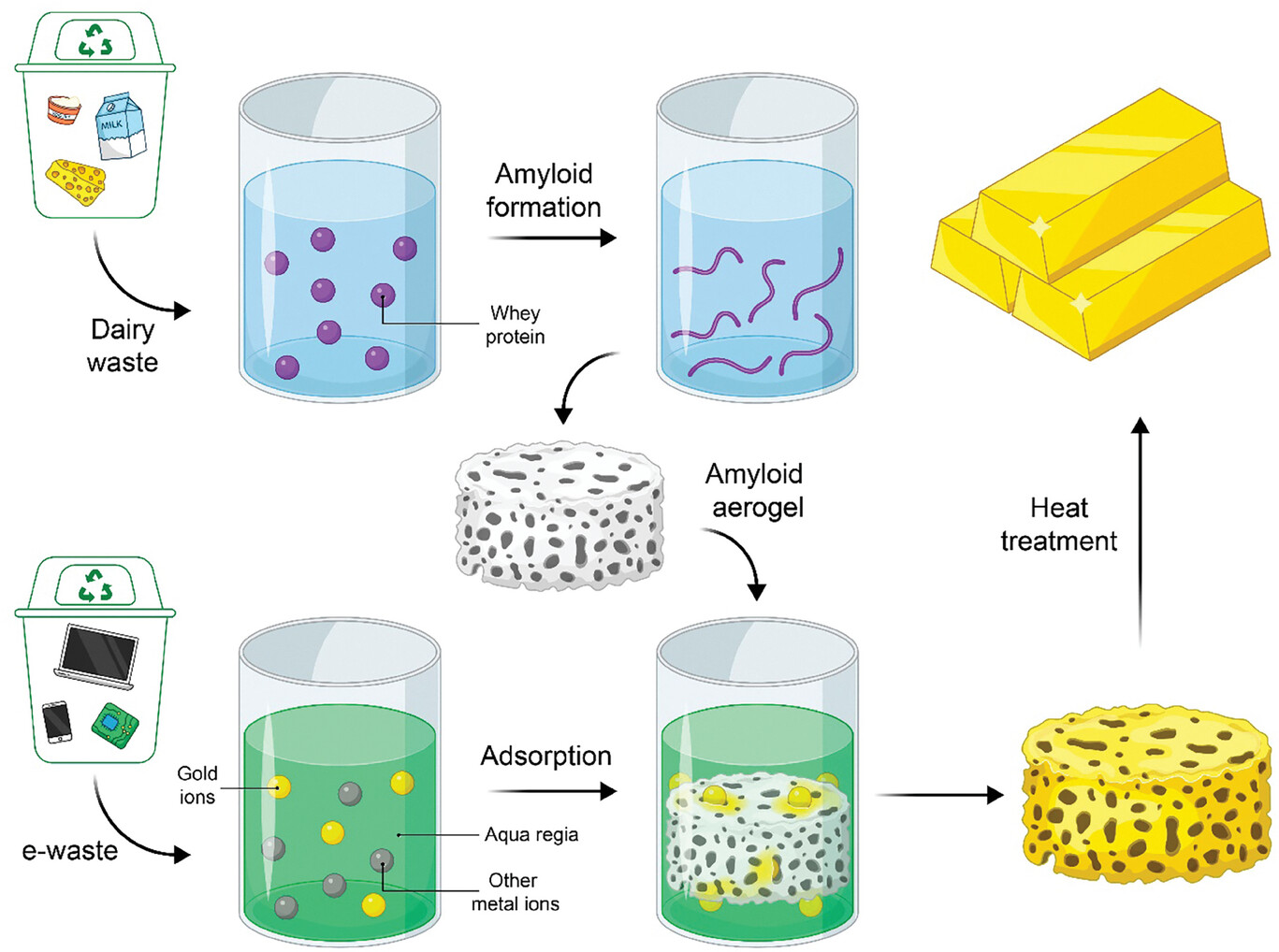
Researchers at ETH Zurich have developed a groundbreaking method to extract gold from old motherboards using food waste byproduct, specifically whey from the cheesemaking industry. The process involves creating a sponge from whey to collect gold from e-waste in an acid bath, followed by high heat to form nuggets. The value of the extracted gold is 50 times more than the cost of the process, making it commercially viable and environmentally sustainable. This innovative technique offers a more sustainable and profitable alternative to current methods, contributing to e-waste recycling and potentially making electronic devices more affordable for consumers.

"Utilizing Food-Waste Amyloid Aerogels for Efficient E-Waste Gold Recovery"

Originally Published 1 year ago — by Hackaday

Featured image for "Utilizing Food-Waste Amyloid Aerogels for Efficient E-Waste Gold Recovery"
Source: Hackaday

Researchers have proposed using protein amyloid aerogels, derived from food waste protein like whey, to optimize the recovery of precious metals such as gold from electronic waste. These aerogels, with their high surface area for adsorption, demonstrated an impressive 93.3% efficiency in gold recovery while leaving other metals mostly untouched in the solution. The chelation properties of the protein amyloids make them effective at bonding to metal ions, offering a potential cost-effective and environmentally friendly approach to e-waste recycling.