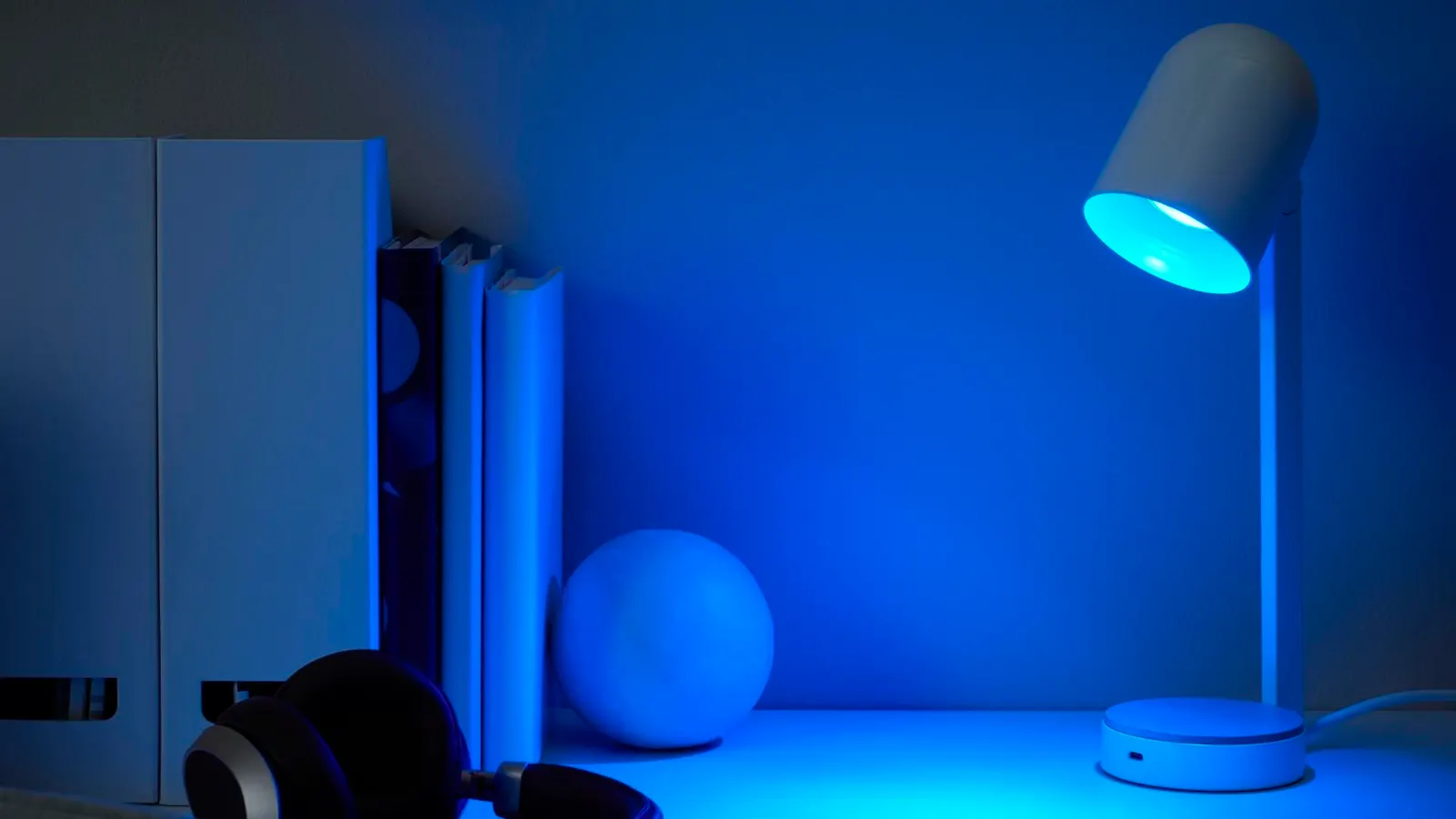
Ikea has launched 21 affordable Matter-compatible smart home devices, including smart bulbs, sensors, remotes, and a smart plug, all designed to be easy to use and integrate with existing smart home platforms, with availability starting as early as this month in select regions.
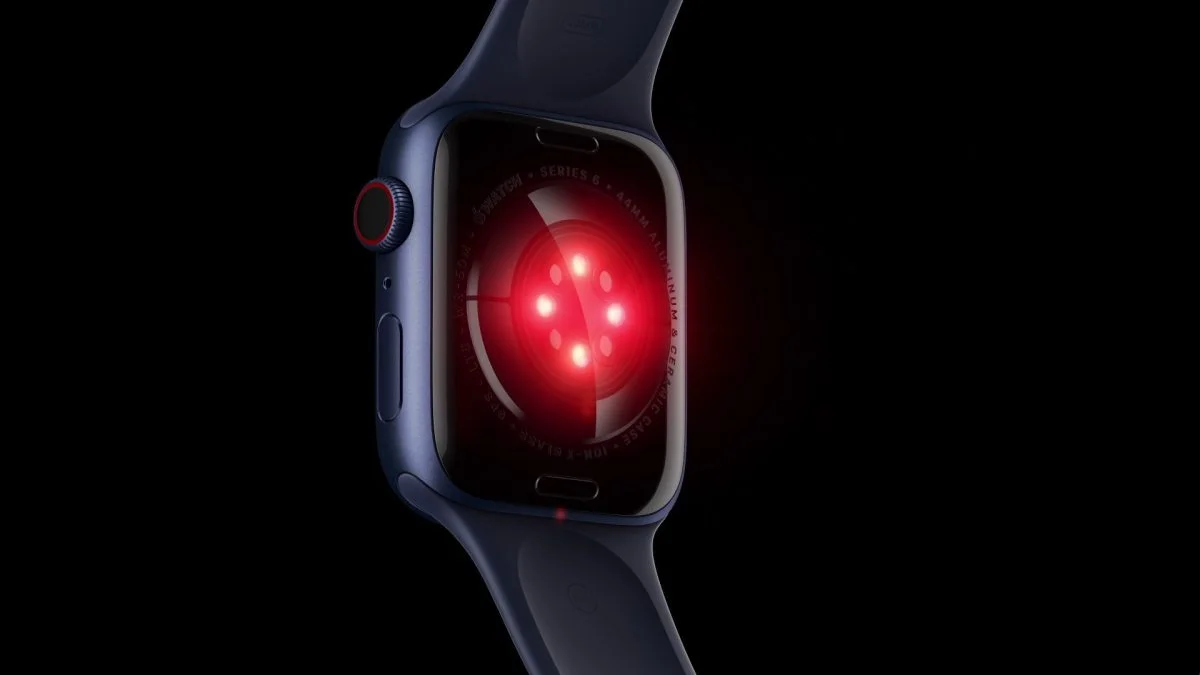
Apple is expected to introduce a major redesign for the Apple Watch Series 12 in 2026, featuring an innovative eight-sensor ring layout that could significantly improve measurement accuracy and health monitoring capabilities, building on the upcoming Series 11 and Ultra models.
DigiTimes reports that the 2026 Apple Watch lineup will feature significant upgrades including more sensors, a new design, and improved power efficiency, with potential blood pressure detection and enhanced performance, making it one of the most exciting updates in recent years.
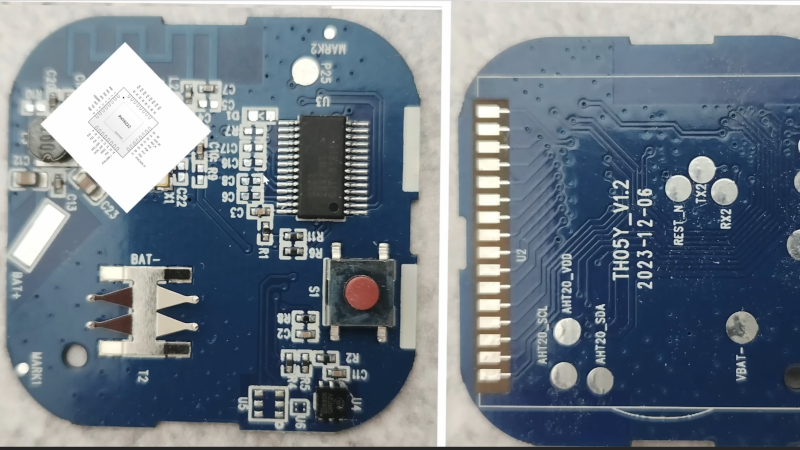
A low-cost humidity and temperature sensor, similar to Xiaomi's, can be reprogrammed for custom use. Maker's Fun Duck demonstrates how to modify the device's firmware, which includes an ARM Cortex M0 processor and Bluetooth capabilities, to expand its functionality beyond the vendor's app. The sensor, priced at about a dollar, offers potential for various applications with custom firmware, despite its basic LCD and sensor accuracy concerns.
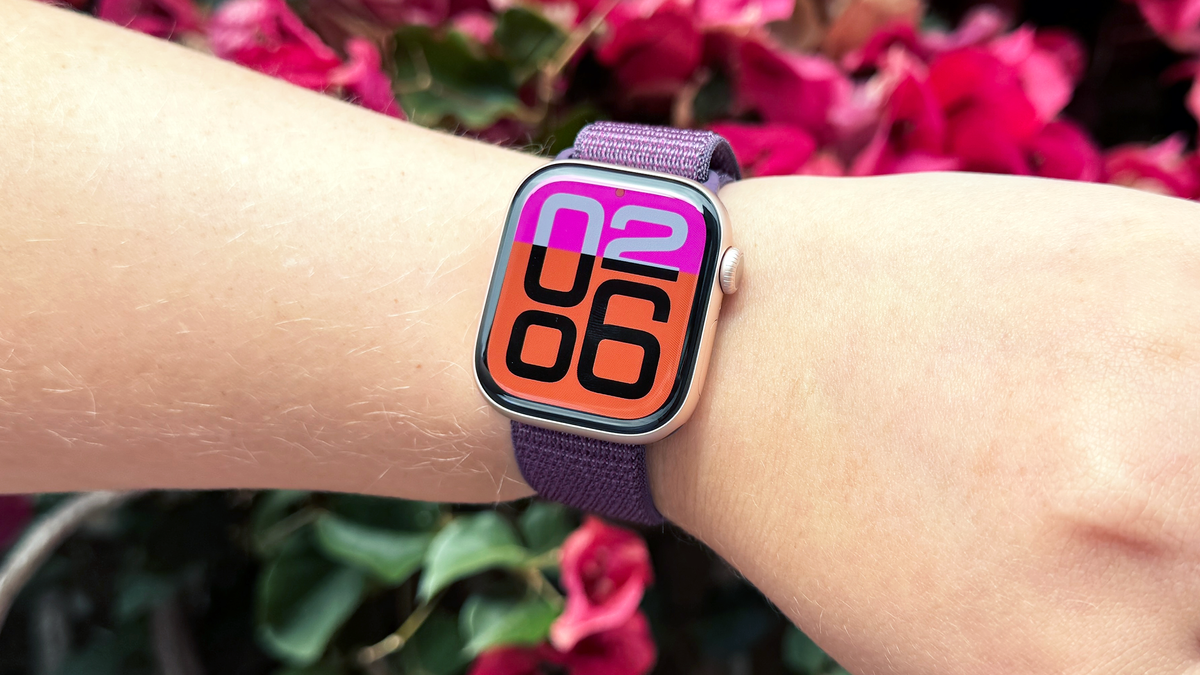
Apple has been granted a patent for embedding sensors into stretchable fabric bands, potentially enhancing future Apple Watch models with capabilities like blood pressure and ECG monitoring. The patent suggests these sensor bands could wirelessly communicate with other Apple devices and might even include charging circuitry. This innovation could extend to other wearable items, hinting at a broader range of Apple-connected clothing or gear. While the patent indicates ongoing development, it may take time before these features are integrated into consumer products.
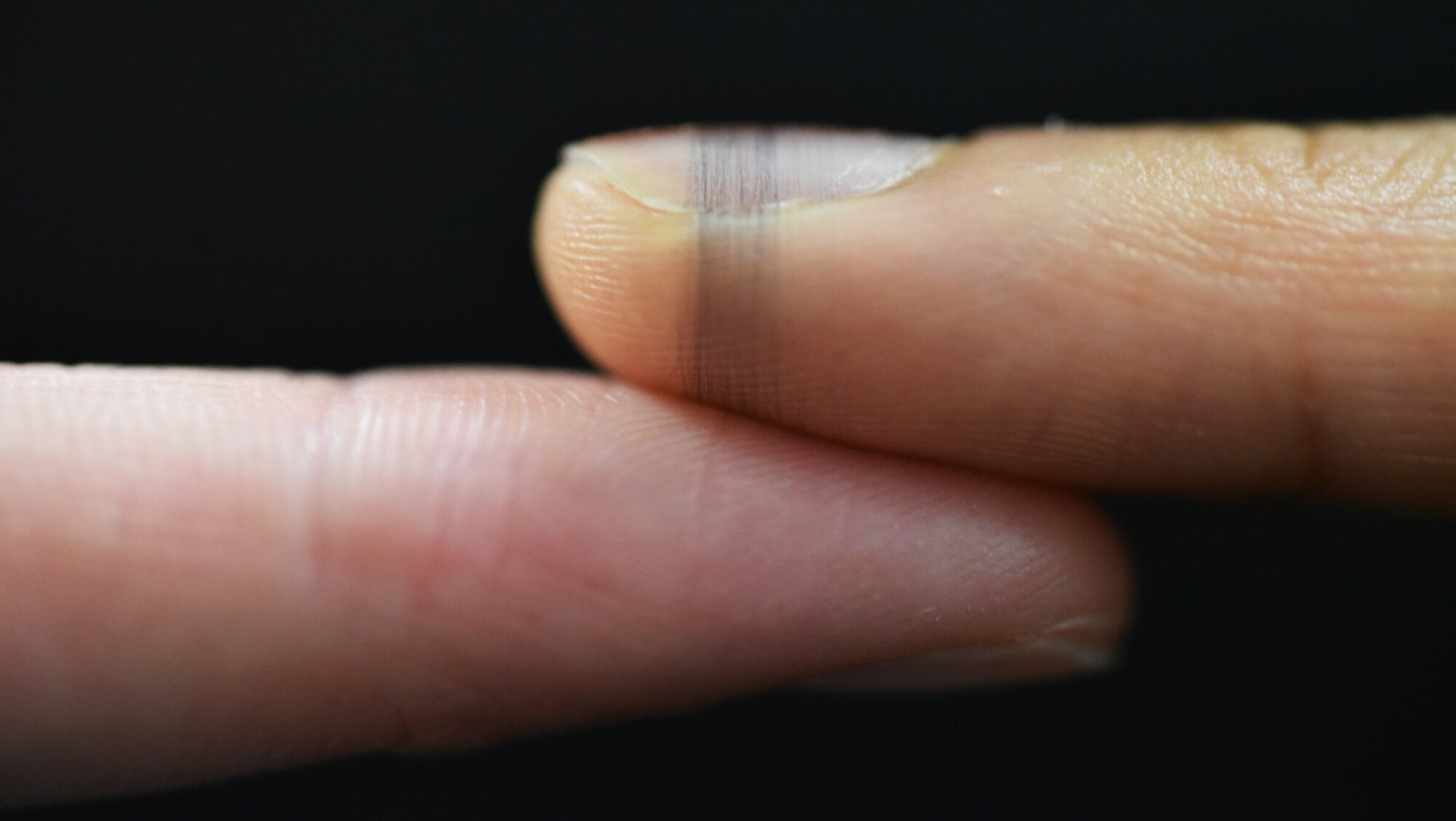
Researchers at the University of Cambridge have developed eco-friendly, adaptive sensors inspired by spider silk that can be imperceptibly printed onto various biological surfaces, including human skin and flower petals. These lightweight, high-performance bioelectronic fibers can be used for continuous health monitoring, virtual reality, and environmental monitoring, offering a sustainable and low-waste alternative to traditional sensor technologies.
Non-destructive CT scans of the Apple Vision Pro reveal a meticulous array of cameras, sensors, and technology, showcasing its precise engineering. Lumafield's comparison with Meta Quest 3 and Meta Quest Pro highlights the frugal construction and value of the devices, while emphasizing the potential of the Vision Pro as a spatial computer ushering in a new era of technology and media. The detailed teardown offers insights into the design, displays, sensors, processors, batteries, thermal management, and audio systems, particularly highlighting the complex sensor array including eye-tracking IR cameras, LiDAR scanner, TrueDepth camera system, hand tracking cameras, and MEMS microphones.
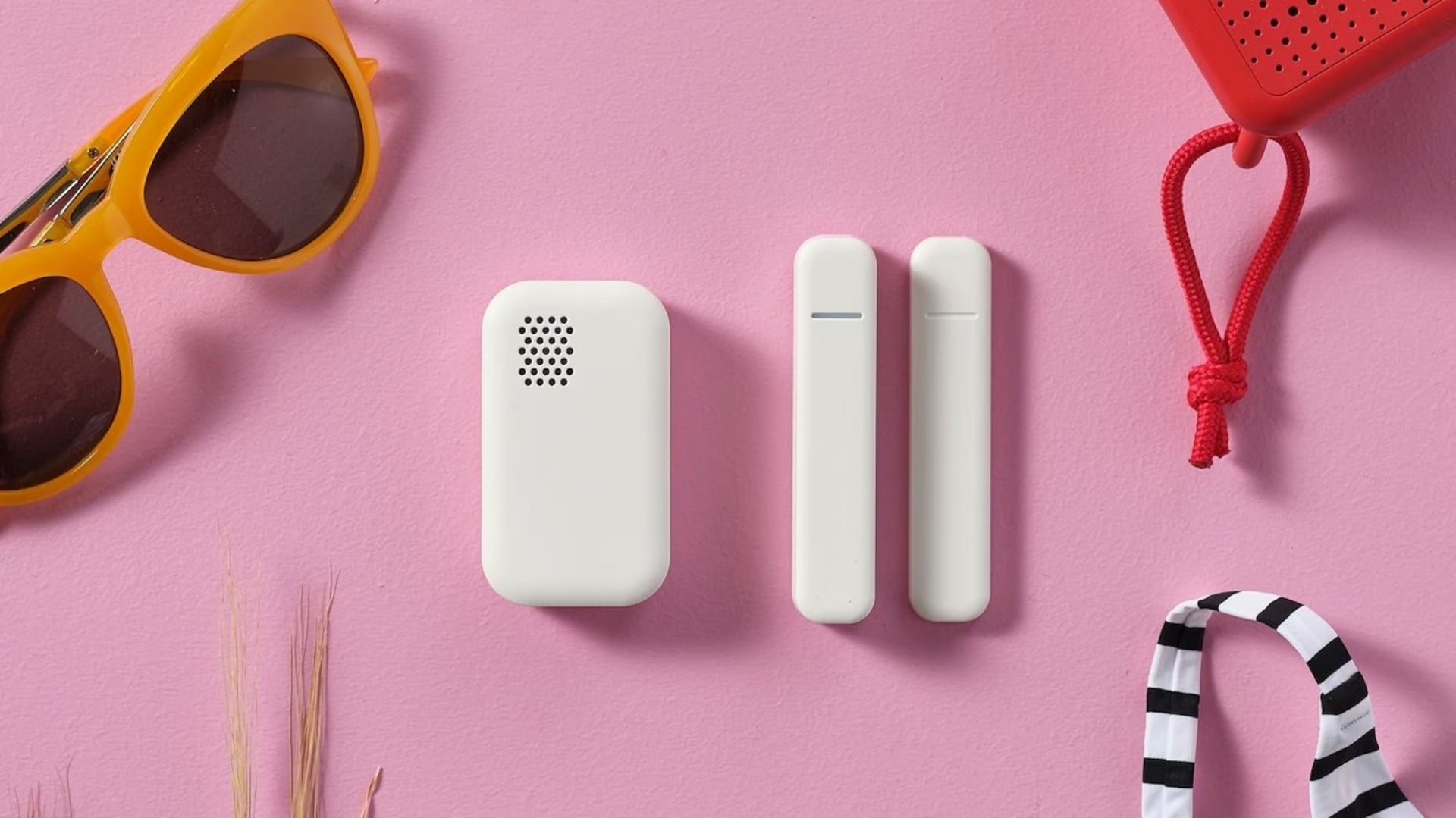
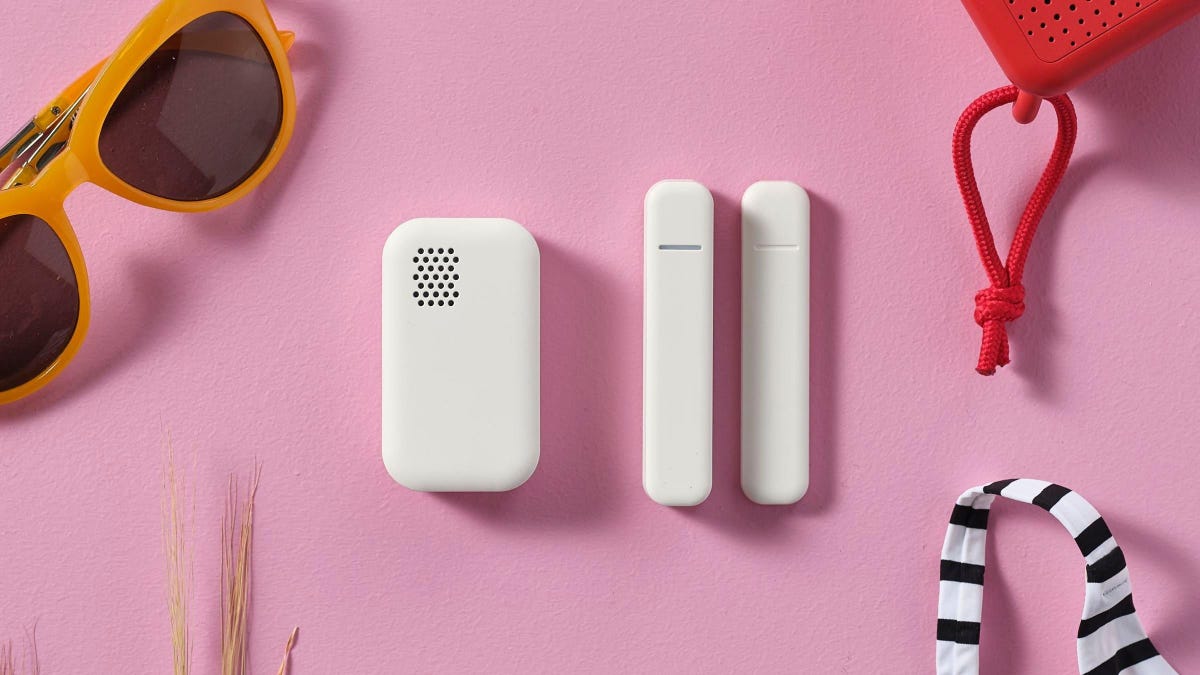
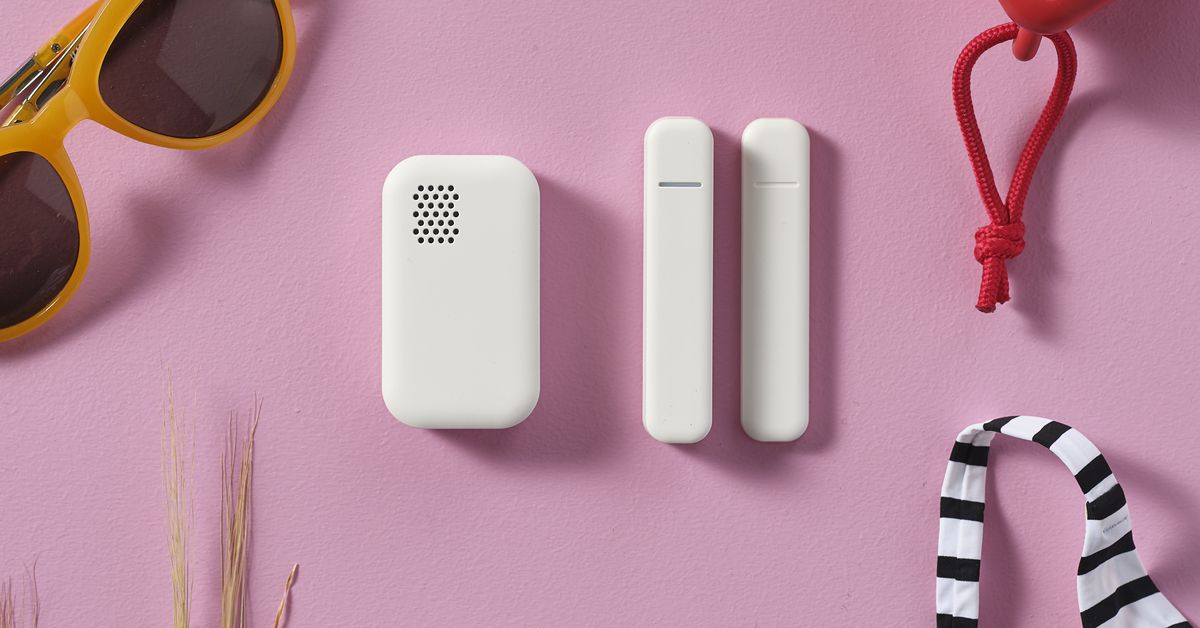
IKEA has launched three new smart home sensors, including a window and door sensor, a wireless motion detector, and a water leakage detector, all priced under $10. The sensors, named Parasoll, Vallhorn, and Badring, can be used to manage and monitor homes remotely through the IKEA Home Smart app. They are based on Zigbee software and can work standalone or with other IKEA smart products. IKEA plans to add Matter support to bridge the devices to the new smart home standard. The sensors will be available starting January 2024.
Ikea has announced a new line of smart home sensors, including a door and window sensor, a motion sensor, and a water leakage sensor, set to be released globally starting in January 2024. The sensors are expected to retail for under $10 based on pricing in Europe. The door and window sensor can be paired with an Ikea light bulb without the need for a smart hub, while the motion sensor works both indoors and outdoors. The water leakage sensor features a built-in siren and alerts users upon sensing a leak. These affordable sensors offer a budget-friendly entry into smart home products.
IKEA has introduced new smart home sensors that focus on safety and preventing water damage. These sensors can detect leaks and send alerts to homeowners, allowing them to take immediate action. The sensors can also be integrated with other smart home devices, providing a comprehensive home automation solution.
Ikea has unveiled three new affordable smart home sensors as part of its ongoing efforts to democratize the smart home market. The sensors include Parasoll, a door and window sensor; Vallhorn, a motion sensor; and Badring, a water leakage sensor. Priced at less than $10, these sensors will be available globally in the first half of 2024. The sensors can be paired with Ikea smart bulbs and integrated into Ikea's smart home ecosystem. However, they are not compatible with older Trådfri Home Smart gateways. Ikea plans to eventually enable support for the Matter smart home standard.
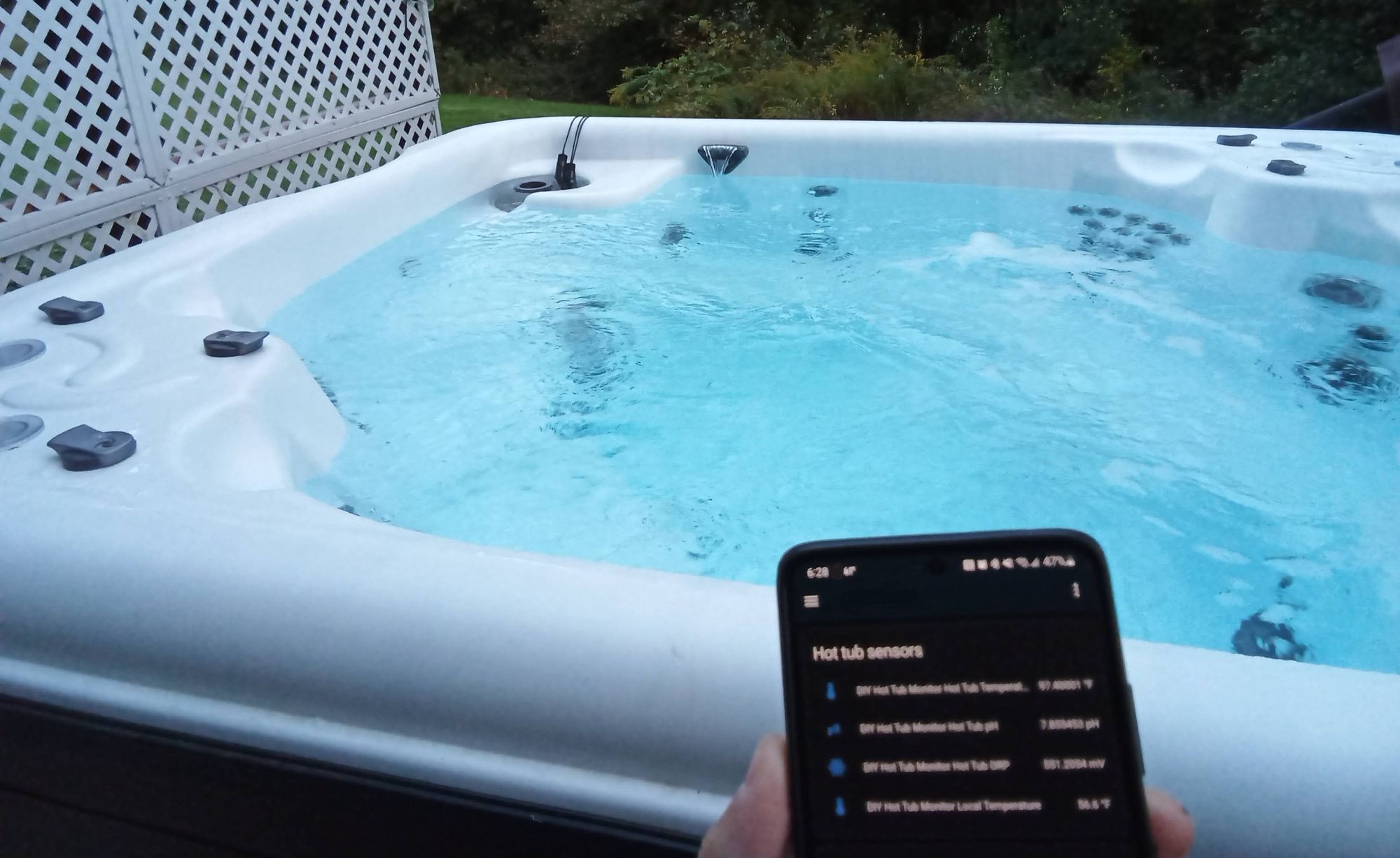
Stephen Carey has developed a hot tub monitoring system using an ESP32 microcontroller that checks water quality every minute and reports it on a mobile dashboard. The system uses sensors to track pH levels, Oxidation-Reduction Potential (ORP), and temperature, providing insights into water quality and energy use. The ESP32 sends data through WiFi and can generate alerts when values drift outside acceptable ranges. The system also includes a calibration mode to check sensor accuracy. Carey found affordable sensor alternatives on AliExpress.
Researchers have developed a living skin made of fungus, inspired by "The Terminator," which could act as a biodegradable and multifunctional sensor for electronics. The fungus, Ganoderma sessile, was grown on a seven-inch "Terminator" model, turning it into a "bio-cybernetic entity." While currently a proof of concept, the researchers hope their research could pave the way for living skins that could regulate building temperatures.
Scientists at the University of Chicago have developed a method to create infrared light using colloidal quantum dots. The dots, which emit different colors of light depending on their size, have the potential to be used in infrared lasers and cost-effective sensors. The researchers found that their method was already as efficient as existing conventional methods for producing infrared light, and further improvements are expected. This discovery could lead to cheaper infrared lights and lasers, opening up new applications in various fields.
Philips Hue is entering the smart home security market with the launch of Philips Hue Secure, a DIY security system that integrates with their smart lighting system. The system includes new cameras and sensors that can activate Hue lights to flash red or white and sound an alarm when triggered. The cameras have 1080p video, two-way talk, end-to-end encryption, and smart alerts. However, they are expensive and require a subscription fee to view recorded footage. The system lacks compatibility with Amazon Alexa and Google Home at launch, but integration is in the works. The new products include wired and battery-powered cameras, a floodlight camera, and contact sensors for windows and doors.