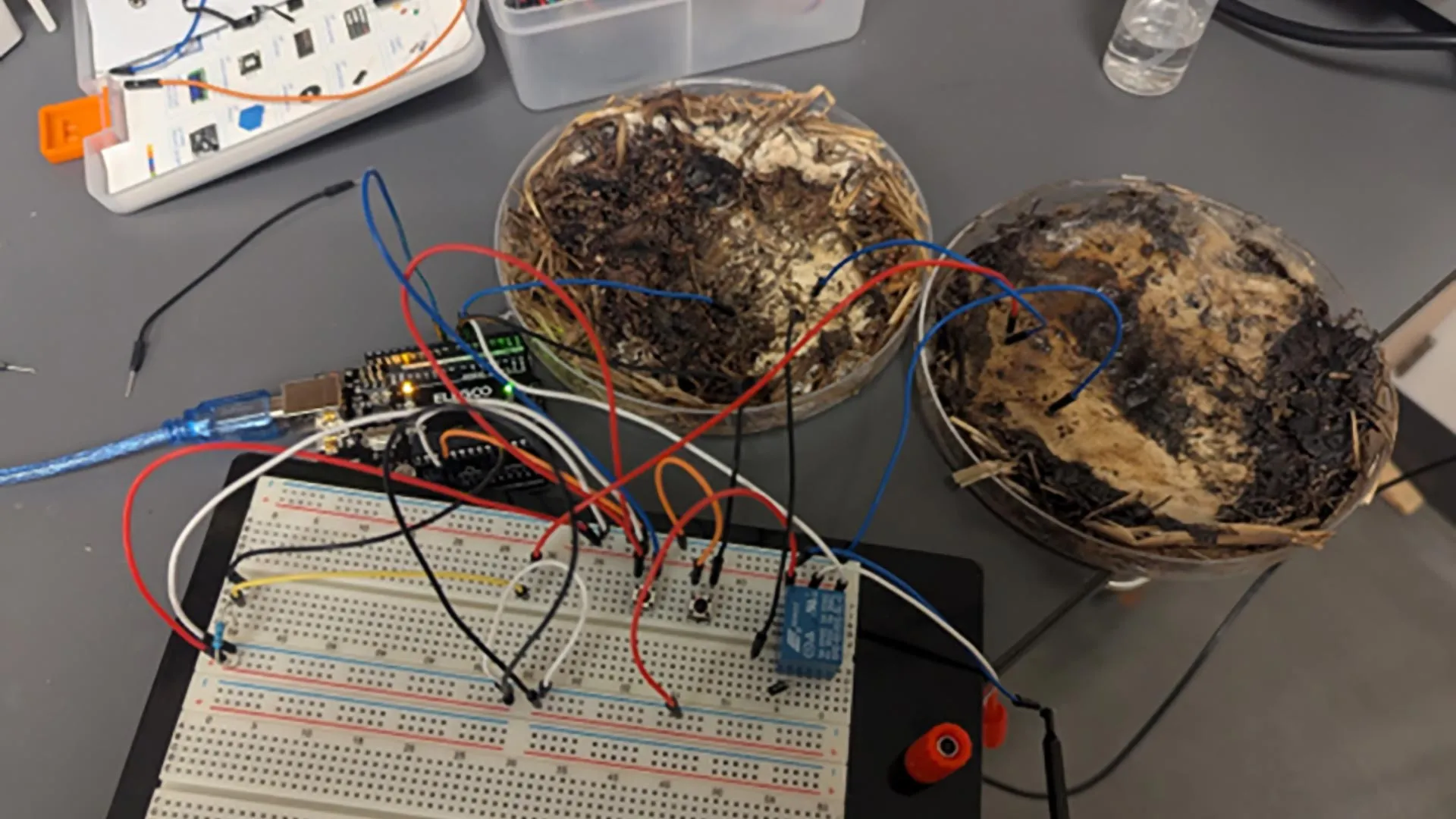
Researchers at Ohio State University have developed mushroom-based memristors using edible fungi like shiitake, which can function as organic memory devices, potentially leading to eco-friendly, biodegradable, and cost-effective computing systems that mimic neural activity and reduce electronic waste.
Researchers at Ohio State University have discovered that common edible fungi like shiitake mushrooms can be used as organic memristors, showing potential as environmentally friendly, low-cost memory chips for future computing applications, including brain-inspired and edge computing systems.
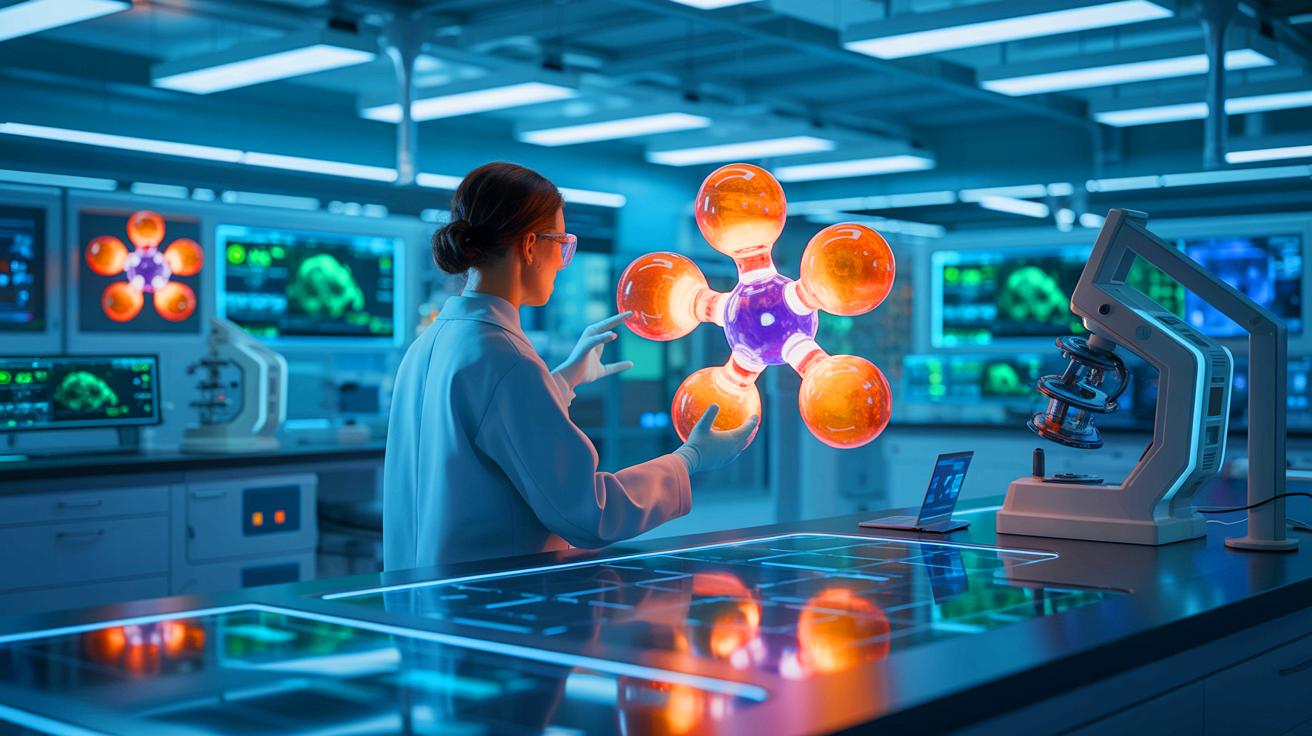
Researchers at Kyushu University developed CzTRZCN, a metal-free, low-toxicity molecule that acts as a switch for both brighter, more efficient OLED displays and precise deep-tissue medical imaging, potentially revolutionizing consumer electronics and healthcare technologies.
The podcast discusses how sweat, which contains biomarkers similar to blood, could revolutionize health monitoring through non-invasive, continuous wearable devices, enabling insights into hydration, nutrient levels, kidney health, and more, with Professor John Rogers highlighting recent technological advances in sweat collection and analysis.
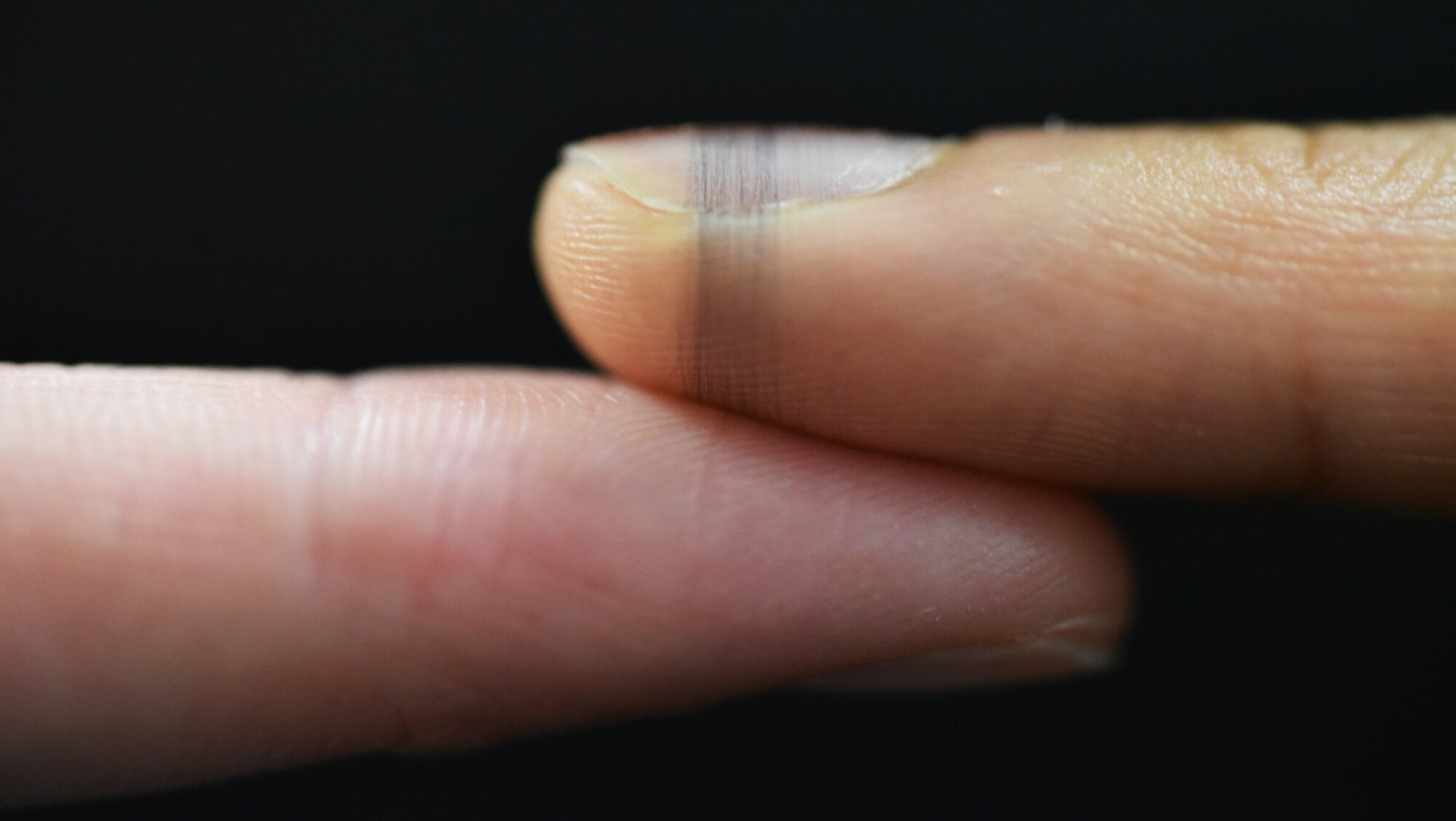
Researchers at the University of Cambridge have developed eco-friendly, adaptive sensors inspired by spider silk that can be imperceptibly printed onto various biological surfaces, including human skin and flower petals. These lightweight, high-performance bioelectronic fibers can be used for continuous health monitoring, virtual reality, and environmental monitoring, offering a sustainable and low-waste alternative to traditional sensor technologies.
Researchers from the University of Cambridge have made a surprising discovery that challenges conventional wisdom in the field of electrochemical devices. They found that in conjugated polymer electrodes, the movement of "holes" (empty spaces for electrons) can be the limiting factor in the charging process, contrary to the belief that ions are slower. By manipulating the material's structure, scientists can regulate the movement of holes and improve charging efficiency. This breakthrough has significant implications for bioelectronics, energy storage, and brain-like computing, paving the way for the development of cutting-edge medical devices, wearable technologies, and more efficient energy storage solutions.
Researchers at Lund University and Gothenburg University have developed temporary, organic electrodes that can be injected into the body using a needle, eliminating the need for surgery. The electrodes self-organize into a conducting structure and integrate with the body's cells, providing a minimally invasive approach to electrotherapy. The electrodes break down and are excreted from the body after treatment, making them suitable for non-chronic diseases that are difficult to treat. The new method opens up possibilities for more effective therapies in areas such as cancer and nerve injuries.
Researchers have successfully mapped the electrical signals that trigger the deadly movement of Venus flytraps for the first time. Using thin-film sensors and electrodes, the team measured and recorded the electrical impulses generated by the plant's sensory hairs. The study revealed that the signals propagate at a constant speed from tripped sensory hairs, triggering the trap to close. Surprisingly, the researchers also found spontaneous electrical signals originating from unstimulated hairs. Further research is needed to understand the function of these signals and how electrical impulses propagate in plants. Decoding these signals could provide insights into plant functioning and stress responses.
Researchers at Columbia Engineering have developed the first fully organic bioelectronic device that can acquire and transmit neurophysiologic brain signals while providing power for device operation. The device, about 100 times smaller than a human hair, is based on an organic transistor architecture that is biocompatible, flexible, and stable in the long term. It incorporates a vertical channel and a miniaturized water conduit, demonstrating high electrical performance, low-voltage operation, and long-term stability. The device has the potential to revolutionize medical implants and improve diagnostics and treatment for patients with neurological disorders.
A study by researchers at the University of Cambridge challenges the conventional understanding of the charging process in electrochemical devices. The study focuses on conjugated polymer electrodes used in bioelectronics and reveals that the movement of "holes" (empty spaces for electrons) can be the limiting factor in the charging process, contrary to standard knowledge. By manipulating the material's microscopic structure, scientists can regulate the movement of holes and improve the charging speed. This discovery opens up new possibilities for advanced materials and improved performance in fields such as energy storage, bioelectronics, and brain-like computing.
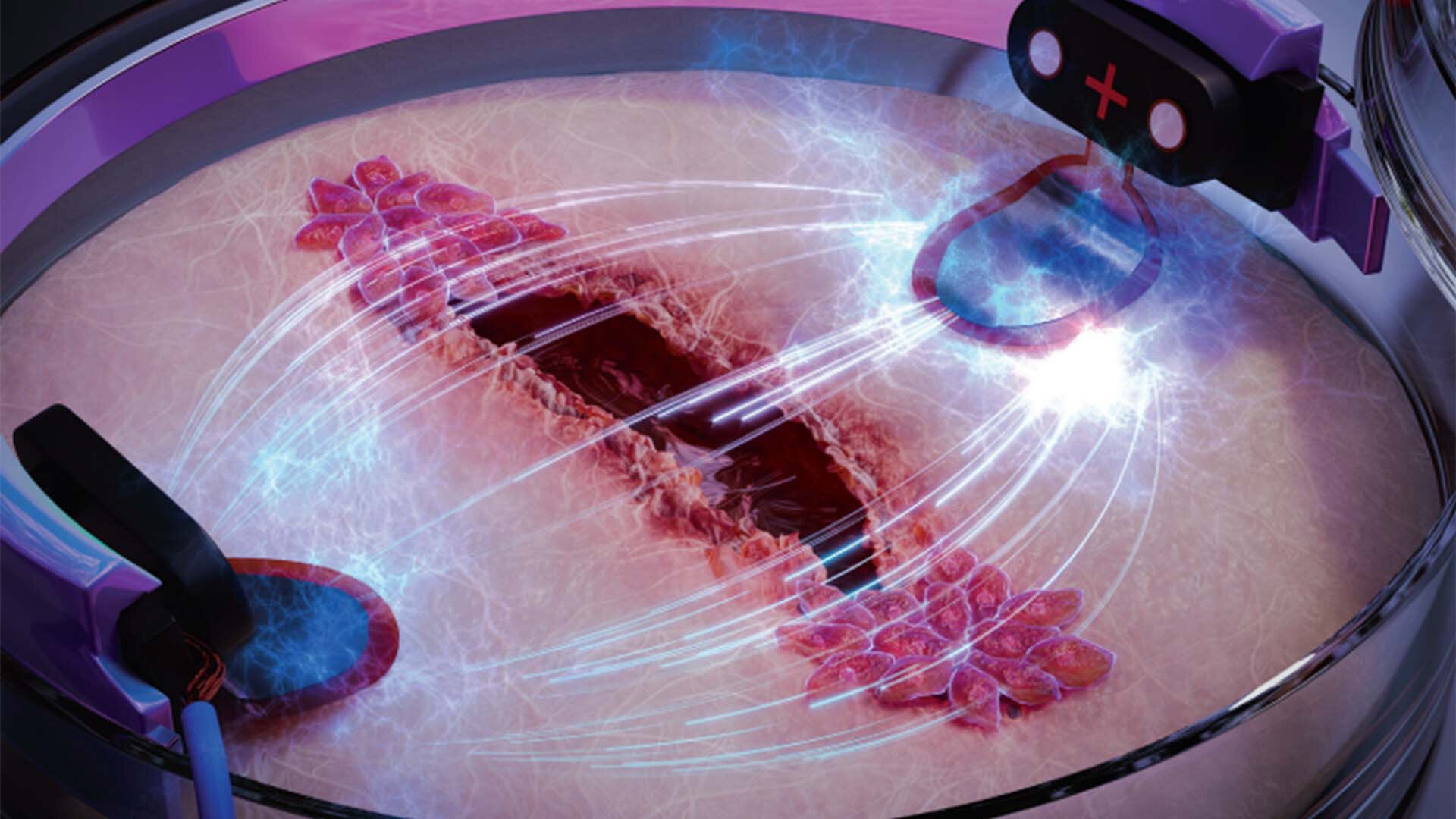
Researchers at Chalmers University of Technology and the University of Freiburg have developed a method using electric stimulation to speed up the healing process of wounds on cultured skin cells, making them heal three times faster. The method could be a game changer for diabetic and elderly people who often suffer greatly from wounds that won't heal. The researchers recently received a large grant to continue their research and develop wound healing products for consumers on the market. They are also looking at how different skin cells interact during stimulation to adapt the stimulation based on the individual wound.
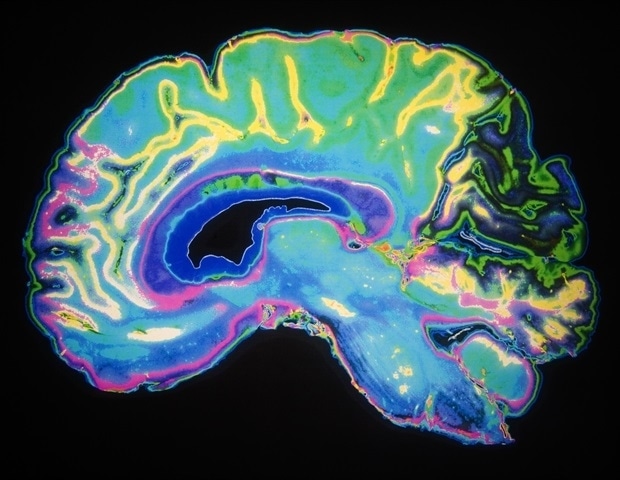
British scientists have developed a brain implant that can restore arm and leg movements by boosting connections between neurons and the paralyzed limbs. The device combines flexible electronics and human stem cells to better integrate with the nerve and drive limb function. The researchers found that the device integrated with the host’s body and the formation of scar tissue was prevented. While extensive research and testing will be needed before it can be used in humans, the device is a promising development for amputees or those who’ve lost function in limbs.
Researchers from the University of Cambridge have developed a neural implant that combines flexible electronics and human stem cells to improve the connection between the brain and paralyzed limbs. The device prevents scar tissue formation and improves functionality and sensitivity. While the device has only been tested on rats, it shows promise for amputees or those who have lost function of a limb or limbs. The researchers are now working to optimize the devices and improve their scalability.