
Logitech Unveils Versatile Solar-Powered Signature Slim K980 Keyboard
Logitech has launched the Signature Slim K980 keyboard, which is powered by solar energy, emphasizing sustainable and eco-friendly technology.

All articles tagged with #solar powered
Logitech has launched the Signature Slim K980 keyboard, which is powered by solar energy, emphasizing sustainable and eco-friendly technology.

Logitech has launched the Signature Slim Solar+ K980, a slim, full-sized wireless keyboard for Mac that charges entirely via ambient light, including artificial lighting, and lasts up to 4 months in darkness. Priced at $99, it features Mac-specific keys, customizable options via Logitech’s software, and is available on Amazon, offering a solar-powered alternative to traditional keyboards.

Amazon shoppers recommend a $35 solar ultrasonic mole repellent that emits sounds to deter moles, gophers, and snakes, helping to protect lawns without harm or chemicals. Many users report noticeable improvements in lawn health and ease of use, though it may not be a long-term solution for severe infestations.
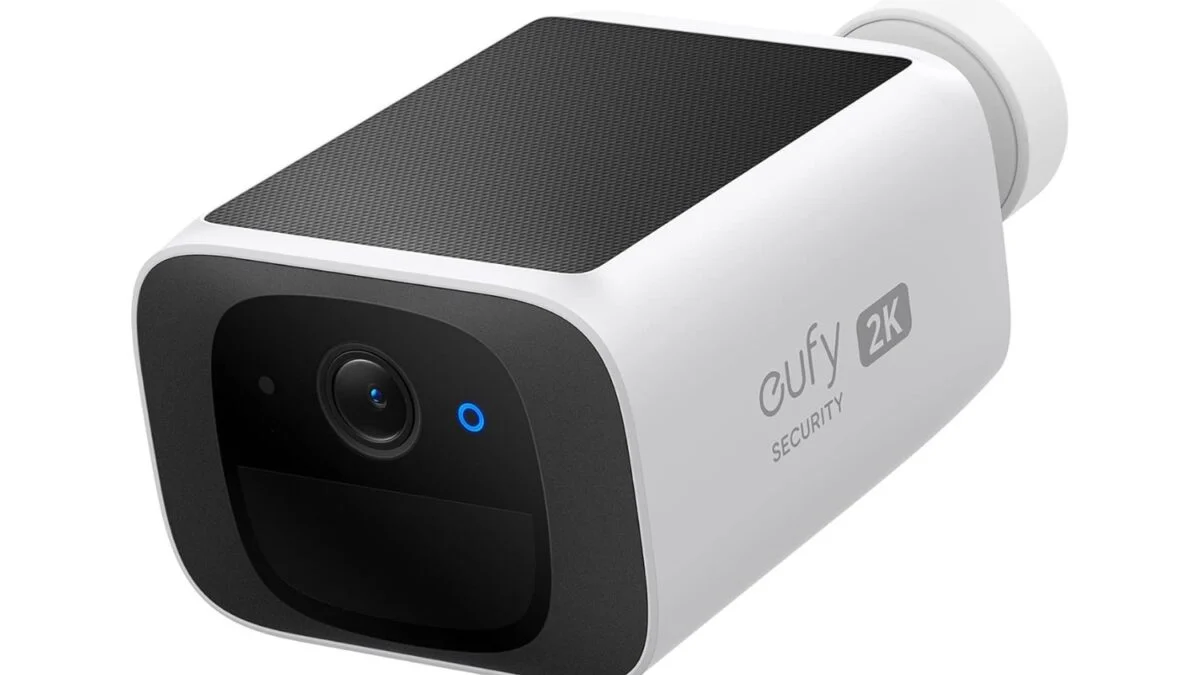
Amazon is offering the eufy Security SoloCam S220, a 2K solar-powered outdoor security camera, at a record low price of $69, down from $130, providing easy installation, high-quality video, and no subscription fees, making it an excellent choice for home security enhancement.
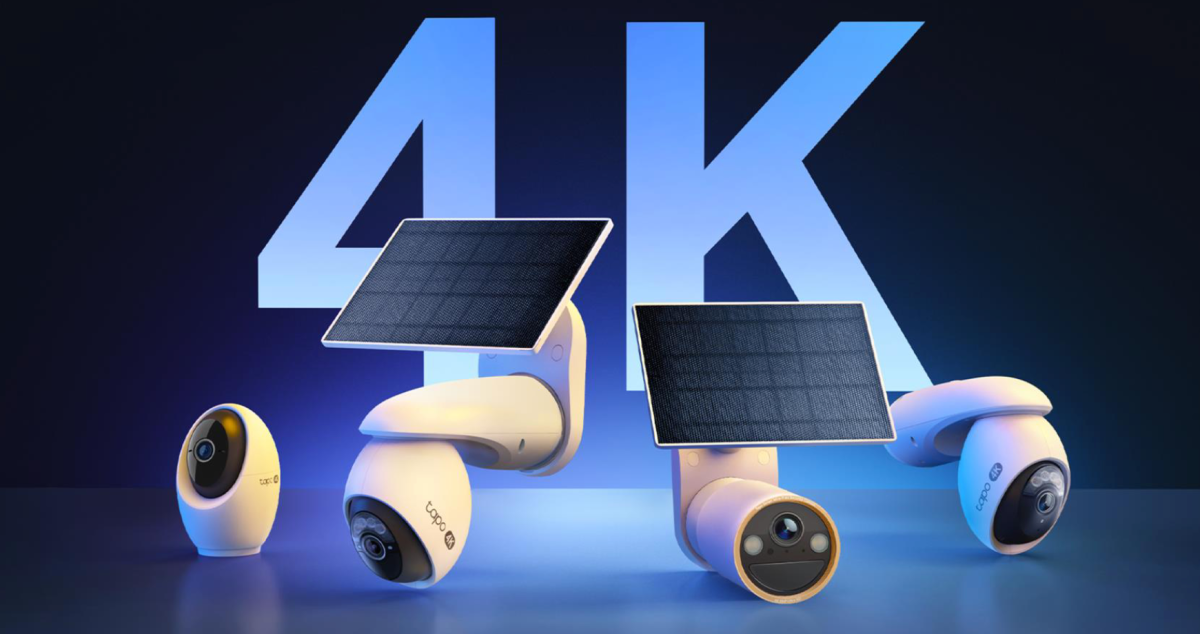
TP-Link has launched new 4K battery-powered security cameras with 24/7 recording, solar power, and smart features, along with the Tapo HomeBase hub that offers local storage, facial recognition, and Matter compatibility, enhancing smart home security and automation.
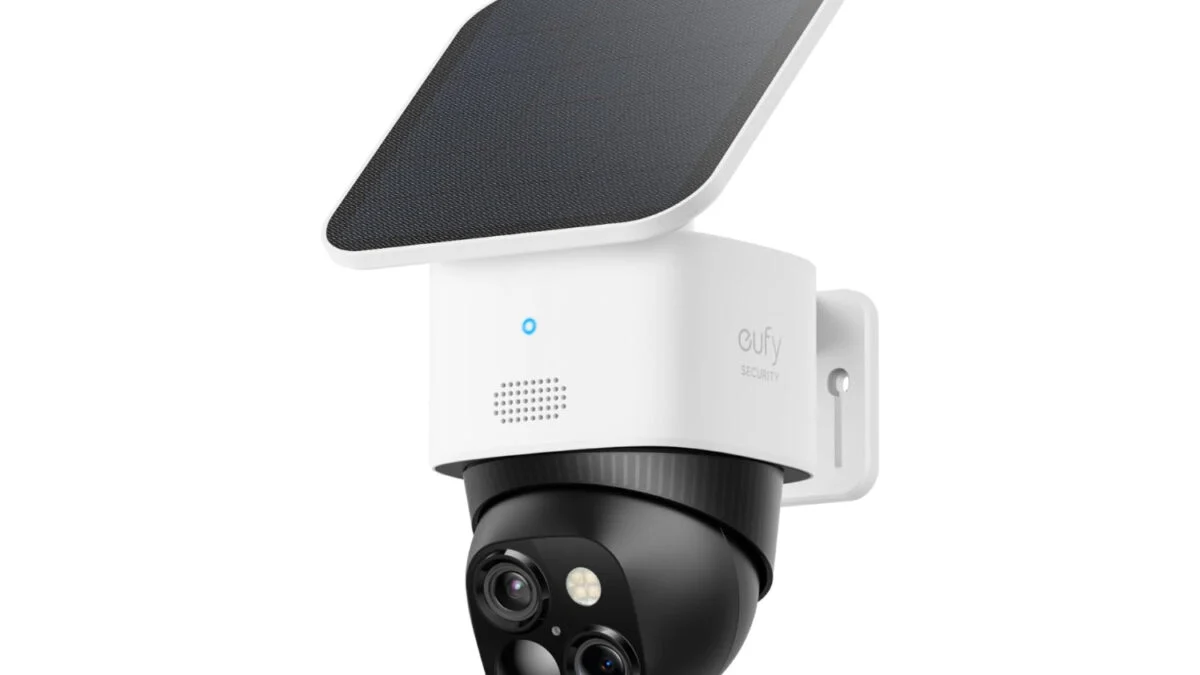
The eufy Security SoloCam S340, a highly-rated wireless outdoor security camera with solar power, 3K resolution, and 360° pan and tilt, is currently on sale for $159 on Amazon, down from $199, offering an easy, cable-free setup for comprehensive home surveillance.

Researchers at MIT have discovered that under certain conditions, light can directly cause water to evaporate without the need for heat, and it does so even more efficiently than heat. This surprising finding could have implications for various applications, including desalination, fog and cloud formation, and industrial processes. The researchers suggest that this phenomenon, which they call the photomolecular effect, could potentially lead to more efficient solar-powered desalination systems and cheap desalination methods. They are also exploring its potential use in evaporative cooling processes and its effects on climate change modeling.
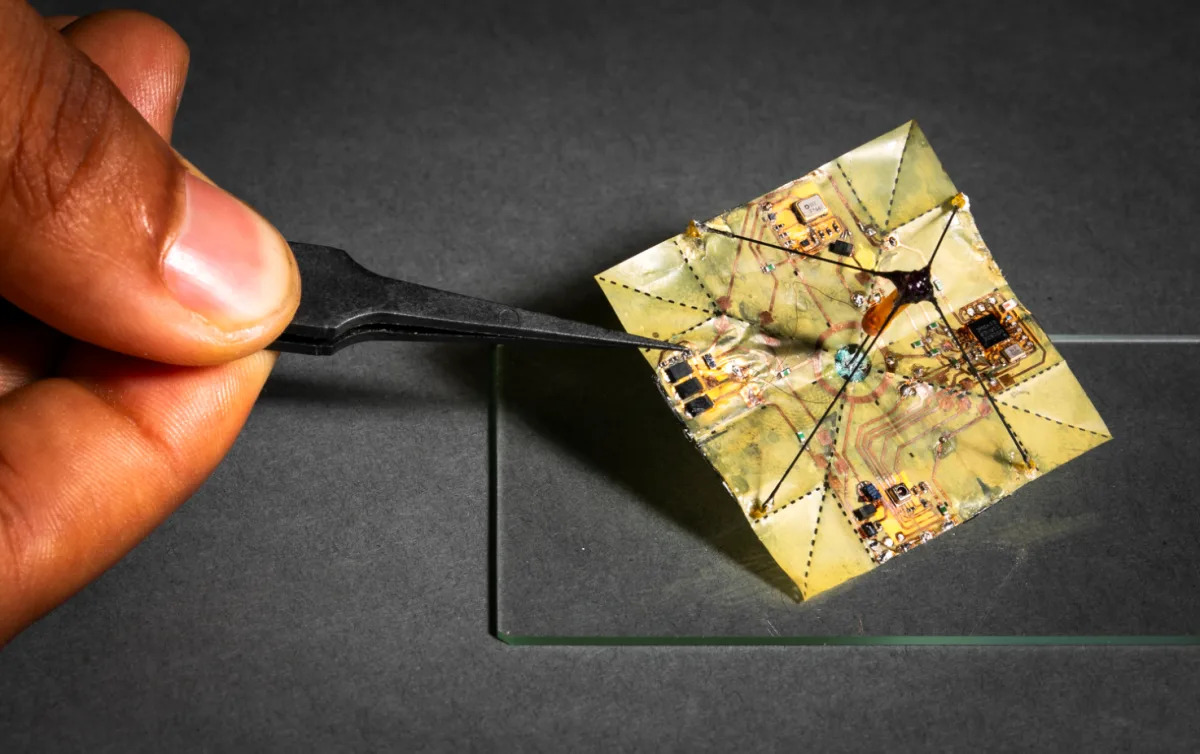
Scientists at the University of Washington have developed flying robots that change shape in mid-air, using an origami-inspired design and solar power. These miniature robots can stabilize their descent by snapping into a folded position during flight. Equipped with sensors, they can collect data on temperature, humidity, and air quality. The robots are controlled remotely and researchers are working on perfecting their ability to transition back to the folded position for precise landings. The project is funded by grants from the National Science Foundation, NASA, and the Google fellowship program.
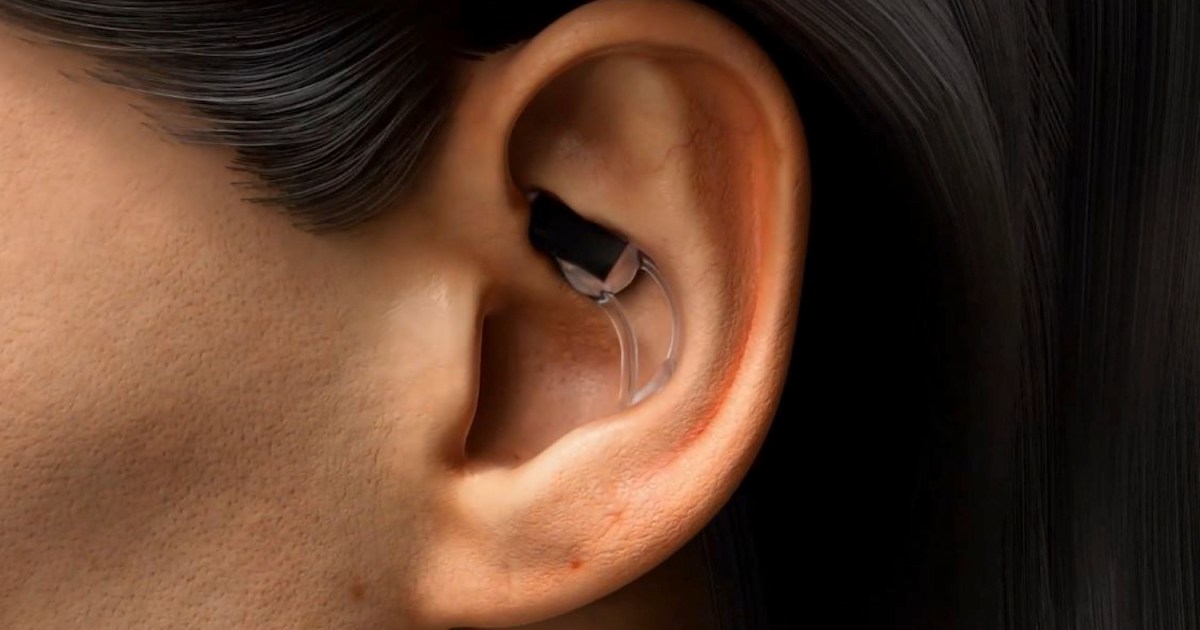
Stat Health has developed a tiny wearable called Stat that fits in the upper ear and uses an infrared optical sensor to measure blood flow, helping wearers understand bouts of dizziness, fainting, headaches, and fatigue that occur right after standing up. The device is designed to help people with illnesses including Long COVID, Postural Orthostatic Tachycardia Syndrome (POTS), Myalgic Encephalomyelitis (ME), and other syndromes that are affected simply by the act of standing up. The Stat in-ear wearable is powered by a solar panel, which means in some circumstances, it’ll never need to be removed and recharged at all. The device is expected to launch in the first quarter of 2024 and will be subscription-based.