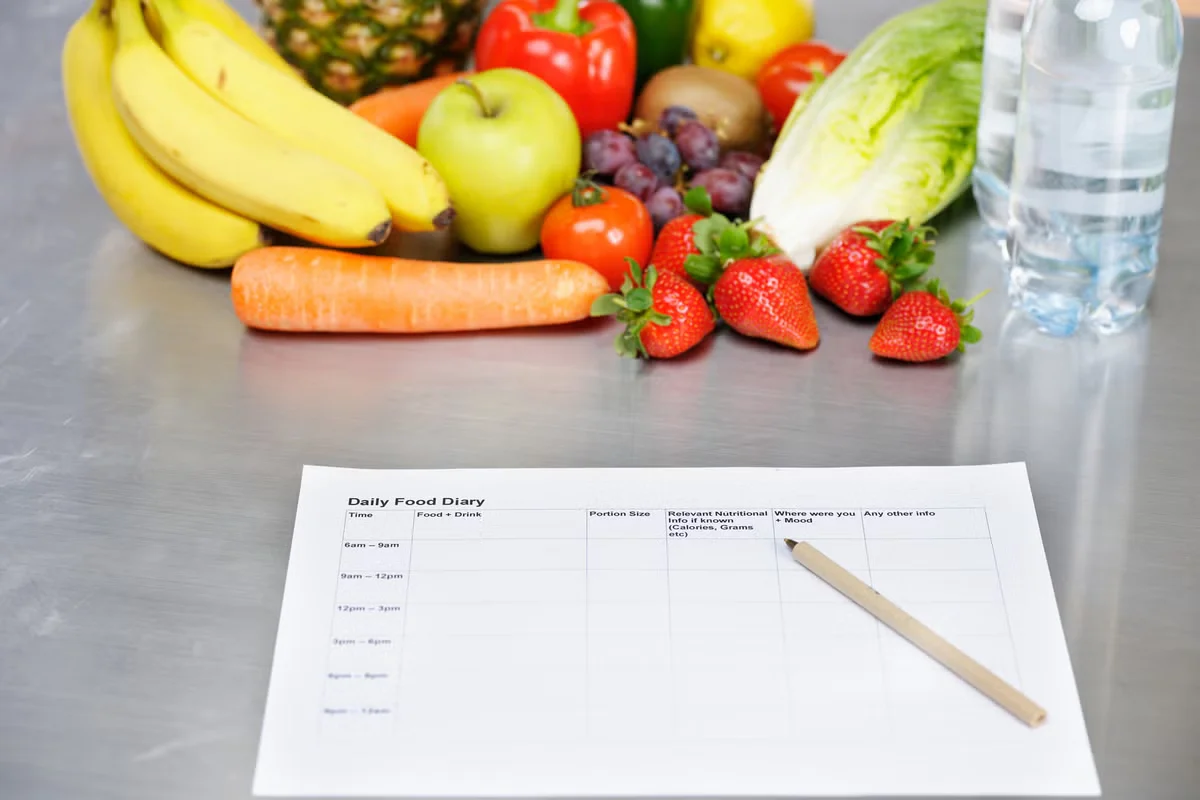
A nutritionist and trainer explains six common mistakes people make when trying to lose fat and offers practical, nutrition-based fixes to improve fat loss without resorting to quick-fix diets.
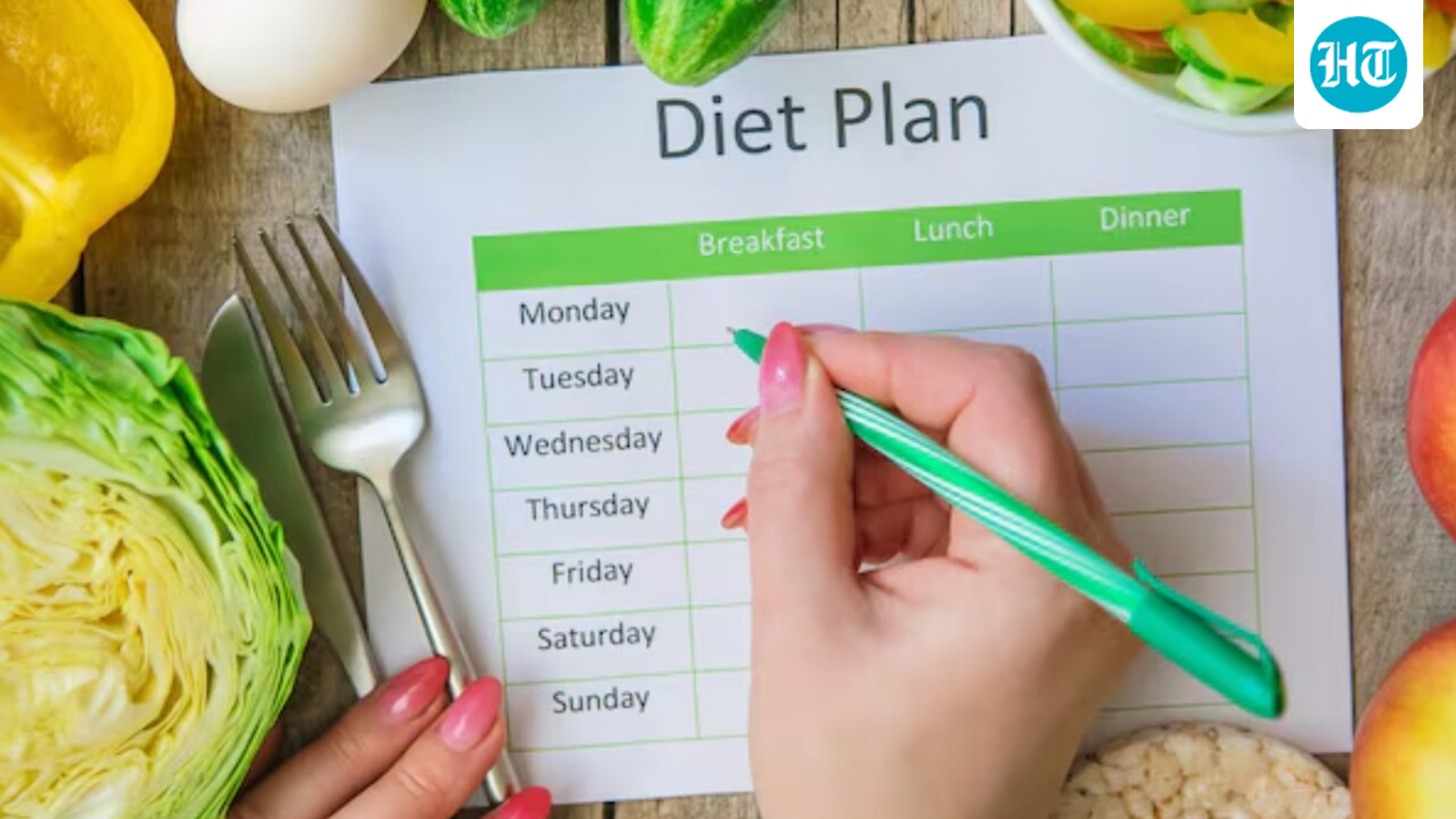
A clinical nutritionist shares a balanced 7-day diet plan designed to promote fat loss, control cravings, and support overall health by emphasizing high protein, fiber, healthy fats, and low glycemic foods, combined with lifestyle factors like exercise and sleep for effective weight management.
Nutritionist Claire Sorlie shares her thoughts on overrated and underrated health foods, criticizing collagen powders and probiotic supplements while praising bone broth, raspberries, sauerkraut, and Sleepytime tea for their health benefits. She recommends whole-food sources of collagen over powdered forms and suggests sauerkraut as a better option for probiotics. Additionally, she highlights the benefits of raspberries for their fiber content and advocates for Sleepytime tea to aid in sleep.
Nutritionist Rob Hobson has cut down on ultra-processed foods by cooking from scratch and focusing on whole foods. He used to rely on store-bought pasta sauces and marinades for dinner, but now makes his own sauces and seasonings. Batch cooking and quick meals like egg-fried rice with vegetables have made it easier for him to avoid ultra-processed foods, emphasizing the importance of finding ways to make nutritious meals without relying on convenience foods.
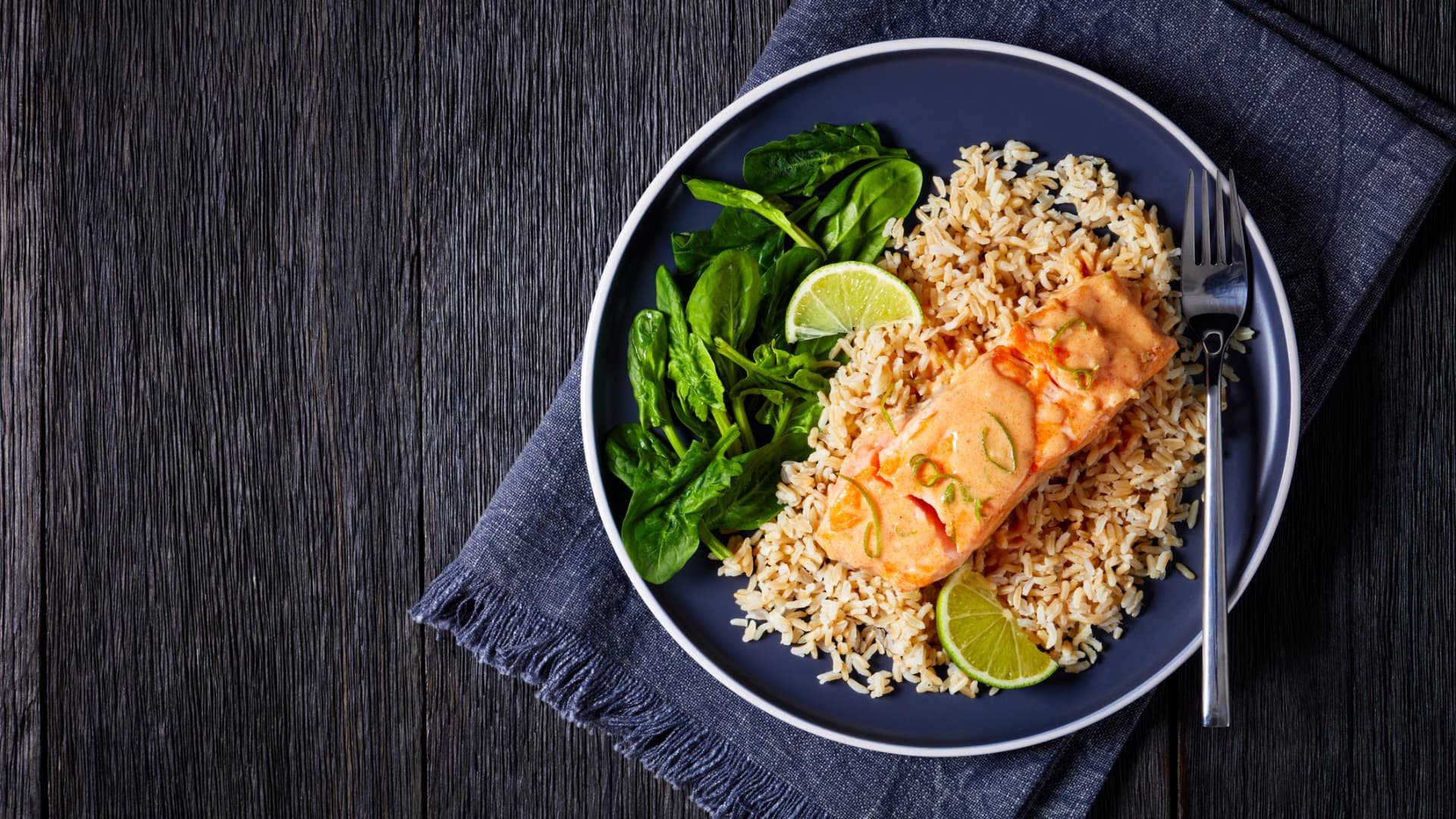
Carissa Galloway, a registered dietitian nutritionist and nutrition consultant, emphasizes the importance of incorporating protein, produce, and fiber-rich foods into every meal for optimal health. Her typical day includes meals like overnight oats with nuts and berries for breakfast, high-protein shakes for a mid-morning snack, air-fried salmon with broccoli slaw and brown rice for lunch, and salmon or tacos for dinner. Galloway prioritizes planning and simplicity in her meals to support her overall health goals and make it easier to maintain a nutritious diet.
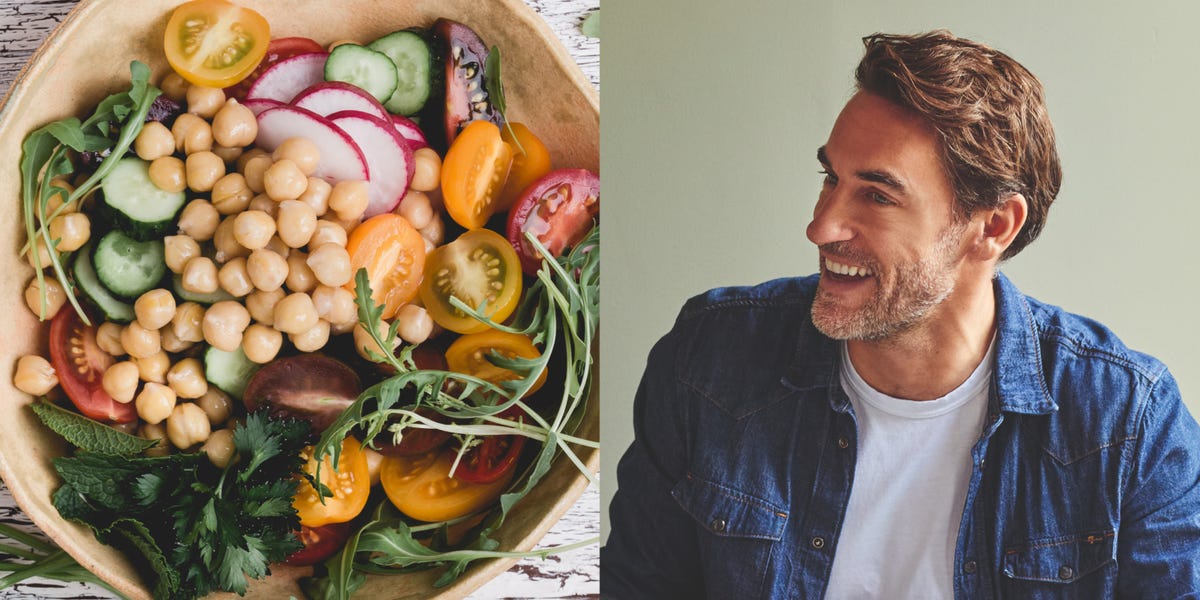
UK-based nutritionist Rob Hobson, who advocates for reducing ultra-processed foods (UPFs) in the diet, shared his lunch before and after cutting down on UPFs. Previously, his lunch included a wholewheat bagel with ham and avocado, processed meat, and premade pasta salad, all of which are considered healthy but ultra-processed. Now, he opts for a salad with chickpeas and tinned tuna, focusing on whole foods and cooking from scratch to minimize UPFs in his diet while still ensuring a balanced intake of macronutrients.
Nutritionist Rob Hobson shares his go-to minimally processed snacks from the grocery store to combat the temptation of ultra-processed snack foods, which are linked to health concerns. His choices include fruit and nut bars, hummus and crudités, nut butter and rice cakes, plain popcorn, and fresh fruit, all of which provide healthier alternatives for snacking between meals.
The terms "dietitian" and "nutritionist" are often used interchangeably, but there is a clear distinction between the two. A registered dietitian (RD) has a minimum of a graduate degree from an accredited dietetics program, completes an internship, and passes a national exam. They work in various settings and are qualified to provide nutrition advice for specific health conditions, sports, weight loss, and more. On the other hand, "nutritionist" is an unregulated term without specific educational requirements, and seeing a nutritionist may not be covered by insurance. It's recommended to seek advice from a registered dietitian for one-on-one nutrition guidance.
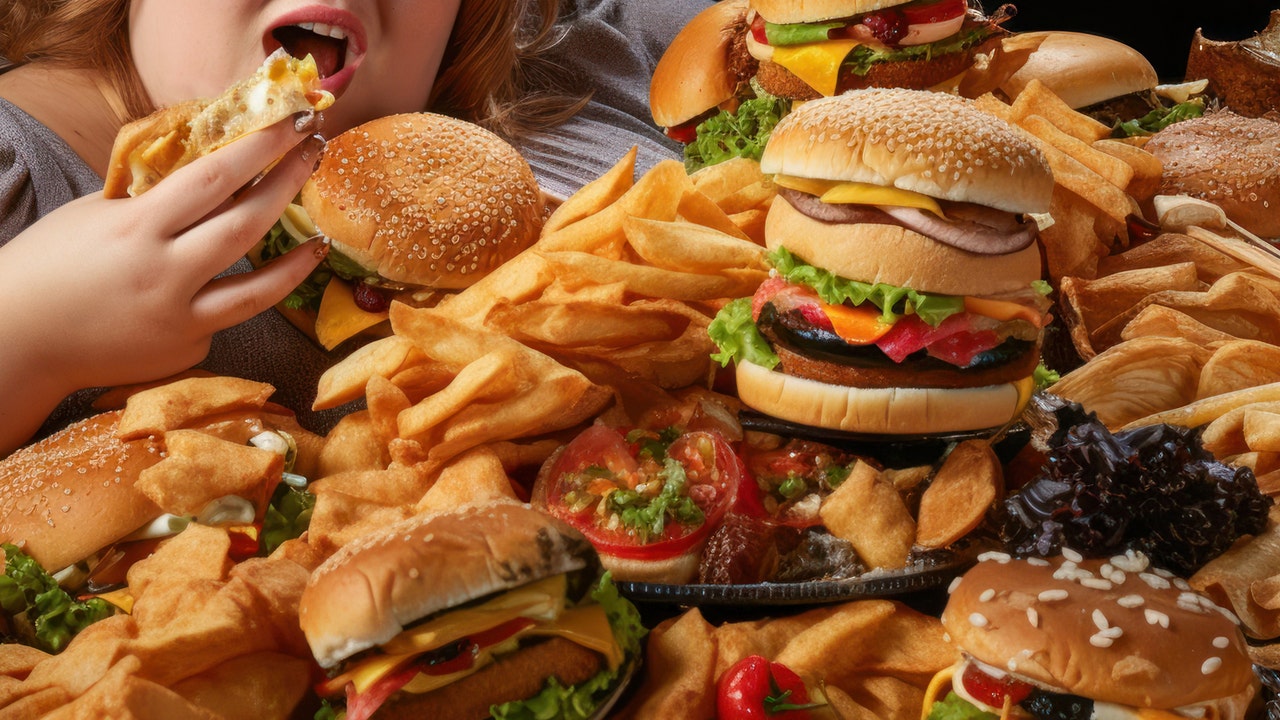
A nutritionist is warning about a viral TikTok trend where users showcase diets of up to 10,000 calories per day, often with hashtags like "#FatAcceptance" and "#FatLiberation." Dr. Lisa Young expressed concern over the dangerous messaging and glorification of obesity, emphasizing the health risks and potential impact on younger viewers. The trend has garnered millions of views and comments, with some videos featuring nutrient-lacking foods like fast food and candy. The CDC recommends managing weight for good health and suggests using its MyPlate Plan to determine proper calorie consumption.
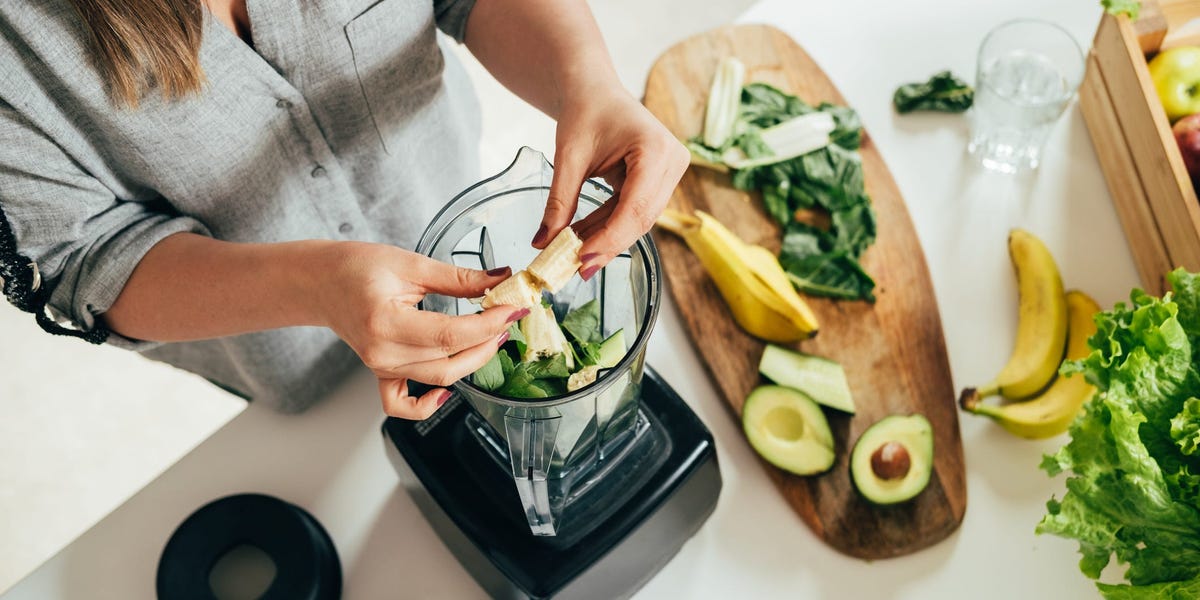
While smoothies can be a nutritious option, a registered nutritionist advises caution for those aiming to lose weight, as it's easy to consume more calories when drinking them. She recommends laying out all smoothie ingredients and considering if you would eat them in one sitting, and suggests adding ingredients like Greek yogurt, nut butter, oats, and protein powder for a more balanced and filling option. However, she warns that solely fruit-based smoothies may not be satisfying and should be factored into a calorie deficit for fat loss.
Health experts recommend including lean proteins like chicken and fish, complex carbohydrates like whole grains, and healthy fats like avocados in a well-rounded gym diet. Additionally, incorporating fruits, vegetables, hydration, fiber, supplements, pre and probiotics, and anti-inflammatory foods can support muscle function and overall health. Consulting a nutritionist or dietitian can help create a personalized muscle gain diet plan based on individual nutrient needs.
Major food companies like Nestlé and Abbott Labs are considering creating companion products or supplements specifically designed for customers on weight loss drugs like Ozempic, Wegovy, and Mounjaro. These drugs, used to treat Type 2 diabetes and promote weight loss, suppress appetite and require careful dietary considerations. Nutritionists suggest that pre-prepared foods and meals that avoid high-sugar, high-carb, and greasy foods could be beneficial for individuals on these medications.
A nutritionist warns against starting your day with tea or coffee, fruit juice, and breakfast cereals, as they can spike your blood sugar levels and lead to lethargy. Instead, opt for hydrating with warm water, consuming soaked nuts and seeds, and choosing savory breakfast options like sprouts, eggs, vegetables, or dal cheela, which are high in protein and fiber. Steel-cut oats with whole milk are also recommended for a healthy morning meal.
Nutritionist Claire Sorlie suggests a simple hack for staying healthy during cold and flu season: cutting up an onion and leaving it in a high-traffic area of your home. Sorlie believes that the onion absorbs germs in the air, although there is no scientific evidence to support this claim. While the method is unlikely to cause harm, it may leave your home with a strong onion smell. Experts recommend proven interventions such as vaccination, good health habits, a healthy diet, exercise, and sufficient sleep to reduce the risk of illness.
Holistic nutritionist Steph Robinson, known for her wellness tips on TikTok, ranked oat milk as the worst non-dairy milk option due to its potential to spike blood sugar and cause cravings. She also highlighted concerns about pesticides and additives in oat milk. Instead, Robinson recommended macadamia milk, almond milk, pistachio milk, and coconut milk for better gut health and energy. She advised checking milk ingredients for sugars, additives, and gums, and suggested organic cow's milk as an alternative for those who tolerate dairy well.