Tag

Fitness

All articles tagged with #fitness

Trainer-approved 10-minute morning routine to boost joint mobility after 60
wellness4 days ago

Trainer-approved 10-minute morning routine to boost joint mobility after 60

A sponsor-supported Tom’s Guide wellness piece outlines a trainer-approved 10-minute morning routine to improve joint mobility after age 60. It features chair squats, stair steps, seated arm circles, ankle circles, and wrist rotations to lubricate joints, improve circulation, and support balance with minimal equipment. The routine targets hips, knees, ankles, shoulders and wrists and is suitable for beginners, recommending 2–3 sets of 5–8 reps per exercise. A healthcare professional should be consulted if arthritis or osteoporosis is a concern.

Desk to pedals: how long sitting can hurt your cycling—and how to fix it
fitness5 days ago

Desk to pedals: how long sitting can hurt your cycling—and how to fix it

Prolonged desk work can shorten hip flexors, worsen posture, and trigger back/neck pain, reducing cycling performance. With office workers spending roughly 70% of the day seated and four+ hours of sitting linked to chronic diseases, the article recommends breaking up sitting every 20 minutes with light activity, optimizing workstation ergonomics, and taking 60-120 second breaks every 30-45 minutes. It also suggests a pre-ride reset and a strength circuit to counteract desk-related stiffness, and emphasizes on-bike tweaks (saddle height/setback, cleat alignment) to protect long-term health and performance.

Lifelong strength: a midlife trainer's seven-day plan for longevity
fitness6 days ago

Lifelong strength: a midlife trainer's seven-day plan for longevity

Sponsored feature: Cecilia Harris, a 54–55-year-old trainer and co-founder of RWL, shares her weekly routine focused on longevity through structured strength work, daily movement, and mobility. Her plan spans 5–6 workouts across a week (lower- and upper-body strength, incline treadmill/hill walks, a full-body circuit with lighter weights, a long walk, and a mobility/core session), typically 30–45 minutes per session, underscoring consistency and progressive training over maximal intensity. She emphasizes lifting for bone density and metabolism after 40, tracks progress by weights and reps, and promotes making exercise a non‑negotiable habit—potentially guiding readers to her Lift & Sculpt six-week program.

Five Standing Dumbbell Moves to Trim Belly After 60
fitness9 days ago

Five Standing Dumbbell Moves to Trim Belly After 60

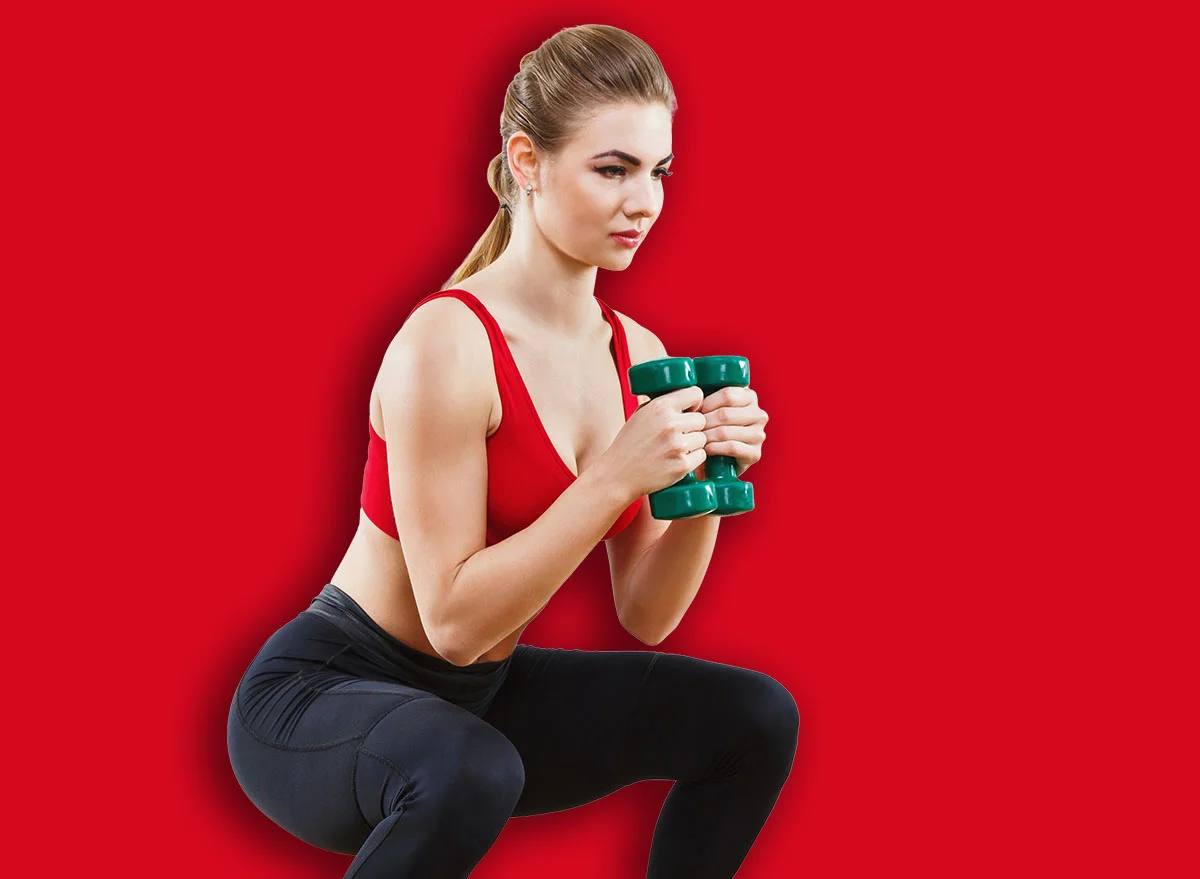
Experts say spot reduction doesn’t work, but building lean muscle with standing dumbbell work can boost metabolism and fat loss after 60. A trainer-recommended routine includes goblet squats, dumbbell Romanian deadlifts, dumbbell shoulder presses, alternating reverse lunges, and farmer’s carries, performed 2–3 times weekly with adequate protein and a slight calorie deficit; each exercise targets multiple muscle groups to improve strength, posture, and energy.

Four Ways to Turn Your Daily Walk into a Stronger Workout
health10 days ago

Four Ways to Turn Your Daily Walk into a Stronger Workout

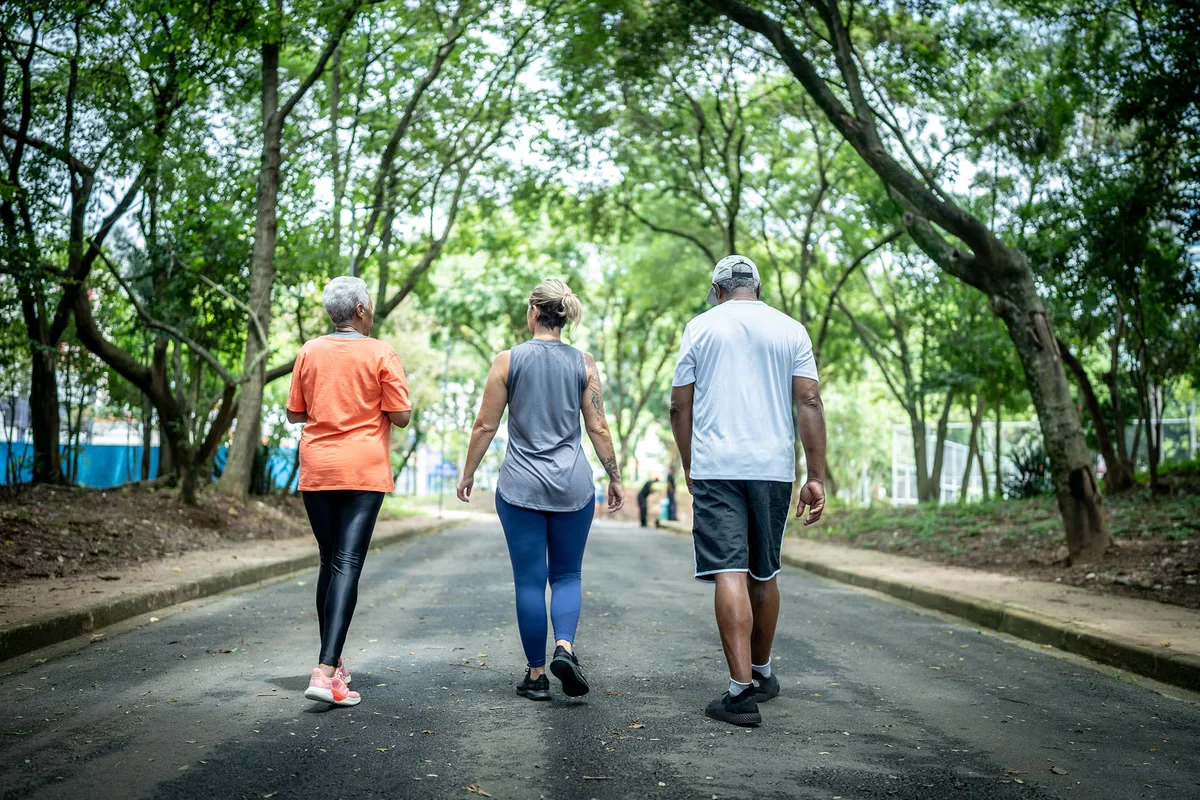
A HuffPost health piece highlights the heart and mood benefits of daily walking and offers four ways to intensify it: maintain a brisk, moderate pace; add interval jogging or fast walking; incorporate light weights or bodyweight exercises during the walk; and tackle hills for extra challenge. Aim for 150–300 minutes of moderate activity per week and 5,000–10,000 steps daily, staying consistent and listening to your body.

Stride smarter: science-backed tips to a longer, healthier life through walking
health-and-fitness10 days ago

Stride smarter: science-backed tips to a longer, healthier life through walking

Walking is an accessible, science-backed way to boost health and longevity. The article highlights six practical tips: break up long periods of sitting with regular movement; count all movement (not just formal walks); spend time in nature to reduce stress; take post-meal walks to improve blood sugar; raise walking intensity with a faster pace or hills to magnify benefits; and set clear goals with a framework to maintain progress over time.

From Slop to Science: The Rise of Boy Kibble
culture16 days ago

From Slop to Science: The Rise of Boy Kibble

After a colonoscopy found benign polyps, food creator Patrick Kong adopted a batch-cooked, macro-focused diet he calls “boy kibble,” a lean, efficient alternative to the internet’s “girl dinner.” The trend—men using protein-forward, calorie-controlled meals to hit fitness goals—is analyzed as a gendered reframing of dieting, reflecting broader cultural conversations about masculinity, nutrition, and optimization, and gaining traction online as fitness influencers shape how meals are prepared and consumed.

Senior-strength on the go: six moves to boost balance after 70
fitness19 days ago

Senior-strength on the go: six moves to boost balance after 70

Tom’s Guide highlights trainer Tina Kuharski’s six-move, equipment-light routine designed for people over 70 to improve strength, balance, core stability and flexibility without a gym. The moves are banded bicep curls, supported leg balance, banded upright row, triceps kickback, calf raises and standing oblique crunch, and the article recommends 2–3 sessions per week (with optional cardio) to integrate this into a home workout.

Stand Strong: Five Moves to Flatten the Belly After 55
fitness20 days ago

Stand Strong: Five Moves to Flatten the Belly After 55

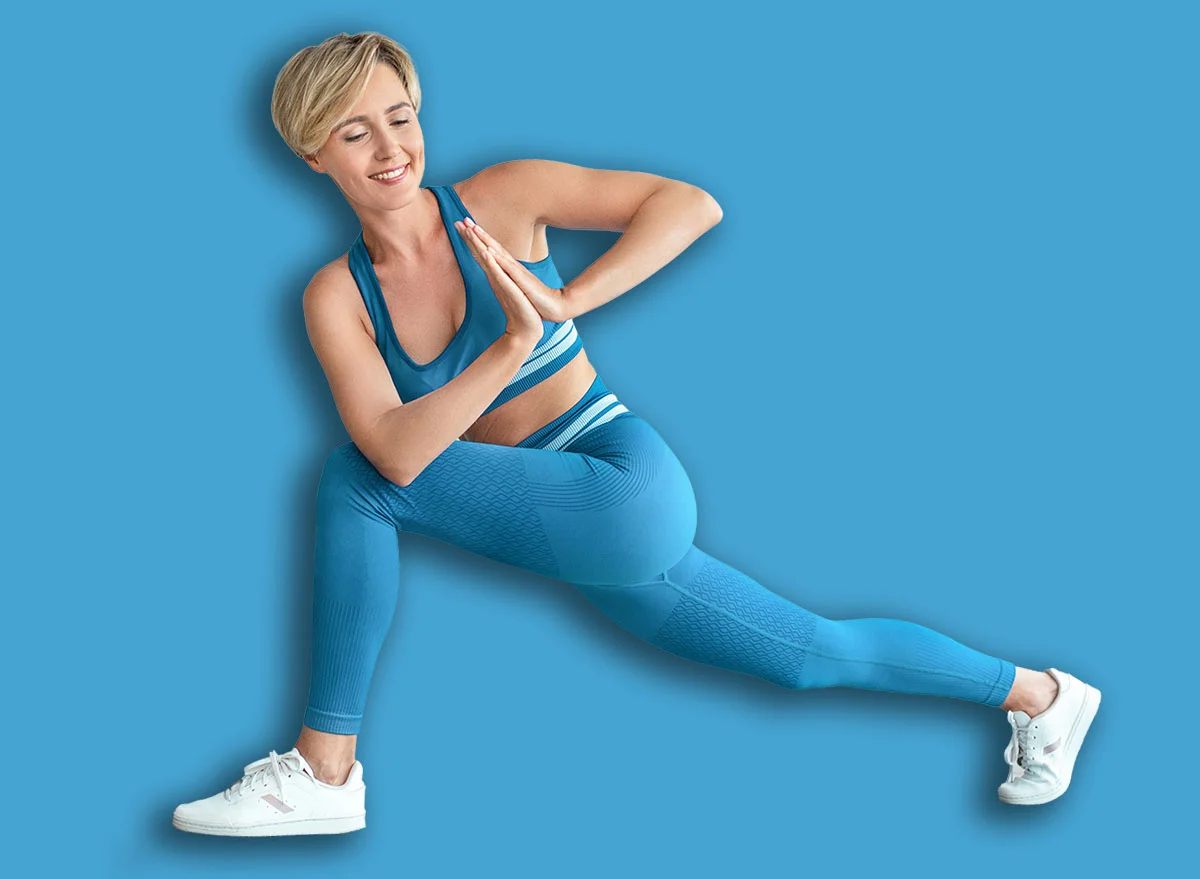
Experts promote five standing moves that engage the core, obliques, and hips to help reduce a stubborn lower belly pooch after age 55, offering fat burn and better posture without floor work. The routine includes dumbbell side bends, high-to-low woodchops, standing knee-to-elbow crunches, a reverse lunge with twist, and a standing forward reach, performed 3–4 times weekly with controlled reps and focused core activation.

Physical Prime Around 35, Yet Exercise Slows the Decline
science20 days ago

Physical Prime Around 35, Yet Exercise Slows the Decline

A Swedish population-based longitudinal study (SPAF) tracking participants from adolescence to age 63 finds that muscular endurance and aerobic capacity peak between ages 26–36, with muscle power peaking earlier (men ~27, women ~19). By 63, overall capacity can fall 30–48%. Regular physical activity slows the decline, and increasing activity in adulthood can boost capacity by about 10%, underscoring that while aging cannot be halted, its pace can be slowed. The study highlights youth activity and uses data from 1974 onward, published in the Journal of Cachexia, Sarcopenia and Muscle.