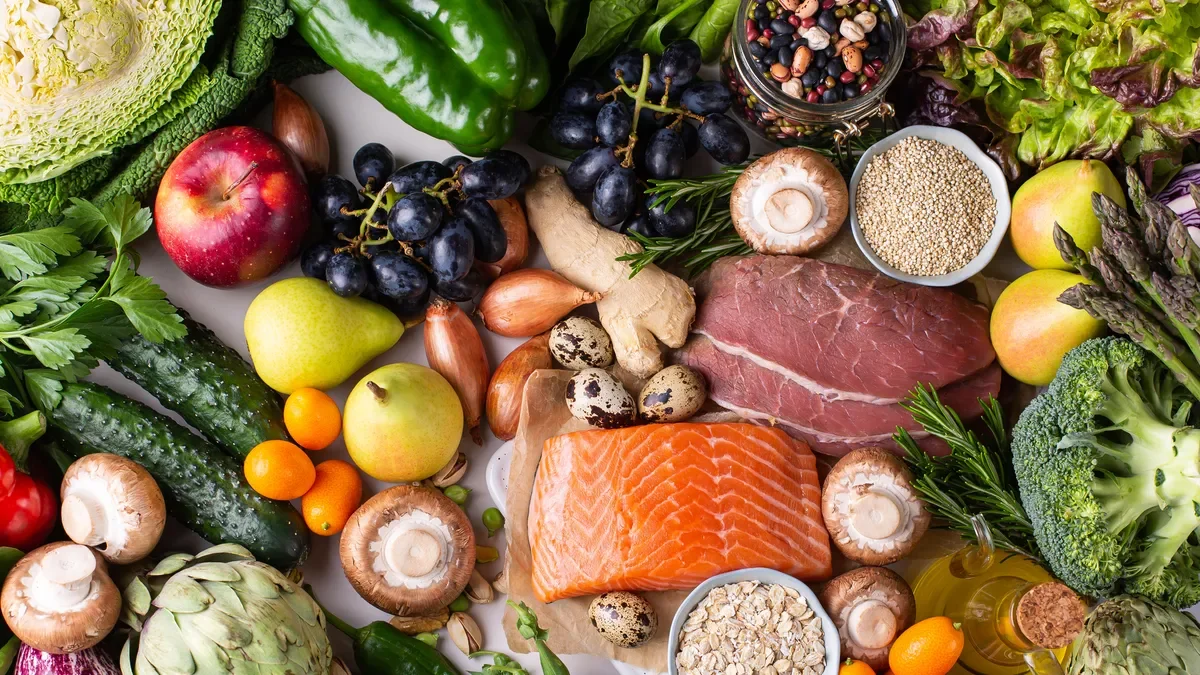
Research shows Neanderthals primarily ate meat and bone marrow but also consumed plants like pistachios, lentils, and grasses, and relied on fat sources such as marrow and brains, indicating a varied diet rather than meat-only consumption.
A study reveals that the brain uses two distinct neural pathways to regulate sugar and fat intake in mice, activated by energy deficits, which could inform treatments for overeating and metabolic disorders.
The article lists some of the most unhealthy frozen pizzas, highlighting their high levels of sodium, saturated fats, calories, and questionable additives, which can negatively impact health if consumed frequently or in large quantities.
US researchers discovered that cancer cells use sugar-coated molecules called GAGs to steal fat-rich lipoproteins carrying vitamin E from the bloodstream, which helps them avoid ferroptosis, a form of cell death. Blocking this pathway could open new avenues for cancer treatment, although clinical applications are still in the future.
A study from the Monell Chemical Senses Center reveals that the simultaneous cravings for fat and sugar make dieting challenging due to the way they impact the brain via distinct pathways from the gut, leading to subconscious overindulgence. The study found that combining fats and sugars leads to significantly more dopamine release, ultimately causing overeating. Researchers stimulated the vagal nerves of mice and found that this compelled the mice to seek food that would engage those specific circuits, shedding light on why humans unconsciously seek out high-sugar and high-fat foods in tandem. The findings may lead to personalized interventions to help people make healthier choices when faced with tempting treats.
Sour cream can be a healthy addition to meals when consumed in moderation. It is a fermented dairy product that contains probiotics, which aid digestion and have other health benefits. Sour cream is a good source of vitamin D, calcium, and protein. While it is slightly high in fat, it is not a significant source of sodium. Low-fat alternatives are available. Yogurt, which is lower in fat and probiotics, may be a healthier alternative to sour cream, especially unflavored varieties.
A recent study published in the Journal of Food Science and Nutrition Research compared the nutritional content of two established commercially formulated weight loss diets - a high carbohydrate and low-fat diet and a high-fat and low carbohydrate diet - and found that neither of these diets provided all the essential nutrients at the recommended levels. While some might be successful in the short term in reducing weight, long-term adherence to these diets will result in deficiencies of essential nutrients. Therefore, the researchers recommend that neither of these diets be used in the long term.
Proper nutrition is just as important as excess weight in preventing diabetes. Foods that lead to a spike in blood glucose, such as refined starches and added sugar, increase the risk for diabetes and make the disease harder to control. Eating too much protein raises insulin levels and turns into fat, just like too much starch or sugar does. Healthy fats, like those in olive oil, nuts, fish, avocadoes, and other plant oils, are now considered essential to a balanced diet. Exercise helps build muscle and improve insulin resistance, but it's unclear exactly why. Eating meals, not nutrients, is important.
Researchers from Stanford University Medicine have found that personalized nutrition tailored to meet individual needs can help people lose weight and keep it off. In a trial with 609 participants, the team found that most people lost weight by cutting carbs or fat, but there is no single weight-loss diet that suits everybody.