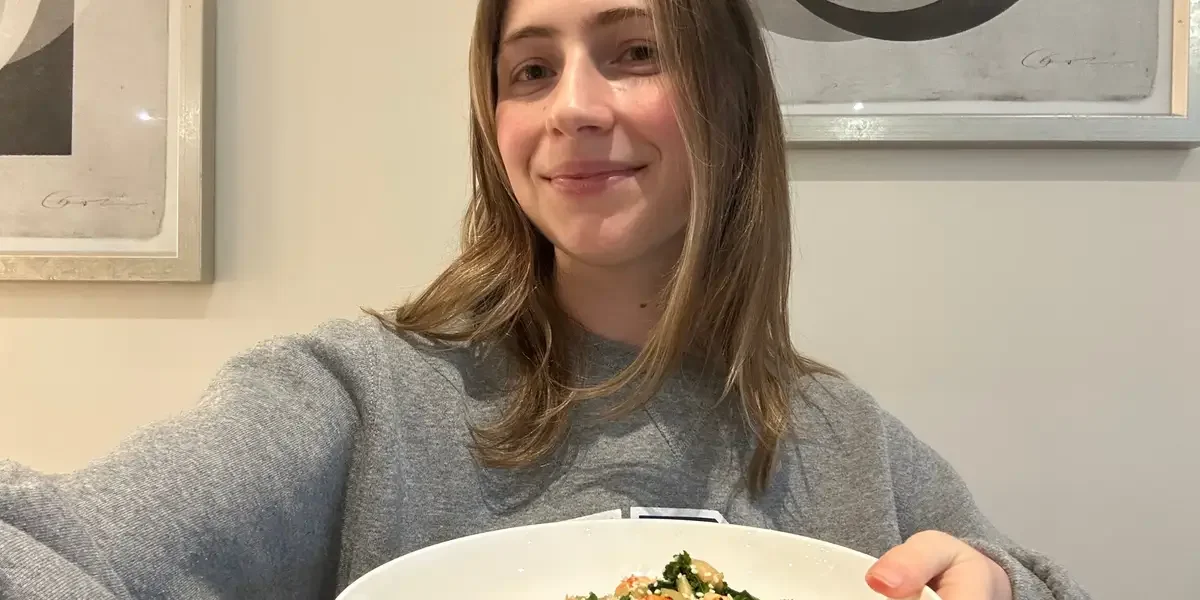
Kim Schewitz shares four time-saving habits to eat 30 different plant foods weekly for improved gut health, including freezing leafy greens, using pre-cooked grains, high-fiber breakfasts, and gamifying vegetable intake, all without meal prepping.
Dr. Jeremy London, a heart surgeon with 25 years of experience, shares four unconventional strategies to improve eating habits in 2026: reorganize your environment to make healthy foods more accessible, prepare meals in advance to reduce impulsive choices, reward yourself for small wins to stay motivated, and share progress with others for accountability. These small, intentional changes aim to create sustainable, healthier eating habits without drastic restrictions.
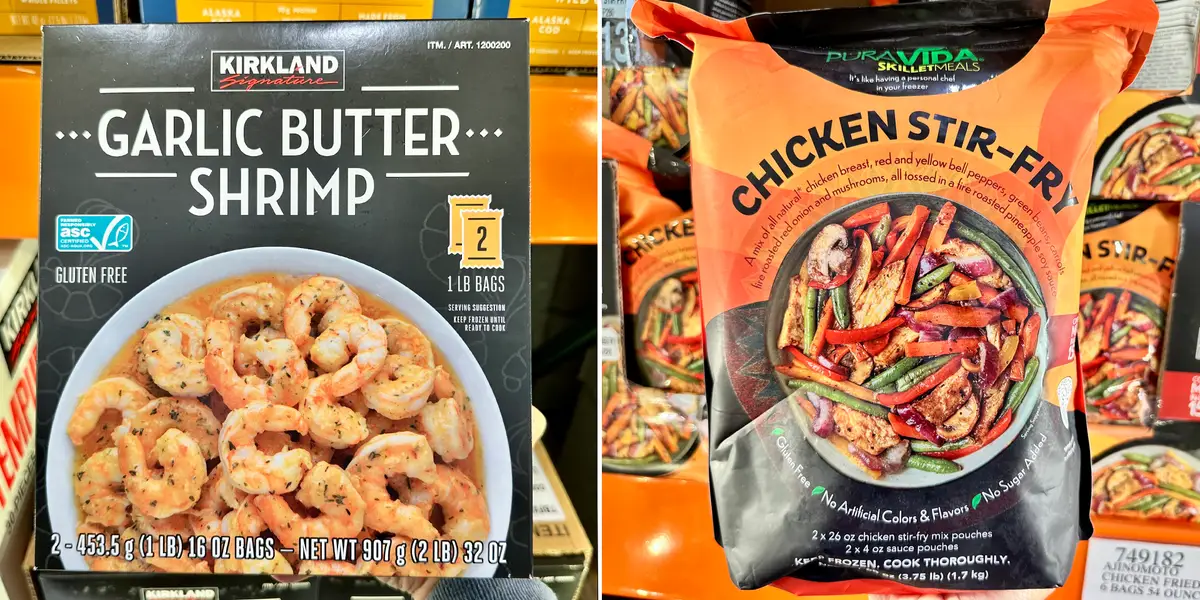
A dietitian and busy mom shares her go-to Costco staples for quick, nutritious family meals, including frozen veggies, pre-cooked grains, lentils, smoothies, and fish, emphasizing convenience and health.
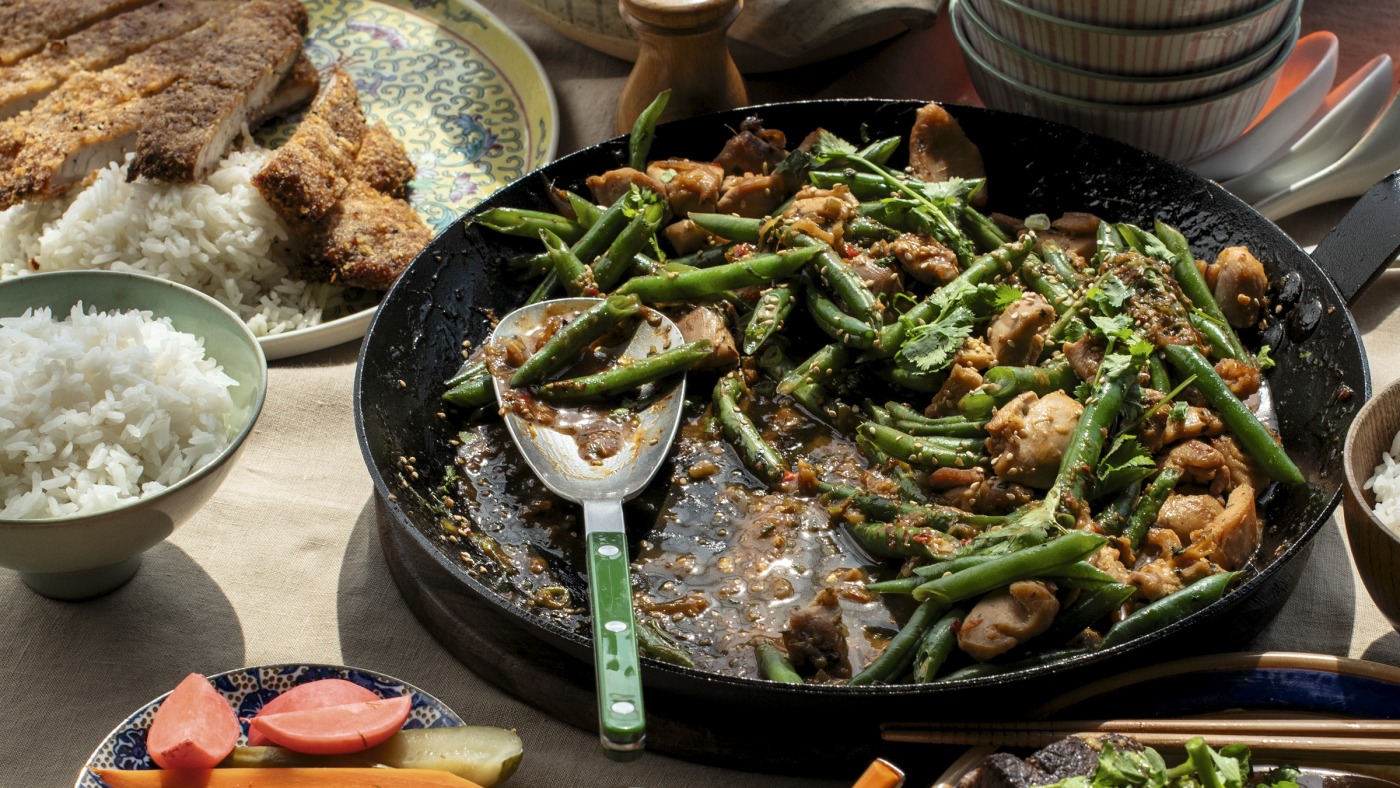
Chef Roy Choi shares three culinary tricks—prepping vegetables in advance, making homemade sauces, and using MSG—to encourage eating more veggies and enhance flavor in healthy meals, along with recipes for three flavorful sauces.
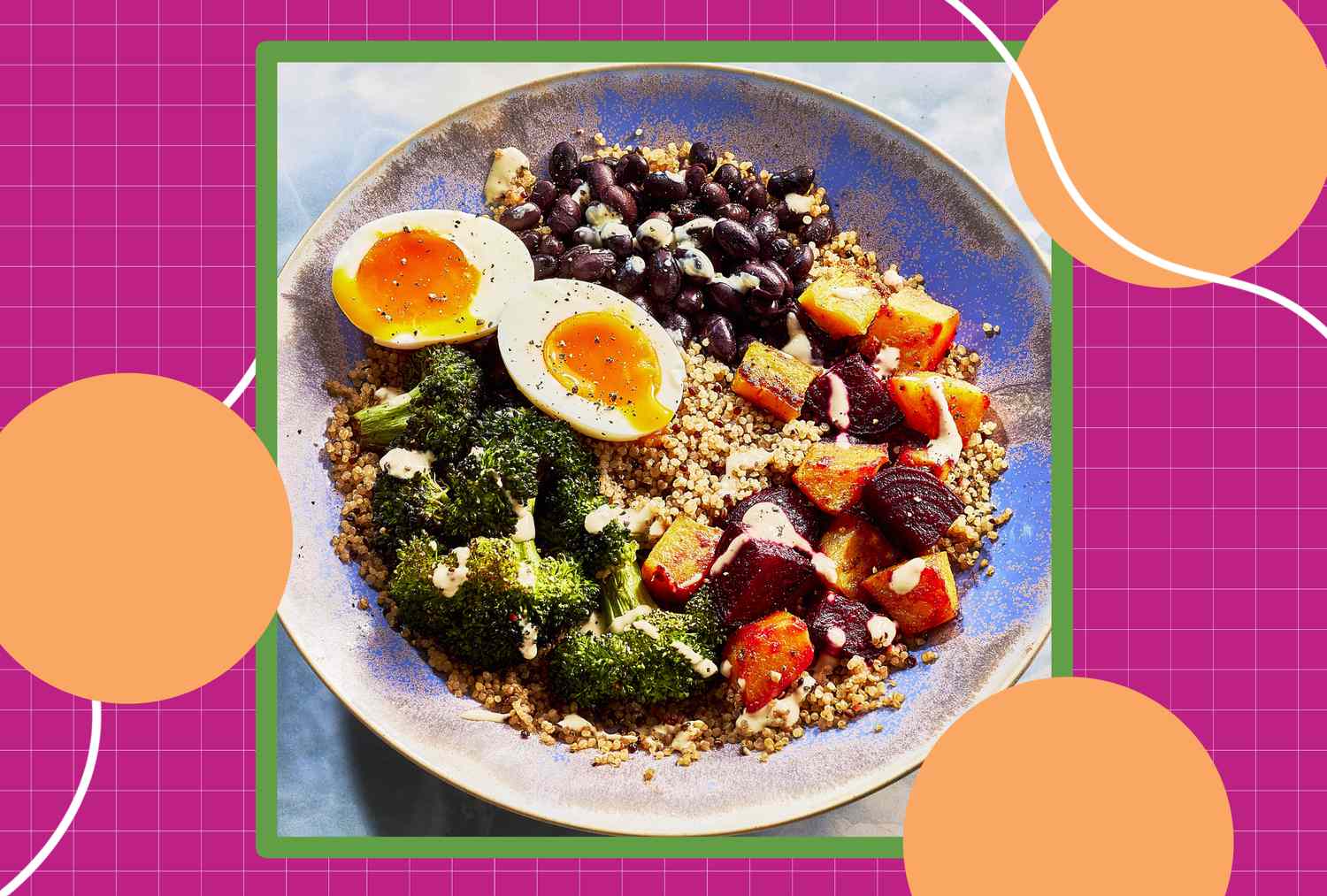
A recipe for a high-protein, anti-inflammatory breakfast bowl that includes ingredients like eggs, black beans, quinoa, and colorful vegetables, offering 21 grams of protein, fiber, and inflammation-fighting nutrients, with tips for meal prep and variations.
The article discusses the 30/30/30 method, which involves consuming 30 grams of protein within 30 minutes of waking up and then exercising for 30 minutes. It provides five practical tips for incorporating more protein into breakfast, including using protein-rich smoothies, Greek yogurt, cottage cheese recipes, meal-prepping hard-boiled eggs, and waking up early enough to have time for breakfast. The post is sponsored by Ka’Chava, a superfood blend that helps achieve protein goals.
A 7-day high-fiber meal plan designed by a dietitian aims to alleviate chronic constipation by providing at least 34 grams of fiber per day. The plan emphasizes the importance of hydration and includes strategies to reduce constipation, high-fiber foods to focus on, and meal-prep tips. Each day's meals and snacks are outlined, with options to adjust for different calorie needs, and the plan is accompanied by advice on gradually increasing fiber intake and seeking medical advice if necessary.
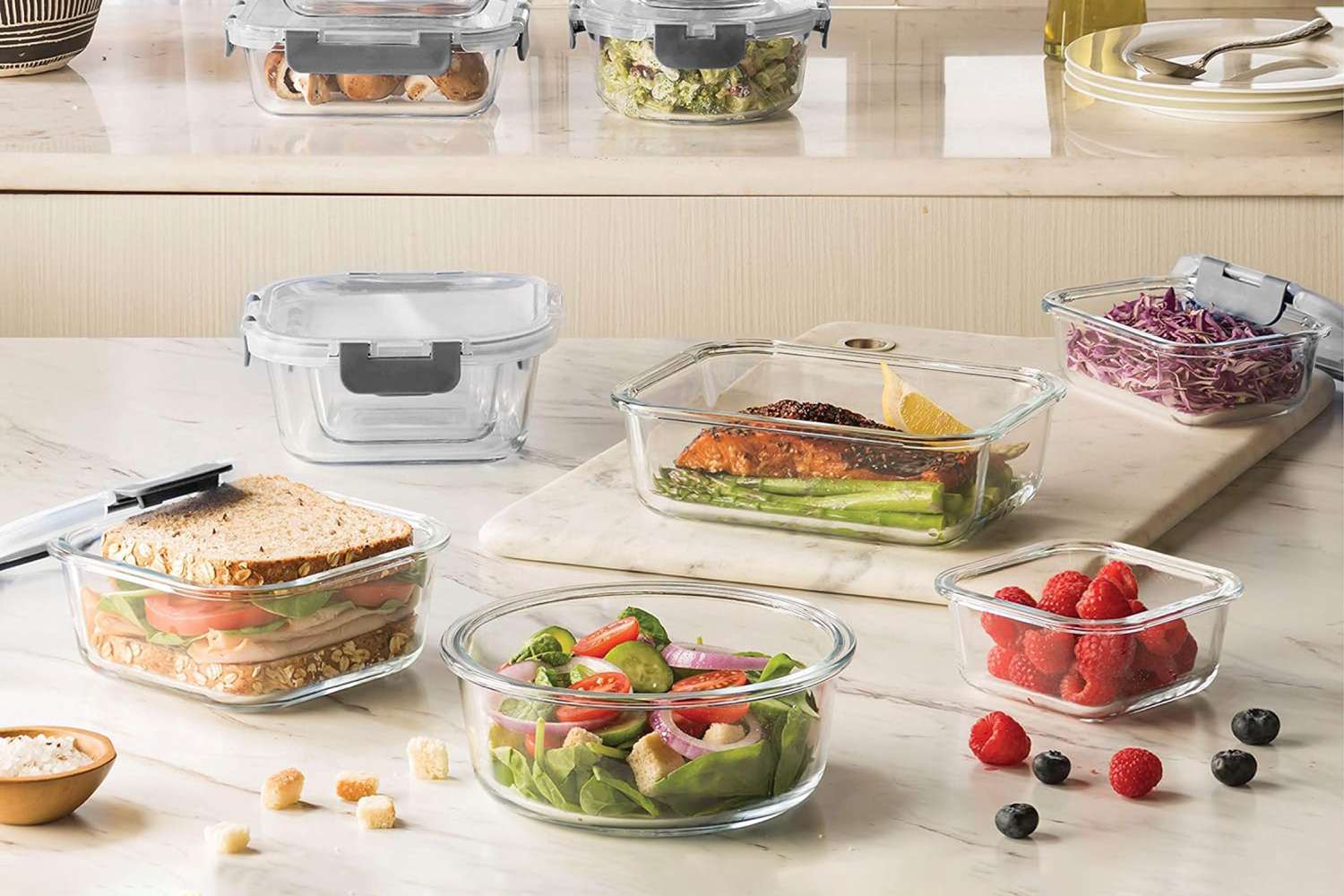
After switching from plastic to glass food storage containers, a user found the FineDine Glass Storage Containers to be durable, versatile, and environmentally friendly. The set includes 12 containers in various shapes with airtight lids, and they are microwave, refrigerator, and freezer safe. The containers are easy to clean, nest together for storage, and come in seven different colors to match any kitchen decor. Available for as low as $2 apiece, these glass containers have become a go-to solution for storing leftovers, meal prep, and even serving food, making them a worthwhile investment for anyone looking to upgrade their kitchen organization.
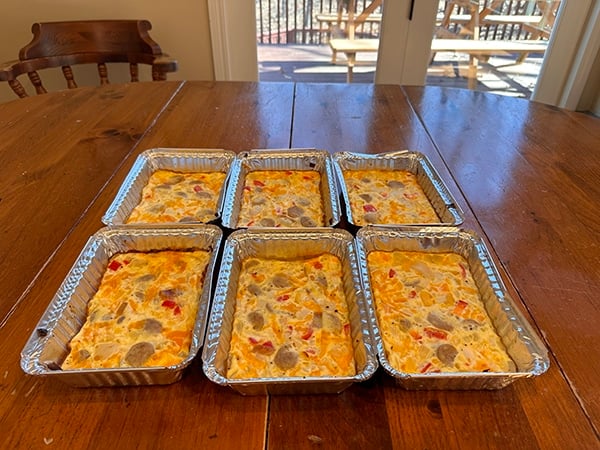
Prepare a week's worth of high-protein breakfasts in less than an hour with a simple breakfast bake recipe that includes eggs, egg whites, cottage cheese, cheddar cheese, precooked chicken sausages, onions, bell peppers, and seasonings. The cost-effective and healthy meal prep option yields six mini breakfast casseroles with 50g of protein, 12g of carbs, and 22g of fat each, totaling 452 calories. This easy, affordable recipe offers a convenient solution for those looking to eat better and save money on ready-made meal options.
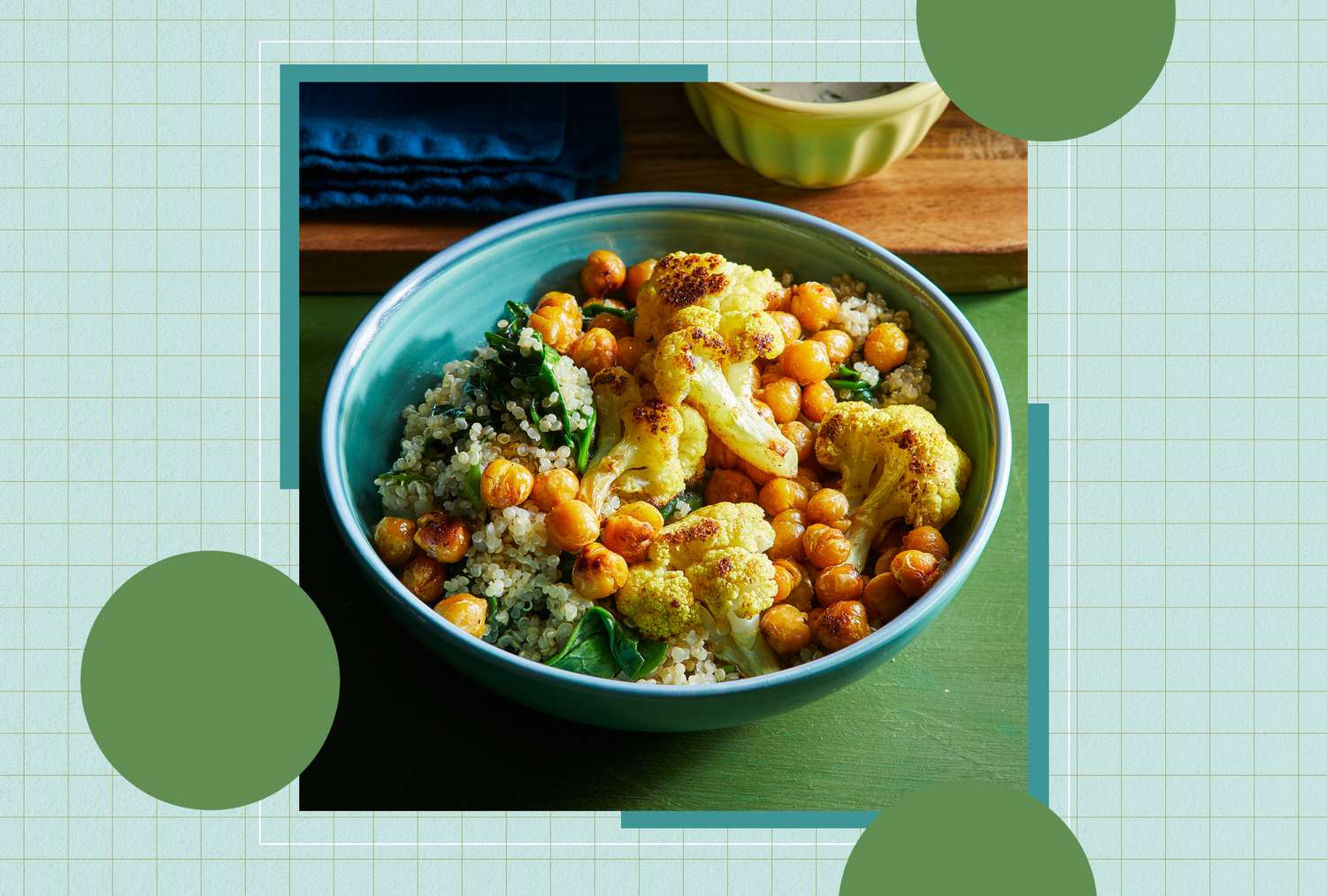
A registered dietitian emphasizes the importance of a high-fiber lunch for overall well-being and recommends a Roasted Chickpea Curry Bowl, which contains 10 grams of fiber per serving. The meal, rich in fiber, can aid in promoting health and managing conditions such as cancer, diabetes, and heart disease. The recipe is easy to prepare and can be made ahead of time, making it a convenient and satisfying option for work or school lunches.
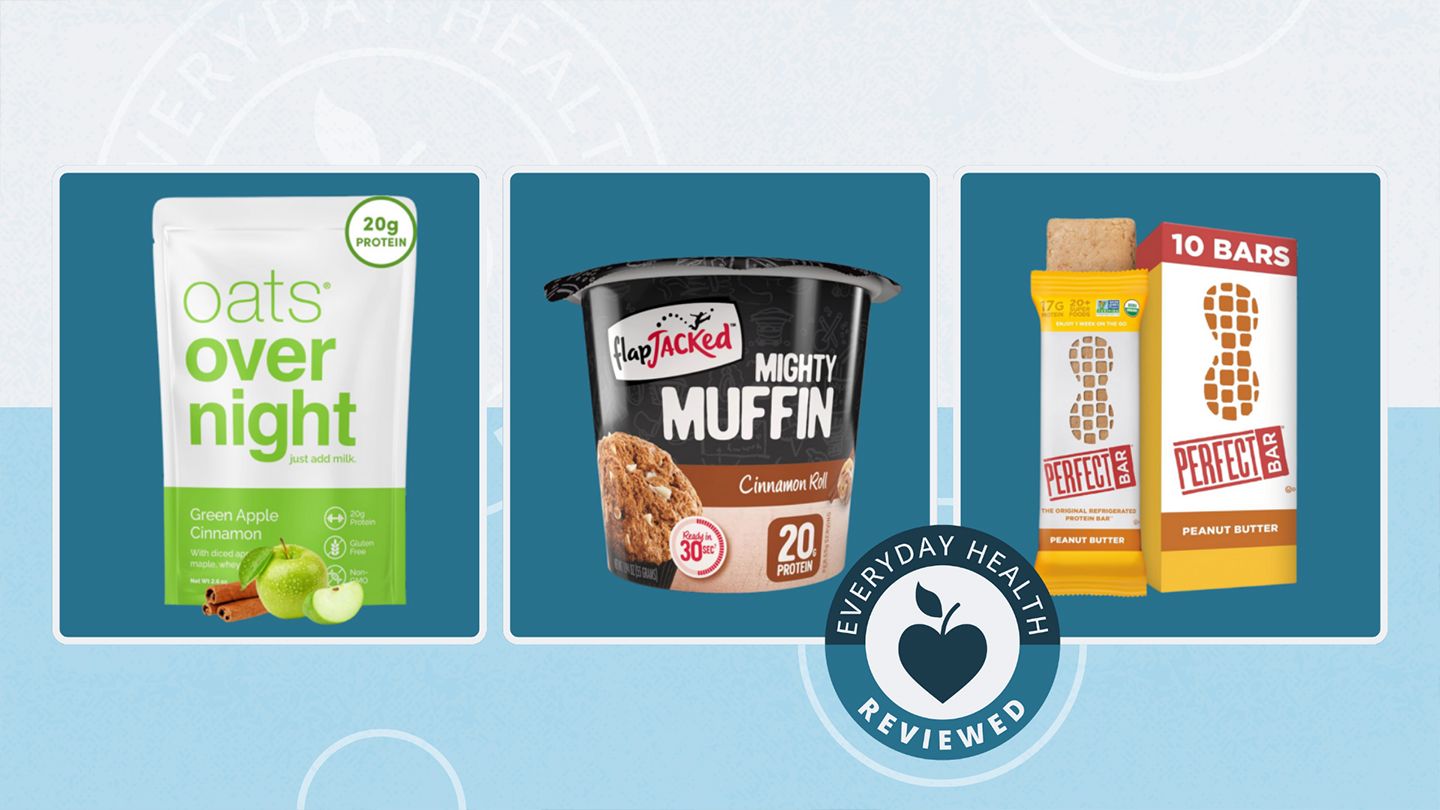
Experts recommend several breakfast options for weight loss, including premixed oat pouches, protein-packed microwaveable muffins, heat-and-eat veggie frittatas, low-fat dairy yogurt, breakfast bars, and a classic low-sugar cereal, each with their own pros and cons in terms of taste, convenience, and nutritional content. These options cater to various dietary preferences and provide a balance of protein, fiber, and essential nutrients, making them suitable for those seeking a healthy and convenient breakfast choice.
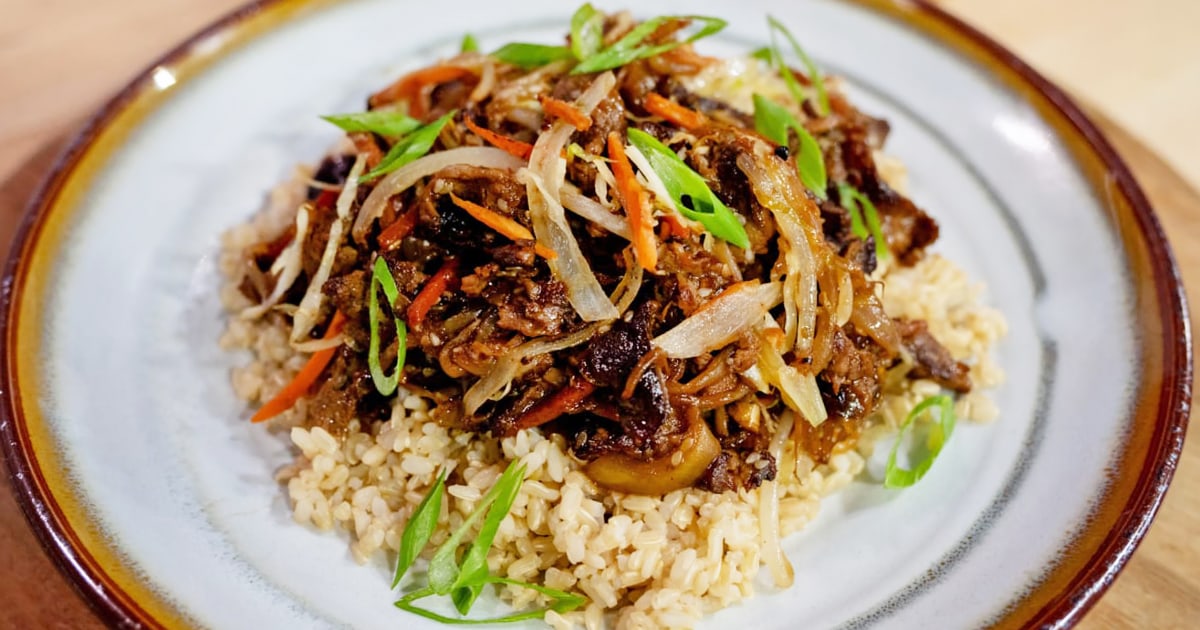
This article offers a healthy weekly meal plan featuring easy, takeout-inspired recipes such as Mongolian-style beef bowl and overnight oats, emphasizing the benefits of meal prep in terms of time, money, and health. By preparing meals at home with nutritious ingredients, individuals can avoid the negative health impacts associated with fast food and ultra-processed foods.
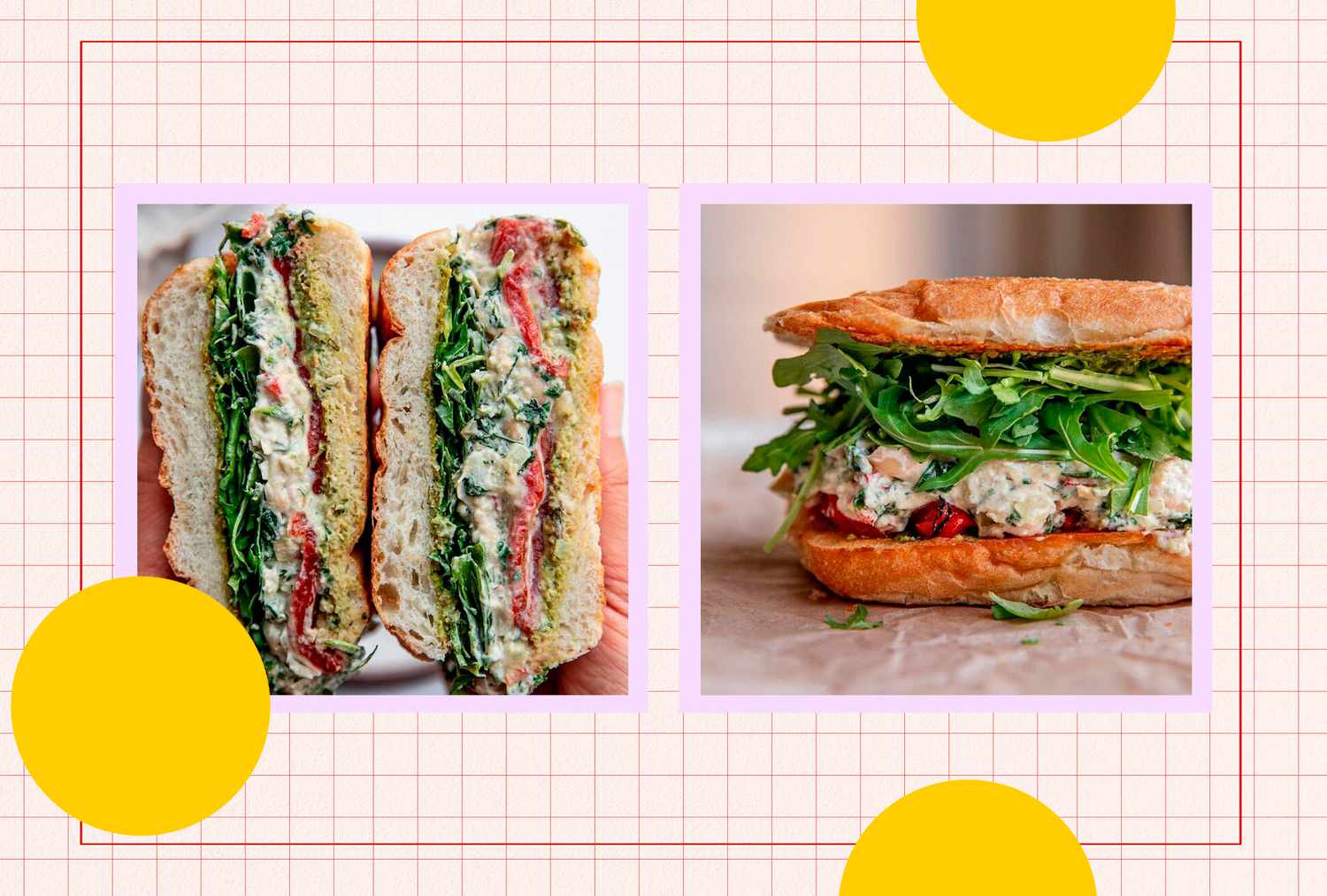
Catherine Perez, known as @plantbasedrd, shares a recipe for a Spinach Artichoke White Bean Sandwich that is high in protein, fiber, and flavor. The sandwich filling combines white beans with a homemade vegan spinach-artichoke dip, featuring a cashew-based cream sauce, artichoke hearts, sautéed spinach, and fresh herbs. The recipe yields enough filling for three sandwiches, each providing 27 grams of plant-based protein. Meal-prep tips include making a big batch of the filling for use in various dishes throughout the week, and incorporating other vegetables and cheeses for added variety.
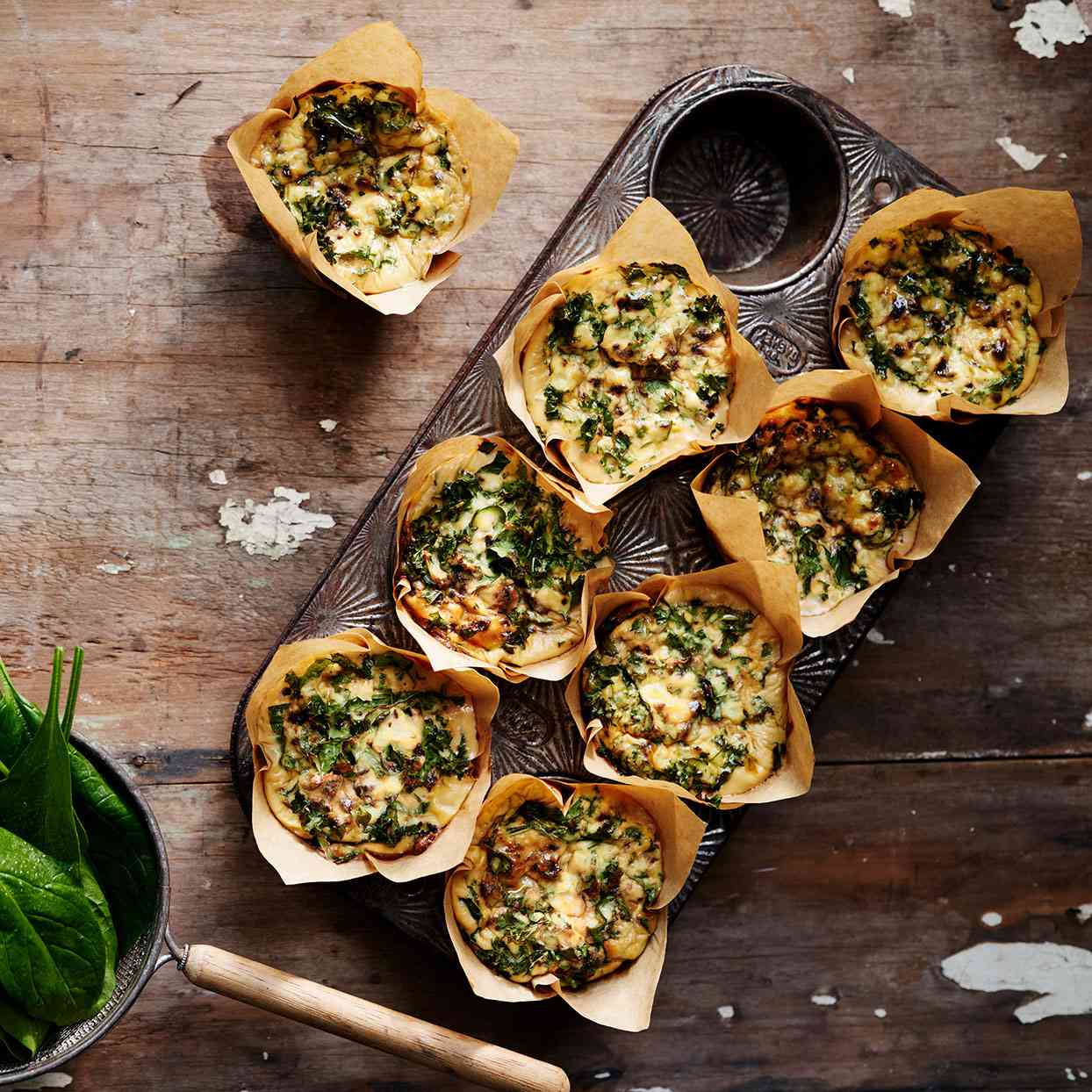
These 13 high-protein breakfast recipes, including Carrot Cake Overnight Oats, Greens-&-Gruyère Mini Quiches, and Make-Ahead Freezer Breakfast Burritos, offer at least 15 grams of protein per serving and can be prepped the night before, making them perfect for busy mornings. From omelet muffins to wheat berry hot cereal, these flavorful and nourishing breakfast options are designed to keep you energized and satisfied until your next meal.
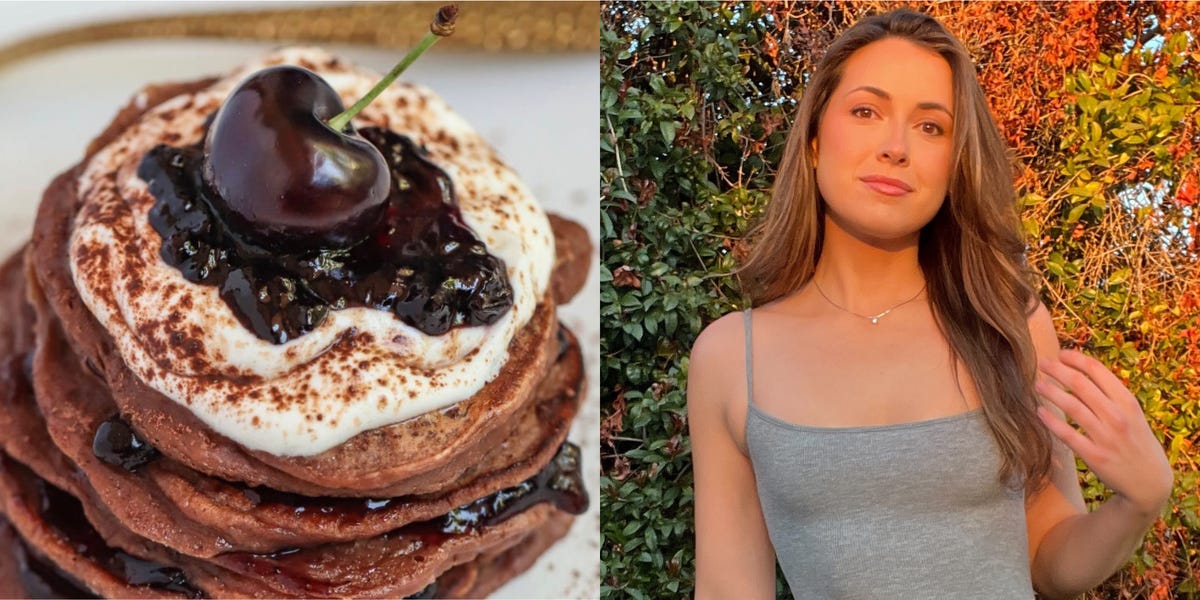
Gen Cohen lost 50 pounds and has maintained her weight for seven years by following a sustainable calorie deficit diet with plenty of protein. She shared eight of her favorite high-protein recipes, including chocolate pancakes and berry almond protein smoothie. These recipes are approved by a dietitian and are balanced in terms of macros, providing essential nutrients like fiber and healthy fats. Cohen's approach emphasizes wholesome, nutrient-rich foods and meal prep, making healthy eating enjoyable and diverse.