food-and-health3.63 min read
Top 4 Foods to Pair with Fenugreek for Blood Sugar Control
4 months ago•Source: Times of India

The latest food and health stories, summarized by AI
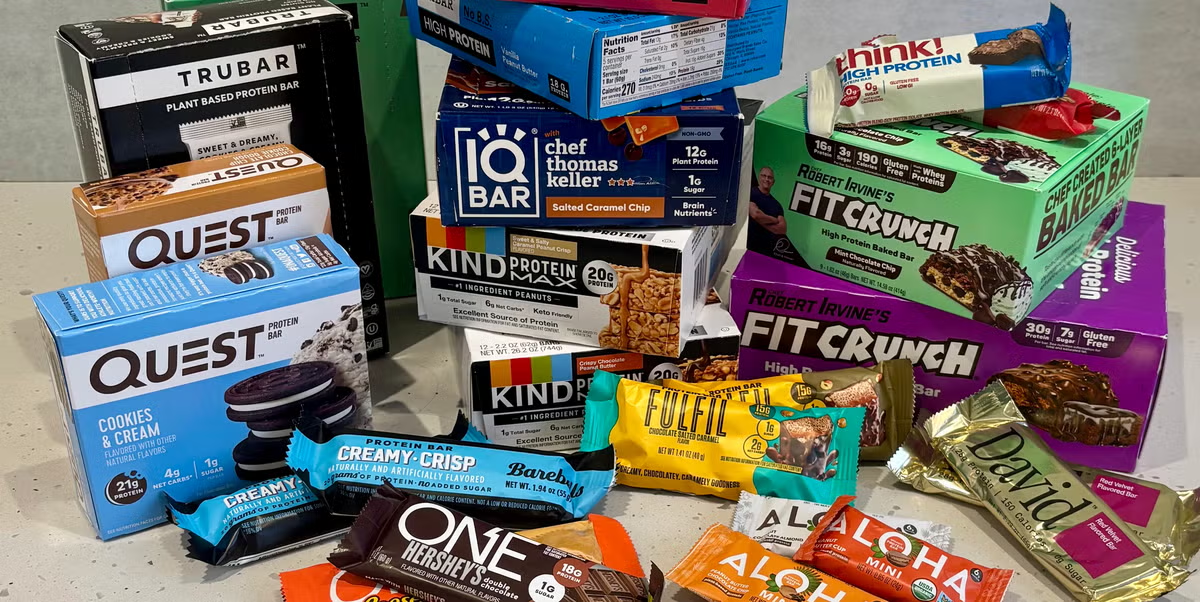
A reviewer tested 13 popular protein bars, highlighting the best options for various needs: Aloha Minis for snacking, Quest for high protein, think! for travel, RX for natural ingredients, Barebells for dessert-like treats, and FITCRUNCH for texture, emphasizing that no single bar is perfect but some excel in specific categories.
NPR•5 months ago
Times of India•6 months ago
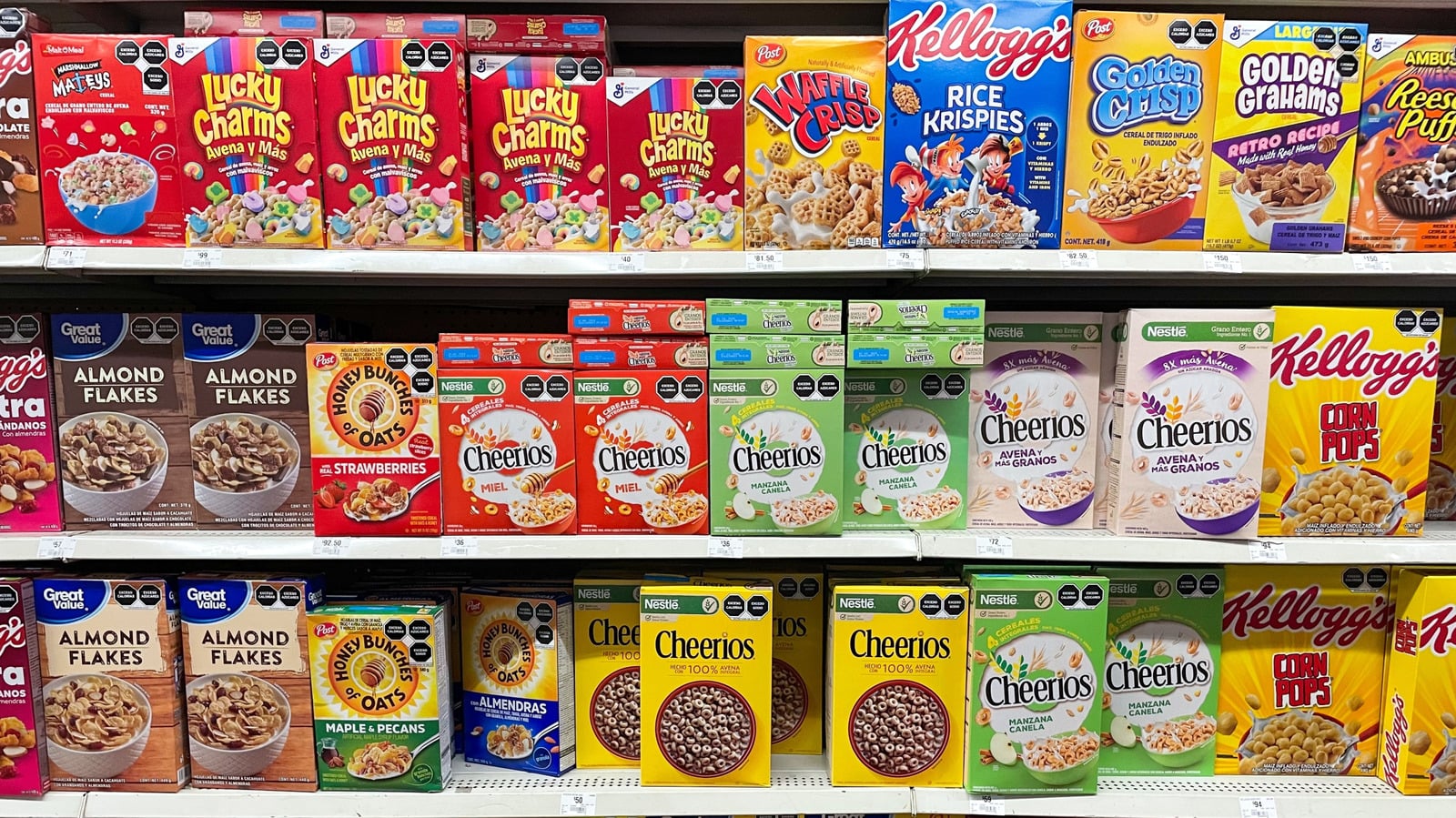
The article lists 20 of the worst breakfast cereals in the US, highlighting their high sugar content, artificial ingredients, and low nutritional value, warning consumers about the long-term health risks of regularly consuming these sugary, ultra-processed foods.

The article highlights five foods—soaked almonds, amla juice, cinnamon water, sprouted moong, and fenugreek tea—that can be consumed on an empty stomach to help stabilize blood sugar levels naturally and improve insulin sensitivity, supporting diabetes management and overall health.

Certain foods like avocados, dark chocolate, berries, herbal teas, and leafy greens can help naturally lower cortisol levels, the body's stress hormone, promoting relaxation and overall well-being.

A recent study shows that banana peels, when blanched, dried, and ground into flour, can be used to make nutritious and tasty baked goods. These products, including cookies, contain more fiber, magnesium, potassium, and antioxidants, and can help reduce food waste. While too much banana peel flour can affect texture, a balanced amount enhances flavor and shelf life. The study suggests potential uses in other baked goods and highlights the benefits of using fruit peels in cooking.

Reheating certain food items like tea, spinach, cooking oil, mushrooms, and rice can lead to a loss of flavor, texture, nutritional value, and safety. Reheating tea can cause the degradation of compounds like antioxidants and polyphenols, while reheating spinach can lead to the formation of carcinogens and a loss of water-soluble vitamins. Reheating cooking oil can produce harmful compounds, reheating mushrooms can promote bacterial growth and alter their texture, and reheating rice can lead to food poisoning. It's important to prioritize freshness and proper handling to enjoy safe and nutritious meals.

This article provides a free 7-day healthy meal plan for weight loss, including breakfast, lunch, and dinner ideas, along with a comprehensive shopping list. It emphasizes the importance of meal planning to maintain healthy eating habits within a budget, and offers a Skinnytaste Ultimate Meal Planner for assistance. The meal plan includes recipes with macros and Weight Watchers points, and encourages flexibility to accommodate individual preferences and goals. Additionally, it features a detailed grocery list and invites readers to join a community for sharing recipe ideas.

Experts recommend choosing cooking oils based on their smoke points and health benefits, with olive, avocado, and sesame oil being top choices due to their high smoke points and nutritional value. Oils with low smoke points, such as flaxseed and walnut oils, are best used in cold foods, while highly processed oils like soybean and corn oil should be avoided due to their high omega-6 fatty acid content. The type of oil used can affect the flavor and cooking method of dishes, and portion control is important for managing calorie intake. Cooking sprays can be used for reduced calorie intake, but caution is advised with aerosol sprays containing potentially toxic substances.
Chick-fil-A is dropping its "no antibiotics ever" pledge for chicken due to supply concerns, adopting a less-stringent standard that allows the use of some antibiotics not important to human medicine. This move comes as sourcing antibiotic-free chicken becomes more difficult, with other major fast-food chains also adhering to similar rules. While relaxing antibiotic standards, Chick-fil-A maintains other quality standards for its chicken supply, such as using only real, white breast meat with no added fillers, artificial preservatives, or steroids.
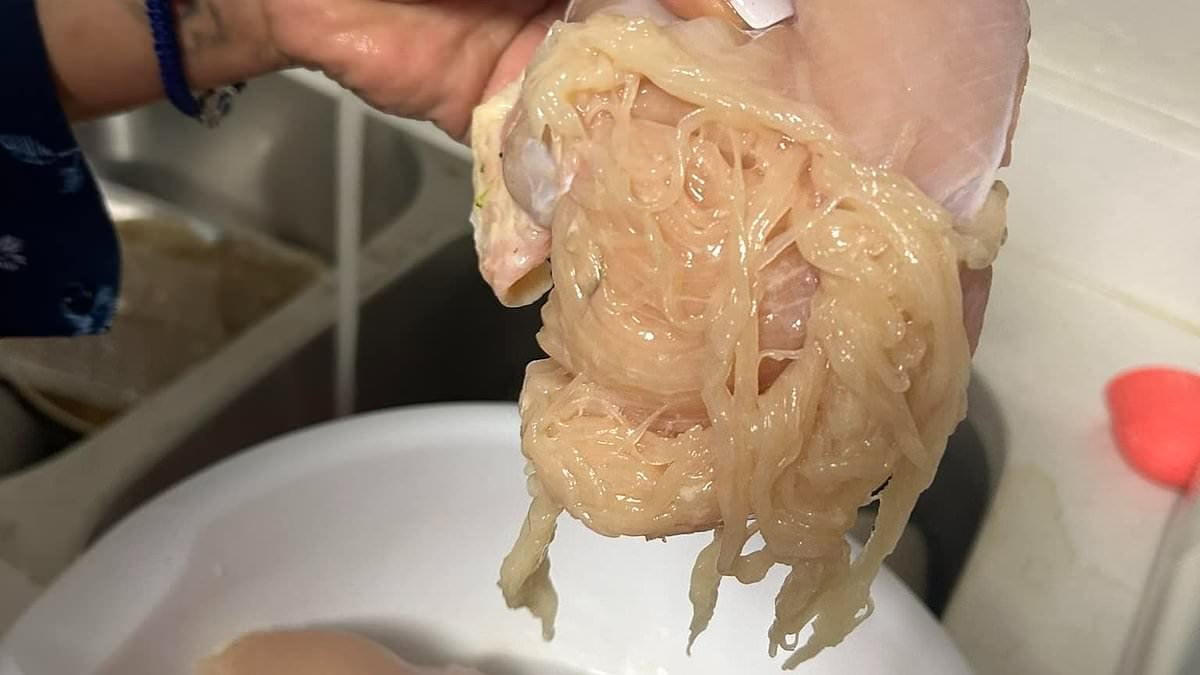
A mother's viral post about stringy and squishy chicken bought from Aldi has brought attention to "spaghetti meat," a phenomenon affecting a small percentage of farmed poultry. This is the result of fast-growing chickens bred in the meat industry, where their muscles cannot keep up with the rapid growth, causing the fibers to separate. While safe to eat, the meat may have a chewier texture. Companies are now reverting back to slower-grown chickens for improved quality and taste, as concerns about the altered density and texture of the meat, such as "woody breast," arise.
Chick-fil-A is abandoning its "no antibiotics ever" pledge for chicken due to diminishing supply, opting for a looser industry standard of "no antibiotics important to human medicine." This change follows Tyson's similar decision and reflects the challenges of controlling diseases in chicken coops. The use of antibiotics in food production has raised concerns about antibiotic resistance in humans, prompting WHO to emphasize the need to prevent important antibiotics for humans from being used in animal production.