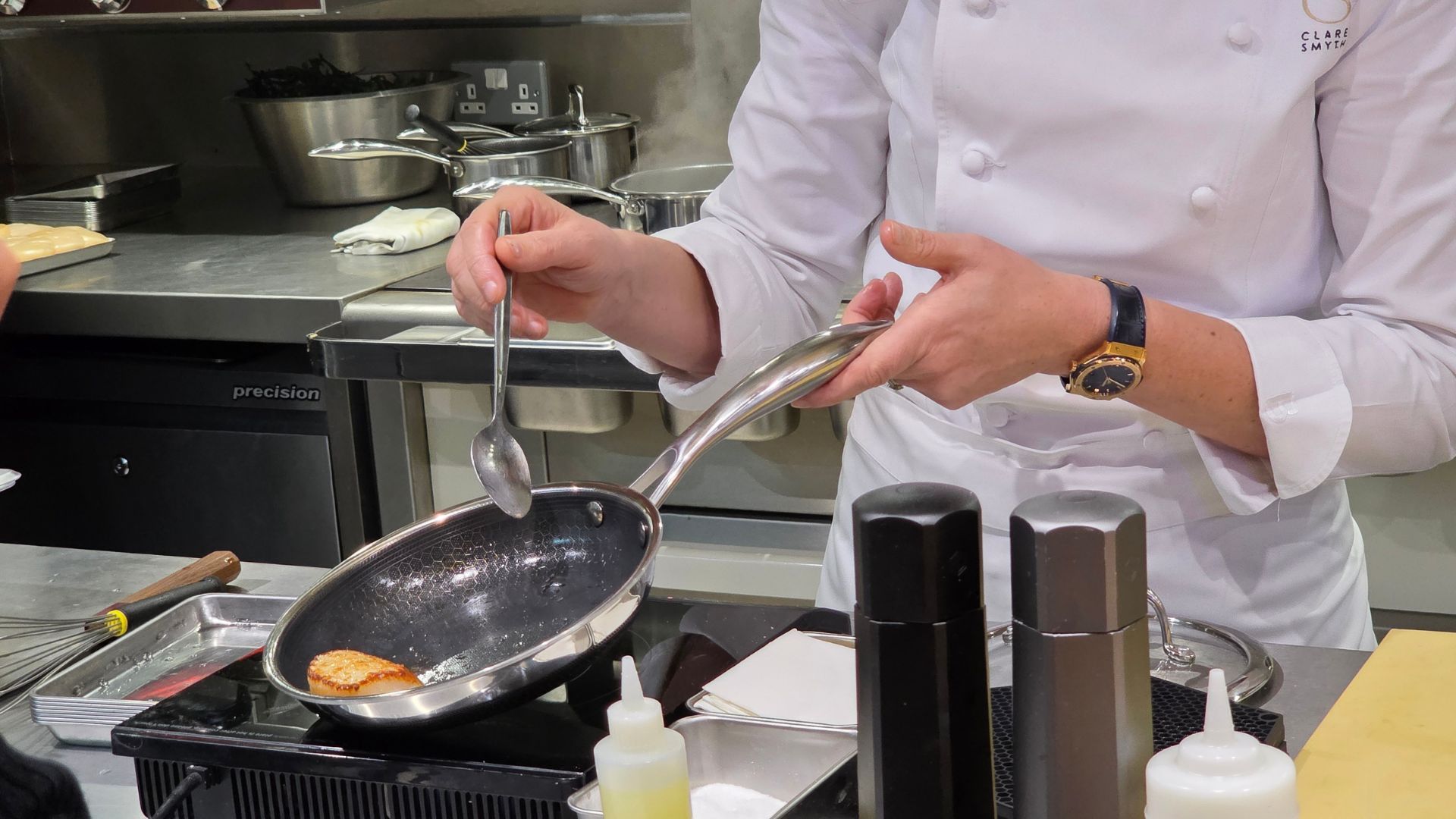
A Homes Editor visits Chef Clare Smyth's Michelin-starred kitchen and learns that controlled, low heat searing, high-quality hybrid cookware, and meticulous preparation are key to professional-level cooking, inspiring better practices at home.
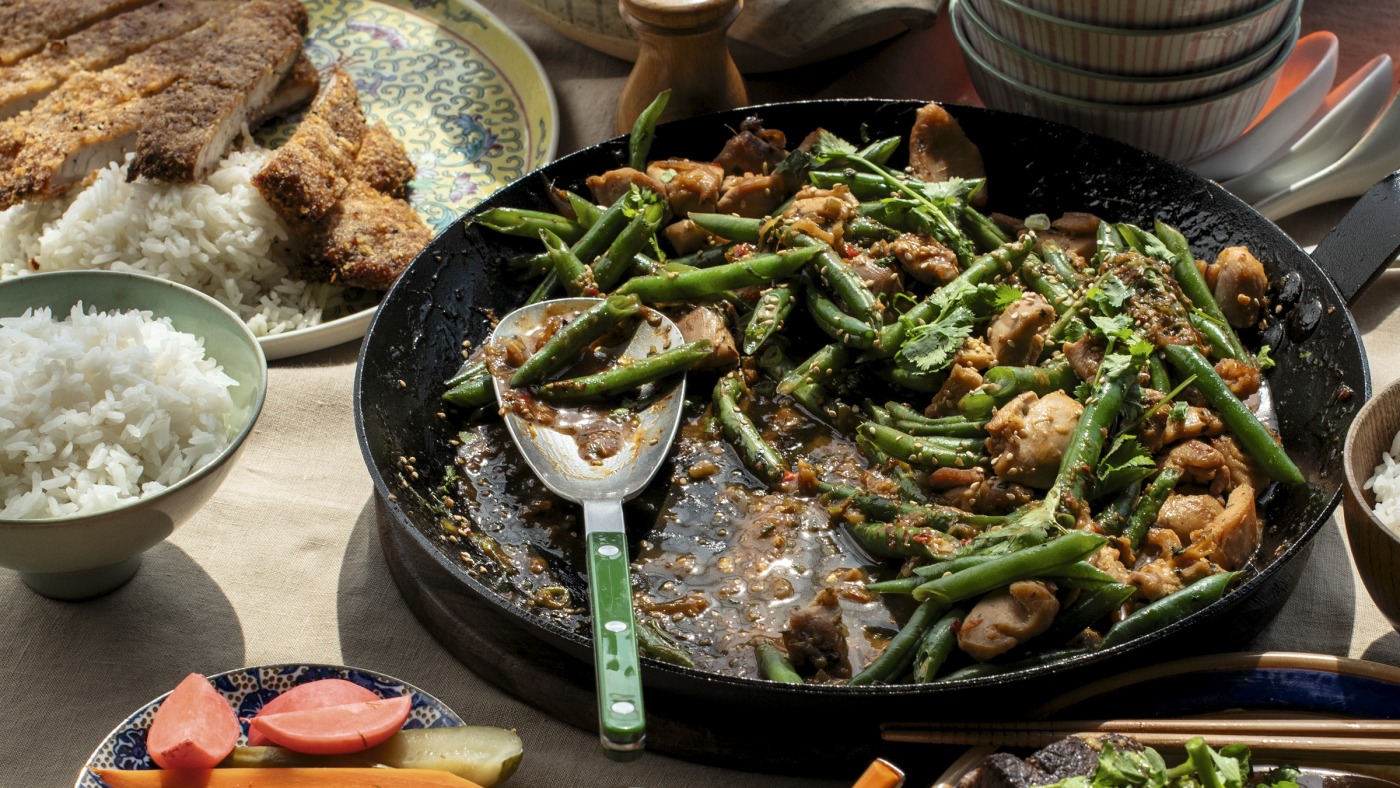
Chef Roy Choi shares three culinary tricks—prepping vegetables in advance, making homemade sauces, and using MSG—to encourage eating more veggies and enhance flavor in healthy meals, along with recipes for three flavorful sauces.
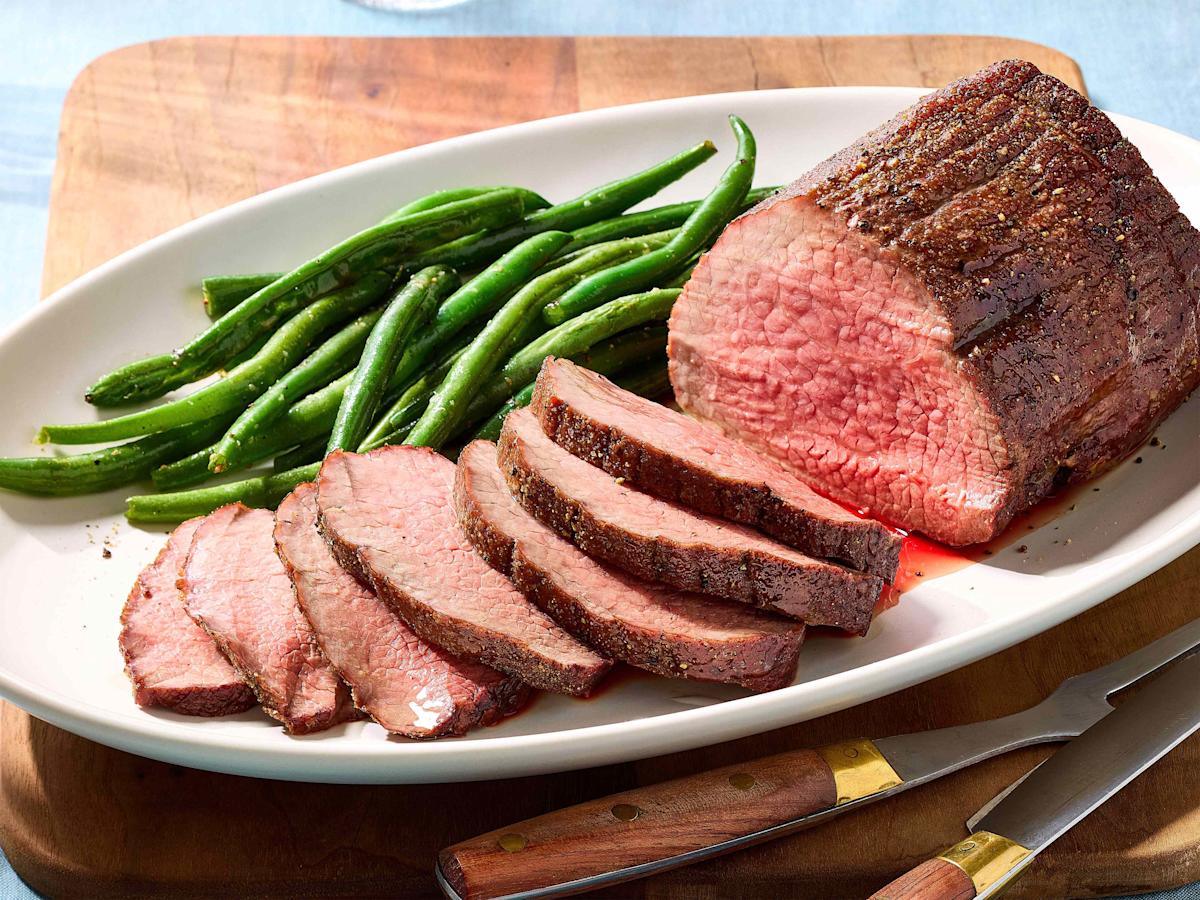
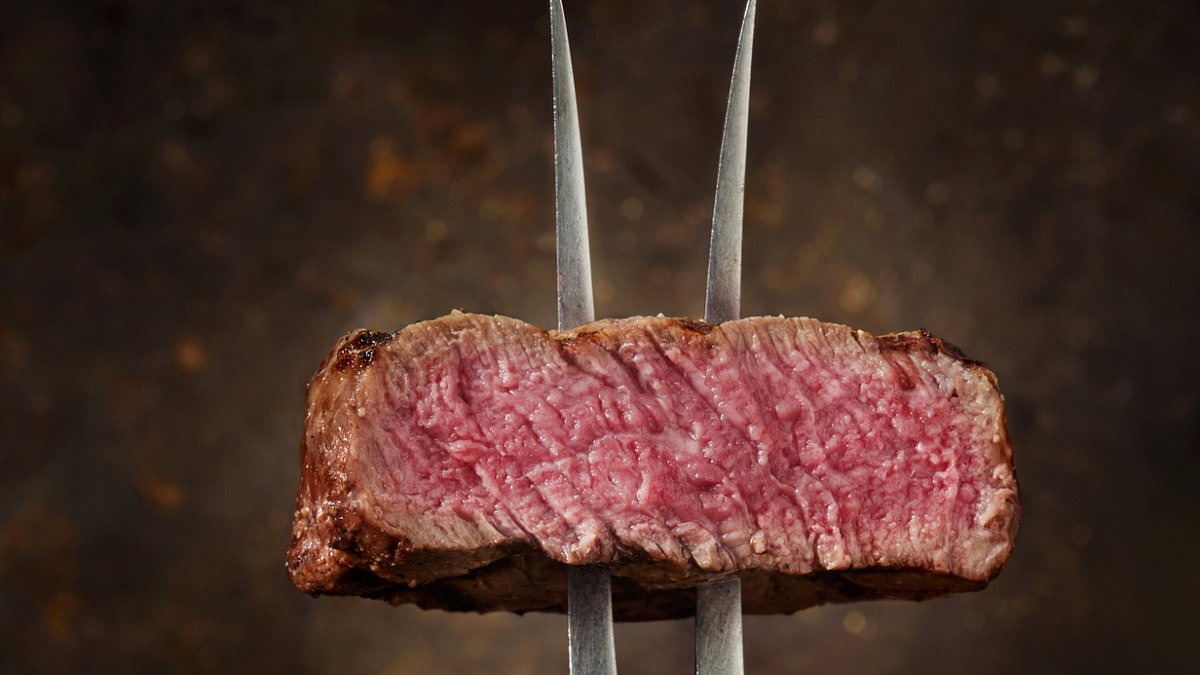
Proper searing of beef in a hot pan is crucial for enhancing flavor, texture, and juiciness, regardless of the cut or cooking method, by utilizing the Maillard reaction. Experts recommend drying the meat, choosing the right cut, seasoning well, and letting the meat rest after cooking for optimal results.
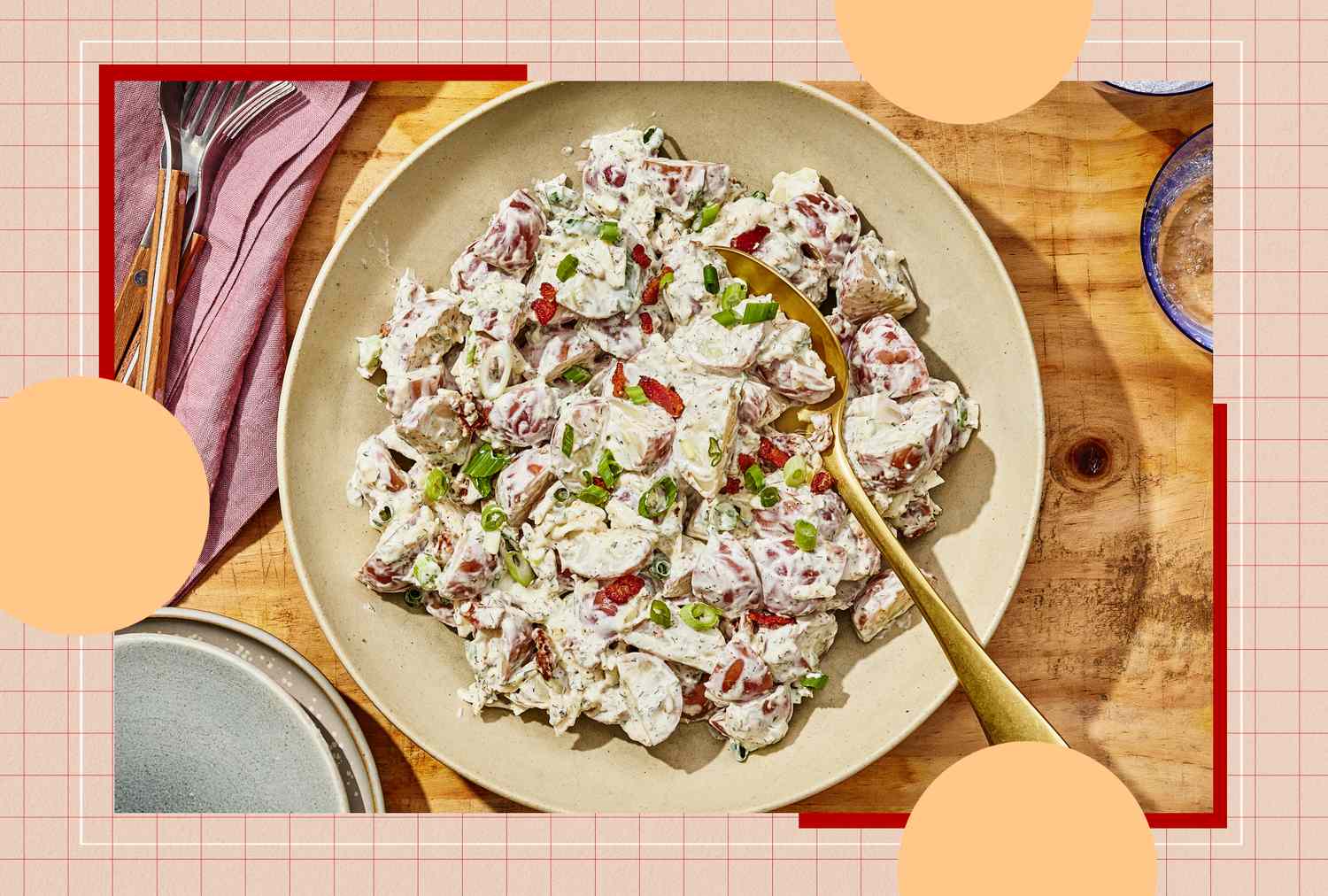
Three chefs agree that the secret to the best potato salad is starting with whole potatoes cooked in cold, salted water, which enhances texture and flavor. They differ in how they handle the potatoes after cooking, but all emphasize the importance of the initial cooking method and suggest adding flavorful extras like mustard, crunchy vegetables, or spices to elevate the dish.
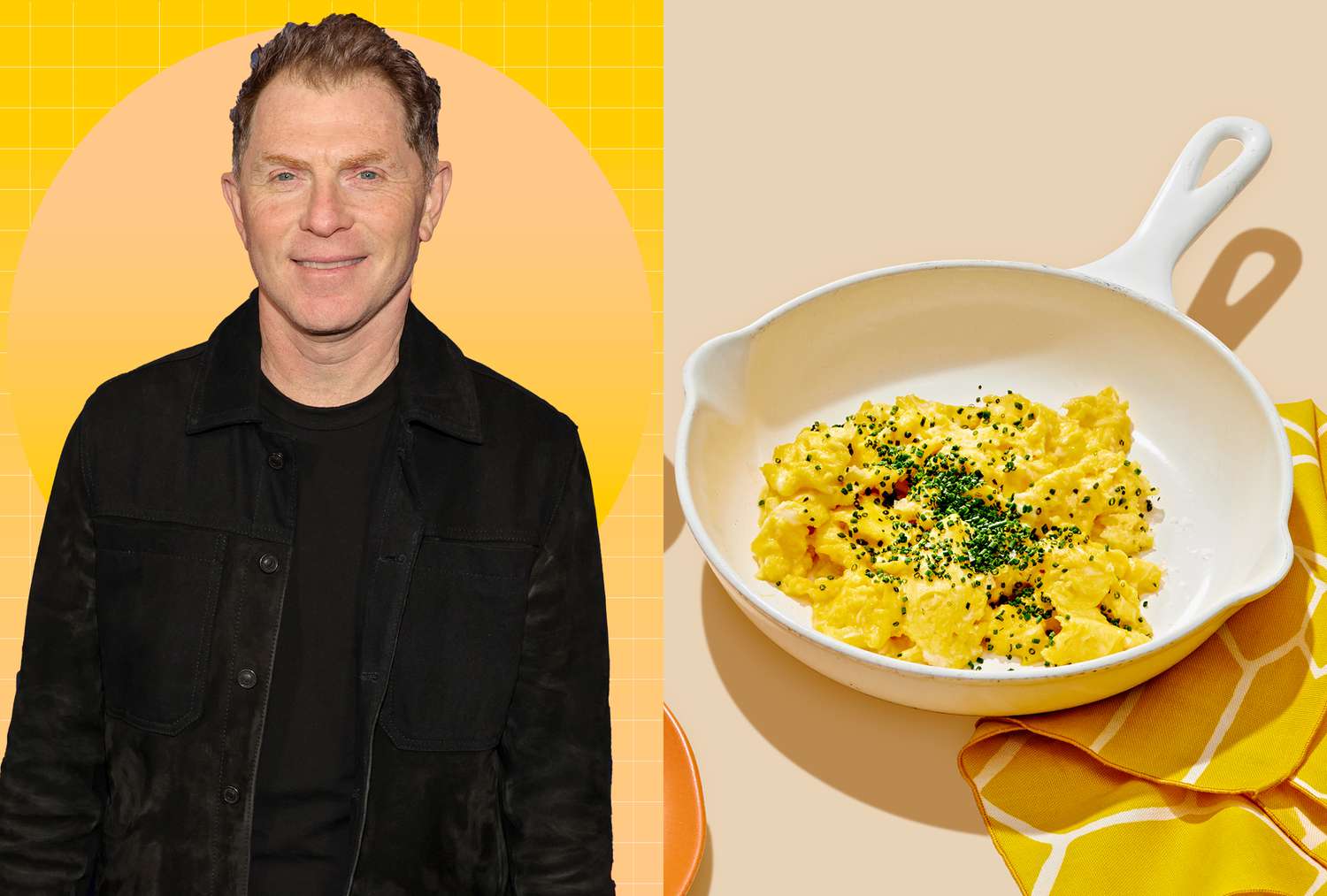
Celebrity chef Bobby Flay shares his tips for making perfect scrambled eggs, emphasizing starting with a cold pan, using butter and crème fraîche for creaminess, and stirring constantly over medium-low heat. He advises against adding salt before cooking to avoid graininess, suggesting instead to season with black pepper initially and salt after cooking. Flay's method results in soft, silky eggs, ideal for a luxurious breakfast or brunch.
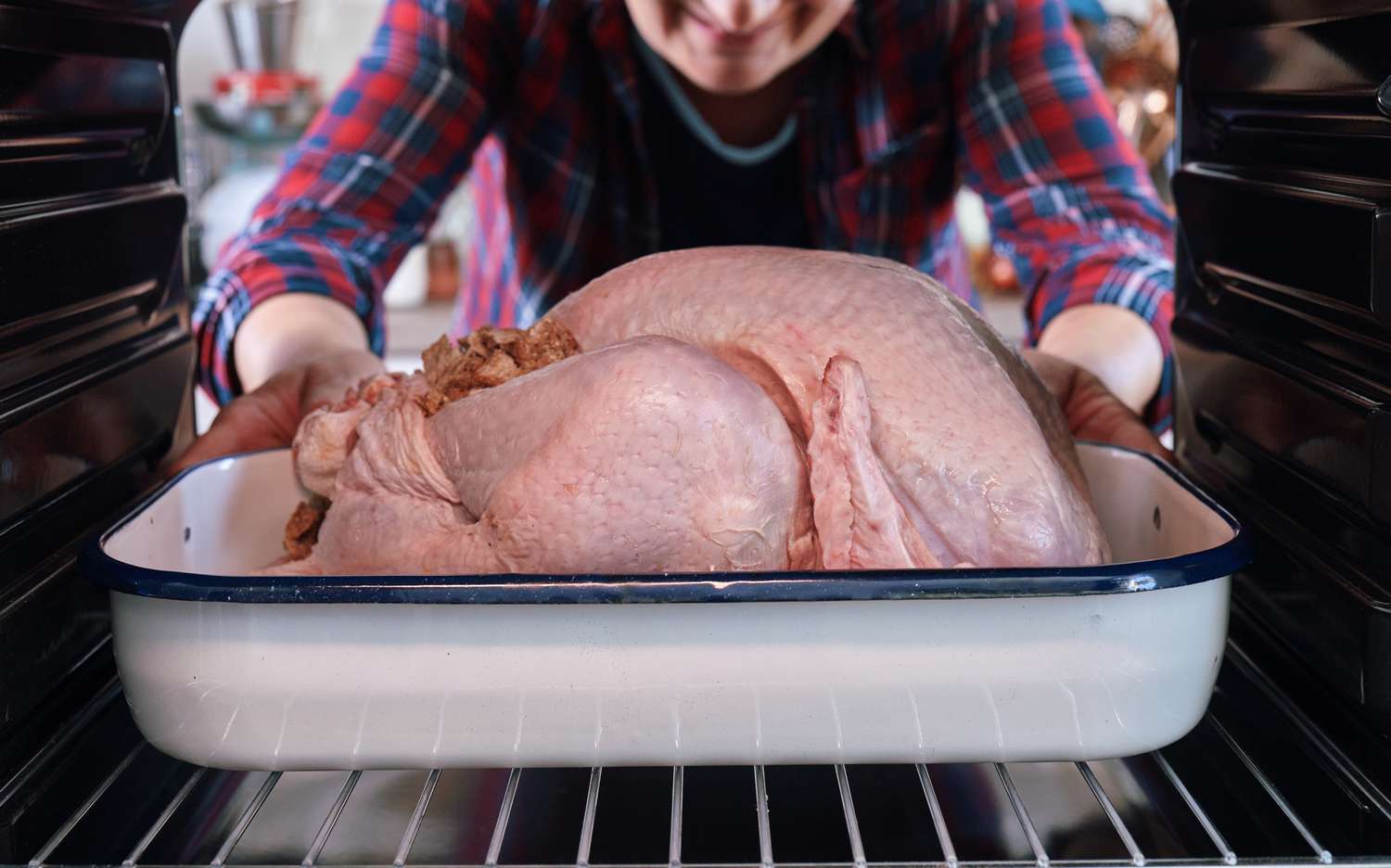
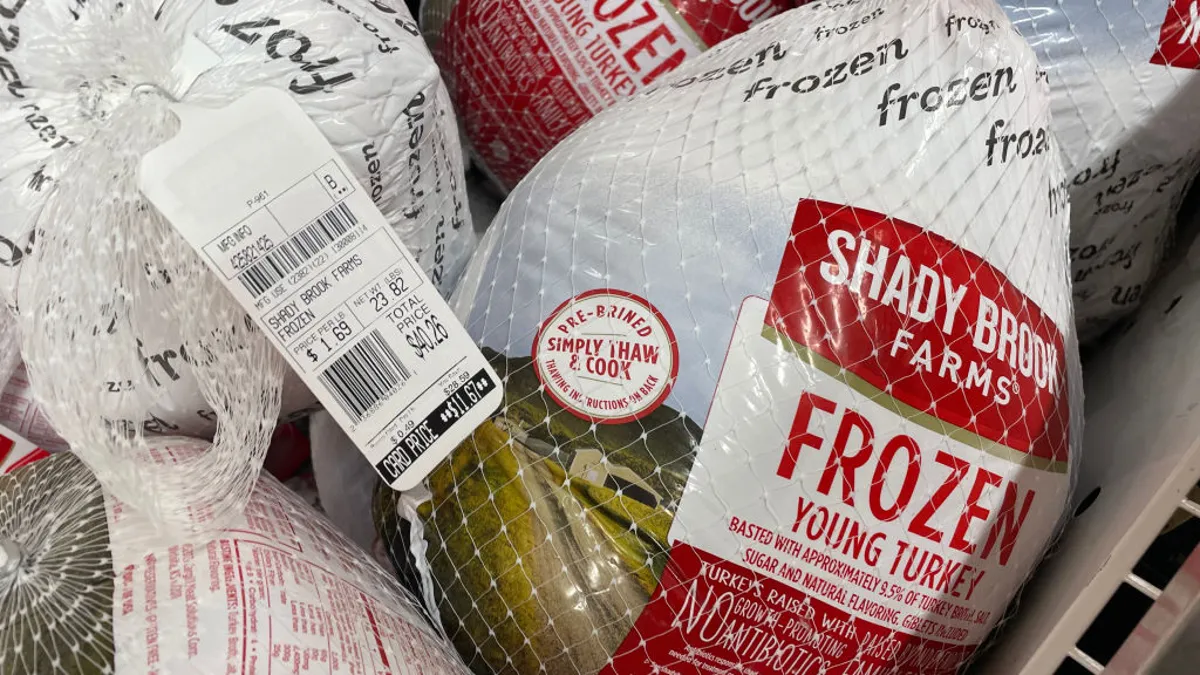
Thawing a frozen turkey requires careful planning to ensure food safety. The USDA recommends three methods: refrigerator thawing, which takes about 24 hours per 4-5 pounds; cold water thawing, which requires 30 minutes per pound and frequent water changes; and microwave thawing for small turkeys. A thawed turkey can be stored in the refrigerator for up to two days before cooking. Proper thawing prevents bacteria growth and ensures a safe and delicious meal.
Defrosting a frozen turkey for Thanksgiving requires careful planning, as it can take several days to thaw safely in the refrigerator. The USDA recommends allowing 24 hours for every 4 to 5 pounds of turkey in a fridge set at 40°F or lower. Faster methods include using a cold water bath, which requires changing the water every 30 minutes, but defrosting at room temperature is unsafe. Avoid using a microwave for large cuts of meat, as it can lead to uneven thawing and potential food safety issues.
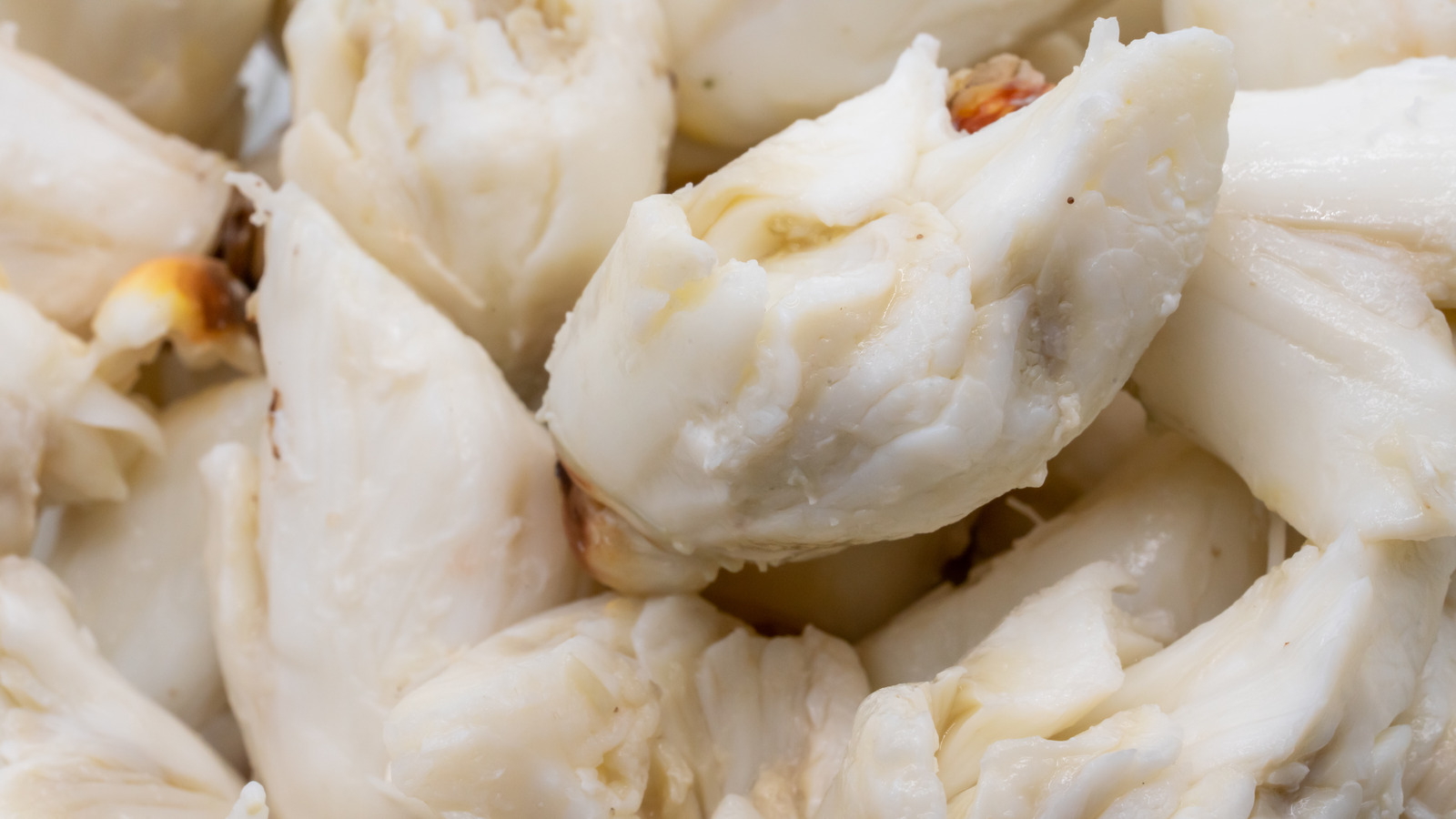
Choosing the best canned crab meat involves understanding the different grades and their uses. Colossal lump crab meat is the most expensive and best for simple dishes to highlight its quality, while claw meat, though less visually appealing, is the most flavorful and suitable for seasoned dishes. Price and packaging also play significant roles in selection.
Reheating certain food items like tea, spinach, cooking oil, mushrooms, and rice can lead to a loss of flavor, texture, nutritional value, and safety. Reheating tea can cause the degradation of compounds like antioxidants and polyphenols, while reheating spinach can lead to the formation of carcinogens and a loss of water-soluble vitamins. Reheating cooking oil can produce harmful compounds, reheating mushrooms can promote bacterial growth and alter their texture, and reheating rice can lead to food poisoning. It's important to prioritize freshness and proper handling to enjoy safe and nutritious meals.
Former FDA advisor Dr. Darin Detwiler recommends cooking steak well done and avoiding runny eggs, as bird flu outbreaks in the US raise concerns about food safety. He advises against consuming raw or undercooked animal products, including eggs, poultry, and beef, due to the risk of virus transmission. Additionally, he cautions against consuming unpasteurized dairy and suggests purchasing food from reputable retailers with strict biosecurity measures. The severity of bird flu in humans is high, with potential complications including respiratory failure and a fatality rate of 52 percent, according to the World Health Organization.
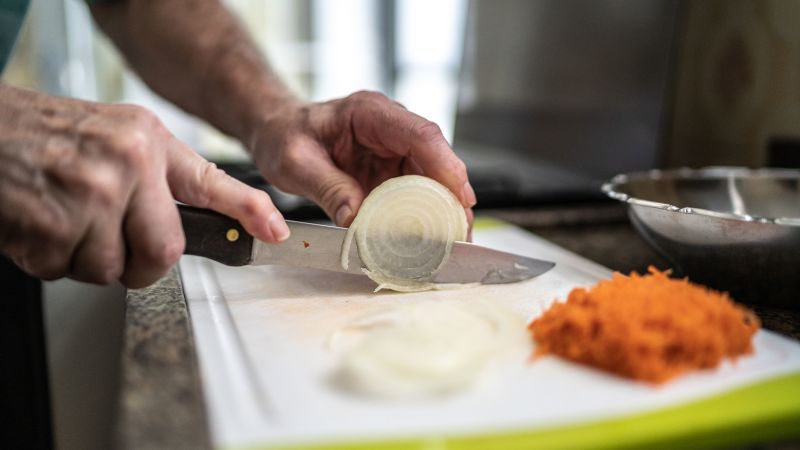
Experts explain that the stinging sensation when cutting onions is a defense mechanism of the plant, and offer various methods to reduce tears, such as using a fan, wearing goggles, chilling the onion, microwaving it, adding acids, and even lighting a candle. While some methods may work for some people, there is no guaranteed way to completely avoid tearing up while cutting onions.
Excessive salt consumption can lead to health issues, but there are practical ways to reduce sodium intake without sacrificing taste. Embracing fresh produce, choosing low-sodium alternatives, reading labels mindfully, cooking at home, and limiting processed meats are some strategies. Rinsing canned goods, using herbs and spices, limiting high-sodium condiments, being mindful when eating out, and staying hydrated are also effective ways to lower sodium intake.
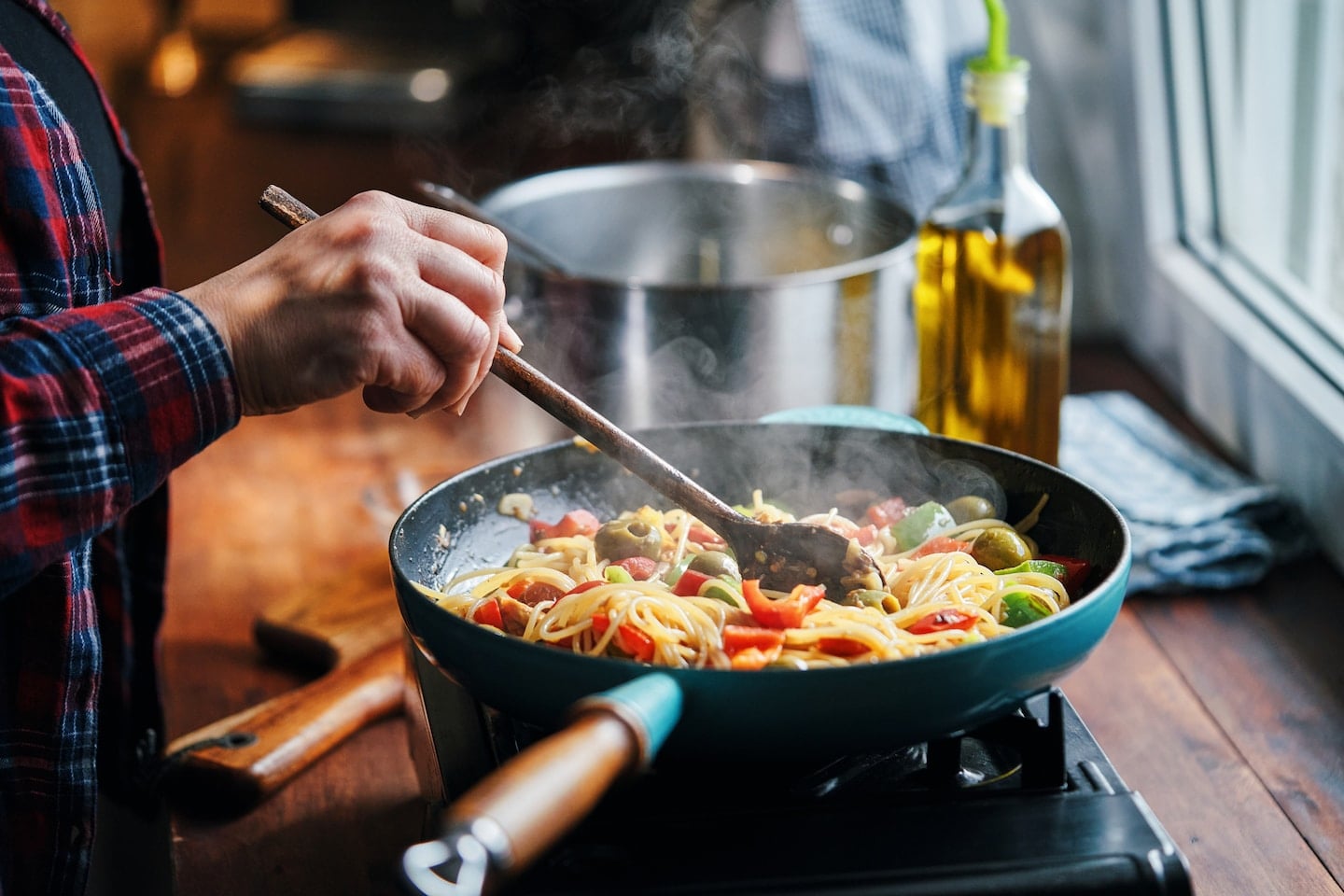
Despite its reputation as a fattening food, pasta can be part of a healthy diet and offers various health benefits. It contains protein, fiber, and essential nutrients, and has a lower glycemic index compared to other refined carbs. Studies have shown that consuming pasta as part of a Mediterranean diet may lead to lower body mass indexes and reduced risk of stroke and heart disease. To keep pasta healthy, it's recommended to measure portions, avoid overcooking, add vegetables, incorporate filling protein, and choose low-sodium sauces.
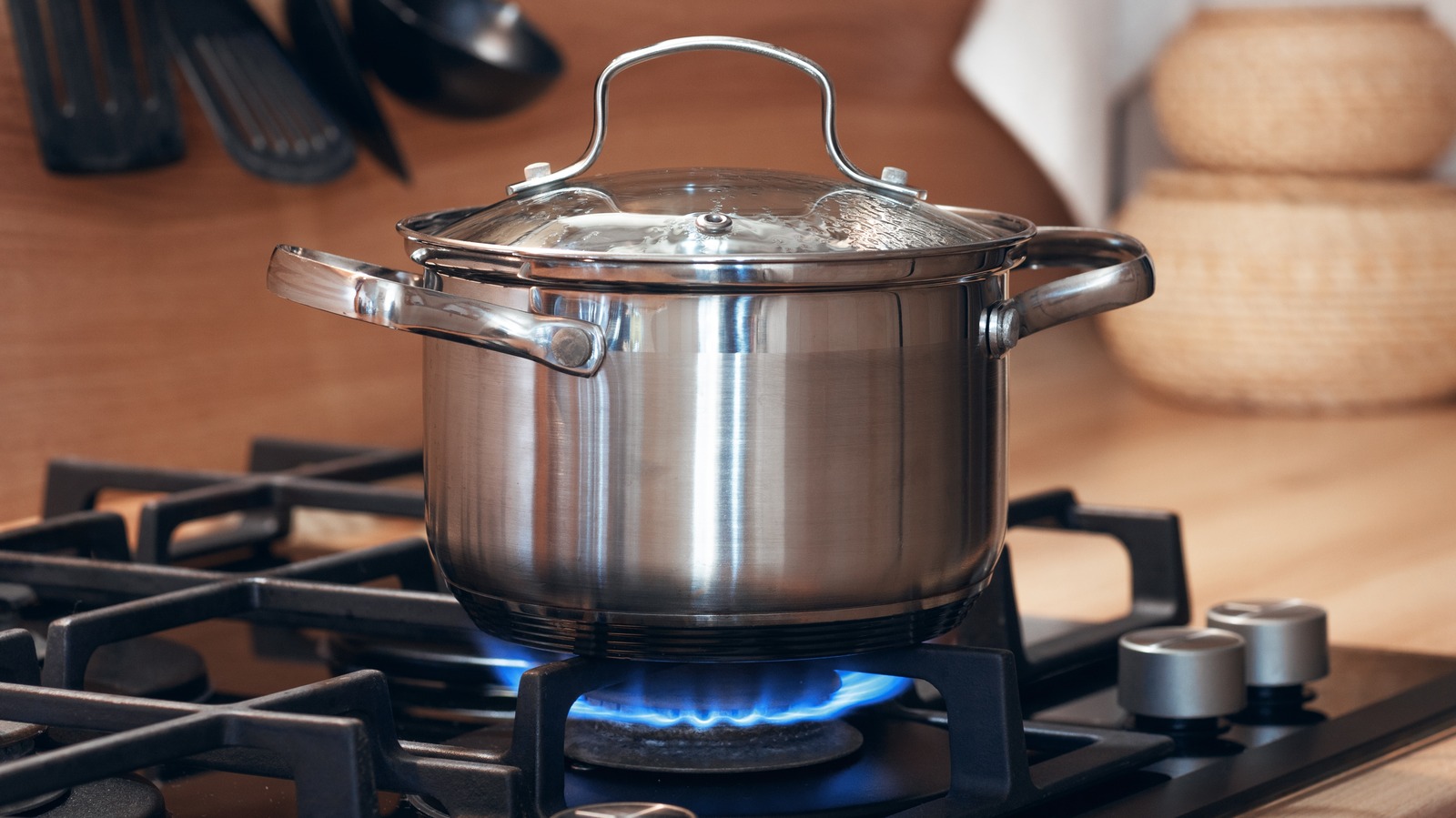
Gas stove tops remain popular despite concerns about their impact on health and the environment. To minimize the risks associated with gas stoves, cooks should remember to use the exhaust fan, check flame color for complete combustion, use appropriate burner sizes, handle temperature settings carefully, and get the stove serviced regularly. Additionally, thorough cleaning, turning off burners, and taking advantage of the naked flames are essential for safe and effective gas stove cooking.
Redditor u/hurrellster asked for suggestions on foods that are better and cheaper to make at home than to buy from the store, and here are 15 popular responses from the community. The examples provided are meant to highlight the potential for tastier and more cost-effective options when made at home, acknowledging that pre-prepared foods are still valuable for those with disabilities or busy schedules.