Chinese scientists set a new world record by generating a steady magnetic field of 351,000 gauss with a superconducting magnet, significantly surpassing previous records and advancing applications in fusion, space propulsion, and power transmission.
Chinese scientists have developed an AI model that classified over 27 million cosmic objects, significantly advancing astronomical research by improving speed and accuracy in identifying stars, quasars, and galaxies, with implications for future sky surveys and space exploration.
Chinese scientists discovered that betaine, a compound produced during long-term exercise, can slow aging by preventing inflammation and organ aging through inhibiting the enzyme TBK1, and that supplementing betaine may mimic exercise benefits.
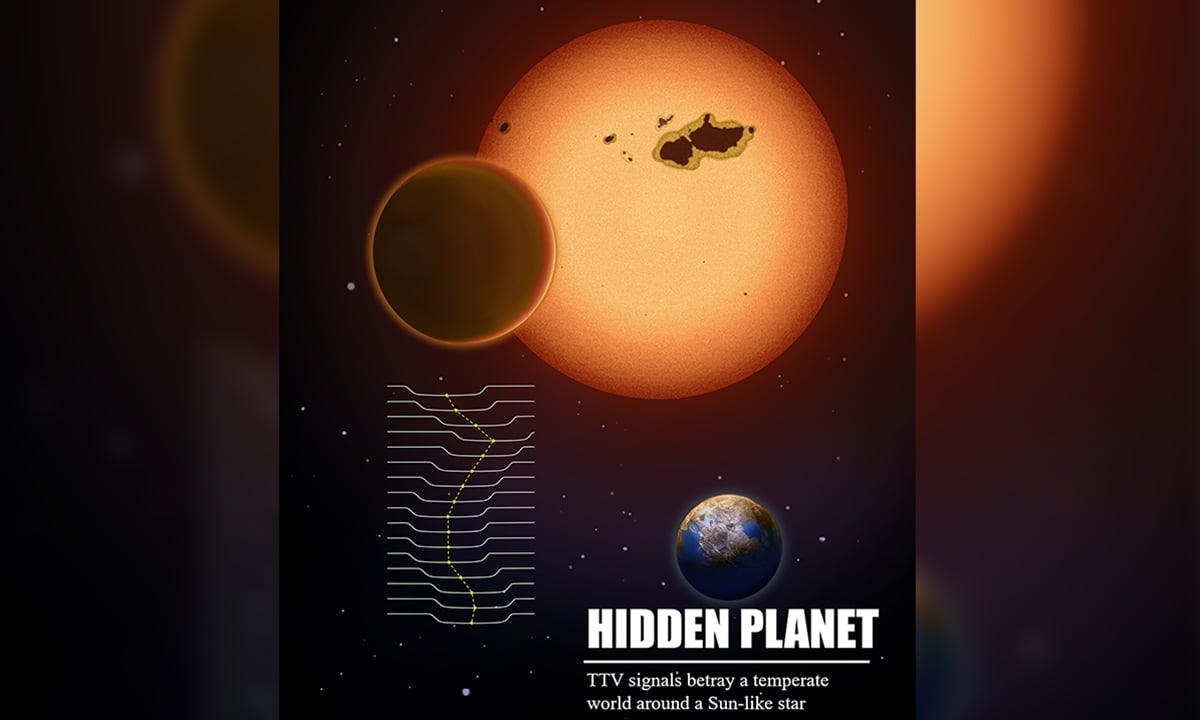
Chinese-led international research has used a new transit timing variation (TTV) technique to discover a super-Earth, Kepler-725c, within the habitable zone of a sun-like star, marking a significant advancement in the search for potentially life-supporting planets.
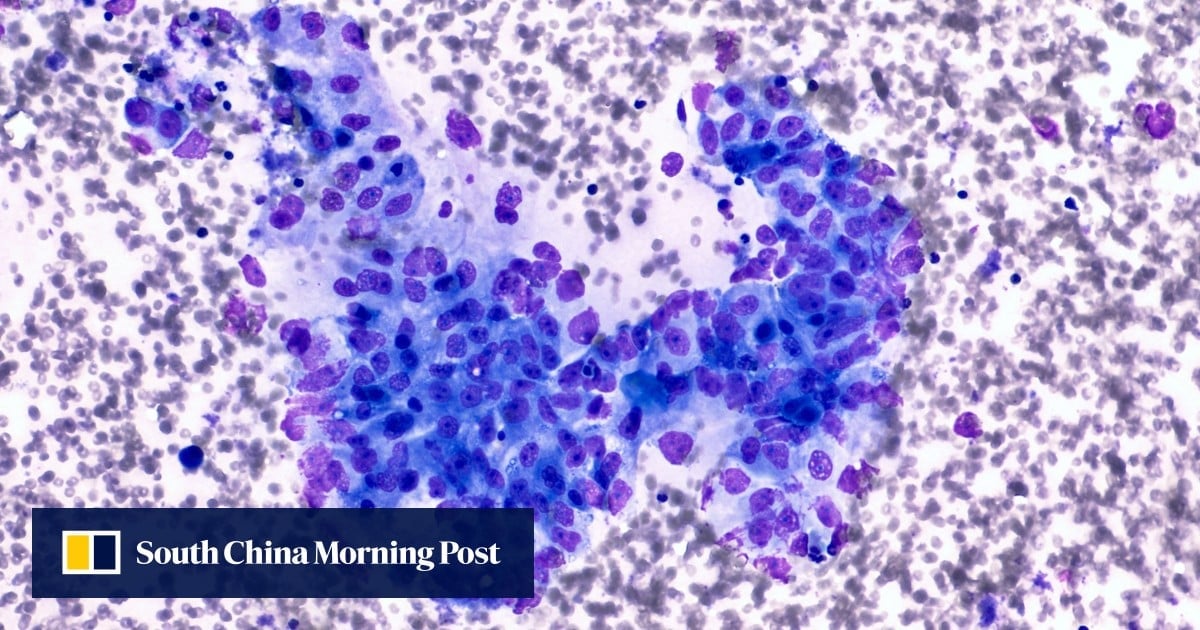
Chinese scientists have identified two protein markers that may predict chemotherapy sensitivity in pancreatic cancer, a discovery that could improve overall survival rates for the disease, which currently has a low five-year survival rate. The study, involving over 1,000 patients, sequenced the proteome and transcriptome to construct a model for pancreatic cancer prognosis and identified the biomarkers NDUFB8 and CEMIP2. The findings are expected to usher in a new era of precision diagnosis and treatment for pancreatic cancer, which is often diagnosed at advanced stages, limiting treatment options.
Chinese scientists are exploring the potential of using astronomy and zebrafish to advance brain-computer interfaces, which could revolutionize human interaction with technology by imaging and analyzing zebrafish neurons using techniques borrowed from astronomy.
Chinese scientists at the Lhaaso Observatory in southwestern China have identified a bubblelike structure in the Cygnus constellation, around 10 million times larger than our solar system, as a super cosmic ray accelerator within the Milky Way. This discovery challenges previous theories about the origin and source of cosmic rays, shedding light on how ultra-high energy gamma rays may have originated. The structure, observed by the Large High Altitude Air Shower Observatory, contains multiple photons exceeding 1 PeV, and is believed to be powered by a massive star cluster called Cygnus OB2. The findings could potentially solve the century-long enigma of the origin of cosmic rays.
Chinese researchers have developed a new optical disk format with a capacity of up to 125TB, achieved through nanotechnology and a 3D stacking architecture. The disks are designed for long-term archival data storage, with a claimed shelf life of 50 to 100 years, and are said to be highly stable with no special storage requirements. The research team is working on improving data transfer speeds, lowering write energy, and making the disks more affordable for commercialization.
Chinese scientists have used a massive database and AI to identify proteins linked to the risk of developing dementia, creating a predictive model to assess disease risk up to 15 years before symptoms start. By analyzing blood samples from over 50,000 people, the team found proteins that began changing in expression up to a decade before clinical onset of dementia. Their AI algorithm, combined with demographic information, shows promise in accurately predicting future dementia, offering potential cost benefits compared to current screening methods. The study, while limited in diversity and scope, provides clues for new treatments and intervention strategies, with ongoing research on other brain-related conditions.
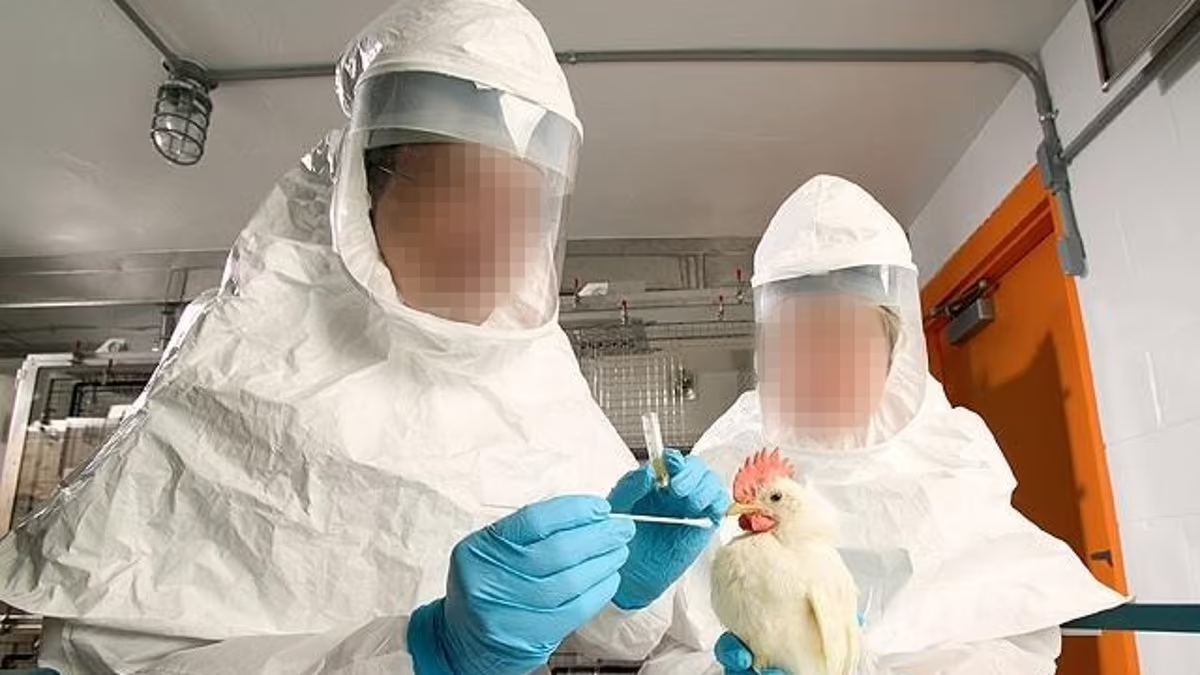
The US government is funding experiments with Chinese scientists to make bird flu viruses more infectious, despite restrictions on similar research and concerns about the origins of the Covid pandemic. The $1 million project involves infecting ducks and geese with different strains of viruses, with collaborating studies taking place in Georgia, Beijing, and Edinburgh. The research, funded by the US Department of Agriculture, has raised concerns about potential risks to both animals and humans, as well as the involvement of scientists affiliated with the Wuhan Institute of Virology. Republican Senator Joni Ernst has expressed apprehension about the collaboration and called for more information about the ongoing funding of the research.
Chinese scientists are conducting trials on a new treatment that could potentially reverse and repair the damage caused by chronic obstructive pulmonary disease (COPD), a severe lung disease affecting millions worldwide. The treatment involves using healthy progenitor lung cells to repair damaged lung tissues, with promising results from a phase 1 clinical trial showing improved lung function and quality of life in patients. The ongoing phase 2 trial aims to further evaluate the efficacy of this regenerative medicine for COPD.
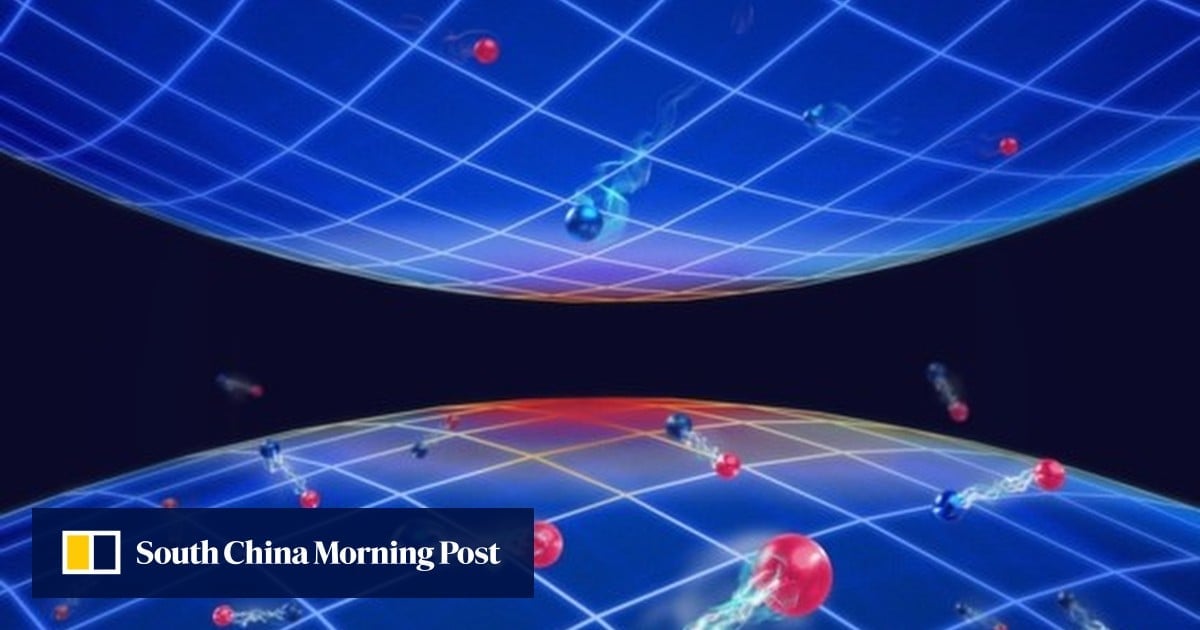
Chinese scientists from the University of Science and Technology of China have used a quantum simulator to visualize and quantify a phenomenon called a "pairing pseudogap" within a model gas, resolving a two-decade-old debate in physics. This breakthrough could lead to a better understanding of high-temperature superconductors and pave the way for practical applications of superconductivity. The team's findings, published in the journal Nature, could be a significant step towards using quantum simulations to solve important physical problems and uncover the key to practical superconductivity.
Chinese scientists have decoded the biosynthetic pathway of the rare anticancer drug paclitaxel and successfully reproduced it in tobacco plants, offering a potential solution to the scarcity of the compound found in the Pacific yew tree. The research, published in Science, identified a new understanding of the synthesis pathway and introduced a method to artificially constitute the biosynthetic pathway for the key precursor of paclitaxel in tobacco. This breakthrough could pave the way for sustainable and alternative production methods, potentially leading to green and efficient manufacturing of paclitaxel in the future.
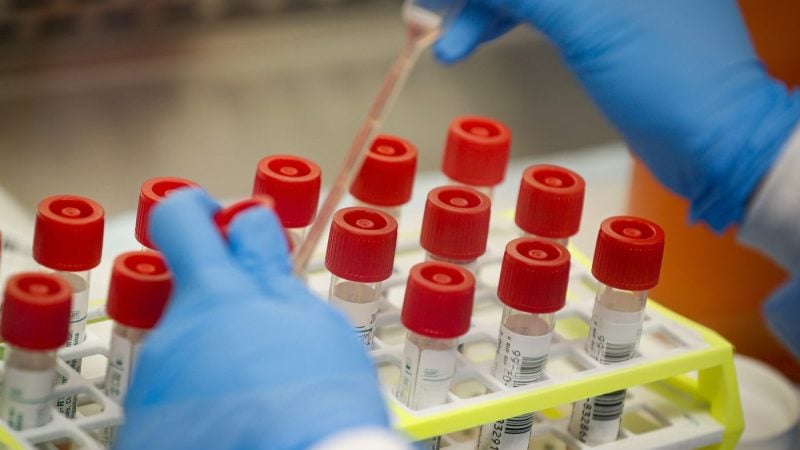
Chinese scientists are experimenting with a mutant COVID strain that is reportedly 100% fatal in mice, raising concerns about a potential lab leak and the need for strict safety measures. The study, which has not been peer-reviewed, involves mice engineered to reflect a similar genetic makeup to humans, but experts caution that the findings may not directly translate to human outcomes. While some fear a repeat of the pandemic's origins, others emphasize the potential benefits of such research in developing preemptive measures against natural virus mutations.
Chinese scientists have created an experimental mutant coronavirus strain, GX_P2V, which has been found to be 100% lethal to "humanized" mice, according to a recent report. The virus was discovered in high volumes in the lungs and brain of the engineered mice, causing their death within eight days. However, the study has been criticized by experts for its methodology and biosafety precautions, raising concerns about the potential risks associated with this research.