Walter Koroshetz, director of the NIH's National Institute of Neurological Disorders and Stroke, is leaving his position after his reappointment request was denied, contributing to leadership instability across nearly half of NIH divisions.
Scientists in Japan and Brazil discovered a new bat coronavirus in Brazil that shares key features with SARS-CoV-2, raising concerns about its potential to infect humans, though further research is needed to assess its actual risk.
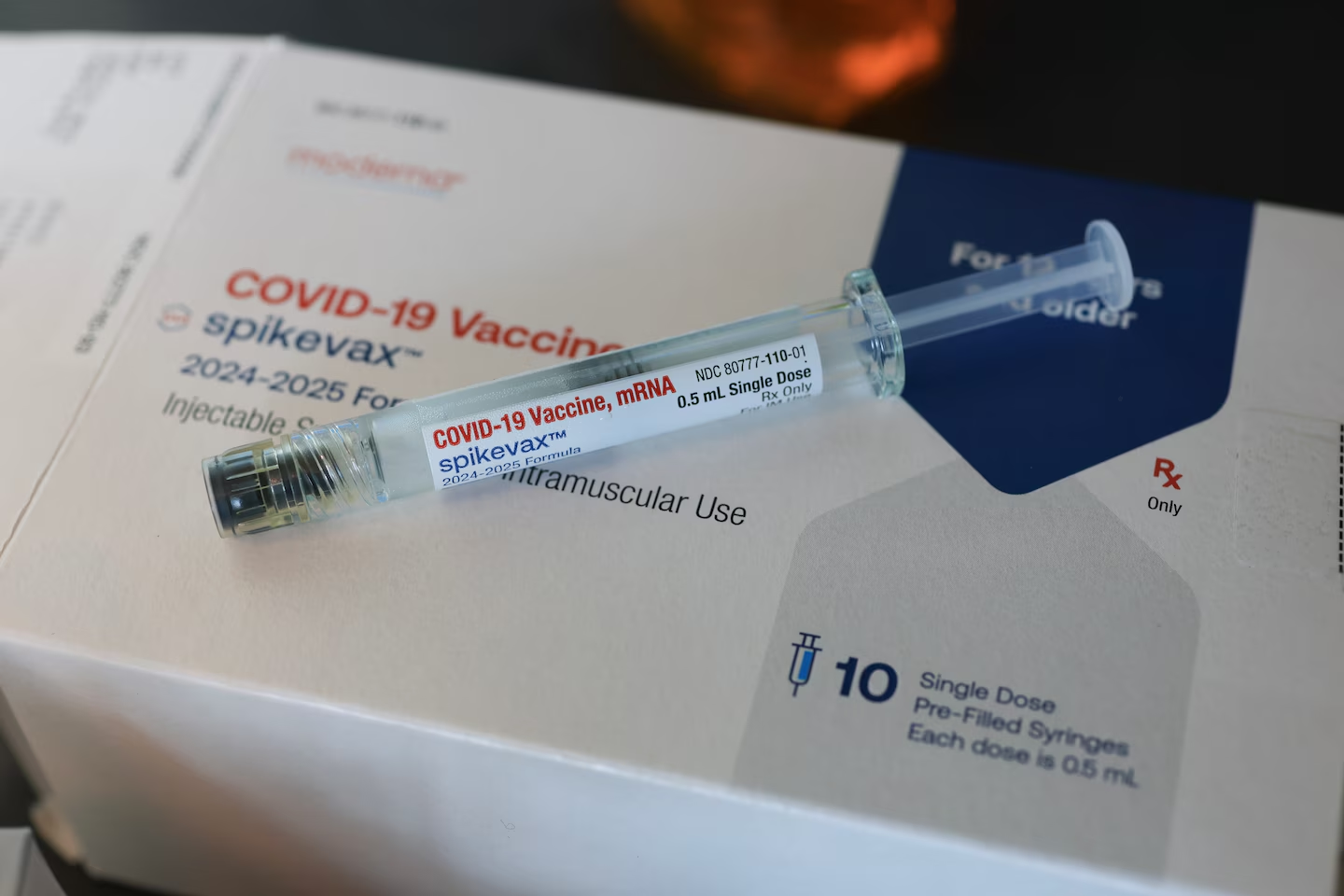
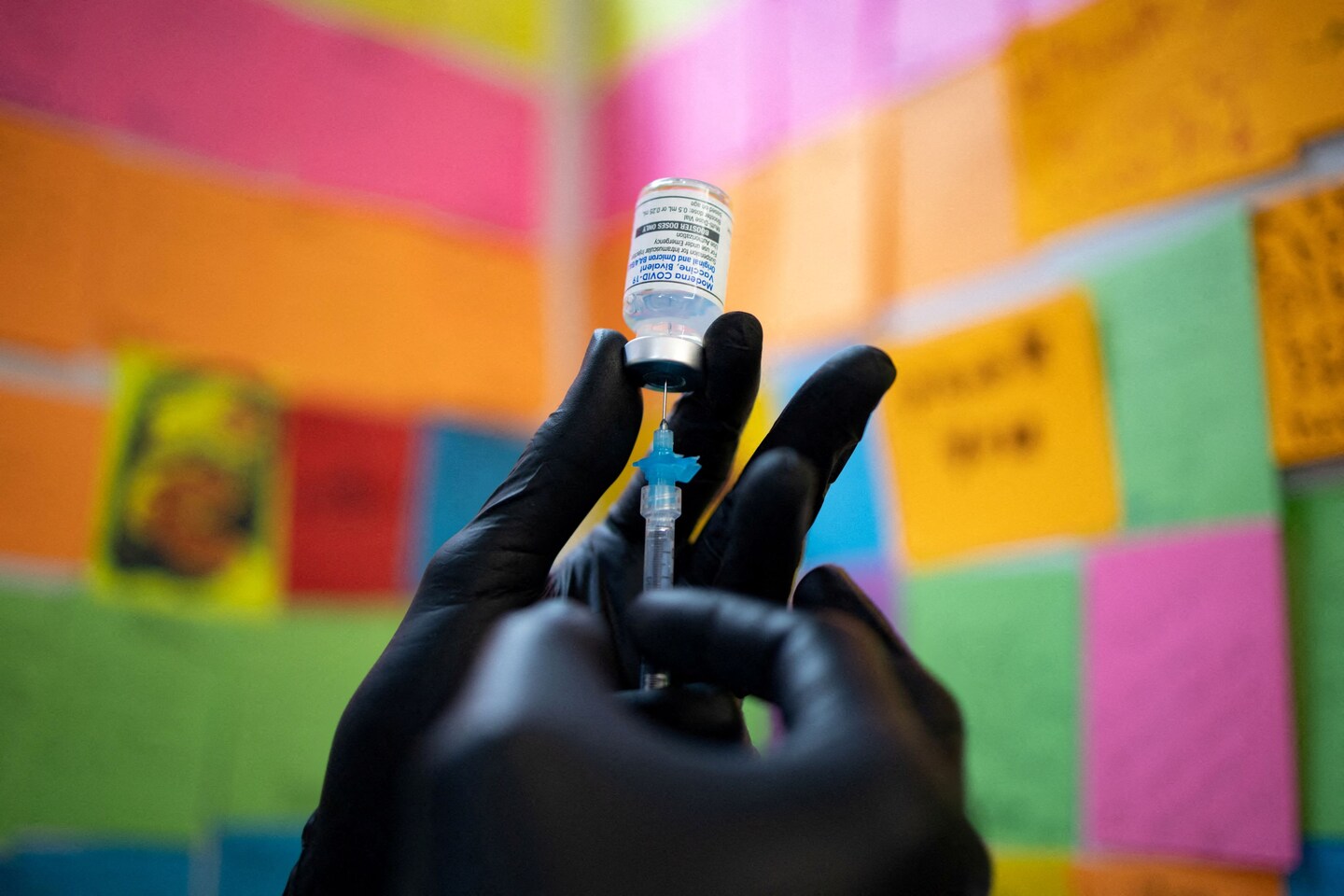
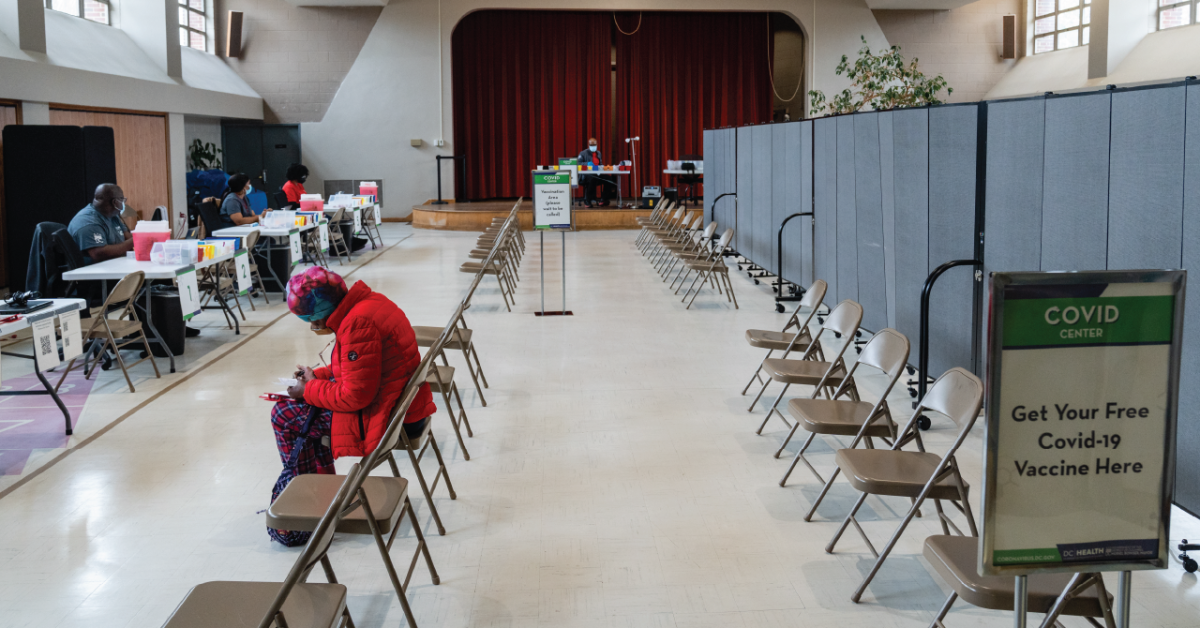
Getting an updated coronavirus vaccine is challenging this year due to limited access, with the FDA approving shots mainly for those 65 and older or with underlying health conditions, narrowing eligibility.
Scientists warn that a newly discovered coronavirus in China, HKU5-CoV-2, is just one mutation away from infecting humans and potentially causing a pandemic, raising concerns due to its relation to deadly viruses like MERS and its presence in bats, with the risk of spillover heightened by wildlife trade and possible intermediate hosts.
As summer begins, concerns about new coronavirus variants and avian flu are rising. Dr. Leana Wen advises that while the risk of severe illness from Covid-19 remains low, high-risk individuals should stay updated on vaccines and consider wearing masks in crowded places. The CDC states that the risk of avian flu to the general public is low, and pasteurized milk and properly cooked meat are safe to consume. To prevent heatstroke, stay hydrated and seek cool environments during high temperatures. Additionally, use sunscreen to protect against skin cancer and stay on top of health screenings and chronic conditions.
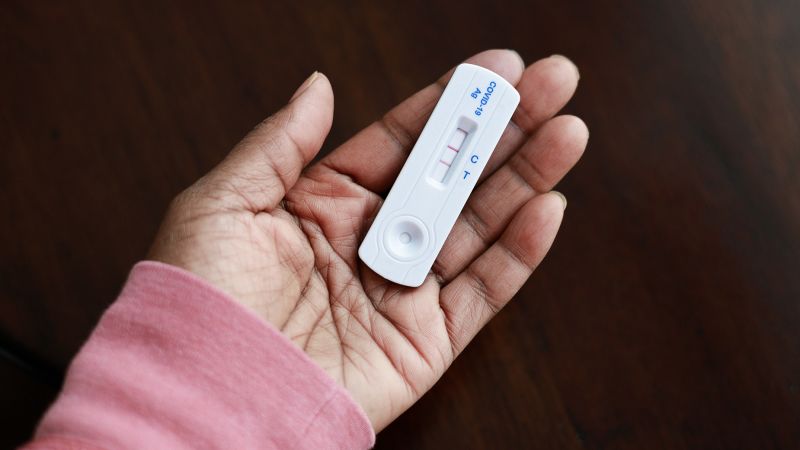
The new coronavirus variant KP.2, part of the Omicron family, has become the dominant strain in the U.S. It is highly contagious but does not cause more severe disease, and existing vaccines and treatments remain effective. Symptoms are similar to other Covid-19 infections, and home tests are still reliable. High-risk individuals should consider antiviral treatments, and updated vaccines expected in the fall may offer better protection. The CDC recommends isolating until fever-free for 24 hours and symptoms improve, with additional precautions for five days.
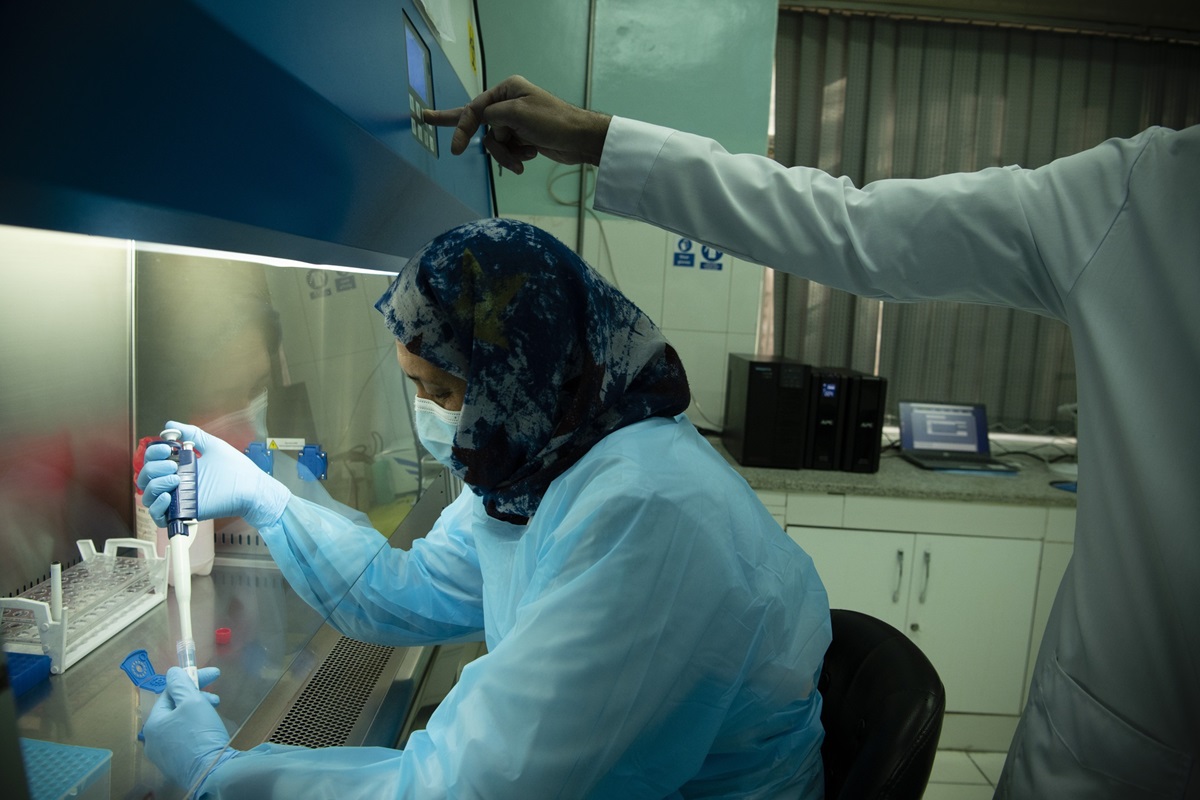
The World Health Organization (WHO) has launched CoViNet, a global network for coronaviruses, to coordinate expertise and capacities for early detection, monitoring, and assessment of SARS-CoV-2, MERS-CoV, and other novel coronaviruses. This network expands on the initial COVID-19 reference laboratory network and includes 36 laboratories from 21 countries. The collaboration aims to enhance surveillance, laboratory capacity, sequencing, and data integration to inform WHO policies and support decision-making, ensuring timely detection and assessment of coronaviruses of public health importance.
Scientists are closely monitoring the continuing evolution of the coronavirus and the body's immune responses in order to anticipate and prevent a potential resurgence, as well as to gain a better understanding of long Covid. Research efforts include studying how the virus behaves and evolves as populations build immunity, investigating the body's response to the infection, and estimating vaccine effectiveness in the midst of evolving respiratory conditions.
The CDC has recommended a spring booster shot for those 65 and older, with a focus on the monovalent vaccine targeting the XBB.1.5 subvariant. The effectiveness of the vaccine against covid-associated hospitalization decreases over time, making it important for older individuals and those with chronic medical conditions to get the spring booster. People under 65 with underlying health conditions or immunocompromised status should consult their physicians about eligibility for the booster. It's advised not to delay getting the spring shot, as it won't interfere with future boosters in the fall, and those who recently had covid can wait at least three months before getting their next coronavirus shot.
A Pew Research Center survey reveals declining levels of concern about COVID-19 among Americans, with only 20% viewing it as a major threat to public health. The share of U.S. adults with up-to-date COVID-19 vaccination has also declined to 28%, contrasting with the initial rollout. Partisan views continue to shape attitudes, with Democrats more likely to have received the updated vaccine. Concerns about long COVID and flu shot uptake are also highlighted, reflecting demographic and political differences in attitudes and behaviors related to the pandemic.
German researchers studied a 62-year-old man who received 217 coronavirus shots, finding that his immune system showed no signs of fatigue and actually had more T-cells than a control group. His antibodies against the virus increased significantly even after the 217th shot. However, the researchers do not endorse hypervaccination as a strategy, and they couldn't establish a causal relationship between his "hypervaccination regimen" and avoiding infection.
A large study in England found that people with persistent post-Covid symptoms scored lower on cognitive tests, with long Covid patients scoring the equivalent of 6 IQ points lower than those who had never been infected. Even those who had recovered from Covid and no longer had symptoms scored slightly lower, by the equivalent of 3 IQ points. While the differences in cognitive scores were relatively small, the findings provide numerical evidence for the brain fog, focus, and memory problems experienced by many people with long Covid.
The Centers for Disease Control and Prevention is considering shortening the recommended isolation period for people who test positive for Covid-19, suggesting that individuals may be able to return to their regular routines after being fever-free for 24 hours without medication. This potential change aligns with revised isolation recommendations in Oregon and California and reflects a shift in attitudes as the pandemic recedes. However, some experts are concerned that this approach may set an unfortunate precedent and miss an opportunity to promote better public health policies.
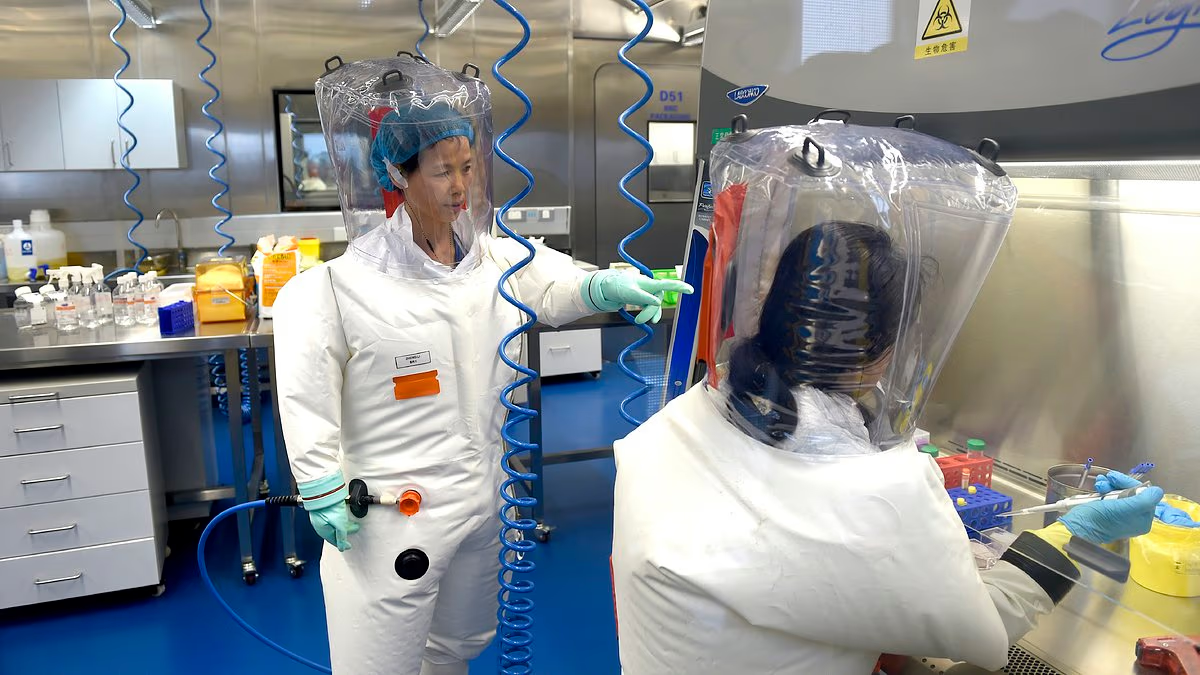
Chinese military-affiliated researchers have bioengineered a COVID-related coronavirus (GX_P2V) that causes 100% mortality in lab mice modified with human DNA, raising concerns about the spillover risk into humans. The study, conducted by researchers from Beijing, has sparked alarm and criticism from experts, who question the ethical and biosafety aspects of the research. The involvement of the U.S. National Institutes of Health (NIH) in funding similar gain-of-function research at the Wuhan Institute of Virology (WIV) has also come under scrutiny, highlighting the ethical and moral implications of such research.
A Chinese scientist attempted to publish the genetic profile of the coronavirus to a U.S. database two weeks before Beijing officially released the sequence, potentially delaying research on tests, treatments, and vaccines. The incident raises questions about how Chinese officials and scientists shared information in the early days of the pandemic, but experts caution that it does not provide insight into the virus's origins. The failure to publish the genetic sequence is seen as a missed opportunity that could have expedited medical interventions. The incident has prompted further scrutiny into the transparency of Chinese officials regarding the virus's origins and the suppression of information by government authorities.