Scientists are exploring the nature of dark matter, which makes up about 85% of the universe's matter, by studying galaxy clusters with NASA's XRISM telescope. They are particularly interested in detecting signals from hypothetical particles called sterile neutrinos, which could decay and produce observable X-ray emissions, potentially revealing the particles that constitute dark matter.
Cosmic rays pose a significant challenge for human space travel beyond Earth, especially to Mars, due to their damaging effects on living organisms and equipment. Current physical shields are insufficient against high-energy cosmic rays, prompting research into biological protection methods such as antioxidants, hibernation-like states, and leveraging organisms like tardigrades. Advances in simulation and accelerator technology, along with increased research investment, are crucial for developing effective protection strategies to enable safe long-duration space missions.
A JetBlue Airbus A320 experienced a sudden loss of altitude possibly due to cosmic ray-induced electronic glitches, highlighting the impact of space weather on aircraft safety and prompting Airbus to update its software to mitigate such risks.
A JetBlue flight's sudden altitude drop was caused by cosmic ray-induced bit flips in its computer systems, leading Airbus to recall over 6,000 aircraft for software and hardware updates to prevent similar incidents caused by space radiation affecting microchips in fly-by-wire systems.
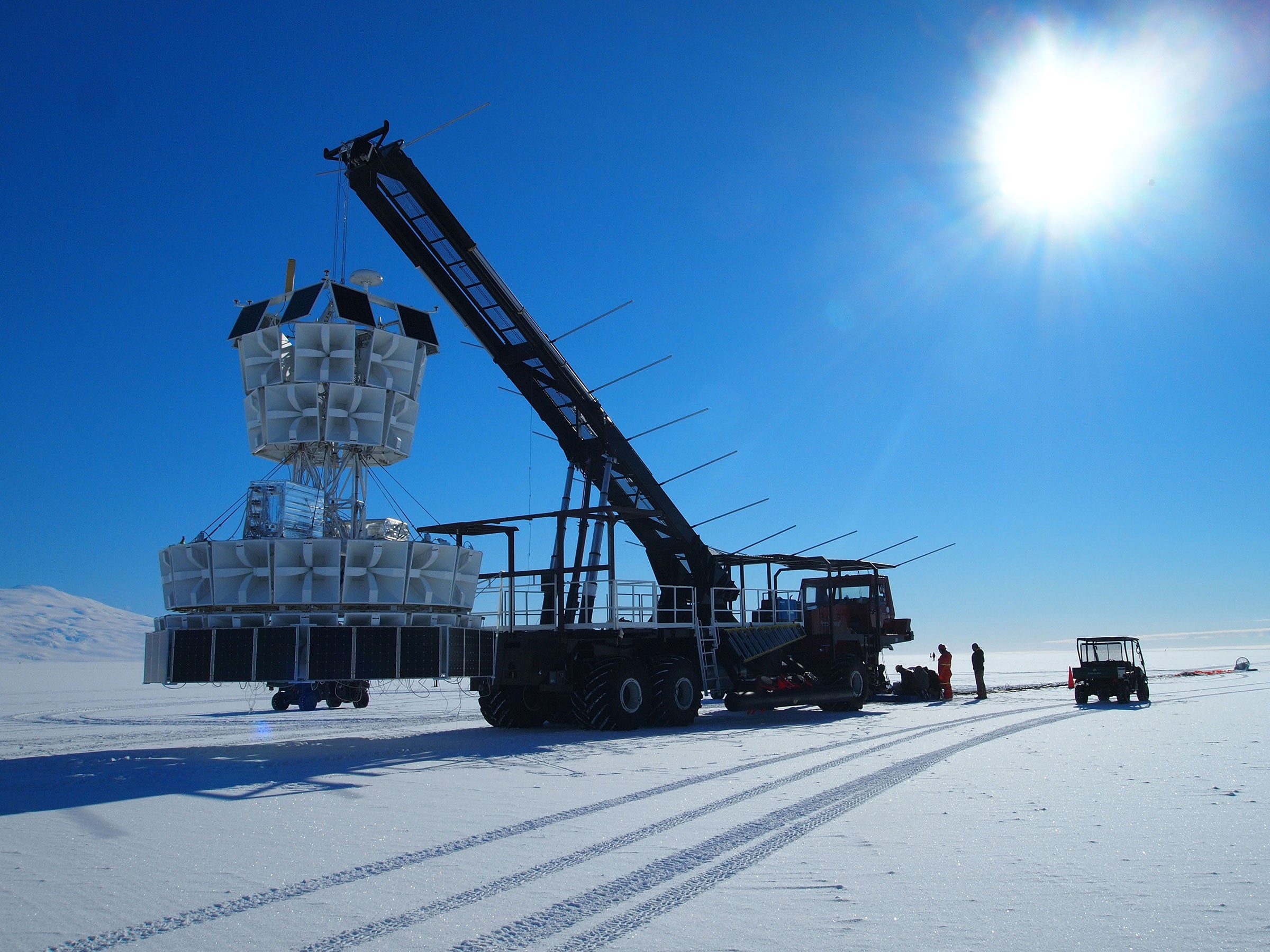
NASA's ANITA balloon experiment detected mysterious upward-moving radio signals from beneath Antarctica's ice, initially suggesting potential new particles or physics, but further analysis indicates these signals are unlikely to be neutrinos, leaving the anomaly unexplained. Researchers are developing more advanced detectors like PUEO to better understand these phenomena.
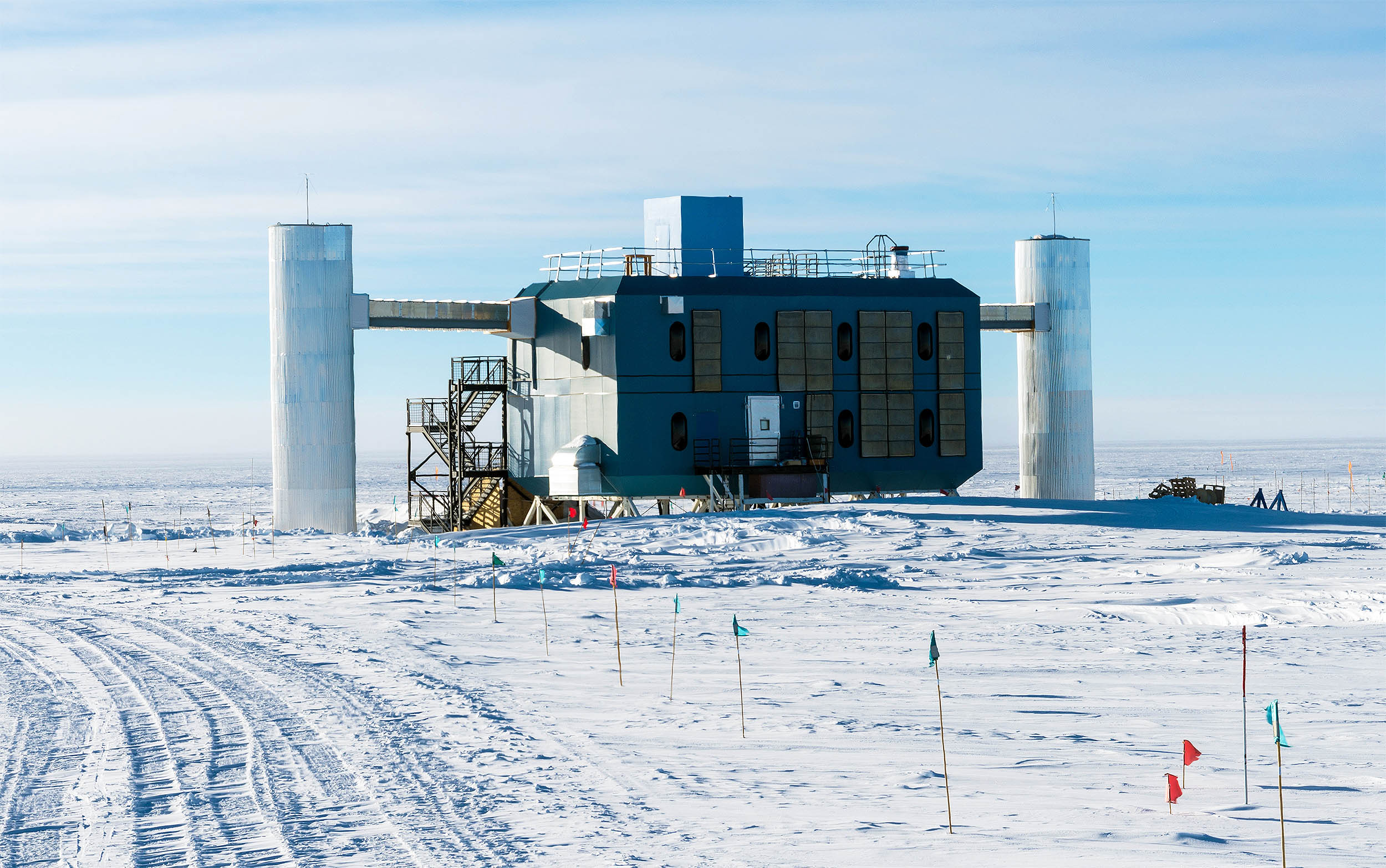
The IceCube Observatory analyzed 14 years of neutrino data, finding a potential source near galaxy NGC 1068 and identifying a new hot spot in the southern sky, using a combined approach that enhances sensitivity to steady neutrino sources and advances understanding of cosmic ray origins.
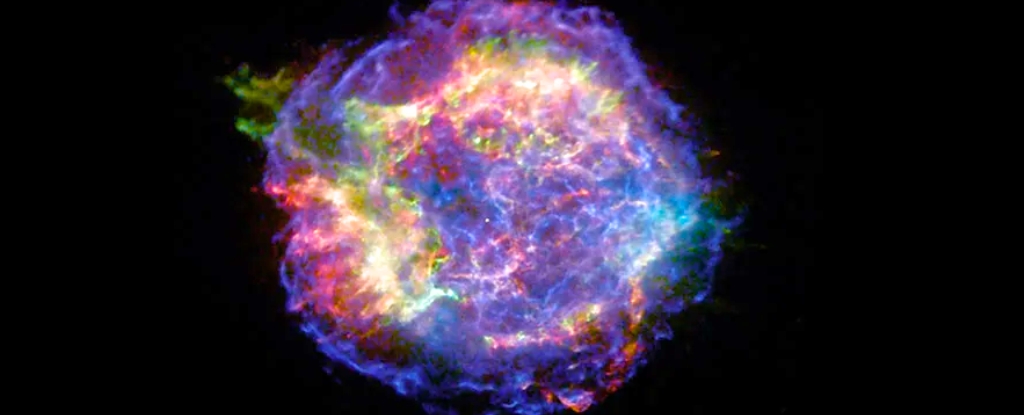
Scientists have found a mysterious spike in beryllium-10 in Pacific Ocean sediments dating back 9-12 million years, which may be linked to a nearby supernova explosion, supported by star cluster data suggesting a high probability of a supernova within 326 light-years of Earth during that period.
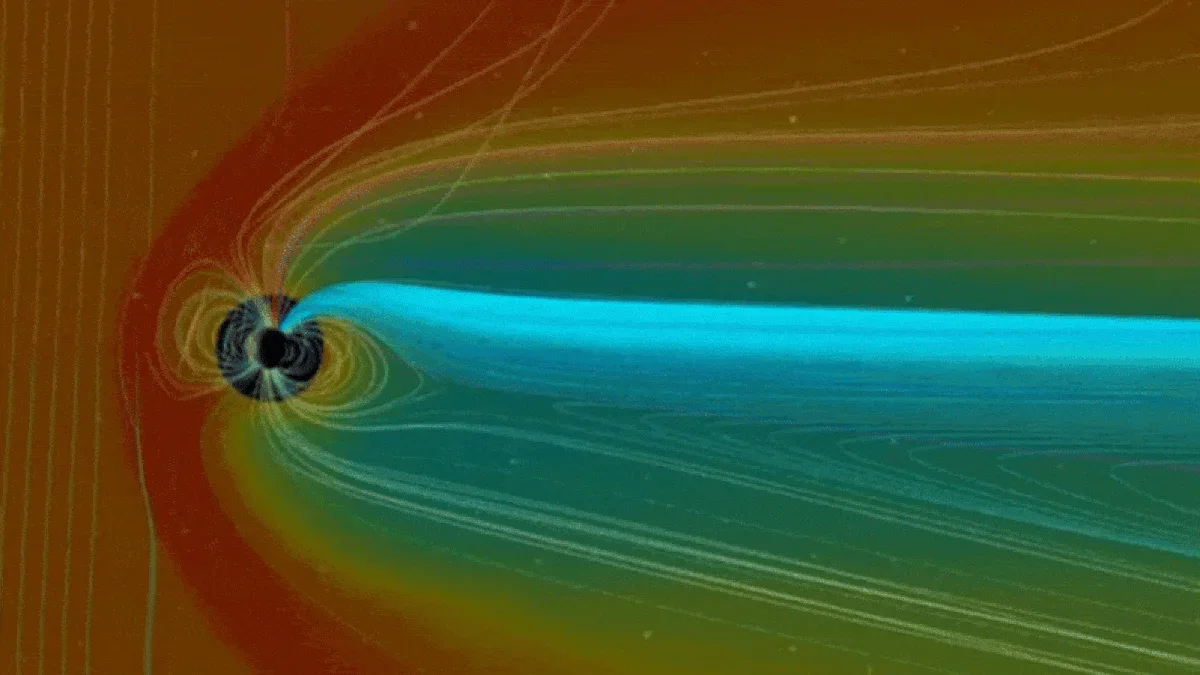
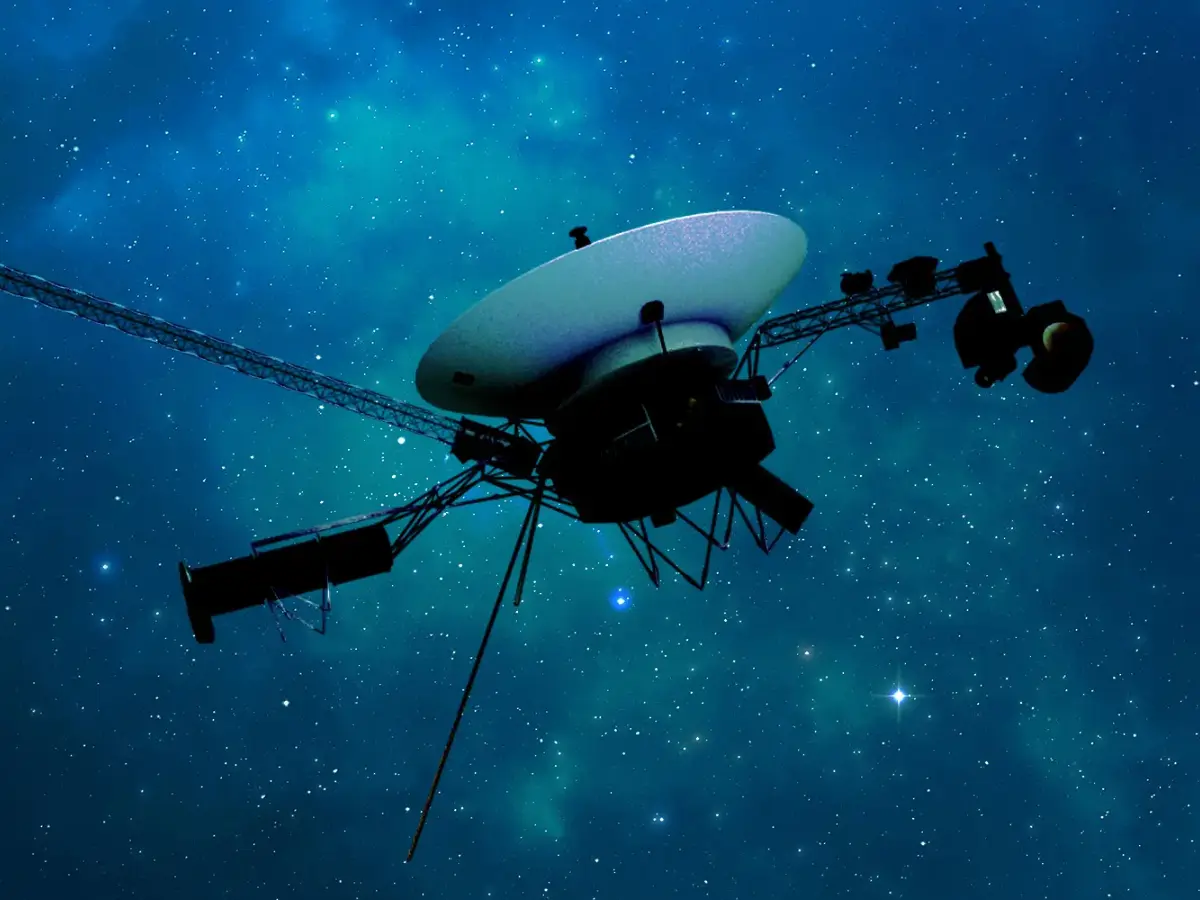
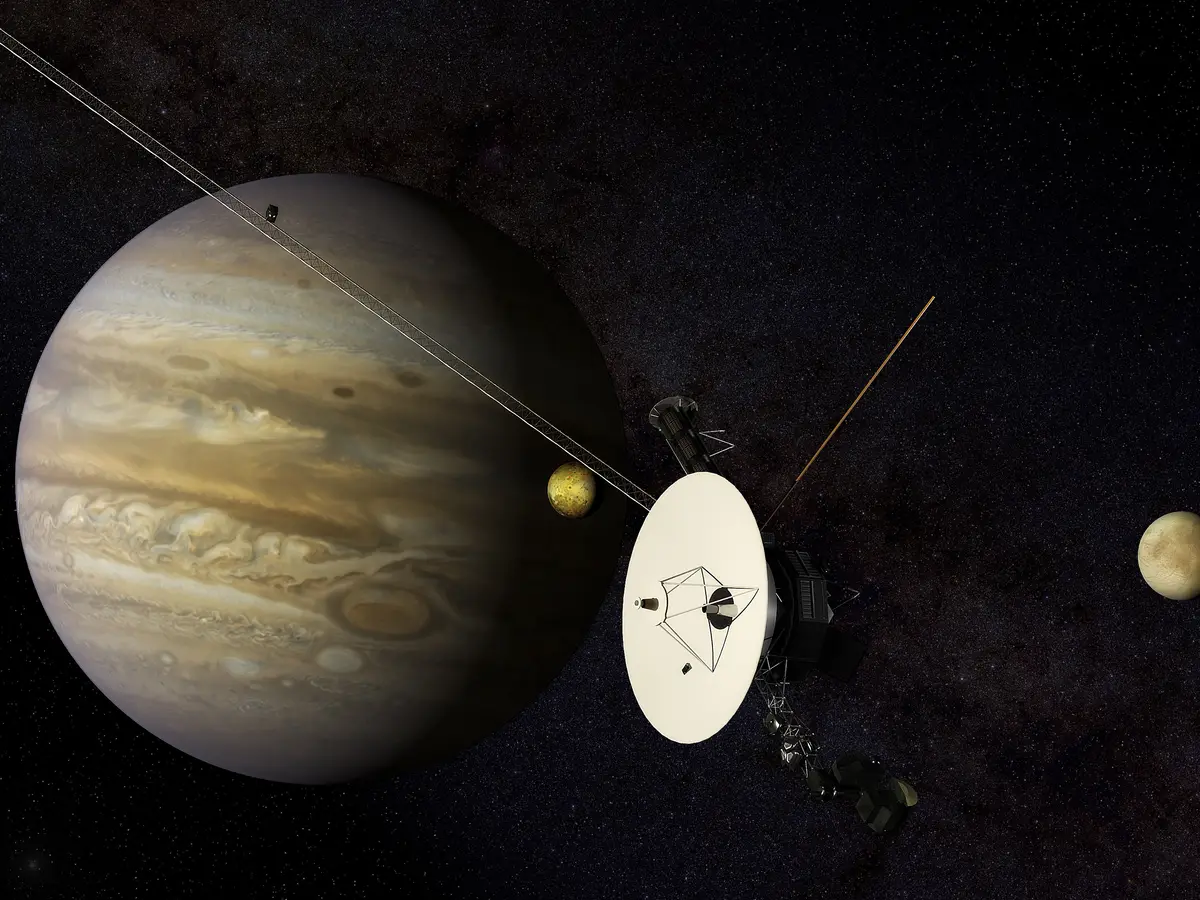
NASA's Voyager spacecraft confirmed the existence of a charged particle firewall at the edge of the solar system, which acts as a protective barrier deflecting cosmic rays and marking the boundary of the Sun's influence, providing insights into space weather and planetary habitability.
Voyager 2's crossing into interstellar space has revealed unexpected findings about the heliosphere's structure, magnetic field alignment, and cosmic ray behavior, raising new questions about the nature of our solar system's boundary and its future evolution.
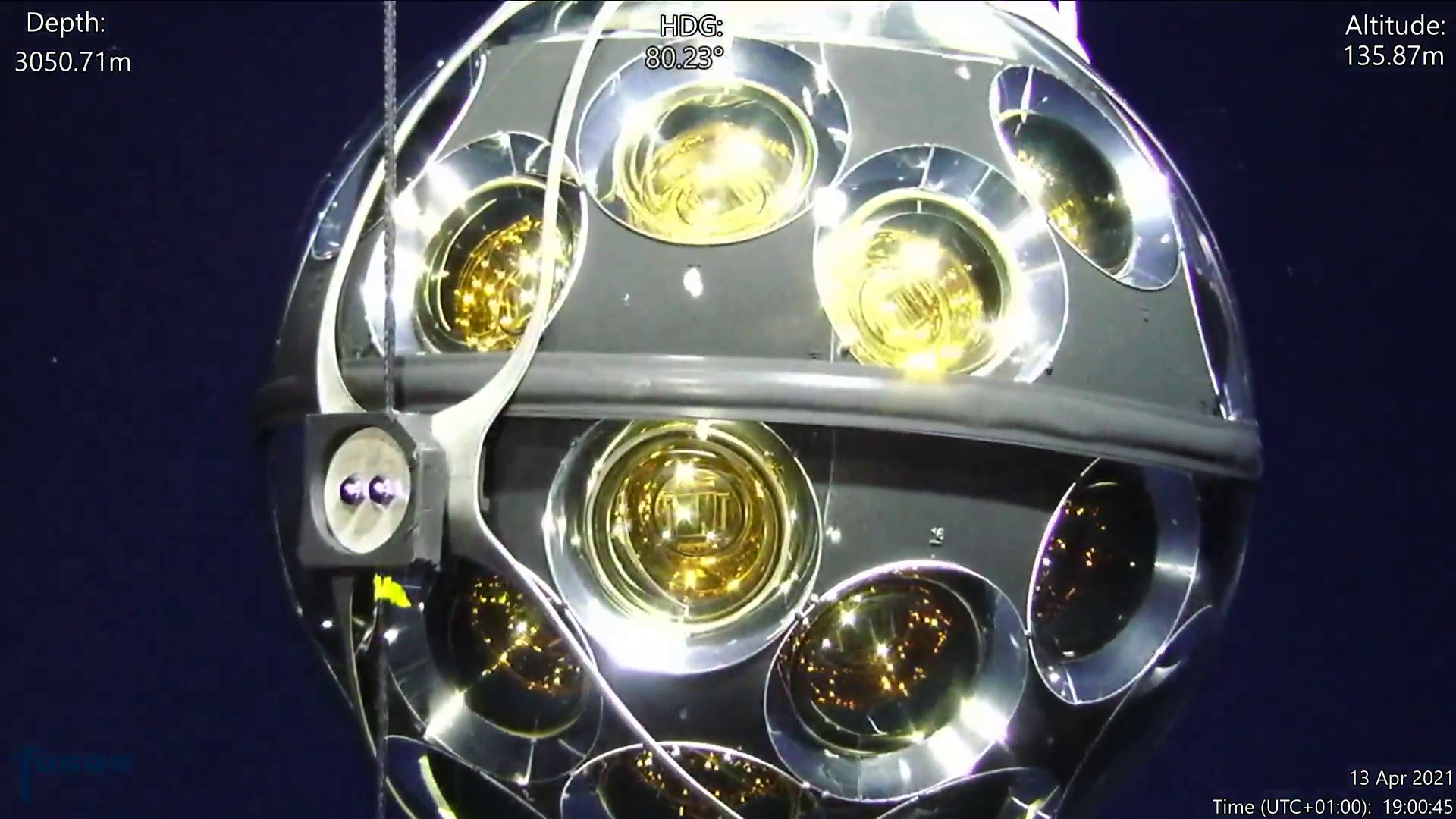
A 2023 detection by the KM3NeT/ARCA neutrino detector has confirmed a record-breaking 220 PeV cosmic neutrino event, likely of cosmogenic origin, highlighting the rarity and significance of ultra-high energy neutrino observations in Earth's oceans.
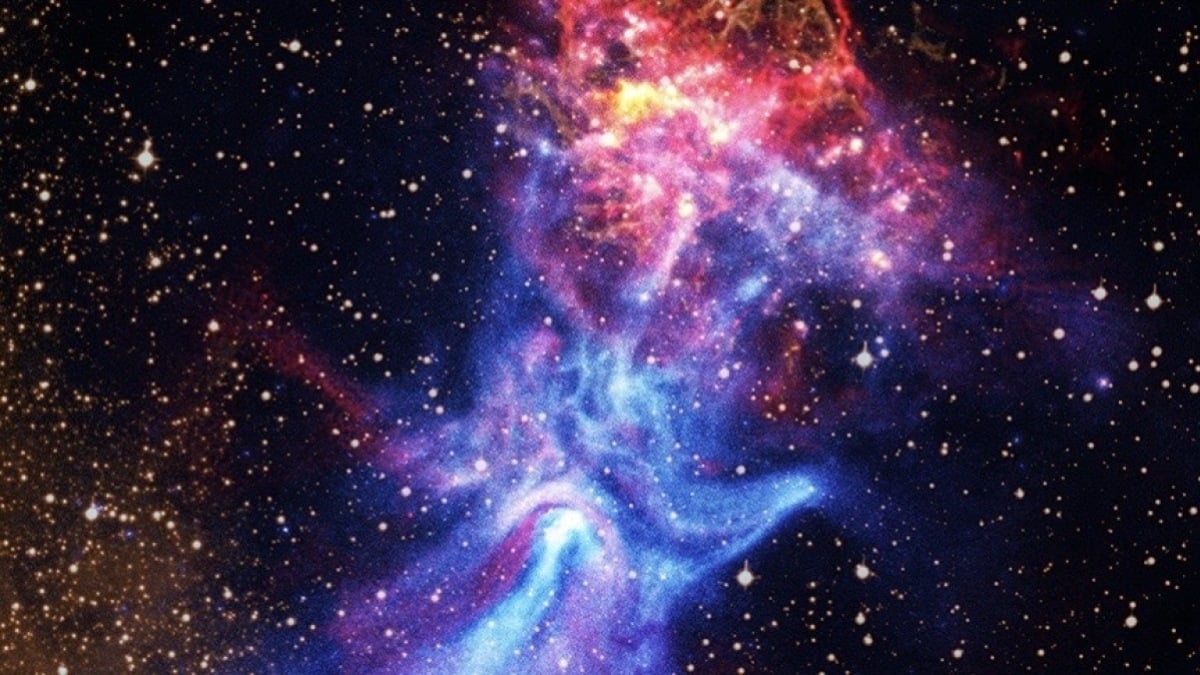
NASA's Chandra X-ray Observatory and radio data reveal new insights into the pulsar wind nebula MSH 15-52, a young, powerful nebula formed by a supernova explosion, with features that challenge current understanding of high-energy particle interactions and magnetic fields in space.
This week in science, a design for a 400-year trip to Alpha Centauri was proposed, AI models were found to transmit potentially malicious secret messages, life may exist on icy worlds beyond traditional habitable zones, ancient cranial modifications in Europe were discovered, and new deep-sea creatures were filmed in extreme ocean depths. Additionally, concerns about reduced funding for mRNA vaccines and other scientific discoveries were highlighted.
A new study suggests that lightning on Earth is initiated by a chain reaction triggered by cosmic rays from outer space, which produce electron avalanches in storm clouds, explaining the high energy needed for lightning and associated gamma-ray and X-ray emissions.
A study suggests that high-energy cosmic rays could support life beneath the surface of planets and moons like Mars and Enceladus by energizing underground water through radiolysis, expanding the potential habitats for extraterrestrial life beyond traditional warm, sunlit environments.
A scientist explains that while conception in space might be possible, pregnancy and childbirth would face significant challenges due to microgravity and cosmic radiation, making space birth a high-risk and currently unfeasible endeavor.