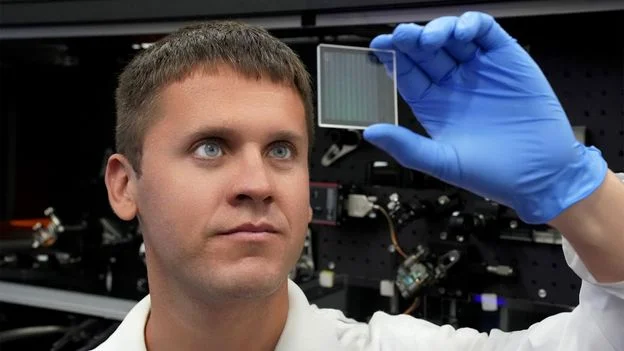
Researchers in Japan have demonstrated that thin films of ruthenium dioxide can exhibit altermagnetism, a new magnetic state that combines the advantages of ferromagnetism and antiferromagnetism, potentially leading to faster, denser, and more reliable data storage technologies. This discovery was achieved by controlling the crystallographic orientation of the material, confirming its intrinsic magnetic properties, and opening new avenues for spintronics and memory device development.
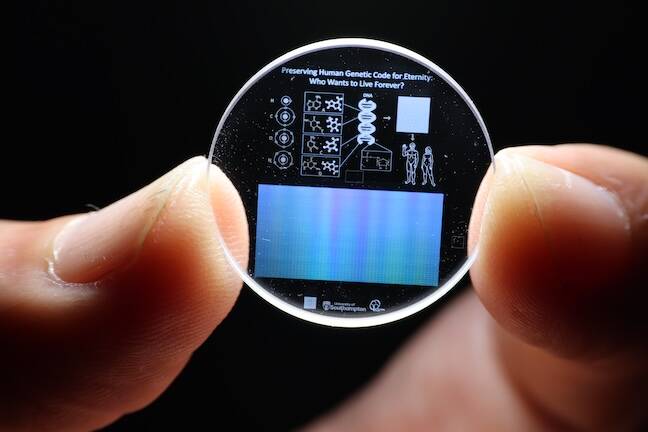
A new 5D Memory Crystal technology using fused silica glass can store data for up to 14 billion years, offering a highly durable and scalable solution for long-term data storage, primarily targeting data centers and cold data applications.
Scientists at the University of Colorado Boulder have created visible, room-temperature space-time crystals using common liquid crystals, which pulse rhythmically without external energy, potentially revolutionizing secure data storage, anti-counterfeiting, and optical communication technologies.
Scientists at UC Boulder have created the first visible time crystal, a new phase of matter that repeats its pattern over time, which could have future applications in data storage and anti-counterfeiting technologies.
Pure Storage's stock surged to record highs after beating earnings and revenue expectations in Q2, while NetApp's stock wavered despite solid results, reflecting investor confidence in Pure Storage's growth prospects and strategic partnerships, especially with hyperscalers like Meta.
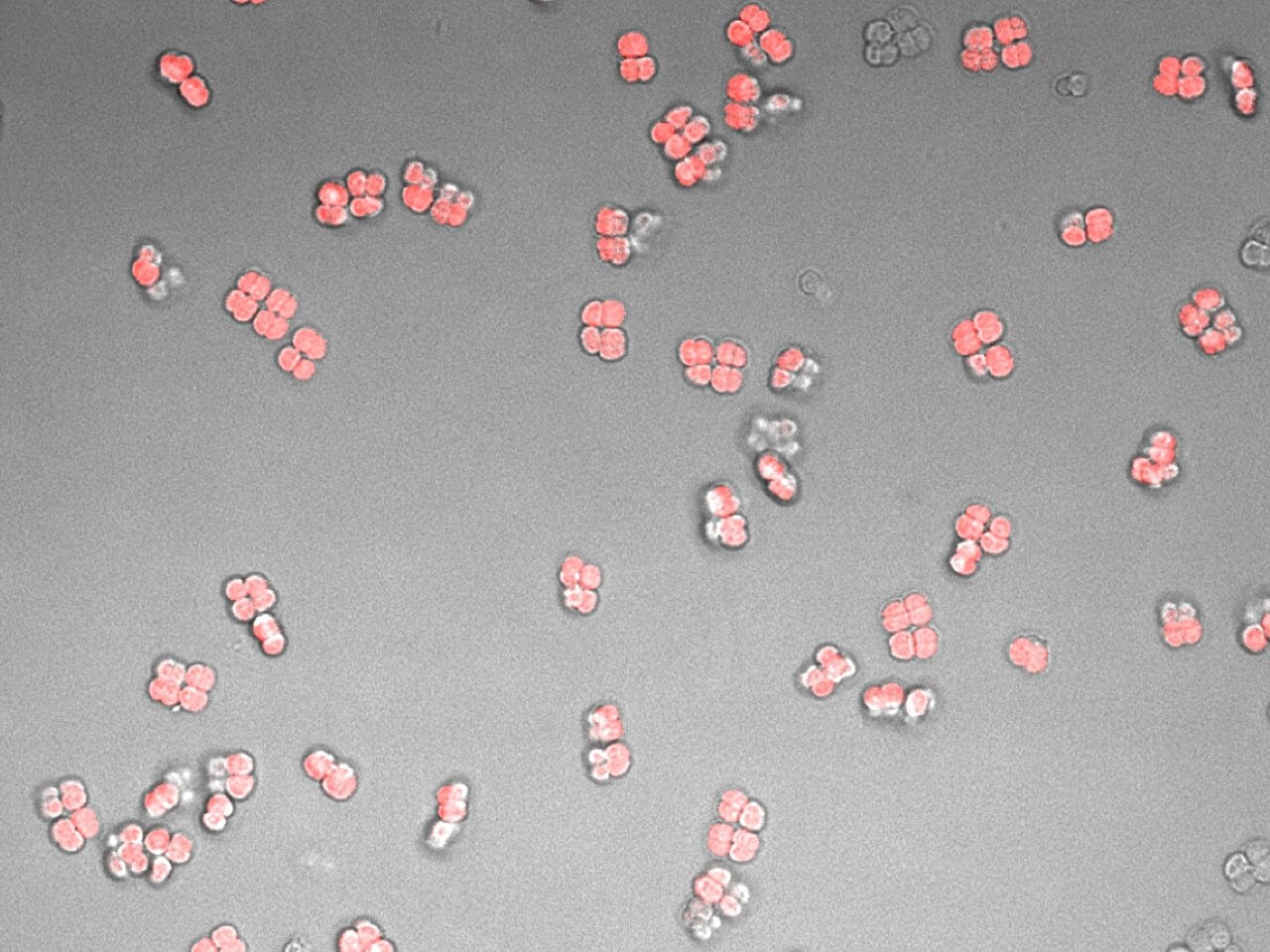
Scientists have engineered a bacterium to encode and recite poetry by embedding a poem into its DNA, which also causes the bacterium to glow red when activated. This innovation aims to preserve cultural messages across geological timescales and has potential applications in long-term data storage and synthetic biology.
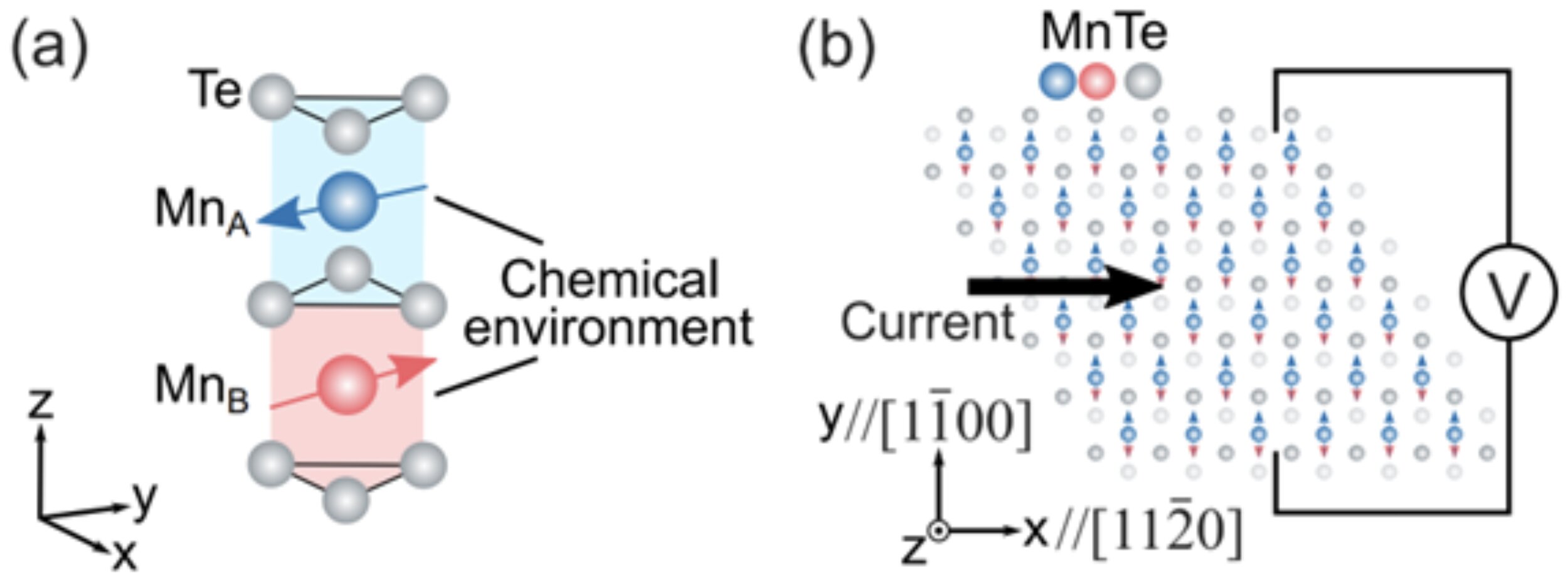
Researchers have demonstrated the electrical switching of altermagnetism in bilayer MnTe, a breakthrough that could lead to new, energy-efficient magnetic memory devices without the need for external magnetic fields, opening new avenues for data storage technology.
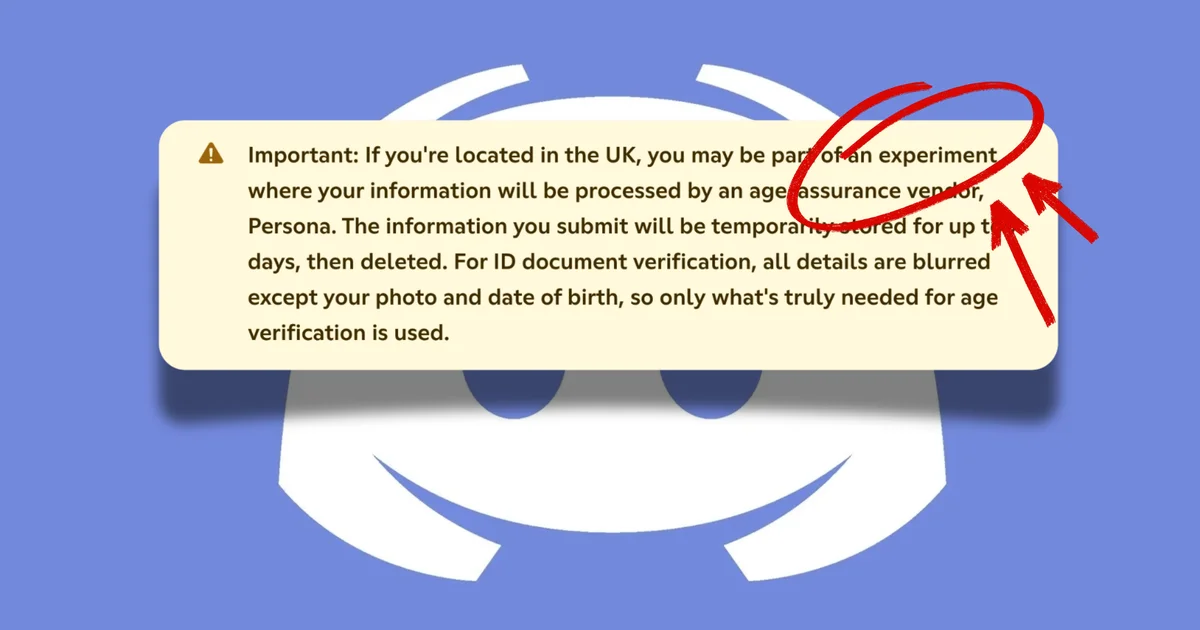
Google's recent update to Gemini clarifies that users can now use the chatbot's features like making calls and sending messages without enabling chat history, which improves privacy by preventing Google from storing or training on those interactions if the user opts out. The change is likely a step toward replacing Google Assistant on Android, and Google has emphasized that user privacy is maintained regardless of the settings. Overall, the alarm raised by initial reports appears to be exaggerated, and the update is a positive move for user privacy.
Loughborough University physicists have used advanced nanolithography to create what may be the world's smallest violin, measuring just 35 by 13 microns, as a demonstration of their new nanotechnology system. This tiny violin serves as a test project to explore nanoscale materials and techniques that could lead to innovations in computing and energy storage. The project also highlights the playful cultural reference to the phrase 'the world's smallest violin.'
Researchers at Henan Key Laboratory of Quantum Information and Cryptography and the S. N. Bose National Center for Basic Sciences have demonstrated that a single qubit can outperform a classical bit in a data storage task without shared randomness, using a photonic quantum processor. This experiment challenges existing no-go theorems and suggests potential advancements in quantum technologies for data storage and communication. The study could lead to further exploration of quantum systems' scalability and effectiveness, with implications for quantum networks and cryptography.
Researchers from the University of Science and Technology of China have developed a diamond-based data storage technology capable of storing 1.85 terabytes per cubic centimeter, potentially preserving data for millions of years. This method uses fluorescent vacancy centers within the diamond's atomic structure to encode information, achieving a storage density 2,000 times greater than standard Blu-ray discs. While not yet commercially viable due to high equipment costs, the technology shows promise for long-term data preservation, appealing to organizations like government agencies and research institutes.
Google will store Maps Timeline data locally on users' devices starting December 1, 2024, enhancing privacy by removing the ability to view this data on the web. This change follows updates to auto-delete controls and is part of Google's response to allegations of misleading location tracking practices. Users are encouraged to enable backups for encrypted data transfer when switching devices.
Google Maps is shifting from cloud-based to on-device storage for location data to enhance privacy. Users must save their travel history to their mobile devices by December 1st before old data is deleted. This change means Timeline data will no longer be accessible from the web, and users need to adjust their settings to manage how long their location data is stored.
Seagate has demonstrated a new technology that will enable the production of hard drives with capacities over 90TB in the future by storing data in multiple layers using heat-assisted magnetic recording (HAMR) technology. This breakthrough, developed in collaboration with Tohoku University and Japan’s National Institute for Materials Science, allows for the potential of 3- to 4-level recording, paving the way for hard drives with capacities over 120TB. While solid state drives offer speed, hard drives still excel in capacity, and this advancement could revolutionize storage capabilities in a small space.
In celebration of World Backup Day, the 16TB Seagate Exos X18 internal hard drive is currently available at its lowest price on Amazon, offering ample storage capacity, a 256 MB cache buffer for enhanced processing speeds, and a 12Gb/s SAS interface for high-speed data transfer rates and reliable connectivity. The drive's helium-filled design reduces air turbulence and includes features to optimize power usage and monitor internal drive conditions. This deal is specific to the U.S. and may not be available in other regions.