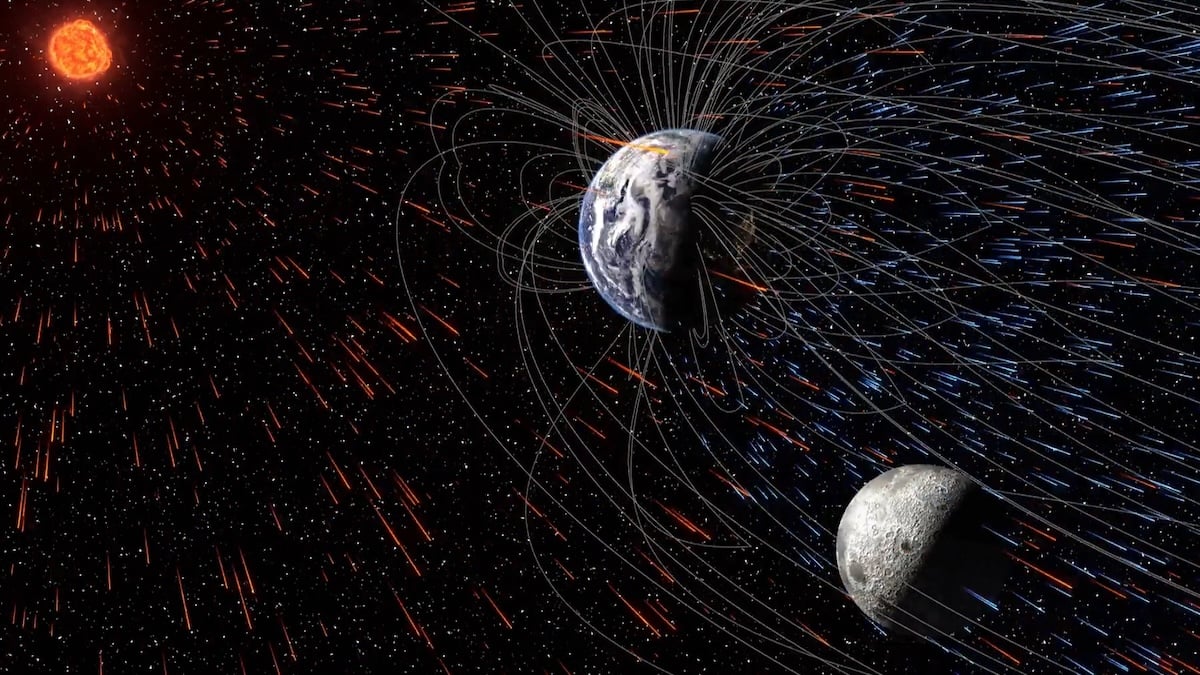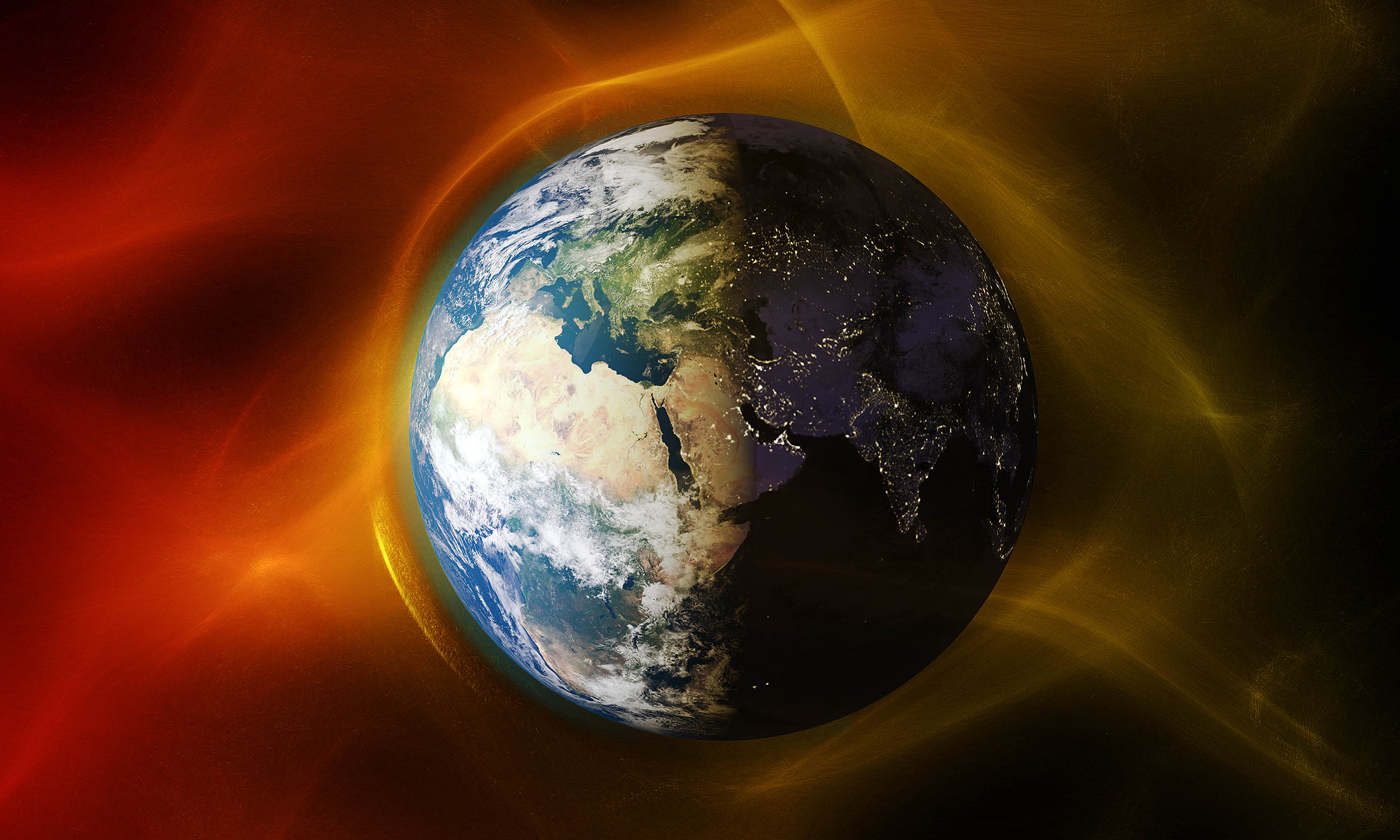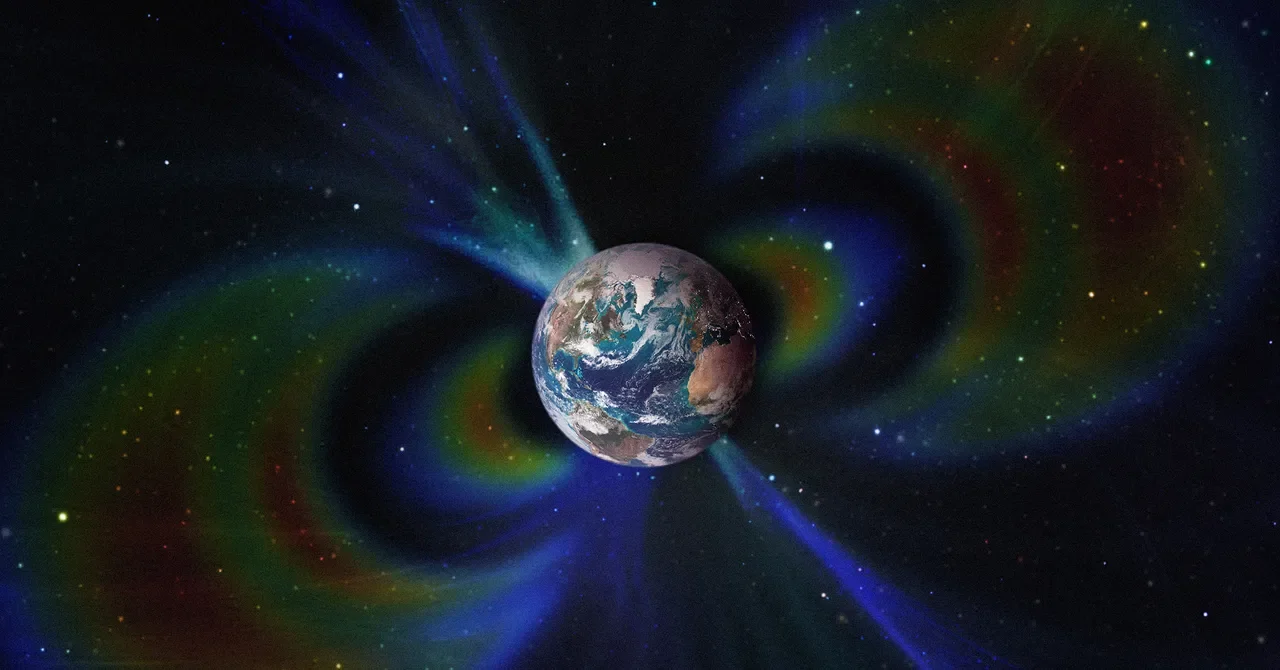
Scientists suggest Earth's magnetic field has transferred atmospheric particles to the moon over billions of years, potentially leaving a record of Earth's past in lunar soil and providing resources for future lunar explorers.
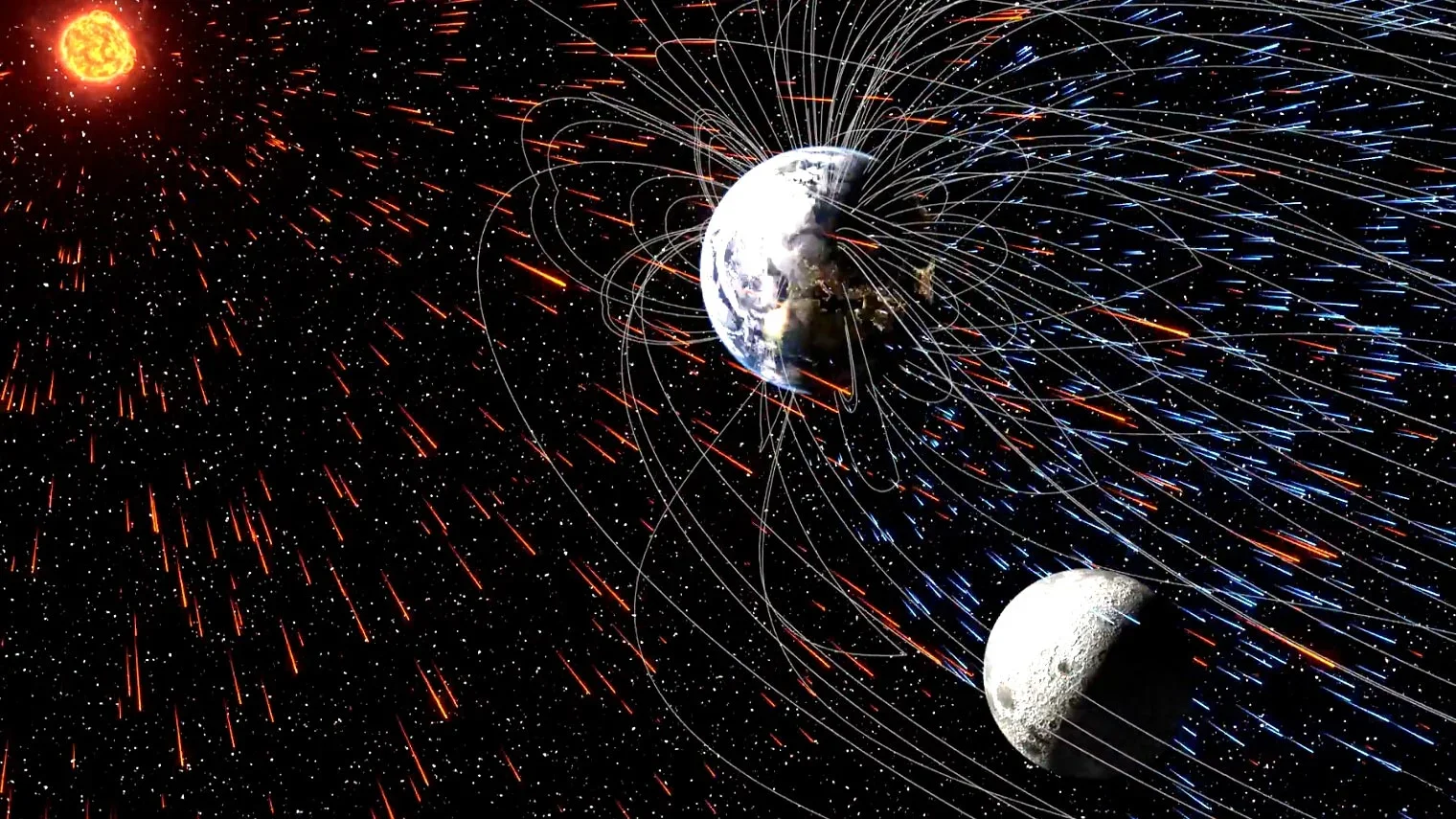
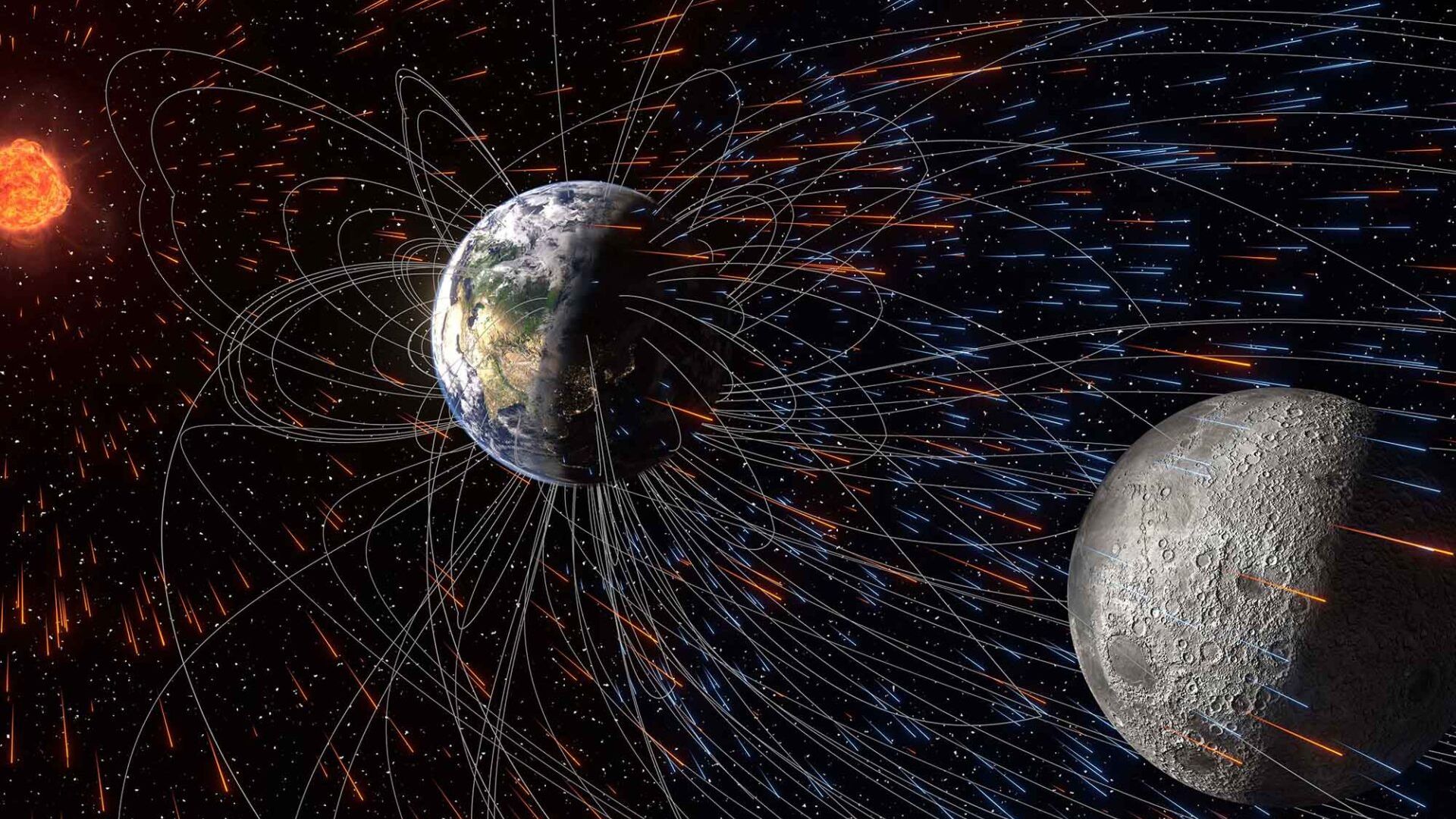
A new study suggests that Earth's magnetic field has been funneling atmospheric particles, including nitrogen and oxygen, onto the Moon's surface for billions of years, contributing to the volatile elements found in lunar soil, challenging previous assumptions about atmospheric loss and transfer mechanisms.
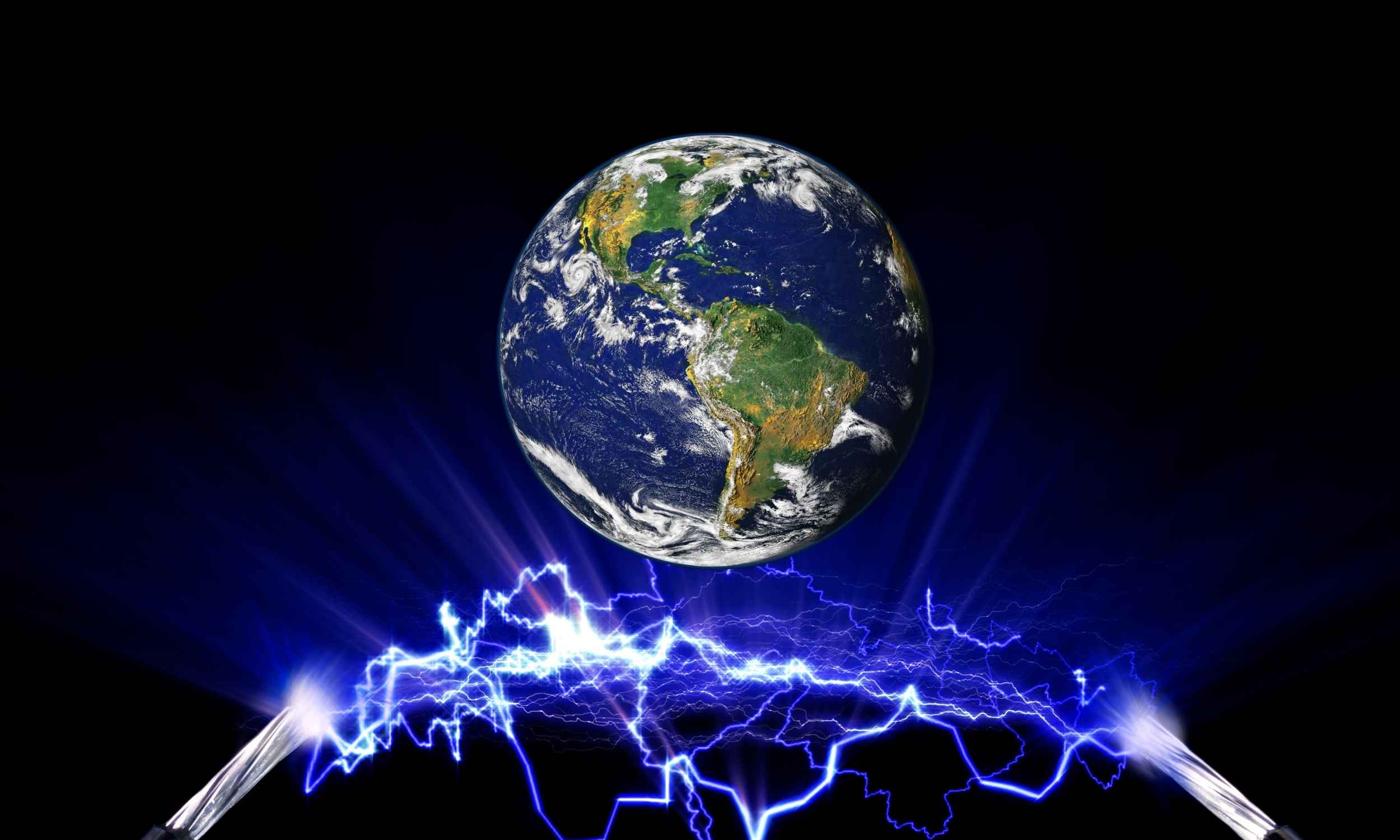
Scientists in the US have developed a device that can generate tiny amounts of electricity by harnessing Earth's rotation and magnetic field, suggesting a potential, though currently impractical, new energy source if scaled up. The experiment involved a specially shaped ferrite shell that avoids the usual cancellation of voltage caused by electromagnetic forces, producing measurable microvolts as Earth spins. While promising, the technology is in early stages, and further independent testing is needed to verify and explore its scalability.
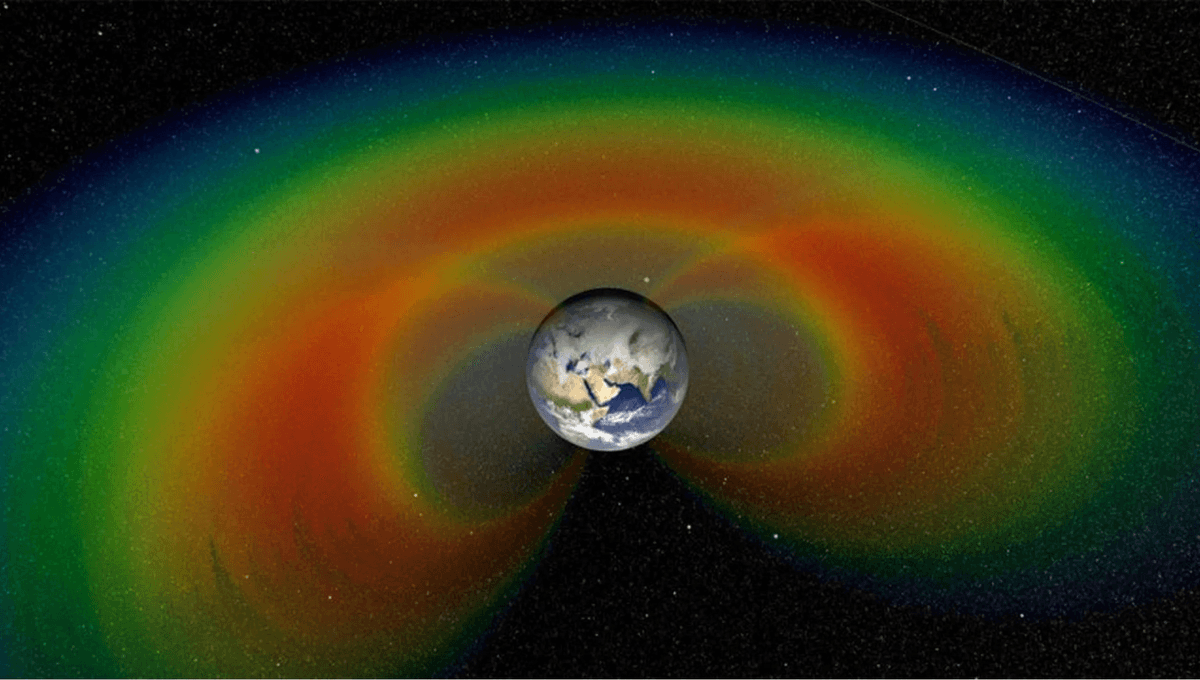
Humans have inadvertently created a human-made barrier around Earth by using radio waves in the VLF range, which influence the Van Allen radiation belts and could potentially be used to protect the planet from cosmic radiation and solar storms.
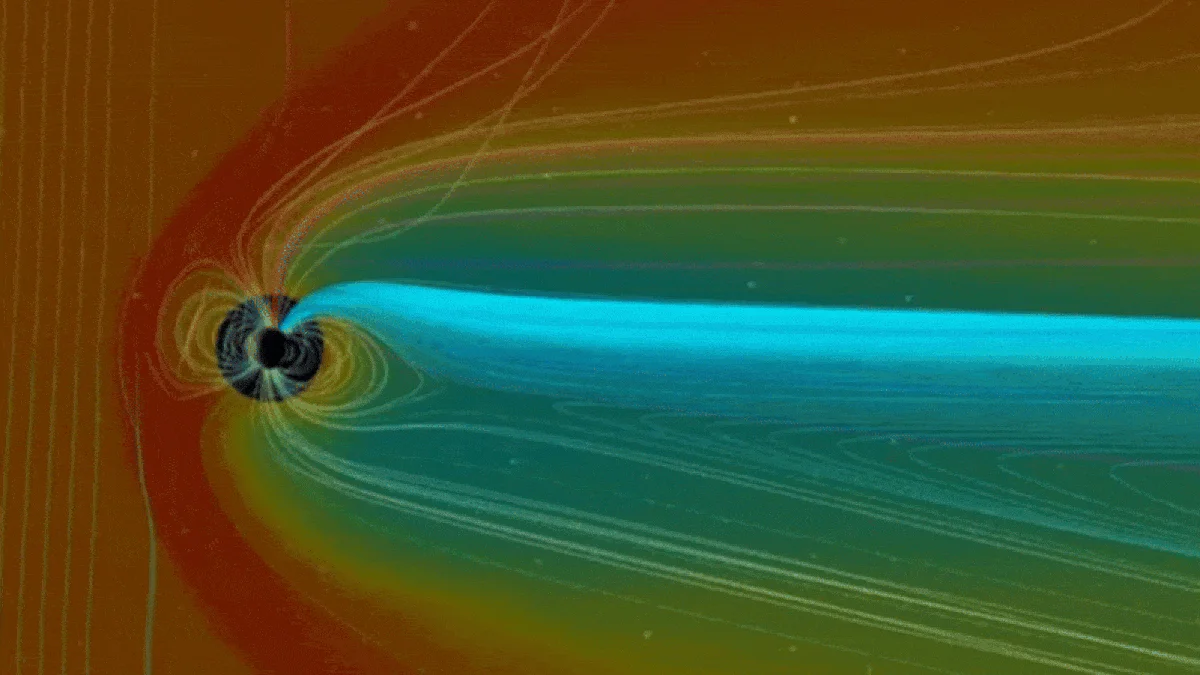
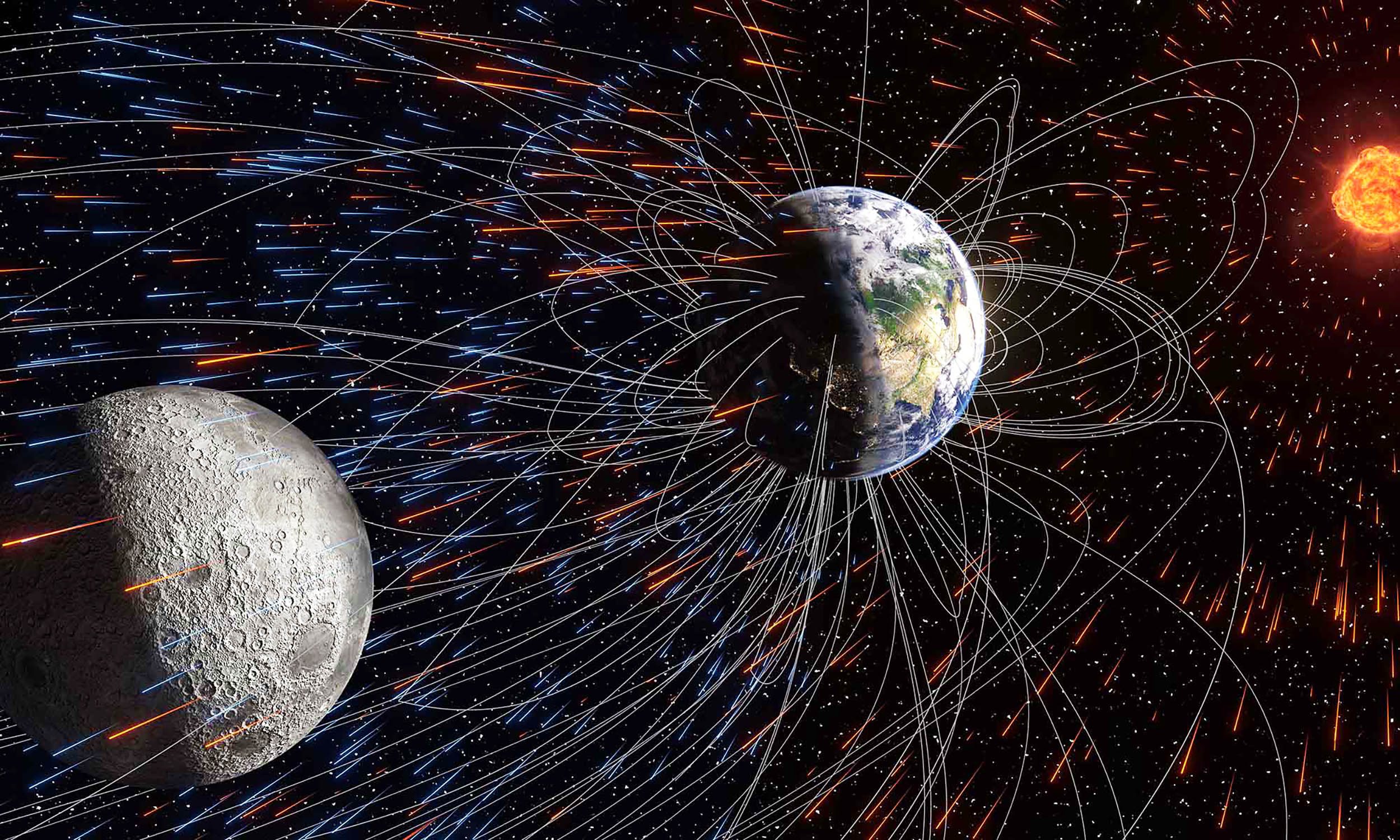
New research suggests that Earth's atmosphere has been gradually leaking particles, including water and nitrogen, to the Moon over billions of years, facilitated by Earth's magnetic field, which acts more like a guiding rail than a shield. These particles are preserved in lunar soil, creating a long-term archive of Earth's atmospheric history and potentially providing resources for future lunar exploration.
A NASA-led study reveals a strong correlation between Earth's magnetic field and atmospheric oxygen levels over the past 540 million years, suggesting that processes in Earth's molten core have played a crucial role in creating conditions suitable for complex life, with implications for understanding planetary habitability and the search for life on exoplanets.
Research shows Earth's atmospheric particles have been traveling to the moon for billions of years via magnetic field lines, potentially creating a long-term record of Earth's atmospheric history on the lunar surface and offering resources for future lunar bases.
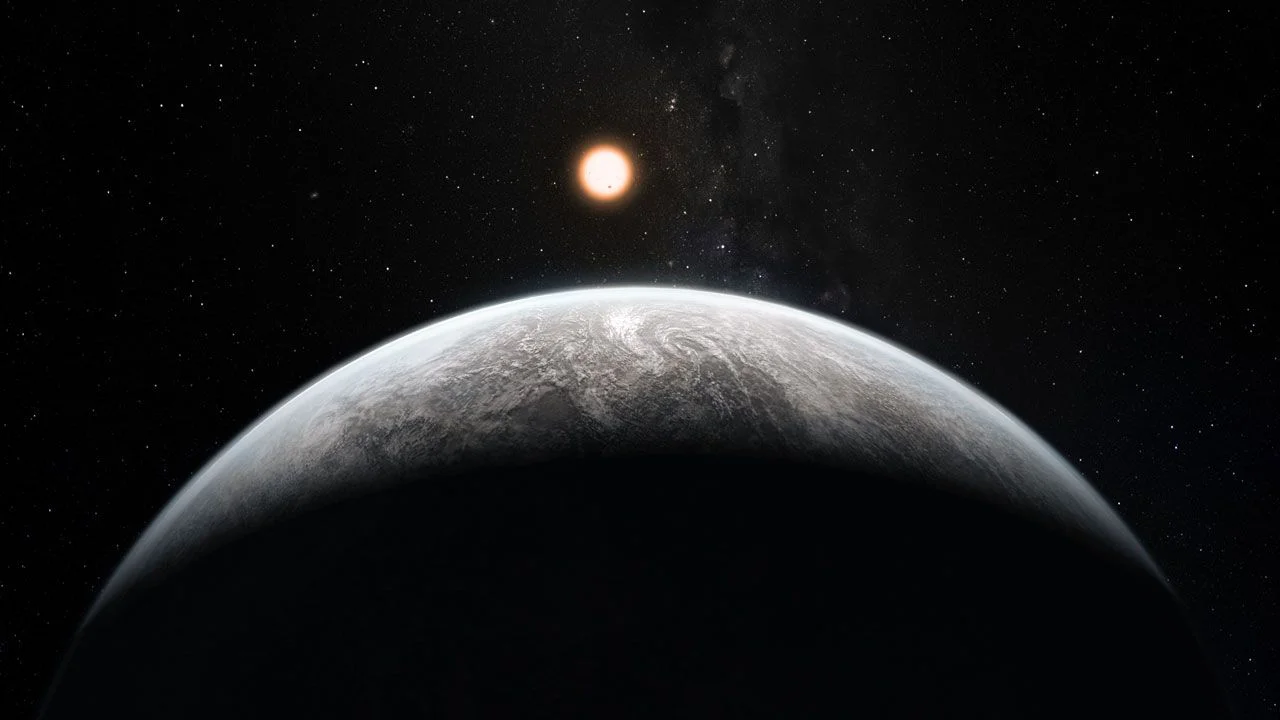
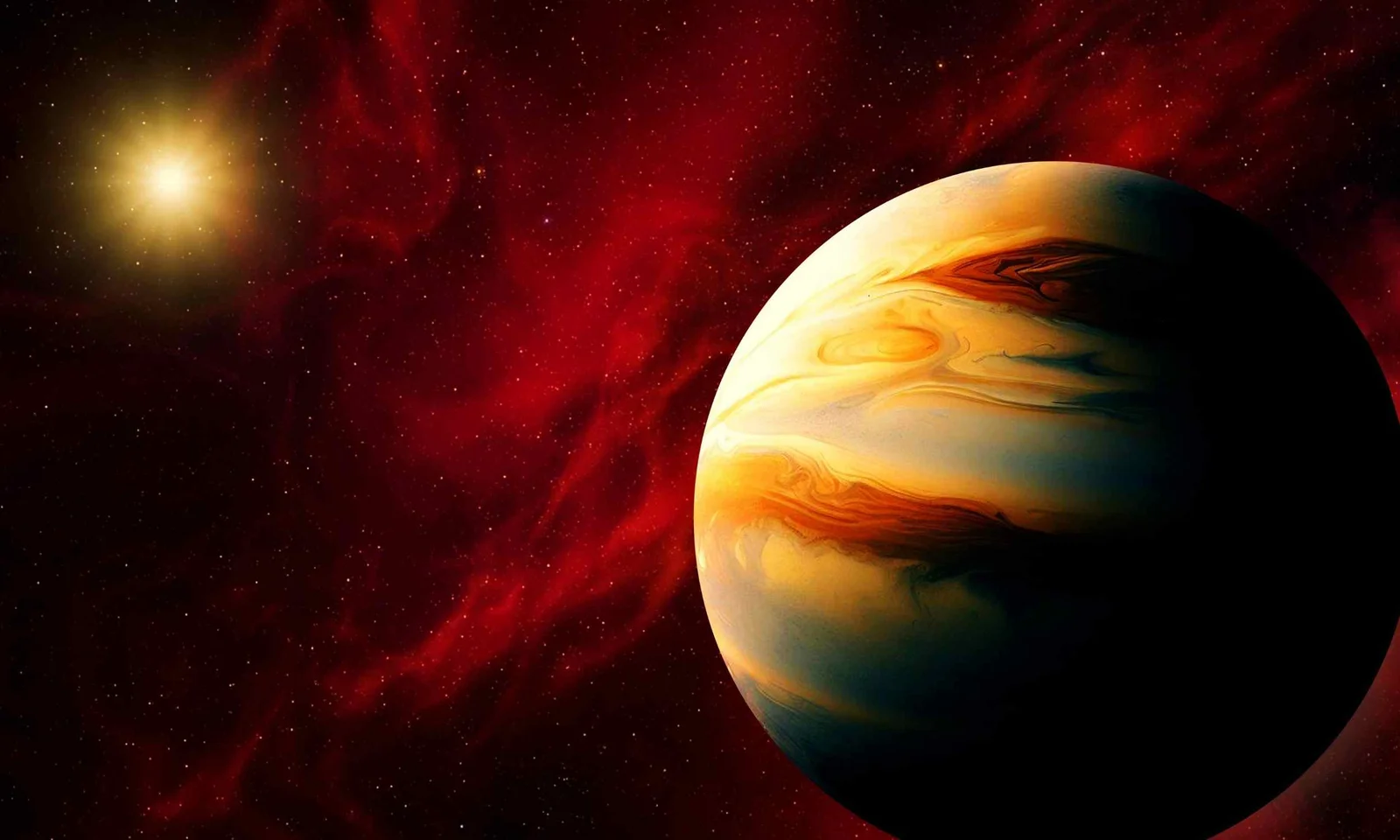
Astrophysicists have detected radio signals from the exoplanet YZ Ceti b, suggesting it may have a magnetic field that interacts with its star, providing insights into how rocky planets can retain their atmospheres despite stellar activity.
Researchers using strong magnetic fields have discovered that quantum oscillations in a certain insulator originate from its bulk, challenging previous surface-based assumptions and exploring a new duality in material behavior, though practical applications remain uncertain.
Chinese scientists set a new world record by generating a steady magnetic field of 351,000 gauss with a superconducting magnet, significantly surpassing previous records and advancing applications in fusion, space propulsion, and power transmission.
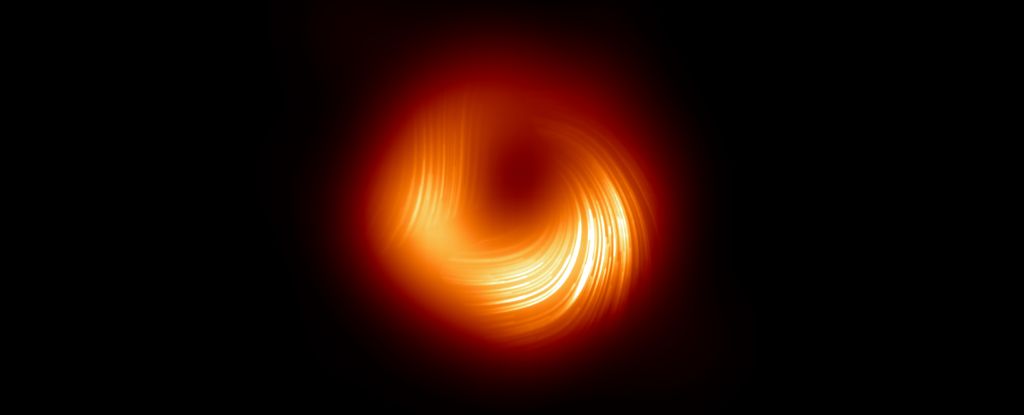
Observations of the supermassive black hole M87* over several years reveal a complete flip in the magnetic field's polarization pattern, indicating highly dynamic and turbulent conditions around the black hole, which could influence jet formation and galaxy evolution.
Scientists have discovered that Earth's core has slowed down and appears to have reversed its rotation relative to the crust, a fluctuation that occurs roughly every 70 years and may influence Earth's magnetic field and climate, though the effects are minimal for daily life.
A study suggests that gravitational tidal forces from Venus, Earth, and Jupiter may help keep the sun calmer than other stars, potentially reducing the risk of extreme solar storms that could disrupt Earth's technology. These forces influence the sun's magnetic activity in a cyclical manner, possibly explaining why our sun's eruptions are milder compared to similar stars, which may have contributed to Earth's habitability.
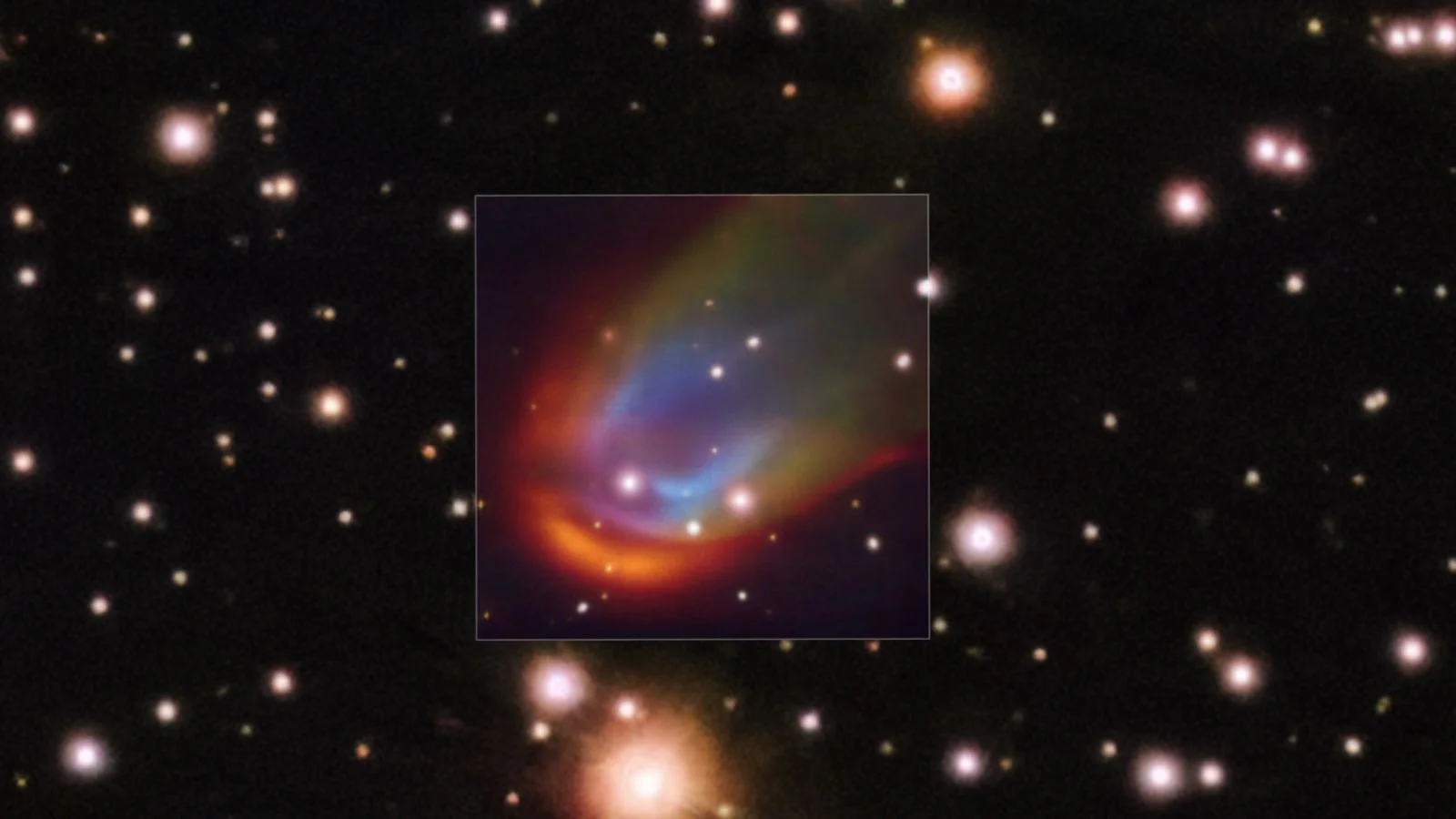
Astrophysicists have potentially discovered a new type of space object called 'Punctum,' a bright, compact dot visible only at millimeter wavelengths with an organized magnetic field, challenging existing astrophysical classifications and highlighting the ongoing surprises in the universe.
Astronomers captured a stunning 15-year time-lapse image of the 'Eye of Sauron,' a magnetic field of a distant blazar's energy jet pointing directly at Earth, shedding light on neutrino origins and the magnetic structure of cosmic jets.