
health-medical-research3.295 min read
"Determined Father's Quest for Son's Cancer Cure"
1 year ago•Source: Fox News

The latest health medical research stories, summarized by AI
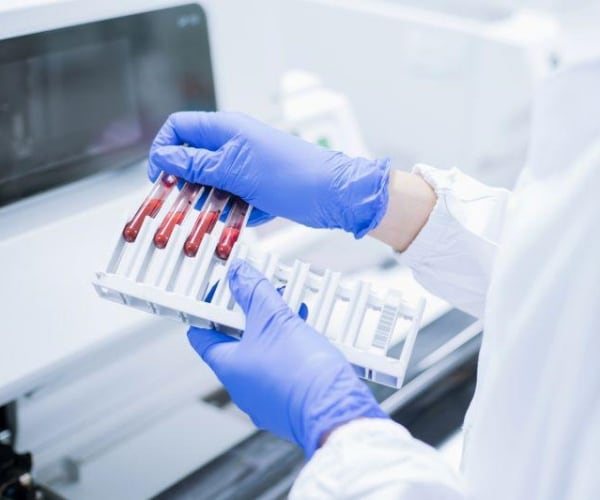
A new blood test has shown promise in detecting early-stage pancreatic cancer with up to 97% accuracy by identifying a genetic "signature" of the disease through the presence of specific RNA particles and DNA markers. The test, which outperformed the established marker CA 19-9, detected 93% of pancreatic cancers in U.S. participants and showed potential for early-stage disease detection. While more research is needed for validation, the findings offer hope for improved early detection of this often fatal malignancy.

The Globe and Mail•1 year ago
Yahoo Finance•1 year ago
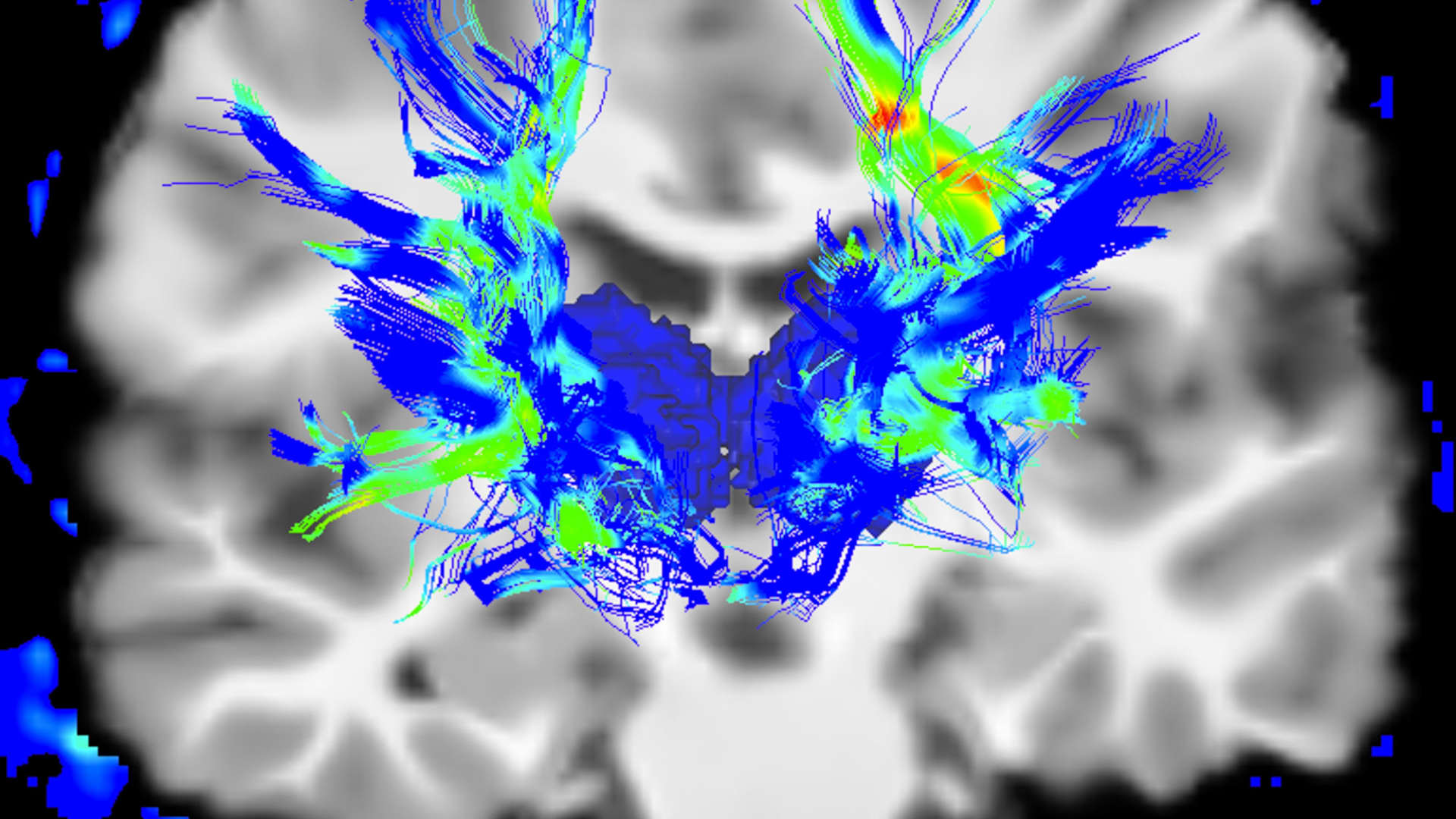
A small mid-stage trial has shown that the diabetes drug lixisenatide, similar to Ozempic, helped slow the progression of motor disability in patients with early-stage Parkinson's disease. The drug, made by Sanofi, demonstrated potential in mitigating symptoms such as tremors and stiffness, but was also associated with an increased risk of gastrointestinal side effects. Larger and longer studies are needed to fully determine the efficacy and safety of this treatment for Parkinson's disease.

New data from a French academic trial published in the New England Journal of Medicine suggests the potential for treating Parkinson’s disease with a GLP-1 agonist, although the impact so far is modest and important questions remain. The study adds to the growing body of research indicating the potential of the GLP-1 drug class to treat a wide range of conditions beyond diabetes and obesity, including kidney and heart disease, sleep apnea, and depression.
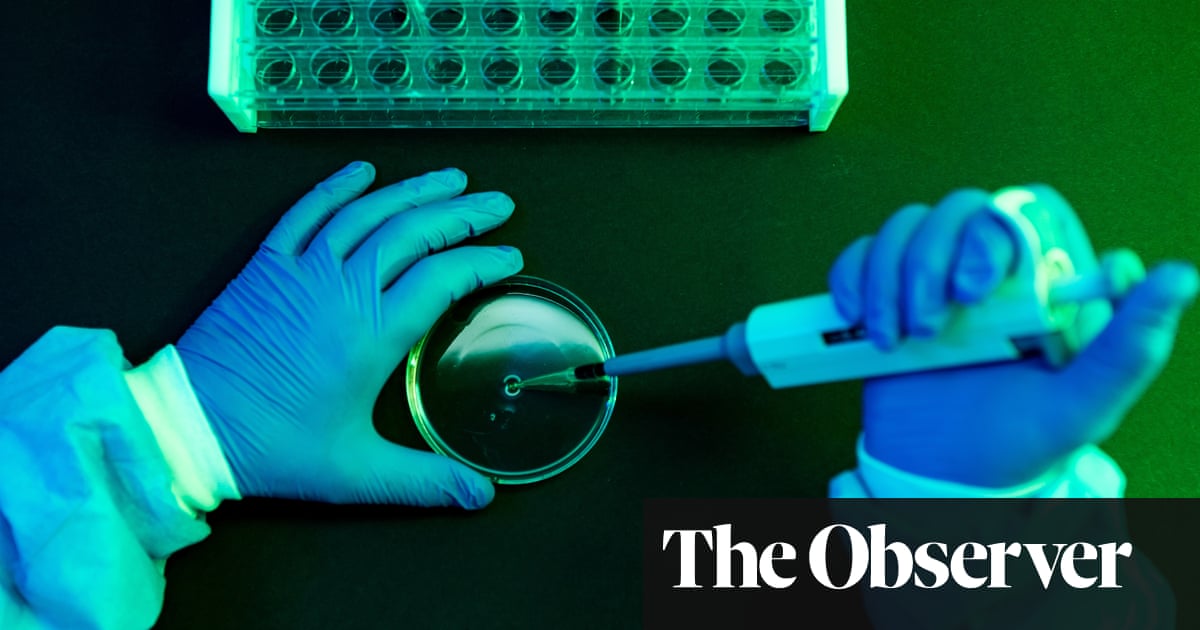
The newly opened Early Cancer Institute at Cambridge University is focusing on detecting changes in cells years before they become tumors, aiming to revolutionize cancer treatment. The institute has received £11m in funding and is developing innovative tests, such as the cytosponge, to detect precancerous conditions early on. By repurposing blood samples, researchers have identified genetic changes that differentiate those who later develop blood cancer from those who do not, providing a long window of opportunity for intervention. The institute's strategy includes pinpointing those at risk of cancer, reducing cancer risks, and ensuring widely administered treatments.
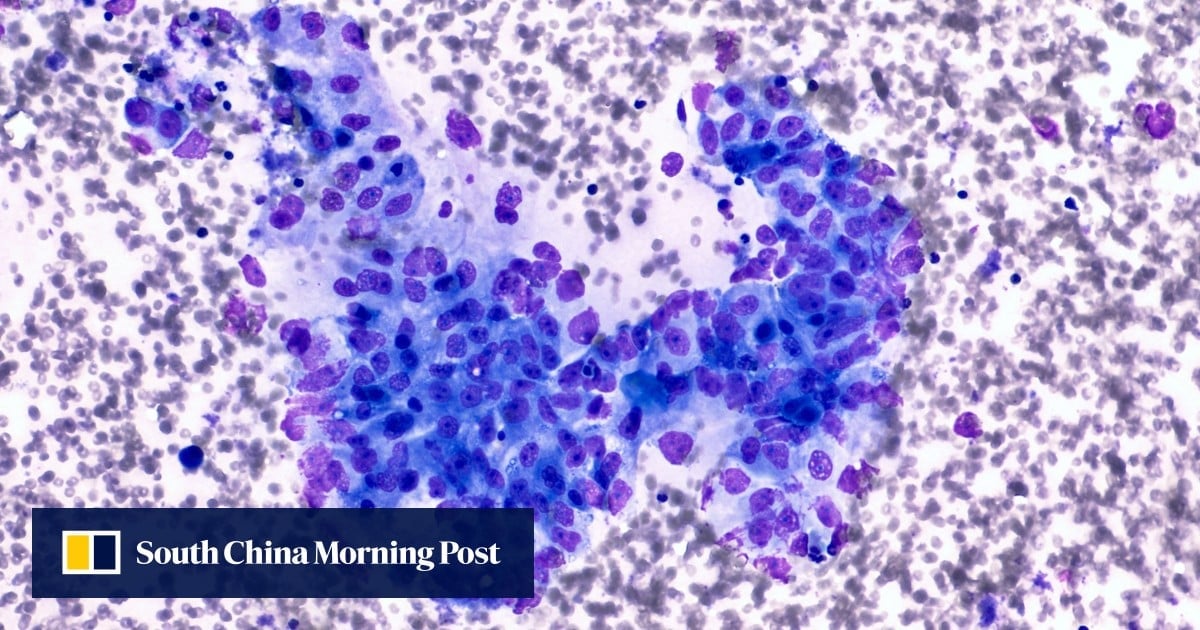
Chinese scientists have identified two protein markers that may predict chemotherapy sensitivity in pancreatic cancer, a discovery that could improve overall survival rates for the disease, which currently has a low five-year survival rate. The study, involving over 1,000 patients, sequenced the proteome and transcriptome to construct a model for pancreatic cancer prognosis and identified the biomarkers NDUFB8 and CEMIP2. The findings are expected to usher in a new era of precision diagnosis and treatment for pancreatic cancer, which is often diagnosed at advanced stages, limiting treatment options.

A breakthrough in breast cancer research has uncovered how to target "hibernating" tumour cells, offering new hope for patients with oestrogen receptor-positive breast cancer. Scientists discovered that hormone therapies can trigger changes in some cells, causing them to lie dormant instead of dying off and leading to a relapse years later. Inhibiting the enzyme G9a prevented cancer cells from becoming dormant and killed the cells that were already hibernating, potentially paving the way for innovative treatments to prevent breast cancer from recurring.
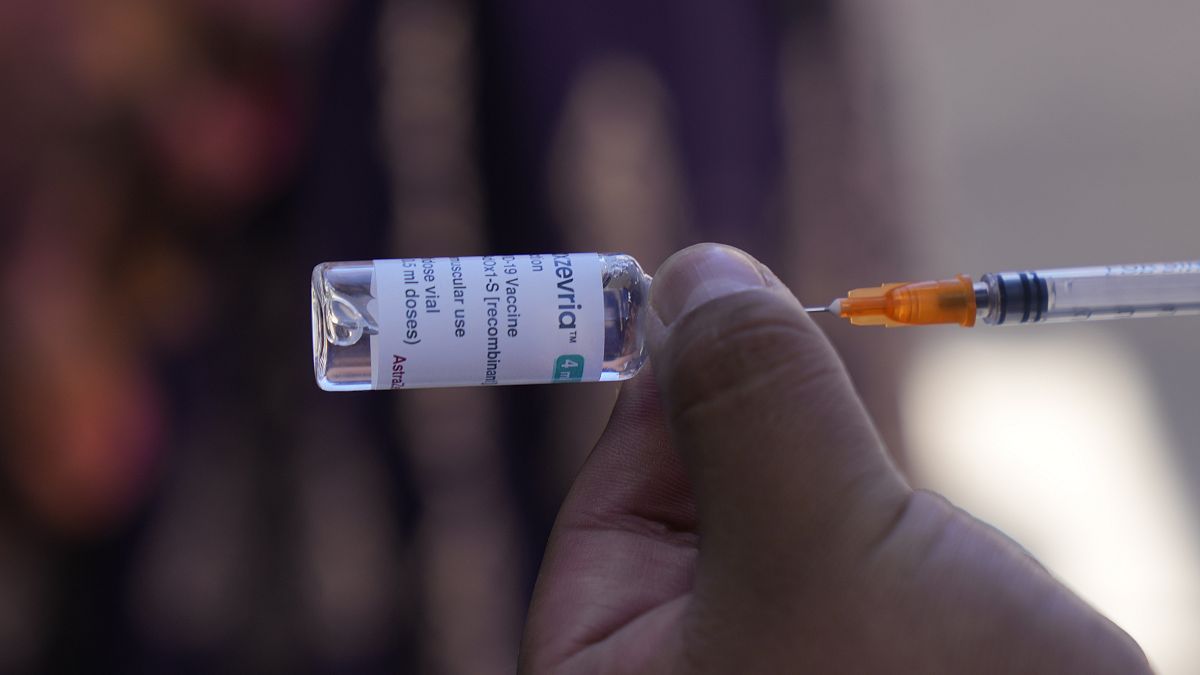
Scientists in the UK have been granted funding to develop the world's first lung cancer vaccine, called LungVax, using technology similar to the Oxford/AstraZeneca COVID vaccine. The vaccine aims to train the immune system to recognize and attack cancer cells, potentially saving thousands of lives. If successful, the project could lead to a significant advancement in preventing lung cancer, which is the leading cause of cancer death in the EU, with cigarette smoking being the largest risk factor.
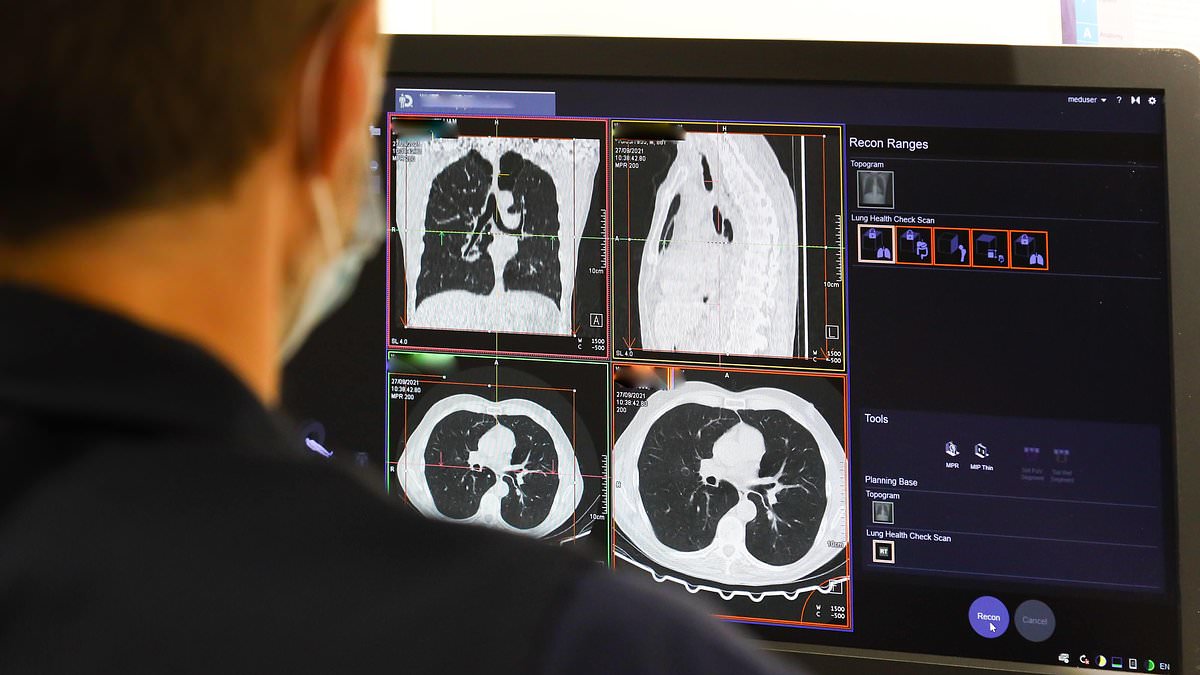
Scientists in London and Oxford are developing a groundbreaking lung cancer vaccine, known as 'LungVax', which could prevent up to 90% of cases by training the immune system to recognize and attack early signs of the disease. The vaccine targets neoantigens on abnormal lung cells and has received funding for initial manufacturing and research. If successful, it will move into clinical trials and could offer a viable route to preventing some of the earliest stage cancers from emerging.
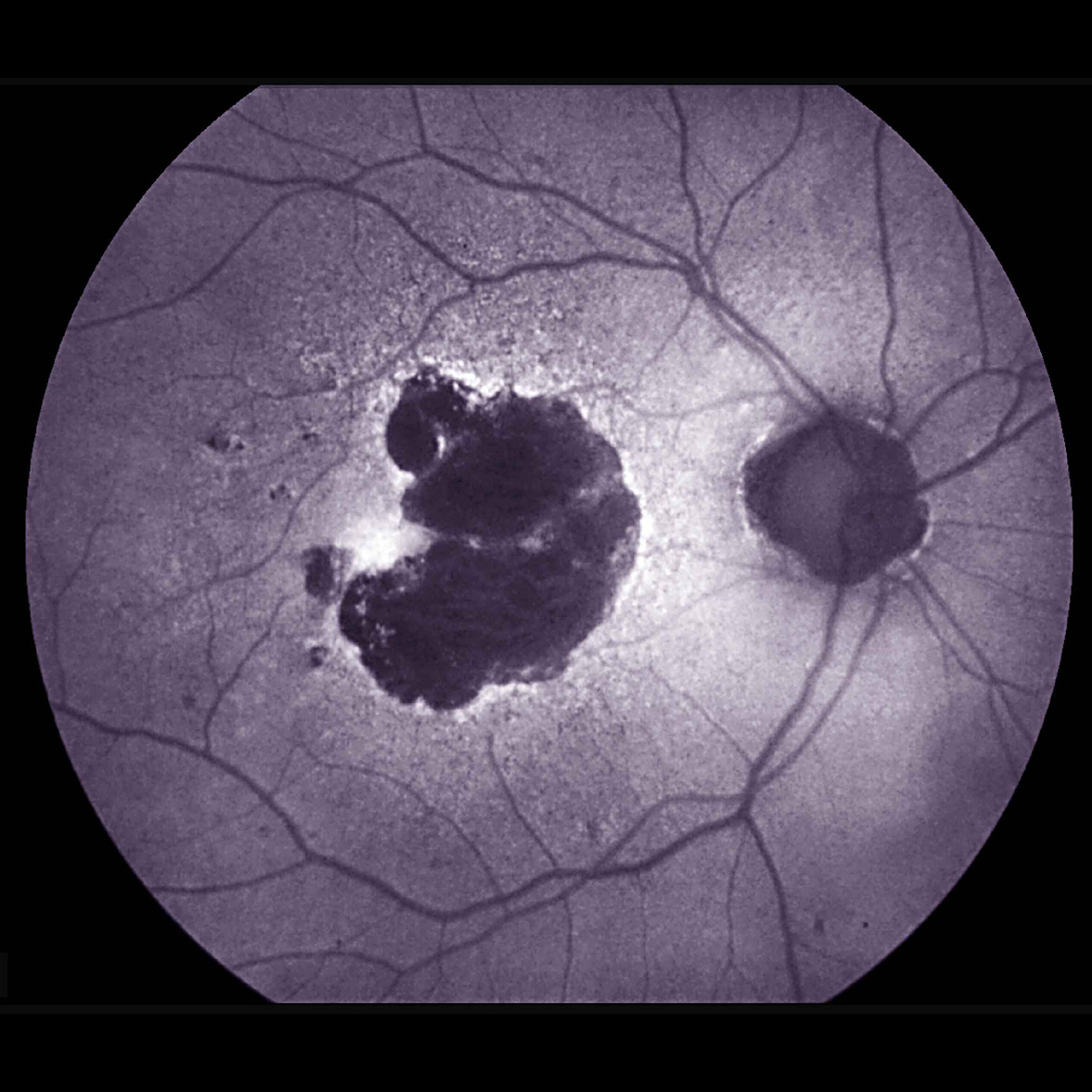
A phase II clinical study at the National Eye Institute (NEI) found that the drug minocycline, which reduces inflammation, did not slow vision loss or geographic atrophy expansion in people with dry age-related macular degeneration (AMD). The trial, led by Tiarnan Keenan, M.D., Ph.D., tested whether inhibiting microglia with minocycline might help slow geographic atrophy expansion and its corresponding vision loss, but found no difference in geographic atrophy expansion rate or vision loss with minocycline. The study was funded by the NEI Intramural Program and took place at the NIH Clinical Center.
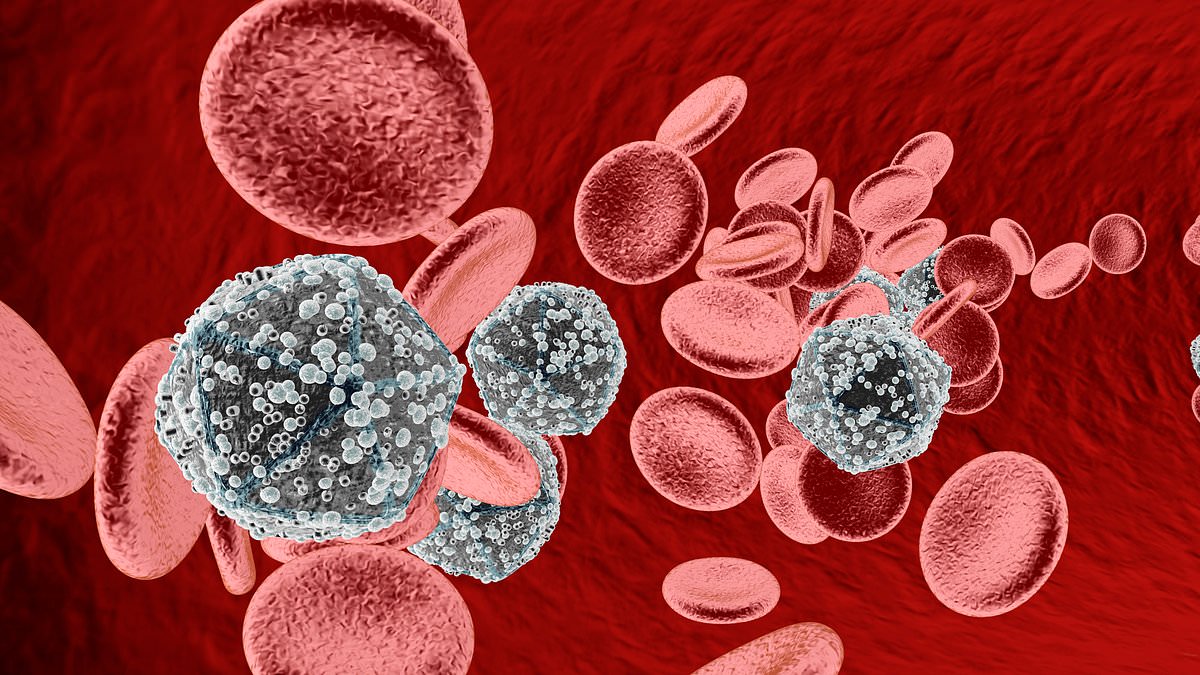
Scientists have made a significant breakthrough in the search for an HIV cure by using "genetic scissors" to eliminate the virus from infected cells in the laboratory. This technique could potentially lead to a treatment that eliminates the need for lifelong antiviral medication. While the findings are promising, it is still premature to declare a functional HIV cure on the horizon, and significant work is needed to turn this proof of concept into a viable treatment. Other research has also shown promise in reversing HIV's ability to escape detection by the immune system.
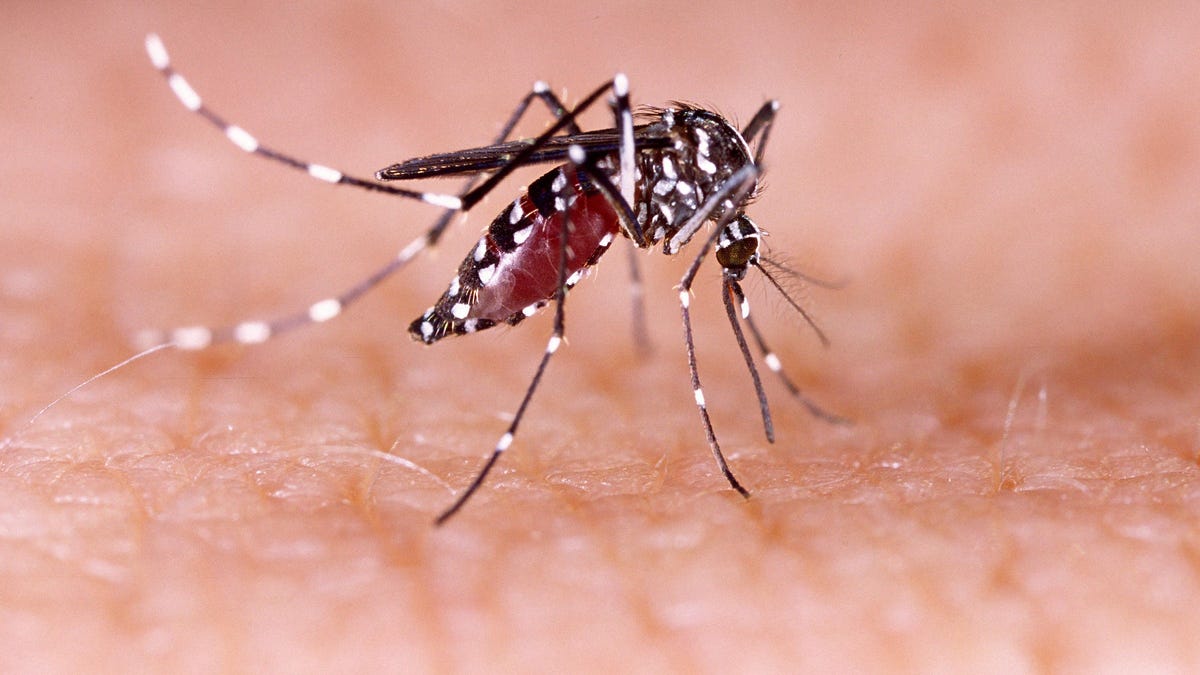
Scientists have developed a weakened version of the Zika virus that shows potential as a treatment for brain cancer, particularly glioblastoma multiforme (GBM). In lab experiments, the virus targeted and killed off tumor cells while sparing healthy cells. This research represents a new approach to repurposing the Zika virus, which has been primarily known for causing severe congenital conditions in newborns. The team from Duke-NUS Medical School plans to further develop the virus as both a Zika vaccine and a potential cancer treatment for various types of cancers.