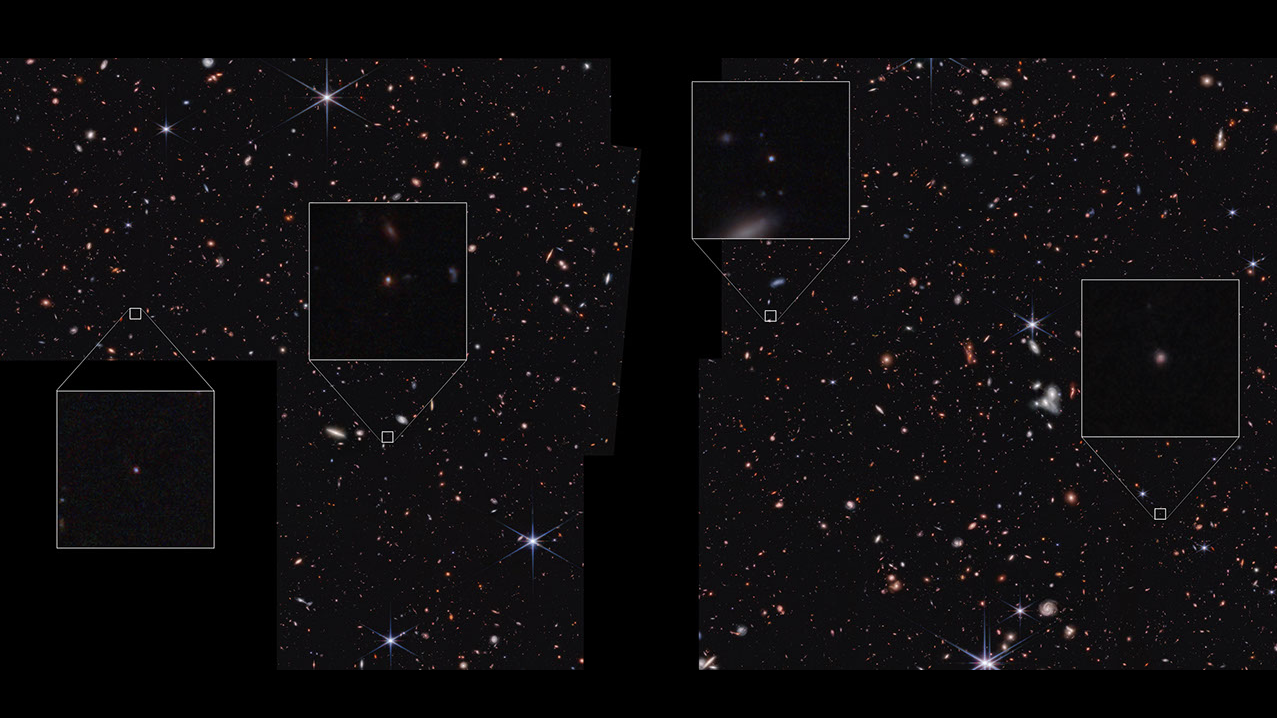
Scientists using the James Webb Space Telescope have discovered nine unusual 'platypus galaxies' that challenge traditional classifications, as they exhibit a mix of features unlike typical galaxies, possibly representing a new type of early universe galaxy or a new stage in galaxy evolution.
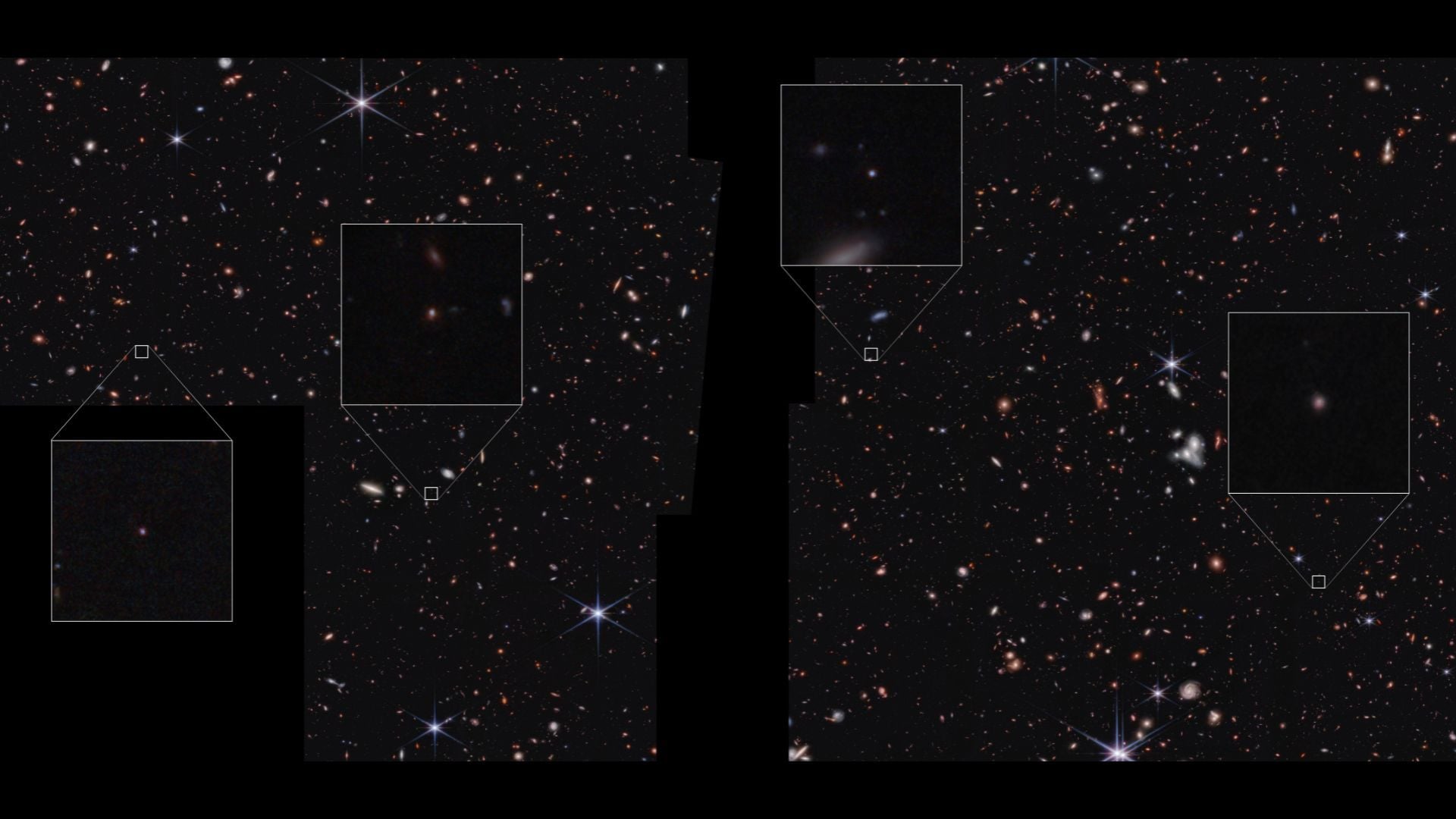
Strange cosmic objects observed by the James Webb Space Telescope may be young 'platypus' galaxies or a new class of active galactic nuclei, providing insights into galaxy formation in the early universe. These objects exhibit mixed features of stars and galaxies, challenging existing classifications and hinting at unique formation processes.
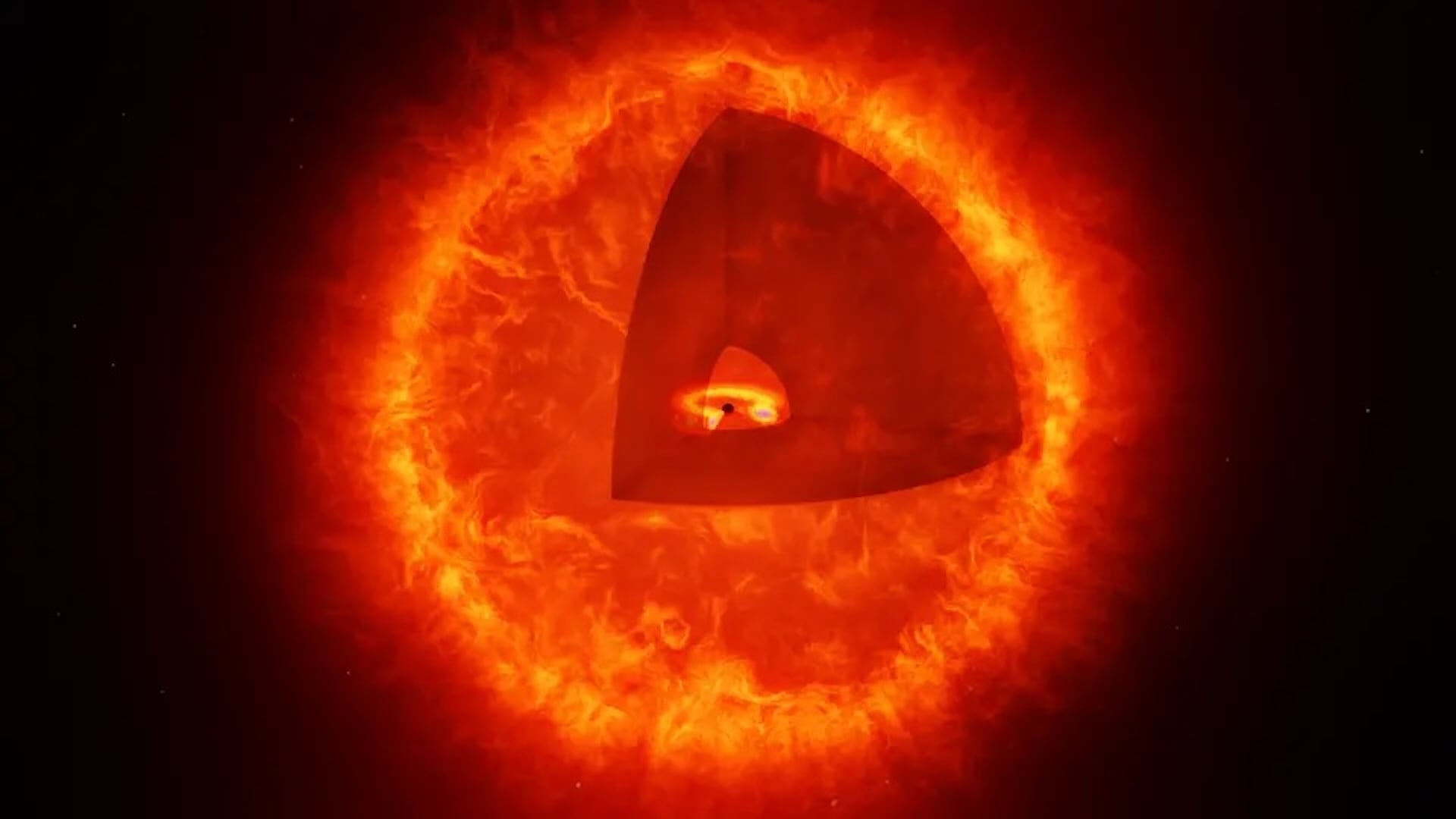
Astronomers using the James Webb Space Telescope have potentially discovered a new class of cosmic object called a 'black hole star,' which could explain mysterious 'little red dots' observed in the early universe. These objects may be black holes feeding rapidly and surrounded by glowing gas, offering insights into black hole growth and galaxy evolution. Further observations are needed to confirm their nature.
Chinese scientists have developed an AI model that classified over 27 million cosmic objects, significantly advancing astronomical research by improving speed and accuracy in identifying stars, quasars, and galaxies, with implications for future sky surveys and space exploration.
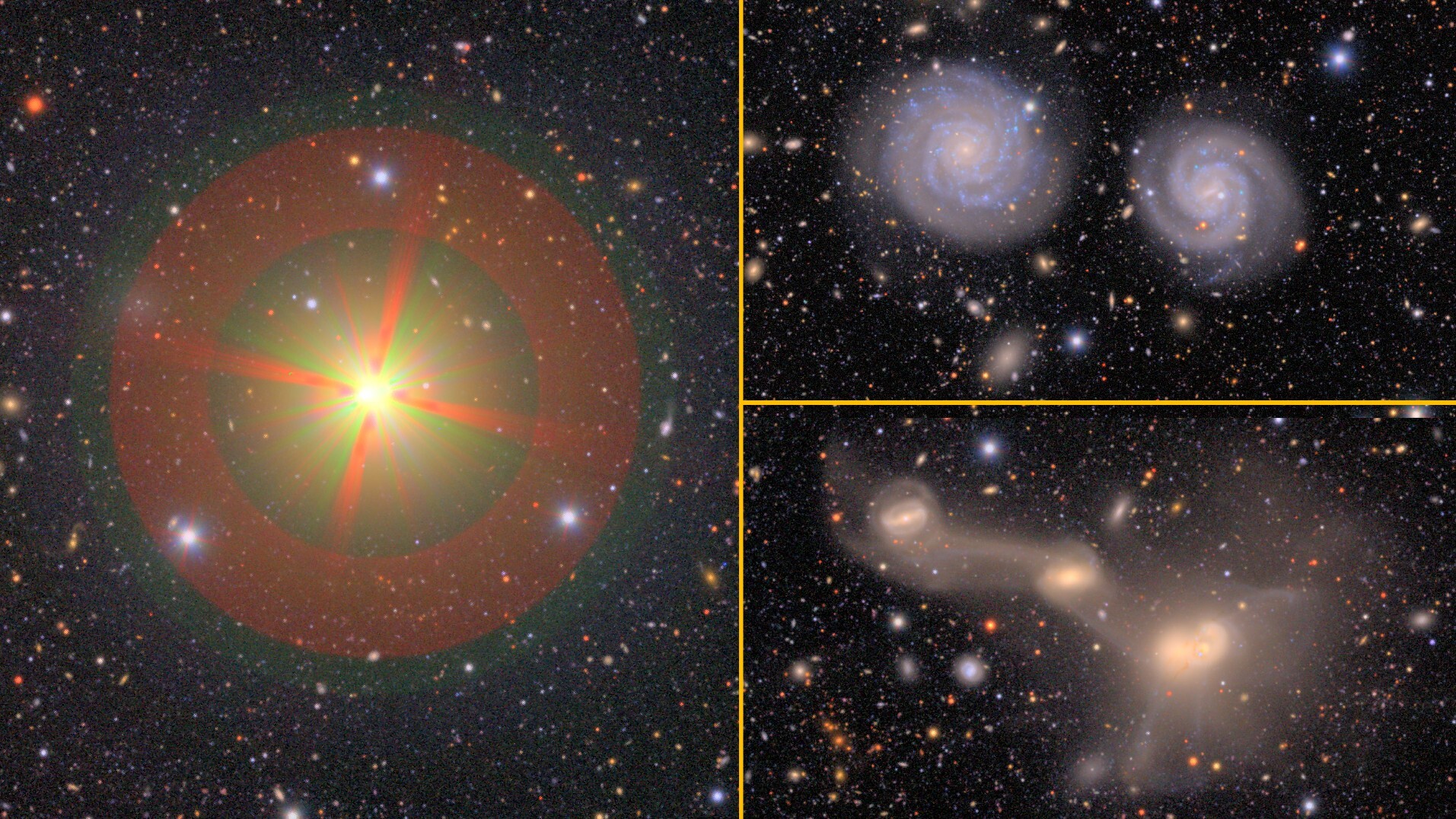
The Vera C. Rubin Observatory released its first detailed image of the Virgo Cluster, capturing over 10 million galaxies and various cosmic phenomena, including spiral galaxies, galaxy collisions, and nearby stars, showcasing the universe's vastness and complexity.
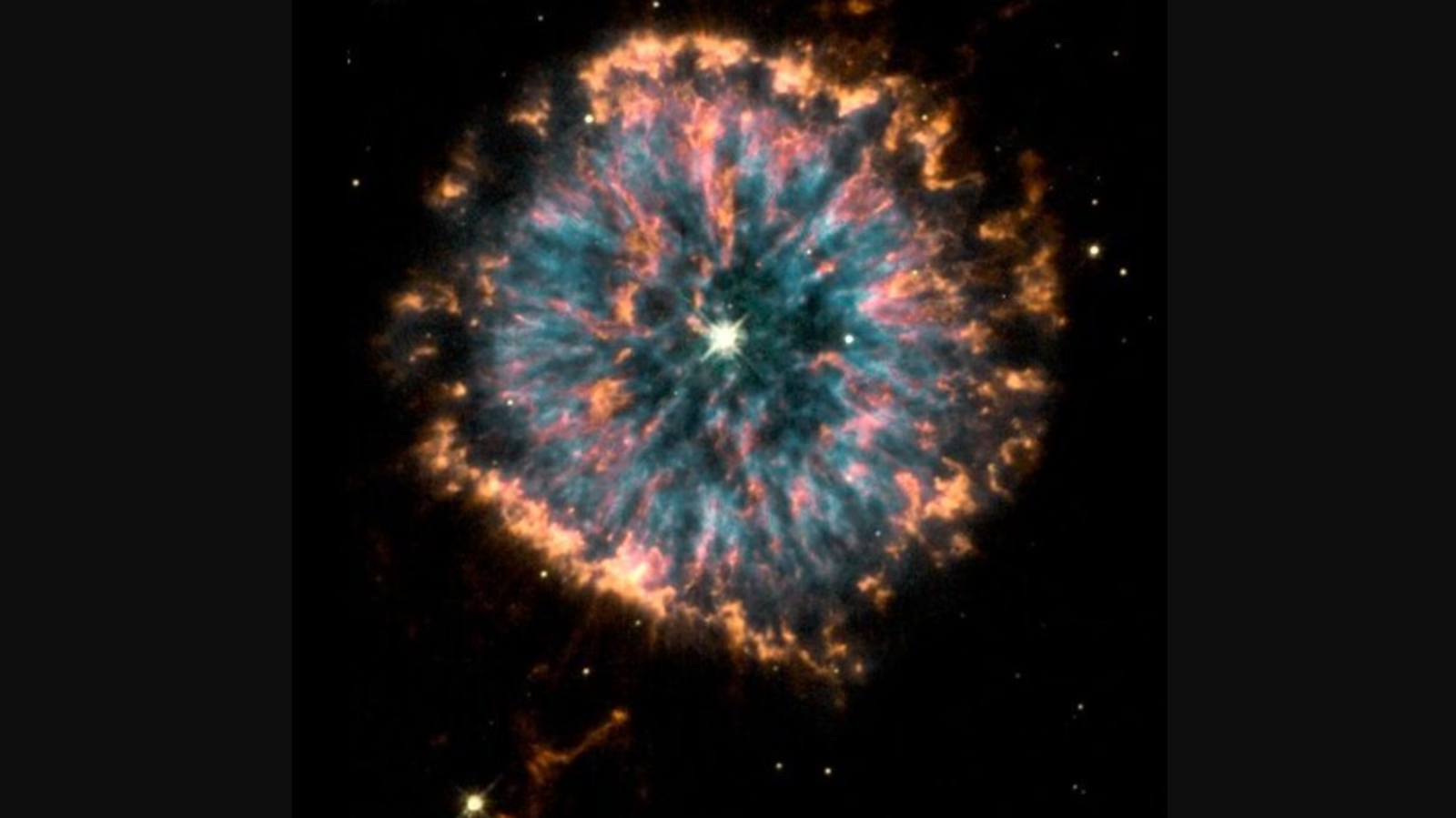
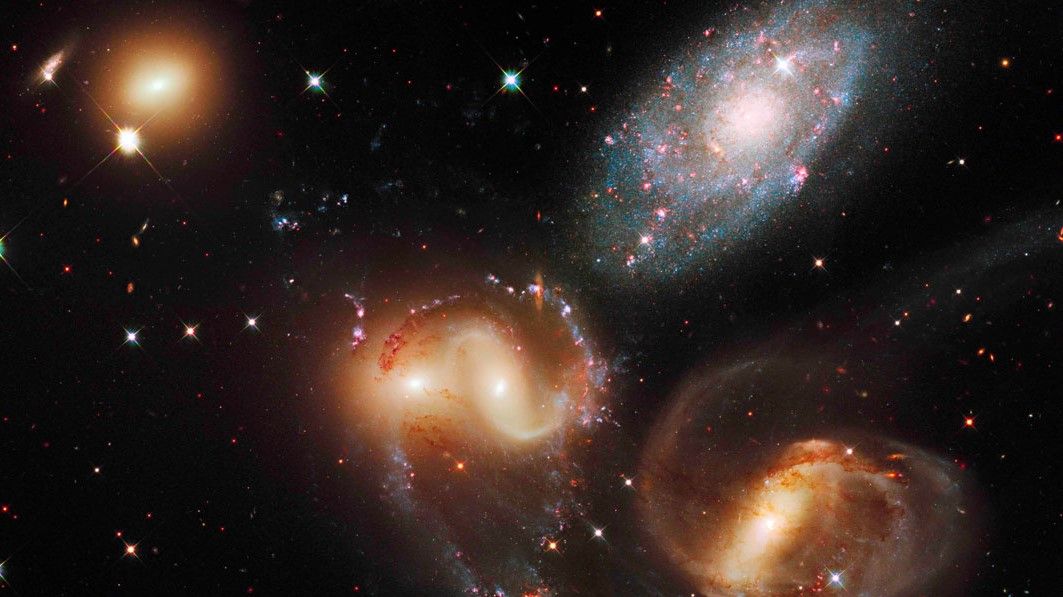
NASA's Hubble Space Telescope has captured stunning images of cosmic objects, including the Carina Nebula, Glowing Eye Nebula NGC 6751, Arp 295, Hubble-V Nebula, and Twin Jet Nebula, showcasing the beauty and complexity of the universe. Launched in 1990, the telescope continues to make important discoveries, providing valuable insights into the world beyond Earth.
Using a technique that observes the light absorbed by a galaxy rather than the light it emits, astronomers using the Hubble Space Telescope have discovered an 11-billion-year-old galaxy hidden behind the glare of a quasar. By analyzing the absorption patterns, the team determined that the galaxy is likely a more mature galaxy similar to the Milky Way and is gravitationally bound to a nearby star-forming galaxy. Further observations are planned to study this galactic group and potentially observe the absorbing galaxy emit its own light.
Spectroscopy, the study of how matter interacts with light, provides valuable information about cosmic objects that cannot be obtained through simple photos. Telescopes like the James Webb Space Telescope use instruments such as spectrometers to analyze the specific wavelengths of light emitted by objects, revealing details about their size, distance, spin, and chemical composition. Spectroscopy is particularly useful for studying objects that are too distant or dim to be directly imaged, such as exoplanets. By analyzing the absorption patterns in transmission spectra, scientists can detect and measure key gases in exoplanet atmospheres, providing insights into their composition and potential habitability.
In a podcast episode, Dr. Allison Kirkpatrick discusses the nature and evolution of supermassive black holes, which are found at the center of nearly every galaxy. These cosmic behemoths can grow to millions or even billions of times the mass of our Sun and are responsible for powering the largest engines in the known Universe. Over the past few decades, scientists have made significant progress in understanding these enigmatic objects and their environments, shedding light on their formation and growth. The podcast explores the latest scientific discoveries in the field of supermassive black holes, offering insights into one of the greatest cosmic mysteries.