Tag

Nanotechnology

All articles tagged with #nanotechnology

Experts Predict Technology Trends for 2050

Originally Published 9 days ago — by BBC

Featured image for Experts Predict Technology Trends for 2050
Source: BBC

Experts predict that by 2050, technology will be deeply integrated into daily life, with advancements in AI, cybernetics, nanotechnology, and space exploration leading to human-machine enhancements, autonomous vehicles, virtual twins for health, and potentially habitable lunar bases, shaping a transformative future.

Richard Feynman Invents New Field of Physics in 1959 Lecture

Originally Published 14 days ago — by Live Science

Featured image for Richard Feynman Invents New Field of Physics in 1959 Lecture
Source: Live Science

Richard Feynman's 1959 lecture at Caltech envisioned the concept of nanotechnology, proposing ideas like atomic manipulation and tiny machines, which laid the groundwork for the field, although the term was only coined in 1974. His predictions have largely come true, influencing modern nanoscience and technology.

Revolutionary Tech Rapidly Eradicates Persistent Chemicals

Originally Published 18 days ago — by ScienceDaily

Featured image for Revolutionary Tech Rapidly Eradicates Persistent Chemicals
Source: ScienceDaily

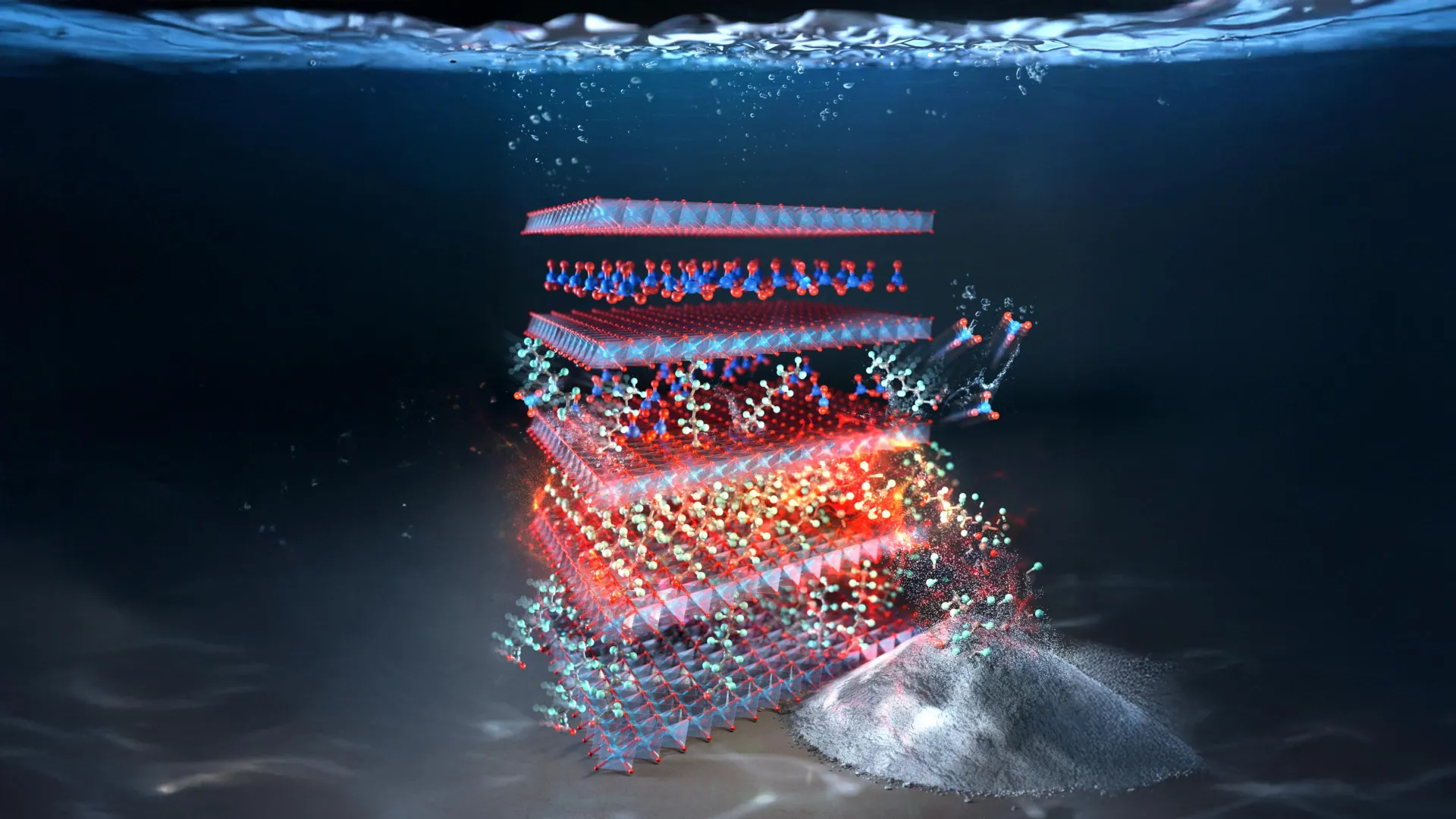
Researchers at Rice University have developed a rapid, eco-friendly technology using layered double hydroxide (LDH) materials to efficiently capture and destroy 'forever chemicals' (PFAS) in water, with potential for reuse and application in municipal and industrial water treatment.

Nanotech Boosts Cancer Drug Potency 20,000x with No Side Effects

Originally Published 2 months ago — by ScienceDaily

Featured image for Nanotech Boosts Cancer Drug Potency 20,000x with No Side Effects
Source: ScienceDaily

Researchers at Northwestern University have developed a nanotech-based reformulation of the chemotherapy drug 5-fluorouracil using spherical nucleic acids, making it 20,000 times more effective against leukemia cells with minimal side effects, potentially revolutionizing cancer treatment.

Light-Based Cancer Therapy Targets Tumors While Protecting Healthy Cells

Originally Published 2 months ago — by WIRED

Featured image for Light-Based Cancer Therapy Targets Tumors While Protecting Healthy Cells
Source: WIRED

Scientists have developed tin oxide nanoflakes that convert near-infrared light into heat, enabling targeted, safe, and affordable photothermal cancer therapy that kills tumor cells while sparing healthy tissue, with promising results in initial tests and potential for home use in skin cancer treatment.

Revolutionary Nanomedicine Eliminates Leukemia in Animal Studies

Originally Published 2 months ago — by SciTechDaily

Featured image for Revolutionary Nanomedicine Eliminates Leukemia in Animal Studies
Source: SciTechDaily

Northwestern University scientists have redesigned a traditional chemotherapy drug into a spherical nucleic acid, increasing its potency by 20,000 times and targeting leukemia cells more precisely with no detectable side effects in animal models, potentially revolutionizing cancer treatment.

Breakthrough Nanotech Reverses Alzheimer’s in Mice, Offering Hope for Humans

Originally Published 2 months ago — by MarketWatch

Featured image for Breakthrough Nanotech Reverses Alzheimer’s in Mice, Offering Hope for Humans
Source: MarketWatch

Recent advances in dementia research show promising developments, including nanotechnology to reverse symptoms in mice, repurposing existing drugs like Ozempic to lower risk, and lifestyle factors such as diet, brain training, and social engagement that can help prevent or delay the disease. While these findings are encouraging, most are still in early stages, and significant breakthroughs are needed before widespread clinical application. The overall outlook depends on continued research and proactive prevention efforts.

Revolutionary 2D Chips Promise Ultra-Compact, High-Performance Computing

Originally Published 2 months ago — by SciTechDaily

Featured image for Revolutionary 2D Chips Promise Ultra-Compact, High-Performance Computing
Source: SciTechDaily

Researchers at Penn State have developed the world's first functioning computer built entirely from two-dimensional atom-thin materials, marking a significant step away from silicon-based electronics and paving the way for ultra-efficient, miniaturized devices.

Scientists Revolutionize Atomic Engines and Quantum Mechanics at the Nanoscale

Originally Published 2 months ago — by Interesting Engineering

Featured image for Scientists Revolutionize Atomic Engines and Quantum Mechanics at the Nanoscale
Source: Interesting Engineering

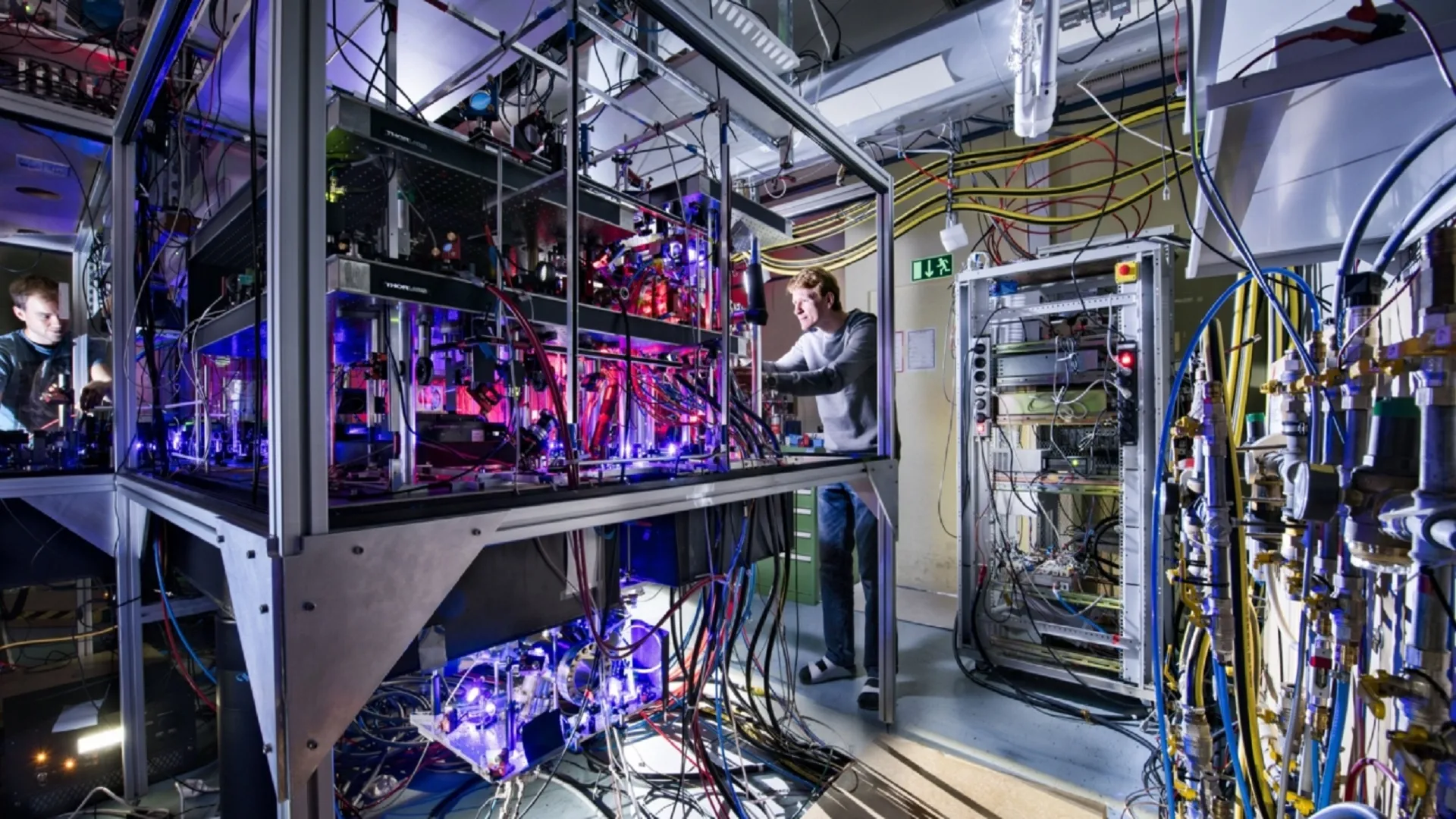
A German research team has demonstrated that the classical Carnot principle, which limits the efficiency of heat engines, does not apply at the atomic scale due to quantum correlations, potentially enabling the development of ultra-efficient quantum engines and nanobots.,

Scientists Develop 'Smart Dust' for Room Surveillance

Originally Published 3 months ago — by Futurism

Featured image for Scientists Develop 'Smart Dust' for Room Surveillance
Source: Futurism

Scientists are developing 'smart dust,' tiny sensors inspired by science fiction, capable of drifting through the air to collect data for various applications, including military and environmental uses. These micro-sensors have advanced significantly over decades, becoming nearly invisible and capable of detecting a wide range of variables, with industry growth expected to reach nearly $400 million by 2032. While promising, the technology raises concerns about privacy, geoengineering, and ethical implications.

Innovative Techniques Push Microchip Miniaturization Beyond Visible Limits

Originally Published 4 months ago — by Phys.org

Featured image for Innovative Techniques Push Microchip Miniaturization Beyond Visible Limits
Source: Phys.org

Johns Hopkins researchers have developed a new, precise, and cost-effective process using advanced B-EUV lithography and novel metal-organic resists to create microchips with circuits so small they are invisible to the naked eye, potentially enabling smaller, faster, and more affordable electronics in the future.