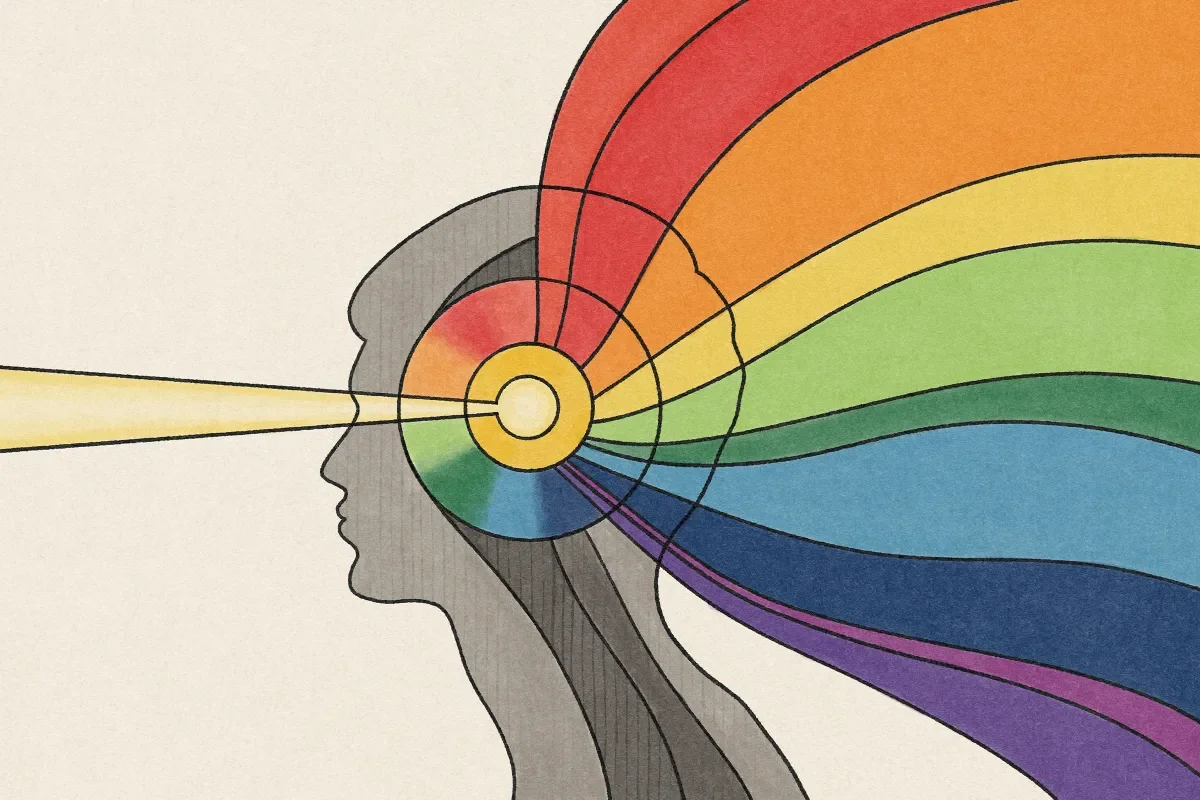
Scientists have developed a 'mind captioning' technique that can generate descriptive interpretations of brain activity from MRI scans, showing promising accuracy in understanding what people are seeing or thinking, with potential applications for aiding communication in medical patients but raising privacy concerns.
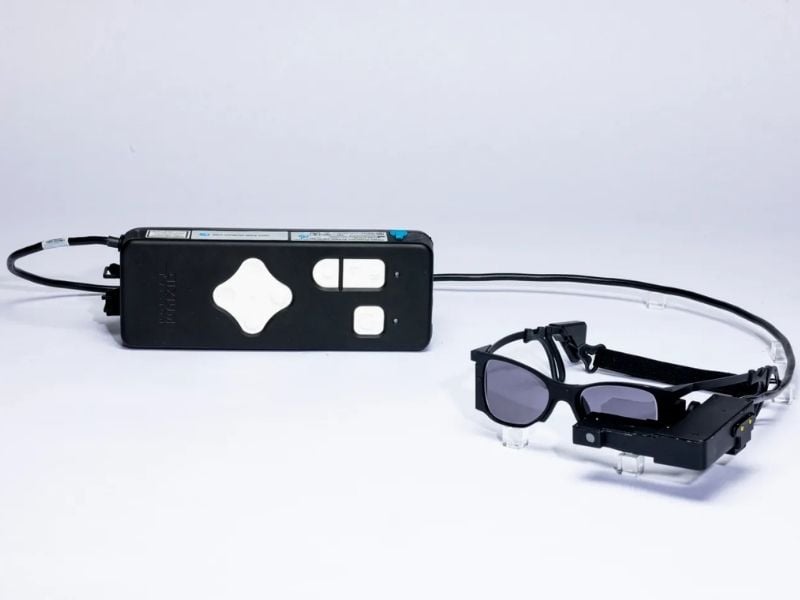
A new tiny retinal implant called PRIMA has shown promising results in helping people with advanced age-related macular degeneration regain some central vision, marking a significant step toward restoring sight in cases previously considered irreversible.
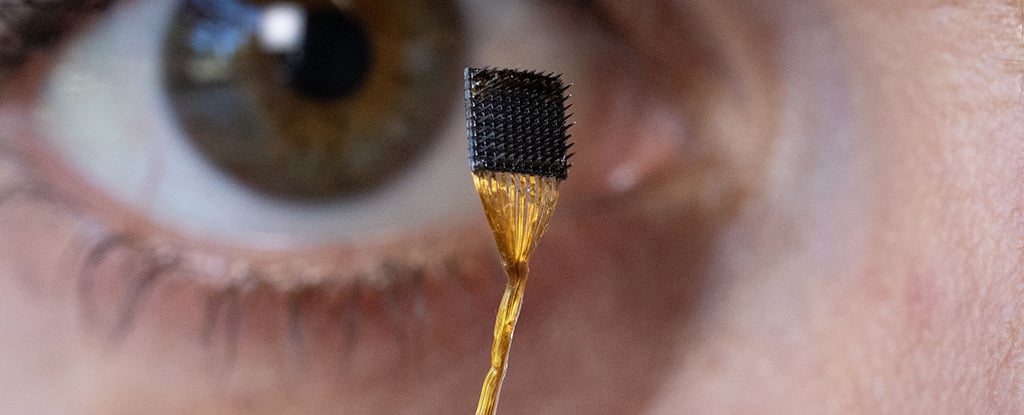
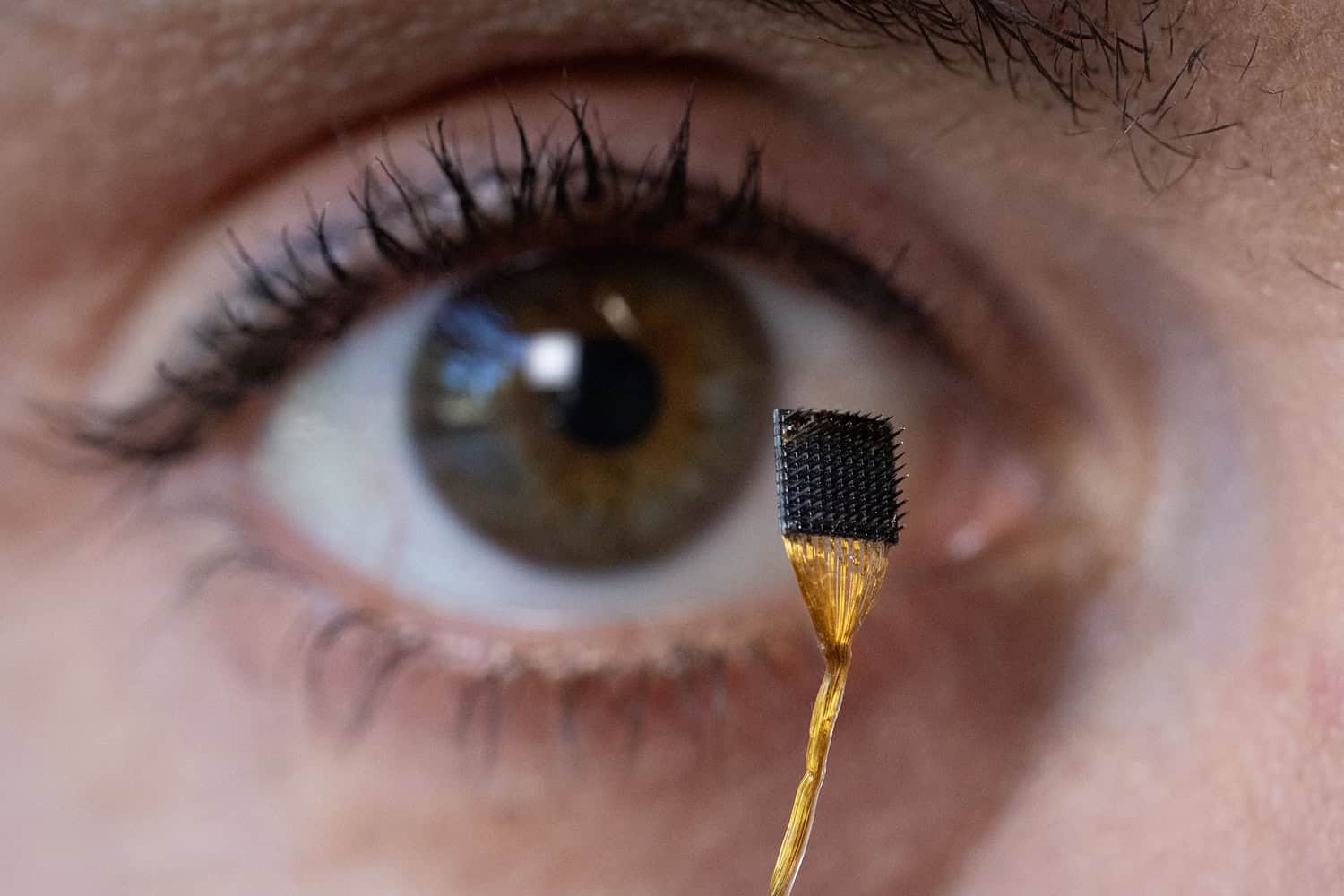
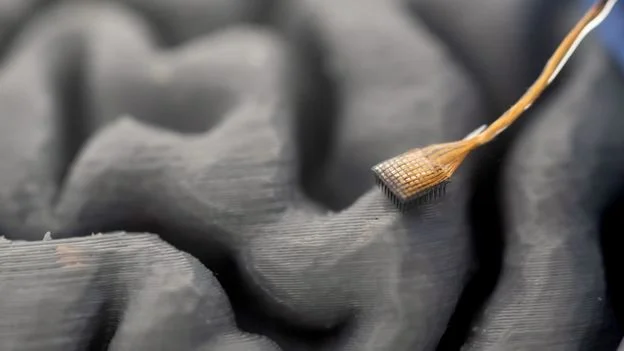
The article discusses a scalable, minimally invasive system of conformable, high-density cortical microelectrode arrays designed for neural recording, stimulation, and decoding, demonstrated in animal models and human patients, with potential to significantly advance brain-computer interface applications while prioritizing safety and reversibility.
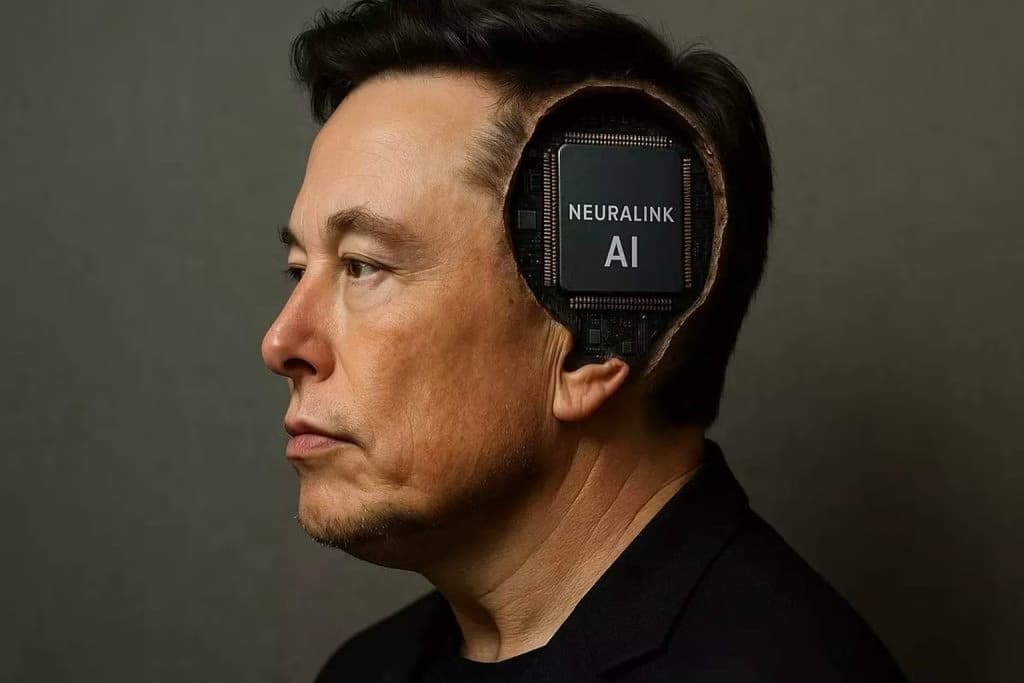
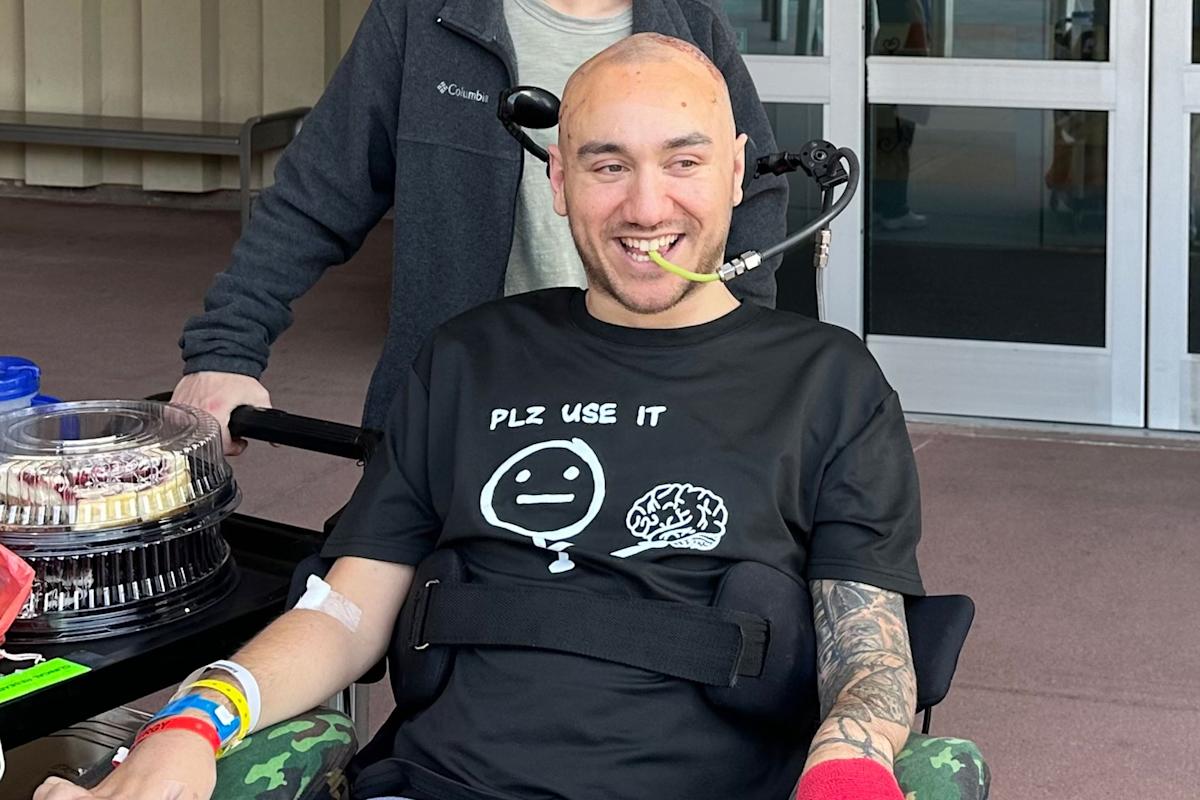
Eighteen months after receiving Neuralink's brain chip, paralyzed man Noland Arbaugh has regained significant independence, using the device to interact with digital environments and pursue new educational and speaking opportunities, highlighting the potential of brain-computer interfaces to transform lives and raise profound ethical questions.
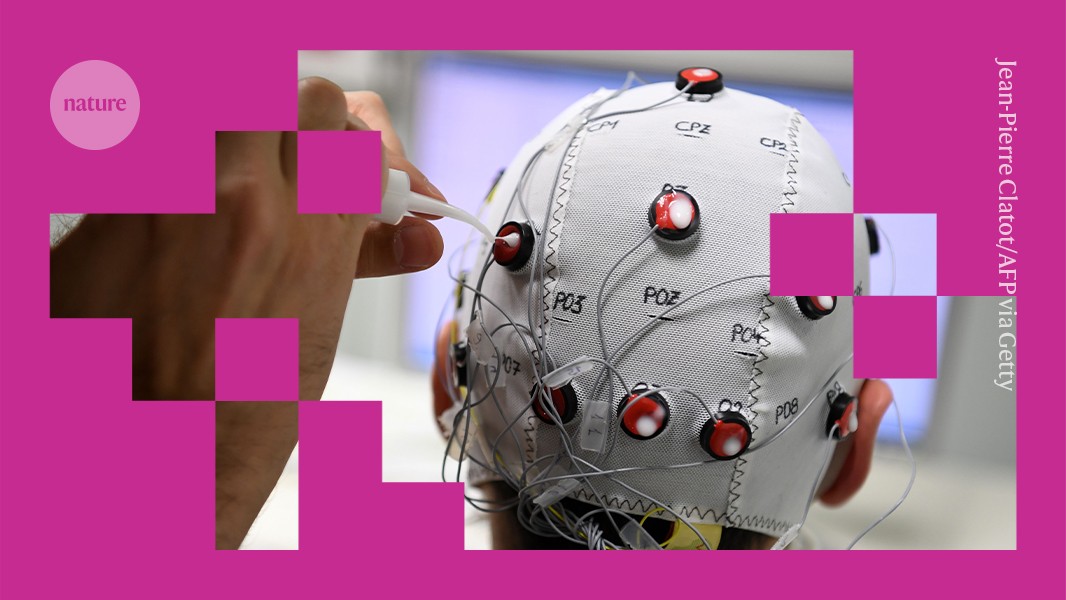
A study demonstrates that combining AI with non-invasive brain devices significantly enhances their performance, enabling a paralysed man to control a robotic arm with 93% success in a task, and improving task completion speed for others, thereby potentially improving quality of life.
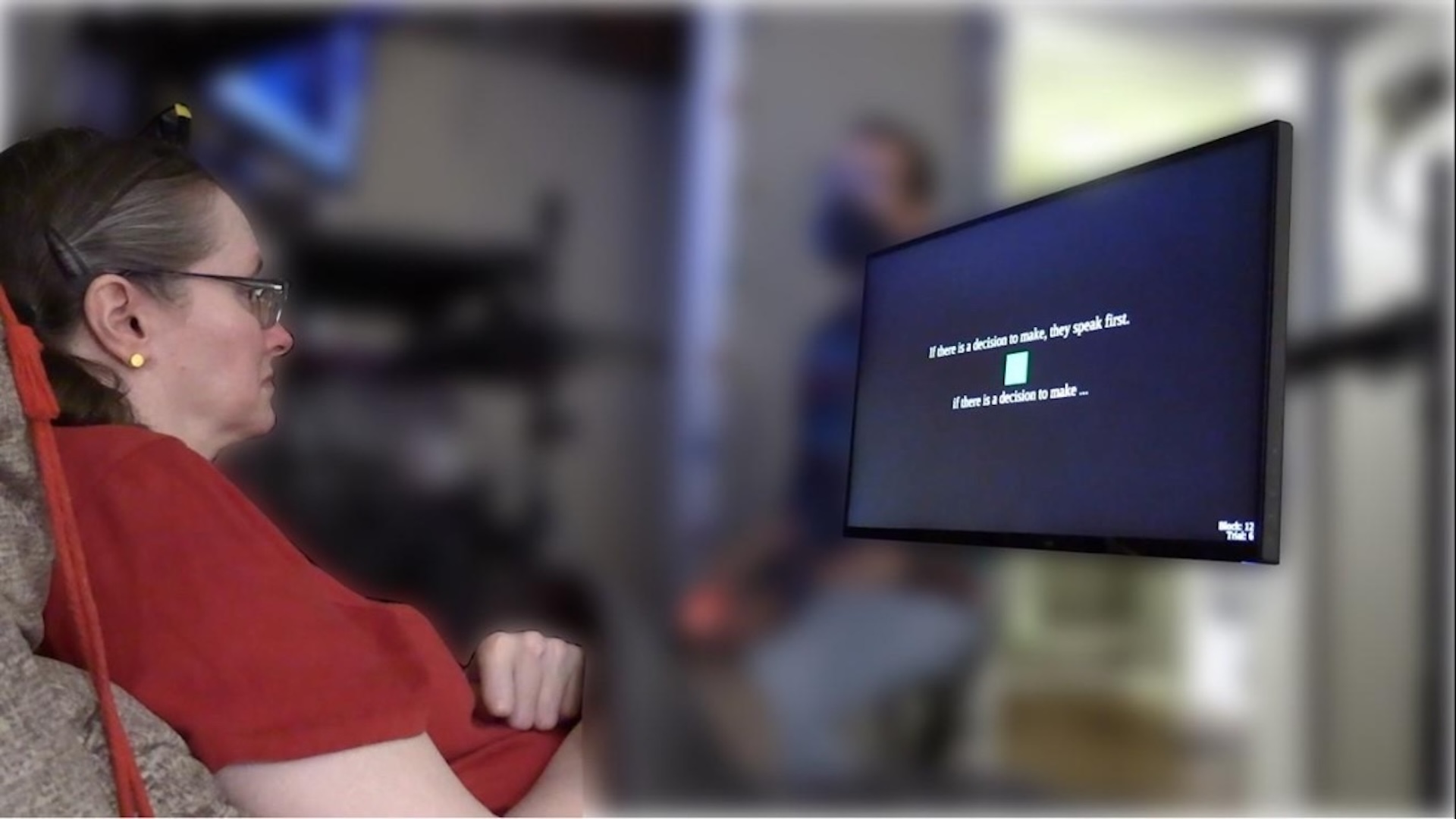
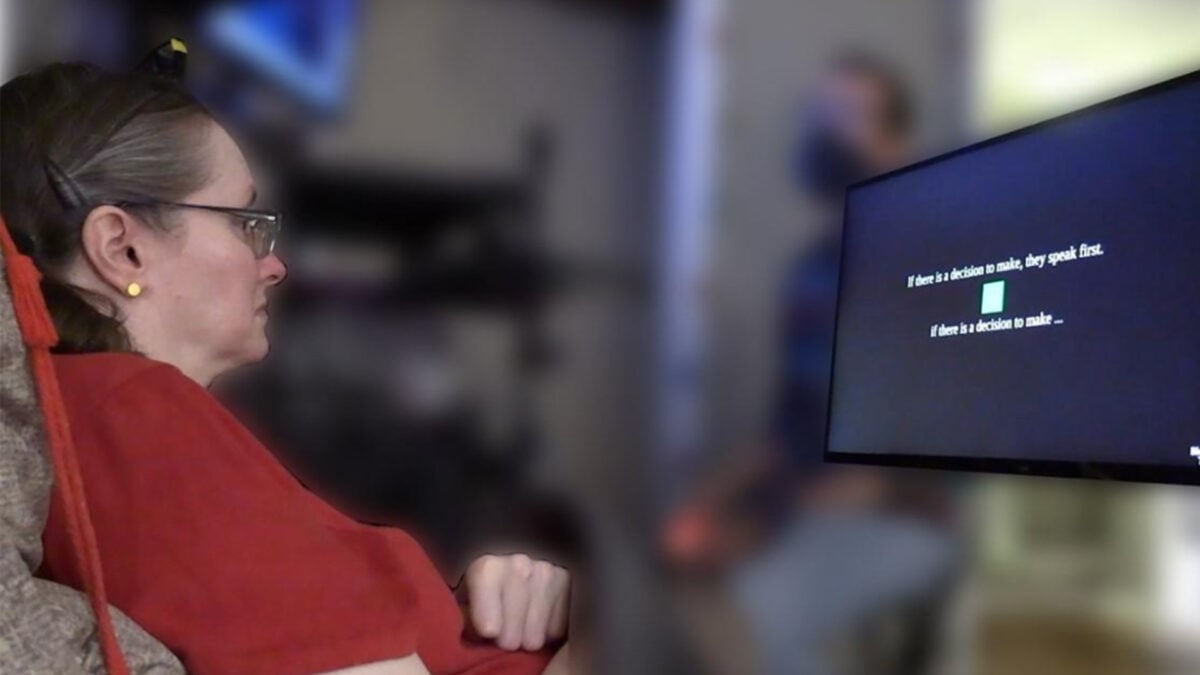
Scientists have developed a brain implant that can decode inner speech into text or sound with up to 74% accuracy, offering promising advancements for individuals with speech or motor impairments, though further improvements and safeguards are needed.
Noland Arbaugh, the first person implanted with Elon Musk's Neuralink brain chip, reports significant improvements in autonomy and daily life, controlling devices with his mind and pursuing education and entrepreneurship, marking a major milestone in neural technology and its potential to restore function for paralysis and neurological conditions.
Noland Arbaugh, the first participant in Neuralink's experimental brain chip study, has experienced a transformative change in his life, gaining the ability to control devices with his mind, which has significantly improved his autonomy and quality of life. Neuralink's high-electrode, wireless brain-computer interface is advancing clinical trials aimed at helping those with paralysis or ALS, with Arbaugh now actively studying, working, and engaging in new pursuits thanks to the device.
Scientists have developed a brain-computer interface that can decode a person's inner speech with up to 74% accuracy, potentially aiding those with speech impairments by allowing them to communicate through thought alone, without requiring physical speech attempts.
Researchers at Stanford have developed a brain-computer interface that can decode inner speech from neural activity, raising both exciting possibilities for communication for those with paralysis and significant privacy concerns about mind reading without consent. The system can interpret imagined words with over 70% accuracy, but also risks unintended thought leaks, prompting calls for safeguards and regulation to protect mental privacy as the technology advances.
Scientists have successfully decoded inner speech with up to 74% accuracy using brain-computer interfaces, enabling potential faster and more natural communication for people with speech impairments. The technology detects overlapping brain activity patterns between attempted and imagined speech, with a privacy feature using a password to control decoding. This breakthrough could significantly improve communication methods for those unable to speak audibly.
Scientists at Stanford have developed a brain-computer interface that can interpret inner monologues with up to 74% accuracy, potentially revolutionizing communication for people with speech impairments by decoding imagined words directly from brain activity, with future improvements expected.
Sam Altman is co-founding a startup called Merge Labs to develop brain-to-computer interfaces, potentially competing with Elon Musk's Neuralink, with funding possibly from OpenAI's ventures team. The startup aims to revolutionize human-technology interaction and address the concept of the singularity, amid ongoing rivalry between Altman and Musk.
A 65-year-old ALS patient, Mark Jackson, has become the first person to control an iPad solely by thought using an implantable brain-computer interface developed by Synchron, restoring independence in communication and device control. The technology translates brain signals into actions, offering new hope for those with motor impairments, though long-term effects and ethical concerns remain to be addressed.
Neuralink has launched its first European clinical trial in the UK, implanting chips in seven patients with severe paralysis to enable control of digital devices through thought, marking a significant step in brain-computer interface technology and Neuralink's global expansion.