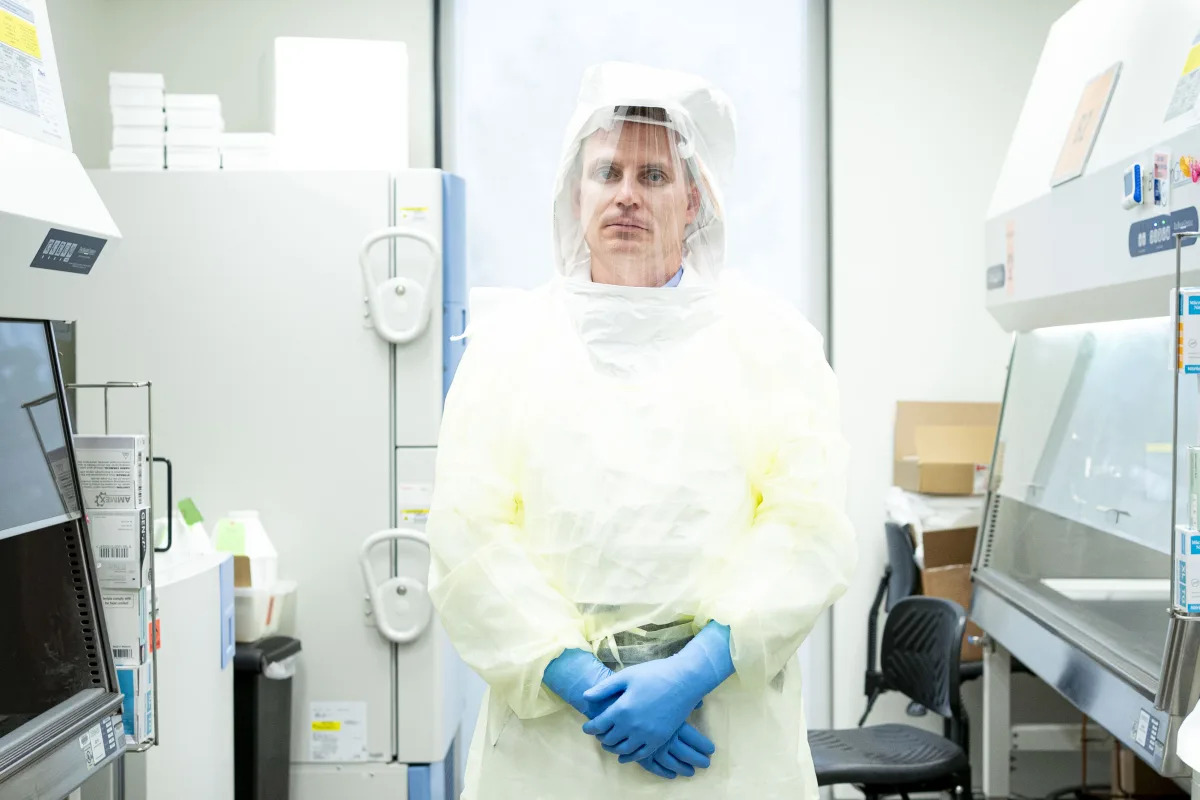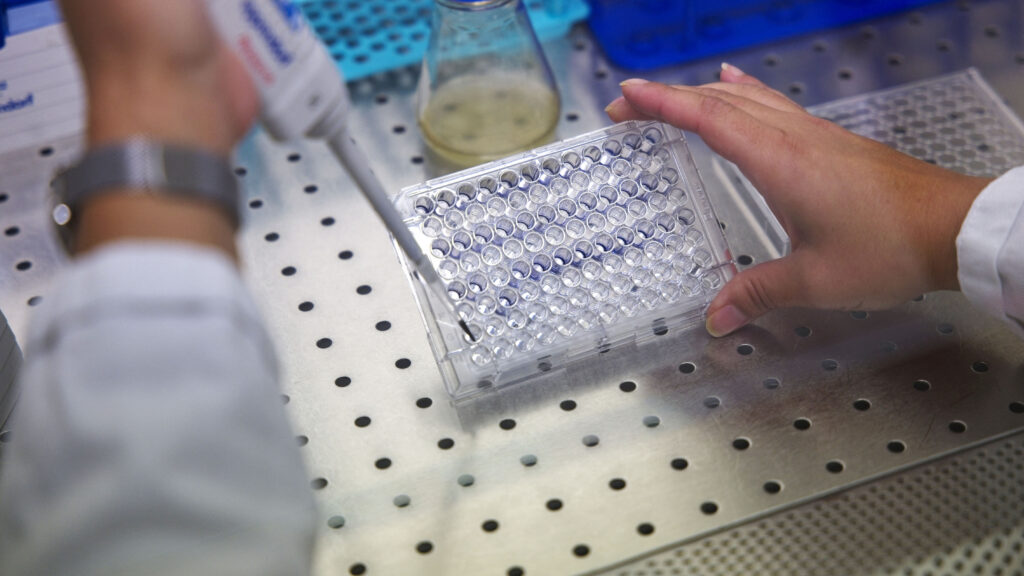
Recent cases of bird flu in cats, cows, and humans have raised concerns about another potential pandemic, prompting renewed scrutiny of gain-of-function research. This controversial research aims to enhance pathogens' disease-causing abilities to understand their pandemic potential and aid in prevention efforts. Elon Musk has criticized gain-of-function research and tied Dr. Anthony Fauci into the controversy. The risk of a mutation increasing bird flu's transmissibility has scientists on high alert, while U.S. Senator Joni Ernest has sought more information on dangerous bird flu experiments. Despite the CDC stating that the public risk remains low for now, monitoring for a worsening bird flu situation is crucial.
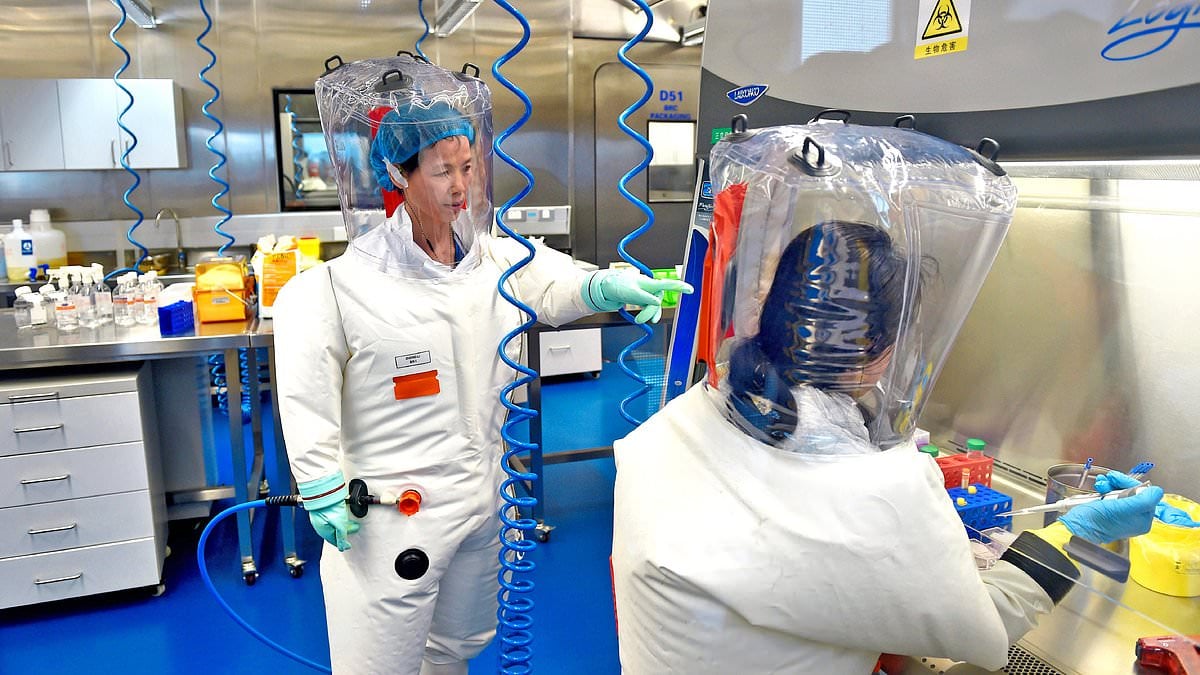
A new analysis suggests that the Covid-19 virus may have originated from a lab, with researchers assigning a 68% likelihood to the pandemic being an unnatural outbreak. The study points to the Wuhan Institute of Virology's proximity to the wet market where the first cases emerged, as well as unusual characteristics of the virus and suspicious actions at the lab. While the zoonotic theory remains, recent revelations about experiments to create a Covid-like virus have emboldened lab leak supporters. The implications of this study highlight the importance of preventing unnatural outbreaks due to human error and inadequate biosafety procedures.
A controversial new study from the University of New South Wales suggests that the available evidence points toward an unnatural origin for the SARS-CoV-2 virus, reigniting the debate over its origins. The study uses an algorithm for risk scoring to determine the likelihood of either a natural or lab origin, concluding that the pandemic was slightly more likely to have originated in a laboratory. However, many scientists are unconvinced, criticizing the study for subjective criteria and errors in its analysis. The lab leak theory has remained contentious, with ongoing debate and investigations into the origins of the virus.
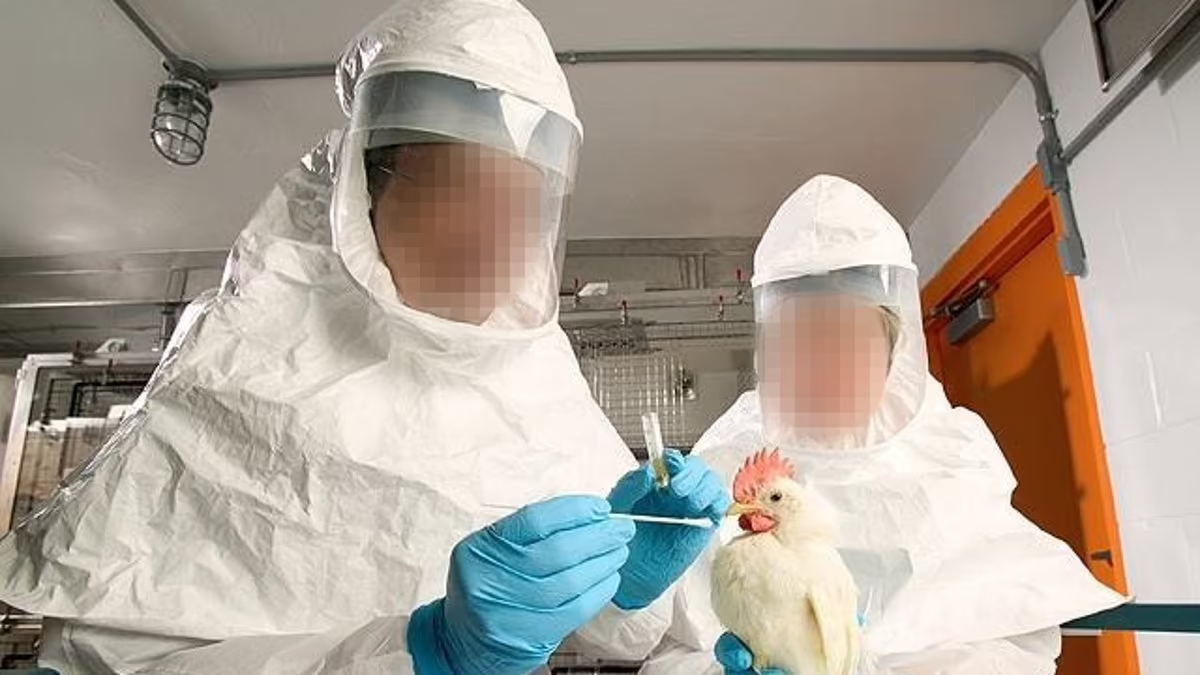
The US government is funding experiments with Chinese scientists to make bird flu viruses more infectious, despite restrictions on similar research and concerns about the origins of the Covid pandemic. The $1 million project involves infecting ducks and geese with different strains of viruses, with collaborating studies taking place in Georgia, Beijing, and Edinburgh. The research, funded by the US Department of Agriculture, has raised concerns about potential risks to both animals and humans, as well as the involvement of scientists affiliated with the Wuhan Institute of Virology. Republican Senator Joni Ernst has expressed apprehension about the collaboration and called for more information about the ongoing funding of the research.
Sen. Joni Ernst is demanding answers from the USDA regarding the allocation of $1 million in taxpayer funds for "dangerous bird flu experiments" in collaboration with the Chinese government and a researcher linked to the Wuhan Institute of Virology. The experiments involve a highly pathogenic avian influenza virus and are being conducted with the UK and the Chinese Academy of Sciences. Ernst has raised concerns about the potential risks and ties to gain-of-function research, emphasizing the need for safeguards and transparency. This comes amid ongoing scrutiny of US funding for viral research abroad and heightened vigilance regarding biosafety and biosecurity practices in light of the COVID-19 pandemic.
The World Health Organization's call for an international pandemic treaty to combat "Disease X" is seen as ineffective due to past lack of international cooperation and the ongoing risky gain-of-function research on dangerous viruses in countries like the U.S. and China. Concerns have been raised about the development of more lethal coronaviruses, with recent research in China resulting in a virus that is far more deadly than COVID-19. Experts emphasize the need for a moratorium on gain-of-function research and a scaled-up biosecurity system to address the threat posed by bioengineered pathogens.
Chinese military-affiliated researchers have bioengineered a COVID-related coronavirus (GX_P2V) that causes 100% mortality in lab mice modified with human DNA, raising concerns about the spillover risk into humans. The study, conducted by researchers from Beijing, has sparked alarm and criticism from experts, who question the ethical and biosafety aspects of the research. The involvement of the U.S. National Institutes of Health (NIH) in funding similar gain-of-function research at the Wuhan Institute of Virology (WIV) has also come under scrutiny, highlighting the ethical and moral implications of such research.
American scientists involved in a 2018 research proposal called DEFUSE, which aimed to engineer high-risk coronaviruses, concealed their intention to conduct the research in Wuhan under lax safety standards from the Pentagon. The proposal involved synthesizing spike proteins with furin cleavage sites, the same feature found in SARS-CoV-2. Documents obtained by U.S. Right to Know reveal that the experiments were proposed to occur in Wuhan with fewer safety precautions than required in the U.S. to save on costs. The documents raise questions about the credibility of the scientists' assurances that the pandemic could not have originated from their collaboration with the Wuhan lab. The gain-of-function research was not funded by DARPA, but it remains unclear if it was subsequently completed without funding.
The debate over whether COVID-19 leaked from a Chinese laboratory has had a chilling effect on virology research in the United States, leading to funding cuts and a retreat from sensitive experiments. Some scientists argue that gain-of-function research, which involves genetically altering viruses to study their potential dangers, is crucial for identifying and preparing for future pandemics. However, critics argue that the risks of manipulating deadly viruses outweigh the potential benefits. The controversy has resulted in increased scrutiny and delays in the approval process for research proposals, causing some scientists to abandon certain studies altogether.
The debate over whether Covid-19 leaked from a lab in China has led to a chilling effect on virology research in the United States, with funding drying up for scientists studying dangerous pathogens and altering viruses. The controversy has stalled studies that could help prevent future pandemics, as health officials advise researchers to pursue different experiments due to public concerns over lab leaks. The pullback has affected gain-of-function research, where viruses are genetically altered to study their potential for increased deadliness or contagion. Proponents argue that this research is crucial for identifying dangerous viruses and developing targeted vaccines, while critics warn of the risks involved. The scrutiny has led to a profession-wide retreat from sensitive experiments, with some researchers abandoning proposals and others facing long and opaque government reviews.
Gain-of-function research in the field of life sciences involves conferring new or additional traits to organisms, and it encompasses a wide range of work with potential benefits for society. While concerns about the modification of pathogens to increase their infectivity or severity are valid, focusing solely on the risks hinders progress and overlooks the potential benefits of gain-of-function research. It is crucial to strike a balance between innovation and safety, communicate effectively to address misinformation, enhance science literacy, and foster collaboration between scientists, biosecurity and biosafety communities, and policymakers to ensure that research is conducted safely and securely.
The EcoHealth Alliance used US tax dollars to research "mutant viruses" during its work with the Wuhan lab in China, according to federal grant applications obtained by conservative watchdog group Judicial Watch. The documents suggest that US funding for mutant virus, gain-of-function research may have been responsible for the emergence of the COVID pandemic in Wuhan. The EcoHealth Alliance denies conducting gain-of-function research, and the NIH never approved any research that would make a coronavirus more dangerous to humans, according to an agency spokesperson.