
health-science1.455 min read
Dental Floss as a New Vaccine Delivery Method
6 months ago•Source: LiveNOW from FOX

The latest health science stories, summarized by AI

Kitum cave in Kenya, carved by elephants for salt, hosts some of the deadliest pathogens known to man, including the Marburg virus. The cave has been an incubator for zoonotic diseases, with bats carrying the deadly virus. Marburg virus, which can jump into humans from fruit bats, has been described as an epidemic-prone threat by the World Health Organization. There are no approved vaccines or treatments for the virus, and it can cause symptoms similar to Ebola and malaria, leading to bleeding from multiple orifices.
Yahoo Finance•1 year ago

Americans experienced "eclipse sickness" with symptoms like headaches, fatigue, and changes in menstrual cycles during Monday's solar eclipse, although NASA denies any physical link between the eclipse and human health. Pets also exhibited unusual behaviors, possibly due to disruptions in their circadian rhythm caused by the eclipse. Additionally, a study found a significant increase in road deaths around the 2017 eclipse, comparable to major holidays, due to increased traffic as people traveled to view the event.
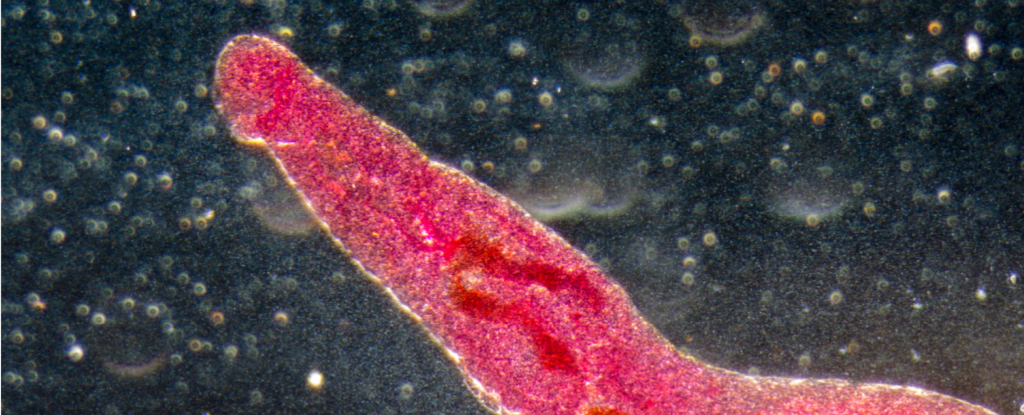
Scientists in Brazil have used a radical vaccine strategy involving phage display to identify potential vaccine targets for schistosomiasis, a neglected tropical disease affecting millions worldwide. By analyzing proteins of the Schistosoma parasite, the researchers have identified key proteins driving the immune response to the infection, opening up promising prospects for vaccine development. While early results in mice are encouraging, the track record of schistosomiasis vaccines is challenging, with most candidates failing to elicit a strong immune response or protect against the disease. Nonetheless, this study provides a wealth of new candidates for further exploration in the quest for an effective vaccine.
A research team from Ben-Gurion University of the Negev in Beersheba has developed a nano-sized polymer that can selectively deliver chemotherapeutic drugs to blood vessels feeding tumors and metastases, effectively treating advanced colorectal cancer that has spread in mice. The polymer, licensed to Vaxil Biotherapeutics, has shown promising preclinical results and is set to undergo human clinical trials soon, offering hope for treating advanced cancer that has spread to other parts of the body.
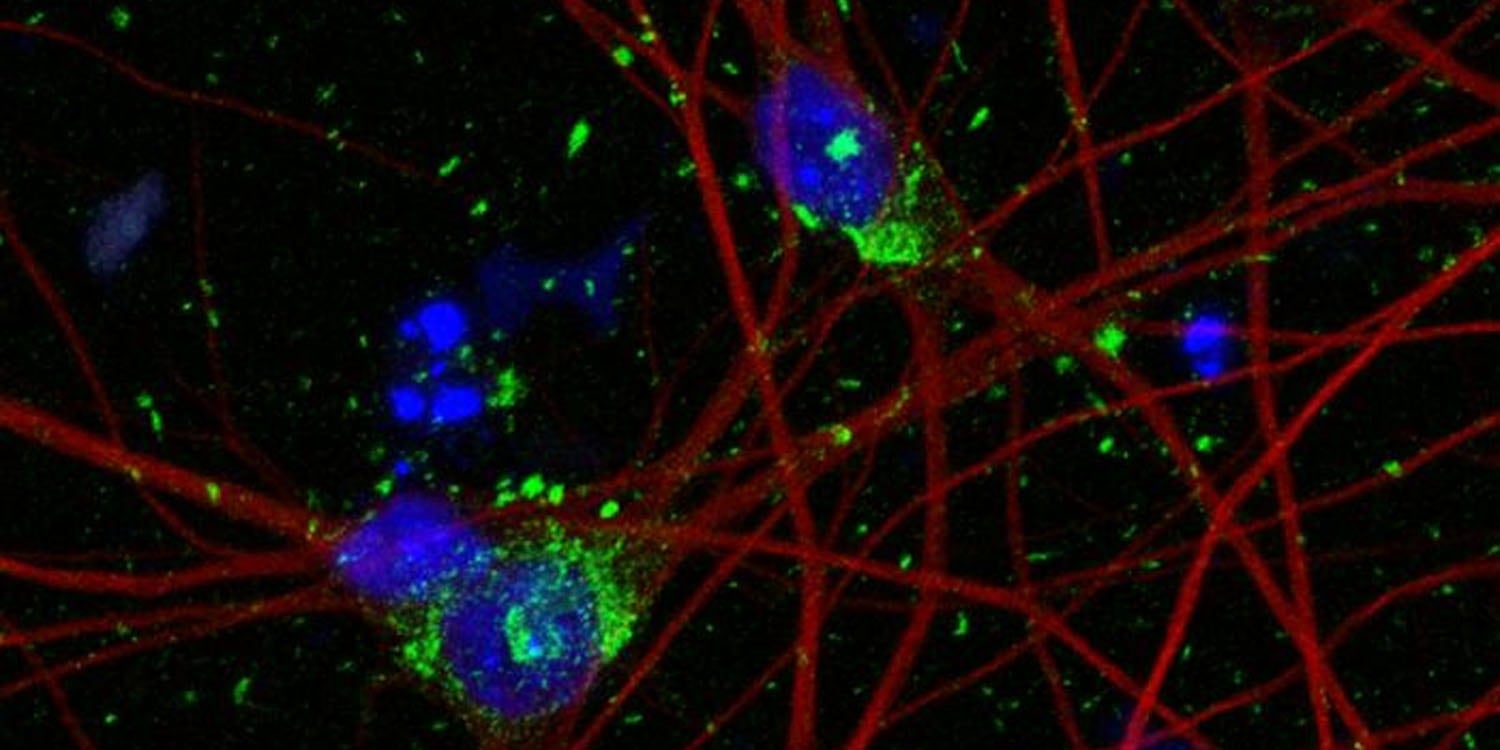
Scientists at Weill Cornell Medicine have developed a human neuron model that simulates the spread of tau protein aggregates in the brain, shedding light on potential drug targets to block this process. Using CRISPR/Cas9 technology, the researchers created a neuron model with diseased forms of tau, allowing them to observe tau spread within weeks. Through CRISPRi screening, they identified 500 genes that impact tau abundance, including the UFMylation cascade, which, when altered, could block tau propagation. This finding was validated in both human neurons and mouse models, offering new directions for the development of treatments for Alzheimer’s disease and related conditions.
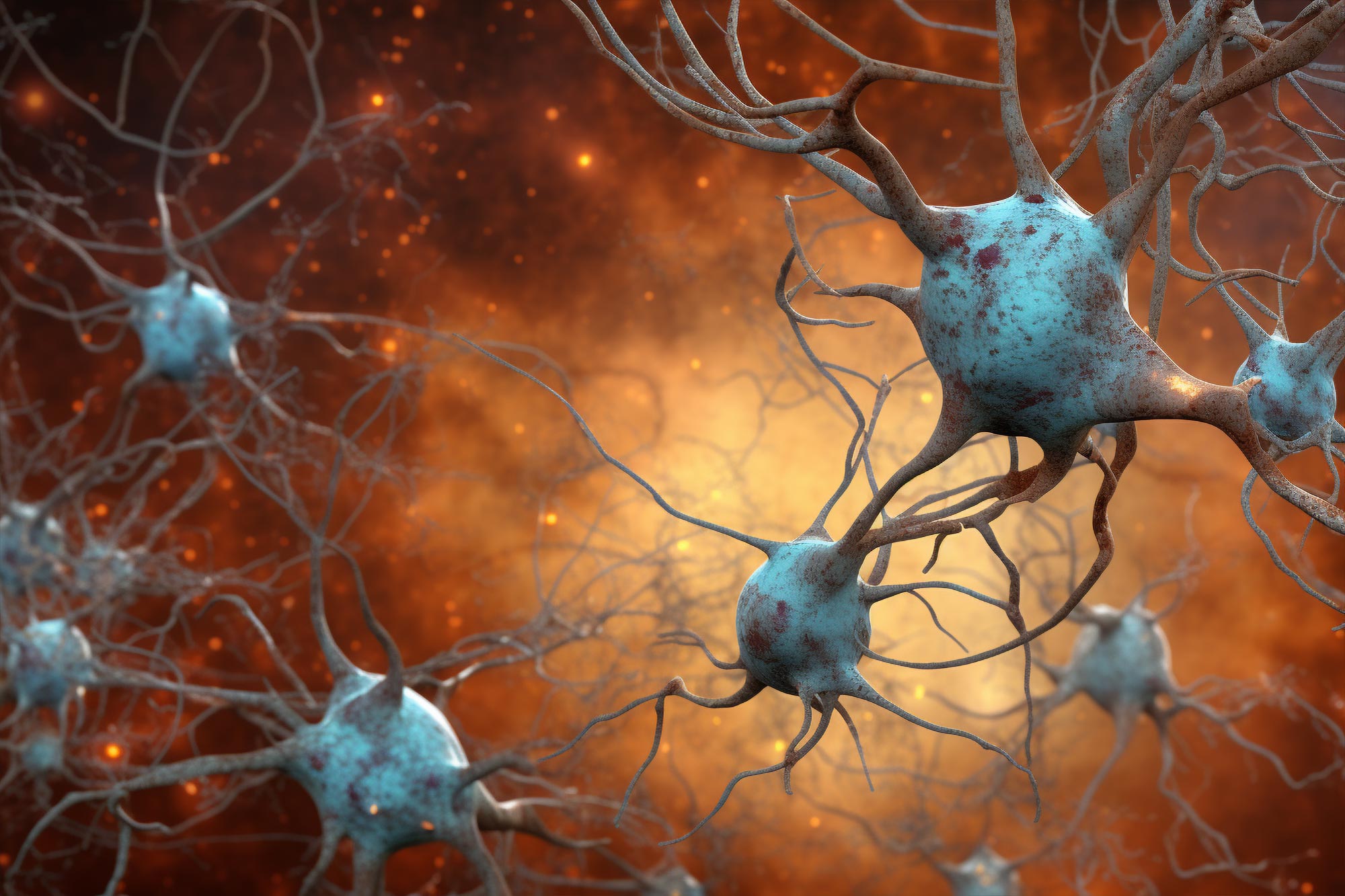
Researchers at UC Santa Barbara, in collaboration with international teams, have made significant progress in understanding the genetic form of early-onset Alzheimer’s disease affecting a large family in Colombia. They discovered a unique mutation responsible for the disease and found clues to how one family member unusually avoided its typical effects. Through genetic analysis and innovative technology, they identified differences in genetic processes between autosomal dominant and sporadic Alzheimer’s cases, suggesting that treatments for one type may not be effective for the other. They also uncovered clues as to how a family member with the same mutation managed to live into her 70s without developing dementia, shedding light on potential protective mechanisms.
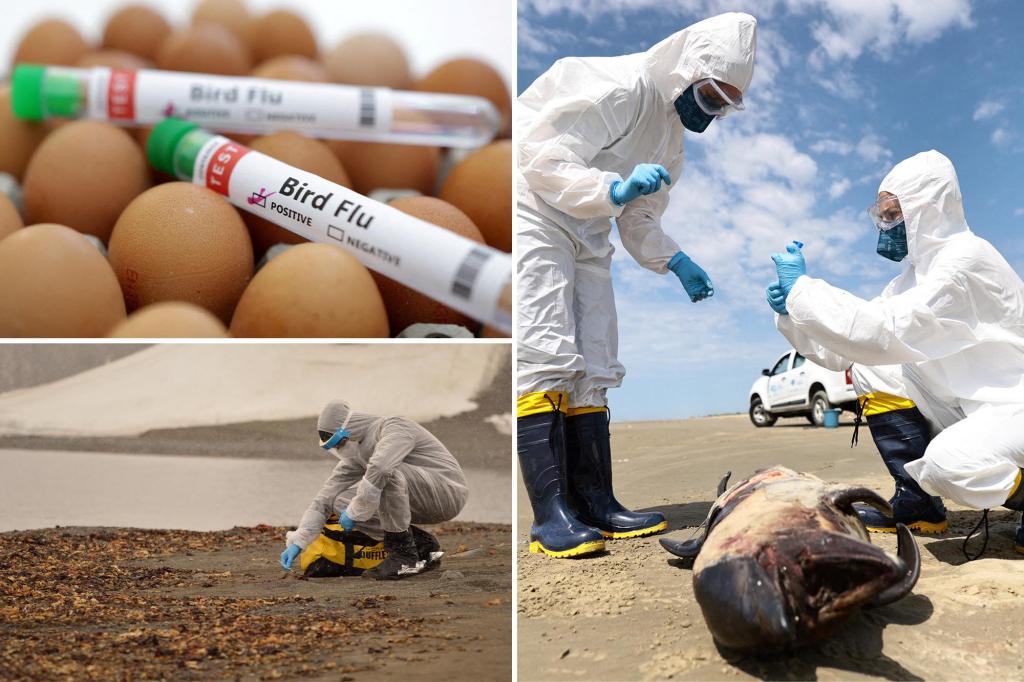
Experts warn that the H5N1 bird flu, which has infected a dairy worker in Texas, could potentially cause a pandemic 100 times worse than COVID-19 if it mutates and maintains its high fatality rate. The virus has spread rapidly among wild birds, commercial poultry, and cattle herds across the US, raising concerns about its potential to infect humans. While the current risk to the public is considered low, the US is already testing vaccine components to prepare for a potential outbreak, and the Biden administration is closely monitoring the situation.
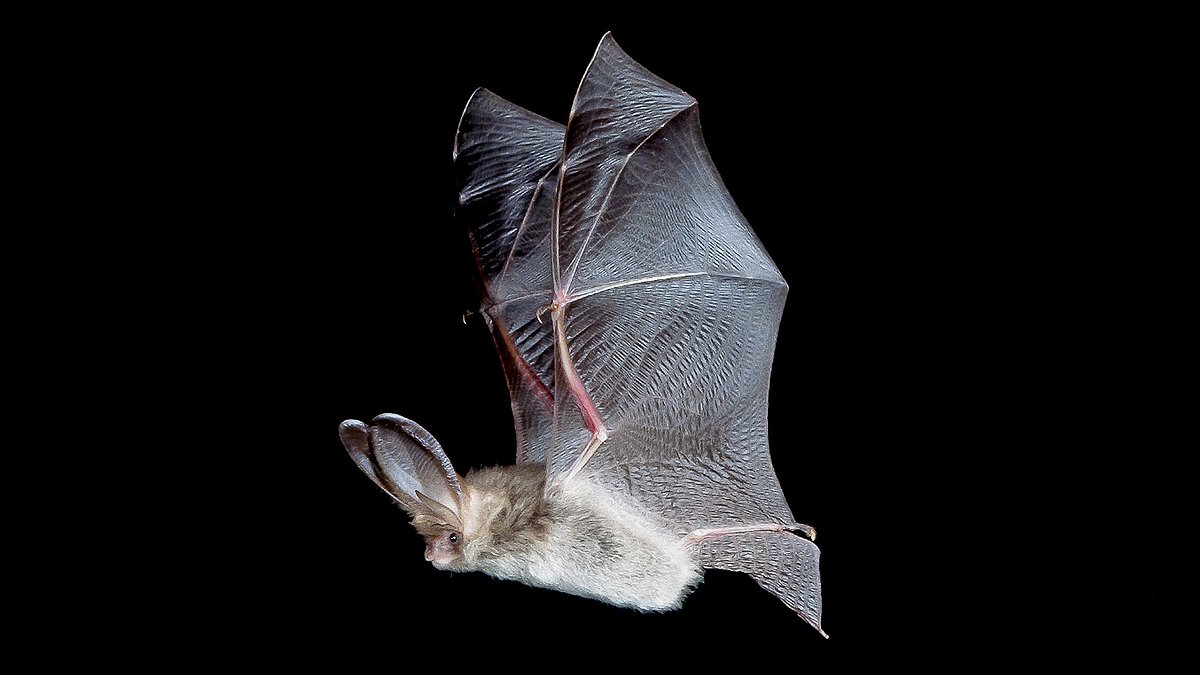
A study from University College London suggests that humans pass on more viruses to animals than they catch from them, highlighting the potential for human-to-animal virus transmission to spark health crises. The research analyzed tens of thousands of viral genomes and found that almost two-thirds of the samples were transmitted to animals via humans. This human-to-animal virus transmission could pose a conservation threat to species and impact food security. The study emphasizes the need to monitor and understand viral evolution to better prepare for future outbreaks and epidemics. The origins of the Covid-19 virus remain a subject of debate, with theories ranging from natural origins at a Wuhan market to a potential lab leak.

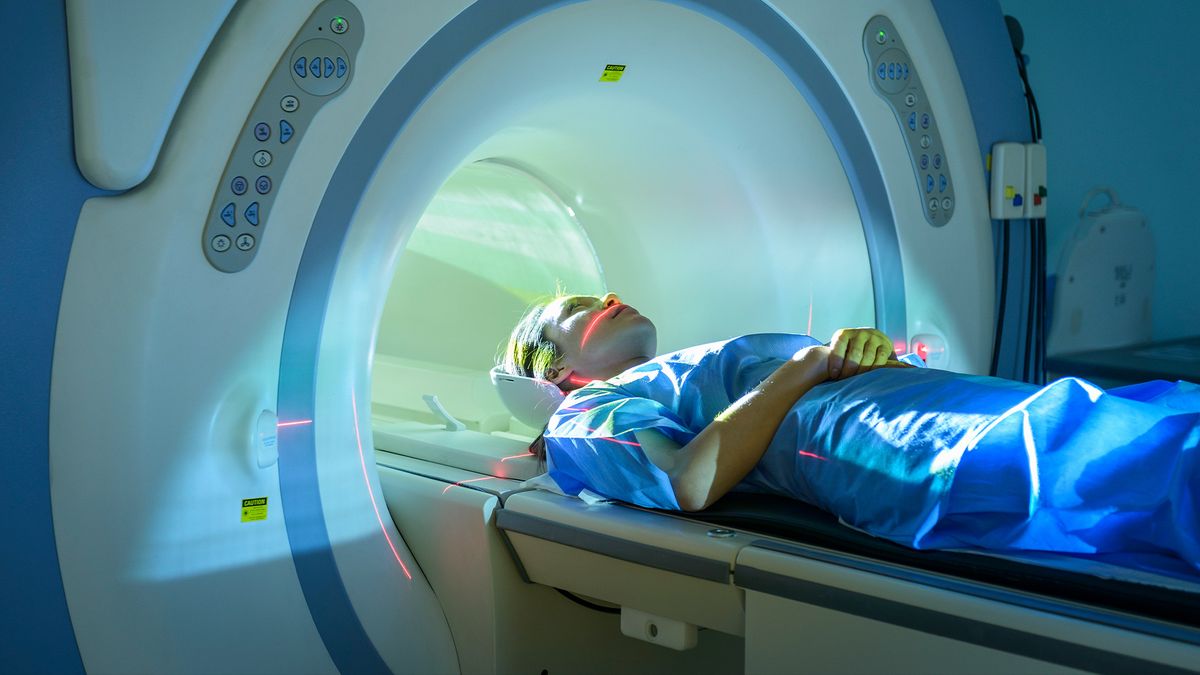
Two new studies on the mysterious 'Havana syndrome' found no physical cause but suggested a possible link to mental health, with researchers finding no significant differences in brain scans or other biological tests between people with Havana syndrome and healthy controls. While the results provide little insight into a possible biological explanation for the symptoms, they did find that people with Havana syndrome self-reported more problems with balance and higher levels of fatigue, depression, and post-traumatic stress disorder compared to the control group. The researchers suggest that if the Havana syndrome symptoms were caused by an external factor, it's possible they are no longer detectable with current tests and sample sizes.
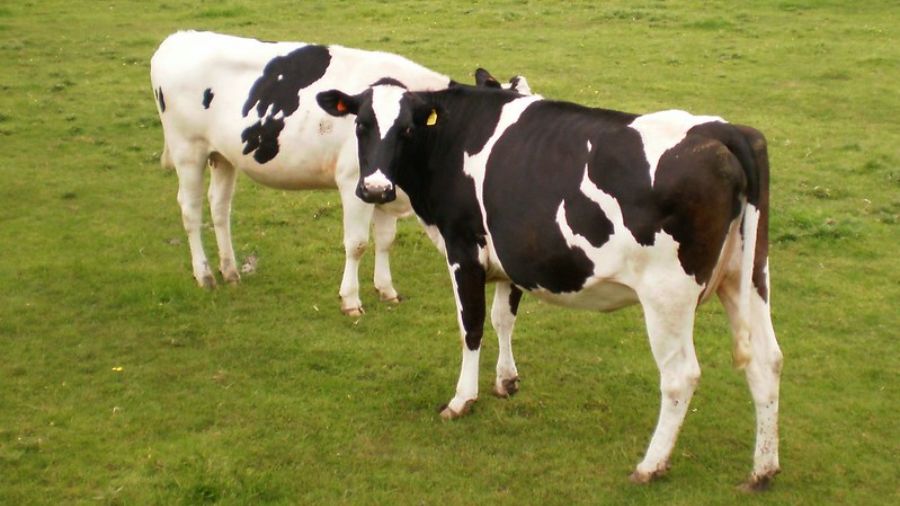
University of Illinois Professor Matt Wheeler and his team have genetically modified a Jersey cow in Brazil to produce human insulin in its milk, potentially revolutionizing insulin production. The cow underwent induced lactation to produce the insulin, and the team was surprised to find that the cow's body enzymatically processed the proinsulin into active insulin, eliminating the need for further processing. The goal is to create a small farm of Holstein cows that produce human insulin in milk to address the rising cost of insulin. The ultimate hope is to provide a more convenient and natural way for diabetic patients, especially children, to receive insulin, potentially through consuming milk, yogurt, or ice cream.
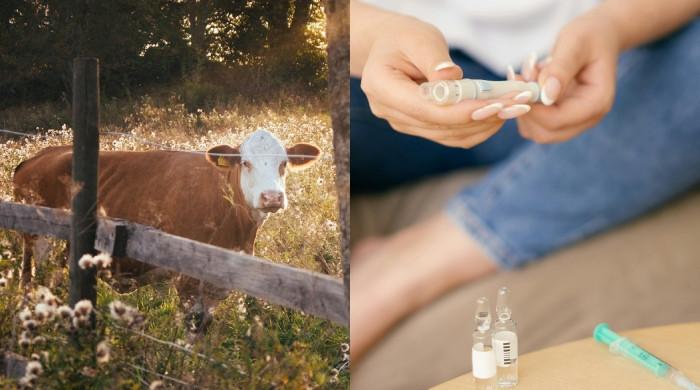
Researchers in Brazil have genetically modified cows to produce human insulin in their milk, potentially offering a breakthrough in diabetes treatment by alleviating insulin scarcity and making it more affordable. The study, led by a professor at the University of Illinois, successfully integrated a human DNA segment into cows' embryos, resulting in the production of milk containing both proinsulin and insulin. The goal is to create a herd of transgenic cows that can outpace current insulin production without the need for high-tech facilities, aiming to produce one gram of insulin per liter of milk.