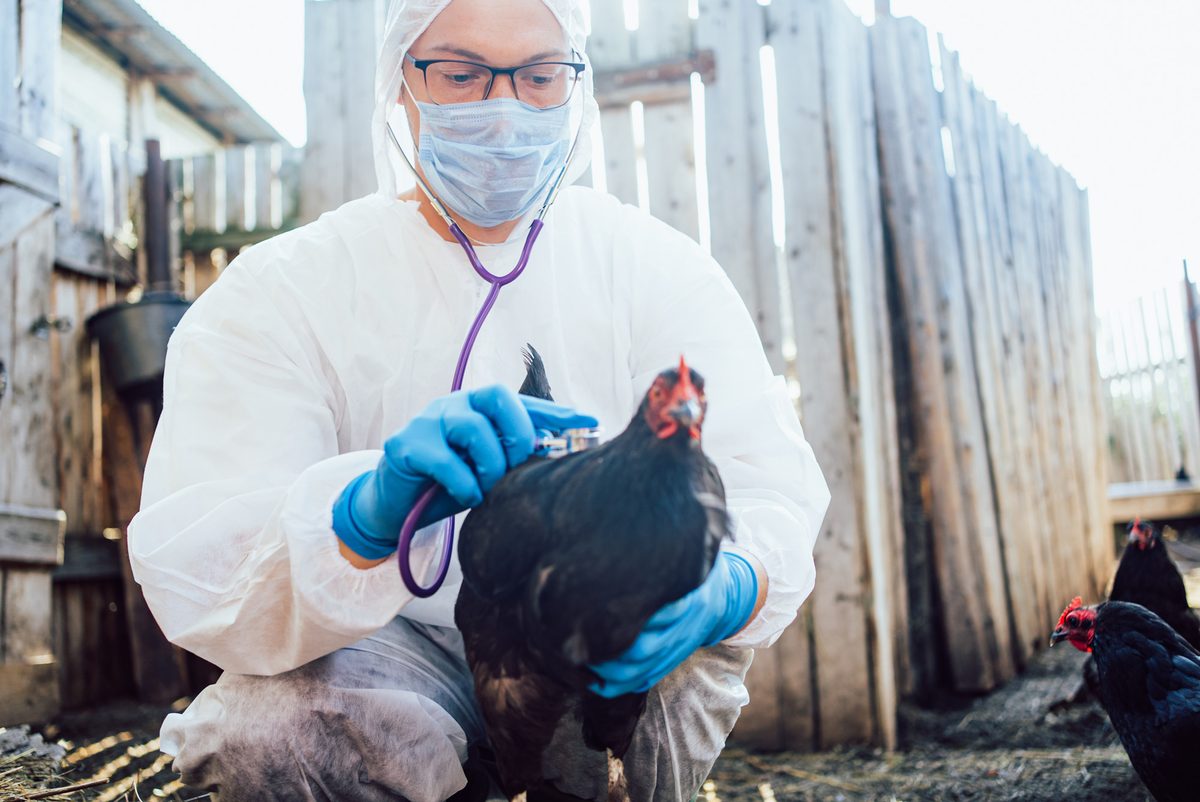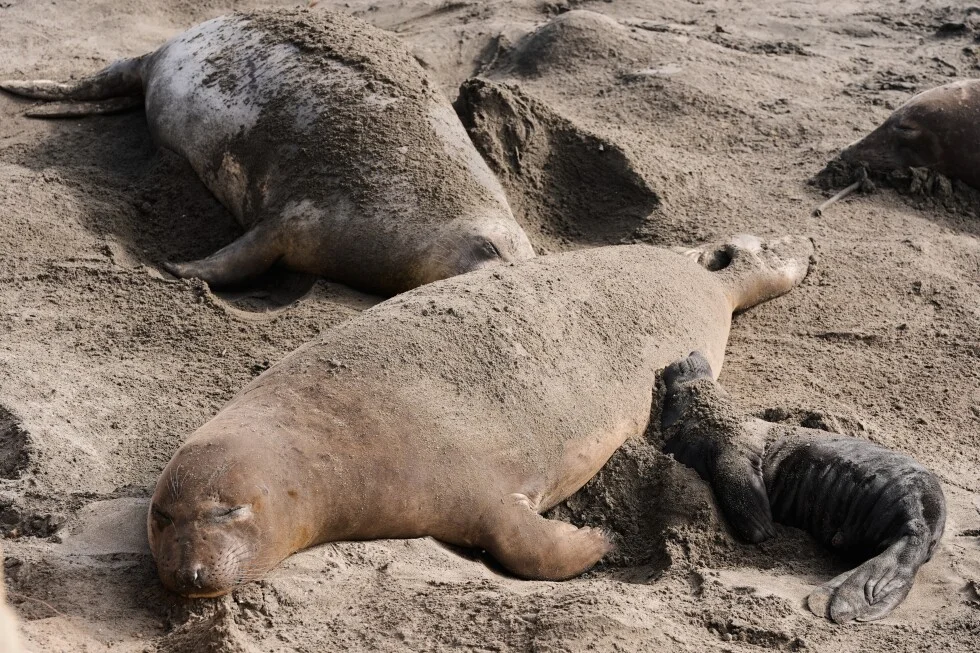
The article reveals how the spread of highly pathogenic avian influenza (H5N1) among US dairy cattle and poultry, facilitated by industrial farming practices and lack of government oversight, poses significant health risks to animals and humans, highlighting the broader dangers of the consolidated, profit-driven food industry and advocating for systemic reforms.
An infectious-disease expert highlights key viral threats to watch in 2026, including bird flu, mpox, and Oropouche virus, emphasizing the importance of vigilance, vaccine development, and understanding emerging viruses amid global changes and travel.
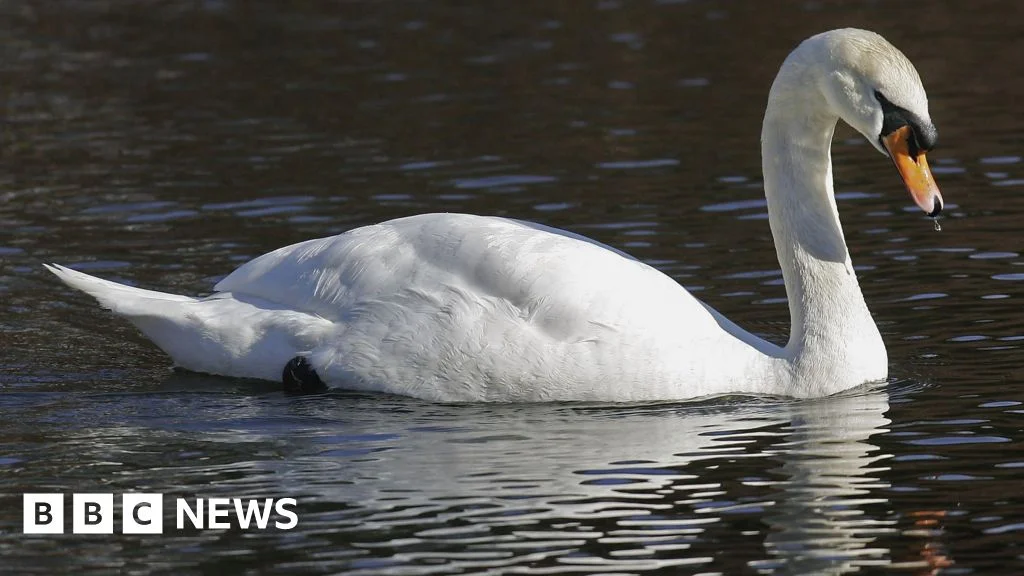
Twelve swans at Lake Eola in Orlando have died recently, suspected to be due to bird flu, prompting investigations by local officials. The swans are iconic symbols of the city, and necropsies are underway to determine the exact cause of death.
Experts warn that bird flu, particularly the expanding reach of H5N1 and related strains, poses a significant but underrecognized threat due to weakened surveillance systems and underfunded health agencies, risking a future pandemic if early warning signals are ignored.
Scientists warn that the highly pathogenic bird flu strain H5N1 has spread globally, infecting wild birds, poultry, mammals, and even dairy cattle in the US, raising concerns about potential human transmission and a future pandemic, with experts calling for increased surveillance, vaccination, and global cooperation.
The article warns that despite the ongoing threat of bird flu and its expanding reach into mammals, global disease surveillance systems are underfunded and weakened, risking delayed responses and potential future pandemics, echoing past failures in handling COVID-19.
Indian researchers have used computer simulations to model how H5N1 bird flu could spread to humans and what early interventions might contain an outbreak, emphasizing the narrow window for effective action to prevent a potential pandemic.
The article discusses the potential of bird flu to become the next pandemic, examining the current scientific understanding and risks associated with the virus.
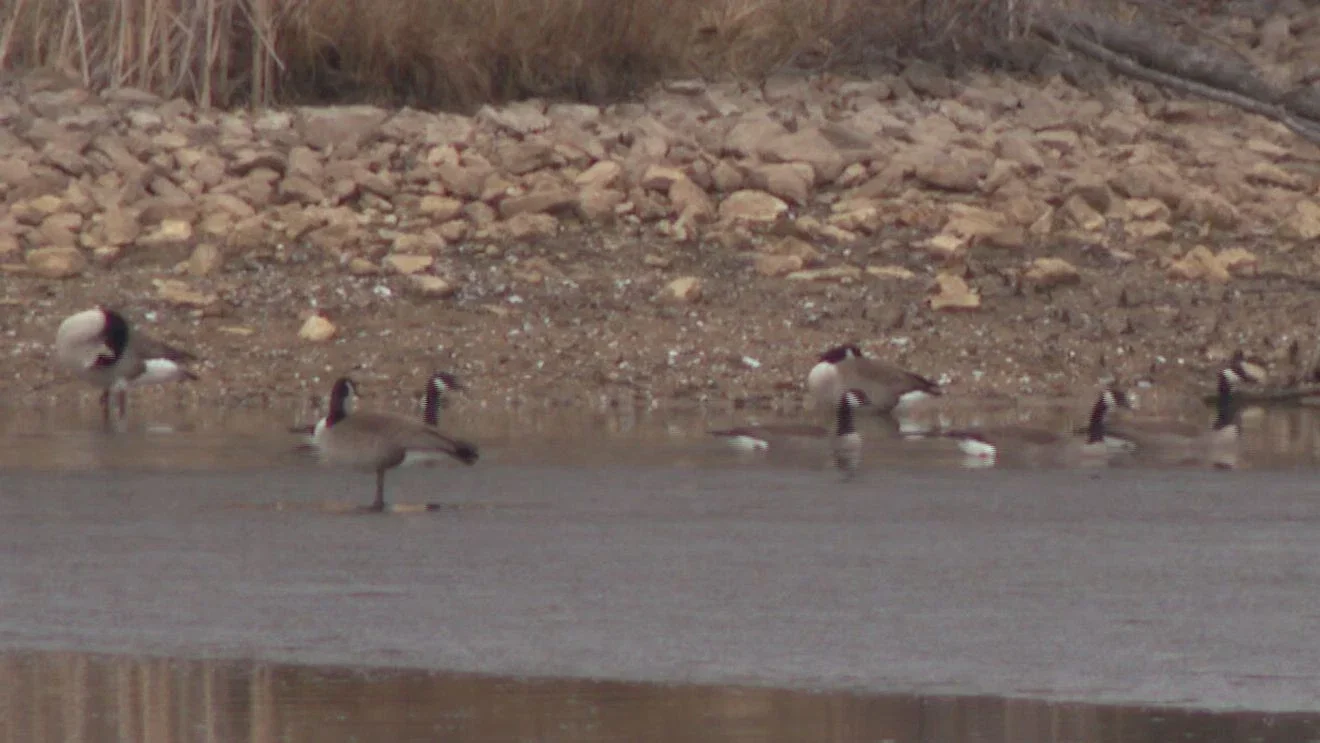
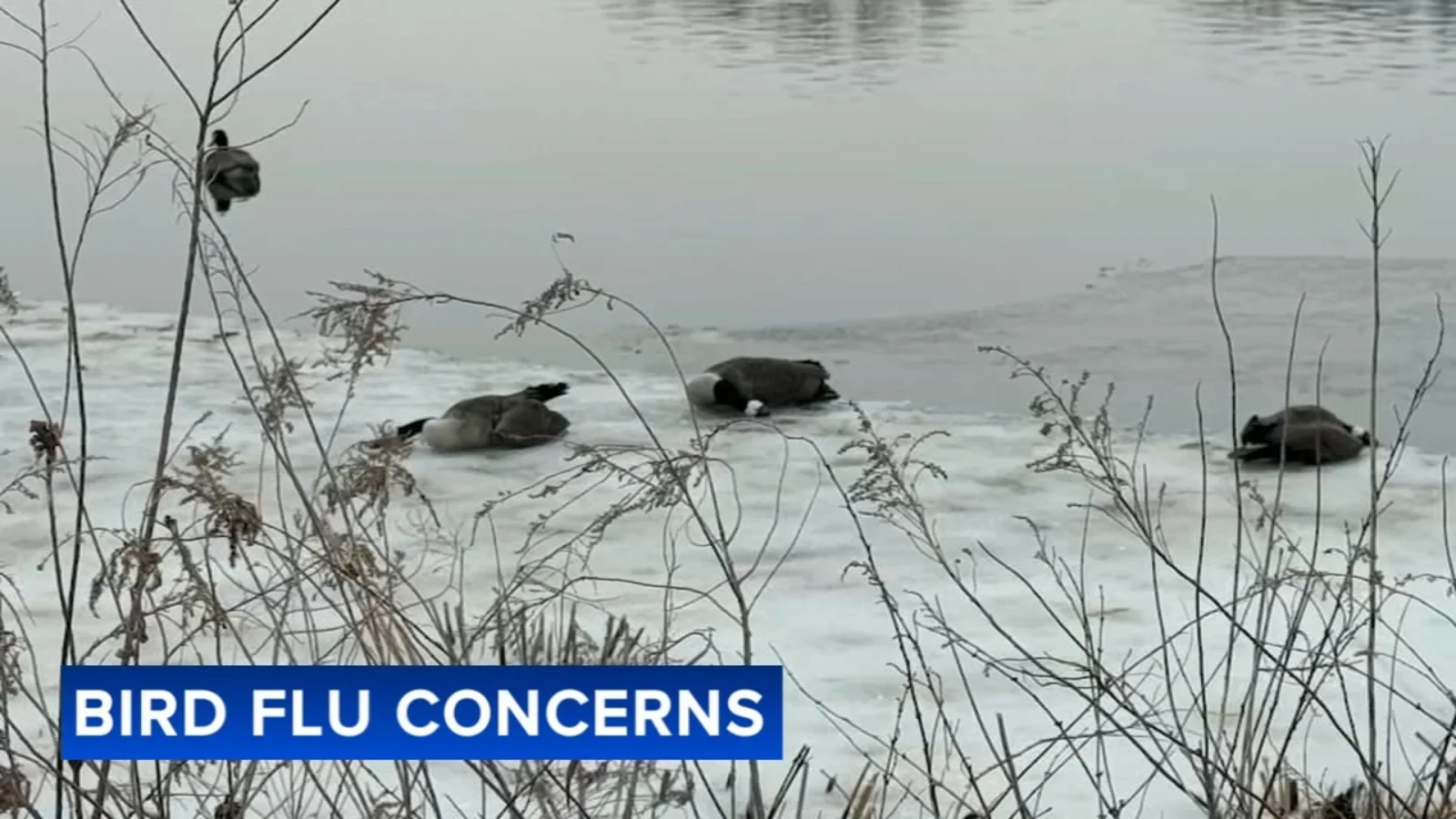
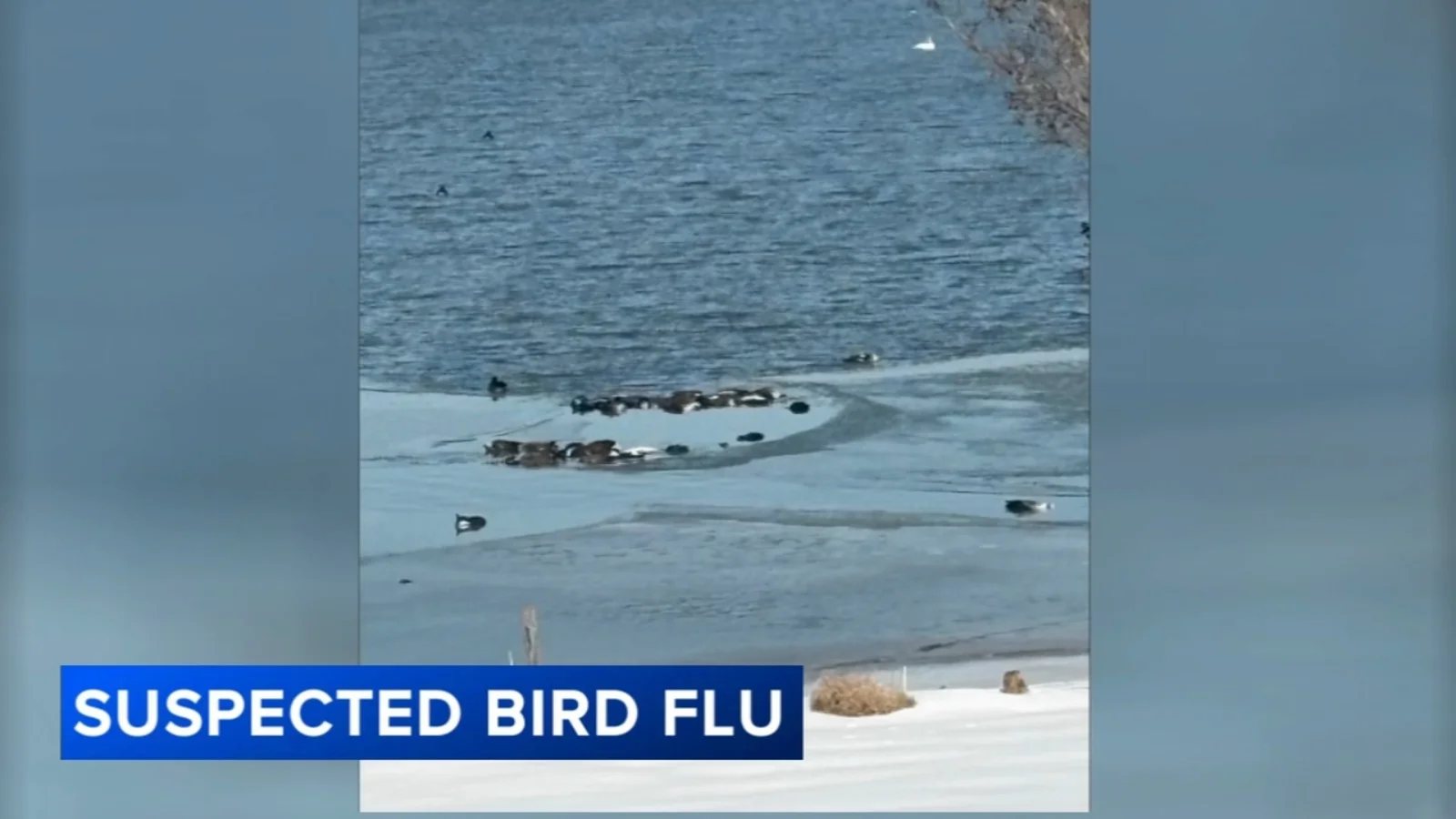
Hundreds of snow geese found dead at a Northampton County quarry are suspected to have died from bird flu, with authorities testing and removing the carcasses. The outbreak of highly pathogenic avian influenza (HPAI) has affected waterfowl across the U.S., with the public advised to report sick or dead birds and take precautions to prevent spread. The CDC considers the human health risk low, but recommends safety measures for hunters and pet owners.
A new study reveals that certain bird flu strains can withstand higher temperatures associated with fever due to a specific gene, increasing their potential to cause severe illness in humans and possibly fueling future pandemics. The research highlights the importance of monitoring these heat-resistant strains for better pandemic preparedness.
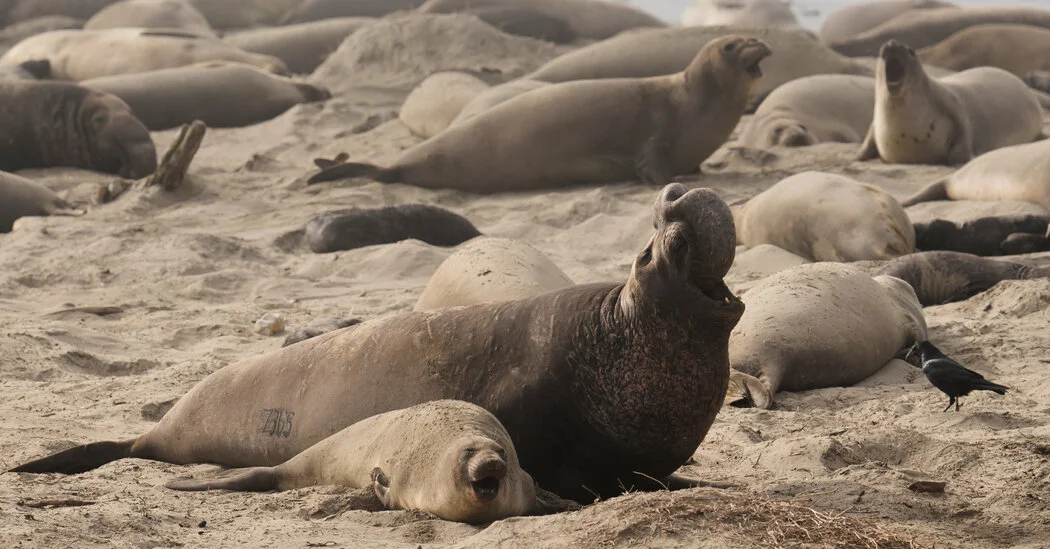
The bird flu has caused the death of nearly 9 million birds worldwide and affected multiple animal species, but the risk to humans remains low. The outbreak, driven mainly by the H5N1 subtype, has led to extensive culling and concerns about biodiversity and animal health, with experts emphasizing the importance of biosecurity and international cooperation to control the spread and prevent potential mutations that could threaten human health.
A new study shows that bird flu viruses, including the H5N5 strain responsible for the first human death, can replicate at higher temperatures than typical fevers, potentially making them more severe and harder to combat. The research highlights the evolving threat of bird flu and the importance of monitoring these viruses to prevent future pandemics.
The Canadian Food Inspection Agency has completed a humane cull of 300-330 ostriches at a farm in British Columbia to prevent the spread of bird flu, despite legal challenges and protests from the farm owners who argued the birds were healthy and valuable for research.
Bird flu cases are increasing across the US, with 67 flocks affected and over 3.7 million birds dead, but monitoring efforts are hampered by federal staffing cuts and policy changes, raising concerns about undetected spillover to humans despite the current low risk to the general public.
Canada's Supreme Court declined to hear a case to save over 300 ostriches infected with avian flu at Universal Ostrich Farms, leading to their scheduled culling by the Canadian Food Inspection Agency, despite support from figures like RFK Jr. and protests from the farm's advocates.