Tag

Biosynthesis

All articles tagged with #biosynthesis

Tagatose: The insulin-friendly, heat-stable sugar poised for mass production
science1 month ago

Tagatose: The insulin-friendly, heat-stable sugar poised for mass production

Tufts researchers, using a slime-mold Gal1Pase enzyme, engineered E. coli to convert glucose to tagatose with a 95% yield, enabling scalable, lower-cost production. Tagatose is nearly as sweet as sugar but with about one-third the calories and does not trigger insulin spikes, making it attractive for diabetes management. It’s heat-stable for baking, is considered safe by FDA/WHO, and could reach a $250 million market by 2032, though individuals with fructose intolerance should avoid it.

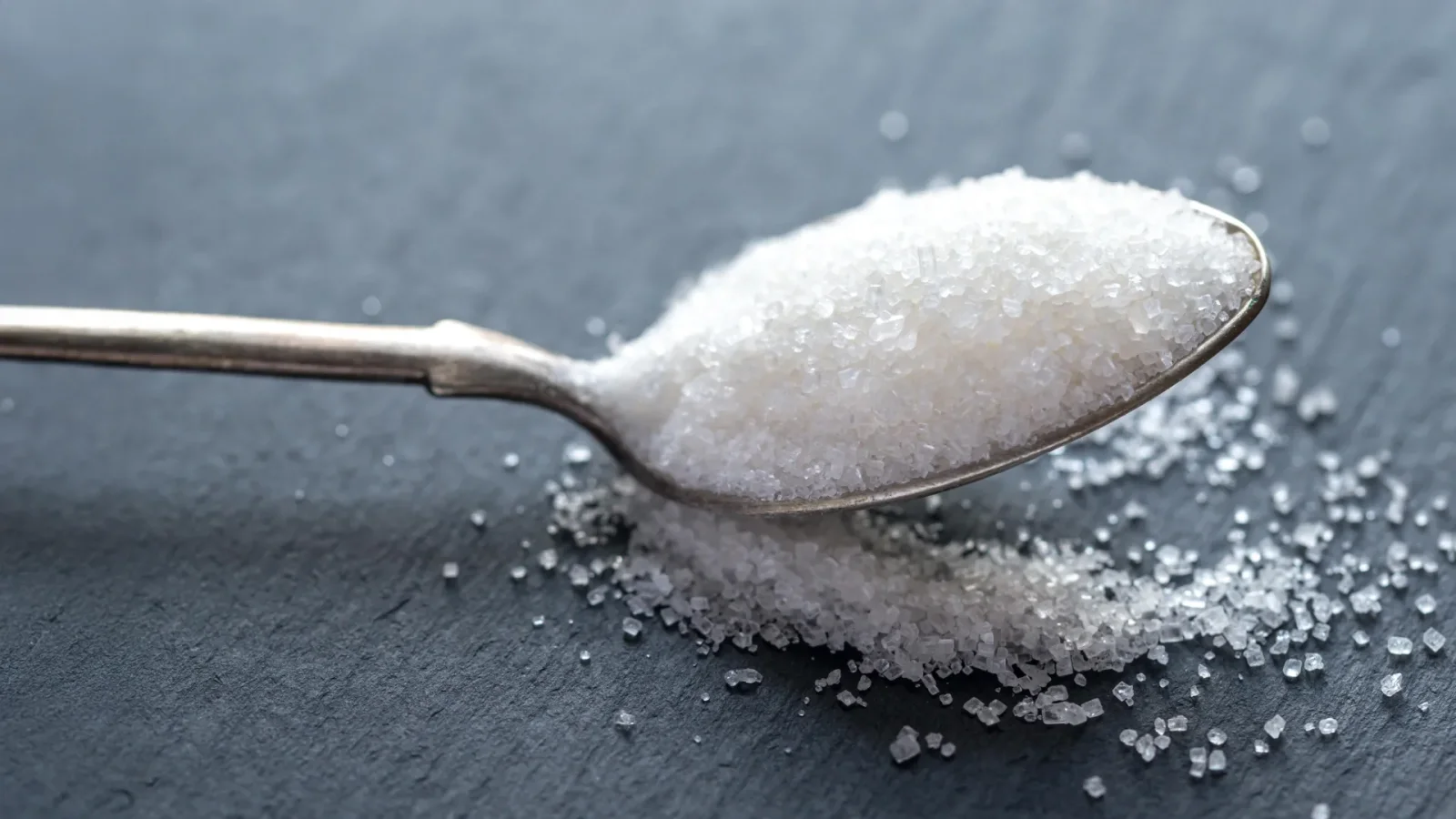
Engineered Microbes Forge Real-Tasting, Low-Calorie Sugar Substitute
science1 month ago

Engineered Microbes Forge Real-Tasting, Low-Calorie Sugar Substitute

Tufts researchers engineered bacteria to convert glucose into tagatose, a rare sugar that closely mimics table sugar’s taste but with about 60% fewer calories and a much smaller impact on blood sugar. Using a slime-mold enzyme (Gal1P) and arabinose isomerase, the team achieved up to 95% production yields, making tagatose a more cost-effective bulk sweetener. FDA-listed as generally safe, tagatose may also support oral and gut health by slowing cavity-causing bacteria and potentially acting as a probiotic. The method could enable more efficient production of other rare sugars for cooking and baking alike.

Bioengineered microbes turn glucose into tagatose, a near-sugar with fewer downsides
science1 month ago

Bioengineered microbes turn glucose into tagatose, a near-sugar with fewer downsides

Tufts researchers engineered E. coli to convert glucose into tagatose, achieving up to 95% yield and enabling cost-effective production of a sugar-like sweetener that delivers ~92% of sucrose sweetness with ~60% fewer calories, a smaller glycemic impact, and potential oral/gut health benefits; it browns like sugar and could serve as a bulk sweetener, with FDA GRAS status.

Chernobyl Fungus Evolves Unique Radiation-Absorbing Ability
science2 months ago

Chernobyl Fungus Evolves Unique Radiation-Absorbing Ability

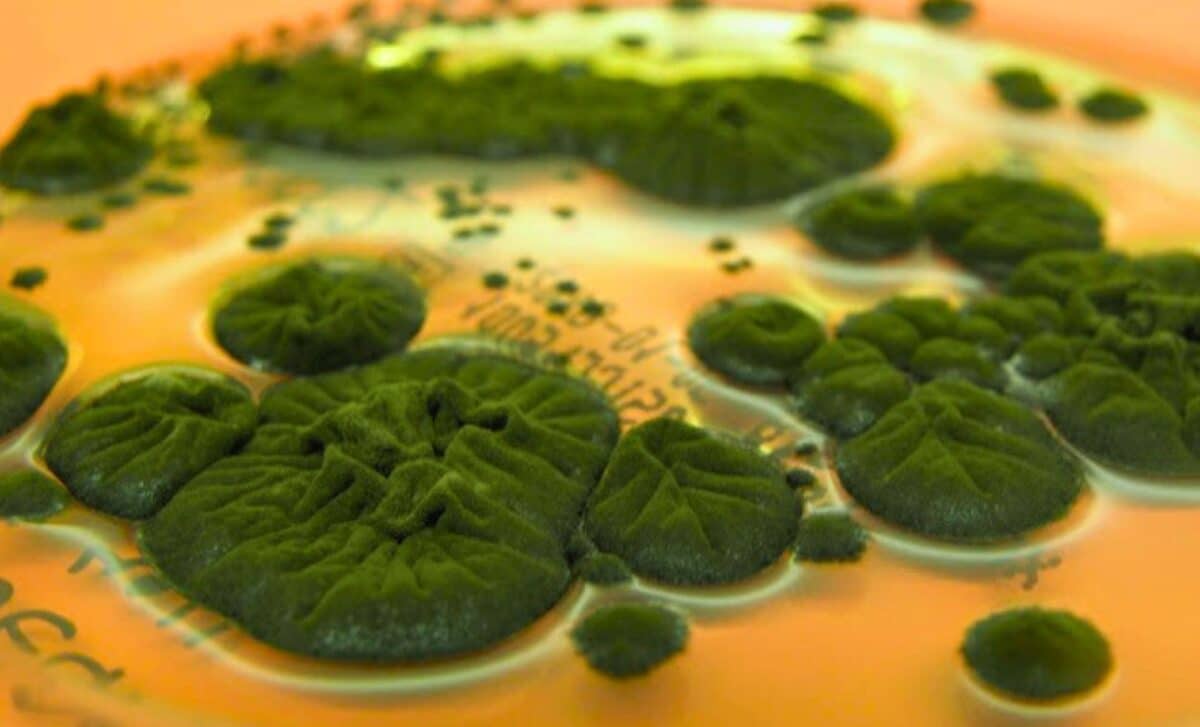
A black fungus, Cladosporium sphaerospermum, thriving in Chernobyl's radioactive environment, shows unusual growth patterns under radiation, leading to theories of a potential 'radiosynthesis' process that could convert radiation into energy, with implications for space shielding and astrobiology. Despite ongoing research, the exact mechanisms remain unknown, but the fungus's resilience and unique properties make it a promising subject for future scientific and space exploration applications.

"Chinese Scientists' Breakthrough in Cancer Drug Biosynthesis"
health-science2 years ago

"Chinese Scientists' Breakthrough in Cancer Drug Biosynthesis"

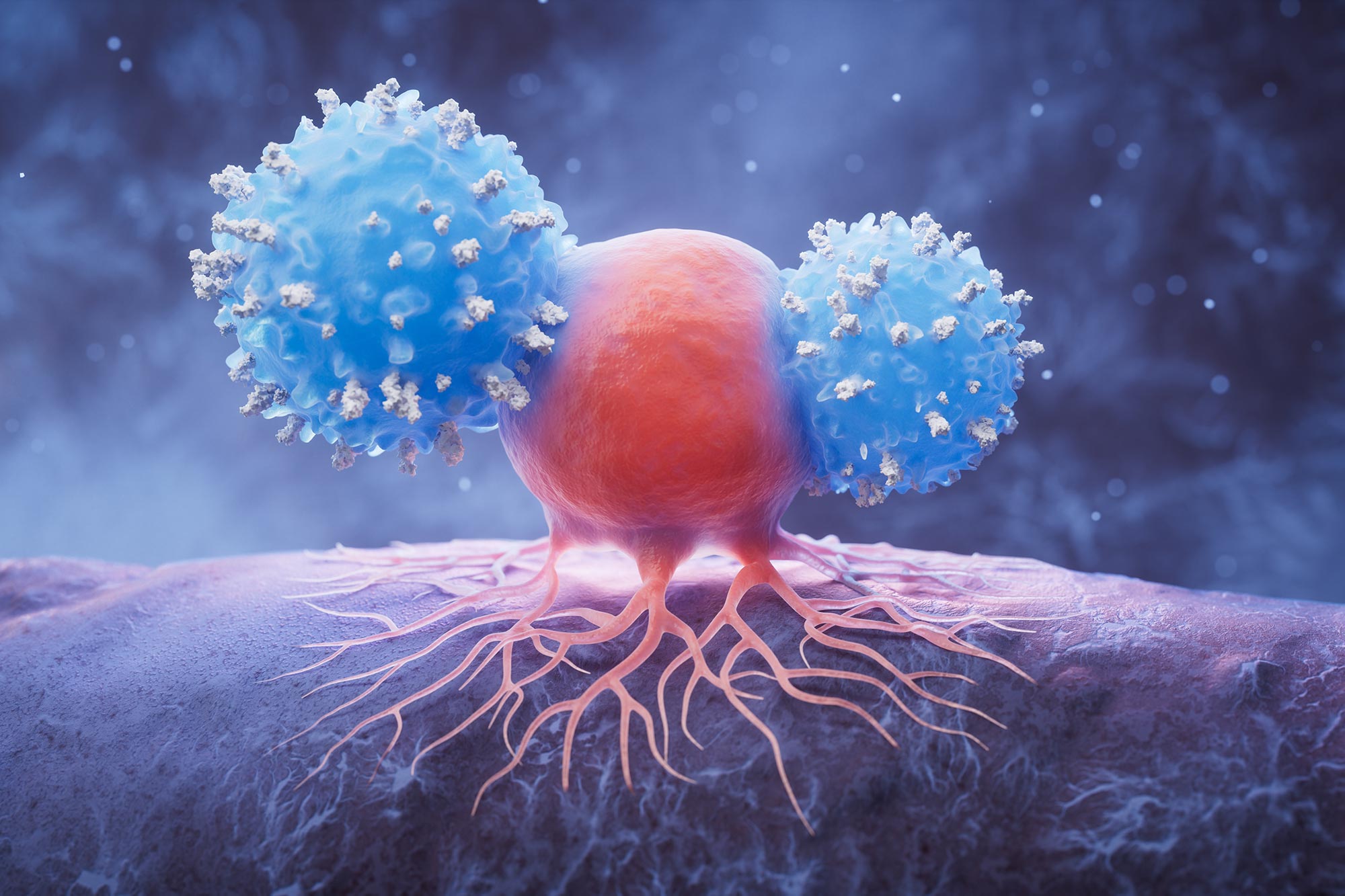
Chinese scientists have decoded the biosynthetic pathway of the rare anticancer drug paclitaxel and successfully reproduced it in tobacco plants, offering a potential solution to the scarcity of the compound found in the Pacific yew tree. The research, published in Science, identified a new understanding of the synthesis pathway and introduced a method to artificially constitute the biosynthetic pathway for the key precursor of paclitaxel in tobacco. This breakthrough could pave the way for sustainable and alternative production methods, potentially leading to green and efficient manufacturing of paclitaxel in the future.

Unveiling the Origins of Modern Lipid II Targeting Glycopeptides: Resurrecting Ancestral Antibiotics
science-and-technology2 years ago

Unveiling the Origins of Modern Lipid II Targeting Glycopeptides: Resurrecting Ancestral Antibiotics

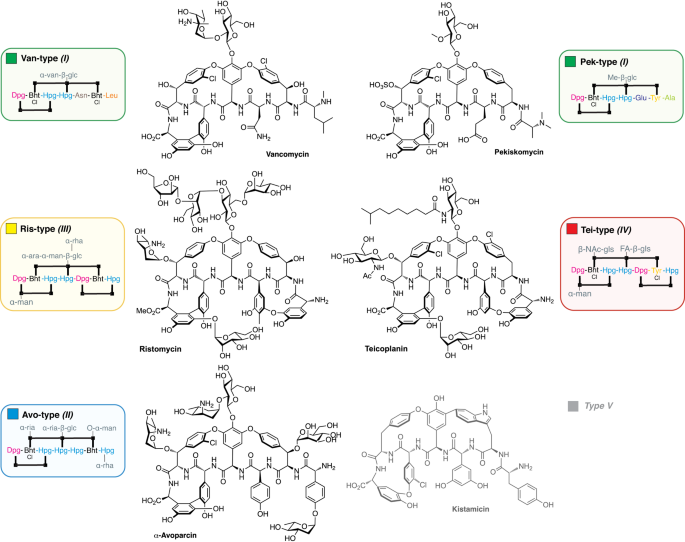
Researchers have used ancient DNA to investigate the evolutionary history of lipid II targeting glycopeptide antibiotics (GPAs), a class of antibiotics used to treat resistant bacterial infections. They discovered that modern GPAs have evolved from an ancestral GPA called paleomycin, which resembles the more complex structure of teicoplanin. By reconstituting the biosynthesis of paleomycin, the researchers confirmed its antibiotic activity. They also identified the genetic changes that led to the evolution of modern GPAs, including alterations in the peptide core and changes in the biosynthesis of key components. This study provides insights into the evolution of GPAs and could aid in the development of new antibiotics.

Evolutionary Progression from Archaea to Phage in Z-Genome Biosynthesis.
science2 years ago

Evolutionary Progression from Archaea to Phage in Z-Genome Biosynthesis.

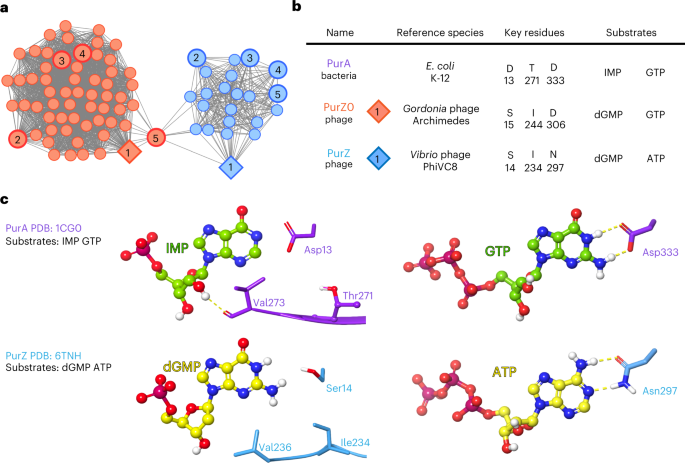
Researchers have discovered a third purine biosynthesis pathway in phages that replaces adenine with aminoadenine, a modification previously only found in Archaea. The pathway involves a novel enzyme, GpPurZ0, which catalyzes the conversion of IMP to 2-aminopurine ribonucleotide. The discovery suggests an evolutionary progression from Archaea to phages and expands our understanding of the diversity of DNA biosynthesis pathways.