Scientists at the University of Illinois have discovered evidence of a massless, neutral plasmon called a 'demon' in the metal strontium ruthenate, supporting a 1956 theory and potentially advancing understanding of high-temperature superconductors by revealing a new quasiparticle that could operate at room temperature.
Research from the University of St Andrews has confirmed a nearly 100-year-old prediction about magnetoelastic coupling in quantum materials, revealing unexpectedly large effects in transition metal oxides and opening new avenues for understanding and manipulating magnetic and structural properties in advanced materials.
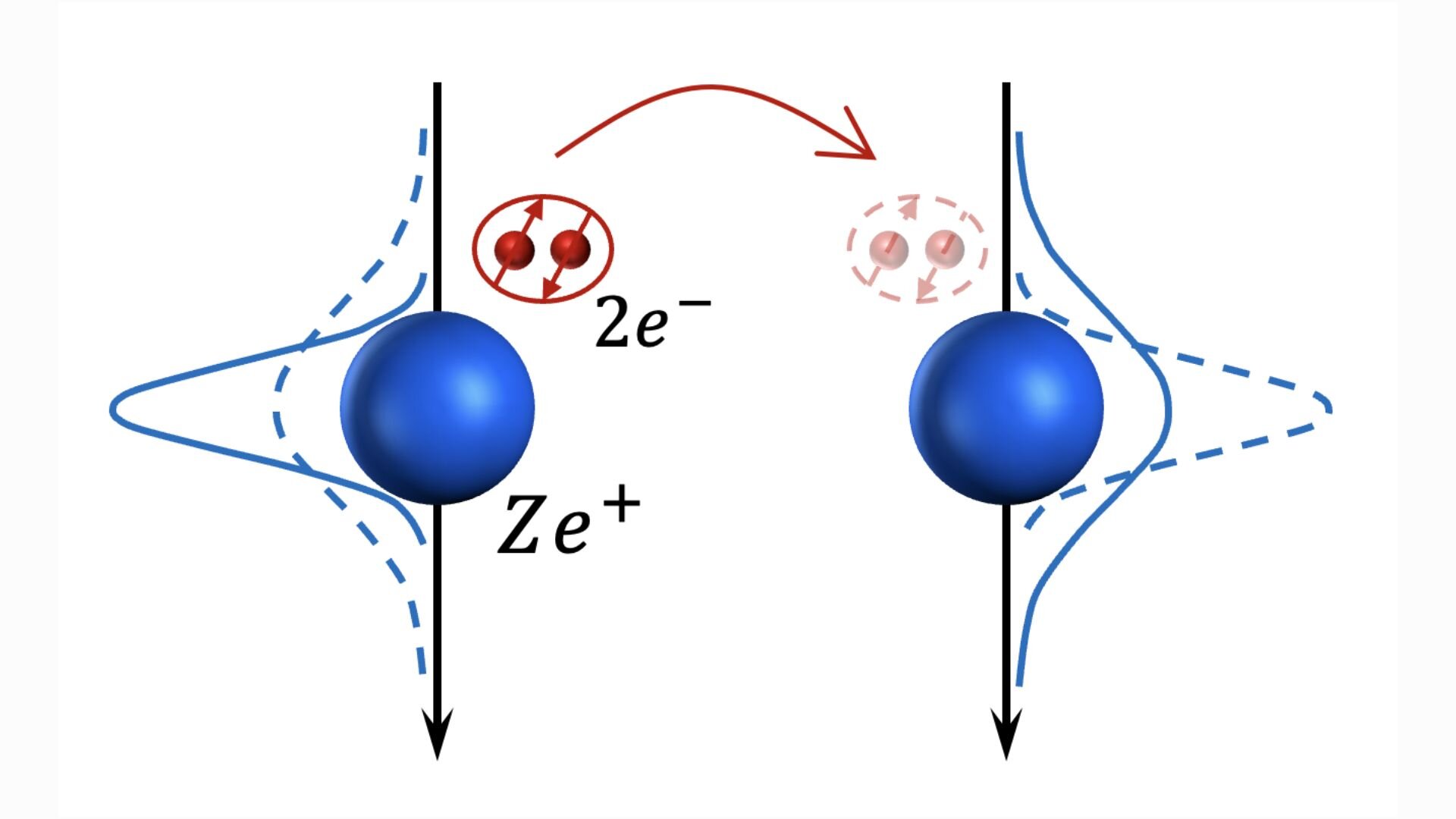
A new study in Physical Review Letters explores how quadratic electron-phonon coupling can enhance superconductivity by forming quantum bipolarons, potentially leading to higher critical temperatures. Researchers extended the Holstein model to incorporate this quadratic coupling, finding that it allows for more stable superconducting states at higher temperatures compared to linear coupling. Future work aims to identify materials with large quadratic couplings and optimize coupling strength for better superconductivity.
Researchers at Lawrence Berkeley National Laboratory are developing a strategy to prevent magnet meltdowns in high-temperature superconducting (HTS) magnets by identifying conditions under which they can safely operate without the risk of sudden heat build-up causing the magnet to fail. By calculating a window of operational parameters in which the HTS conductor will work without spiraling out of control into a quench, they aim to detect signs of heat early and safely run down the current without quenching the magnet. Their approach, if successful, could enable widespread adoption of HTS magnets, leading to higher magnetic fields and cheaper maintenance, benefiting accelerator-driven research and fusion energy goals.
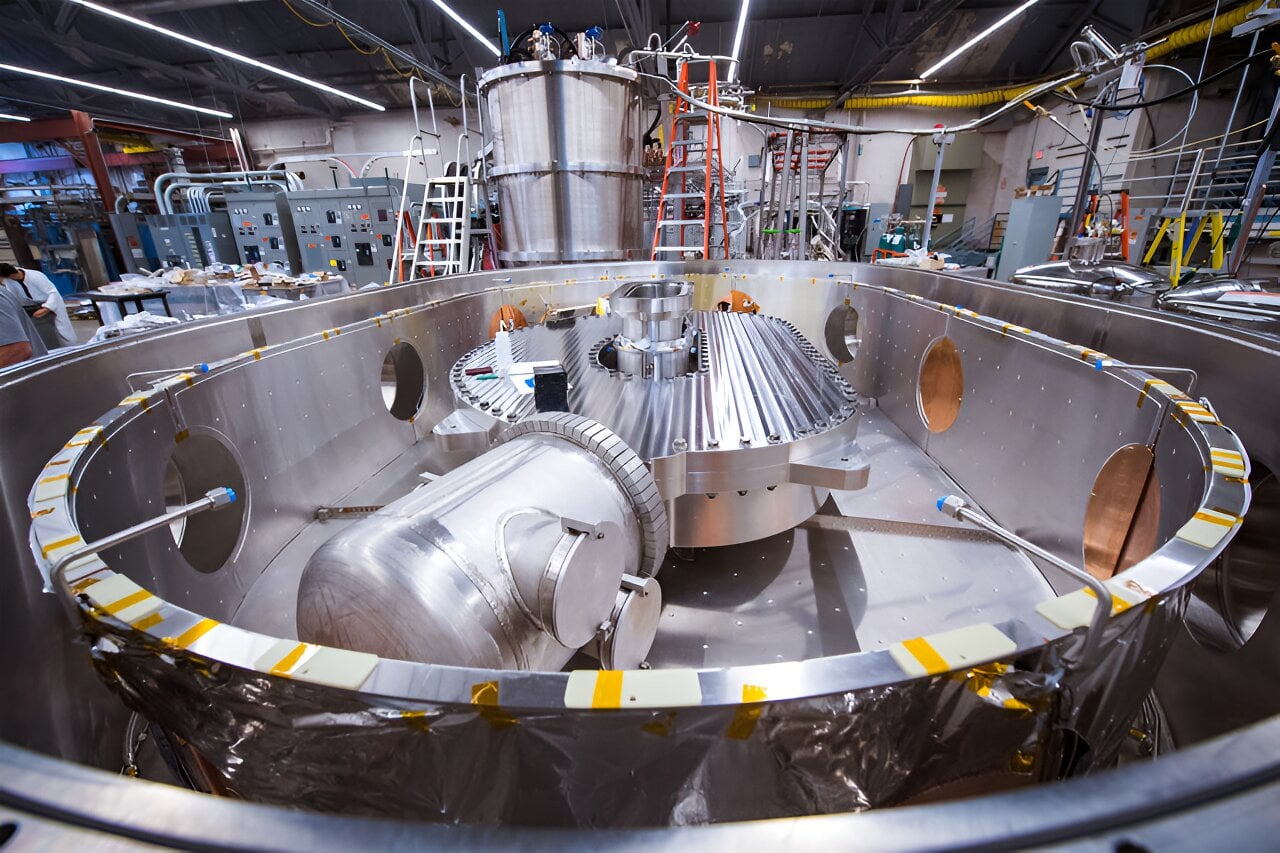
Engineers at MIT's Plasma Science and Fusion Center have achieved a world-record magnetic field strength of 20 tesla for a large-scale magnet made from high-temperature superconducting material, a crucial milestone for building a fusion power plant. The successful test, detailed in six peer-reviewed papers, demonstrates the practicality of such strong magnets at a greatly reduced size, potentially changing the cost per watt of a fusion reactor by a factor of almost 40. The new high-temperature superconducting material, REBCO, allows operation at 20 kelvins, offering significant advantages in material properties and practical engineering. The innovative magnet design, including the elimination of insulation around the superconducting tape, has been validated through rigorous testing, providing a solid foundation for the development of fusion devices.
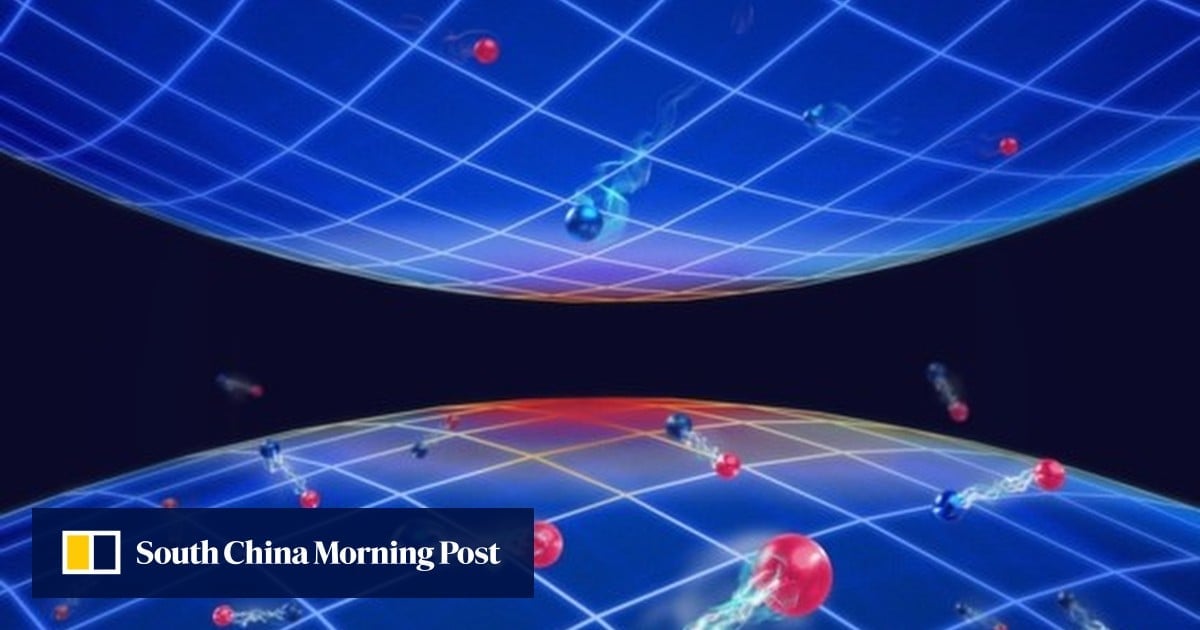
Chinese scientists from the University of Science and Technology of China have used a quantum simulator to visualize and quantify a phenomenon called a "pairing pseudogap" within a model gas, resolving a two-decade-old debate in physics. This breakthrough could lead to a better understanding of high-temperature superconductors and pave the way for practical applications of superconductivity. The team's findings, published in the journal Nature, could be a significant step towards using quantum simulations to solve important physical problems and uncover the key to practical superconductivity.
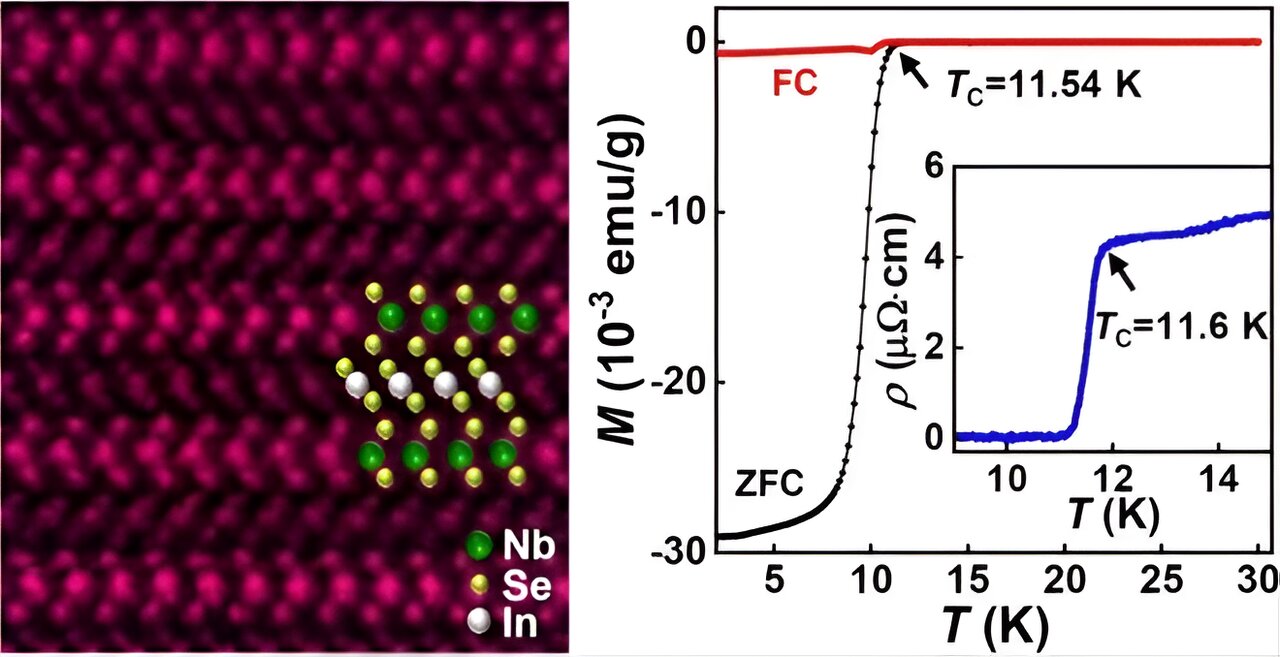
A research team from the Hefei Institutes of Physical Science, Chinese Academy of Sciences, has discovered a new superconducting material, (InSe2)xNbSe2, with a unique lattice structure and a superconducting transition temperature of 11.6 K, the highest among transition metal sulfide superconductors under ambient pressure. This material exhibits an impressive critical current density and opens up new possibilities for advancing superconductivity research and developing high-temperature superconductors with improved performance.
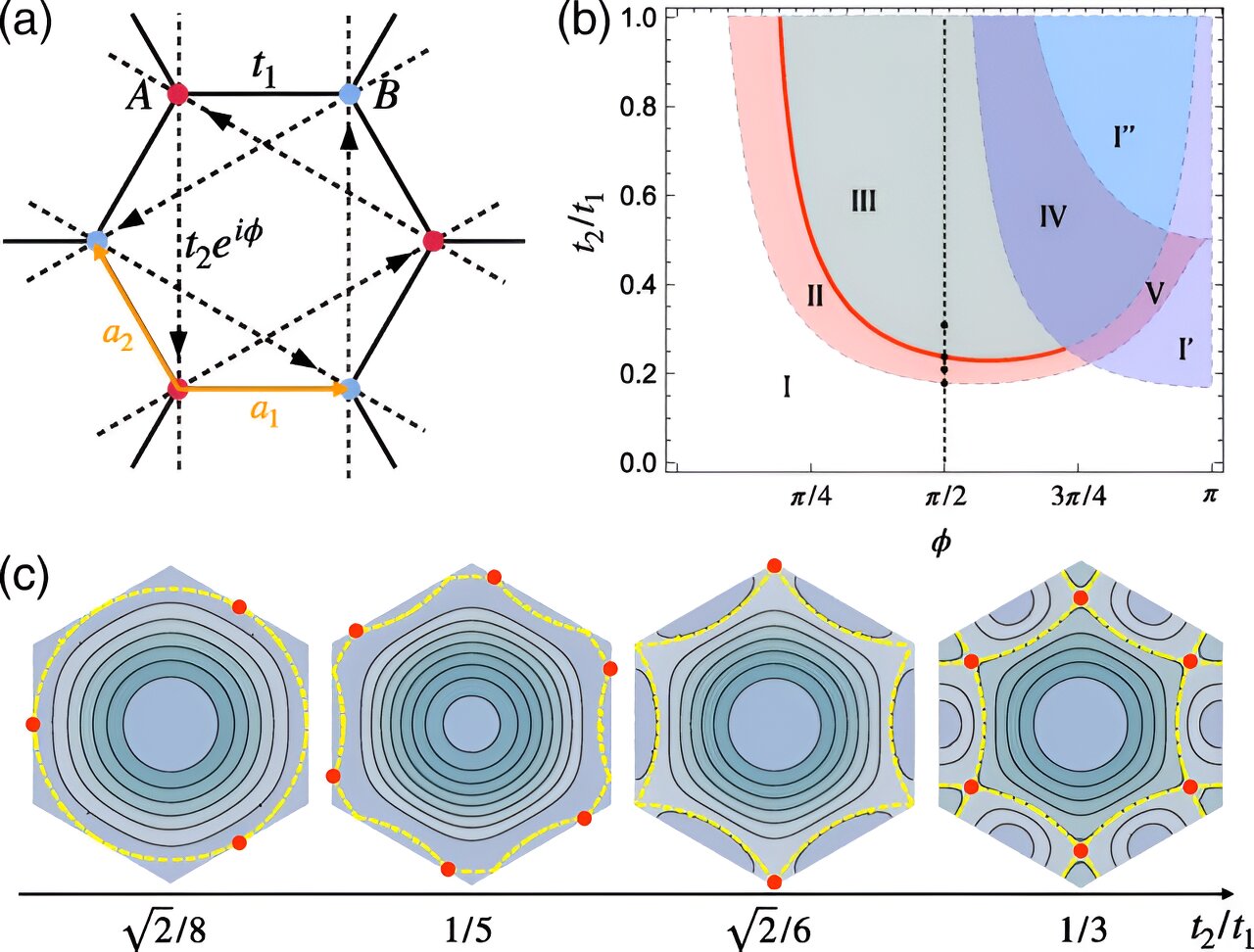
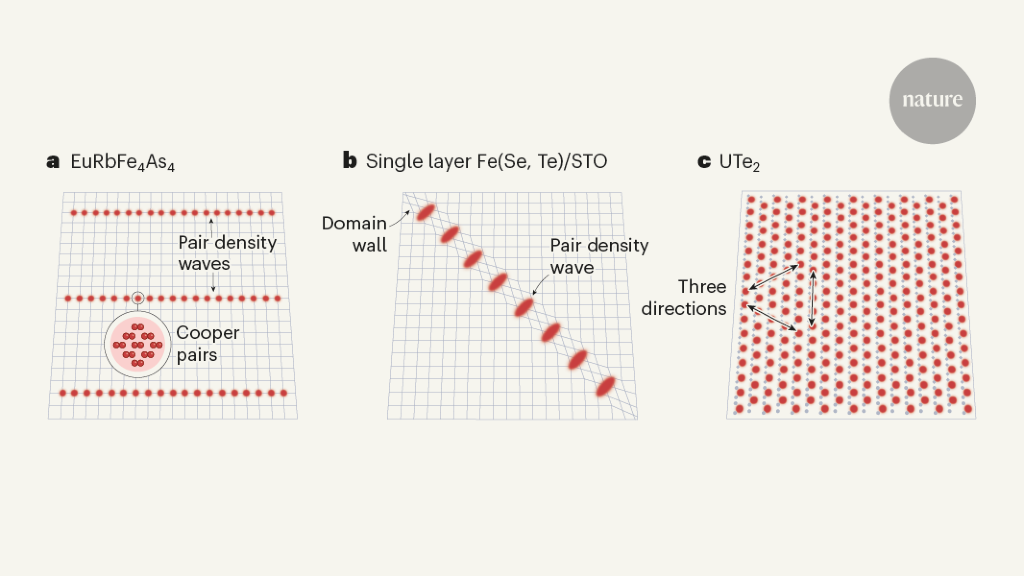
Physicists have discovered a mechanism, called pair-density waves, that leads to oscillating superconductivity in certain materials, including high-temperature superconductors. The researchers identified this mechanism through structures known as Van Hove singularities and published a new theoretical framework. Superconductivity, the ability to conduct electricity without energy loss, holds great potential for various applications, and understanding unconventional superconductive states is crucial for further advancements in the field. The discovery provides a foundation for experimentalists to explore the possibilities of this behavior and brings us closer to the goal of practical room-temperature superconductivity.
Physicists have discovered a mechanism for the formation of oscillating superconductivity, known as pair-density waves, shedding light on an unconventional, high-temperature superconductive state found in certain materials. The researchers identified that Van Hove singularities can produce modulating states of superconductivity, providing a new theoretical framework for understanding this behavior. Superconductivity, the ability to conduct electricity without energy loss, holds great potential for various applications, and the discovery of this mechanism could pave the way for further exploration and development of superconducting materials.
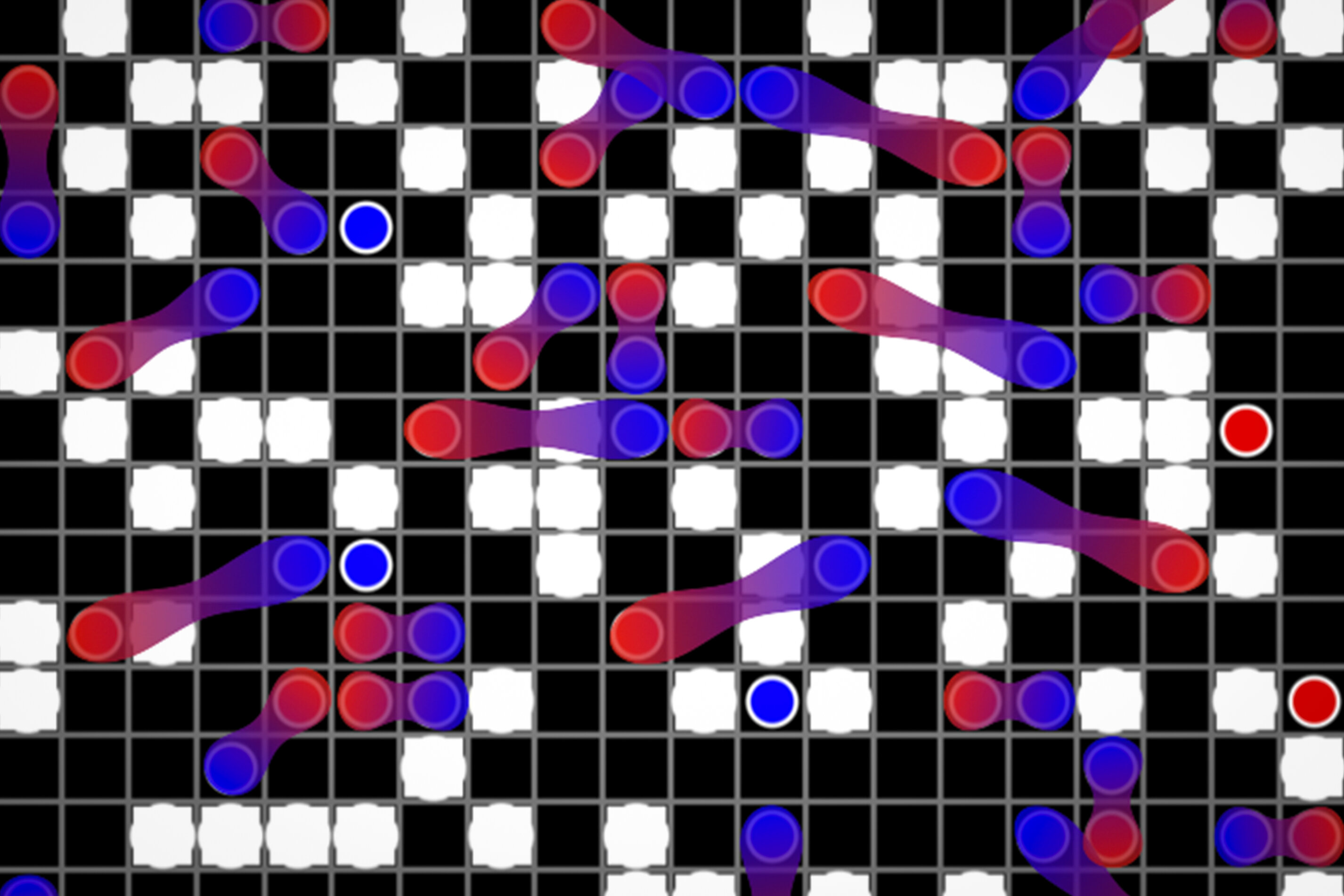
Physicists at MIT have captured the first snapshots of fermion pairs, shedding light on how electrons form superconducting pairs. By studying the behavior of fermions in the form of potassium-40 atoms, the researchers were able to observe the particles pairing up, even when separated by a small distance. The observations provide a visual blueprint for how electrons may pair up in superconducting materials and may also help understand how neutrons pair up in neutron stars. The findings could contribute to the development of room-temperature superconductors and zero-loss devices.
Four research groups have discovered that pair density waves, which involve a periodic modulation of electron density, are more prevalent than previously thought in high-temperature superconductors. This finding is significant for understanding and harnessing the properties of superconductors for practical applications such as energy transmission and electronics.
Researchers from TU Wien and universities in Japan have used computer simulations to identify the “golden zone” for optimal superconductivity, which is reached with a new class of material called palladates. Palladium is the “Goldilocks” material for creating superconductors that remain superconductive even at relatively high temperatures. The search for higher transition temperatures is important for generating, transporting, and using electricity. The computational results are very promising, and researchers hope to initiate experimental research to create even better superconductors.
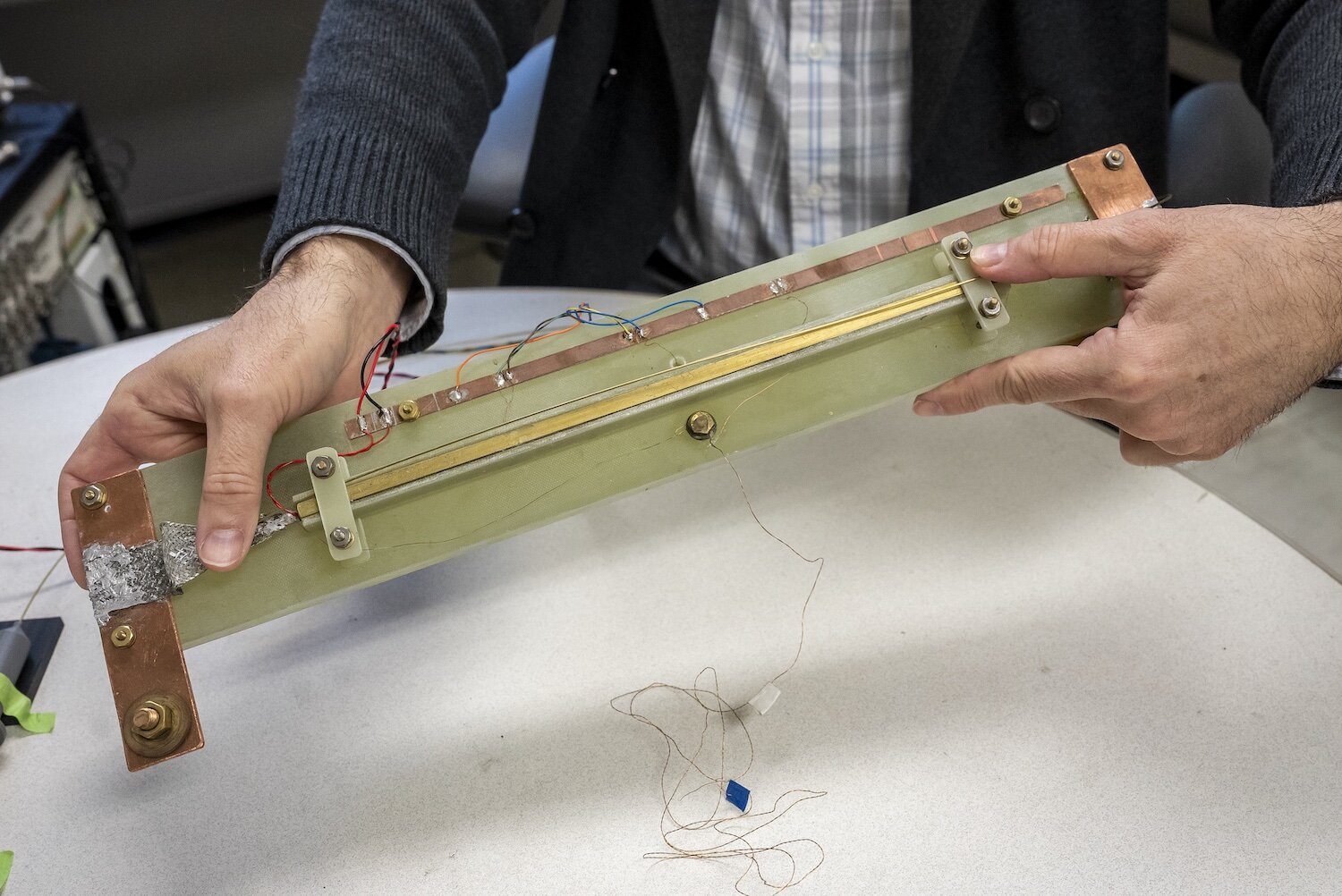
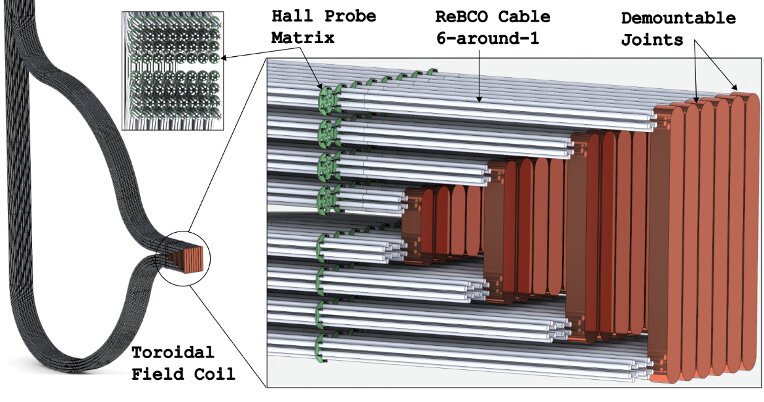
Researchers at Berkeley Lab's Accelerator Technology & Applied Physics Division have developed a method for detecting and predicting the local loss of superconductivity in large-scale magnets that are capable of generating high magnetic fields. The method employs an array of Hall probes to measure the magnetic fields produced around Rare-earth barium copper oxide (ReBCO) CORC cables. This innovative technique has the potential to serve as a key element in solving the quench protection for high-temperature superconductor cables, a fundamental issue for the scientific community working on the next generation of superconducting magnets.