
healthtech0.285 min read
"The Future of Medicine: Digital Copies of Your Heart on the Horizon"
1 year ago•Source: BBC.com

The latest healthtech stories, summarized by AI
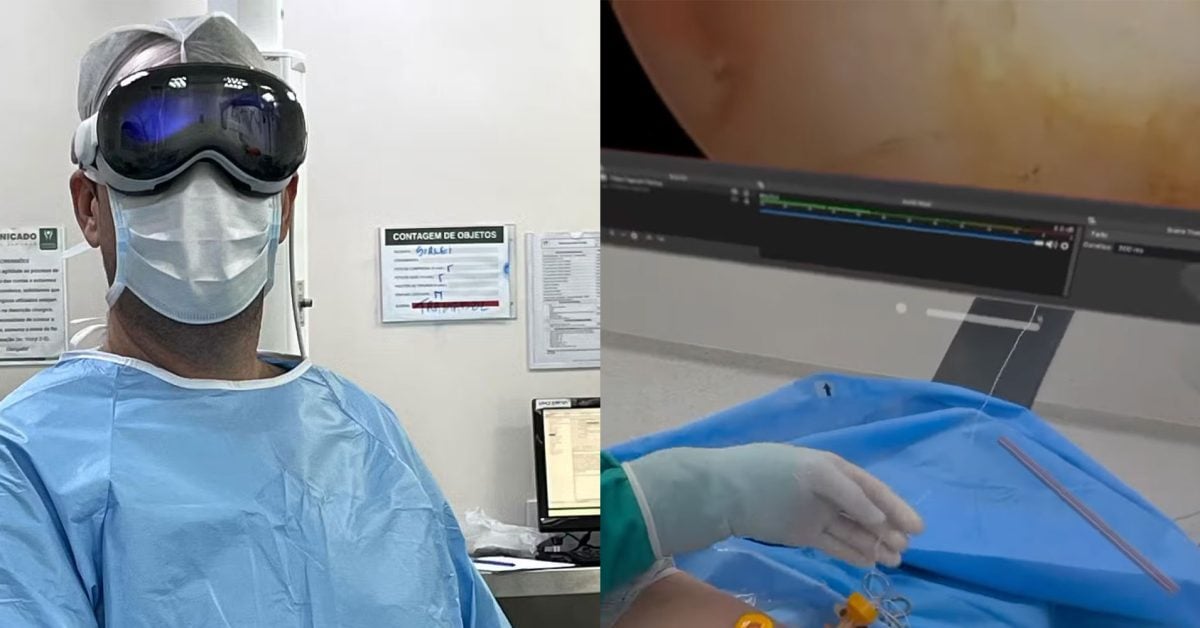
Orthopedic doctor in Brazil successfully performed shoulder arthroscopy surgery using Apple Vision Pro to assist in treating a patient with a rotator cuff tear, praising the device's high-resolution display and dynamic camera range. The doctor highlighted the ability to view patient exams and 3D models in real time, as well as easily access notes and x-rays during the procedure. Apple Vision Pro has also been lauded by a British neurosurgeon for its potential in spinal surgery, and Stryker's myMako app is extending its use for surgical planning. The headset is currently available in the US and set to launch in more countries later this year.
Bloomberg•1 year ago

The FTC is proposing a $7 million fine against telehealth firm Cerebral for careless handling and sharing of patients' data, as well as deceptive advertising practices. The company allegedly shared sensitive data with third parties, mailed patients postcards with diagnosis and treatment details, and had lax security practices that exposed confidential medical records. Cerebral will be required to pay partial refunds, establish a comprehensive data privacy program, and report annually on it, with a 20-year audit requirement.
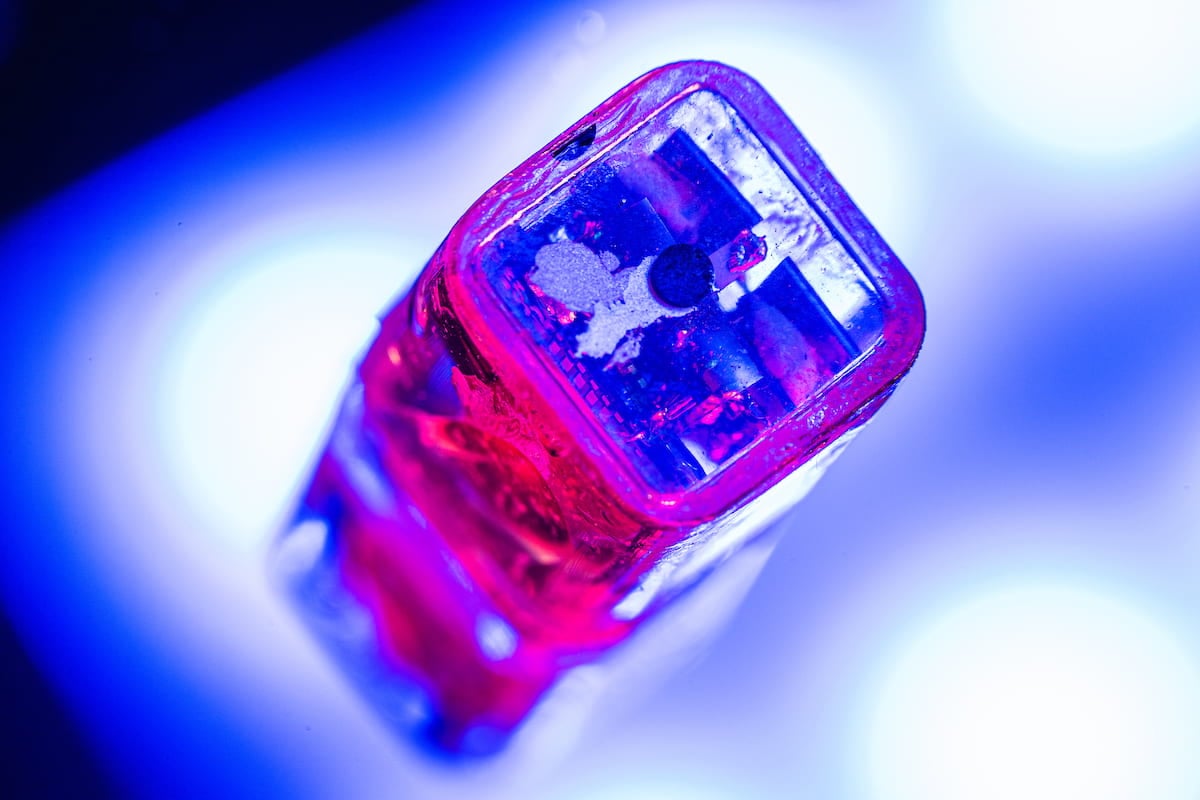
Researchers at Rice University have developed a pea-sized brain implant called Digitally programmable Over-brain Therapeutic (DOT) that can stimulate the human brain to treat neurological disorders, offering a safer and more convenient alternative for conditions like drug-resistant depression and other psychiatric disorders.

The FDA has approved Rejoyn, the first app for treating major depressive disorder, to supplement traditional treatment methods. The app offers a six-week program of cognitive behavioral therapy (CBT) lessons and exercises, and is intended for adults diagnosed with depression. While Rejoyn is a significant milestone, its efficacy may vary, and consulting with a therapist is crucial to determine its suitability. Other non-prescription apps like Headspace, Woebot, and Happify also show promise in improving symptoms of depression, but they are not intended to replace professional treatment.
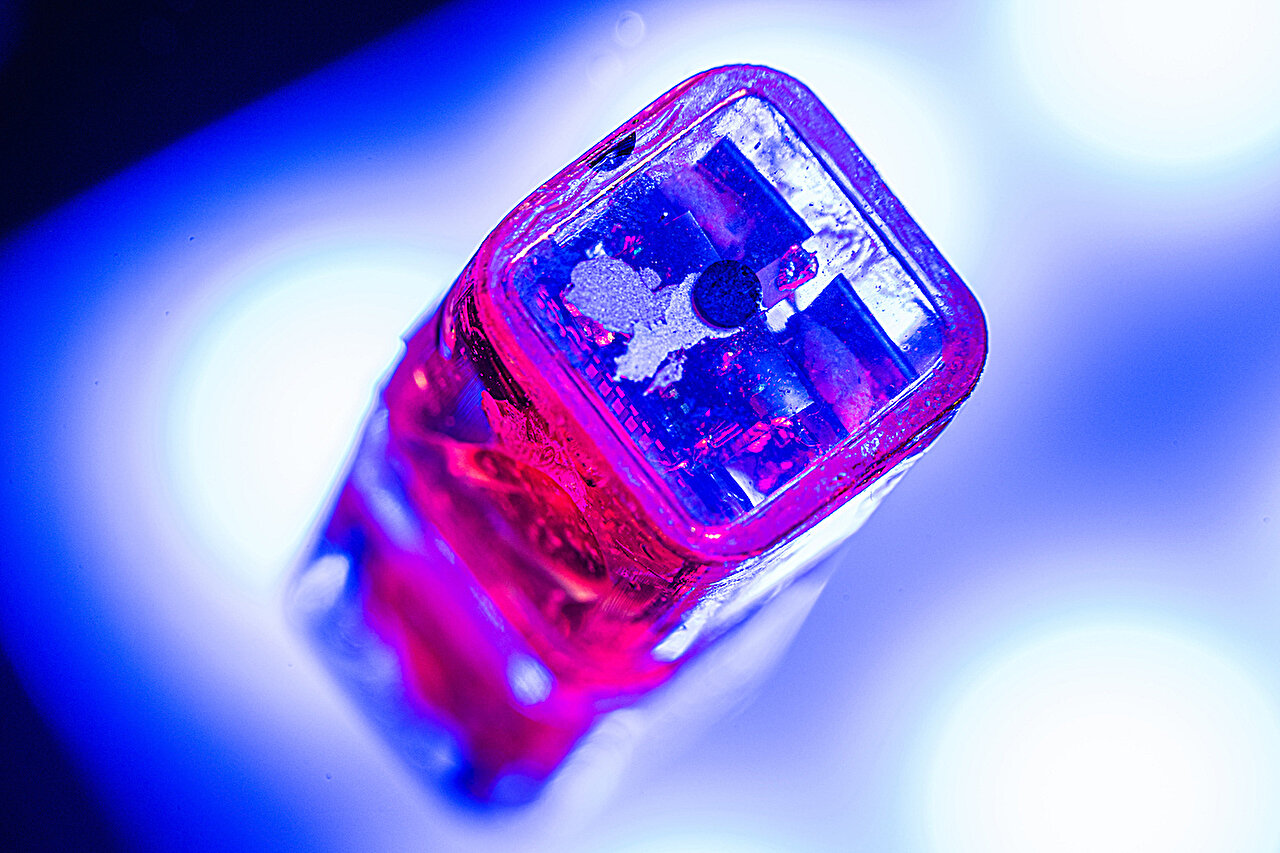
Engineers at Rice University have developed a pea-sized brain stimulator, known as the Digitally programmable Over-brain Therapeutic (DOT), which can be wirelessly powered and used to stimulate the brain through the dura. This breakthrough technology could revolutionize treatment for drug-resistant depression and other neurological disorders, offering greater patient autonomy and accessibility. The device, which has been successfully tested in a human patient and pigs, could provide a less invasive alternative to current neurostimulation-based therapies and brain-computer interfaces. The researchers are now seeking FDA approval for long-term clinical trials in humans.

A new study published in npj Digital Medicine introduces a smartphone app designed to conduct memory self-tests for early detection of Alzheimer’s disease. The app, developed by a collaborative team of researchers, has shown promise in accurately identifying mild cognitive impairment, a precursor to Alzheimer’s, through remote and unsupervised memory testing. The study's findings suggest that the app-based assessments are highly accurate and comparable to traditional clinical evaluations, offering potential for more accessible and frequent monitoring of cognitive health. While the outcomes are promising, further research is needed to validate the app's efficacy in larger and more diverse populations and to explore its utility in tracking Alzheimer’s progression over longer periods.
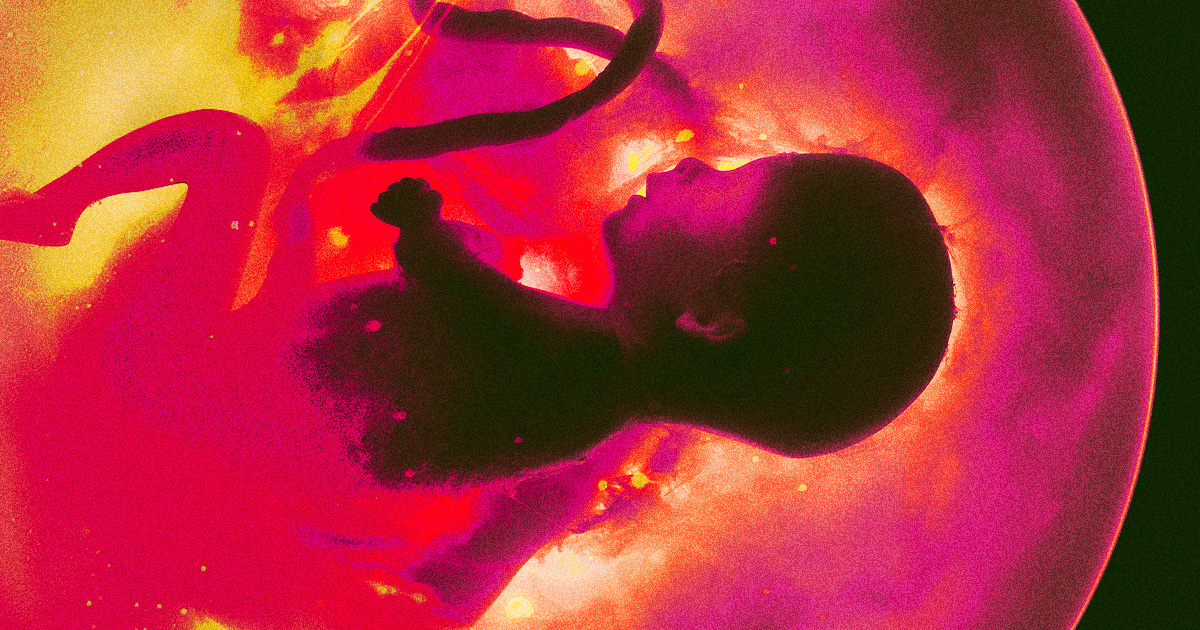
Noor Siddiqui, founder of reproductive startup Orchid, defends her company's practice of allowing parents to select embryos based on genetic traits, insisting it's not eugenics despite the literal meaning of the term. In a contentious interview with Wired, she faced scrutiny over the implications of genetic selection, particularly in relation to her own family history. Orchid offers whole-genome sequencing of embryos for a steep price, sparking ethical debates about the implications of such technology as a consumer service.

Researchers at the National Institutes of Health have utilized artificial intelligence (AI) to significantly improve the speed and quality of retinal cell imaging, making it 100 times faster and enhancing image contrast 3.5-fold. By integrating AI with adaptive optics optical coherence tomography (AO-OCT), they have developed a deep learning algorithm called P-GAN, which successfully de-speckles images of the retinal pigment epithelium (RPE) cells, reducing imaging acquisition and processing time by about 100-fold. This advancement provides a better tool for evaluating age-related macular degeneration (AMD) and other retinal diseases, potentially revolutionizing clinical imaging and research in the field.
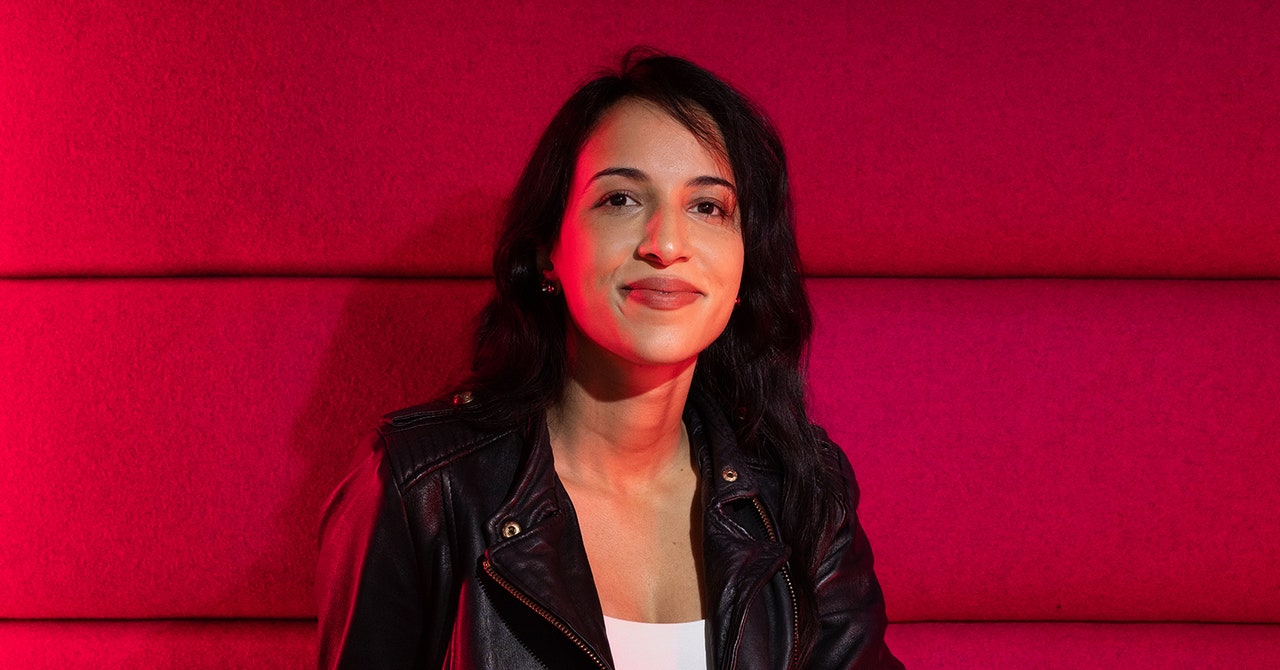
Noor Siddiqui, the 29-year-old founder of fertility startup Orchid, offers prospective parents the choice to have a regular baby or an Orchid baby, which undergoes genetic enhancement to reduce the risk of developing diseases and conditions. The company screens embryos for over 1,200 genetic diseases and conditions, aiming to provide parents with more information and reduce the risk of future suffering. Despite concerns and discomfort from some, Orchid has gained traction in the fertility industry and is being used by thousands of customers, including figures in the tech industry.
Researchers at the National Institutes of Health have utilized artificial intelligence (AI) to significantly improve the speed and quality of retinal imaging, making it 100 times faster and enhancing image contrast 3.5-fold. By integrating AI with adaptive optics optical coherence tomography (OCT), the new method, called parallel discriminator generative adverbial network (P-GAN), successfully de-speckles retinal pigment epithelium (RPE) images, providing a better tool for evaluating age-related macular degeneration and other retinal diseases. This advancement is expected to make AO imaging more accessible for routine clinical applications and studies aimed at understanding blinding retinal diseases.
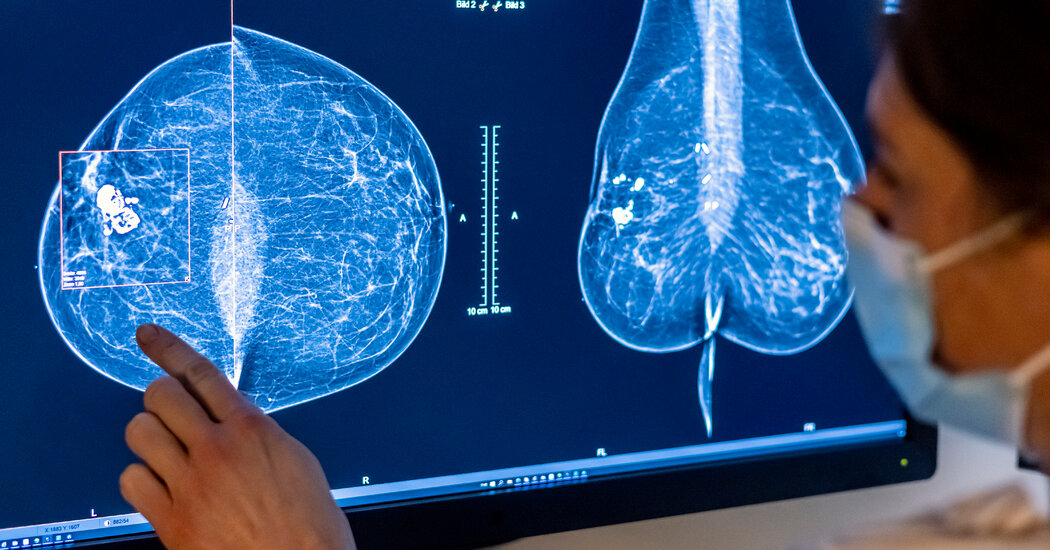
Clinics are offering a new service where mammograms are read by both radiologists and artificial intelligence models, aiming to improve accuracy in detecting breast cancer. While experts are excited about the potential of AI tools, they have concerns about their effectiveness across diverse patient populations and their impact on breast cancer survival. AI analysis can identify patterns in mammograms that may indicate cancer, but there are also challenges in differentiating certain patterns from normal breast tissue.