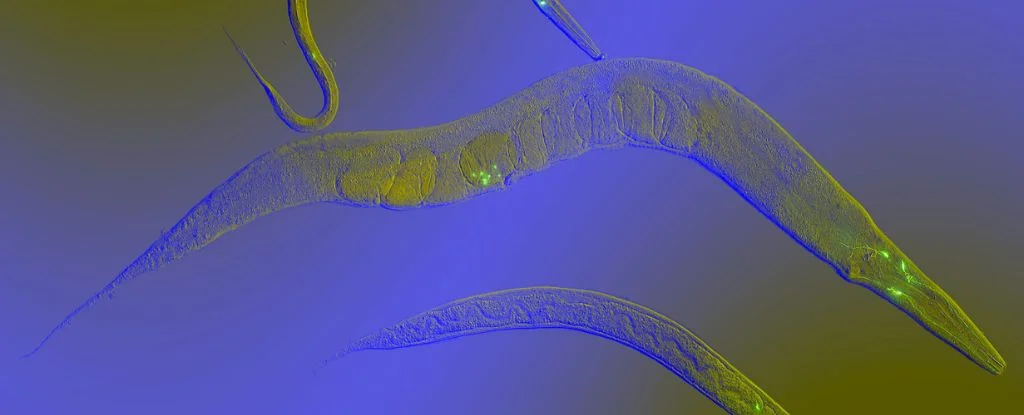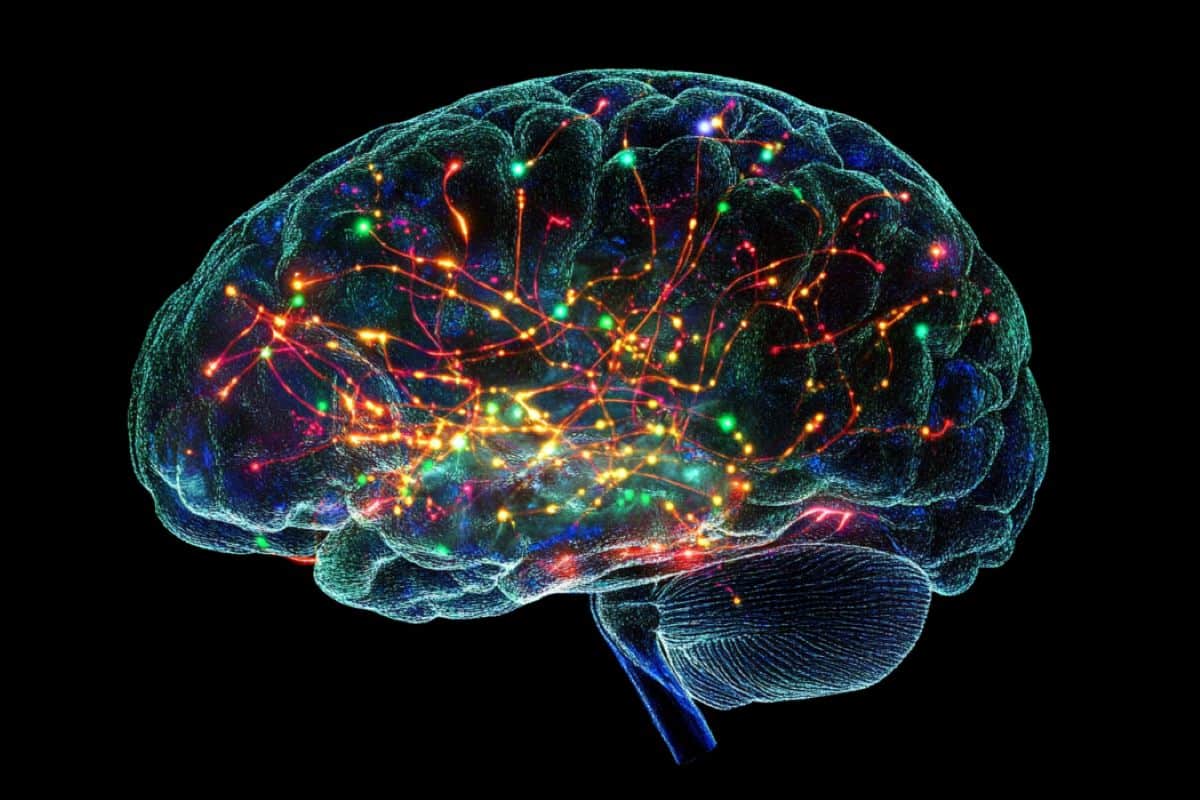
A study by UCL researchers found that male worms can activate conflicting memories of mating and starvation when exposed to the same odor, but only the mating memory influences behavior. This demonstrates how the brain prioritizes rewards over punishments, offering insights into memory-driven behavior and potential applications for understanding disorders like PTSD. The research highlights the brain's ability to adapt and override previous associations, even in simple organisms like worms.

Prehistoric worms and other invertebrates played a crucial role in the Great Ordovician Biodiversification Event by burrowing and mixing sediments, which increased oxygen levels in the ocean and atmosphere, leading to a significant rise in biodiversity. Researchers from Johns Hopkins University found that the formation and burial of pyrite in mixed sediments were key to this oxygen buildup, challenging previous assumptions about sediment mixing and oxygen levels.
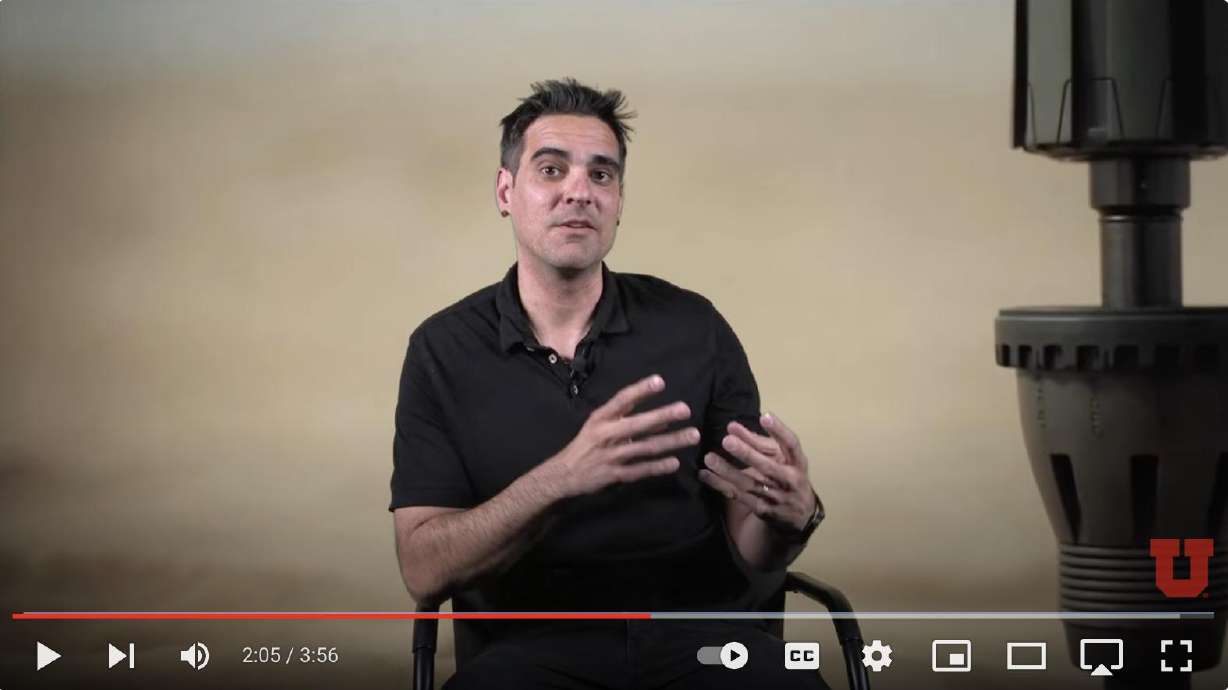
A biology professor at the University of Utah, Michael Werner, who specializes in nematodes, or roundworms, discusses the real science behind the giant worms in the movie "Dune." He explains that while Earth doesn't have worms as large as those in the movie, there are similarities between the fictional creatures and real nematode species. Werner also muses on the potential uses of worms for interstellar travel and reflects on how "Dune" shaped his worldview as a child.
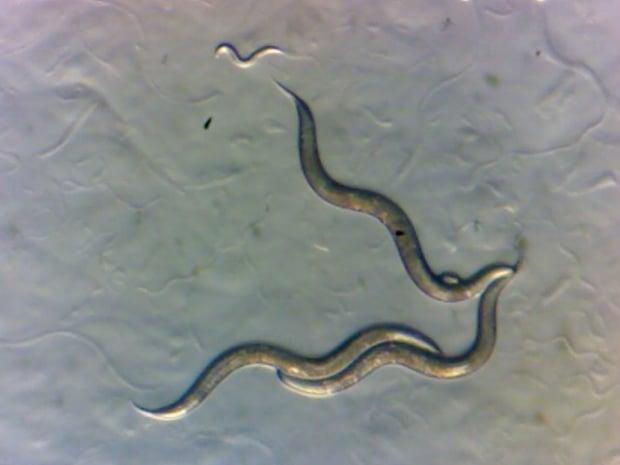
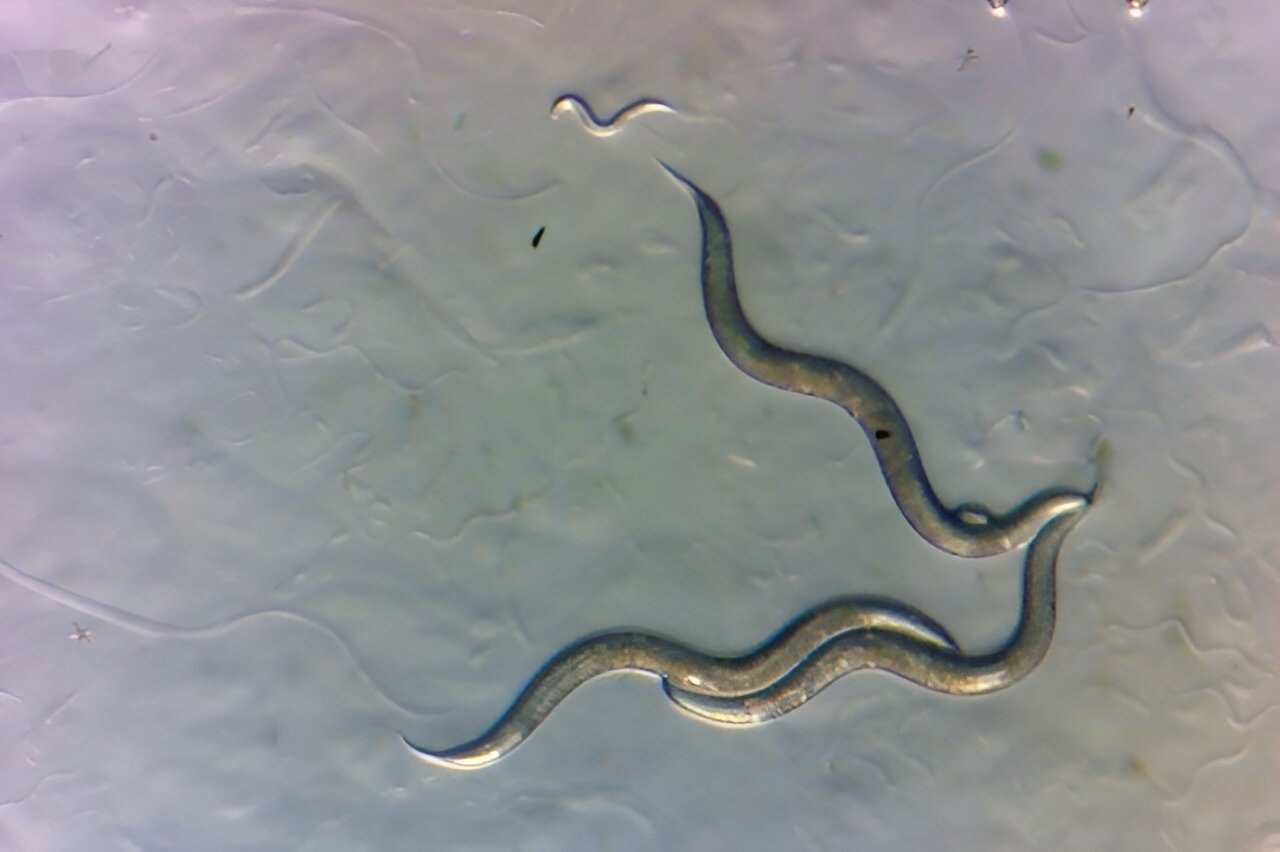
A study has found that microscopic worms living in the Chernobyl Exclusion Zone are exceptionally resilient to radiation, with their genomes found to be undamaged despite chronic exposure. Researchers at New York University collected worms in the area and discovered that the nematode species, Oscheius tipulae, showed no signature of radiation damage. This resilience could potentially provide insights into the fight against cancer by studying why some individuals are more likely to suffer the effects of carcinogens, offering valuable information about genetic predisposition to cancer.
A new study led by researchers at New York University finds that microscopic worms living in the Chornobyl Exclusion Zone have not suffered genetic damage from chronic radiation exposure, suggesting exceptional resilience. The study, which focused on nematodes, revealed that the worms did not show a genetic signature of radiation damage, and their tolerance to DNA damage did not correspond to radiation levels. The findings provide insights into DNA repair and genetic variation, potentially aiding cancer research and our understanding of individual risk factors.
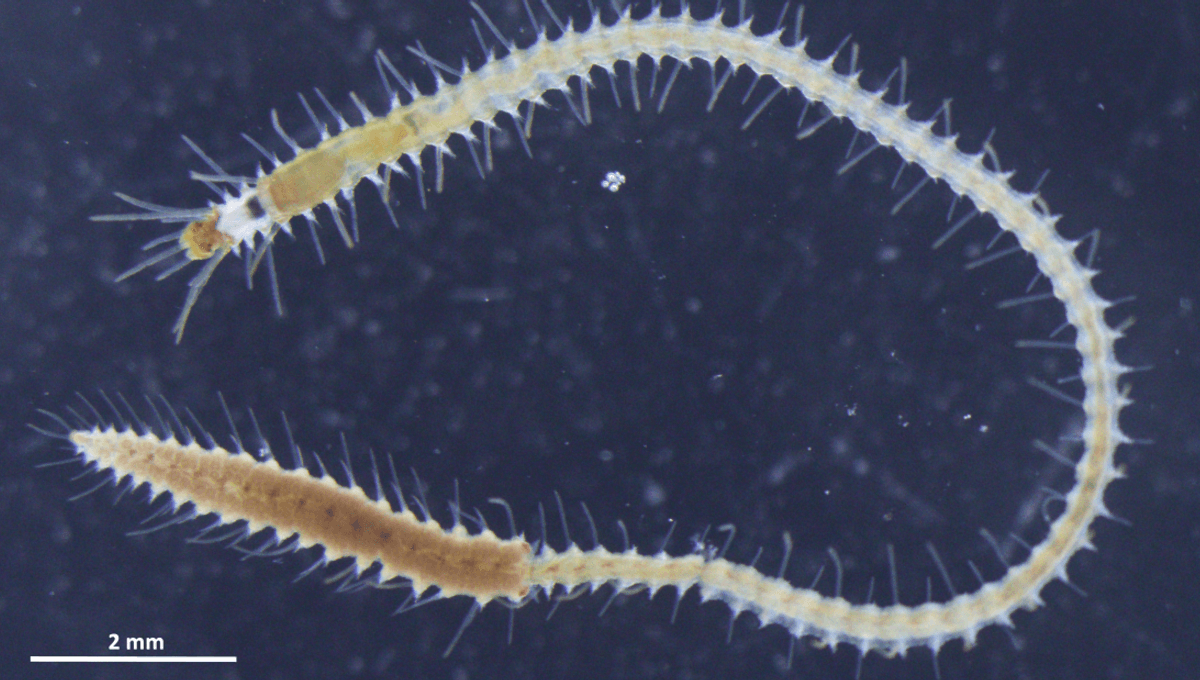
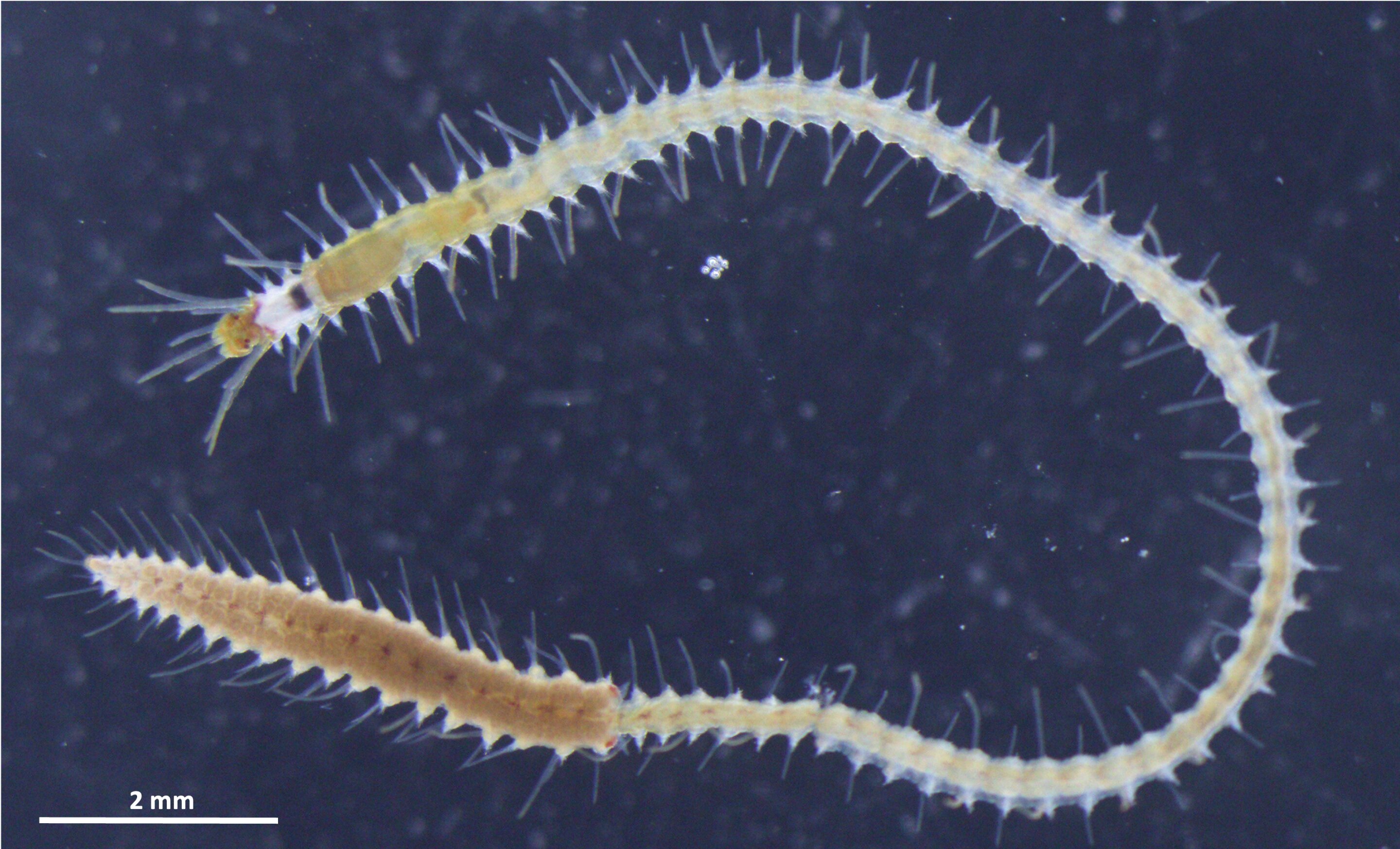
Megasyllis nipponica, an annelid worm, has a unique reproductive strategy where its rear end, called a stolon, detaches from its body and swims off to mate. The stolon develops eyes, antennae, and swimming bristles to navigate independently. Scientists have discovered that the stolon's "head" develops in the mid-body of the adult worm, and the expression of specific genes is associated with this transformation. The study sheds light on the adaptation and genetic mechanisms behind this bizarre reproductive behavior.
Scientists have discovered how Japanese green syllid worms, Megasyllis nipponica, develop their swimming reproductive unit called a stolon. The stolon, which contains gametes, detaches from the worm's body and swims autonomously to spawn with the opposite sex. The development of the stolon's head within the original body has long puzzled scientists, but research led by Professor Toru Miura from the University of Tokyo has shed light on this process. The study found that the expression of developmental genes, including head formation genes, is modified to fit the unique reproductive style of these worms. This research opens up further investigation into the intricacies of this unusual reproductive method.
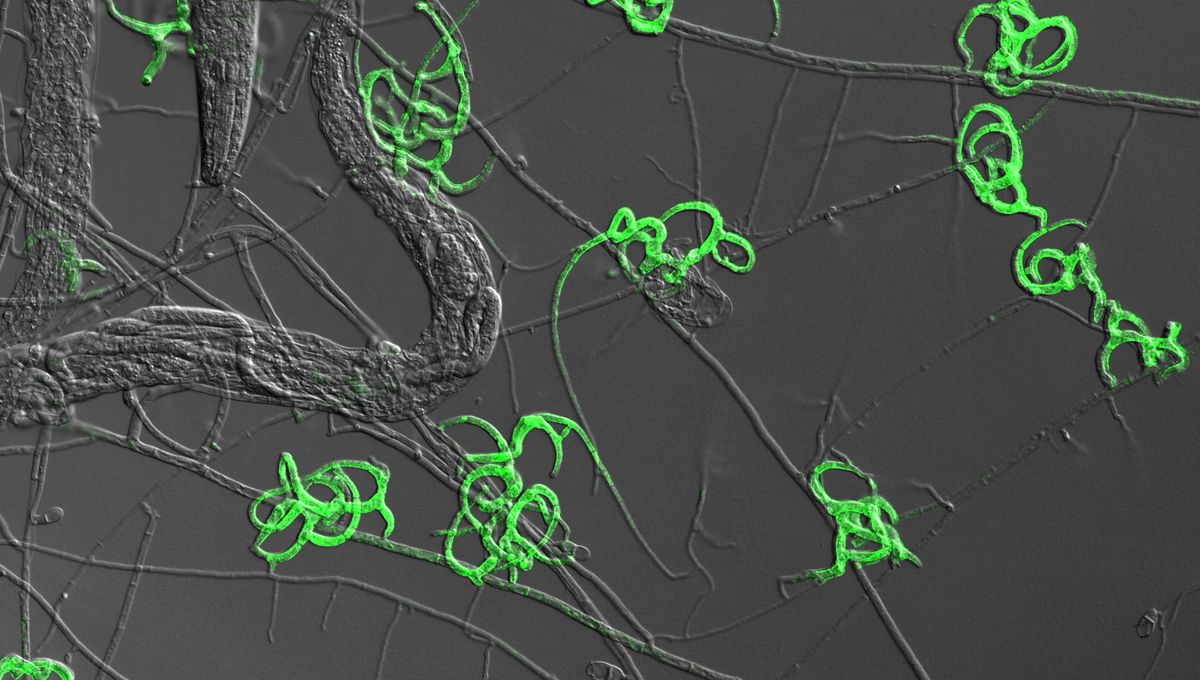
Arthrobotrys oligospora, a worm-eating fungus, has been found to sense, trap, and consume small animals. New research has revealed the molecular changes that enable its predatory lifestyle. The fungus increases DNA replication and protein production when it senses worms nearby. It produces adhesive structures to trap and immobilize nematodes, and uses filamentous structures to burrow into and digest the worms. These findings enhance our understanding of the key processes involved in fungal carnivory. Nematode-trapping fungi play an important ecological role as natural predators, helping to maintain microorganism ecosystems and nutrient cycling.
Dochi the hedgehog from Vancouver has captured hearts with his adorable appearance and his love for worms. Videos of Dochi devouring worms have been shared by his humans, showcasing his enthusiasm for the slimy creatures. Fans can enjoy these delightful videos on Dochi's TikTok account.
Researchers have discovered that the nematode Caenorhabditis elegans, a simple roundworm, exhibits a fear-like response when subjected to electric shocks. The worms continue to flee at high speeds for several minutes after the shock, suggesting the presence of basic animal emotions. The study raises questions about whether invertebrates can experience primitive forms of emotions and provides insights into the neural circuits involved in emotional responses. The findings may contribute to a better understanding of mood disorders and the shared mechanisms of emotion regulation across different species.
Researchers have discovered that roundworms, specifically Caenorhabditis elegans, exhibit behavior consistent with basic emotions when subjected to electric shocks. The worms prioritize escape over food, indicating a primitive form of emotion. Genetic analysis suggests that neuropeptides play a role in regulating this emotional response, potentially revealing an active genetic mechanism behind emotions. This foundational research could lead to new treatments for emotional disorders in humans.
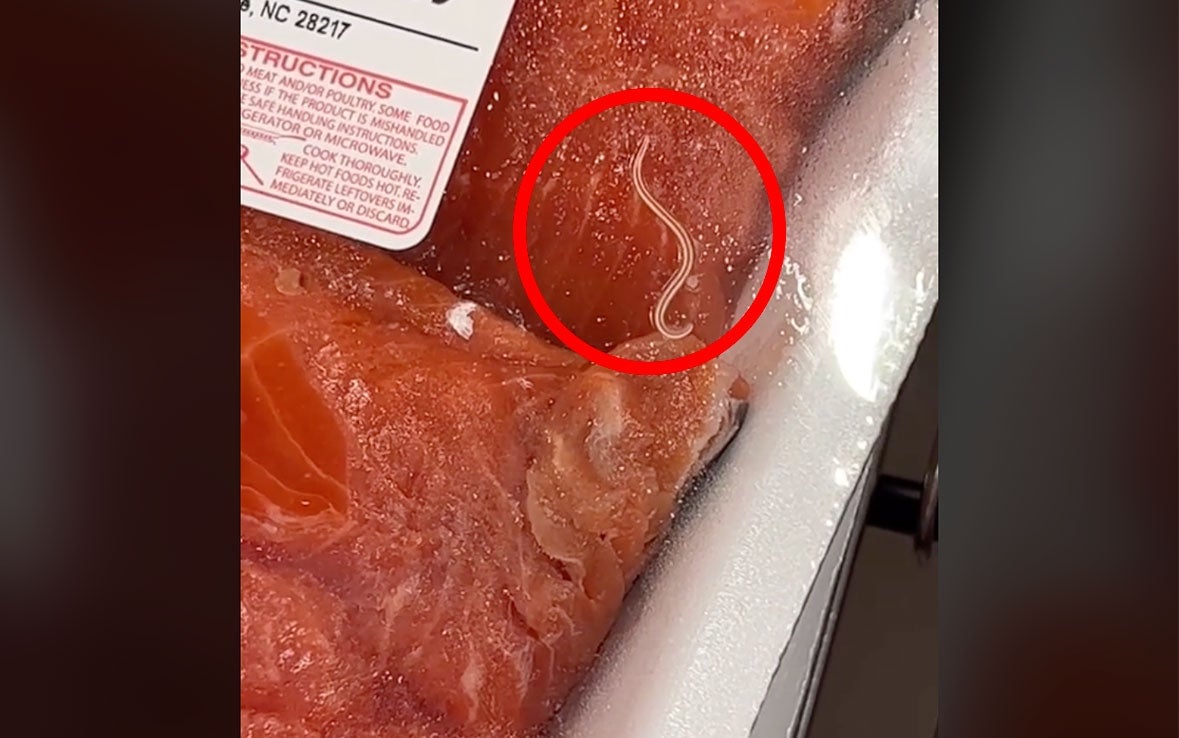
A recent viral TikTok video showing live worms in a sealed package of fresh salmon fillets at Costco has sparked outrage, but the reality is that worms in fish are not abnormal or dangerous. Many fish, including wild Pacific salmon, are infected with anisakid nematodes, commonly known as herring worms or cod worms. While it may be off-putting to find worms in fish, they are harmless when cooked properly. Raw fish, such as sushi, must be frozen at low temperatures to kill potential parasites. Lawsuits over worms in fish are unnecessary, as finding a live worm suggests the fish is fresh and never frozen.
Researchers from the University of Exeter have discovered that targeting tiny amounts of hydrogen sulfide (H2S) to specific areas of cells using a H2S-releasing molecule called AP39 can greatly improve health and activity as organisms age. By specifically targeting H2S to the mitochondria, the energy-generating machinery of cells, this approach could potentially be used as a therapeutic for healthy aging. The study, conducted on worms, found that administering AP39 improved mitochondrial integrity, kept muscles active, and extended healthspan. The research also identified a group of proteins that regulate gene expression in aging, potentially opening up new targets for therapy in age-related conditions. The underlying technology has been assigned to the spin-out company MitoRx Therapeutics, which aims to develop next-generation compounds for combating diseases of aging.
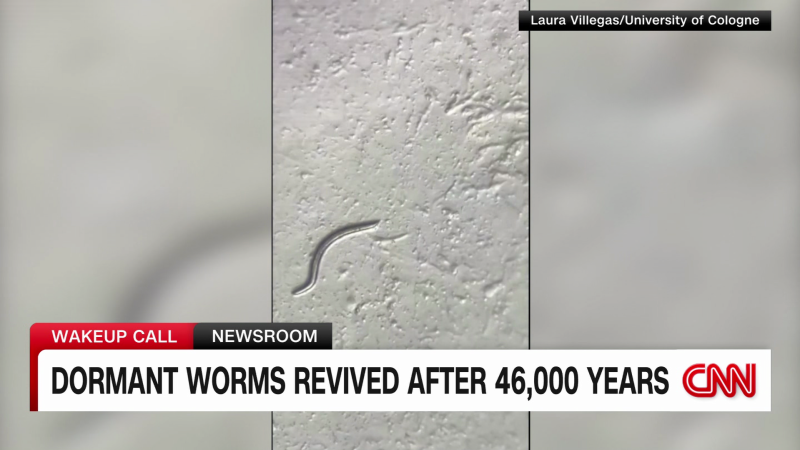
Scientists have successfully revived 46,000-year-old microscopic roundworms found frozen in Siberian permafrost, and the worms immediately started reproducing. The researchers hope that studying these organisms, which can enter a state of suspended animation called cryptobiosis, will provide insights into how life can adapt to rapidly changing weather patterns and climate change. The ability of these worms to survive for tens of thousands of years in a dormant state could have implications for understanding the survival mechanisms of complex organisms.
Scientists have successfully revived tiny roundworms that were frozen for 46,000 years in the Siberian permafrost, marking a significant breakthrough in the study of ancient organisms and their potential for revival. The worms were brought back to life by researchers from the Max Planck Institute of Molecular Cell Biology and Genetics.