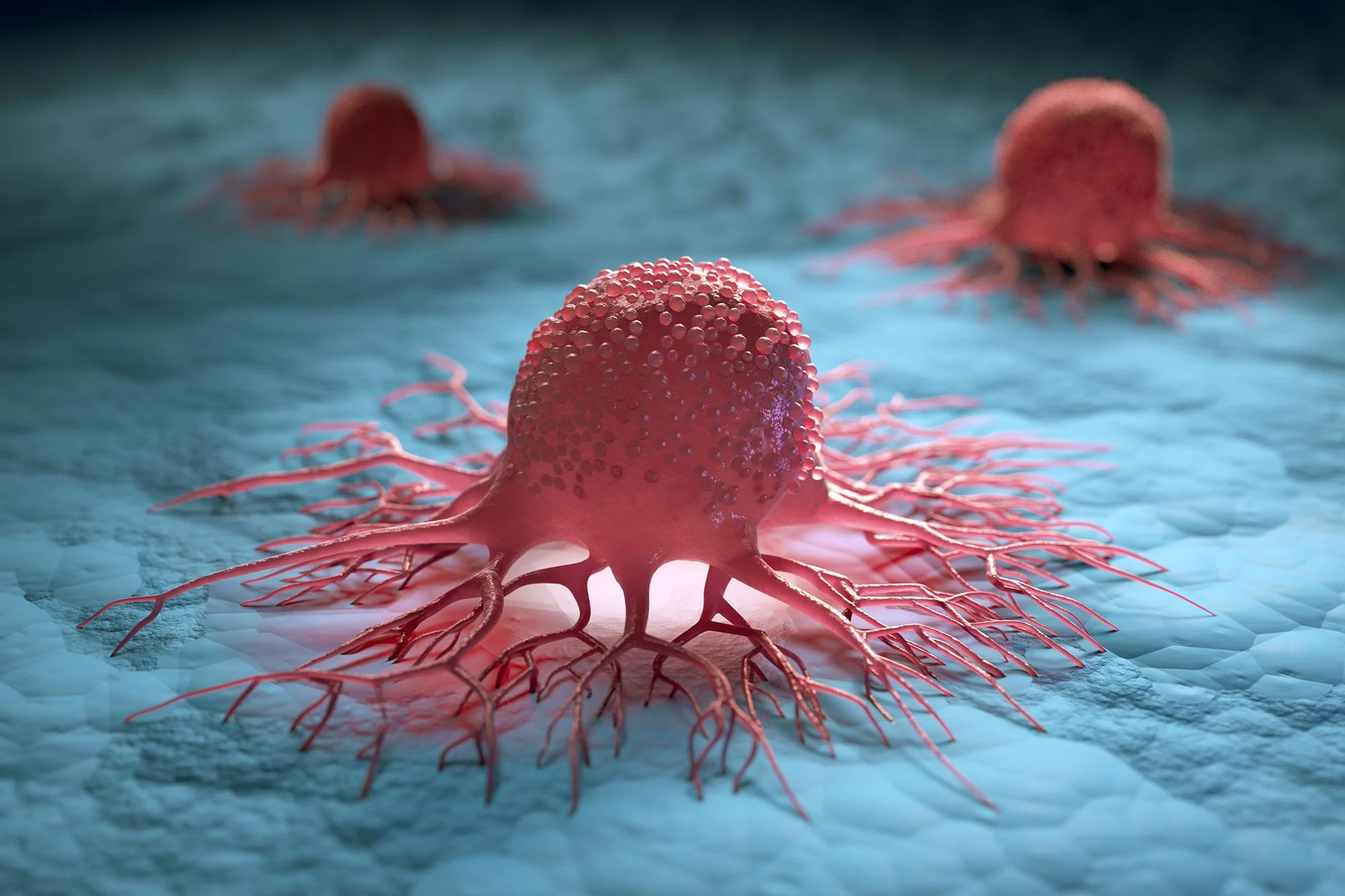
Research shows that just 10 minutes of intense exercise can trigger molecular changes in the bloodstream that may slow cancer growth, support DNA repair, and reduce inflammation, highlighting exercise's potential role in cancer prevention and treatment.
A study shows that just 10 minutes of intense cycling can trigger anti-cancer signals in the body by releasing molecules that promote DNA repair and reduce cancer growth genes, potentially opening new avenues for cancer treatment and emphasizing the health benefits of even brief exercise sessions.
A Newcastle University study shows that just 10 minutes of daily exercise can promote DNA repair and inhibit bowel cancer growth by triggering beneficial molecular changes in the blood, suggesting exercise as a powerful tool in cancer prevention.
A study from Newcastle University found that just 10 minutes of exercise can help halt bowel cancer growth and enhance DNA repair, suggesting even short workouts can have significant protective effects against cancer.
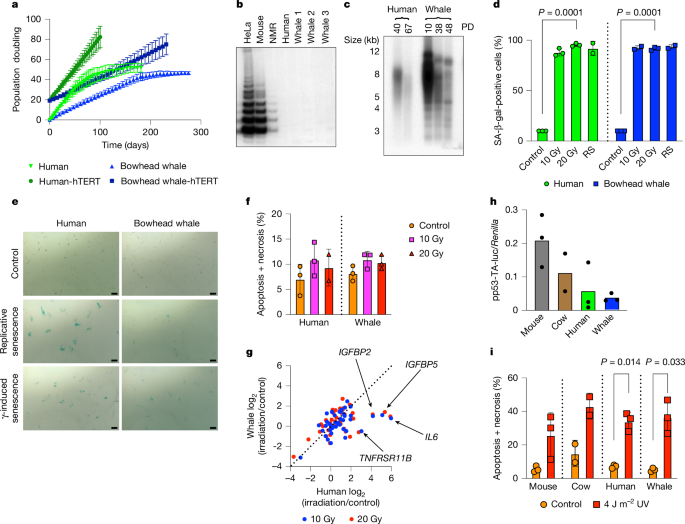
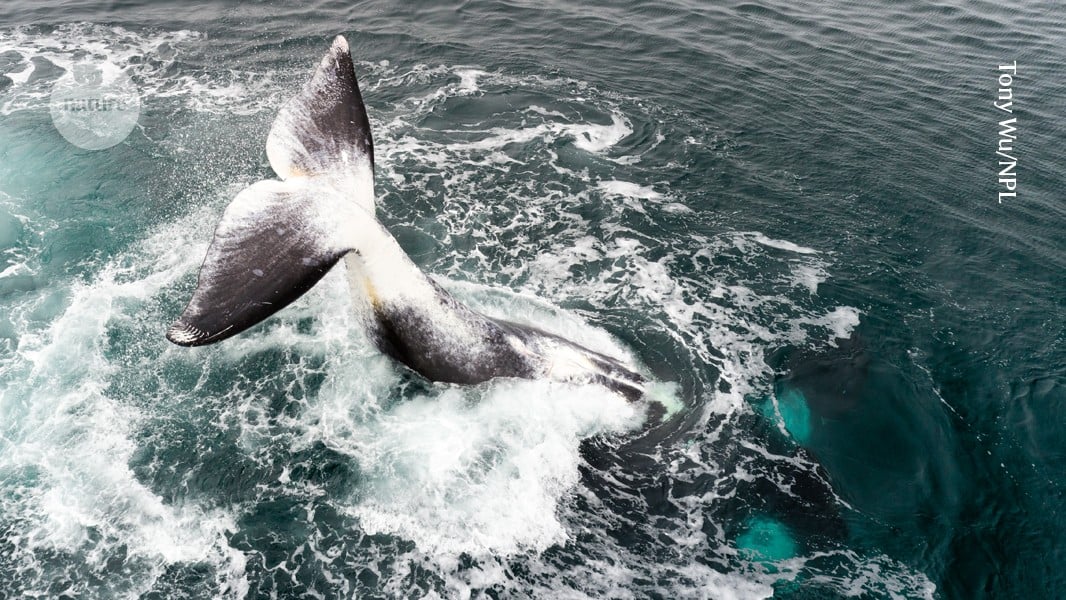
Scientists have discovered that bowhead whales live over 200 years partly due to high levels of the DNA repair protein CIRBP, which could inspire new ways to enhance human lifespan and disease resistance, though practical applications are still in early stages.
Scientists studying bowhead whales have identified a protein called CIRBP that helps repair DNA and may contribute to the whale's extraordinary lifespan and resistance to cancer. This discovery could lead to new ways to extend human life and prevent age-related diseases, possibly through lifestyle changes like cold exposure or new therapies targeting DNA repair mechanisms.
Scientists have found that bowhead whales can live up to 268 years, partly due to their exceptional ability to repair damaged DNA, offering insights into longevity and resilience that could inform human aging research.
Research shows that bowhead whales have enhanced DNA repair mechanisms, particularly in double-strand break repair, and high levels of the protein CIRBP, which contribute to their exceptional lifespan and cancer resistance despite their large size and long life. These findings suggest that improved genome maintenance, rather than increased apoptosis, underpins their longevity and resistance to age-related diseases.
The bowhead whale can live over 200 years due to a highly effective DNA-repair protein, which could provide insights into extending human lifespan by enhancing genome stability and repair mechanisms.
Scientists studying bowhead whales, which can live over 200 years, have identified enhanced DNA repair mechanisms involving the protein CIRBP, which is triggered by cold exposure. These mechanisms may contribute to their exceptional longevity and low cancer rates. Experiments suggest boosting CIRBP in humans could improve DNA repair and potentially slow aging, with ongoing research exploring this possibility.
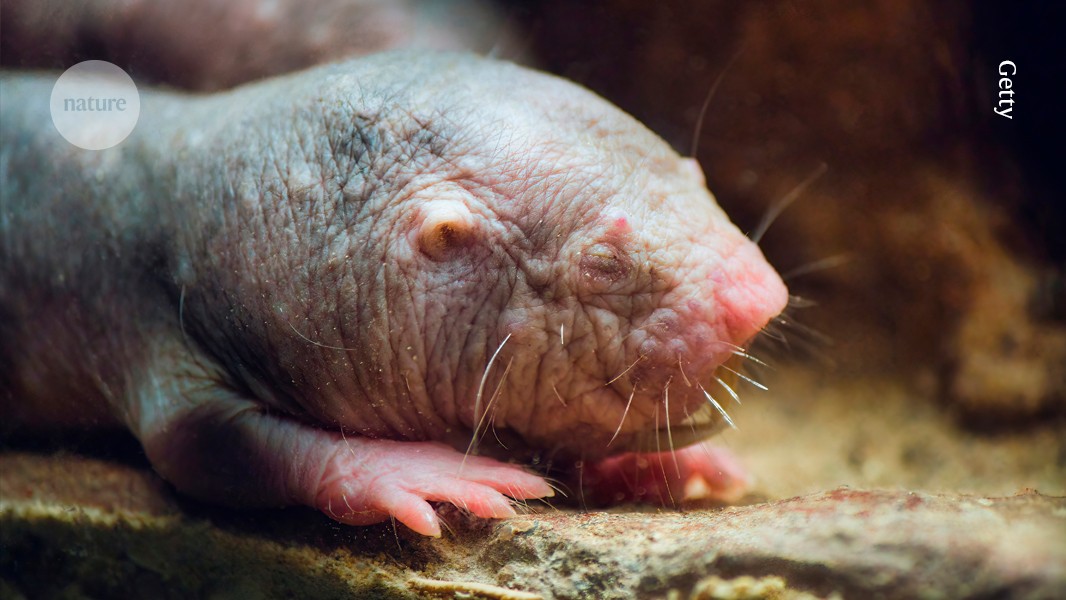
Scientists discovered that four amino acid changes in the cGAS enzyme of naked mole-rats enhance DNA repair, potentially explaining their extraordinary lifespan, which is nearly ten times longer than similar species. These molecular tweaks may improve genome stability and delay aging, offering insights into longevity mechanisms.
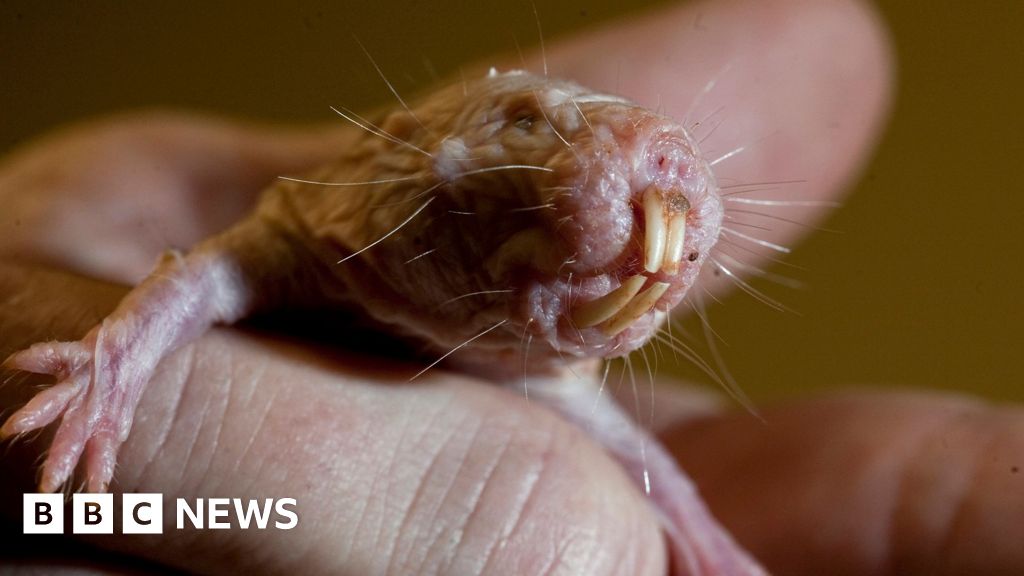
Researchers discovered that four specific genetic tweaks to the cGAS enzyme in naked mole rats enhance their DNA repair capabilities, potentially explaining their unusually long lifespan of nearly 30 years and offering insights into aging processes.
A study reveals that naked mole rats have a unique DNA repair mechanism involving a protein called c-GAS, which helps them live up to 40 years and resist age-related diseases, offering potential insights into human aging and health extension.
Scientists discovered that cancer cells rapidly boost their energy production through mitochondria when physically squeezed, aiding in DNA repair and survival under stress, revealing a potential target for preventing cancer spread.
A molecular biogerontology professor suggests that future technological advancements could enable humans to live between 1,000 and 20,000 years by eliminating cellular aging through DNA repair and cell reprogramming, drawing inspiration from long-lived animals like whales and mole rats.