Tag

Hydrogen Sulfide

All articles tagged with #hydrogen sulfide

The Surprising Health Benefits of Smelling Your Own Farts

Originally Published 1 month ago — by The Independent

Featured image for The Surprising Health Benefits of Smelling Your Own Farts
Source: The Independent

Scientists at Johns Hopkins suggest that small doses of hydrogen sulfide, a gas produced naturally in the body and associated with foul smell, may help protect against Alzheimer's disease by improving brain cell signaling and reducing protein clumping, as demonstrated in mouse studies.

Scientists Find Habit That Cuts Alzheimer's Risk by 37%

Originally Published 1 month ago — by UNILAD Tech

Featured image for Scientists Find Habit That Cuts Alzheimer's Risk by 37%
Source: UNILAD Tech

Scientists from Johns Hopkins University suggest that the hydrogen sulfide in farts could reduce Alzheimer's risk by up to 37%, as it may protect brain cells and improve cognitive function, based on animal studies showing potential reversal of Alzheimer's symptoms through hydrogen sulfide compounds.

Hydrogen Sulfide: The 'Rotten Egg' Gas as a Promising Nail Infection Treatment

Originally Published 2 months ago — by SciTechDaily

Featured image for Hydrogen Sulfide: The 'Rotten Egg' Gas as a Promising Nail Infection Treatment
Source: SciTechDaily

Scientists have discovered that hydrogen sulfide, a gas known for its rotten egg smell, could be a promising new treatment for stubborn nail infections due to its ability to penetrate nails and kill resistant fungi, potentially offering a faster and safer alternative to current therapies.

Gut Microbes and Fiber: New Breakthroughs in Reducing Heart Disease and Blood Pressure

Originally Published 7 months ago — by Times of India

Featured image for Gut Microbes and Fiber: New Breakthroughs in Reducing Heart Disease and Blood Pressure
Source: Times of India

Emerging research suggests that the gas hydrogen sulfide, produced in the gut and released during flatulence, may help lower blood pressure by causing blood vessels to dilate, highlighting a potential link between gut health and cardiovascular health. However, further studies are needed, and the research does not recommend unregulated flatulence or drastic dietary changes.

"Exoplanet with Rotten Egg Odor and Glass Rain Discovered"

Originally Published 1 year ago — by KSL.com

Featured image for "Exoplanet with Rotten Egg Odor and Glass Rain Discovered"
Source: KSL.com

Scientists using the James Webb Space Telescope have detected hydrogen sulfide, a molecule that smells like rotten eggs, in the atmosphere of the exoplanet HD 189733b. This discovery marks the first time hydrogen sulfide has been found outside our solar system and provides new insights into the atmospheric composition of exoplanets. HD 189733b, a "hot Jupiter" known for its extreme weather, including glass rain and high temperatures, also contains water, carbon dioxide, and carbon monoxide. The findings, published in Nature, enhance our understanding of exoplanet formation and atmospheric chemistry.

Scientists Discover Exoplanet with Rotten Egg Stench

Originally Published 1 year ago — by KSL.com

Featured image for Scientists Discover Exoplanet with Rotten Egg Stench
Source: KSL.com

Scientists using the James Webb Space Telescope have detected hydrogen sulfide, a molecule that smells like rotten eggs, in the atmosphere of the exoplanet HD 189733b, marking the first time this molecule has been found outside our solar system. This discovery, along with the presence of water, carbon dioxide, and carbon monoxide, provides new insights into the atmospheric composition and formation of gas giant exoplanets. HD 189733b, known for its extreme weather and high temperatures, continues to be a key subject in the study of exoplanetary science.

"The Surprising Stench of Space: Astronauts Uncover Unpleasant Odors"

Originally Published 2 years ago — by BGR

Featured image for "The Surprising Stench of Space: Astronauts Uncover Unpleasant Odors"
Source: BGR

Astronomers have determined that Uranus likely smells like farts and rotting eggs due to the presence of hydrogen sulfide gas in its cloud cover, as detected by the Near-Infrared Integral Field Spectrometer. This gas gives off the distinctive smell of rotting eggs, and if humans were to descend into Uranus' atmosphere, they would likely find the smell nauseating. Additionally, researchers believe that Uranus and Neptune may also have ammonia ice in their clouds, contributing to the planet's unique and unpleasant aroma.

Devastating Poisonous Gas Wave Wiped Out Half of Earth's Sea Life in First Mass Extinction

Originally Published 2 years ago — by Livescience.com

Featured image for Devastating Poisonous Gas Wave Wiped Out Half of Earth's Sea Life in First Mass Extinction
Source: Livescience.com

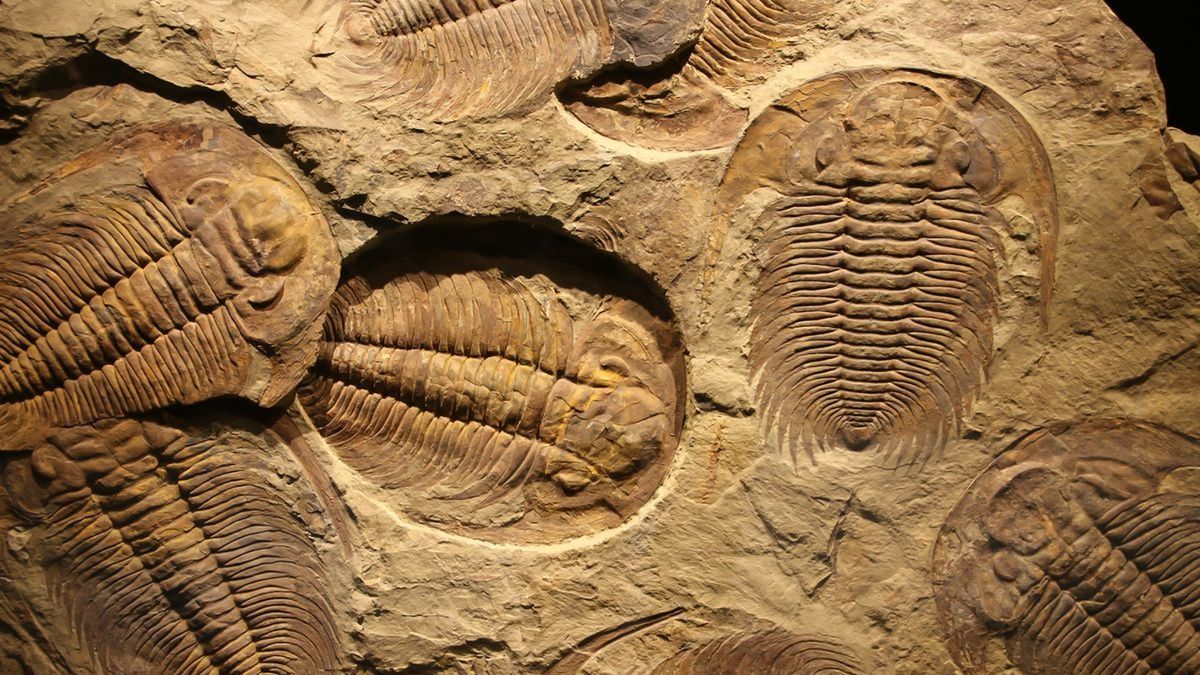
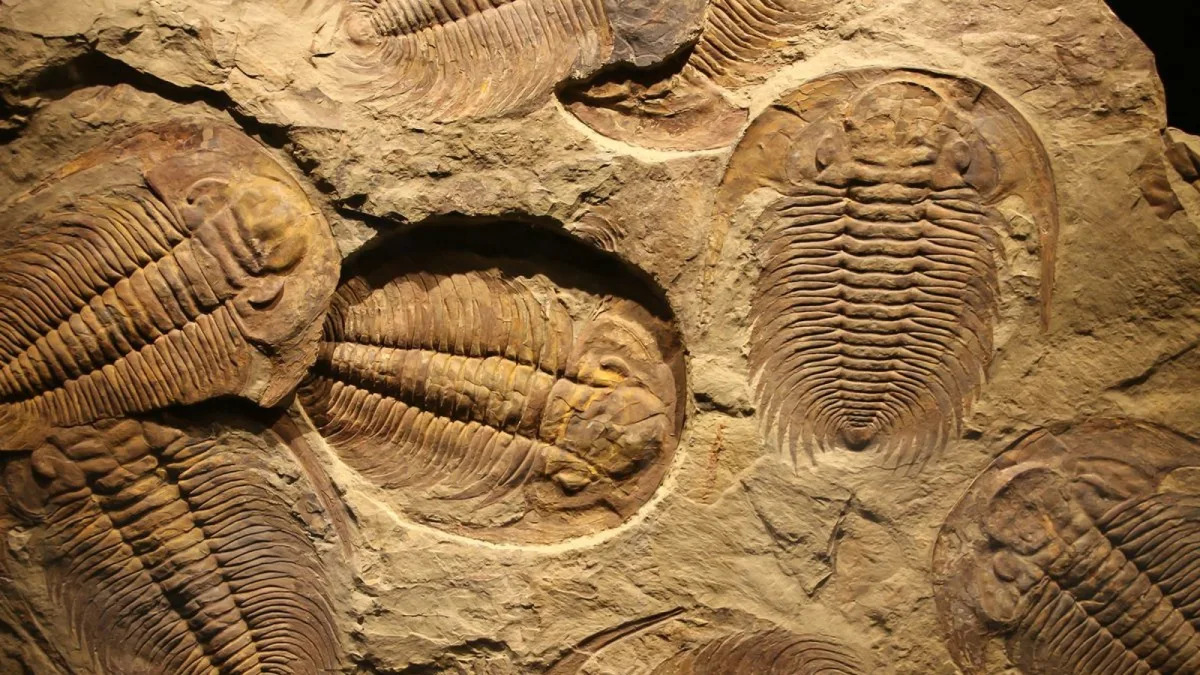
A new study suggests that a surge of hydrogen sulfide gas may have played a significant role in the mass extinction event that occurred around 530 million years ago, wiping out 45% of all ocean animals. Previously, it was believed that low-oxygen conditions were the primary cause of the die-off. The researchers found high levels of molybdenum in sediment samples from the extinction period, indicating the presence of hydrogen sulfide in the water. The surge of this toxic gas may have been triggered by an explosion of organic matter, which led to the depletion of oxygen and the subsequent release of hydrogen sulfide. Further research is needed to determine the exact cause of the anoxic conditions and the sulfidic wave that followed.

Devastating Poisonous Gas Wave Wiped Out Half of Earth's Sea Life in First Mass Extinction

Originally Published 2 years ago — by Yahoo Life

Featured image for Devastating Poisonous Gas Wave Wiped Out Half of Earth's Sea Life in First Mass Extinction
Source: Yahoo Life

A new study suggests that a surge of hydrogen sulfide gas may have played a significant role in the Earth's first mass extinction event, which occurred around 530 million years ago. Previously, it was believed that low-oxygen conditions were the primary cause of the die-off. Researchers found high levels of molybdenum in sediment samples from the extinction period, indicating the presence of hydrogen sulfide in the water. The toxic gas may have been produced by an explosion of organic matter, leading to the death of 45% of all ocean animals. Further research is needed to determine the exact cause of the anoxic conditions and the subsequent sulfidic wave.

"Stinky Savior: Gut Microbe's Battle Against Pathogens"

Originally Published 2 years ago — by SciTechDaily

Featured image for "Stinky Savior: Gut Microbe's Battle Against Pathogens"
Source: SciTechDaily

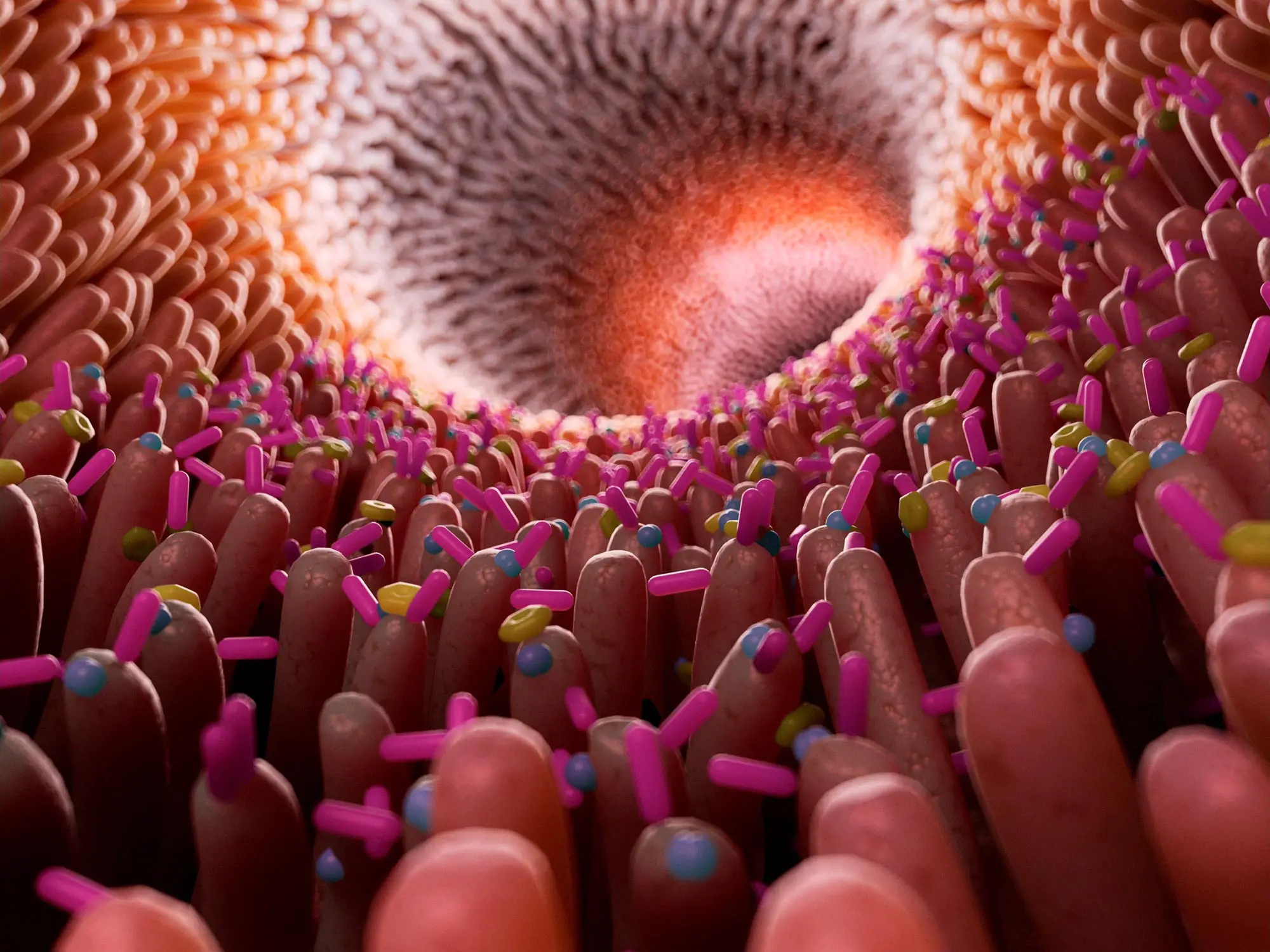
Scientists have discovered a new gut bacterium, Taurinivorans muris, that feeds on taurine and produces hydrogen sulfide. While hydrogen sulfide has protective properties against certain pathogens, excessive amounts can harm gut health. This finding provides insights into the roles of taurine and hydrogen sulfide in the gut and their broader health implications, contributing to the development of future microbiome-based therapies.

"Unlocking the Potential of Hydrogen Sulfide: A Targeted Approach to Healthy Aging"

Originally Published 2 years ago — by Phys.org

Featured image for "Unlocking the Potential of Hydrogen Sulfide: A Targeted Approach to Healthy Aging"
Source: Phys.org

Researchers from the University of Exeter have discovered that targeting tiny amounts of hydrogen sulfide (H2S) to specific areas of cells using a H2S-releasing molecule called AP39 can greatly improve health and activity as organisms age. By specifically targeting H2S to the mitochondria, the energy-generating machinery of cells, this approach could potentially be used as a therapeutic for healthy aging. The study, conducted on worms, found that administering AP39 improved mitochondrial integrity, kept muscles active, and extended healthspan. The research also identified a group of proteins that regulate gene expression in aging, potentially opening up new targets for therapy in age-related conditions. The underlying technology has been assigned to the spin-out company MitoRx Therapeutics, which aims to develop next-generation compounds for combating diseases of aging.

"Revolutionary Treatment: Nano-sized Carbon Material Offers Hope for Down Syndrome"

Originally Published 2 years ago — by Phys.org

Featured image for "Revolutionary Treatment: Nano-sized Carbon Material Offers Hope for Down Syndrome"
Source: Phys.org

Scientists at Texas A&M University Health Science Center have discovered that a nano-sized carbon material derived from the oxidation of carbon-rich sources could potentially be used to treat Down syndrome and other disorders associated with high levels of hydrogen sulfide. The carbon nanomaterial acts as a mediator of therapeutic reactions and has shown the ability to improve function and survival in Down syndrome-derived cells. Rather than blocking the production of hydrogen sulfide, the material converts it into beneficial metabolites, offering potential therapeutic implications. Further research is needed to explore the full range of applications for these carbon-based materials.