The article highlights highly anticipated films for 2026, including Greta Gerwig's reboot of the Narnia series, Denis Villeneuve's Dune: Messiah, Charli XCX's new projects, and other diverse upcoming movies, showcasing a mix of fantasy, sci-fi, music, and thrillers that are generating excitement among Guardian writers.
Legendary Entertainment is in early negotiations with Paramount to handle the theatrical distribution of its upcoming films, including 'Dune' sequels and 'MonsterVerse' entries, after its previous deal with Sony expired. The studio has recently enjoyed box office successes with 'Dune: Part Two' and 'A Minecraft Movie,' and is planning several new projects, though some will remain with Warner Bros. due to prior agreements.
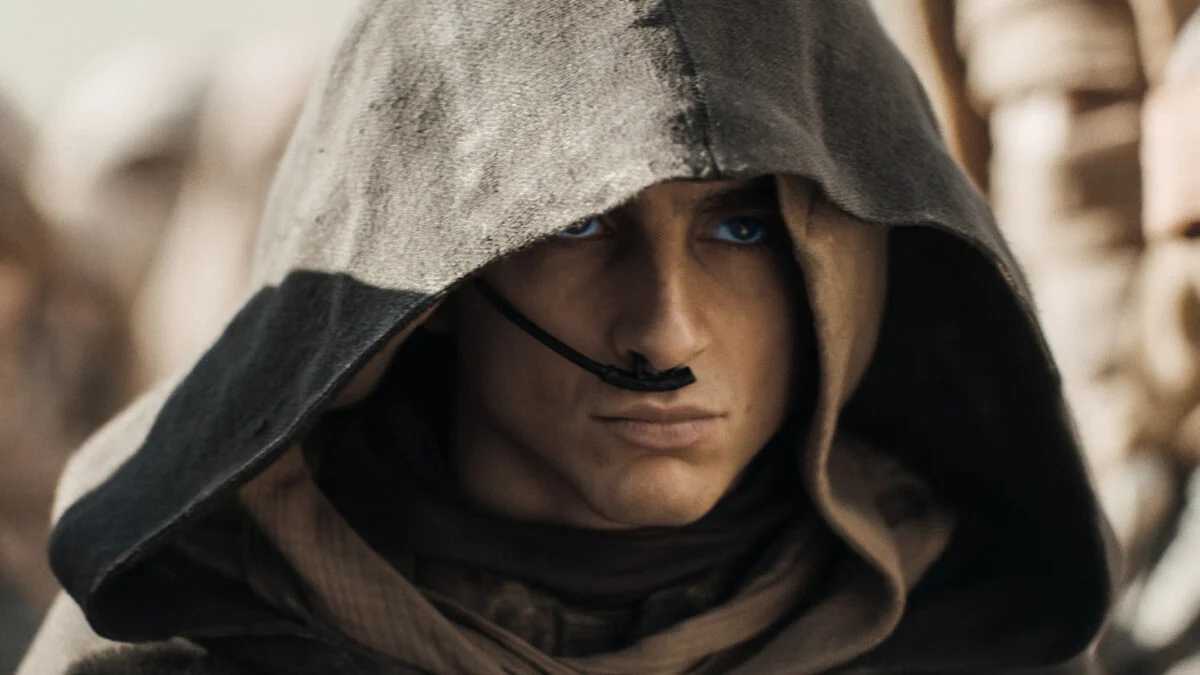
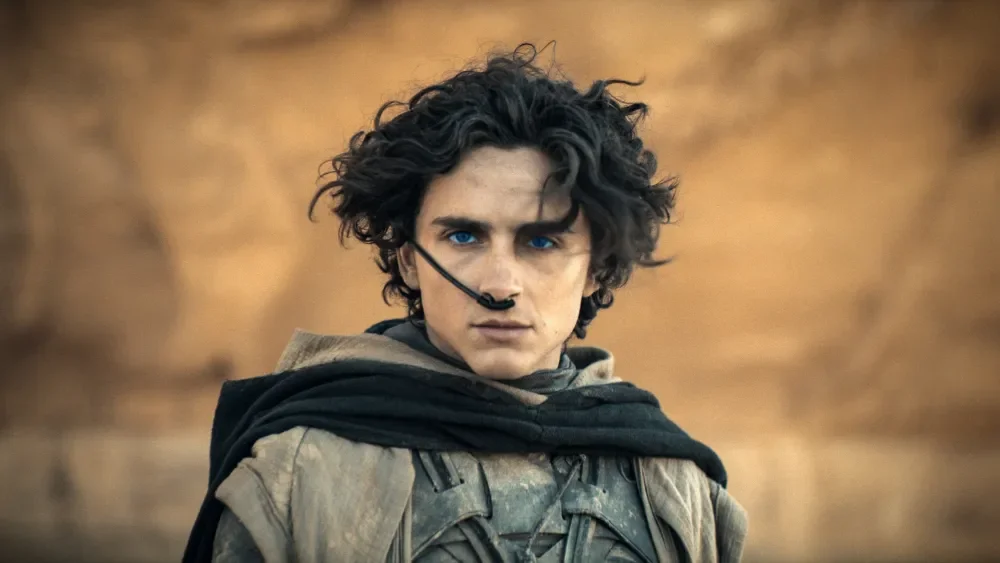
Dune: Part Three, the upcoming installment in the sci-fi series directed by Denis Villeneuve, is officially titled and expected to release in December 2026, with filming set to begin soon. The film will feature returning stars like Timothée Chalamet, Zendaya, and Jason Momoa, and will include some sequences shot in IMAX, though not entirely. The release date may shift due to scheduling conflicts with other major films.
Dune: Part Three, directed by Denis Villeneuve and set to be released in December 2026, has been officially titled and will feature sequences shot with IMAX cameras, although not entirely filmed with IMAX technology. The film continues the story from the previous installments, focusing on Paul Atreides' rise to emperor, and will include returning cast members like Timothée Chalamet, Zendaya, and Jason Momoa.
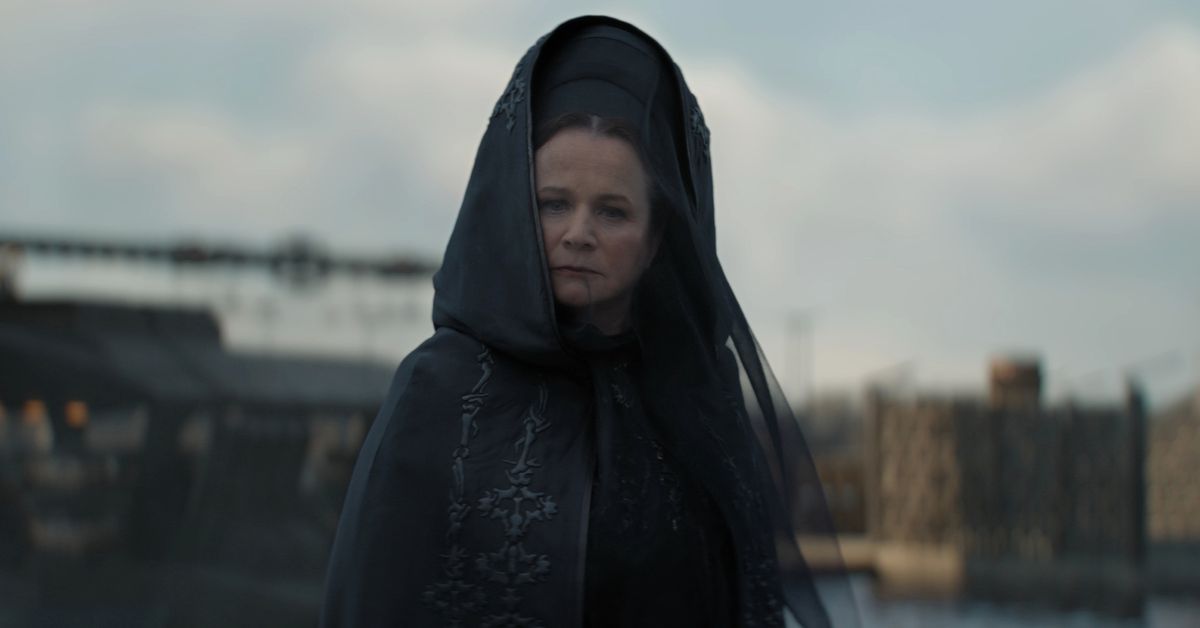
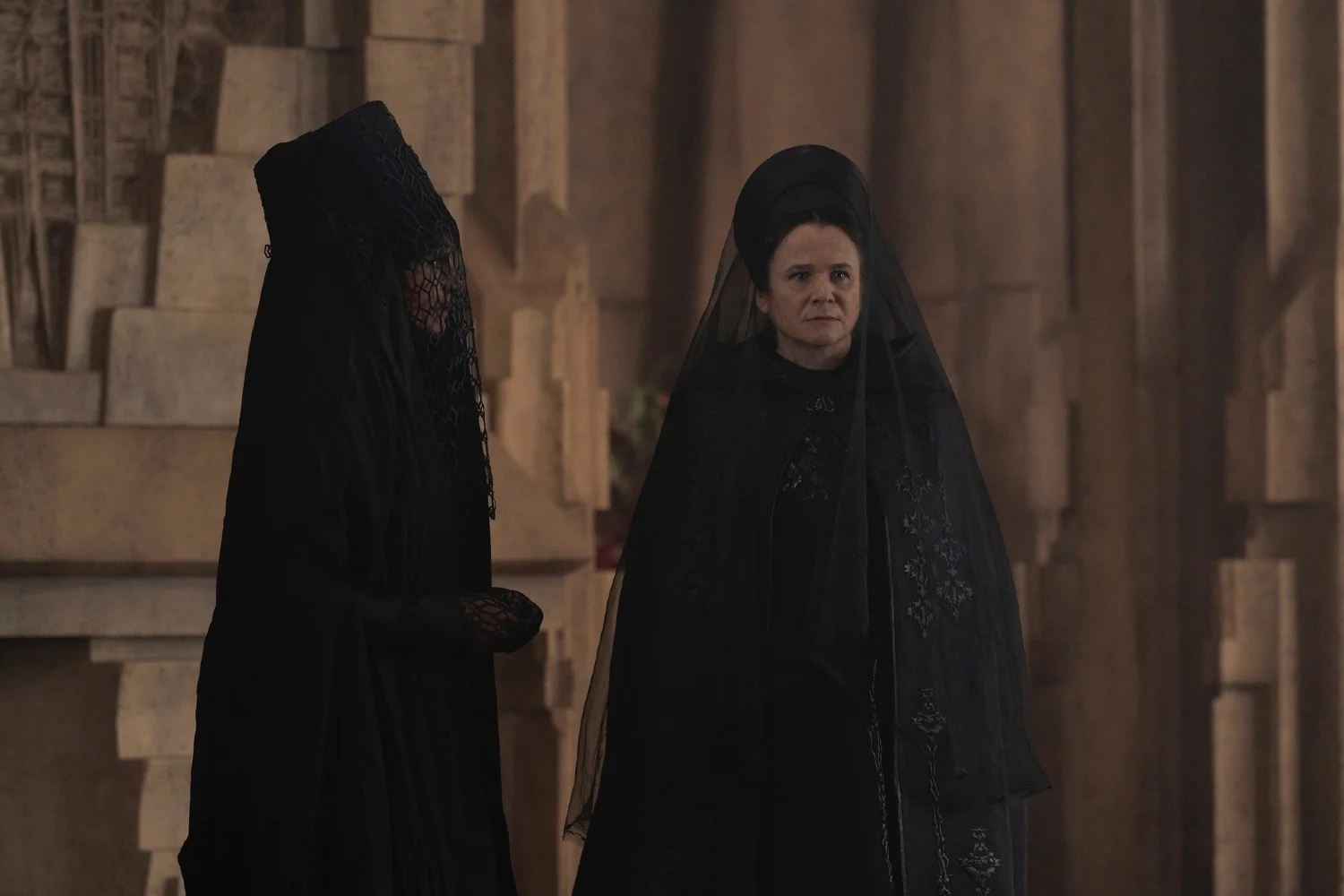
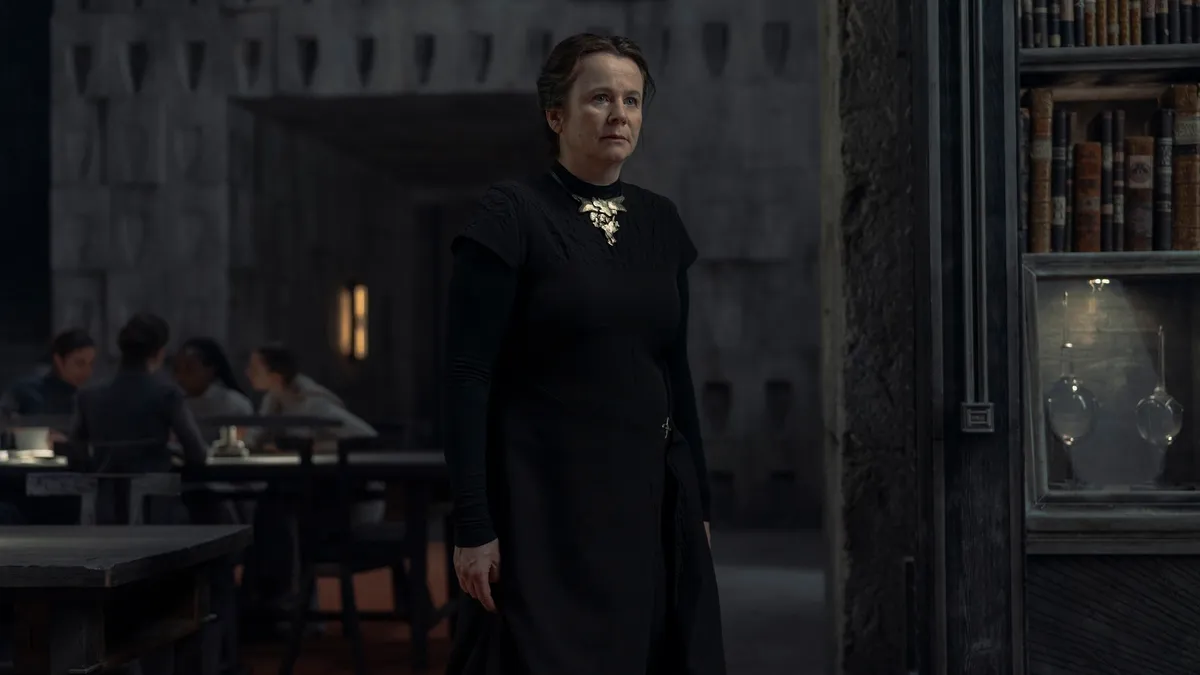
The HBO series "Dune: Prophecy" explores the origins of the Bene Gesserit and the complexities of the Harkonnen family, challenging the traditional hero/villain narrative. Showrunner Alison Schapker delves into the philosophical and historical aspects of the Sisterhood, focusing on characters like Valya and Tula Harkonnen. The series aims to demystify the Bene Gesserit, presenting them as strategic women working to save humanity, while also addressing themes of power, resistance, and the evolution of society.
Oscar Isaac initially doubted Timothée Chalamet's casting as Bob Dylan in the upcoming biopic "A Complete Unknown," but was impressed after hearing Chalamet perform Dylan's "Girl From the North Country" on the "Dune" set. Chalamet, who does his own singing in the film, won over Isaac and other cast members with his connection to Dylan's music. The event was part of the Gotham Awards, where Chalamet and director James Mangold received the Visionary Tribute.
Timothée Chalamet revealed he was rejected for roles in action franchises like "Maze Runner" and "Divergent" due to not having the "right body," despite efforts to gain weight. This led him to pursue indie projects like "Call Me By Your Name," which boosted his career. Currently, Chalamet is promoting his role as Bob Dylan in "A Complete Unknown," for which he underwent extensive preparation, including working with various coaches to embody the legendary musician.
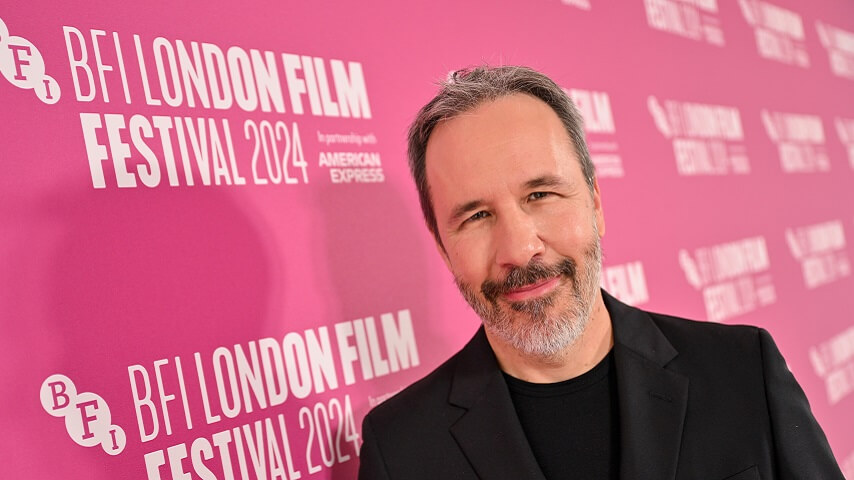
Denis Villeneuve, known for his unique approach to big-budget films like Dune, has expressed no interest in directing a Star Wars movie, blaming the Ewoks from Return of the Jedi for his disinterest. Villeneuve, a fan of the original Star Wars films, felt the series became too formulaic and aimed at children, particularly with the introduction of the Ewoks. He prefers to create films that offer more surprises and individualism, contrasting with what he perceives as the codified nature of the Star Wars franchise.
Denis Villeneuve, director of "Dune," expressed disinterest in directing a "Star Wars" film, citing that the franchise was "derailed" by "Return of the Jedi" in 1983, which he felt turned into a "comedy for kids" and became too predictable. Villeneuve, who is not a "Star Trek" fan either, is focused on developing a third "Dune" movie based on "Dune Messiah," aiming to create something distinct with its own identity.
Denis Villeneuve, director of 'Dune,' expressed his disinterest in directing a 'Star Wars' film, citing his disenchantment with the franchise after 'Return of the Jedi' in 1983. Villeneuve, who was a huge fan of the original films, felt that the series became too formulaic and aimed at children. He also mentioned his preference for creating unique films over joining another franchise and emphasized the importance of the communal cinema experience over streaming services.
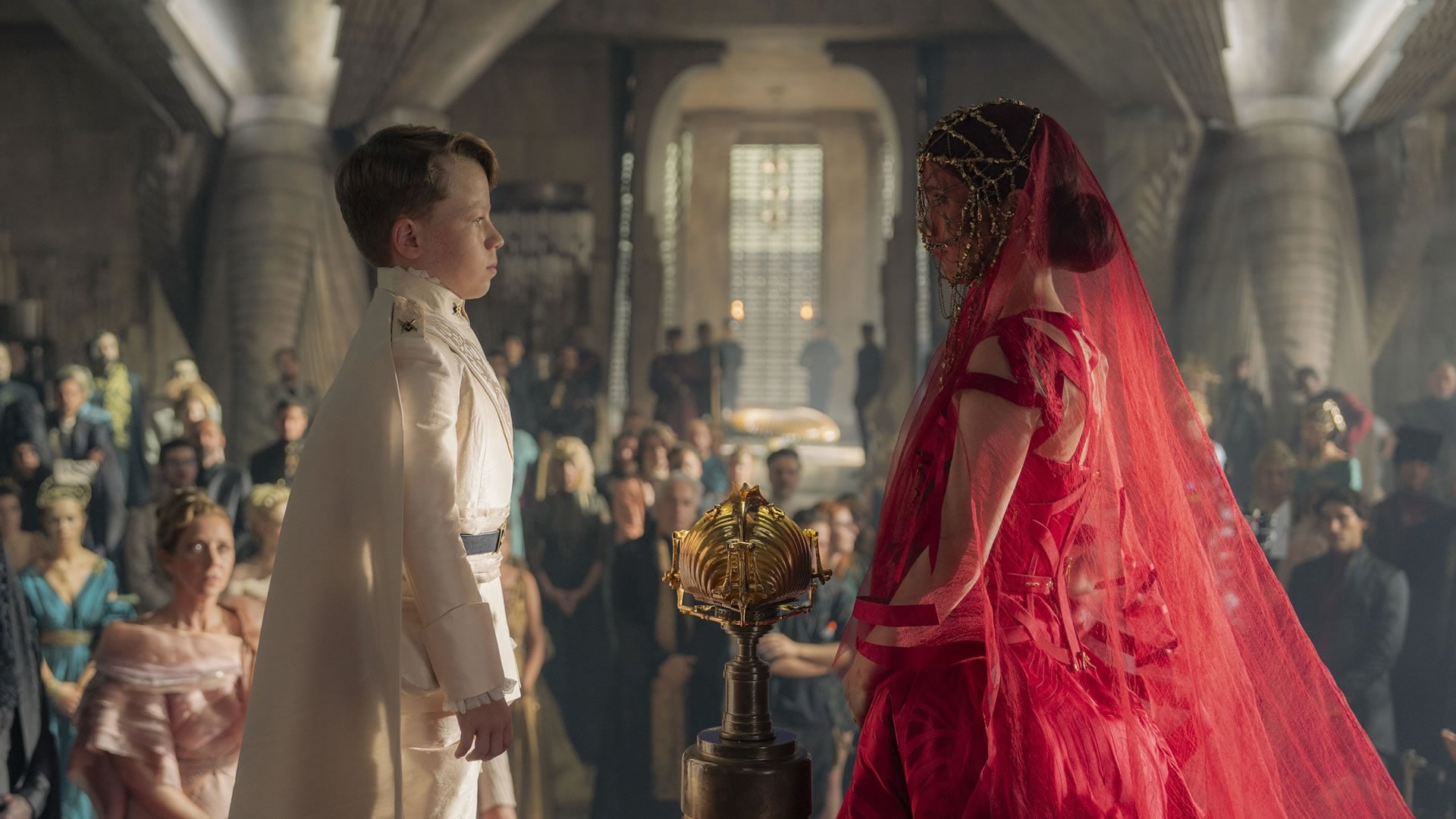
Dune: Prophecy showrunner Alison Schapker discusses the influence of Denis Villeneuve's Dune films on the HBO series, which is set 10,000 years before Paul Atreides. While the show shares visual elements with the films, it explores new planets and storylines to establish its own identity. Villeneuve, focused on his film projects, was not directly involved, but Schapker hopes he appreciates the series' unique take on the Dune universe.
Alison Schapker, showrunner of HBO's 'Dune: Prophecy,' discusses how the series connects with Denis Villeneuve's Dune films while exploring the origins of the Bene Gesserit. The show, set 10,148 years before Paul Atreides' birth, focuses on the Harkonnen sisters, Valya and Tula, and their role in establishing the Sisterhood. Schapker emphasizes the series' unique narrative and visual style, which respects Villeneuve's cinematic universe while exploring new aspects of the Dune lore.
The latest episode of "Dune: Prophecy" reveals a vulnerability in the Bene Gesserit's powerful skill, The Voice, as Desmond Hart resists its influence, hinting at a new threat to the Sisterhood. This development suggests that individuals imbued with the powers of Shai-Hulud, the revered sandworms, could challenge the Bene Gesserit's dominance, introducing a fresh dynamic to the Dune universe.
The first episode of 'Dune: Prophecy' delves into the political intricacies of the Dune universe, focusing on the Butlerian Jihad, the Sisterhood, and the Great Houses. It highlights the influence of women, particularly the Bene Gesserit, while introducing intriguing characters like Desmond Hart. The episode balances action and dialogue, hinting at contemporary themes like AI and truth. Despite some stereotypical elements, it maintains a distinct Dune flavor, setting the stage for a series rich in intrigue and power struggles.
Dune: Prophecy, a new sci-fi series, is criticized for its lack of action and engaging content, likened to "Game of Thrones" without the excitement, and compared to "Bridgerton" in space. The show focuses on Valya Harkonnen's petty jealousy and features long, empty speeches by women in digital backdrops. The series is seen as out of touch with current audience preferences, with its slow pace and controversial scenes, such as the gratuitous death of a child, unlikely to attract viewers.