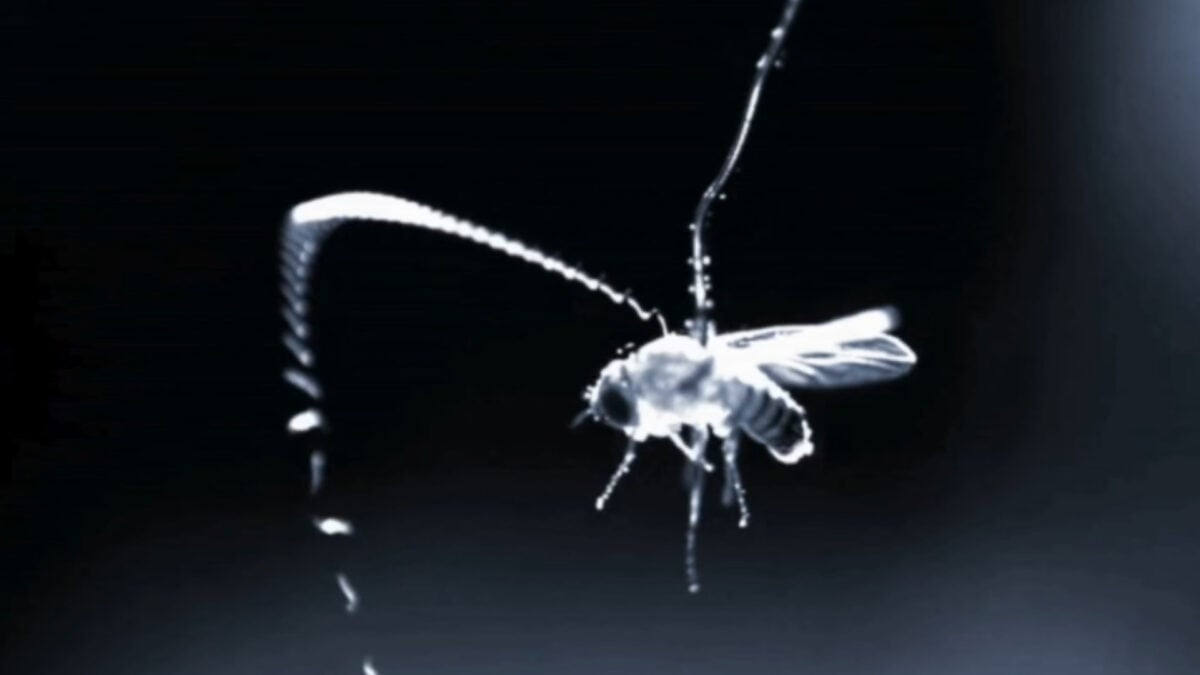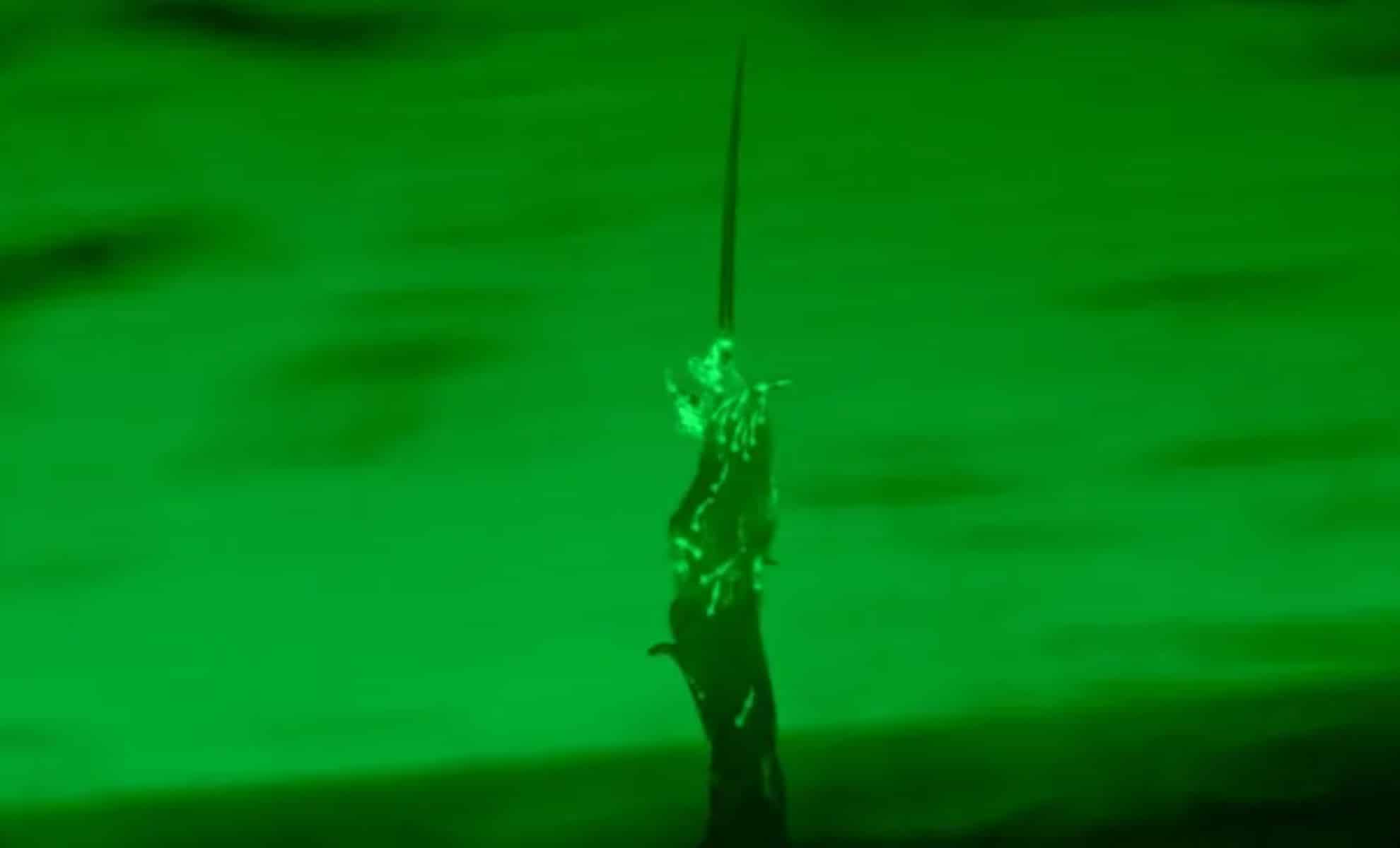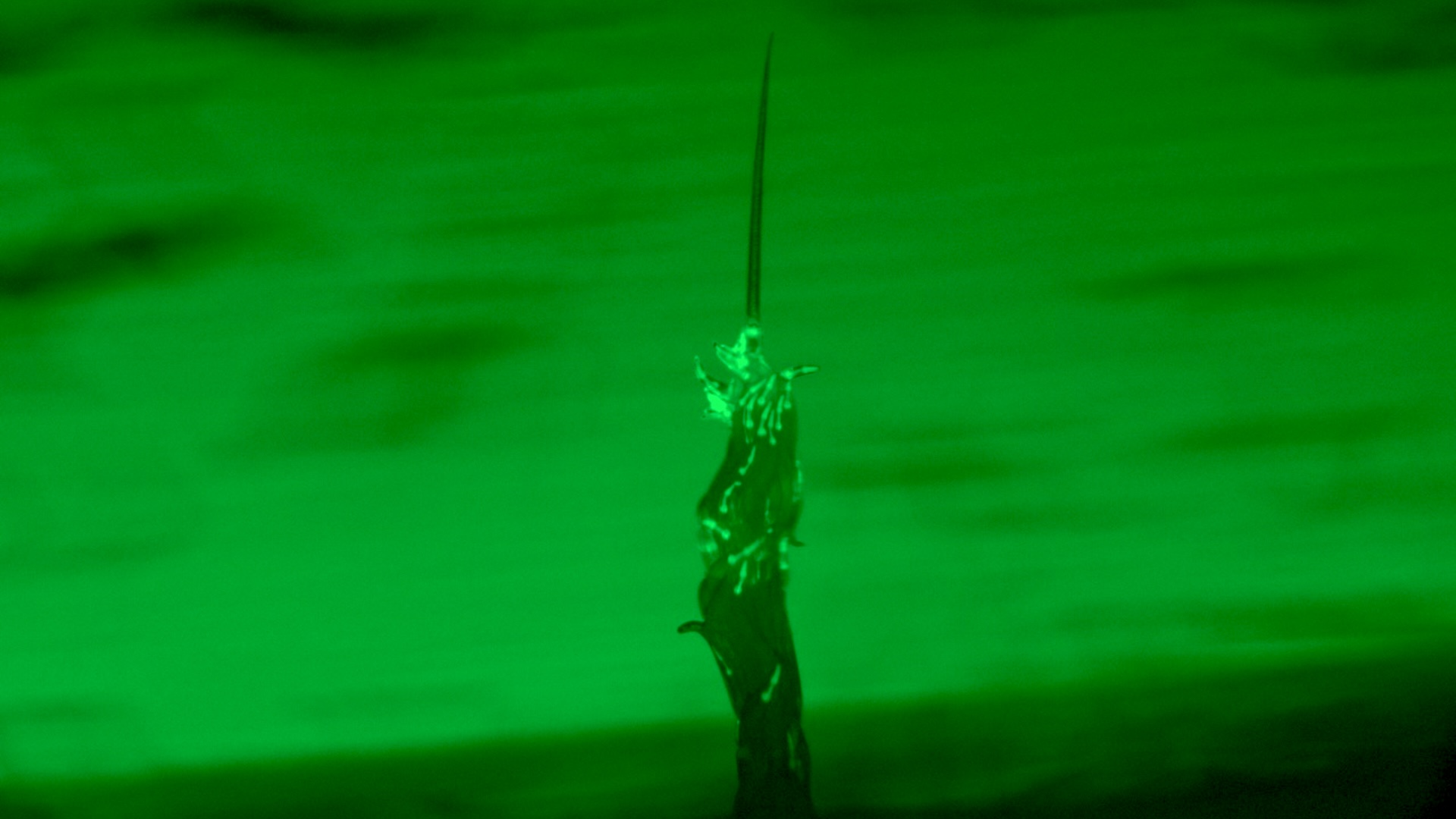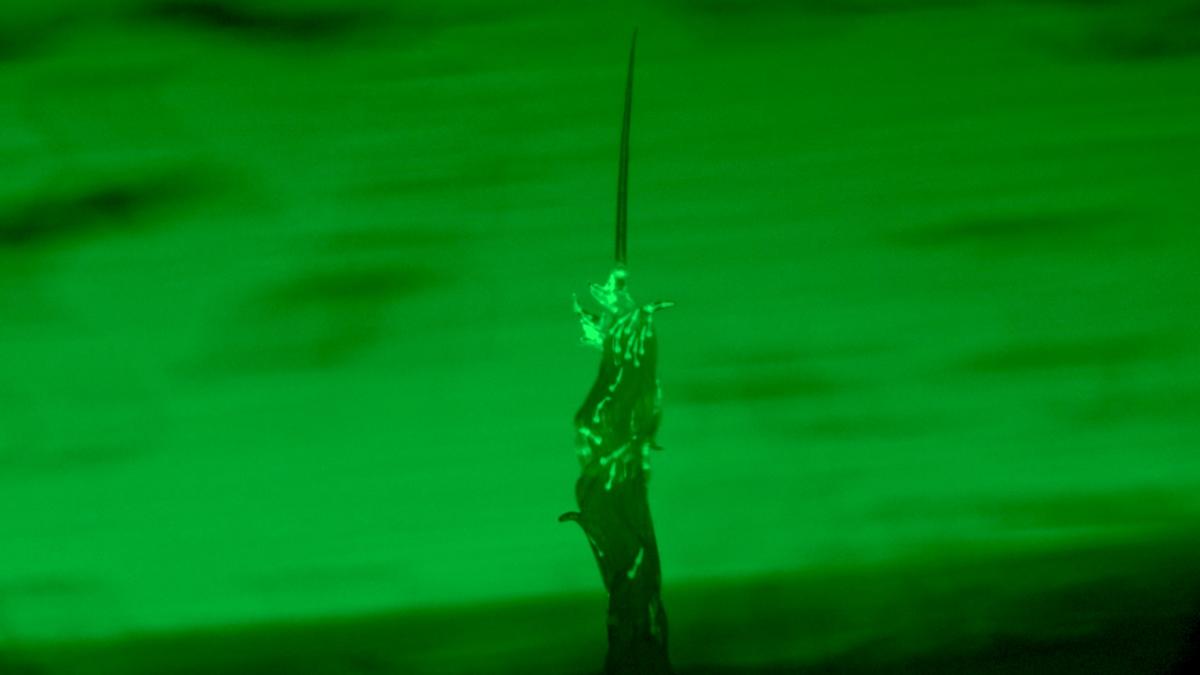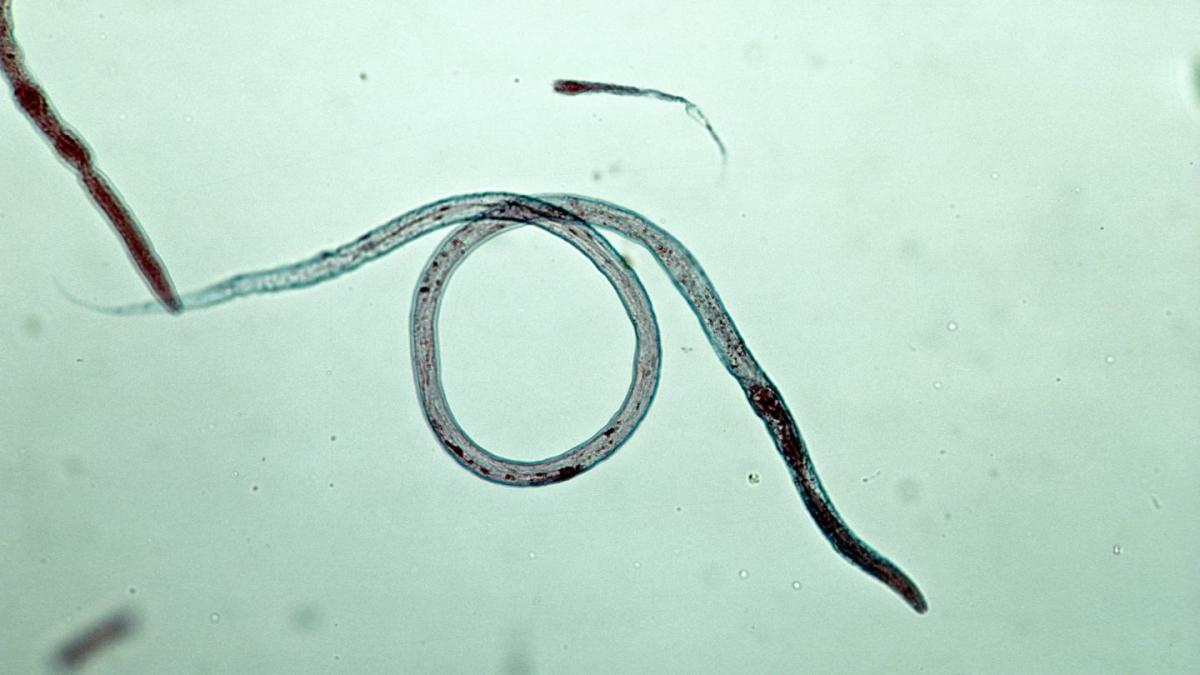
Researchers discovered that a tiny parasitic roundworm, S. carpocapsae, uses static electricity to ambush prey midair by jumping up to 25 times its body length, leveraging electrostatic forces to increase landing success, revealing fascinating insights into the physics and biology of microscopic predators.
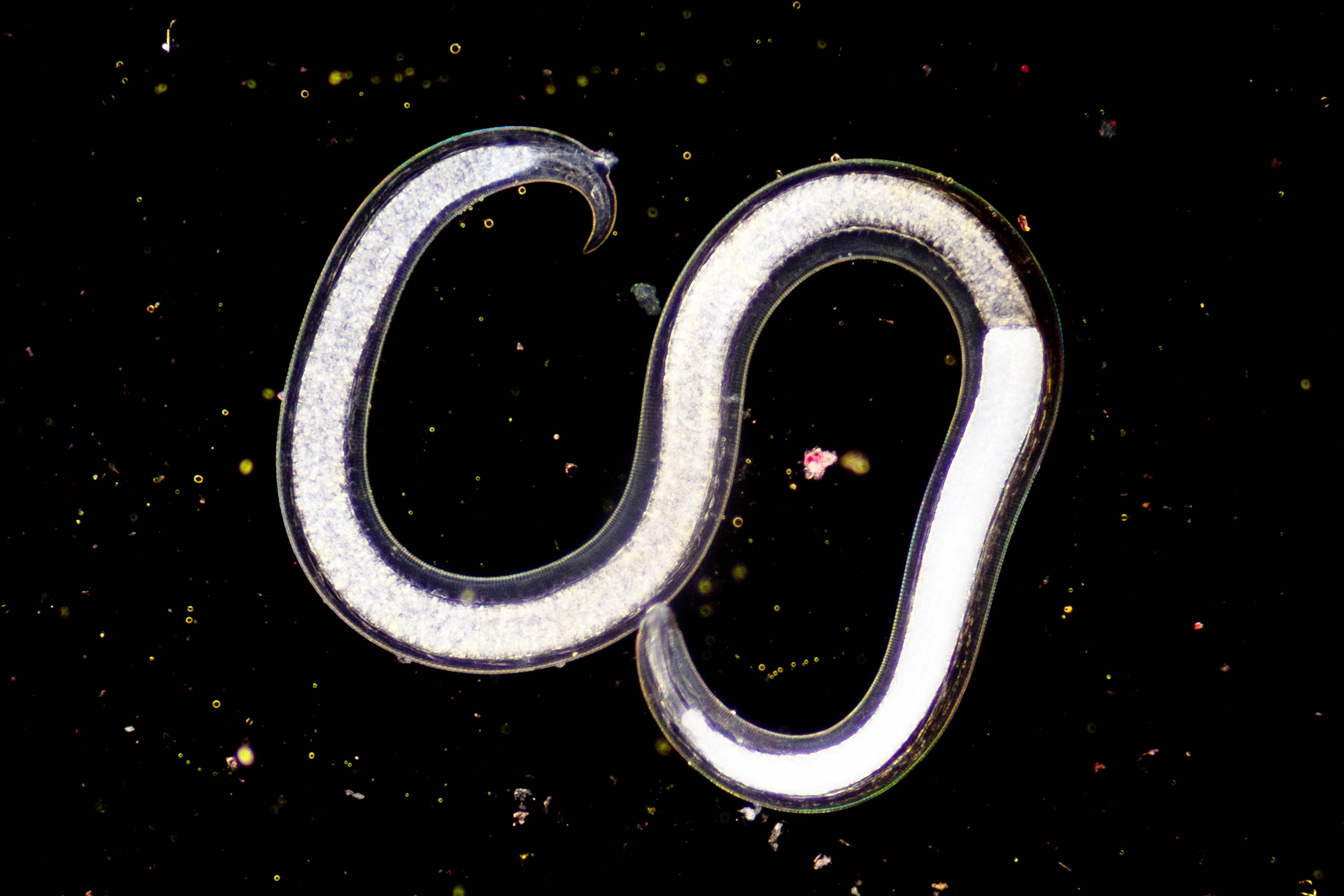
Scientists successfully revived a 46,000-year-old nematode from Siberian permafrost, revealing its survival mechanisms and potential applications in biobanking and medicine, while also identifying it as a new species, Panagrolaimus kolymaensis, with unique genetic adaptations for long-term preservation.
Scientists in Germany have observed nematode worms forming cooperative 'superorganisms' by creating towering structures in the wild, a behavior previously only seen in labs, revealing new insights into their social interactions and group movement strategies.
Researchers in Germany have observed for the first time in the wild nematodes forming towering structures, previously seen only in labs, which serve as a means of mass transit and cooperation among worms, indicating a complex, mutually-beneficial behavior. The study also demonstrated that similar structures can be formed by the model organism C. elegans, suggesting this behavior may be widespread among worms for group movement.
For the first time in the wild, researchers observed nematodes forming towering structures, previously seen only in labs, suggesting a cooperative behavior for mass transit. The study also demonstrated that similar structures can be formed by other worms like C. elegans, indicating that such group movement strategies might be widespread among worms.
Scientists in Germany have documented wild nematodes building flesh towers, a behavior previously only observed in labs, which they use for dispersal and interaction with animals, revealing new insights into their collective behavior and ecological roles.
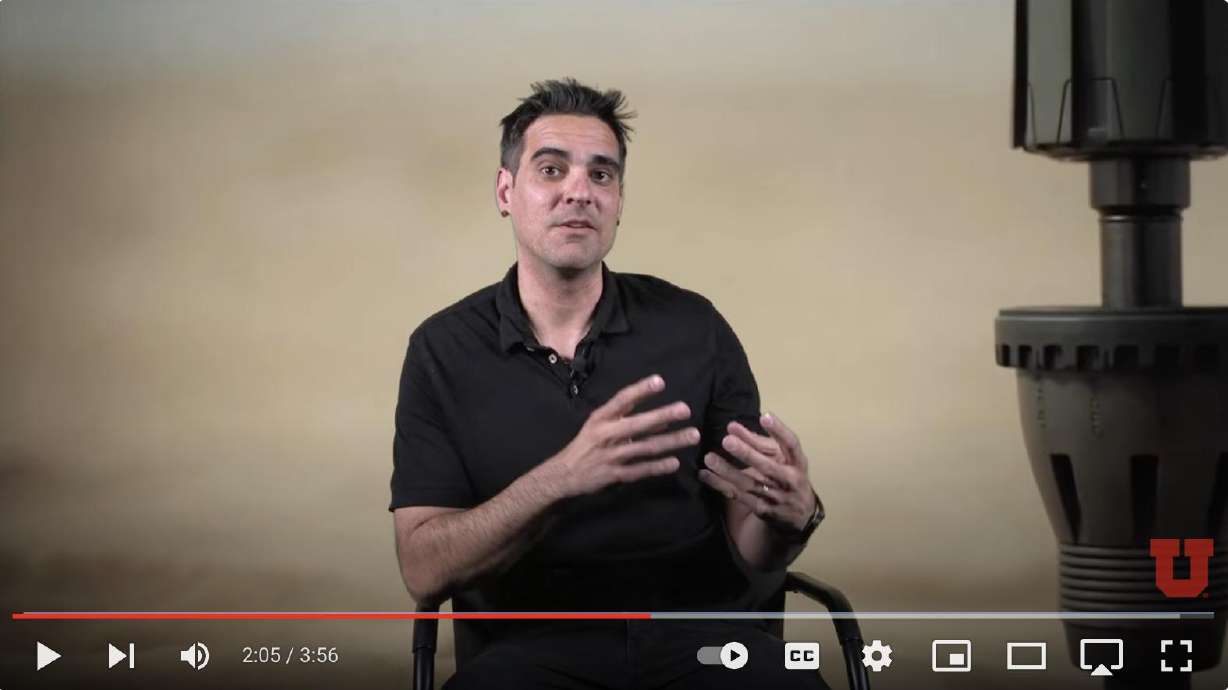
A biology professor at the University of Utah, Michael Werner, who specializes in nematodes, or roundworms, discusses the real science behind the giant worms in the movie "Dune." He explains that while Earth doesn't have worms as large as those in the movie, there are similarities between the fictional creatures and real nematode species. Werner also muses on the potential uses of worms for interstellar travel and reflects on how "Dune" shaped his worldview as a child.
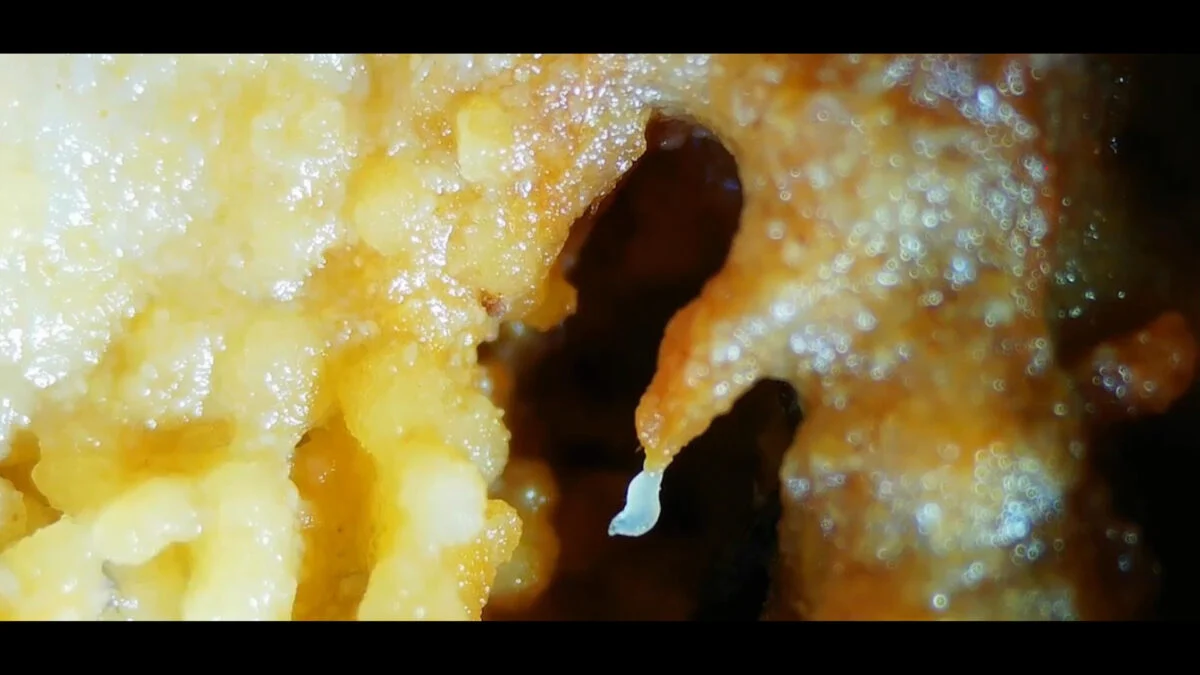
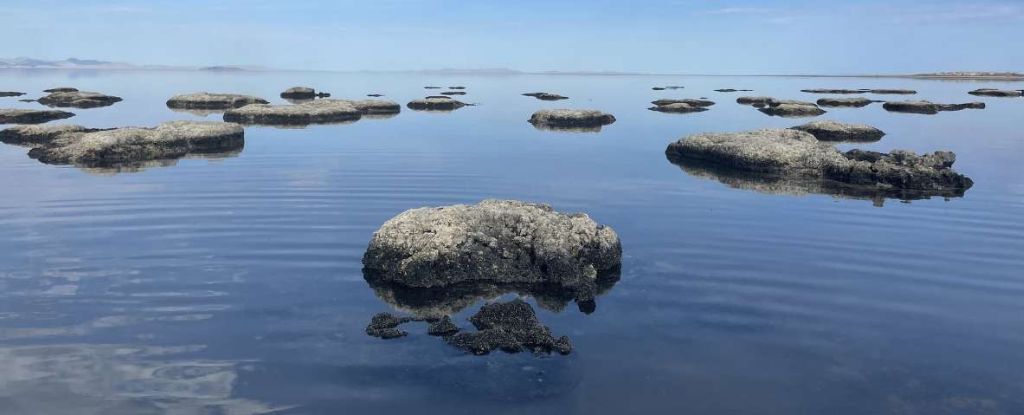
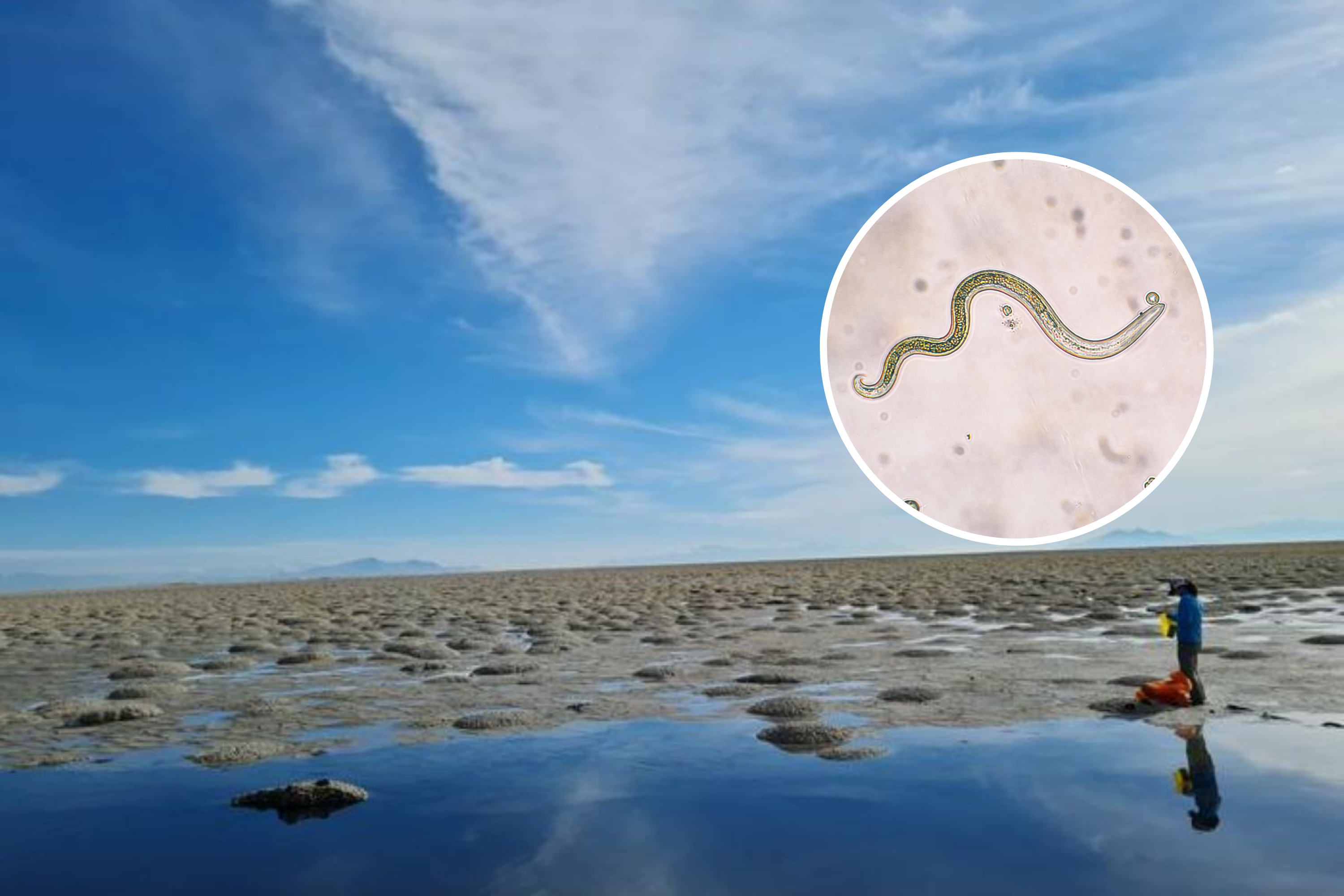
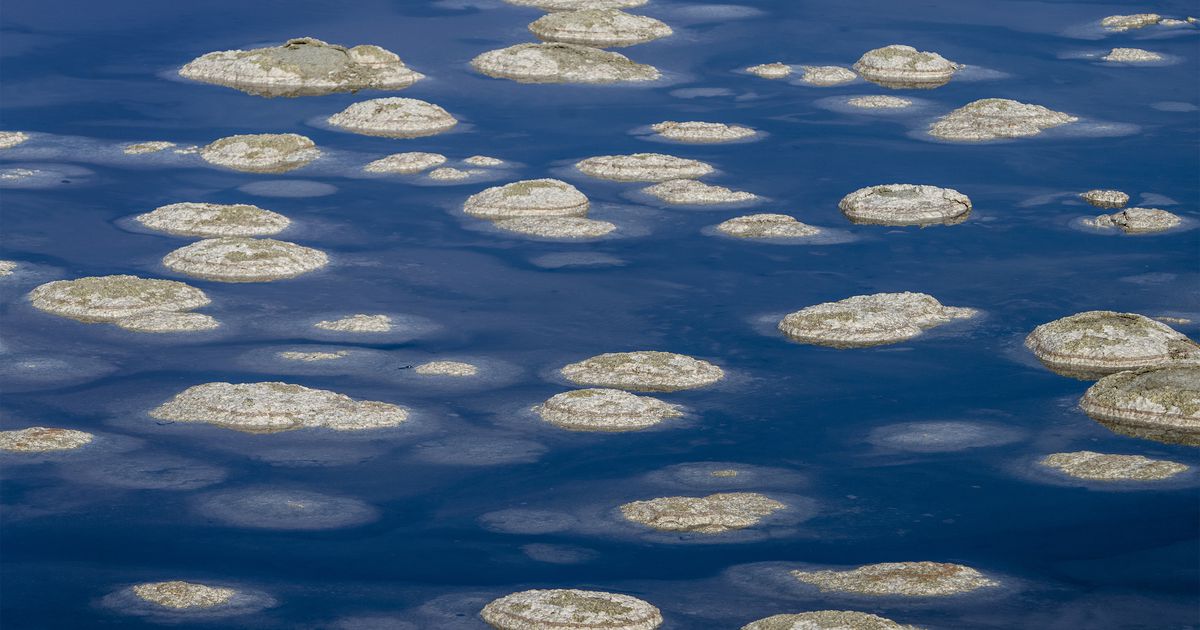
Scientists have discovered a new species of nematode, or roundworm, in the Great Salt Lake, making it just the third multicellular animal known to inhabit the lake alongside brine shrimp and brine flies. The nematodes were found in the lake's southern arm, living in microbialites, which cover about 20% of the lakebed. This discovery raises new questions about the lake's ecosystem and the limits of animal habitability in extreme environments. The fate of these nematodes, potentially a new species, is threatened by the declining levels of the Great Salt Lake, which is impacting the insects and waterfowl that depend on them.
Scientists have discovered a third form of multicellular life, nematodes, in the Great Salt Lake, challenging the long-held belief that only brine shrimp and brine flies inhabited the ultra-saline waters. These worms, found in microbialites on the lake bed, are uniquely adapted to the extreme salinity and may be at risk of disappearing as the lake's water levels decrease due to human usage and climate change. The study highlights the urgent need to understand and protect this unique ecosystem before it collapses completely.
Scientists studying the Chernobyl Exclusion Zone have found that a common worm, Oscheius tipulae, appears to be completely unaffected by radiation exposure over the passing decades, exhibiting no signs of damage from the high-radiation environment. This resilience has sparked interest in understanding how these worms are able to withstand extreme conditions, with hopes of aiding humans in the fight against cancer. While other species in the area have displayed genetic mutations and adaptations to radiation, the nematodes seem to have remained unchanged, providing valuable insights into the effects of prolonged radiation exposure.
A study on nematodes reveals the complex mating behaviors of hermaphroditic and female roundworms, with females actively seeking out males by tracking them through scent, while hermaphrodites avoid mating until they deplete their sperm supply. This research enhances understanding of nematode reproductive strategies and offers insights into genetic mechanisms of attraction and behavioral evolution, shedding light on the evolution of reproductive strategies and the genetic mechanisms of attraction. The findings suggest that the presence of sperm or seminal fluid in hermaphrodites acts as a behavioral regulator, highlighting an adaptive strategy to maximize genetic dissemination.
Researchers at the University of Utah have discovered thousands of roundworms, or nematodes, living in the Great Salt Lake's reeflike structures, marking the first known presence of these creatures in the lake. The saltiest environment where these worms have been found, the discovery raises questions about the limits of animal life and their adaptability to extreme conditions. The study's findings suggest that the worms are highly adaptive to their environment, surviving on the lake's bacteria despite the extreme salinity. This discovery sheds light on the lake's unique ecosystem and the potential for finding complex multicellular life in extreme environments, sparking further research into the mechanisms of their adaptability.
Scientists have discovered a new multi-celled lifeform, nematodes, living in the Great Salt Lake's microbialites, challenging the belief that only brine shrimp and brine flies can survive in the lake's salty water. The nematodes were found to be thriving in the hyper-saline environment, possibly contributing to microbialite formation and transporting useful bacteria. This discovery underscores the importance of a healthy lake elevation for supporting life and sheds light on the diverse and often overlooked microscopic life in the Great Salt Lake.
A new species of nematodes has been discovered in Utah's Great Salt Lake, challenging the previous understanding of its ecosystem, which was thought to only contain brine shrimp and brine flies due to its unique saline environment. The discovery, made by researchers at the University of Utah, suggests that nematodes play a role in the lake's ecosystem that is not yet fully understood. This finding, published in the Proceedings of the Royal Society B, also indicates that the Great Salt Lake is now the saltiest body of water known to contain nematodes. The researchers believe that this discovery opens up new research opportunities and may even provide insights into the survivability of organisms in extreme climate conditions, such as on other planets like Mars.
Researchers at UC Riverside have discovered a new species of nematode, Steinernema adamsi, which has the potential to protect crops without the need for pesticides. These tiny worms offer a promising biological control option for managing crop pests in warm and humid regions, where other beneficial nematodes struggle to survive. The new species, named after biologist Byron Adams, has unique features and could provide valuable insights into ecological and evolutionary dynamics. The researchers hope to further study the nematode's properties and its potential applications in sustainable agriculture and pest management.