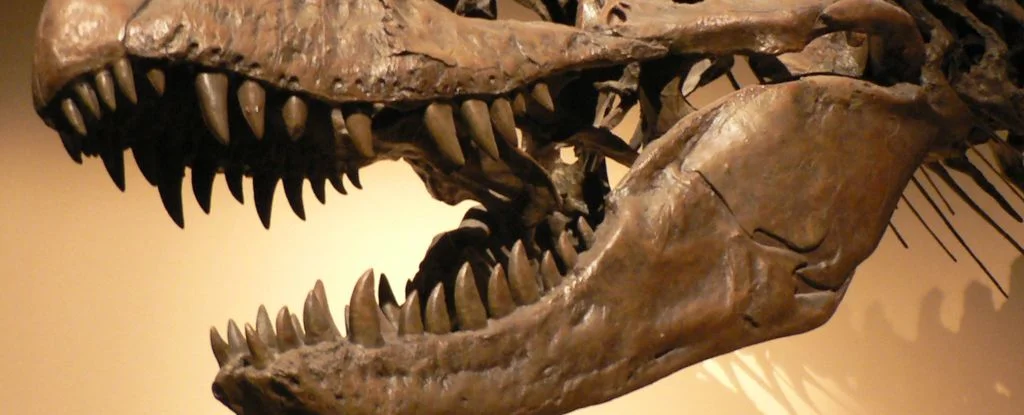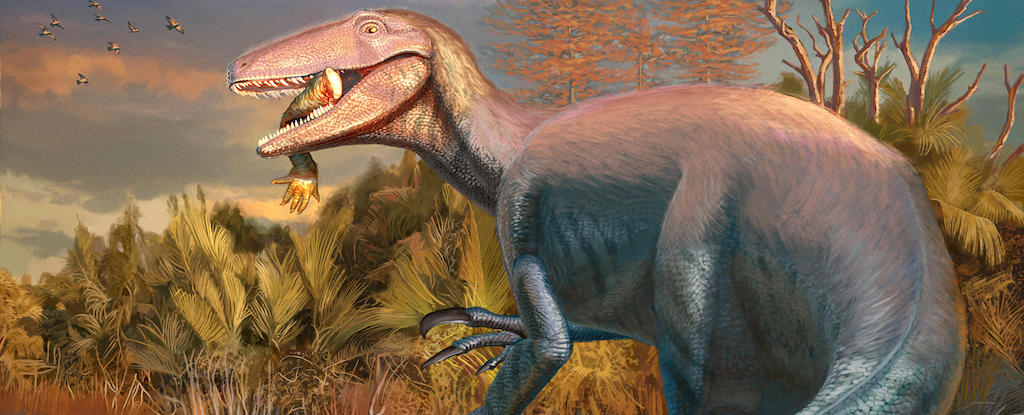
Paleontologists in Argentina discovered a new megaraptor species, Joaquinraptor, which was over 7 meters long and likely ate crocodiles, with evidence including a leg bone found in its mouth. This find provides rare insight into megaraptor diet and behavior, and the species lived around 68 million years ago, just before the mass extinction.
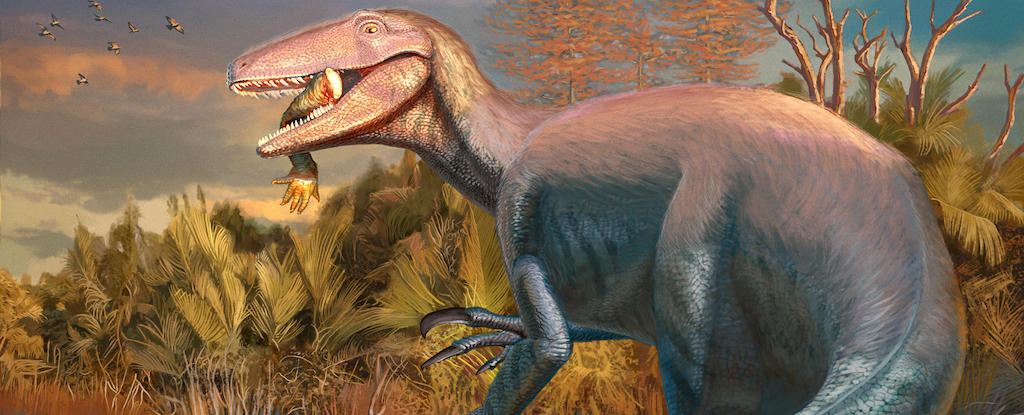
Paleontologists in Argentina discovered a new megaraptor species, Joaquinraptor, which likely ate crocodiles, with evidence including a leg bone found in its mouth. The fossil, dating back about 68 million years, provides insights into the diet and ecology of these apex predators, which thrived in South America before the mass extinction.
A study analyzing 18 theropod dinosaur skulls reveals diverse feeding strategies among giant carnivorous dinosaurs, with some like T. rex optimized for powerful bites, while others like Giganotosaurus had lighter bites, indicating a wide range of ecological adaptations and less competition among these predators.
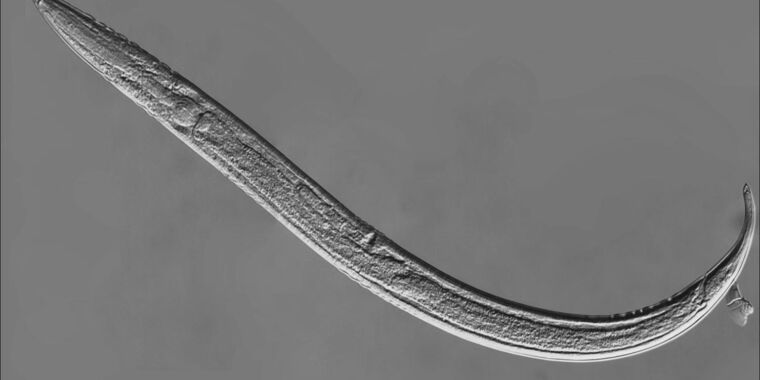
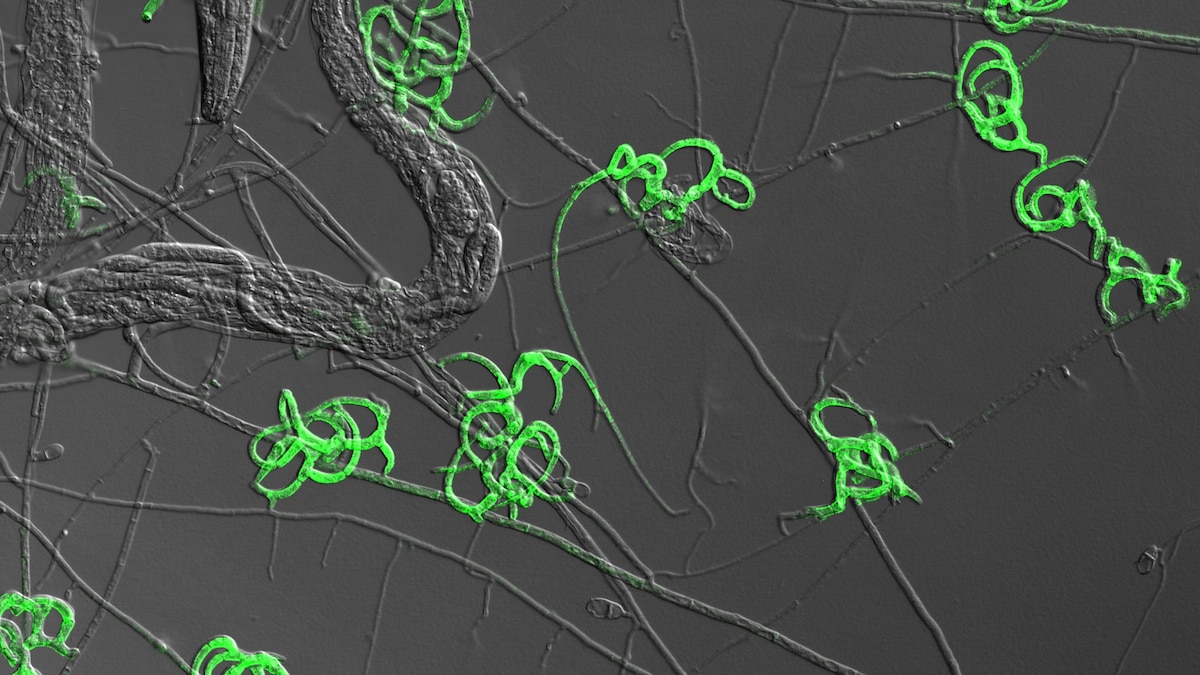
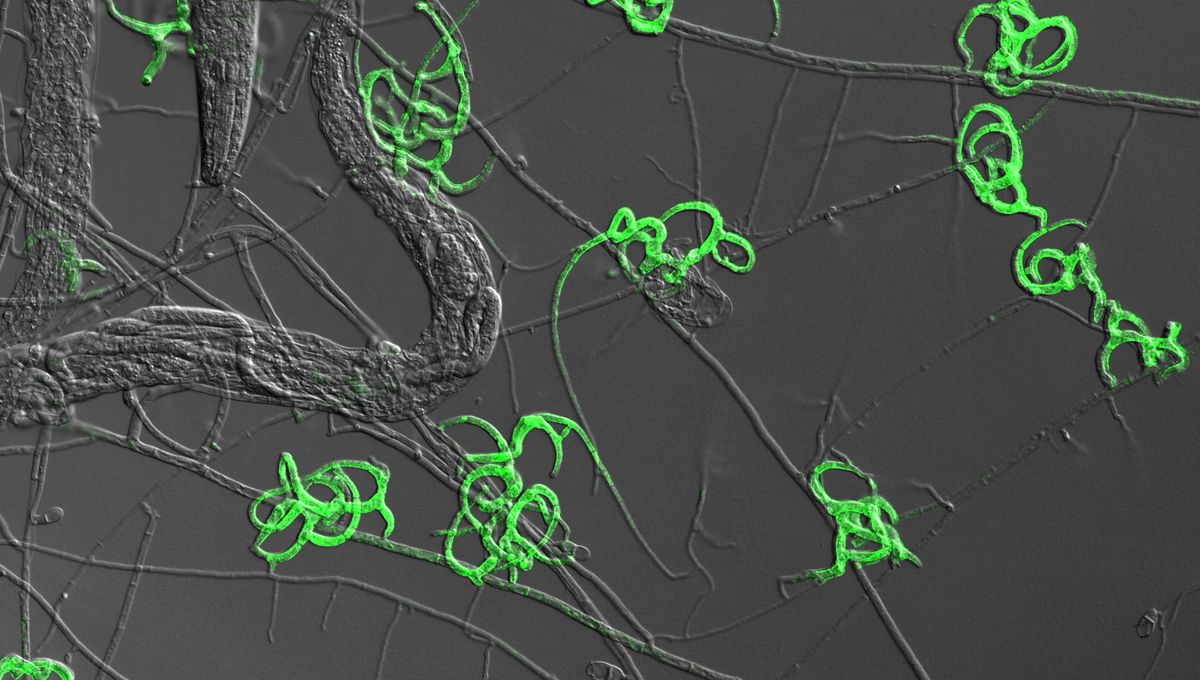
Researchers have discovered how the carnivorous fungus Arthrobotrys oligospora turns into a killer when it senses a live worm. The fungus synthesizes a worm adhesive and additional trapping proteins to catch its prey, and produces enzymes to break down the worm for consumption. The fungus also increases DNA replication and ribosome biogenesis to create trap cells with specialized adhesive. It down-regulates genes involved in digesting dead matter and up-regulates genes that produce proteases to break down proteins. The fungus also produces proteins that weaken prey and manipulates their cells to take over. This research could potentially lead to the development of improved antifungals.
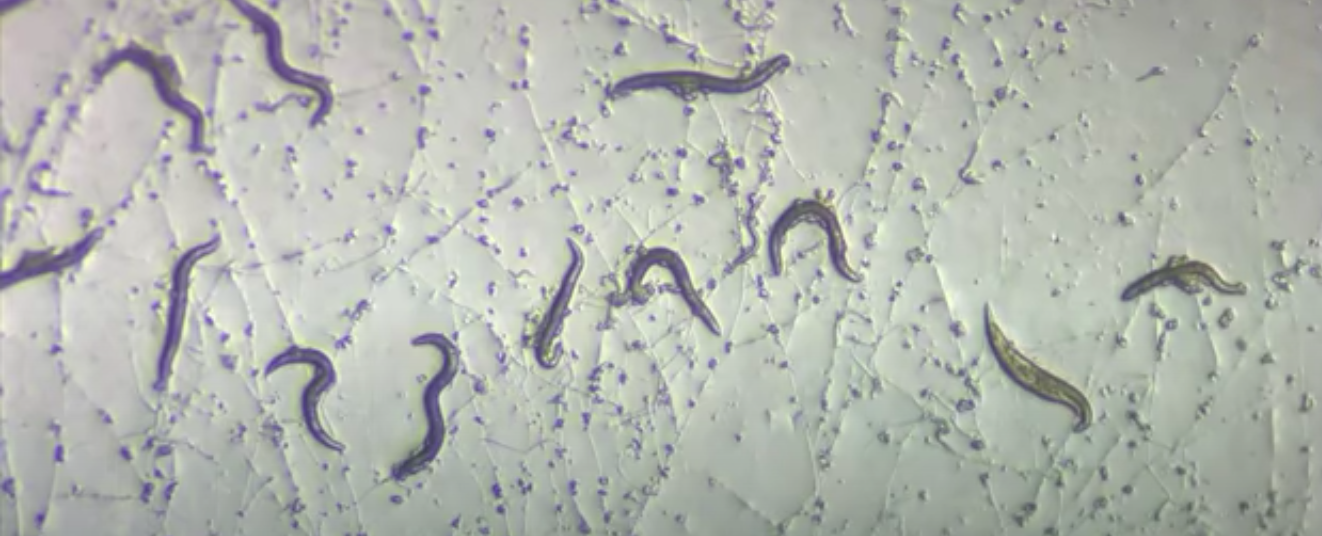
Arthrobotrys oligospora, a normally saprotrophic fungus that decomposes dead leaves, can transform into a carnivorous predator when faced with nutritional deprivation. Using pheromones and olfactory mimicry, the fungus lures nematodes to its mycelium, where it forms an elaborate trap to capture and digest them. This predatory behavior is thought to be an evolutionary response to scarcity of food. However, the nematodes may also evolve and adapt to counter the fungus's predation, leading to an ongoing evolutionary arms race between predator and prey.
Scientists have discovered the genes and molecular processes that enable a peaceful fungus, Arthrobotrys oligospora, to transform into a carnivorous predator when it becomes hungry. The fungus uses various trapping devices to capture and consume prey, with predator mode activated when it senses the presence of roundworms. The research identified specific genes involved in trap formation, adhesion, and digestion, as well as proteins critical for trap adhesion and worm immobilization. The study provides insights into the genetic and molecular mechanisms underlying fungal carnivory.
Arthrobotrys oligospora, a worm-eating fungus, has been found to sense, trap, and consume small animals. New research has revealed the molecular changes that enable its predatory lifestyle. The fungus increases DNA replication and protein production when it senses worms nearby. It produces adhesive structures to trap and immobilize nematodes, and uses filamentous structures to burrow into and digest the worms. These findings enhance our understanding of the key processes involved in fungal carnivory. Nematode-trapping fungi play an important ecological role as natural predators, helping to maintain microorganism ecosystems and nutrient cycling.