Tag

Oxygen

All articles tagged with #oxygen

Yellowstone microbes can breathe two elements to generate energy

Originally Published 4 months ago — by Earth.com

Featured image for Yellowstone microbes can breathe two elements to generate energy
Source: Earth.com

Researchers discovered a Yellowstone bacterium that can simultaneously use oxygen and sulfur to produce energy, challenging traditional views of microbial respiration and highlighting its adaptability in fluctuating environments, with implications for understanding early Earth conditions and environmental management.

Innovative 'Breathing' Crystals Promise Breakthroughs in Clean Energy

Originally Published 4 months ago — by Crude Oil Prices Today | OilPrice.com

Featured image for Innovative 'Breathing' Crystals Promise Breakthroughs in Clean Energy
Source: Crude Oil Prices Today | OilPrice.com

A new man-made crystal that can breathe oxygen like lungs could revolutionize clean energy technologies, including fuel cells and smart windows, by enabling efficient oxygen absorption and release at moderate temperatures, potentially enhancing energy efficiency and supporting climate goals.

Innovative 'Breathing' Crystals Promise Advances in Clean Energy and Electronics

Originally Published 4 months ago — by ScienceDaily

Featured image for Innovative 'Breathing' Crystals Promise Advances in Clean Energy and Electronics
Source: ScienceDaily

Scientists from Korea and Japan have discovered a new metal oxide crystal that can repeatedly breathe in and out oxygen at low temperatures, potentially revolutionizing clean energy technologies like fuel cells and smart thermal devices by providing a stable, reversible, and practical material for controlling oxygen in various applications.

NASA Predicts Early Oxygen Loss and End of Life Date for Earth

Originally Published 5 months ago — by Indian Defence Review

Featured image for NASA Predicts Early Oxygen Loss and End of Life Date for Earth
Source: Indian Defence Review

New research indicates Earth's oxygen-rich atmosphere may collapse within the next billion years, with initial signs of decline possibly starting as soon as 10,000 years from now, driven by the Sun's increasing luminosity and resulting climate changes, which could make Earth inhospitable for complex life and revert it to a microbial-dominated world.

Unraveling Why Worms Emerge During Rainfall

Originally Published 1 year ago — by Livescience.com

Featured image for Unraveling Why Worms Emerge During Rainfall
Source: Livescience.com

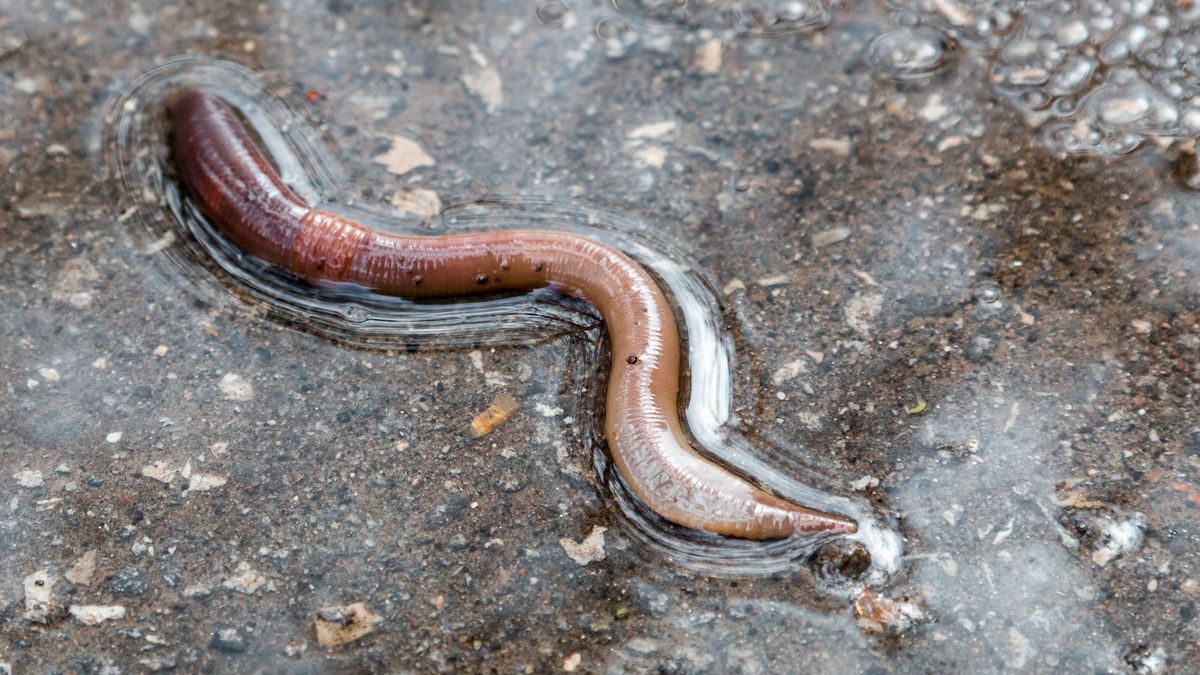
Earthworms often surface during rain, not to avoid drowning, as they can breathe through their skin in water, but possibly due to needing higher oxygen levels, mistaking rain vibrations for predators, or to move more easily on wet ground. Some species are more sensitive to low oxygen, prompting them to surface, while others may remain underground. Additionally, wet conditions may facilitate mating or migration. The phenomenon is also exploited in practices like 'worm charming,' where vibrations are used to lure worms to the surface.

Study Reveals Immediate Vascular Damage from Vaping

Originally Published 1 year ago — by WKRC TV Cincinnati

Featured image for Study Reveals Immediate Vascular Damage from Vaping
Source: WKRC TV Cincinnati

A new study presented at the Radiological Society of North America highlights the immediate effects of vaping on blood vessels and oxygen intake, suggesting potential health risks. Researchers, including Alan Blum and Keith Ferdinand, emphasize that while e-cigarettes may not be as harmful as traditional cigarettes, they still pose significant health concerns, such as reduced venous oxygen saturation and stiffer blood vessels. The study underscores the need for further research into the long-term health impacts of vaping.

Study Reveals Immediate Vaping Effects on Blood Flow and Oxygen Levels

Originally Published 1 year ago — by KOMO News

Featured image for Study Reveals Immediate Vaping Effects on Blood Flow and Oxygen Levels
Source: KOMO News

A new study presented at the Radiological Society of North America highlights the immediate effects of vaping on blood vessels and oxygen intake, suggesting potential health risks. Researchers, including Alan Blum and Keith Ferdinand, emphasize that while e-cigarettes may not be as harmful as traditional cigarettes, they still pose significant health concerns, particularly affecting blood vessel elasticity and lung oxygenation. The study underscores the need for further research into the long-term health impacts of vaping, as it is not FDA-approved for smoking cessation.

New Study Reveals Immediate Vaping Effects on Blood Flow and Oxygen Levels

Originally Published 1 year ago — by WKRC TV Cincinnati

Featured image for New Study Reveals Immediate Vaping Effects on Blood Flow and Oxygen Levels
Source: WKRC TV Cincinnati

A new study presented at the Radiological Society of North America highlights the immediate effects of vaping on blood vessels and oxygen intake, suggesting potential health risks. Researchers, including Alan Blum and Keith Ferdinand, emphasize that while e-cigarettes may not be as harmful as traditional cigarettes, they still pose significant health concerns, such as reduced venous oxygen saturation and stiffer blood vessels. The study underscores the need for further research into the long-term health impacts of vaping.

"Worms: Catalysts of Earth's Biodiversity Boom"

Originally Published 1 year ago — by Phys.org

Featured image for "Worms: Catalysts of Earth's Biodiversity Boom"
Source: Phys.org

Prehistoric worms and other invertebrates played a crucial role in the Great Ordovician Biodiversification Event by burrowing and mixing sediments, which increased oxygen levels in the ocean and atmosphere, leading to a significant rise in biodiversity. Researchers from Johns Hopkins University found that the formation and burial of pyrite in mixed sediments were key to this oxygen buildup, challenging previous assumptions about sediment mixing and oxygen levels.

"Unraveling Earth's Carbon Cycle: Implications for Assessing Life on Other Planets"

Originally Published 1 year ago — by Phys.org

Featured image for "Unraveling Earth's Carbon Cycle: Implications for Assessing Life on Other Planets"
Source: Phys.org

A new study published in Nature Geoscience sheds light on the evolution of oxygen, carbon, and other vital elements on Earth, revealing how the build-up of carbon-rich rocks has accelerated oxygen production and its release into the atmosphere. This research could help assess the potential for other planets to support intelligent, oxygen-breathing life, as it indicates that older planets may have better prospects to accumulate enough carbon-rich deposits in their crust, facilitating rapid recycling of carbon and nutrients for life. The findings pave the way for future work to unravel the complex interrelationships between planetary temperature, oxygen, and nutrients, potentially aiding in the assessment of the liveability of other planets.

"The Devastating Impact of Oxygen on Earth's Early Life"

Originally Published 1 year ago — by Big Think

Featured image for "The Devastating Impact of Oxygen on Earth's Early Life"
Source: Big Think

The Great Oxygenation Event, occurring around 2 billion years ago, nearly ended life on Earth by causing a catastrophic ice age due to the introduction of oxygen into the atmosphere. This event, caused by cyanobacteria producing oxygen as a waste product, led to the destruction of the early methane-rich atmosphere, triggering a global cooling that resulted in a Snowball Earth scenario lasting for approximately 300 million years. Despite the near-extinction of life, the cyanobacteria and other organisms evolved and eventually thrived, leading to the rise of complex life forms and paving the way for the diversity of life on Earth today.