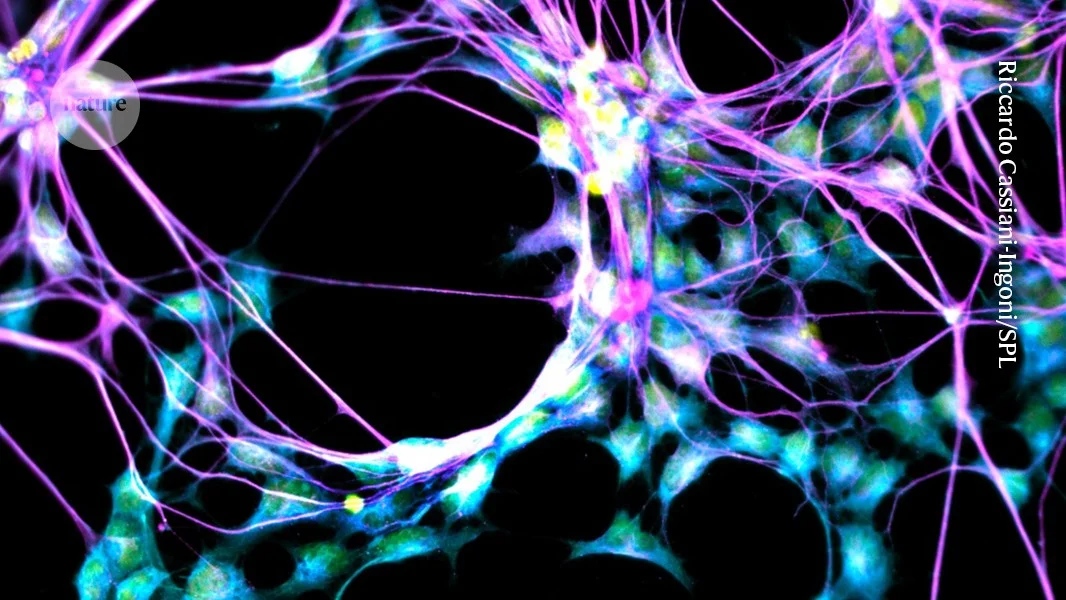
A Bonn-led study finds that the human brain stores memory content and its context in separate neuron populations—content neurons fire for specific items, context neurons for the task or situation—whose coordinated interactions enable flexible recall through pattern completion.
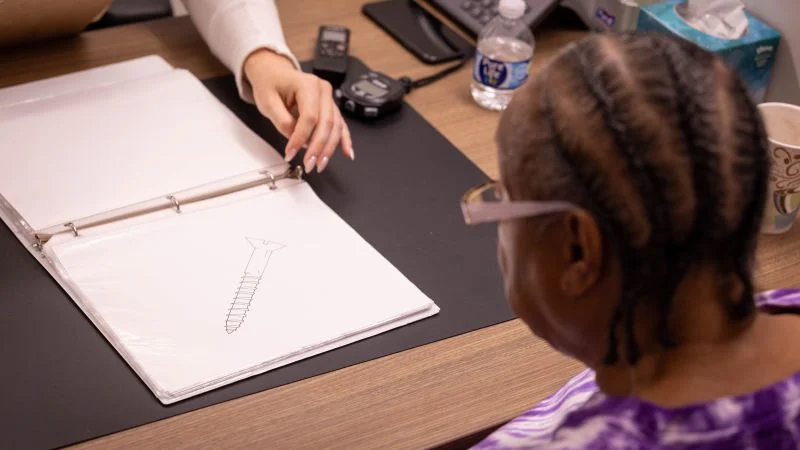
Johns Hopkins researchers found that loss of the brain enzyme cystathionine γ-lyase (CSE), which makes hydrogen sulfide, causes memory loss and Alzheimer’s-like brain damage in mice, highlighting CSE as a potential drug target to boost brain health and slow neurodegeneration.
Analysts raised Micron Technology's price target on expectations that memory supply will remain tight through 2026, a backdrop that could support MU as demand for DRAM and NAND stays solid despite market volatility.
NVIDIA has announced the BlueField-4 data processor powering a new AI-native storage platform designed to enhance long-term memory and context sharing for large-scale AI inference, boosting performance and efficiency for multi-agent AI systems, with availability expected in late 2026.
The article explores how time-space synaesthesia affects the author's perception of the new year, making it a physical experience, and discusses the cognitive advantages and neurological basis of this condition, highlighting its influence on memory, time organization, and cultural differences.
The article explains how our perception of time is influenced by brain processes, with time seeming to pass faster when engaged in novel or exciting activities and slower during routine or boring moments. It highlights that our brains infer time based on change and memory density, which explains why years feel short when routines dominate and why time seems to fly as we age. To make time feel longer, creating new memories and experiences is recommended.
Research suggests that words with unusual sound sequences, which are more surprising and vivid, are processed more deeply and remembered better, challenging the traditional view that word-meaning relationships are arbitrary. This insight could enhance communication strategies across various fields.
New research shows that romantic partners synchronize their brain activity during storytelling, leading to a shared form of forgetting where they tend to forget related details, a phenomenon less observed among strangers. This neural alignment, especially in the prefrontal cortex, facilitates a shared reality but may cause loss of individual memories, highlighting how close relationships influence cognitive processes.
The article reflects on a year of biology stories, exploring topics like cellular memory, Earth's deep time through evolution, the differences between AI and brains, the importance of curiosity in science, and the complexity of the sense of touch, highlighting recent research and philosophical questions in biology.
Recent research reveals that astrocytes, once considered support cells, play crucial roles in shaping behavior, memory, and health by regulating the environment around neurons, influencing brain functions such as circadian rhythms and memory encoding, and potentially contributing to neurological diseases.
Recent neuroscience research reveals that long-term memories are formed through a sequence of molecular timers across different brain regions, particularly involving the thalamus, cortex, and hippocampus. These timers regulate whether memories are stabilized or fade, with gene programs like Camta1, Tcf4, and Ash1l playing crucial roles. This understanding could lead to new treatments for memory-related diseases such as Alzheimer's.
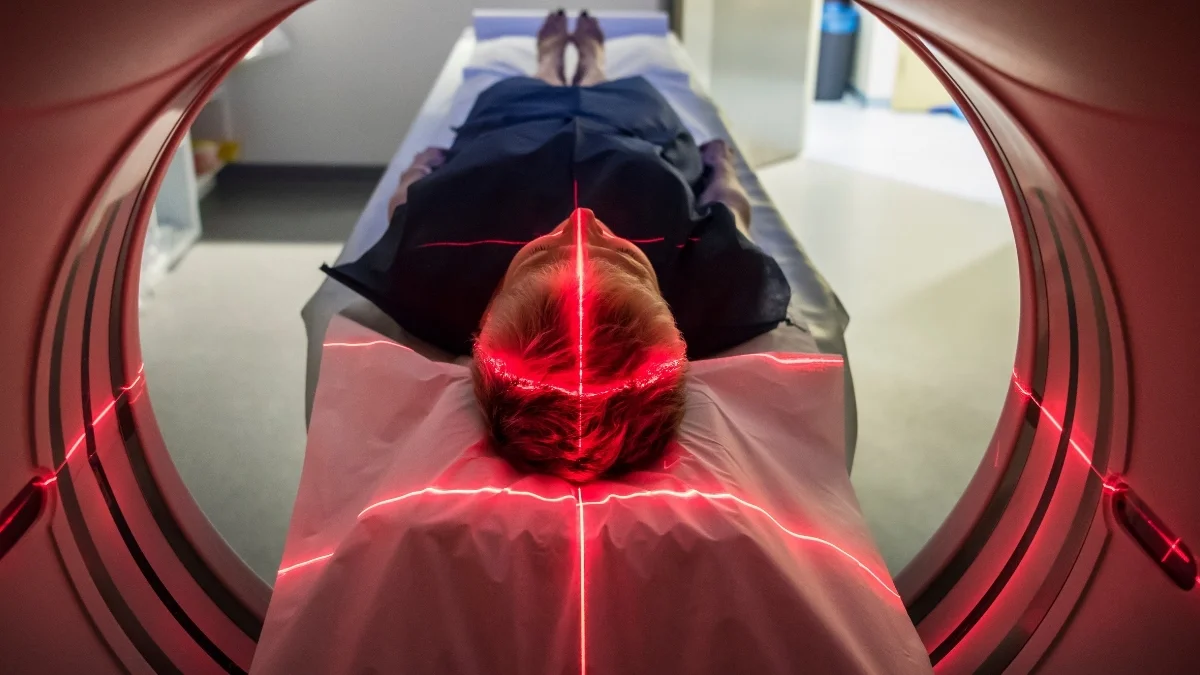
Research suggests that getting sufficient deep sleep may help delay or reduce Alzheimer's symptoms by supporting memory and brain health, even in individuals with high levels of Alzheimer's-related proteins. Improving sleep quality through lifestyle changes could be a promising way to protect cognitive function as we age.
The article discusses super recognisers, individuals with exceptional face memory, and explores their abilities and potential uses for public good, based on research from the University of New South Wales and insights from Dr. David Robertson.
A neuroscientist shares his personal journey of overcoming addiction through understanding and harnessing brain plasticity, emphasizing that recovery involves reshaping memories and neural connections, much like the philosophical ship of Theseus, and highlights the importance of connection and positive memories in healing.
A study found that experiencing an illusion of owning a younger version of one's face can enhance access to detailed childhood memories, highlighting the link between bodily perception and memory retrieval.