Tag

Chernobyl

All articles tagged with #chernobyl

Radiation-exposed fathers linked to subtle DNA changes in their children
science13 days ago

Radiation-exposed fathers linked to subtle DNA changes in their children

A Scientific Reports study analyzing whole-genome data from 130 offspring of Chernobyl cleanup workers, 110 offspring of radar operators, and controls finds a higher count of clustered de novo mutations (cDNMs) in children of irradiated parents (average 2.65 per child in the Chernobyl group, 1.48 in the radar group, 0.88 in controls), with higher parental radiation dose associated with more cDNMs. Most cDNMs occur in non-coding DNA, suggesting minimal disease risk, and the overall risk of disease in offspring remains small. The study notes limitations, including historical exposure estimates and potential participation bias, and emphasizes a transgenerational effect of prolonged low-dose ionizing radiation.

Ukraine withdraws from Siversk amid Russian advances and strikes
world2 months ago

Ukraine withdraws from Siversk amid Russian advances and strikes

Ukraine withdrew troops from Siversk amid ongoing Russian strikes that killed civilians and damaged energy infrastructure, including a threat to the Chernobyl shelter, as diplomatic efforts to end the war continue without clear progress. The conflict has resulted in civilian casualties, power outages, and increased military activity in eastern Ukraine, with Russia claiming territorial gains and escalating attacks on energy facilities and port cities.

Black Fungus at Chernobyl Evolves to Consume Radiation
science2 months ago

Black Fungus at Chernobyl Evolves to Consume Radiation

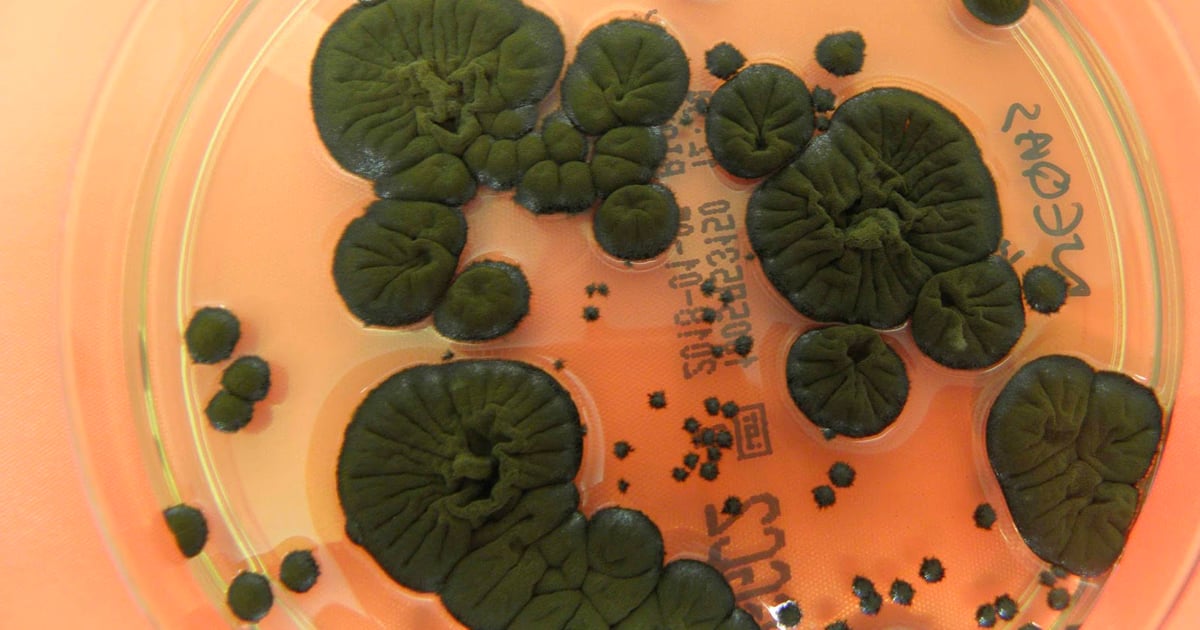
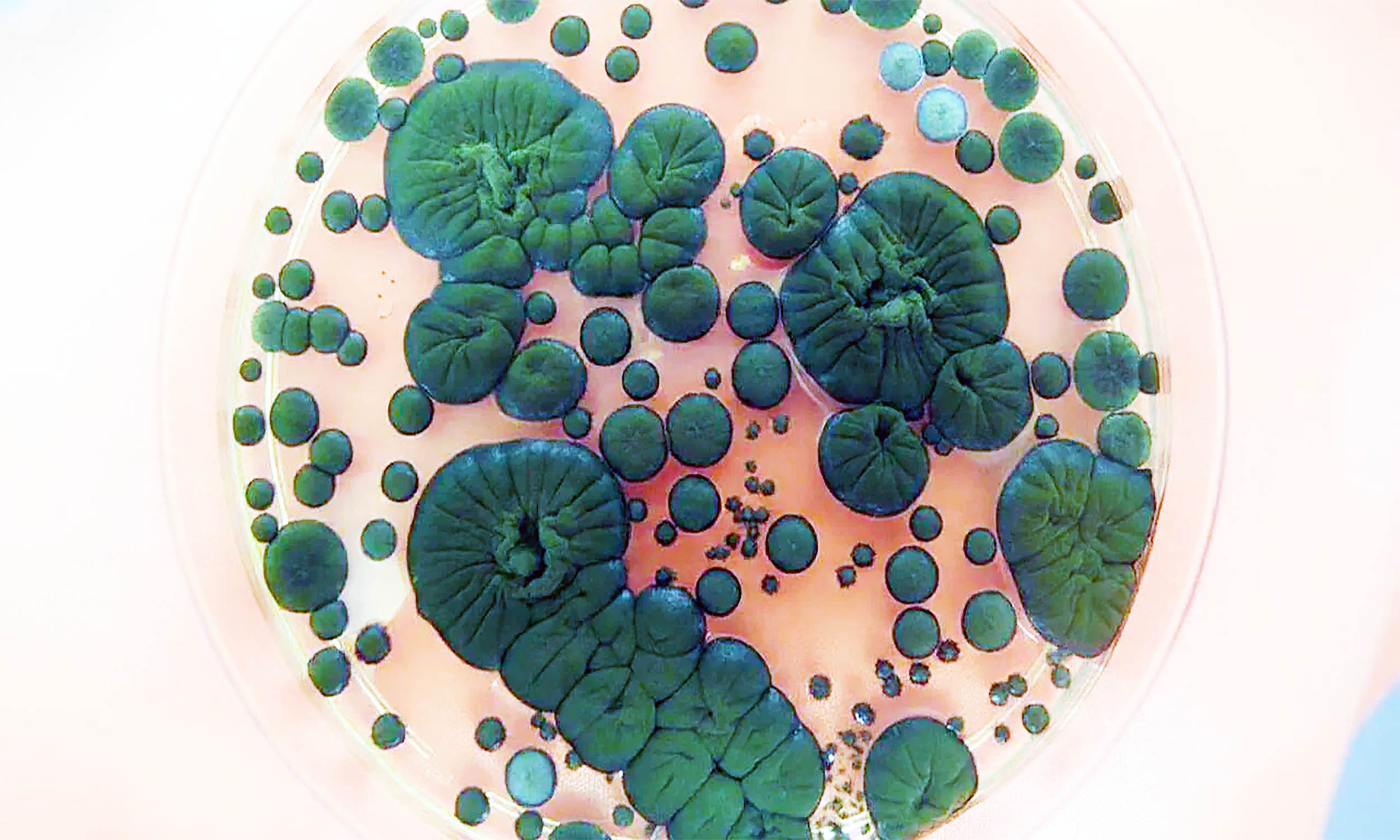
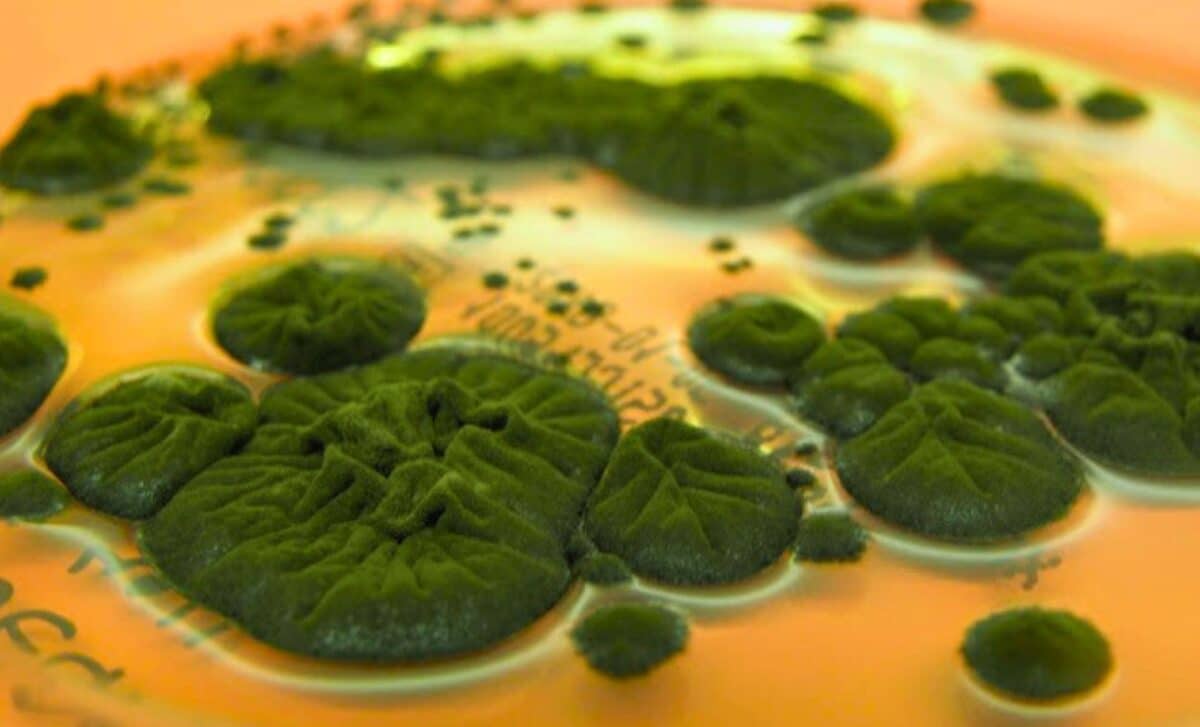
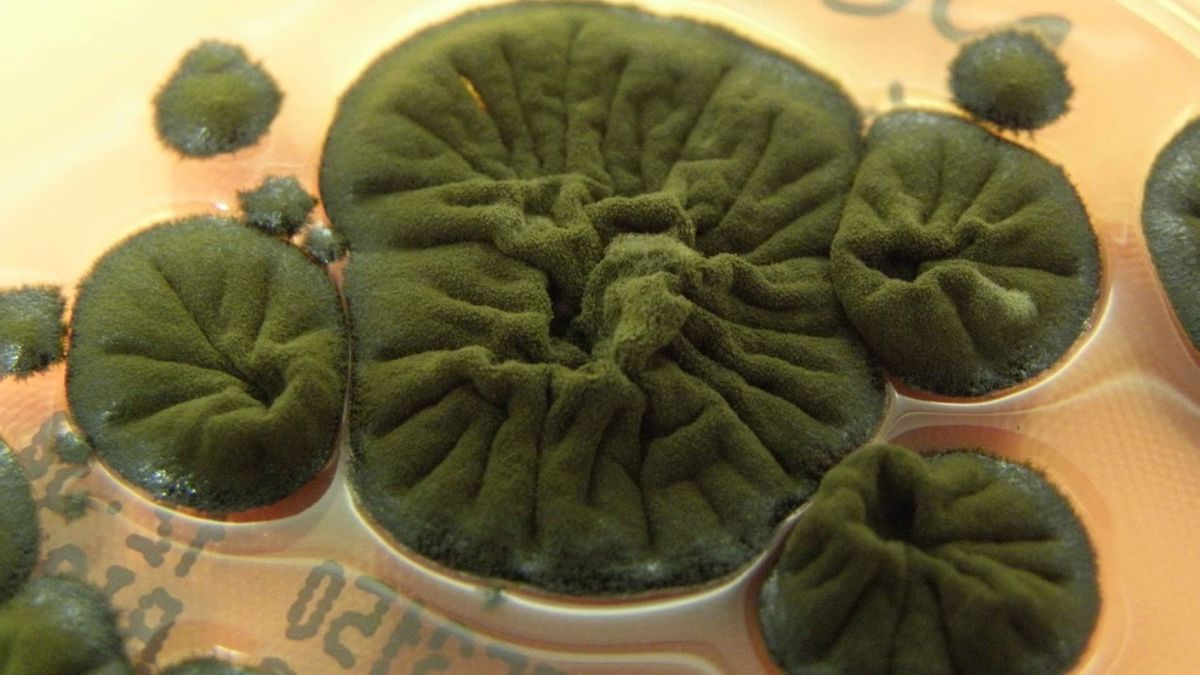
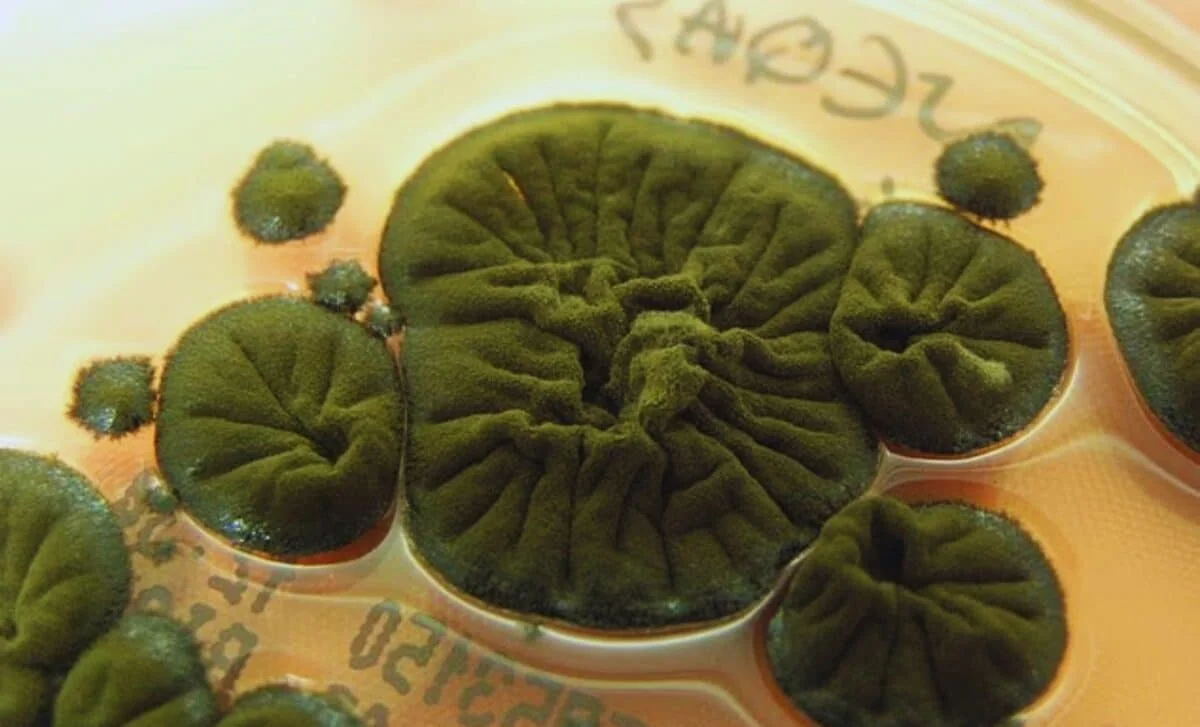
Scientists studying fungi at Chernobyl found that a black fungus, Cladosporium sphaerospermum, not only tolerates radiation but appears to grow toward it, leading to potential applications in creating living radiation shields for space travel. Experiments on the ISS showed the fungus's growth may be enhanced by radiation, and its melanin content could help neutralize radiation damage, suggesting a future where biological materials could be used to protect astronauts from space radiation. However, more research is needed to confirm these effects and develop practical applications.

Black Fungus at Chernobyl Evolves to Consume Radiation, Aiding Space Exploration
science2 months ago

Black Fungus at Chernobyl Evolves to Consume Radiation, Aiding Space Exploration

Scientists studying fungi at Chernobyl found that a black fungus, Cladosporium sphaerospermum, evolved to tolerate and grow toward radiation, leading to experiments on the ISS suggesting it could be used as a living radiation shield for space travel, thanks to its melanin content and water-rich biomass. The study indicates potential for biological radiation protection in future space missions, though further research is needed.

Chernobyl Fungus Evolves Unique Radiation-Absorbing Ability
science2 months ago

Chernobyl Fungus Evolves Unique Radiation-Absorbing Ability

A black fungus, Cladosporium sphaerospermum, thriving in Chernobyl's radioactive environment, shows unusual growth patterns under radiation, leading to theories of a potential 'radiosynthesis' process that could convert radiation into energy, with implications for space shielding and astrobiology. Despite ongoing research, the exact mechanisms remain unknown, but the fungus's resilience and unique properties make it a promising subject for future scientific and space exploration applications.

Vintage Plasma Display Reveals Current Radiation Levels
technology7 months ago

Vintage Plasma Display Reveals Current Radiation Levels

A hobbyist named Alex has built a stylish radiation level monitor using an ESP32 microcontroller and a vintage Soviet-era plasma display, inspired by Chernobyl's exclusion zone. The device fetches sensor data via an API and includes a Geiger counter, with the display operated as a text-only matrix that can be modified for additional symbols. This project highlights the charm of vintage displays and their potential for reverse-engineering and modern applications.

Chernobyl Dogs Show Signs of Rapid Evolution
science8 months ago

Chernobyl Dogs Show Signs of Rapid Evolution

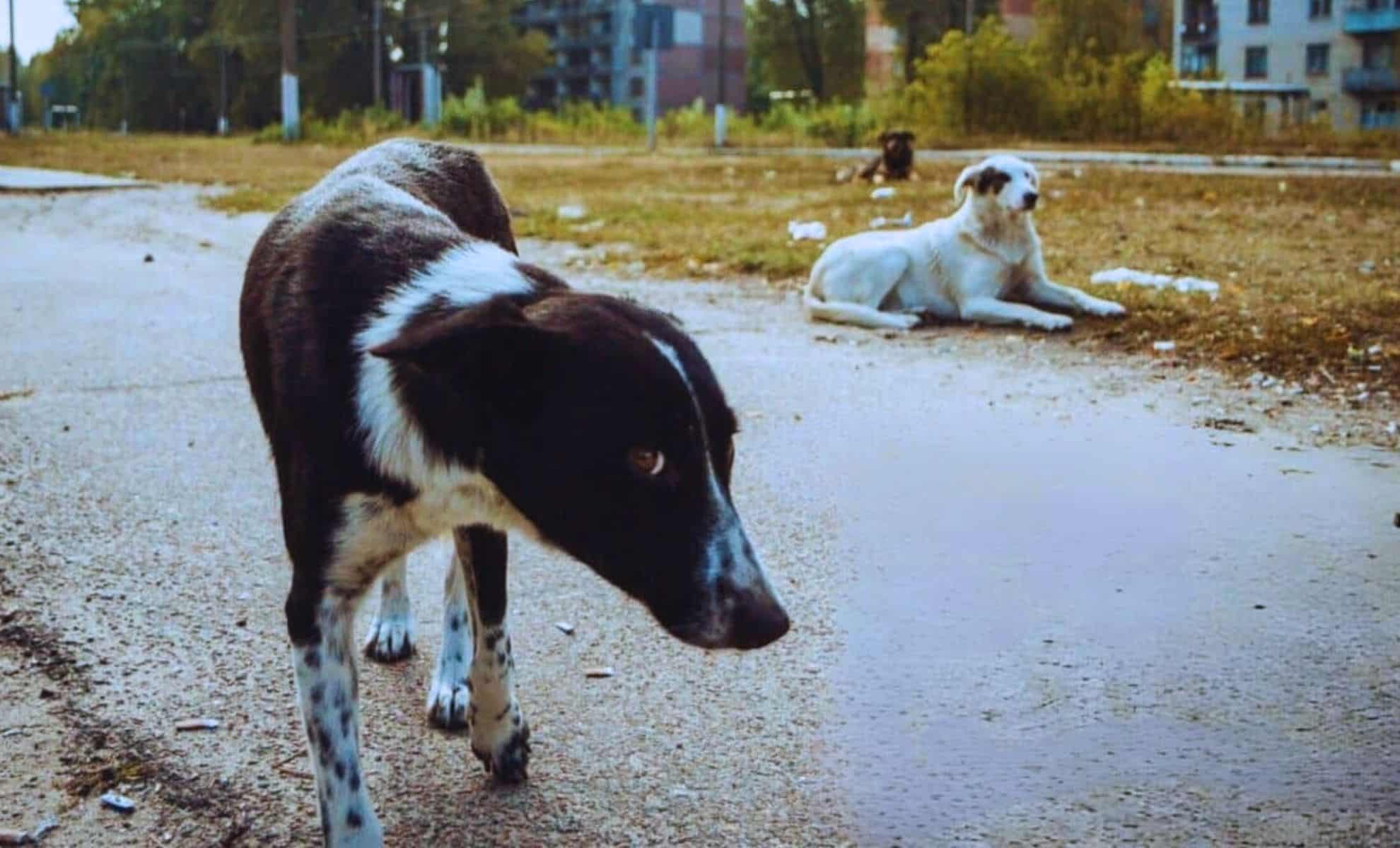
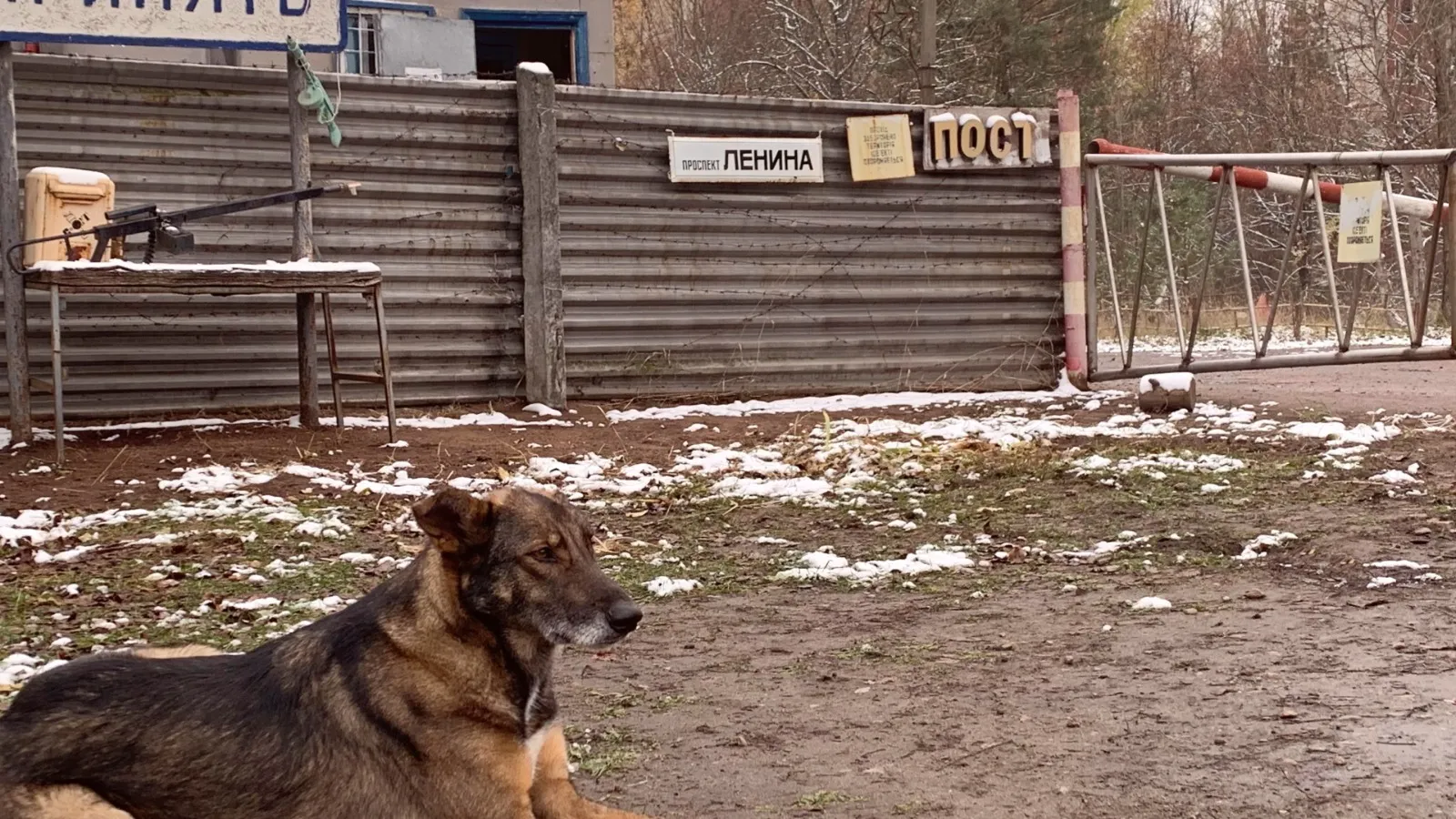
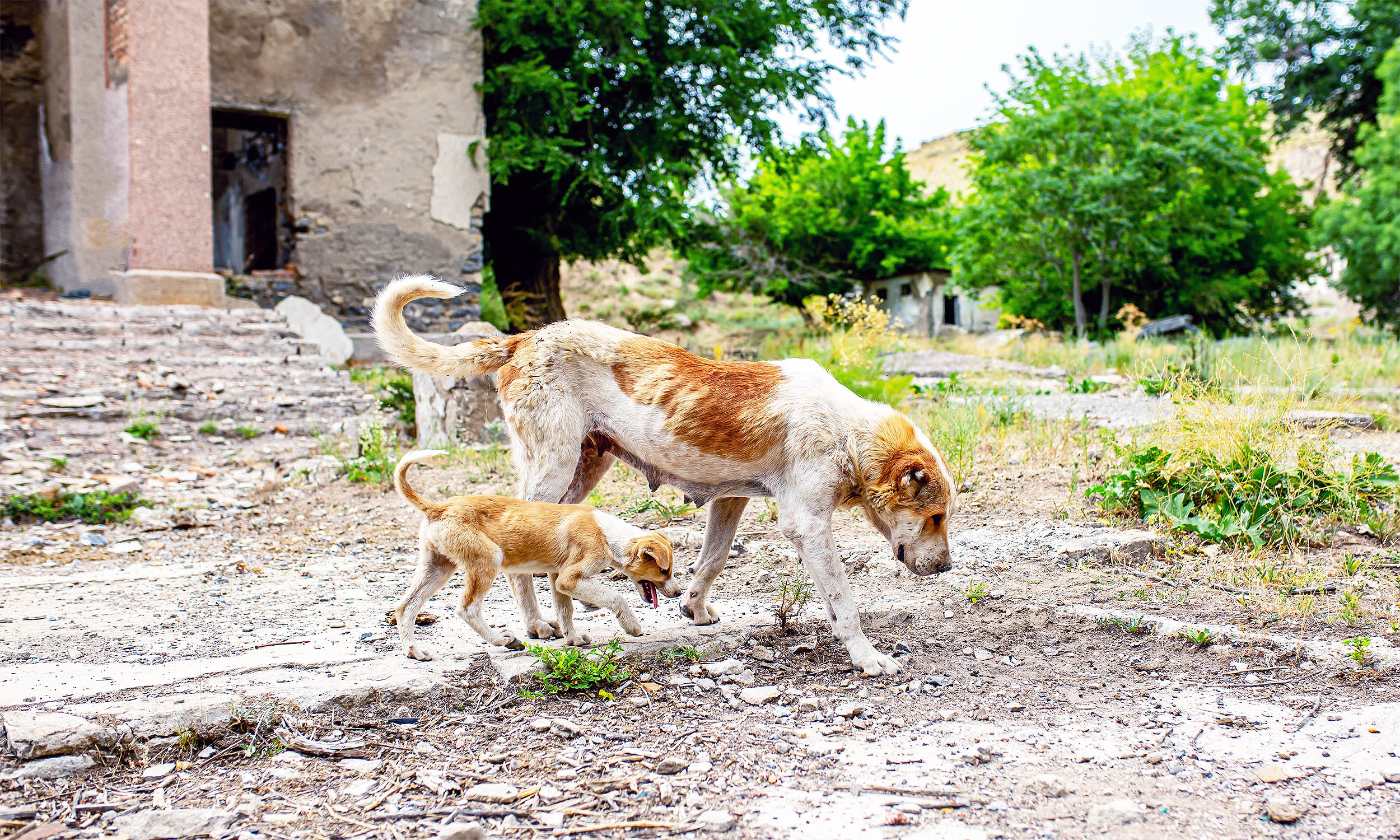
Scientists are studying the wild dogs of Chernobyl to understand how radiation affects their evolution. Recent research shows that these dogs do not exhibit significant genetic mutations compared to dogs outside the exclusion zone, raising questions about their adaptation and survival in radioactive environments. This research could deepen our understanding of radiation's impact on animals and ecosystems.

Chernobyl Dogs: Unraveling the Mystery of Radiation-Induced Evolution
science1 year ago

Chernobyl Dogs: Unraveling the Mystery of Radiation-Induced Evolution

In the Chernobyl Exclusion Zone, dogs are thriving despite the harsh, radioactive environment, offering scientists insights into genetic adaptation. Researchers have identified significant genetic differences between two dog populations near the disaster site, suggesting distinct evolutionary paths. These findings could help understand how organisms adapt to extreme conditions and inform human health responses to environmental hazards. The study highlights the resilience of life in hostile environments and the potential genetic impacts of long-term radiation exposure.