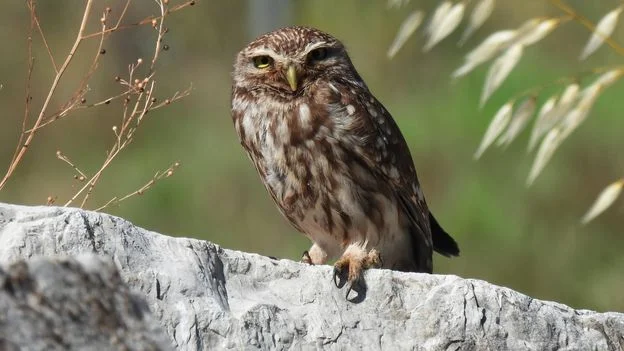
Ancient archaeological sites in Greece and around the world have become inadvertent refuges for diverse plants and animals due to their protected status, highlighting the importance of integrating cultural heritage preservation with biodiversity conservation efforts.
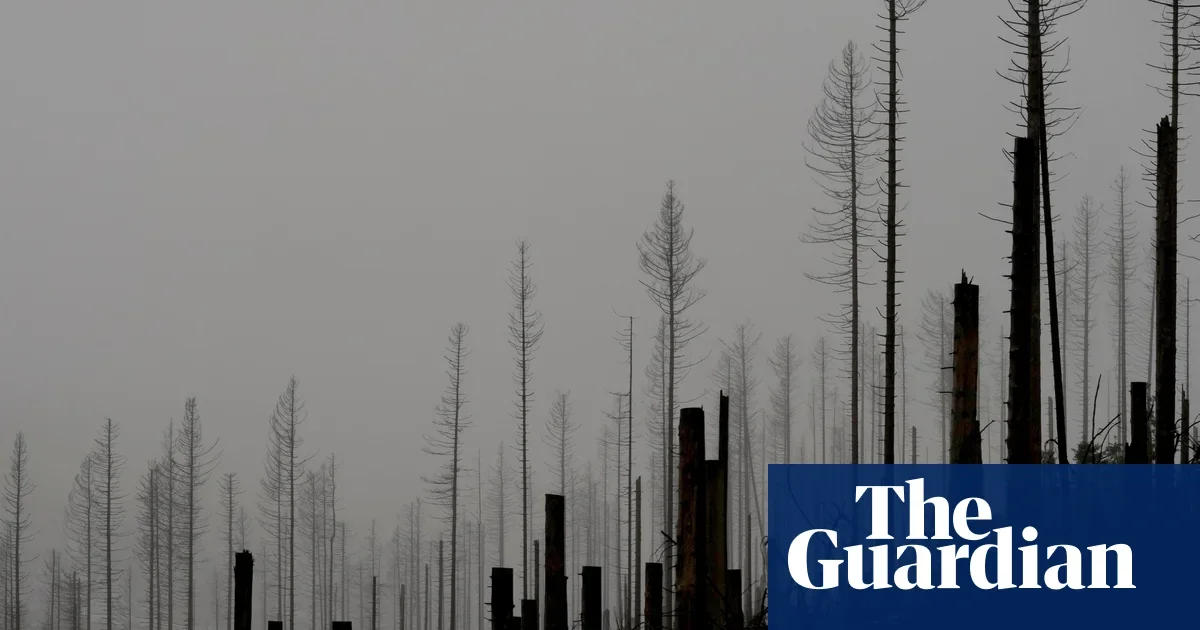
Germany's forests are severely affected by climate change and bark beetle outbreaks, leading to reduced CO2 absorption. A new reforestation approach involving diverse species is being tested to enhance resilience and restore ecological balance, highlighting the importance of biodiversity in combating climate impacts.
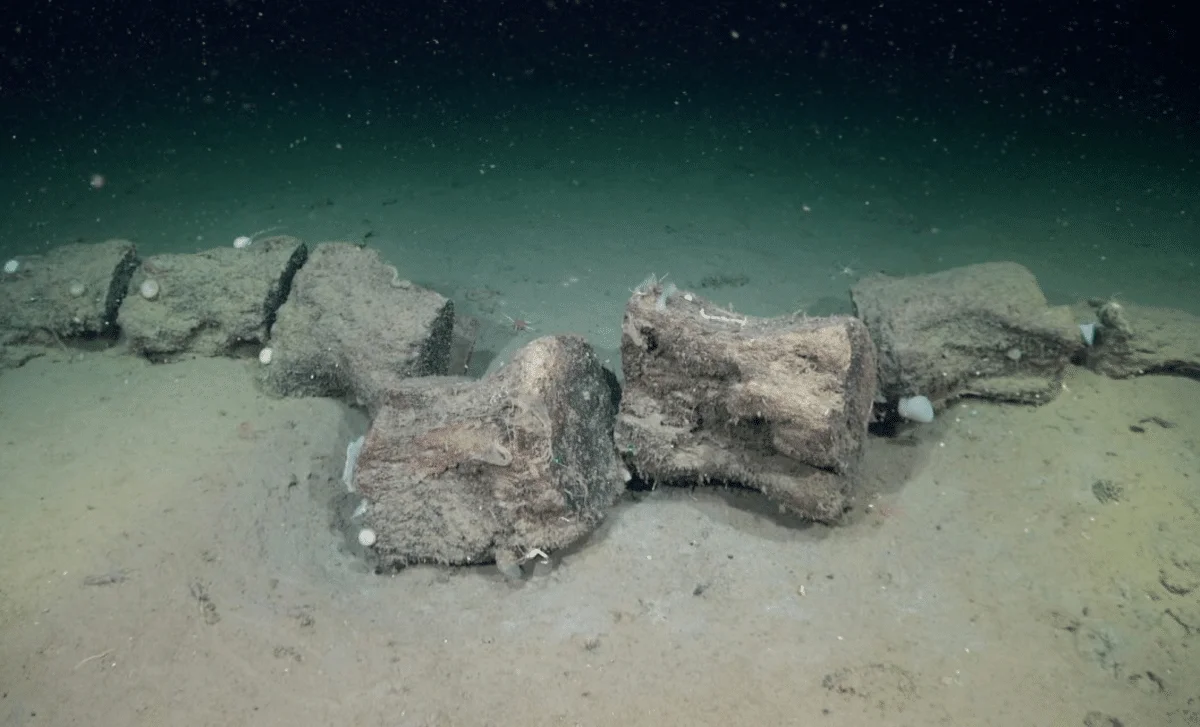
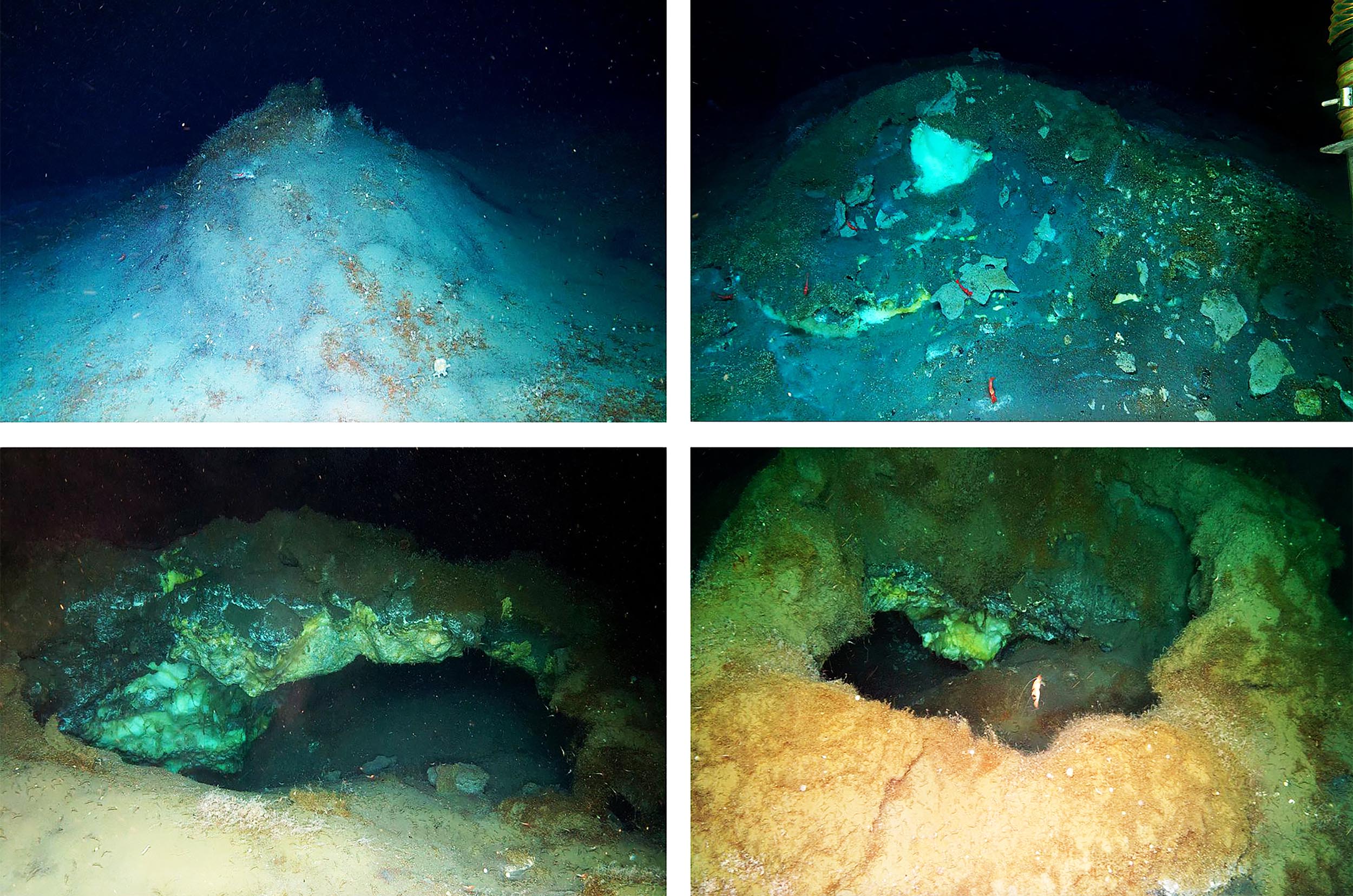
Researchers discovered the deepest known methane seep in the Arctic at nearly 12,000 feet deep, revealing a dynamic and biologically rich ecosystem that challenges existing understanding of deep-sea life and carbon cycling, with significant implications for climate change and environmental stewardship.
Scientists described numerous new species in 2025, including a tiny marsupial, Himalayan bat, ancient trees, a blue butterfly, and marine creatures like a new manta ray and guitar shark, highlighting Earth's rich biodiversity and urgent conservation needs amid threats like habitat loss and climate change.
The article emphasizes that species extinction results in significant losses beyond ecological impacts, including the disappearance of scientific knowledge, cultural traditions, and spiritual connections, highlighting the urgent need for conservation to preserve the full spectrum of human and ecological well-being.
Primates are a highly diverse mammal group with over 200 species, found across multiple continents, but the majority are threatened with extinction. The article covers primate classification, characteristics, and interesting facts about their evolution and conservation status.
Scientists at the American Museum of Natural History discovered over 70 new species this year, including dinosaurs, mammals, insects, and minerals, highlighting Earth's rich biodiversity and the value of natural history collections for ongoing scientific insights.
Kristina Gjerde, a pioneering ocean advocate and legal expert, played a crucial role in establishing the 2023 High Seas Treaty, transforming international efforts to protect biodiversity beyond national borders through persistent coalition-building, scientific integration, and diplomatic negotiation, leaving a lasting legacy in marine governance.
The article reviews several species declared extinct in 2025, including birds, mammals, plants, and mollusks, highlighting the ongoing loss of biodiversity due to habitat destruction, invasive species, and other human-related factors.
Forestry England is beginning its first expansion of the Forest of Dean in over 200 years by planting 120,000 trees on an 88-hectare site near Berry Hill, aiming to support wildlife, enhance biodiversity, and mitigate climate change effects, with plans to complete planting by March.
A new study reveals that the supergiant amphipod Alicella gigantea, previously thought to be rare, is actually widespread across the world's deep oceans, inhabiting trenches and plains in the Pacific, Atlantic, and Indian Oceans, challenging previous assumptions about its rarity and highlighting the vast, unexplored biodiversity of the deep sea.
France's largest rewilding project in the Dauphiné Alps aims to restore native species and ecosystems, addressing climate challenges and human-wildlife coexistence, with a focus on giving nature a fighting chance amid environmental threats.
Scientists discovered the deepest known Arctic gas hydrate vent at nearly 12,000 feet, hosting a diverse ecosystem of chemosynthetic creatures and providing new insights into Arctic geology and biology, challenging previous understanding of hydrate formation and highlighting the region as an ultra-deep natural laboratory.
Scientists using 20 years of satellite data have discovered that Earth's seasons are often out of sync across different regions, even neighboring areas, which has significant implications for ecology, evolution, and climate models, highlighting the planet's complex and diverse seasonal patterns.
The climate crisis is intensifying crop pests, threatening global food security by increasing damage to key crops like wheat, rice, and maize, with potential losses rising significantly as temperatures rise. Experts emphasize the need for diversified and resilient agricultural systems, restoring natural habitats, and leveraging technology like AI to mitigate these impacts.