The US is working to maintain its measles elimination status amid recent outbreaks, with investigations suggesting these are likely unrelated to the Texas outbreak, based on genetic analysis and epidemiological data, though some uncertainties remain due to reporting gaps and community trust issues.
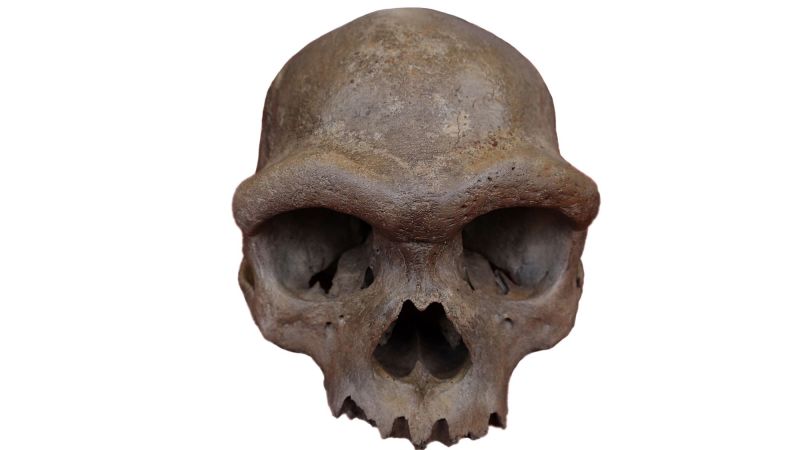
In 2025, significant progress was made in understanding human evolution, particularly through the genetic analysis of fossils like the Dragon Man skull, which has been linked to Denisovans, revealing new insights into ancient human species and their interbreeding with modern humans. Additional discoveries, including a high-coverage Denisovan genome from a 200,000-year-old tooth, are expected to further unravel the complex history of human ancestry in the coming years.
Recent advances in DNA sequencing have revealed that the so-called 'first Black Briton,' Beachy Head Woman, was actually from southern England with fair skin and light features, challenging earlier assumptions based on skull measurements that suggested sub-Saharan African origins. This highlights how technological progress can refine our understanding of historical figures.
Recent genetic studies reveal that domestic cats originated in North Africa and only arrived in Europe around 2,000 years ago, challenging previous beliefs that linked their domestication to early Middle Eastern agriculture, and suggesting a complex, multi-regional history influenced by trade and Roman expansion.
Scientists have discovered that beta-HPV, a common virus previously thought to only contribute to skin cancer indirectly, can directly drive cancer growth by integrating into the DNA of tumor cells, especially in immunocompromised individuals. A case study of a woman with an inherited immune disorder showed that her cancer was caused by the virus, which was successfully treated with a stem cell transplant, highlighting the importance of personalized cancer therapies and the role of immune health in cancer development.
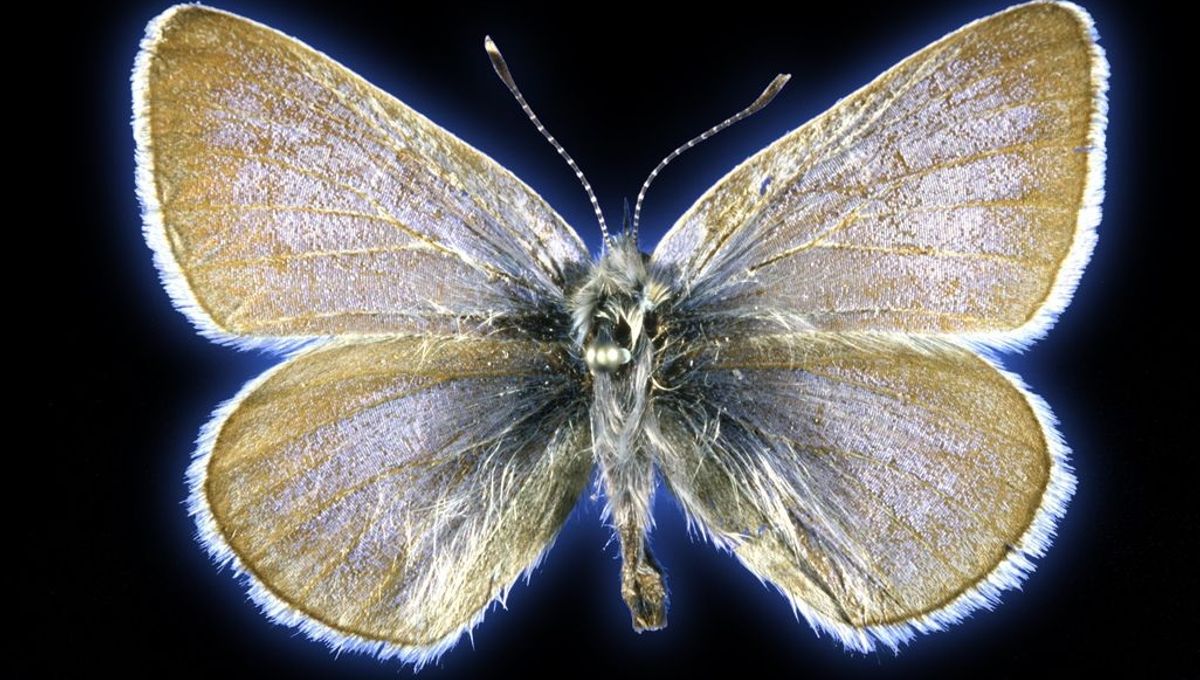
The Xerces blue butterfly, native to California and last seen in 1941, was confirmed as the first American insect species driven to extinction by human activity, with recent genetic analysis proving its distinctness from similar species. Despite its extinction, the butterfly's genome has been sequenced, raising possibilities for future de-extinction efforts, amidst ongoing concerns about insect declines and ecosystem health.
A large study suggests that no level of alcohol consumption is safe for the brain, with even light drinking increasing dementia risk, supported by observational and genetic analyses indicating a causal relationship. The findings challenge previous beliefs that moderate drinking might be protective and highlight alcohol reduction as a potential strategy for dementia prevention.
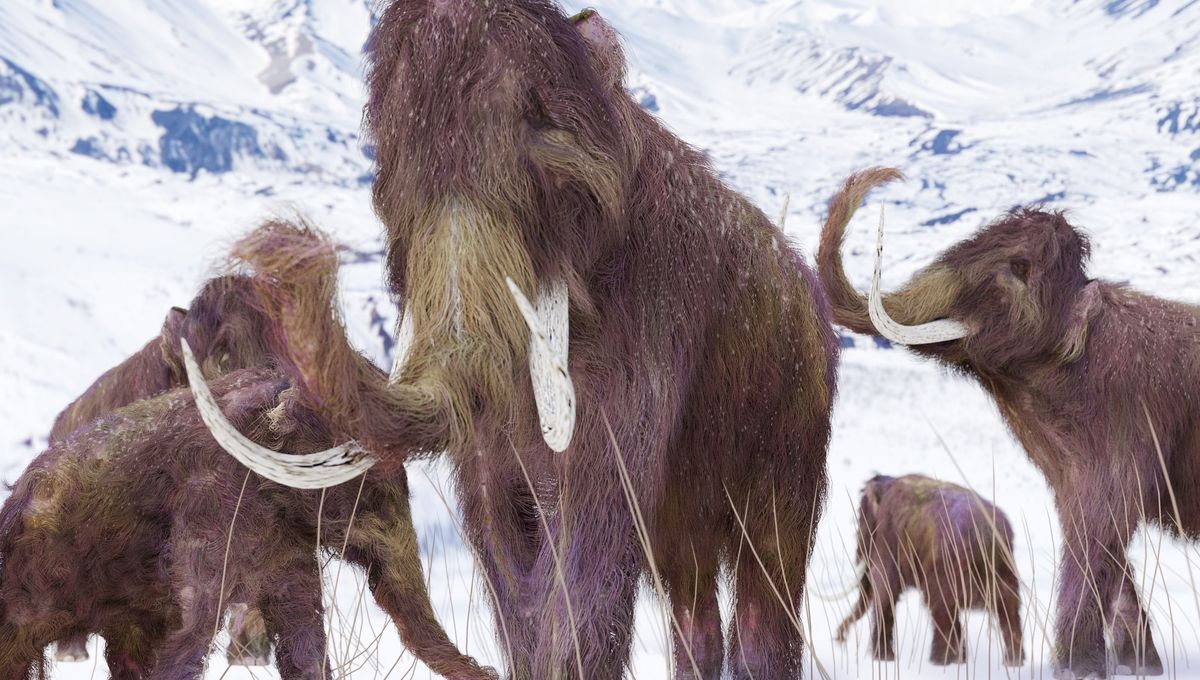
Fossil analysis reveals that North American mammoth species, including woolly and Columbian mammoths, interbred over thousands of years, creating hybrids and challenging traditional views on their evolution and adaptation during the Ice Age.
A study reveals that beta-HPV, previously thought to only worsen UV damage, can directly cause skin cancer by integrating into human DNA, especially in immunocompromised individuals, highlighting the potential for targeted treatments and a new understanding of skin cancer development.
A study reveals that beta-HPV, previously thought to only contribute to skin cancer indirectly, can directly drive cancer growth by integrating into the DNA of tumor cells, especially in immunocompromised individuals. A woman's case with inherited immune disorder demonstrated that replacing her dysfunctional T cells with healthy ones through a stem cell transplant successfully treated her aggressive skin cancer, highlighting the importance of personalized treatments and the role of immune health in cancer development.
Archaeologists discovered a 4,000-5,000-year-old infant's remains in Italy, revealing rare European genetic links through advanced DNA analysis, suggesting long-distance prehistoric connections across Europe.
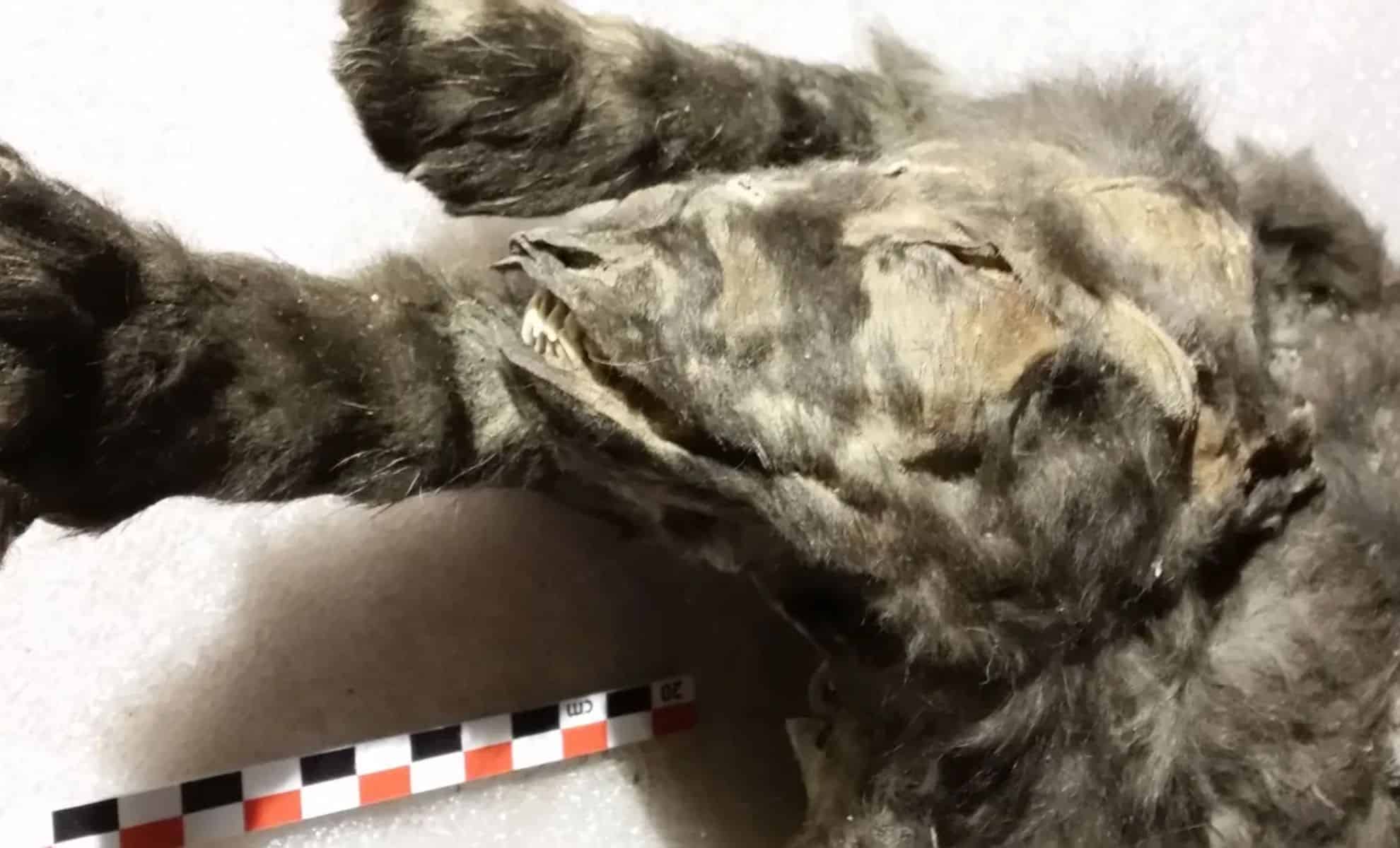
Scientists initially thought two Ice-Age puppies found in Siberia were early domesticated dogs, but genetic testing revealed they were ancient wolves, providing new insights into wolf evolution, hunting behaviors, and the complex history of dog domestication.
A new study analyzing 14,000-year-old remains of two puppies from Siberia shows they were likely wolf cubs, not early domesticated dogs, challenging previous assumptions based on their black fur and suggesting ancient wolves were larger and had diverse diets, including woolly rhinoceros meat.
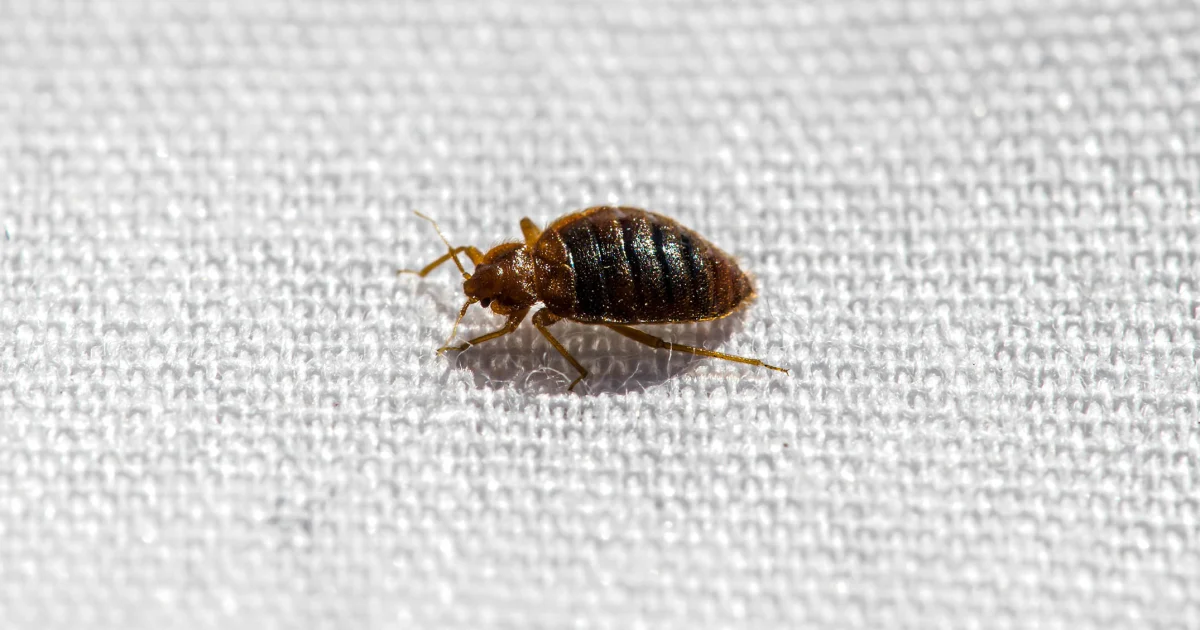
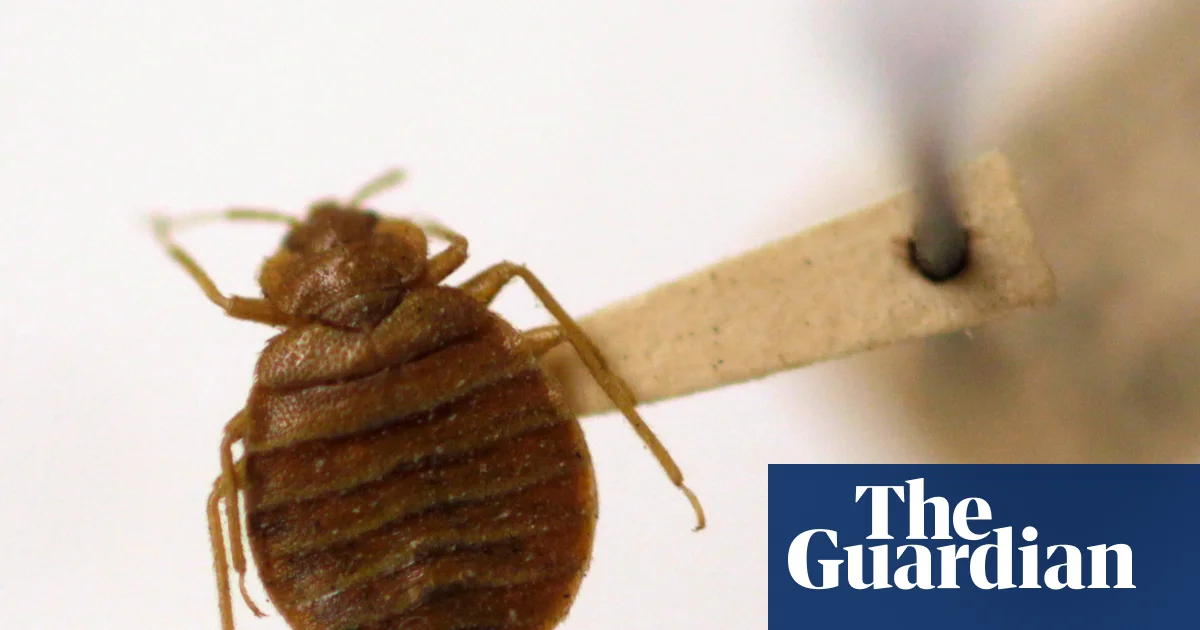
A study reveals that bed bugs have been biting humans for around 60,000 years, making them possibly the first true urban pest, with their populations increasing alongside human settlements and cities, and their genetic history closely tracking human demographic changes.
Scientists suggest that the rise of ancient cities and human settlement patterns led to a dramatic increase in bedbug populations, making them one of the earliest urban pests, with their history closely intertwined with human civilization over thousands of years.