Wolf’s last meal reveals woolly rhino genome, reframing Ice Age extinction
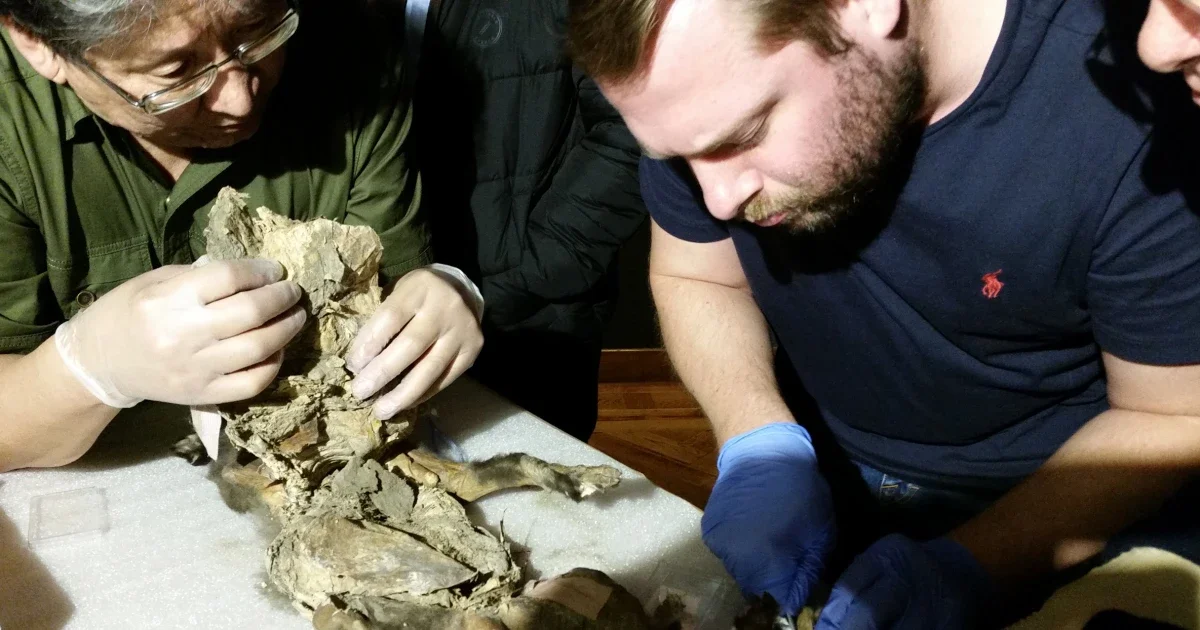
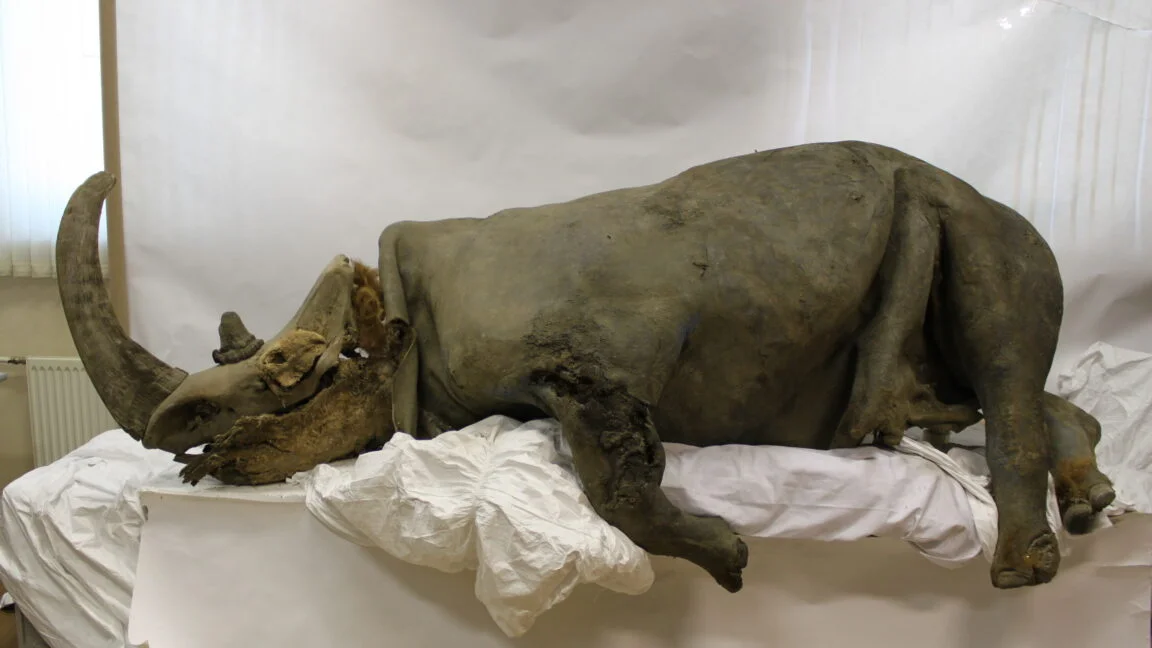
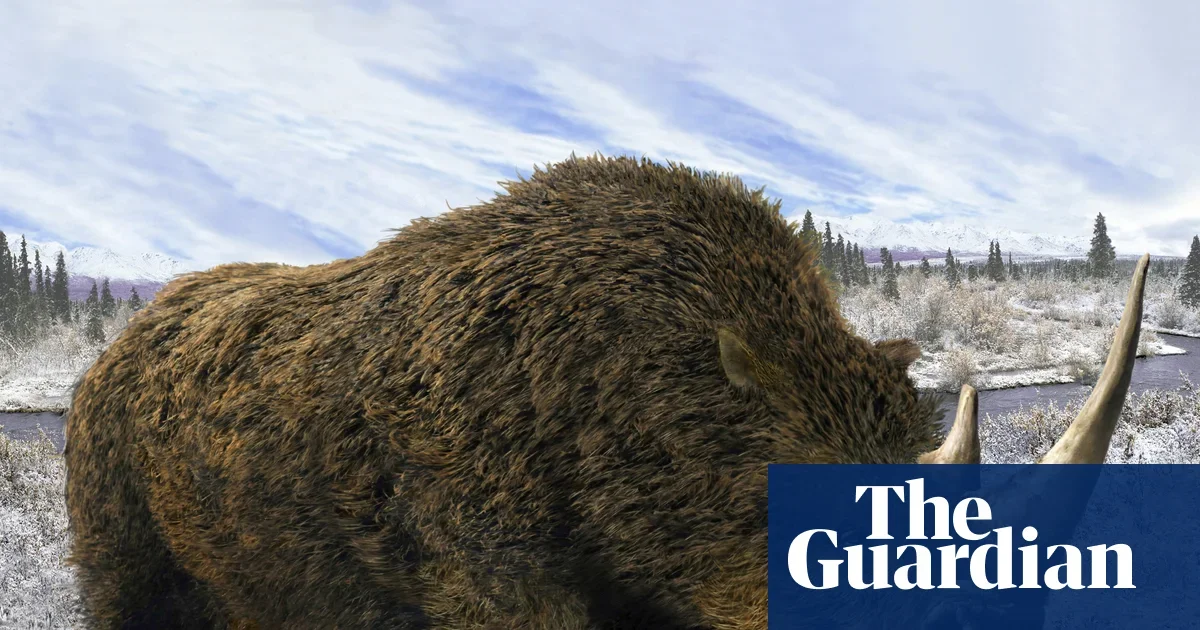
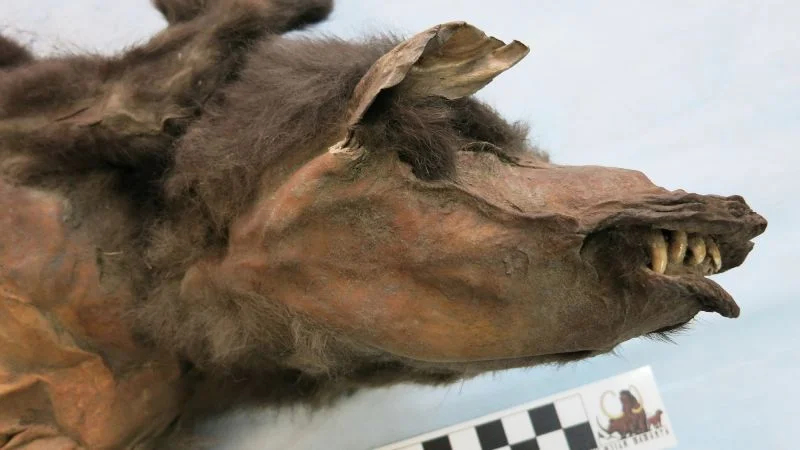
Scientists sequenced the woolly rhinoceros genome from tissue preserved in a 14,000-year-old wolf pup’s stomach in Siberian permafrost, marking the first time a genome has been reconstructed from inside another animal. By comparing this genome with other woolly rhino fossils and the Sumatran rhino, researchers found the species remained genetically stable until climate warming ended the last Ice Age, suggesting environmental change—not human hunting—drove extinction. The wolf pups likely died when their den collapsed, and the preserved stomach contents also offer a broader view of their ecosystem.