A genetic study shows a sex-biased interbreeding pattern between Neanderthals and anatomically modern humans, with Neanderthal males more frequently mating with human females, helping explain the uneven distribution of Neanderthal DNA on the human X chromosome.
Paleontologists report the earliest fossil imprint of reptile skin with belly scales and a cloacal vent dating to about 290 million years ago, pushing back the origin of the cloaca in amniotes and beating the previous 120-million-year record.
Robert Hazen and Michael Wong argue that evolution is a universal process, not limited to biology, governed by a new natural law—the law of increasing functional information—that explains how complex systems from minerals to AI become more patterned as they generate and select for functional configurations. They describe a “second arrow” of time toward greater order despite entropy, outline three sources of selection (static persistence, dynamic persistence, novelty generation), and introduce functional information as a measure (based on Szostak). The concept has broad applications—from cancer to ecology and AI—and invites reflection on meaning and purpose within science, while highlighting humanity’s ability to accelerate evolution by imagining and testing countless configurations.
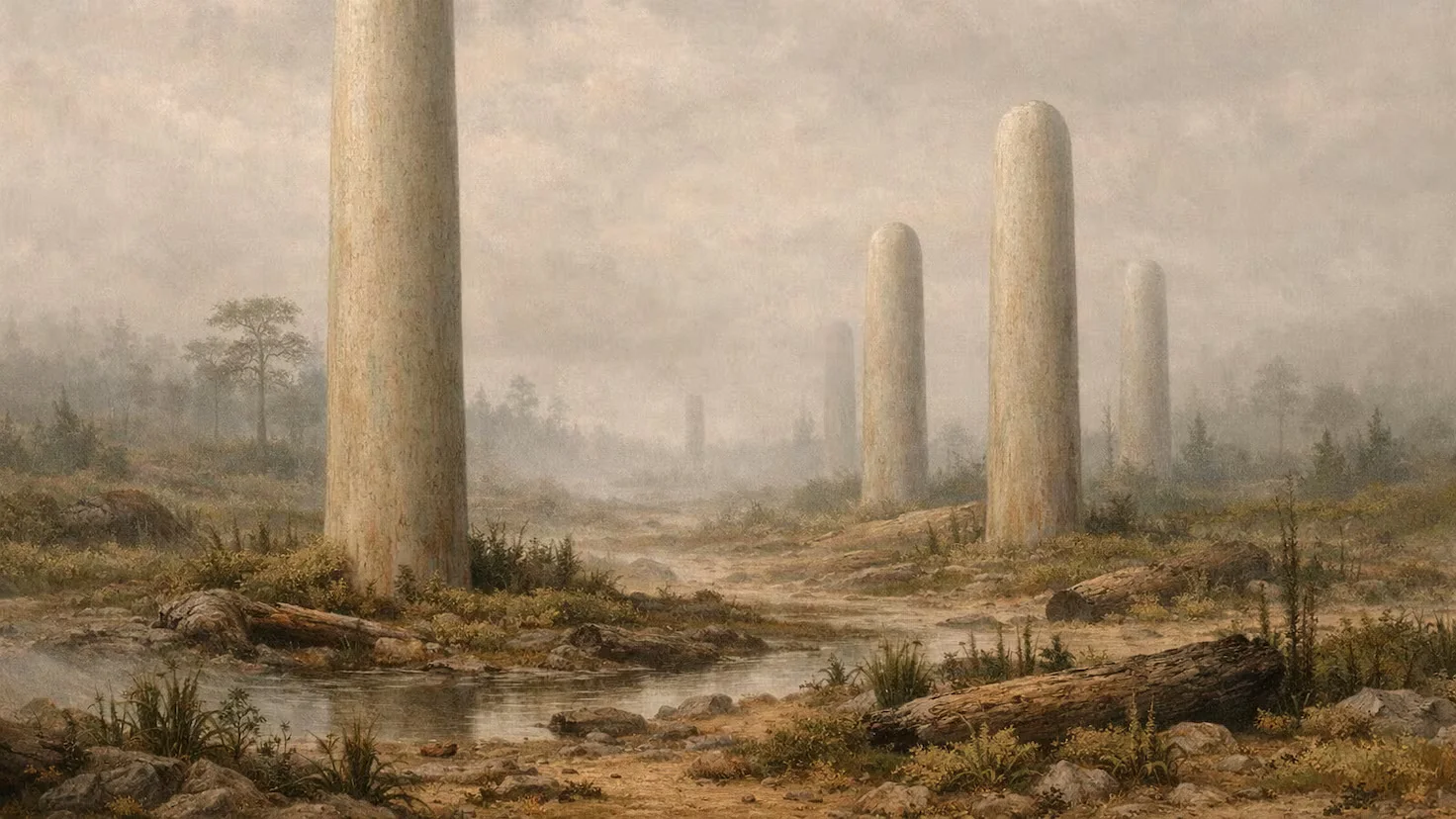
A Science Advances study shows Prototaxites—towering structures up to 26 feet long and about 8 meters tall around 400 million years ago—were not fungi, plants, or animals but belonged to a previously unknown extinct eukaryotic lineage. Fossils from Rhynie, Scotland reveal a unique internal architecture, suggesting these giants dominated early drylands and prompting a major rethink of Devonian ecosystems and the origins of terrestrial life.
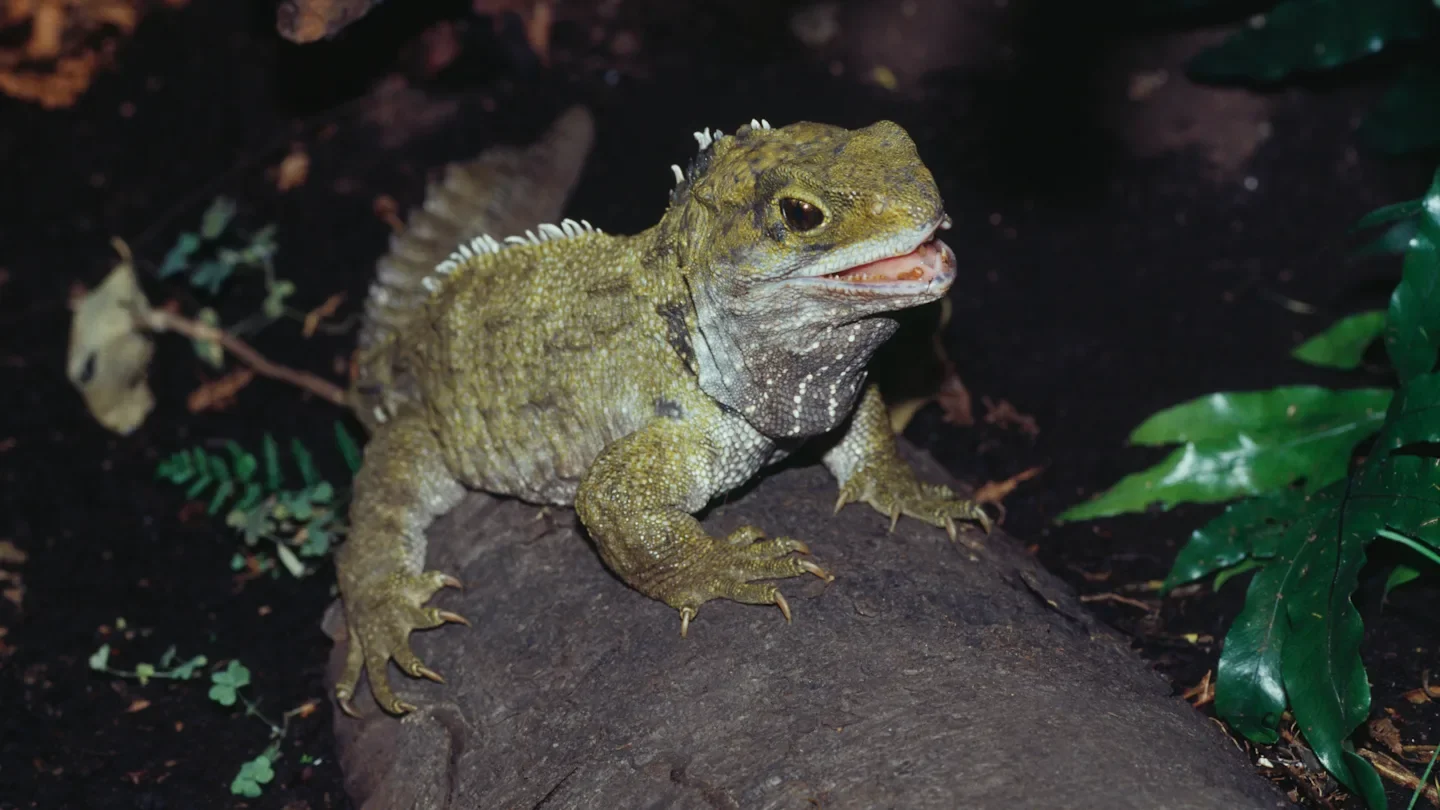
Nine species are highlighted as 'living fossils' that have changed little over hundreds of millions of years, from sharks and nautilus to sea turtles, crocodiles, platypuses, and the tuatara. The article traces their ancient origins, notes ongoing threats like pollution and climate change, and underscores how these lineages endured multiple mass extinctions while remaining recognizable today.
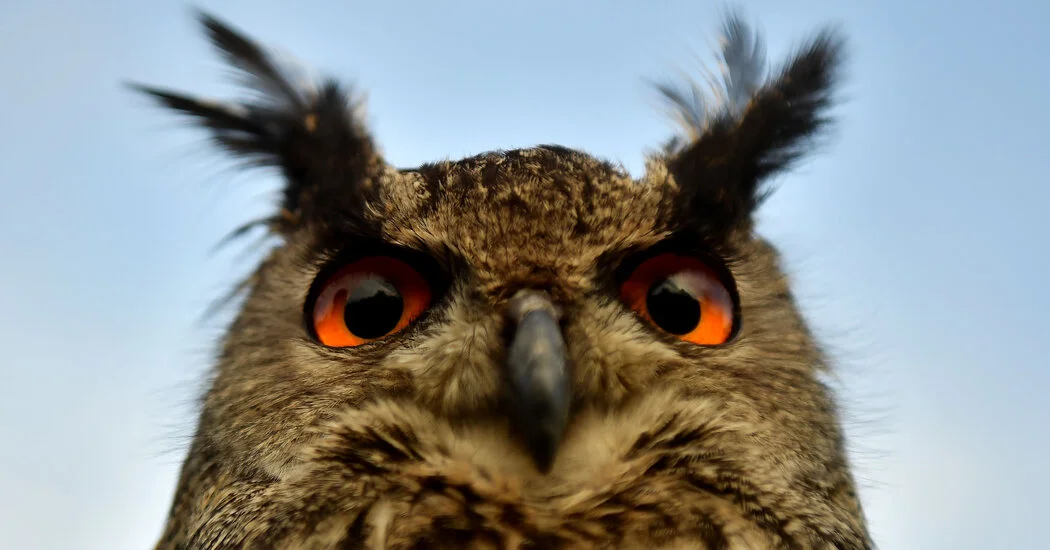
Researchers propose that vertebrate eyes originated from a single ancestral eye in ancient invertebrates around 560 million years ago, later splitting into two—offering a potential answer to how the complex eye evolved and addressing Darwin’s long-standing questions.
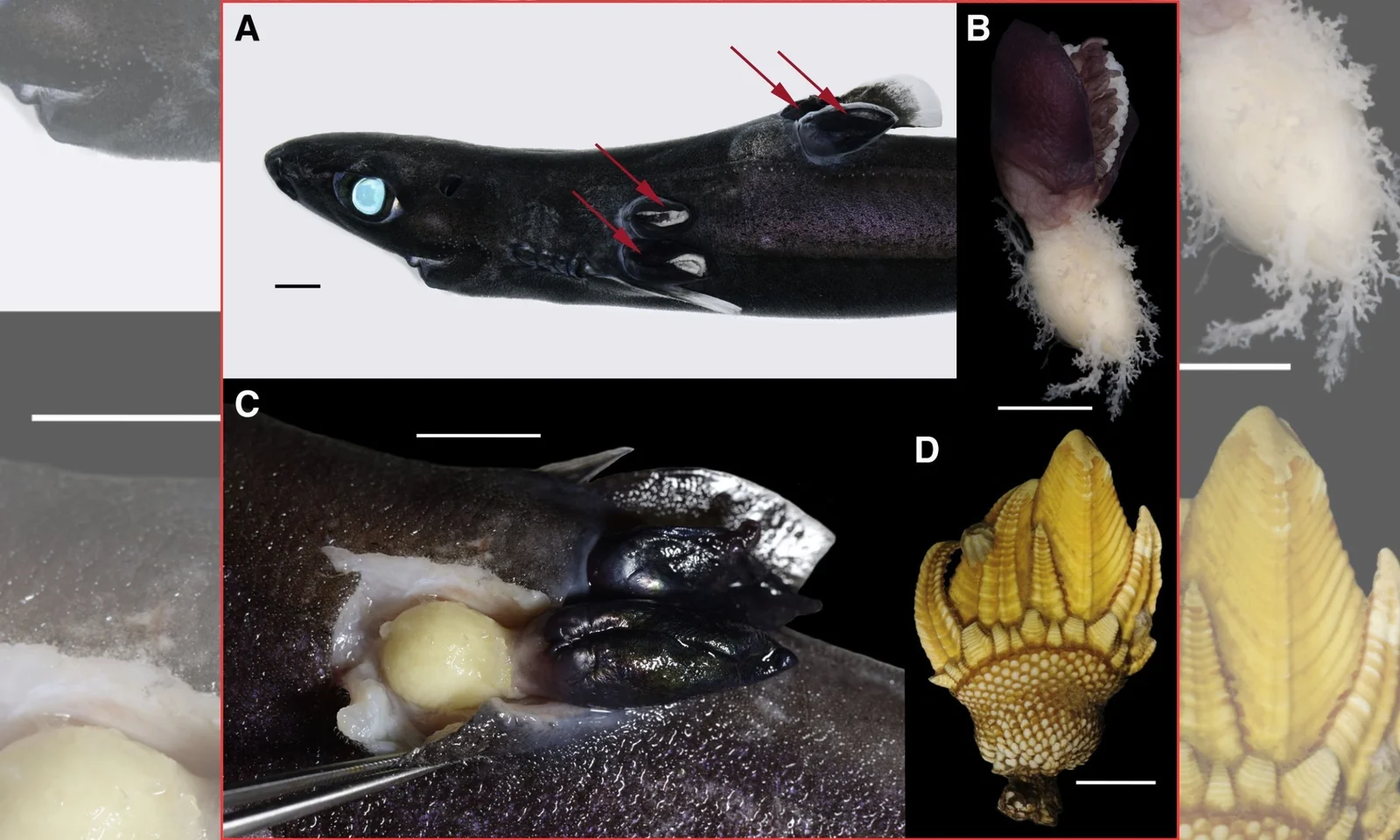
Earth.com reports that Anelasma squalicola, a barnacle, has evolved into a parasite that pierces lantern sharks in Norway's Sognefjord, feeding directly from host tissue and marking a rare evolutionary shift from plankton-feeding to a blood/tissue-feeding lifestyle. The finding provides a living snapshot of dramatic biological change and raises questions about whether this parasitic relationship could spread to other oceans beyond the fjord.
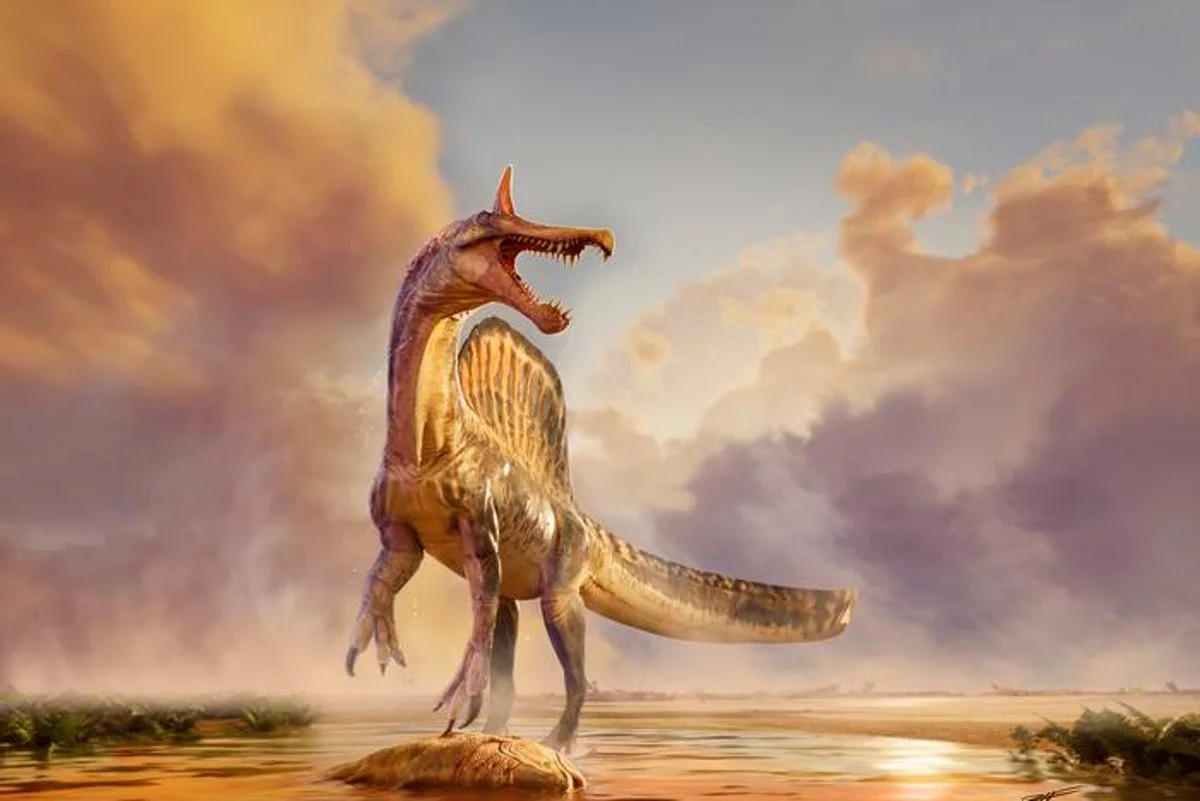
A newly described Spinosaurus species, Spinosaurus mirabilis, from Niger’s central Sahara suggests this giant fish-eater lived inland in a forested, river-influenced habitat about 100–95 million years ago, far from coastlines. The fossil reveals scimitar-shaped crests on its back (sheathed in keratin) likely used for display and interdigitating teeth ideal for catching slippery river fish. This finding points to a new evolutionary phase for Spinosaurus as a shallow-water predator capable of wading in up to two meters of water, broadening our view of its ecology beyond coastal environments and indicating it coexisted with long-necked dinosaurs along rivers.
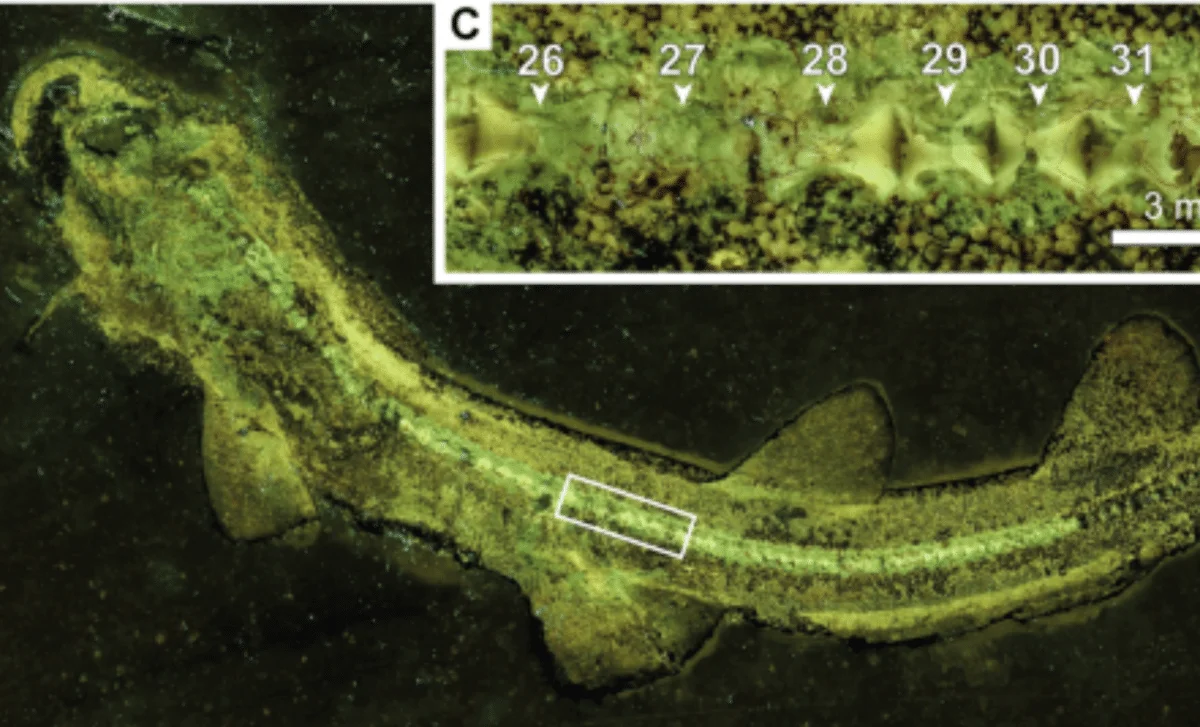
A newly studied Jurassic shark Bavariscyllium, about 25 cm long, reveals diverse early shark forms with a whisker-like sensory organ and traits that don’t fit neatly into current shark orders, prompting scientists to rethink how sharks evolved and how fossil teeth influence age estimates.
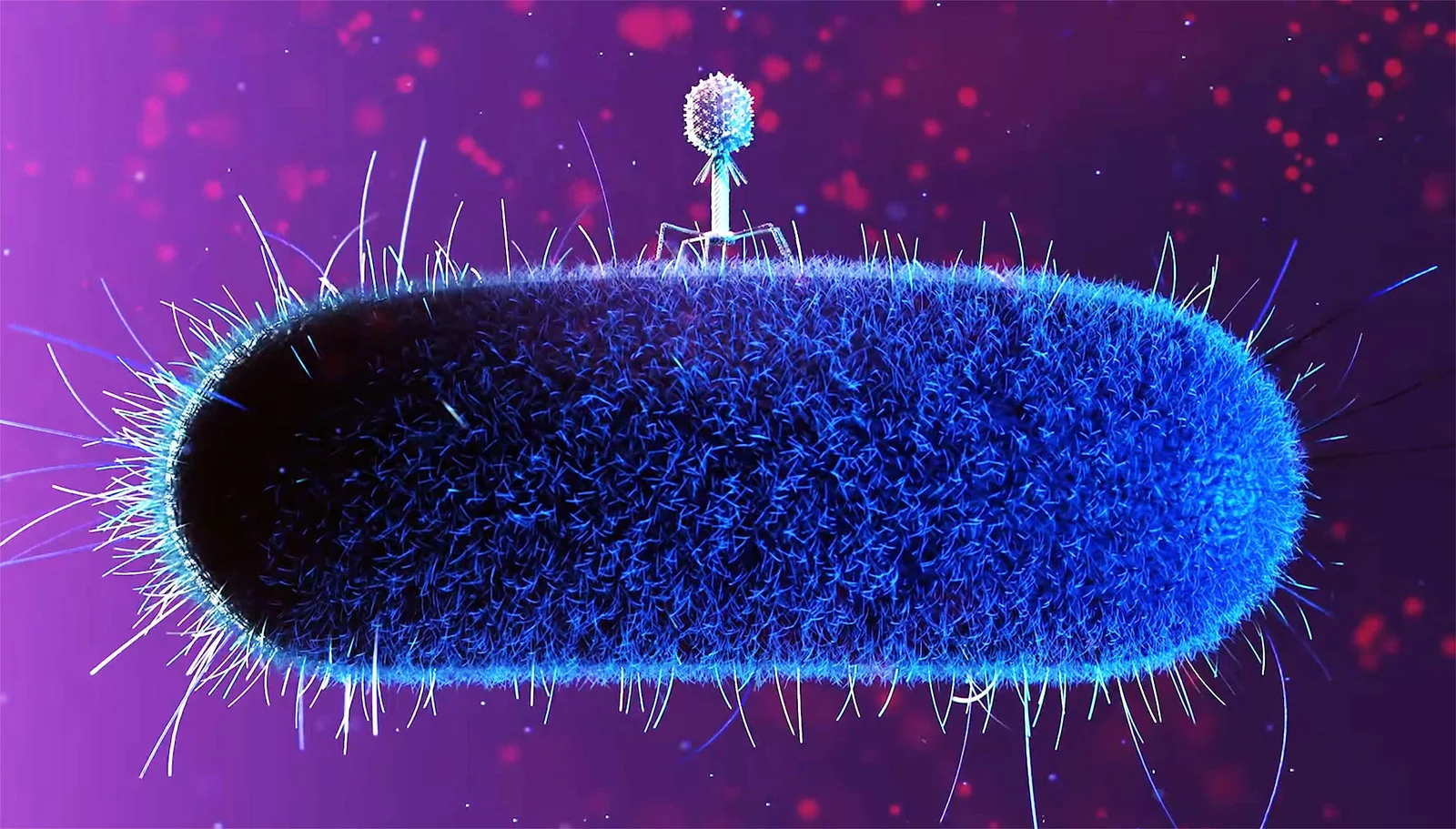
A study comparing phage-bacteria dynamics on the ISS and on Earth shows that the T7 phage infecting E. coli slows in microgravity but can still replicate after a long interval. Space conditions drive distinct mutation patterns in both phage and host, and researchers used microgravity-informed mutations to engineer phage variants that outperform Earth-informed ones against drug-resistant uropathogenic E. coli. The findings suggest extreme environments can reveal new design principles for phage therapy to combat antibiotic resistance and are reported in PLOS Biology.
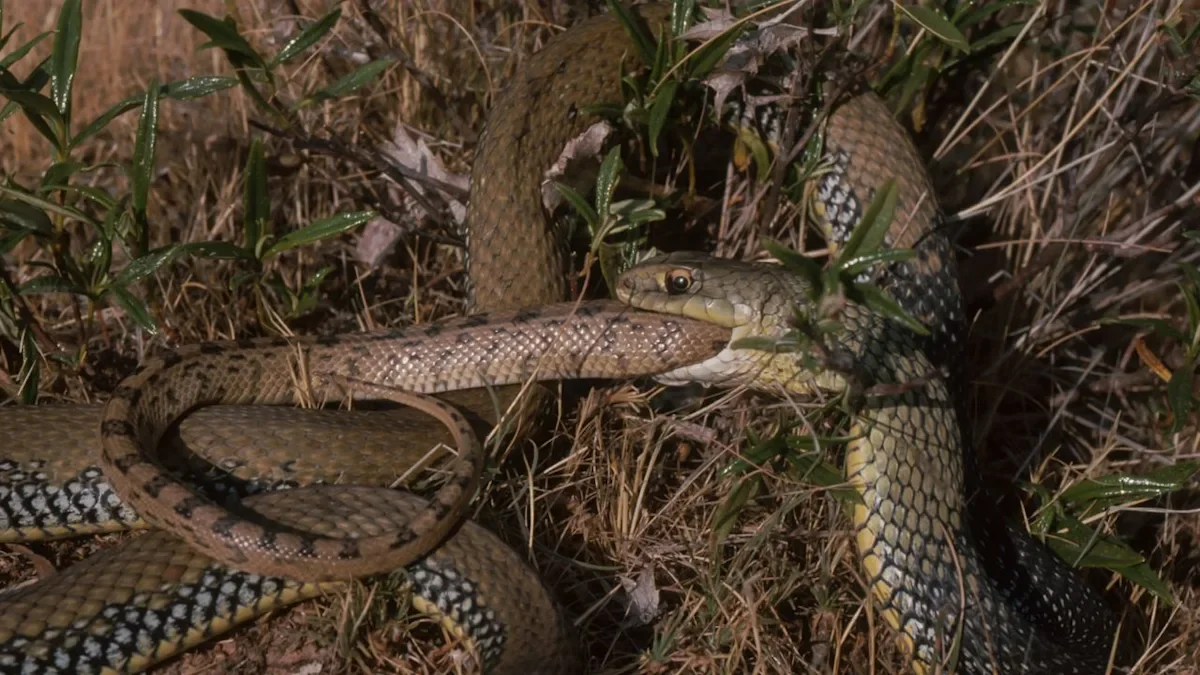
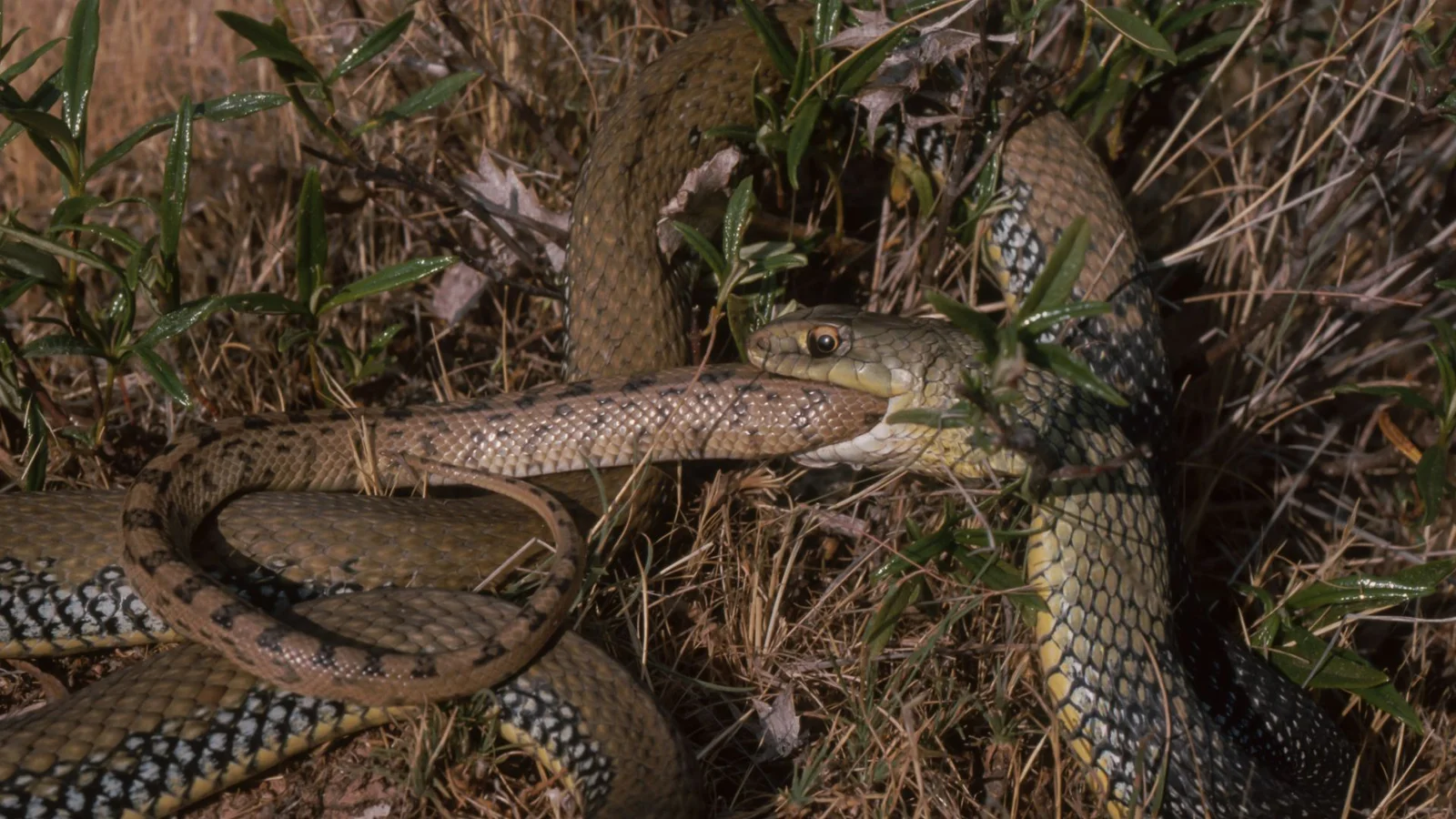
A review of 503 cannibalism reports across 207 snake species finds cannibalistic behavior has evolved independently at least 11 times, in both wild and captive settings. Cannibalism occurs across diverse contexts and is often tied to environmental stress or opportunistic feeding. Jaw structure enabling swallowing other snakes, along with dietary flexibility in some species, may help explain the pattern. The study suggests cannibalism is more common in snakes than previously thought and may be an adaptive response to scarce resources.
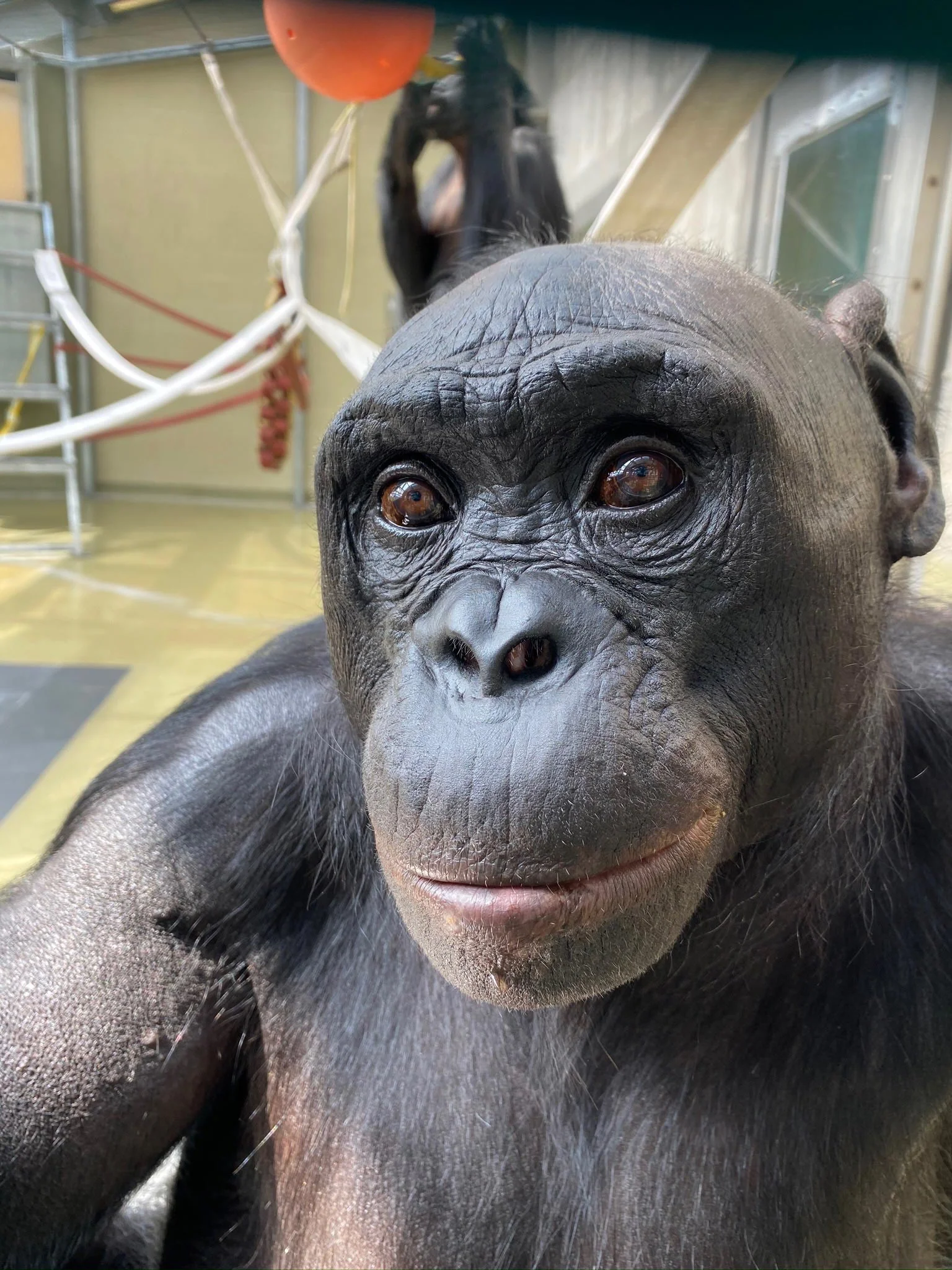
Johns Hopkins researchers conducted three tea-party–style experiments with Kanzi the bonobo to test pretend play. In the tasks, he identified pretend juice and grapes in imaginary scenarios, often selecting the cup or jar corresponding to the pretend object; he also favored real juice when both were present. The results, consistently above chance, show that an ape can imagine objects that aren’t present, challenging the idea that imagination is uniquely human and suggesting deep evolutionary roots that may extend to a common ancestor 6–9 million years ago.
A review of 503 cannibalism reports across 207 snake species finds that cannibalistic behavior has evolved independently at least 11 times. The behavior appears across continents and contexts, often linked to environmental stress or scarce food, with many captivity cases; jaw flexibility and dietary generalism help some snakes consume conspecifics. Researchers say cannibalism can provide ecological fitness as an opportunistic feeding strategy, though much of the data are anecdotal and more study is needed.
A Live Science feature explores 'intraterrestrials'—microbes living deep in Earth's crust that can remain dormant for hundreds of thousands to millions of years. Scientists propose these organisms may awaken only when slow geological processes bring them back to nutrient-rich surface environments, raising questions about Darwinian evolution in nongrowing life and suggesting long-term dormancy could offer a selective advantage (GASP) as they wait for events like island subsidence, volcanic activity, or plate movement to “reawaken” them.
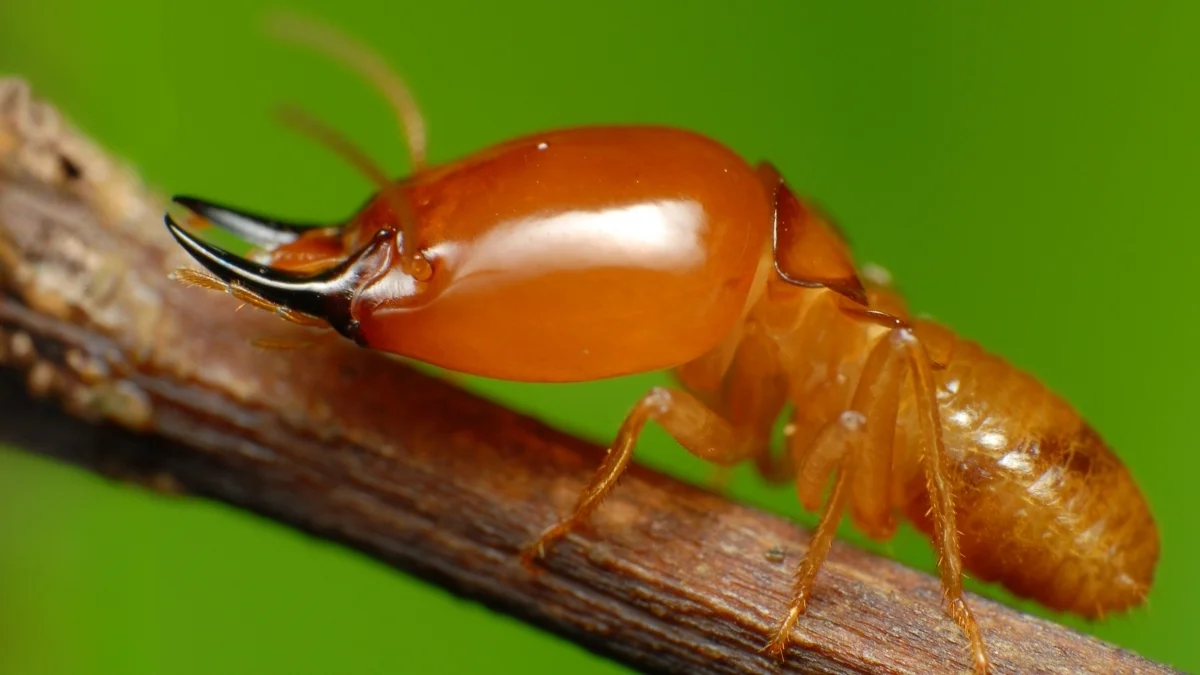
A study finds that long-term monogamy in termites reduced sperm competition, leading to the loss of sperm-motility genes and enabling a shift from solitary ancestors to highly social colonies, showing that social complexity can arise by pruning genetic complexity.