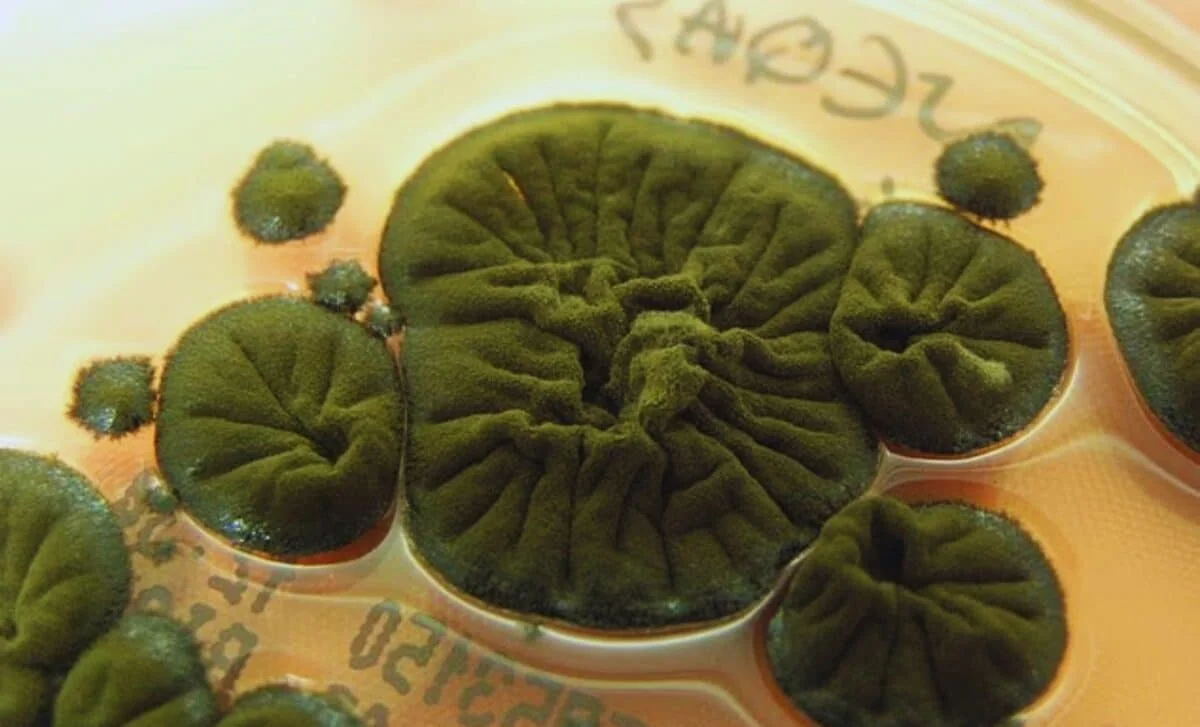
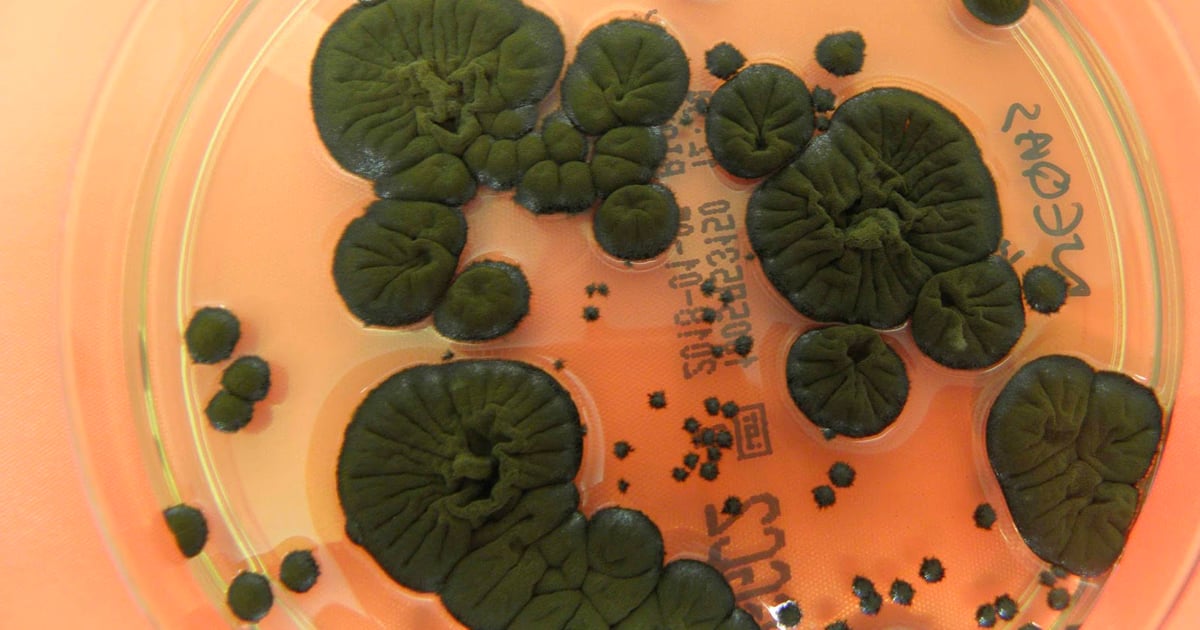
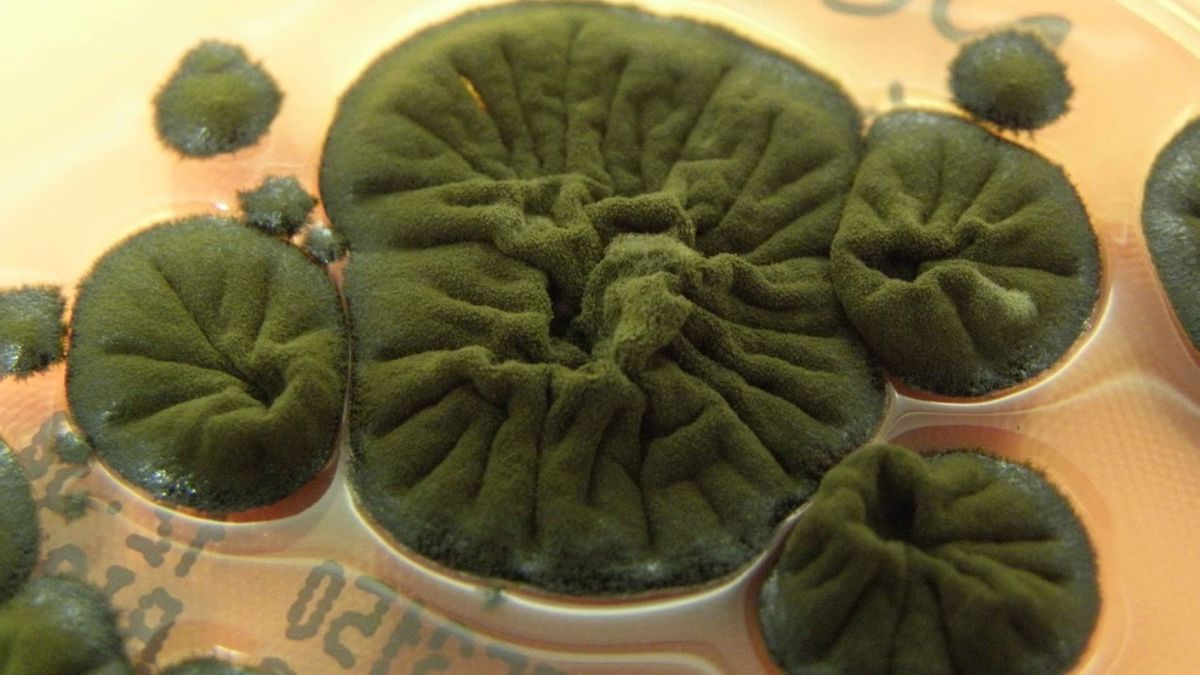
In the radioactive ruins of Chernobyl’s Reactor 4, the black fungus Cladosporium sphaerospermum appears to grow better in ionizing radiation, a finding that rekindles interest in melanin’s role in radiation interactions and the radiosynthesis hypothesis, though a proven energy-conversion pathway has not yet been demonstrated.
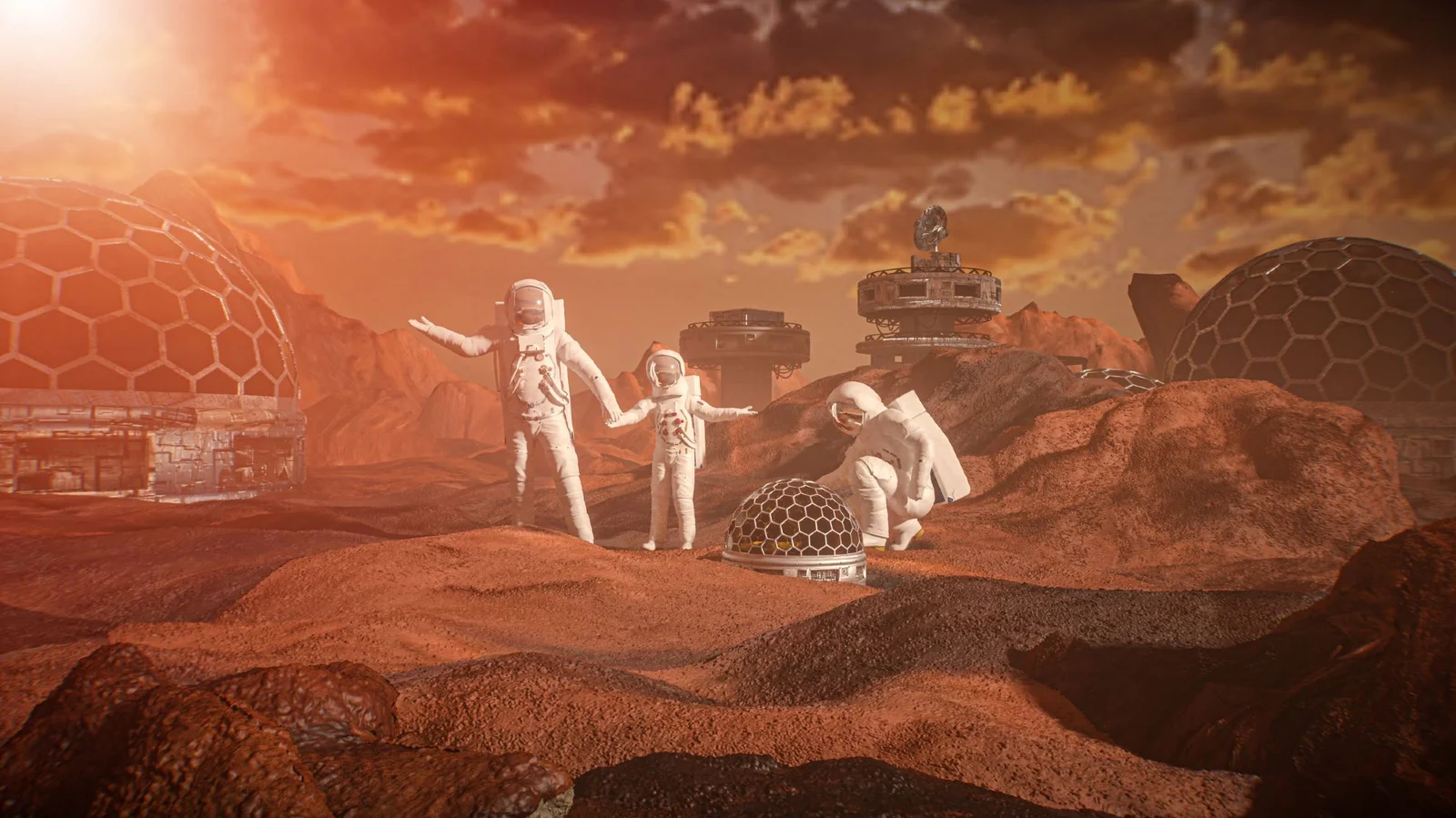
Space.com debunks five common sci-fi myths about living on Mars: that colonies can easily thrive on the surface, that humanity could just terraform the planet, that low gravity is harmless, that Martian soil can support easy farming, and that the main challenge is simply getting there. In reality, viable settlements would likely be buried underground or in lava tubes with hermetically sealed habitats, requiring thick radiation shielding, closed-loop life support, and abundant energy. The Martian atmosphere is extremely thin and lethal without a suit, oxygen must be generated, and surface conditions are brutal (cold, radiation, low pressure). Growing food faces toxic perchlorates in soil, so hydroponics or bioengineered solutions are needed. Psychological stresses from isolation and long travel times add equal weight to physical survival. Overall, any real Mars settlement would demand centuries of Earth-provided resources and massively engineered habitats, making true “colonization” far more complex than sci-fi suggests.
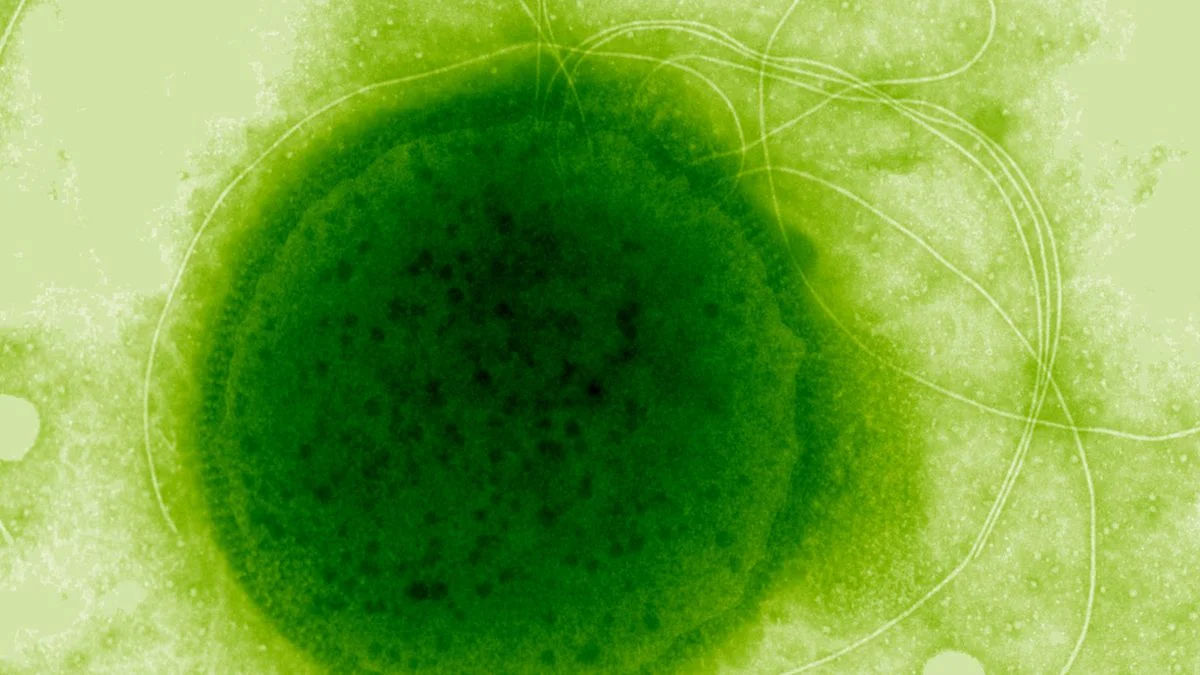
Scientists report Thermococcus gammatolerans, an archaeon living near Guaymas Basin vents, can endure gamma radiation up to 30,000 grays—far more than lethal human doses. Its radiation tolerance isn’t due to extra DNA repair genes but likely arises from the harsh vent environment, which reduces oxidative damage and enables rapid repair, suggesting the trait is a byproduct of hydrothermal-vent life rather than a specialized adaptation.
A new paper argues that long-duration spaceflight could impair fertility, gamete quality, and embryonic development due to space radiation and microgravity, with potential epigenetic and heritable risks for offspring; experts call for a formal reproductive health framework and ethical guidelines for space research, even though reproduction in space is not currently advocated.
An international study warns that the space environment—microgravity, cosmic radiation, and circadian disruption—poses risks to fertility and pregnancy, highlighting a lack of standardized policies for reproductive health in space as commercial and governmental missions expand. Researchers call for urgent international collaboration to establish ethical guidelines and protective standards for astronauts, noting that assisted reproductive technologies could assist future research but have not enabled human pregnancy in space.
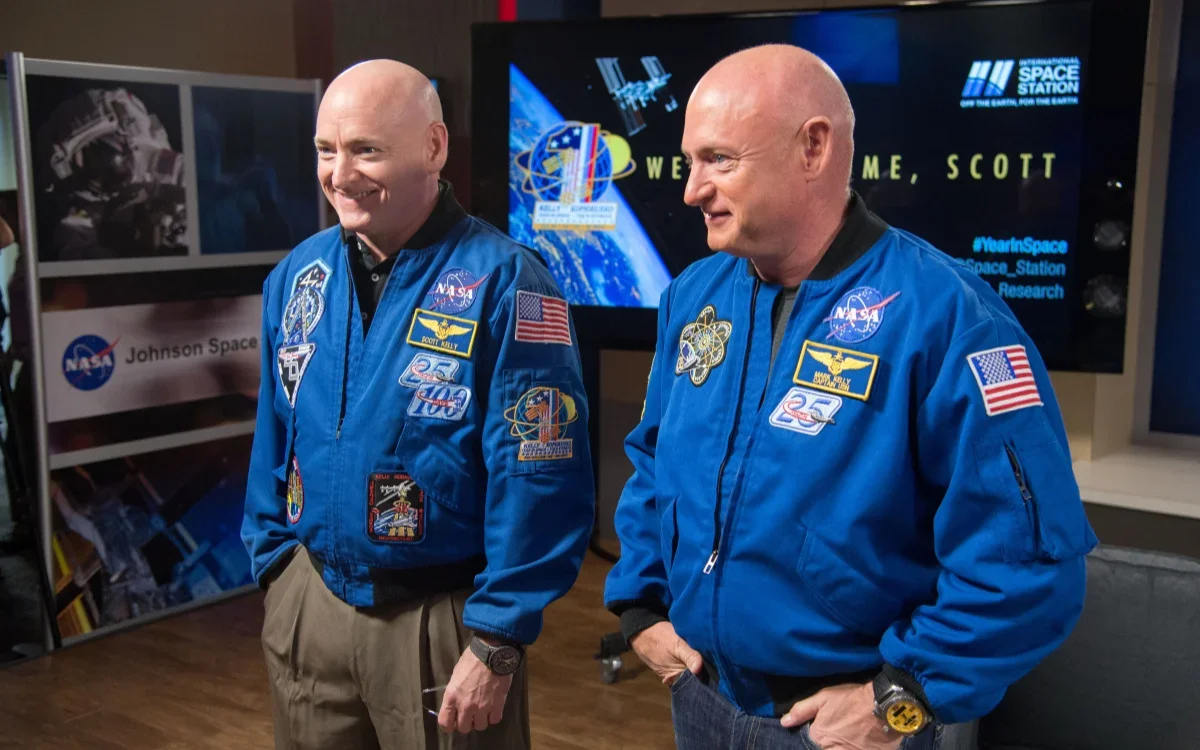
NASA's twin study compared Scott Kelly in orbit with his Earthbound brother Mark to isolate space effects; researchers found rapid gene-expression shifts and heightened immune activity in Scott, with telomere elongation in space that shortened after return; radiation caused more DNA damage and repair signals in Scott than Mark; by six to eight months post-mission, most gene-expression changes had reverted, indicating reversibility but signaling potential long-term risks for future long-duration missions such as cardiovascular strain, vision problems, and cancer risk.
A new report in Reproductive BioMedicine Online warns that reproducing in space is far from safe due to radiation, microgravity, and lunar dust, which may affect fertility, pregnancy, and offspring. It calls for a global ethical framework, better shielding, medical countermeasures, and advanced assisted reproduction tools before any long-duration missions, effectively delaying space births until safeguards are in place.
Space researchers say there is no current consensus or standards for reproductive health beyond Earth. A new study calls for international collaboration to map risks (cosmic radiation, microgravity, isolation) and to establish ethical guidelines and governance before any space-based conception or related research, highlighting gaps as humanity plans longer stays in space and commercial ventures expand.
A panel of experts warns that long-duration spaceflight poses significant risks to fertility and embryonic development, and current data are too scarce to guide safety. They urge creating an international framework to study reproductive health in space, develop protective measures and fertility-preservation methods, and establish clear ethical guidelines, while making clear that actual in-space human reproduction is not planned and research will rely on simulations and non-human models.
NASA selected three new CLPS payloads—EMILIA-3D, LISTER, and SELINE—to land on the Moon by no earlier than 2028. EMILIA-3D will create 3D thermal models of the terrain, LISTER will drill and measure subsurface heat flow, and SELINE will study the lunar radiation environment. These experiments don’t require a fixed landing site and will advance lunar science, exploration safety, and the growing lunar economy by leveraging U.S. industry.
Colleen Hoover revealed she is undergoing cancer treatment and is on her second-to-last day of radiation, without specifying the cancer type. Genetic testing indicated the cancer was not hereditary. Hoover had previously disclosed the diagnosis in December in a private fan group after health issues during filming of Reminders of Him.
A black fungus, Cladosporium sphaerospermum, thriving in Chernobyl's radioactive environment, may be harnessing ionizing radiation as an energy source through a process called radiosynthesis, challenging our understanding of life’s resilience in extreme conditions.
Scientists studying fungi at Chernobyl found that a black fungus, Cladosporium sphaerospermum, not only tolerates radiation but appears to grow toward it, leading to potential applications in creating living radiation shields for space travel. Experiments on the ISS showed the fungus's growth may be enhanced by radiation, and its melanin content could help neutralize radiation damage, suggesting a future where biological materials could be used to protect astronauts from space radiation. However, more research is needed to confirm these effects and develop practical applications.
A black fungus, Cladosporium sphaerospermum, thriving in Chernobyl's radioactive environment, shows unusual growth patterns under radiation, leading to theories of a potential 'radiosynthesis' process that could convert radiation into energy, with implications for space shielding and astrobiology. Despite ongoing research, the exact mechanisms remain unknown, but the fungus's resilience and unique properties make it a promising subject for future scientific and space exploration applications.
Scientists have discovered a black fungus, Cladosporium sphaerospermum, thriving in the radioactive environment of Chernobyl, potentially using a process called radiosynthesis to harness ionizing radiation for energy, though the exact mechanism remains unknown.