Scientists revived nematode worms from Siberian permafrost that had been frozen for over 46,000 years, revealing insights into cryptobiosis and potential applications in biological preservation and medicine.
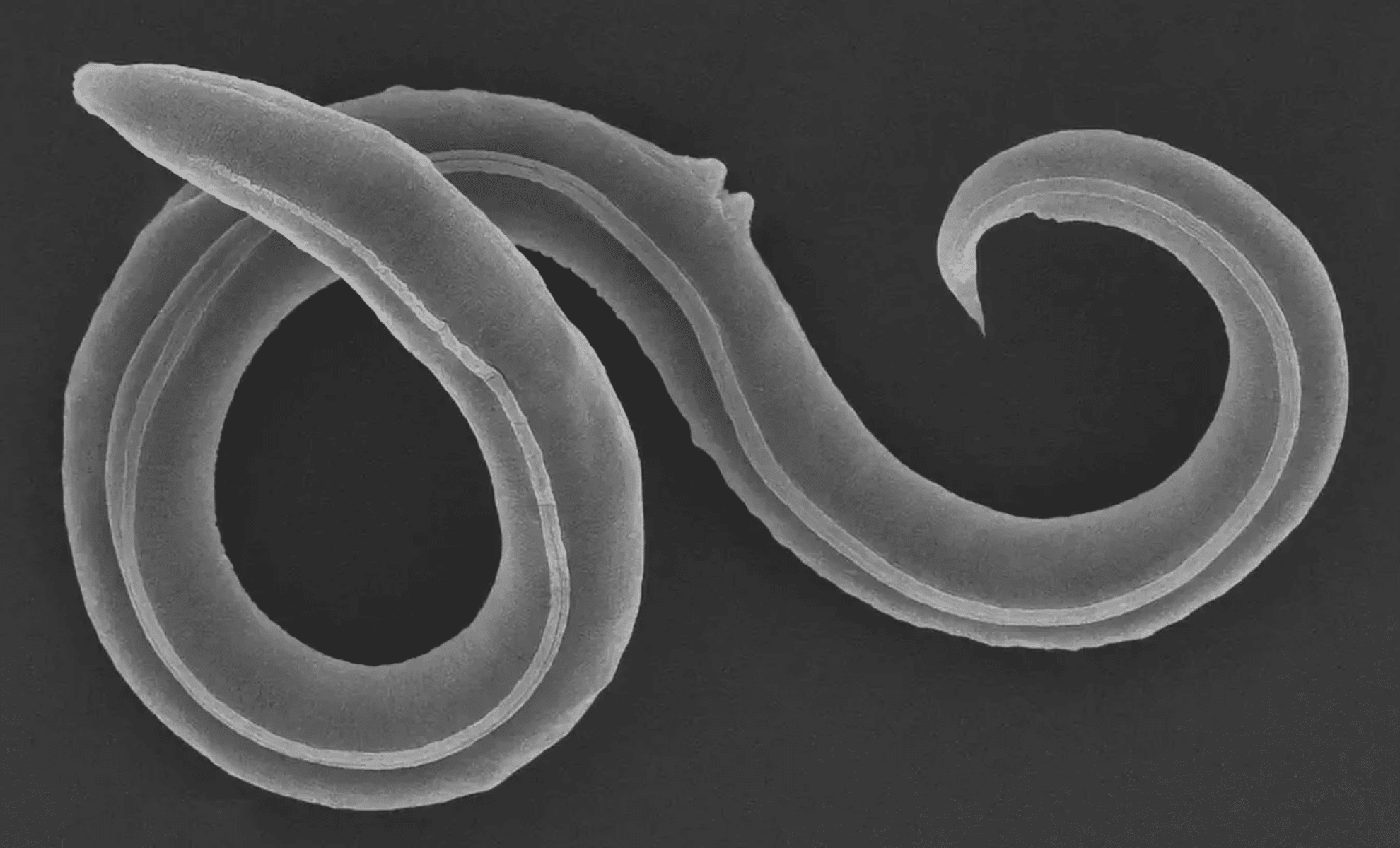
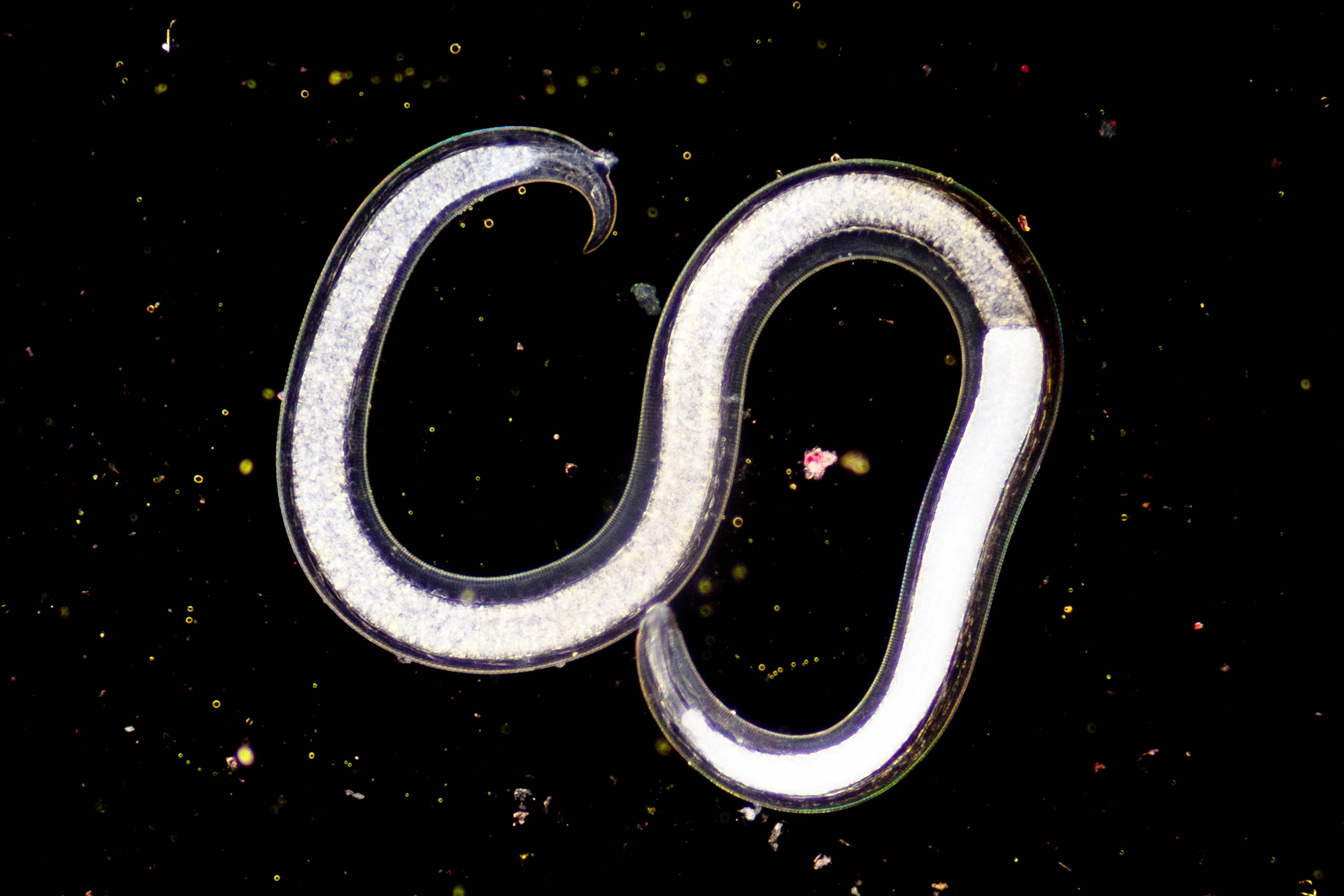
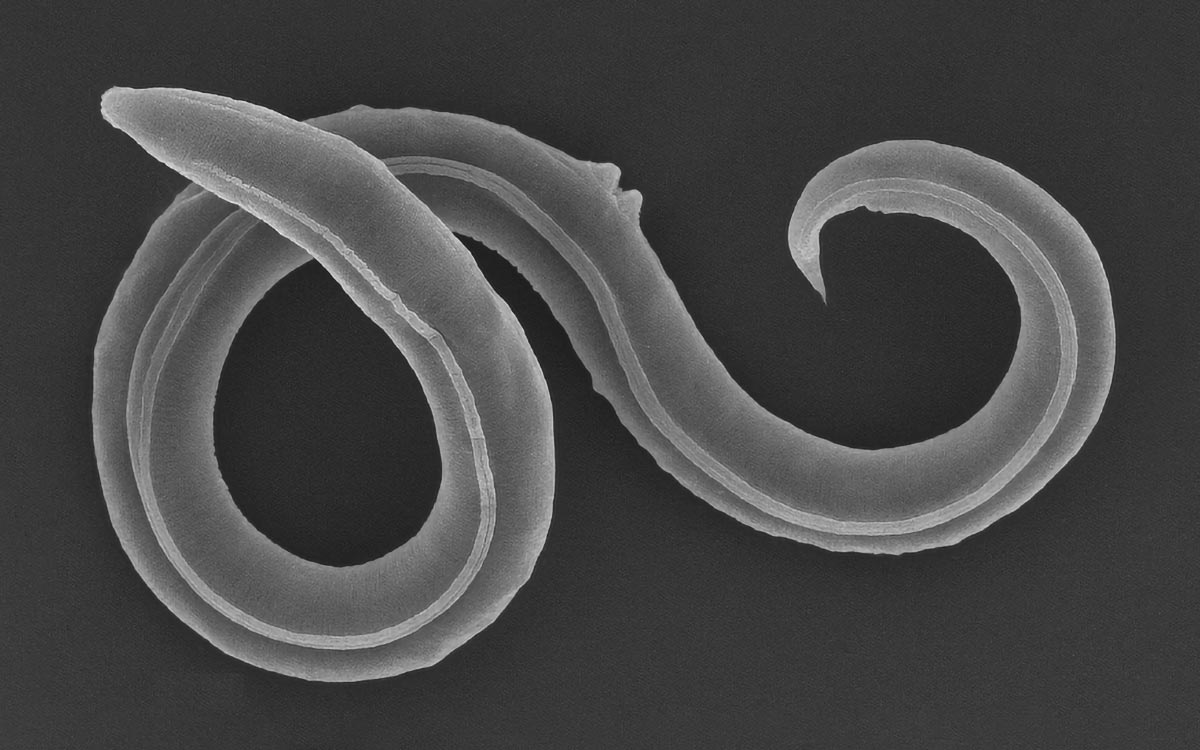
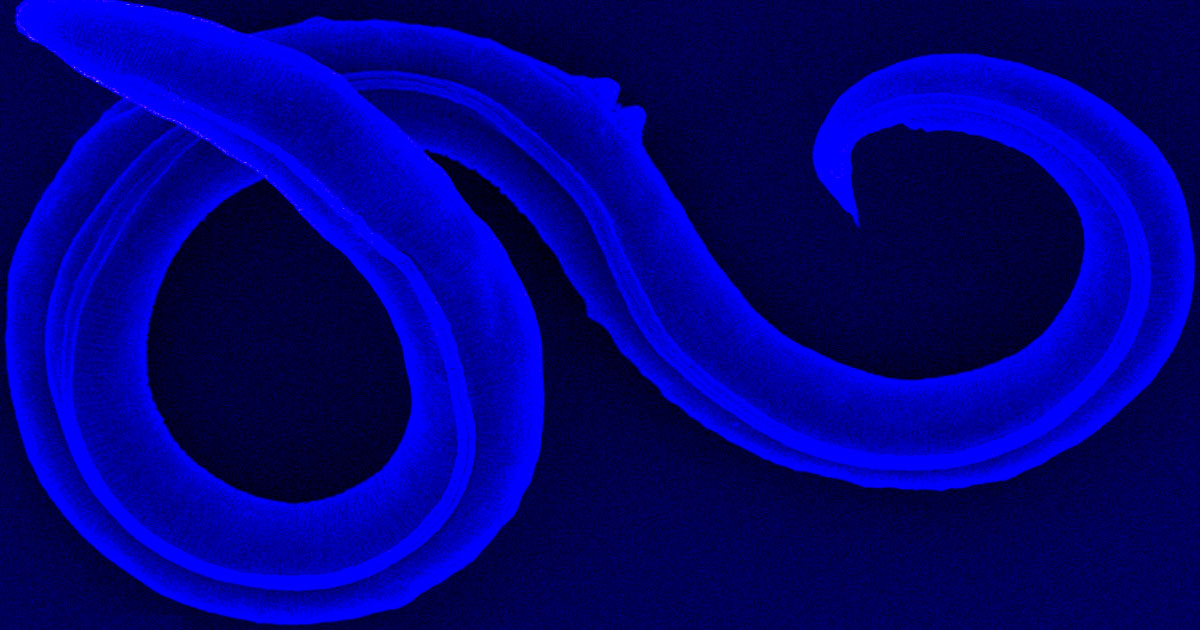
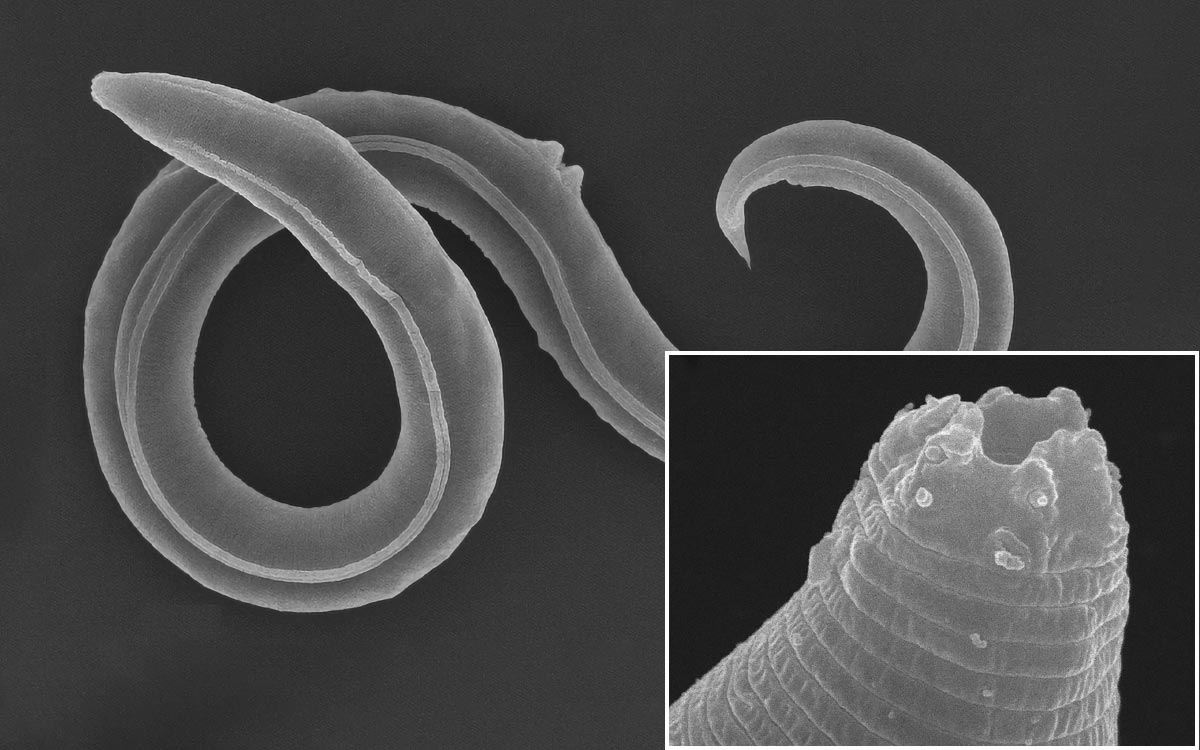
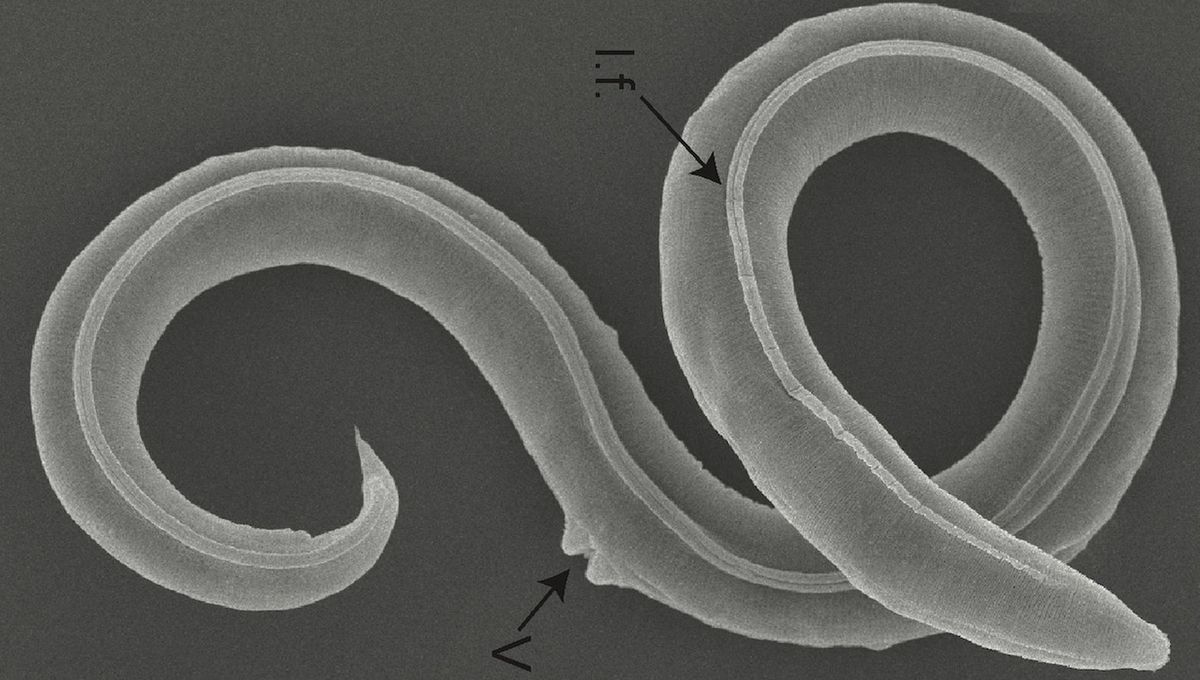
Scientists successfully revived a 46,000-year-old nematode from Siberian permafrost, revealing its survival mechanisms and potential applications in biobanking and medicine, while also identifying it as a new species, Panagrolaimus kolymaensis, with unique genetic adaptations for long-term preservation.
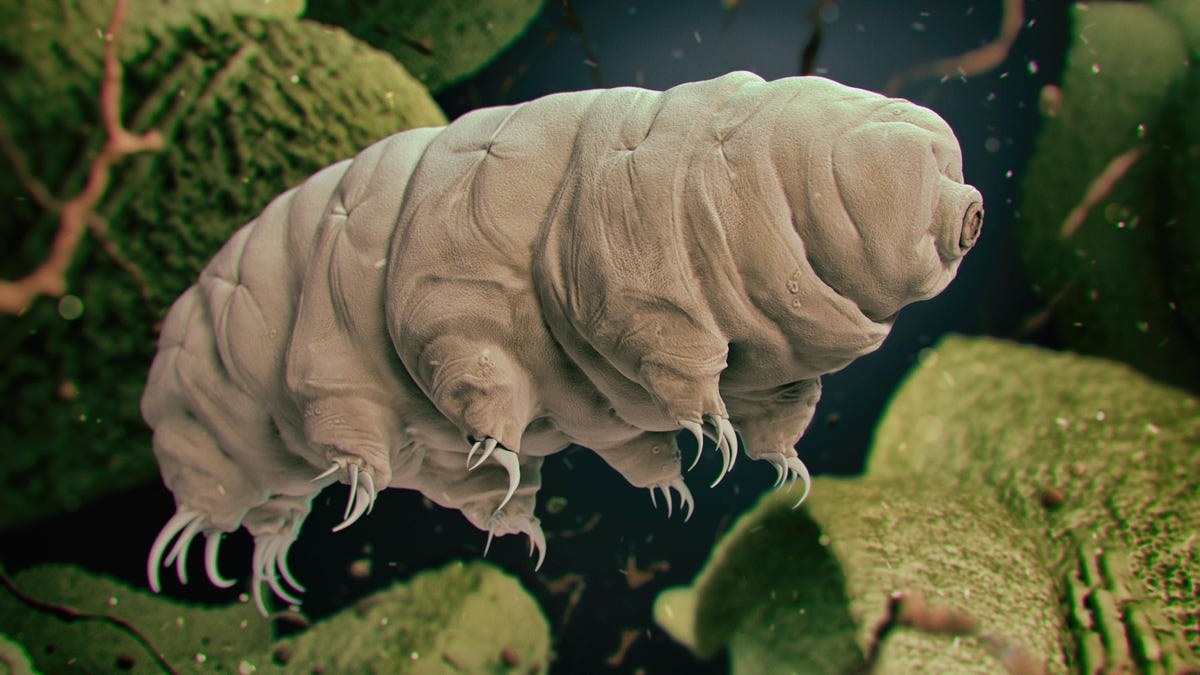
The crash landing of the Beresheet probe on the moon in 2019 may have inadvertently brought microscopic tardigrades, known for their extreme resilience, to the lunar surface. While these lifeforms can survive in harsh conditions through cryptobiosis, the moon's inhospitable environment, lacking essential elements for life, makes it unlikely for them to thrive. This incident raises concerns about unintentional contamination of celestial bodies during space exploration.
Scientists have discovered a key mechanism that allows tardigrades to undergo cryptobiosis, a state of death-like dormancy that enables them to survive extreme conditions. The research suggests that reactive oxygen species (ROS) play a crucial role in mediating the process of cryptobiosis by signaling the oxidation of the amino acid cysteine. This finding opens up new avenues for investigating the survival strategies of these remarkable creatures.
Researchers have successfully reanimated a soil nematode that had been dormant in Siberian permafrost for approximately 46,000 years. The nematode, identified as a new species called Panagrolaimus kolymaensis, shares genes related to survival with the model organism Caenorhabditis elegans. Exposure to mild desiccation before freezing improved the nematodes' survival capabilities, suggesting the potential for long-term dormant survival in extreme conditions. This study extends the known cryptobiosis period in nematodes by tens of thousands of years and highlights the role of environmental fluctuations in determining the duration of cryptobiotic states.
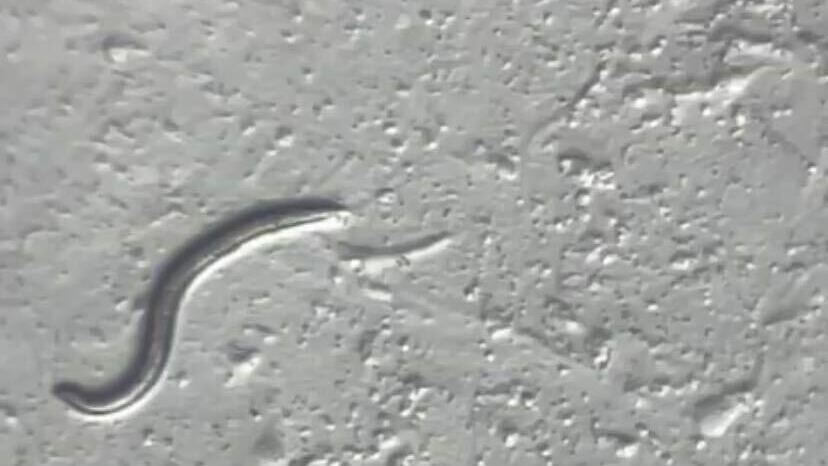
Scientists have successfully revived 46,000-year-old microscopic roundworms found frozen in Siberian permafrost, and the worms immediately started reproducing. The researchers hope that studying these organisms, which can enter a state of suspended animation called cryptobiosis, will provide insights into how life can adapt to rapidly changing weather patterns and climate change. The ability of these worms to survive for tens of thousands of years in a dormant state could have implications for understanding the survival mechanisms of complex organisms.
Scientists have revived 46,000-year-old nematodes found in the Siberian Permafrost, including a previously undescribed species called Panagrolaimus kolymaensis. The nematodes exhibit survival mechanisms similar to the model nematode Caenorhabditis elegans, suggesting that they have developed ways to preserve life over geological time periods. This research could inform conservation strategies in the face of global warming.
Scientists have discovered a previously unknown species of nematode worm that survived being frozen in Siberian permafrost for 46,000 years. The worm entered a dormant state known as cryptobiosis, during which it didn't eat and lacked a metabolism. This finding is significant because it reveals the ability of certain organisms to adapt and survive in extreme environments. The research could provide insights into genetic adaptations that help animals cope with climate change and protect endangered species.
A species of nematodes, or roundworms, has been revived after being frozen in Siberian permafrost for 46,000 years. The microscopic worms, belonging to a previously unknown species called Panagrolaimus kolymaensis, were recovered from permafrost samples on the banks of the Kolyma River in northeastern Siberia. Nematodes are known for their ability to enter a state of cryptobiosis, where all metabolic processes shut down until environmental conditions improve. The study of these ancient worms could provide insights into the mechanisms of cryptobiosis and have implications for understanding evolutionary processes and long-term survival.