New telescope owners should start by familiarizing themselves with setup, focusing on bright targets like the moon and planets such as Jupiter and Saturn, and learning the night sky's constellations to navigate and find deep-sky objects gradually, practicing patience and regular observation.
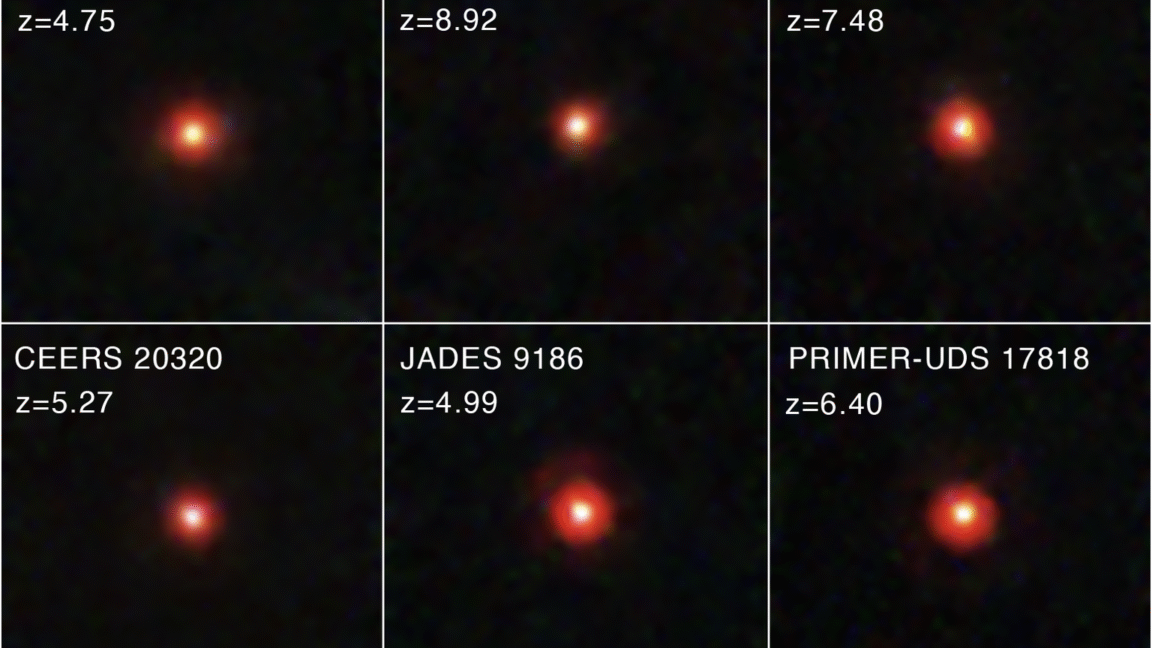
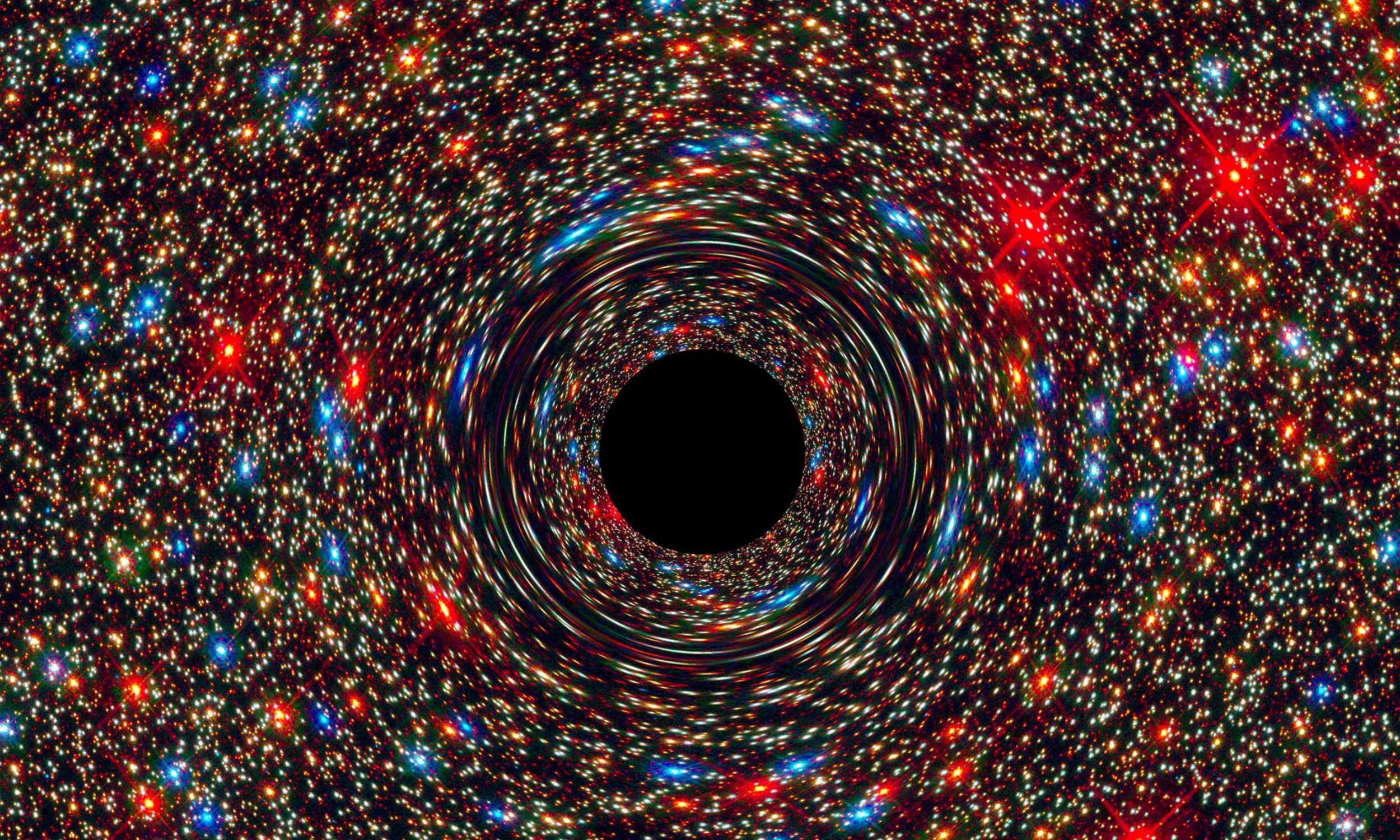
Researchers used advanced cosmological simulations to study the early universe, revealing that runaway black hole mergers within dense star clusters may have played a crucial role in forming supermassive black holes, with the simulations showing rapid star formation and cluster merging in the galaxy's nucleus.
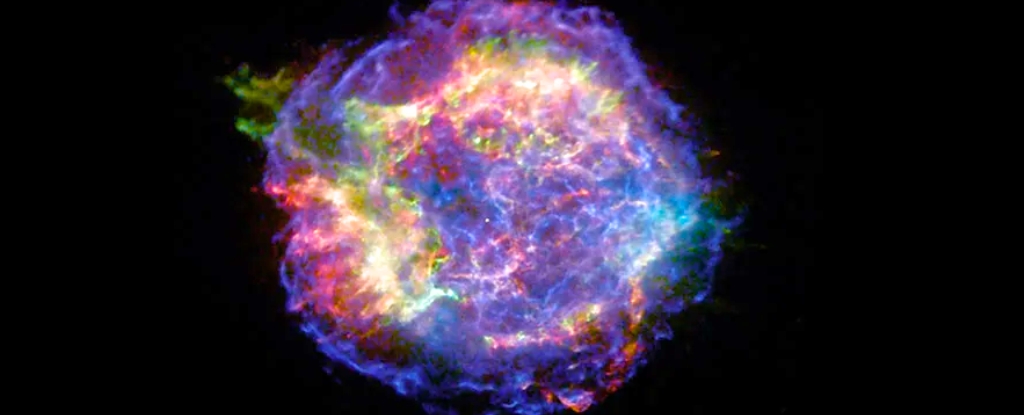
Scientists have found a mysterious spike in beryllium-10 in Pacific Ocean sediments dating back 9-12 million years, which may be linked to a nearby supernova explosion, supported by star cluster data suggesting a high probability of a supernova within 326 light-years of Earth during that period.
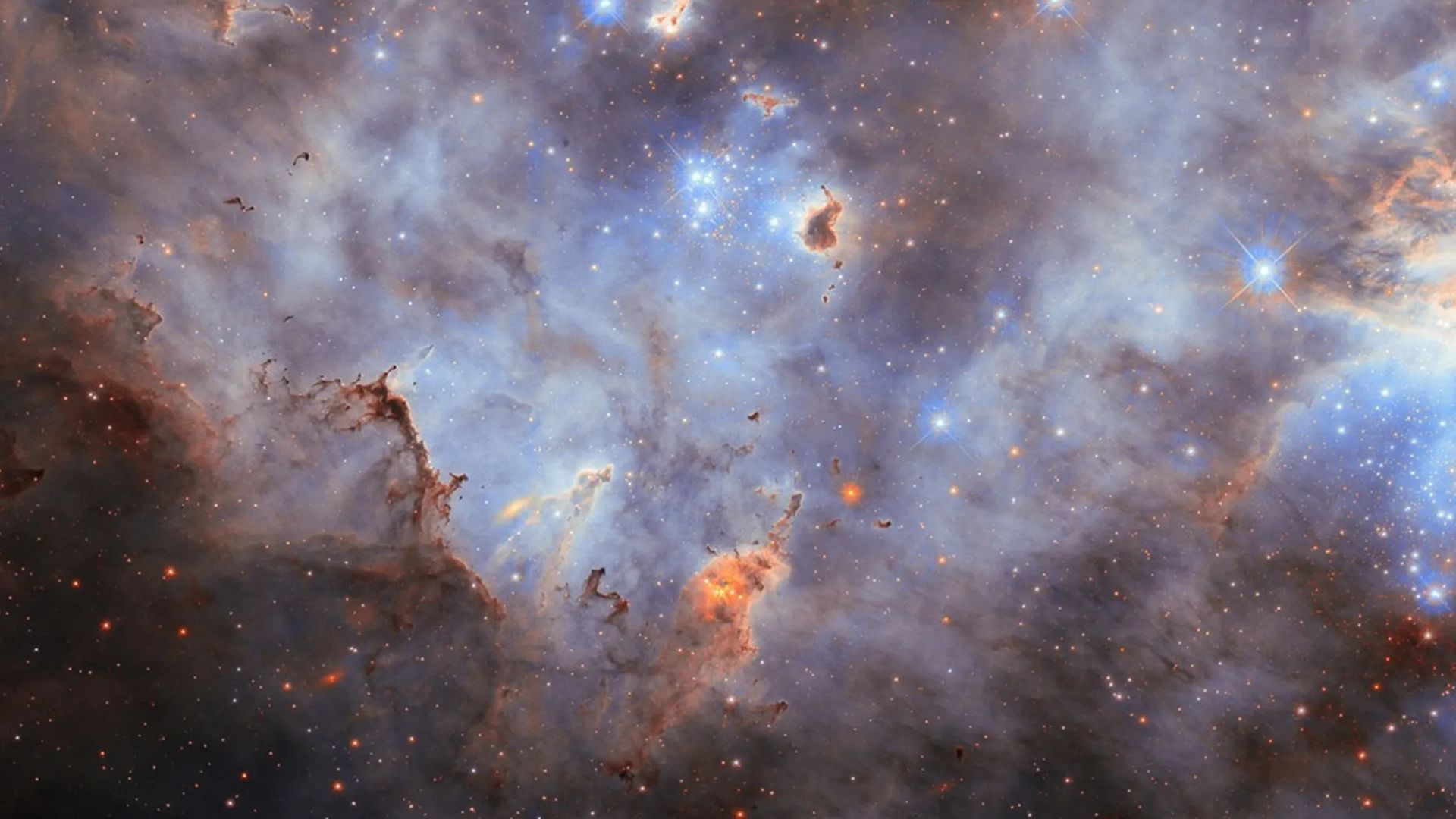
The Hubble Space Telescope captured a detailed image of a star cluster in the Large Magellanic Cloud, a nearby satellite galaxy of the Milky Way, providing insights into star formation and galactic evolution in different environments.
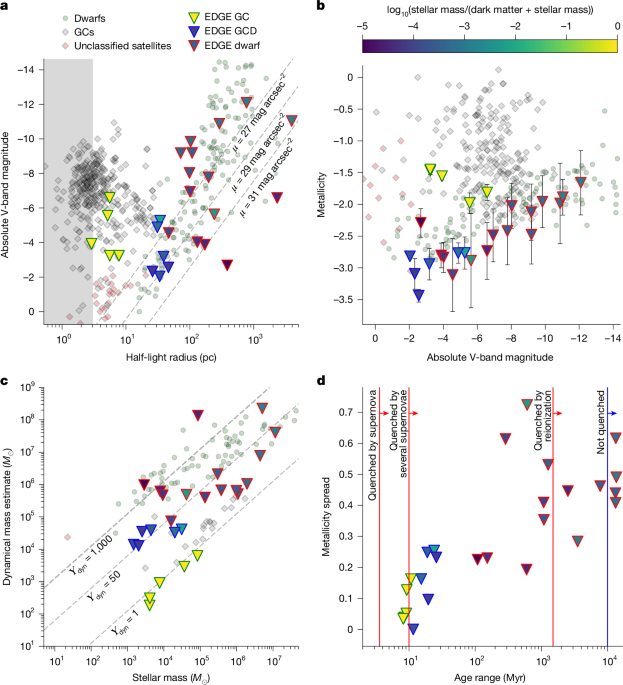
The article reviews the formation, properties, and significance of globular clusters and globular-cluster-like dwarfs in galaxy formation, highlighting their roles in understanding dark matter, galaxy evolution, and the early universe.
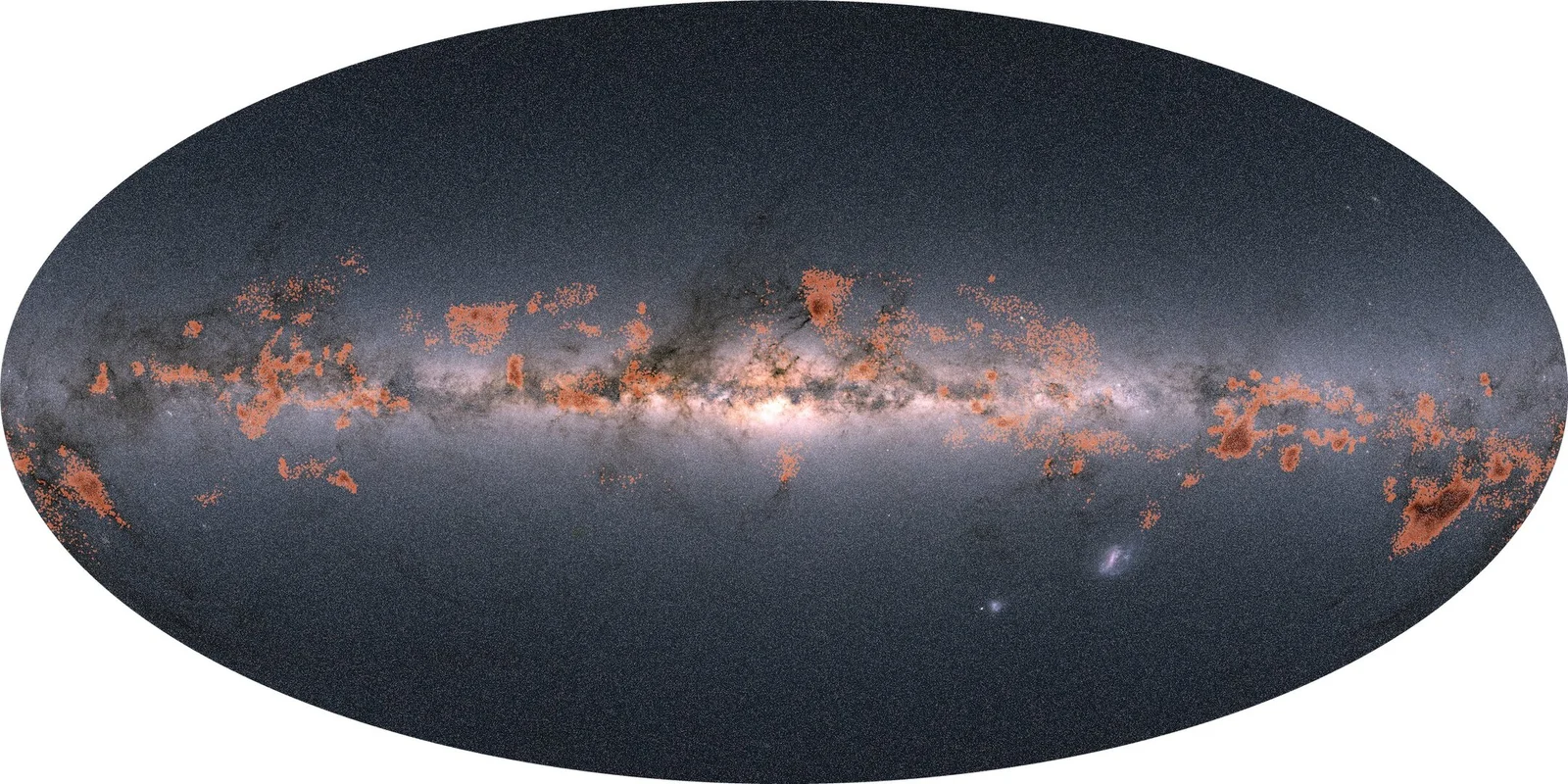
The European Space Agency's Gaia mission has revolutionized our understanding of the Milky Way by mapping billions of stars with unprecedented precision, revealing complex structures, interconnected star clusters, and the dynamic processes shaping our galaxy, including the discovery of star families, tidal tails, and the large-scale interconnectedness of star-forming regions.
This weekend's new moon provides an ideal opportunity for stargazing, especially to observe star clusters like the Double Cluster, Wild Duck Cluster, and the Coathanger Cluster in the Milky Way, with tips on how to locate them using binoculars and telescopes.
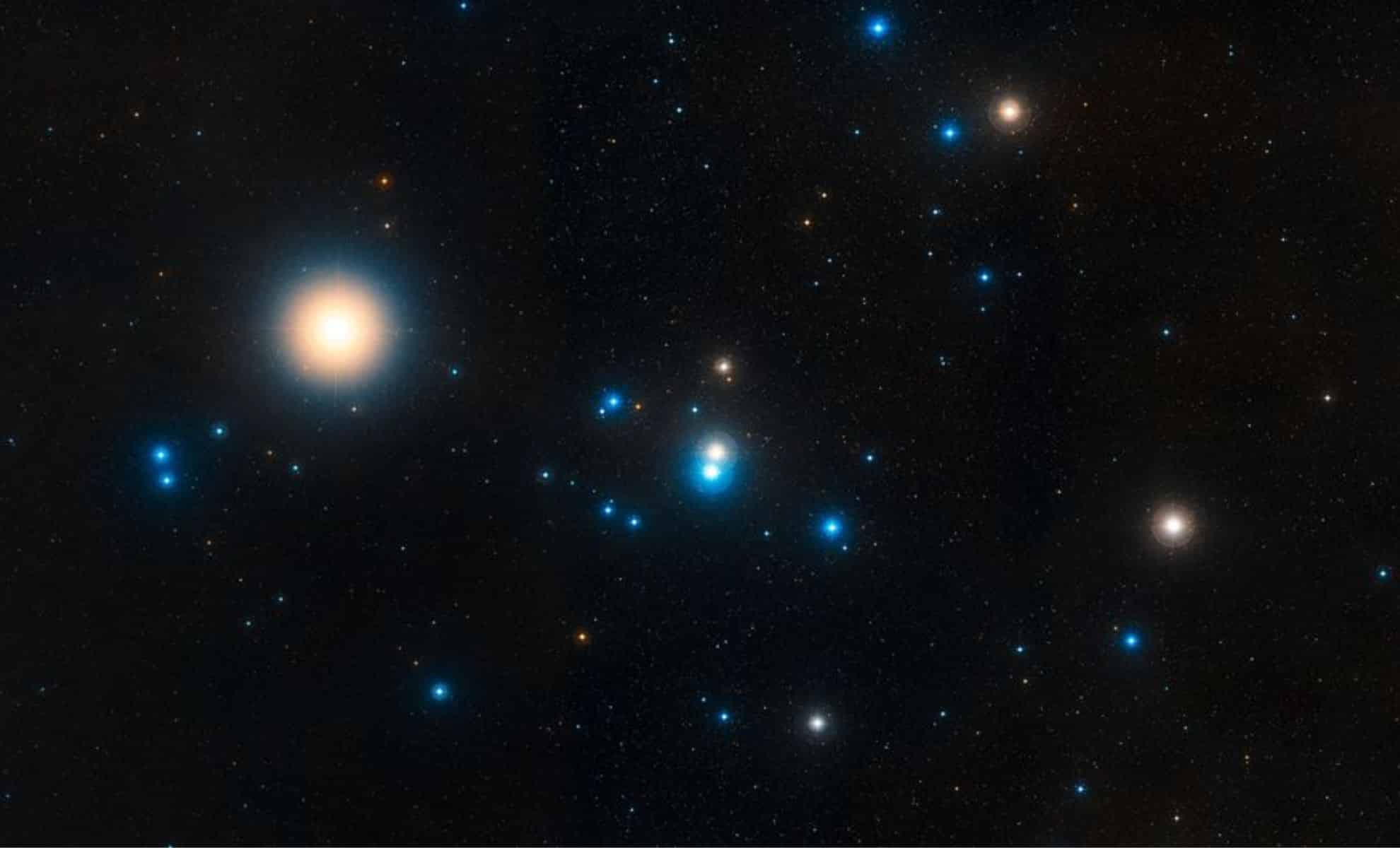
August offers prime stargazing opportunities for observing spectacular star clusters like the globular cluster M13 in Hercules, the Hyades in Taurus, and the Pleiades, all visible from the Northern Hemisphere with binoculars or telescopes, providing a stunning view of our galaxy's diverse stellar groups.
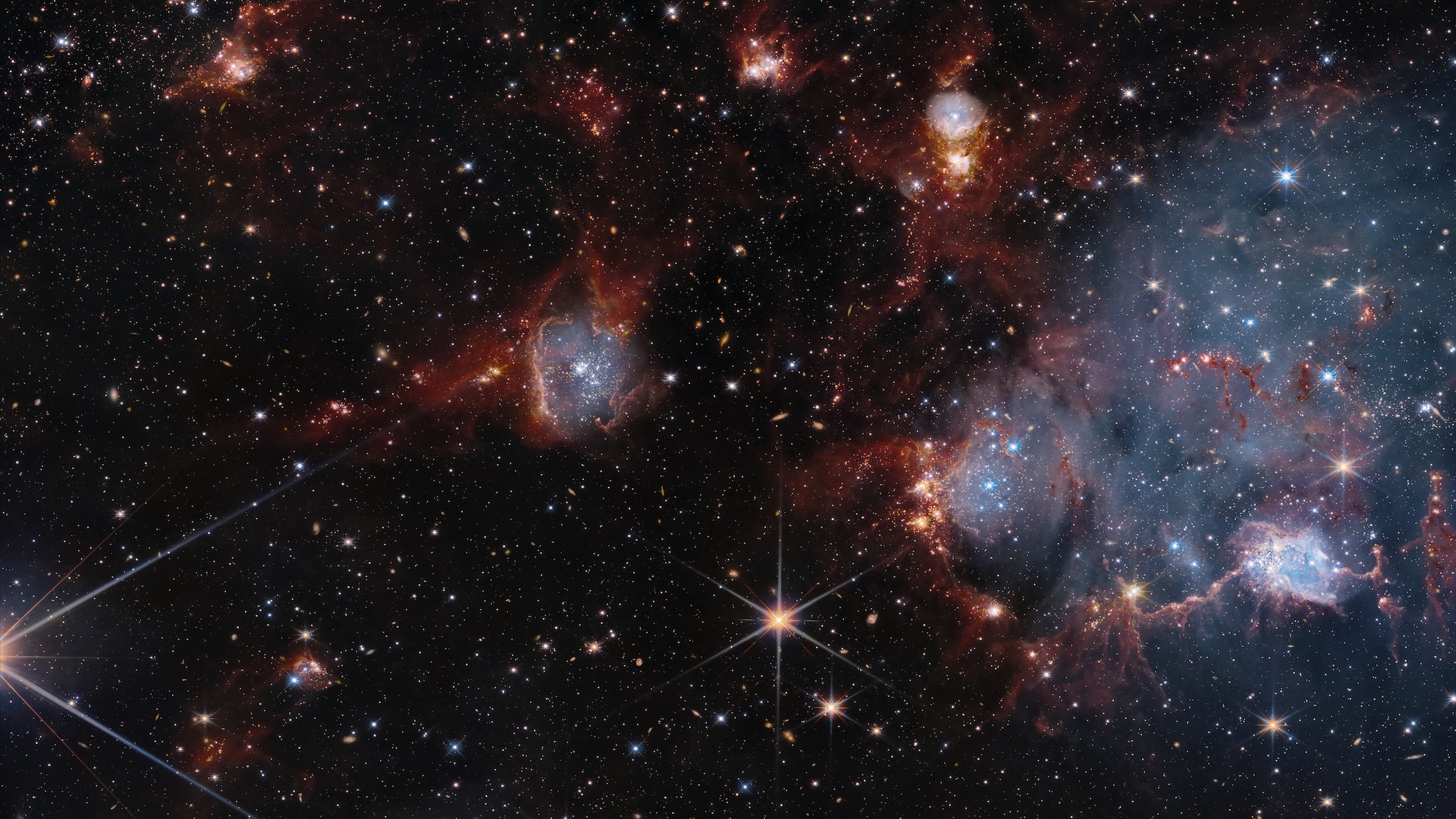
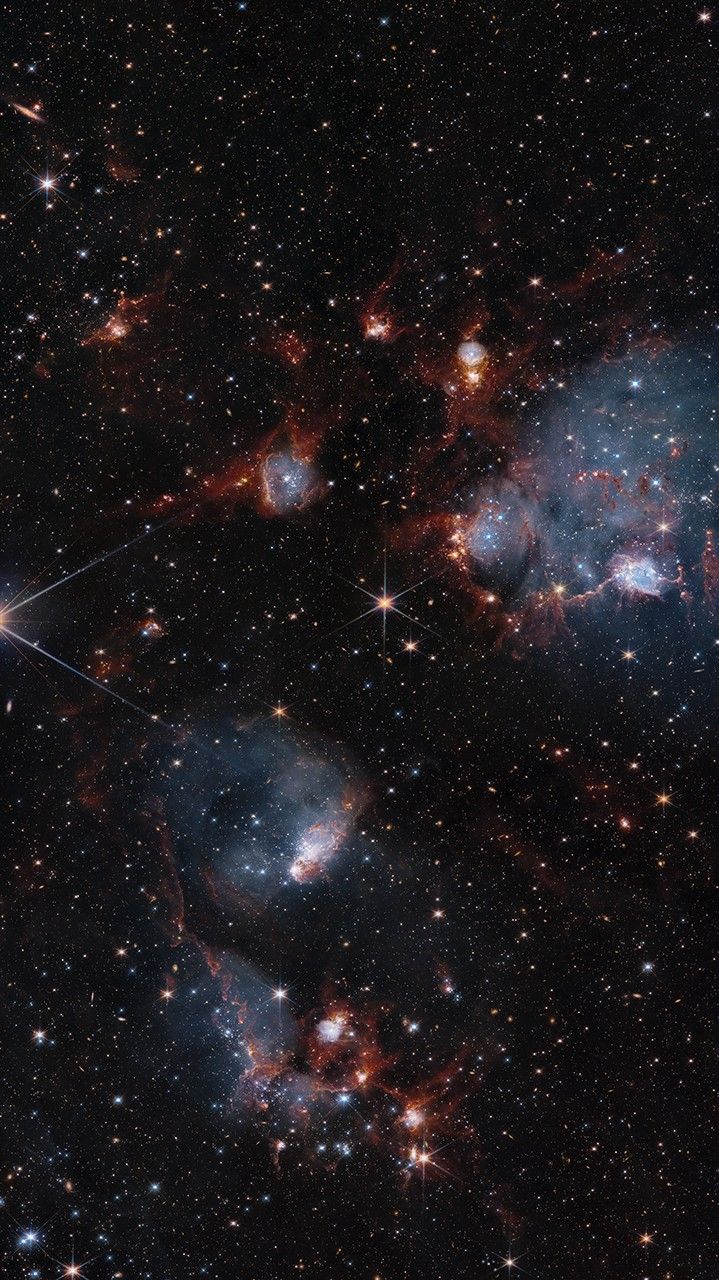
NASA's Hubble and James Webb telescopes collaborated to capture a detailed image of the open star clusters NGC 460 and NGC 456 in the Small Magellanic Cloud, revealing insights into star formation processes in a dwarf galaxy 200,000 light-years away.
NASA has released a stunning composite image of open star clusters, including NGC 460 and NGC 456 in the Small Magellanic Cloud, captured in visible light by Hubble and infrared by Webb, showcasing the complementary capabilities of both telescopes in revealing the universe's beauty.
NASA's Hubble and Webb telescopes have captured detailed images of the star clusters NGC 460 and NGC 456 in the Small Magellanic Cloud, revealing the complex interplay of gas, dust, and star formation, and providing insights into early universe conditions and galaxy interactions.
June 2025 offers a spectacular array of celestial events including the Strawberry Moon, planetary alignments, meteor showers, and prominent star clusters, making it an ideal month for sky watchers with opportunities for both casual viewing and astrophotography.
Astronomers have discovered over 100 stellar-mass black holes within a star cluster in the Milky Way, revealing complex interactions that may lead to black hole mergers and provide insights into galaxy evolution and gravitational wave sources.
NASA's Hubble Space Telescope has captured seven breathtaking images of star clusters, showcasing the beauty and complexity of these celestial formations. These images highlight the telescope's ability to provide detailed views of distant astronomical phenomena, contributing to our understanding of the universe.
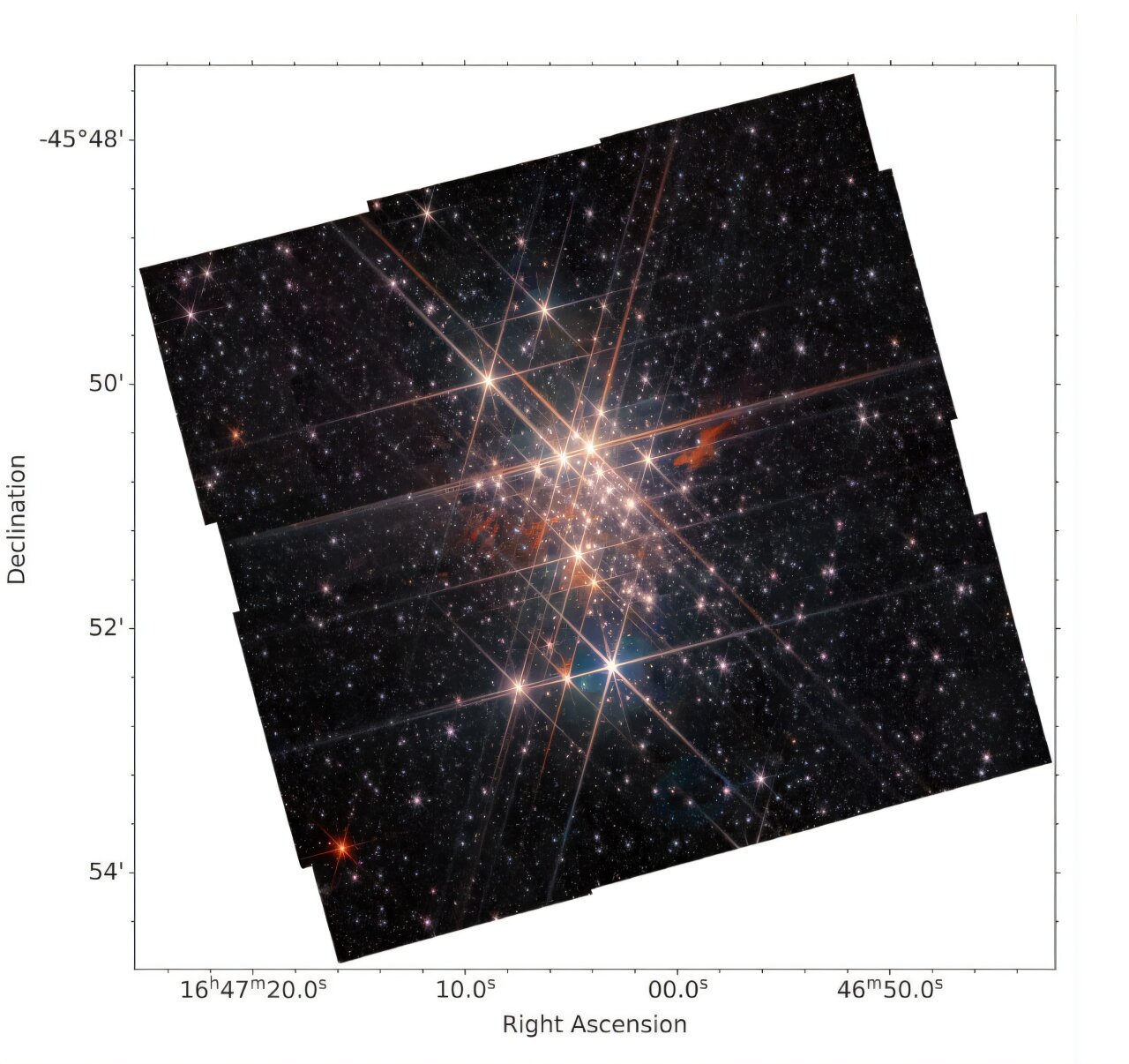
Astronomers using the James Webb Space Telescope have observed Westerlund 1, a supermassive star cluster in the Milky Way, revealing new insights into its structure and properties. The study, led by Mario Giuseppe Guarcello, utilized JWST's MIRI and NIRCam instruments to explore the cluster's members, protoplanetary disks, and the interaction between stars and their environment. The observations uncovered a diffuse nebulosity and elongated structures around massive stars, enhancing understanding of star formation and cluster dynamics.